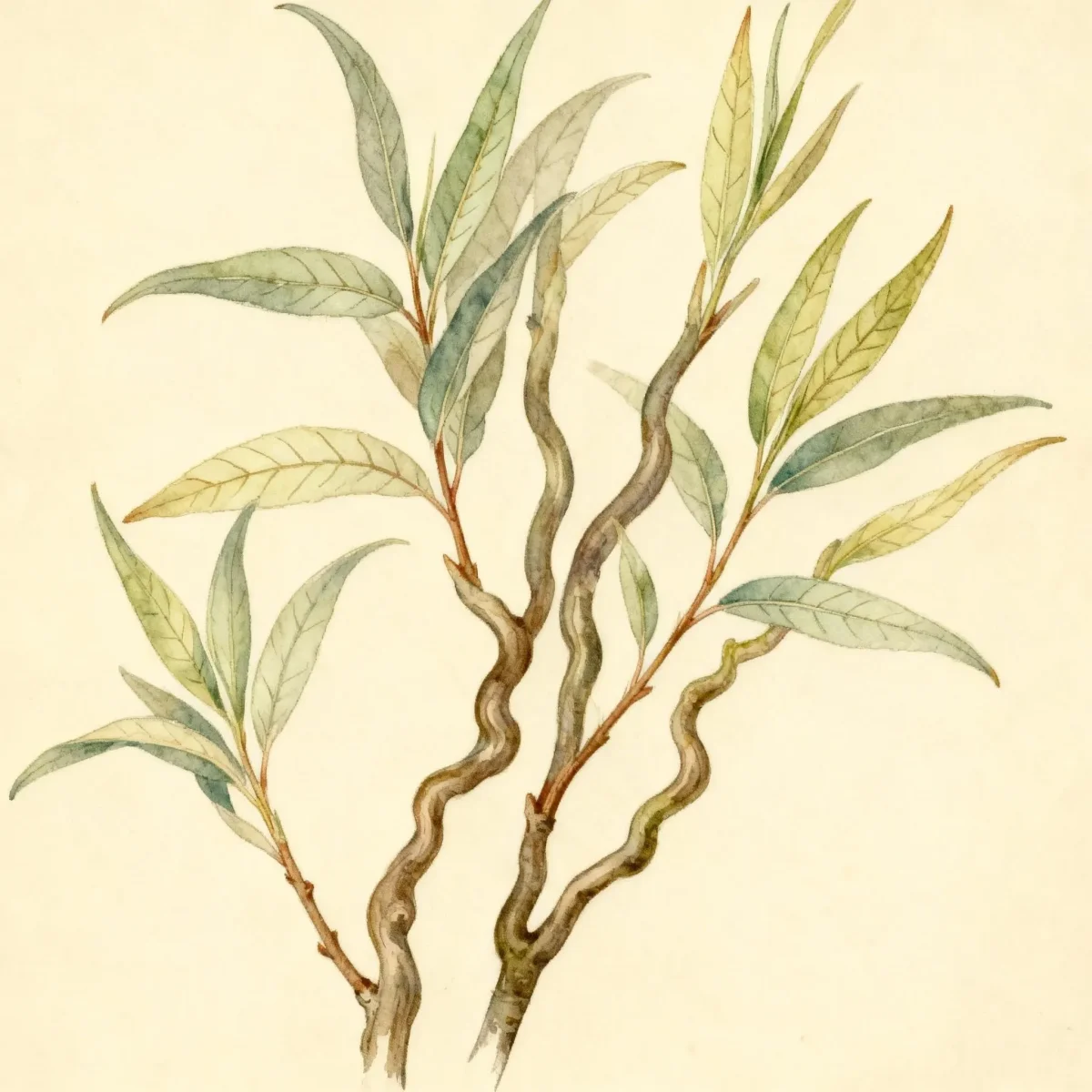
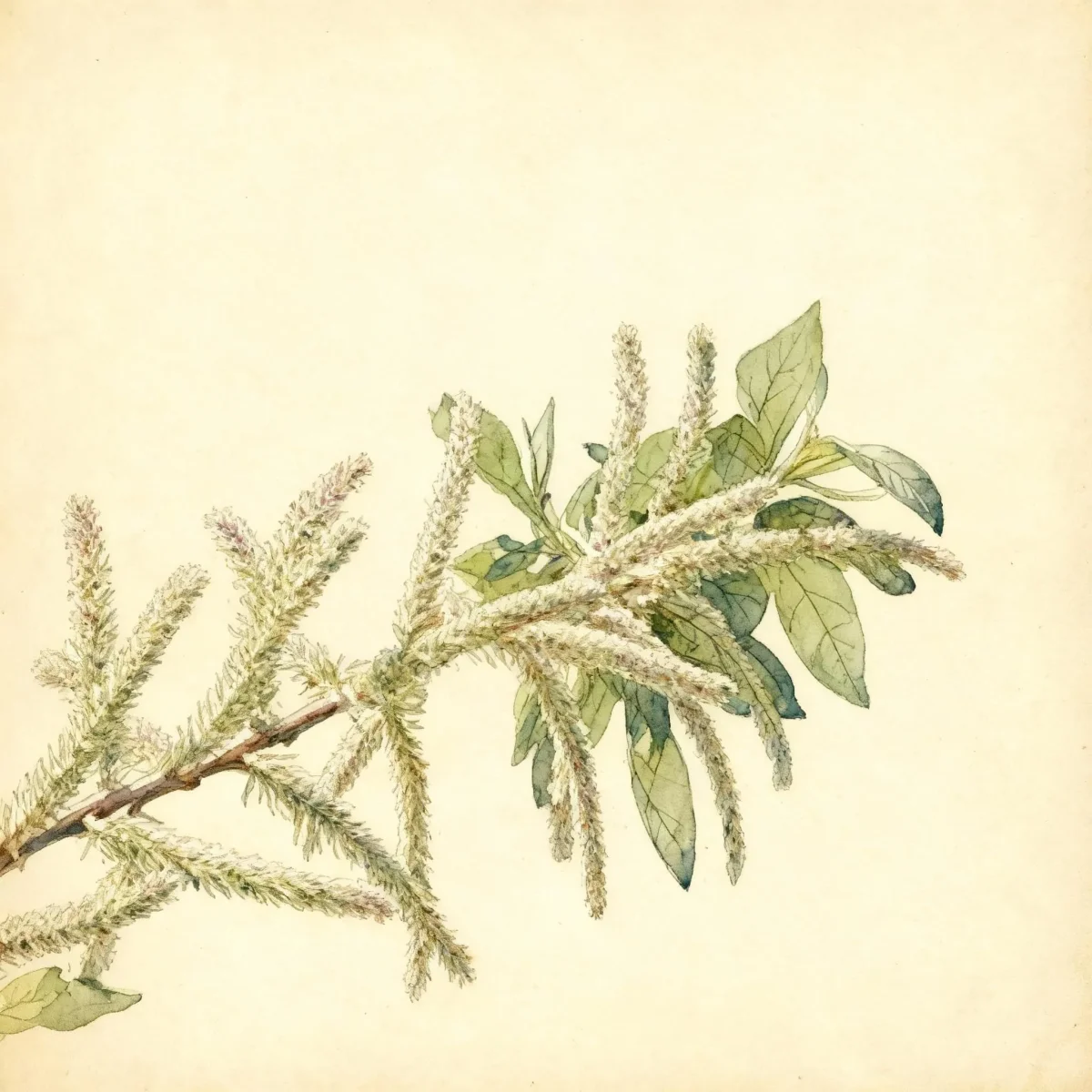
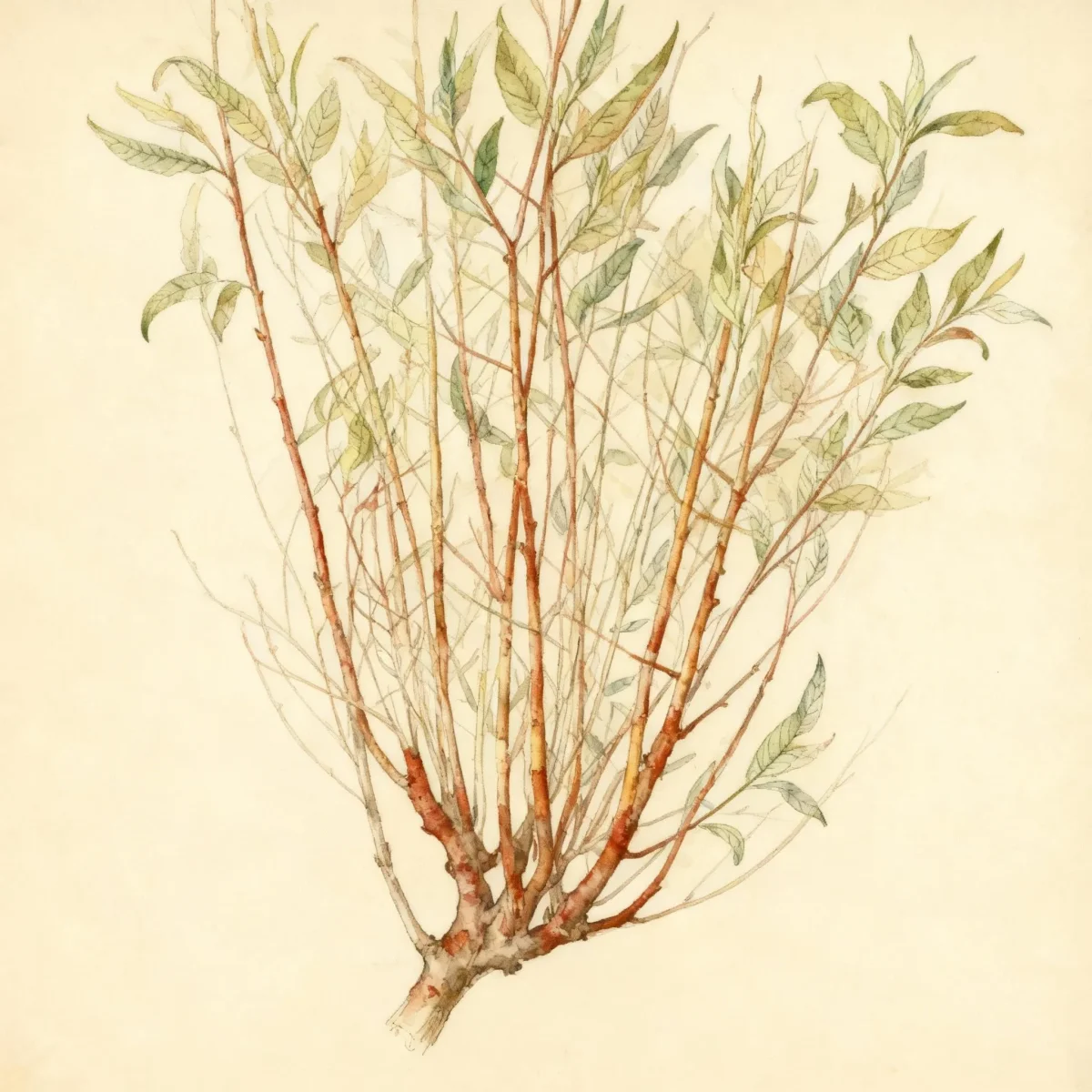
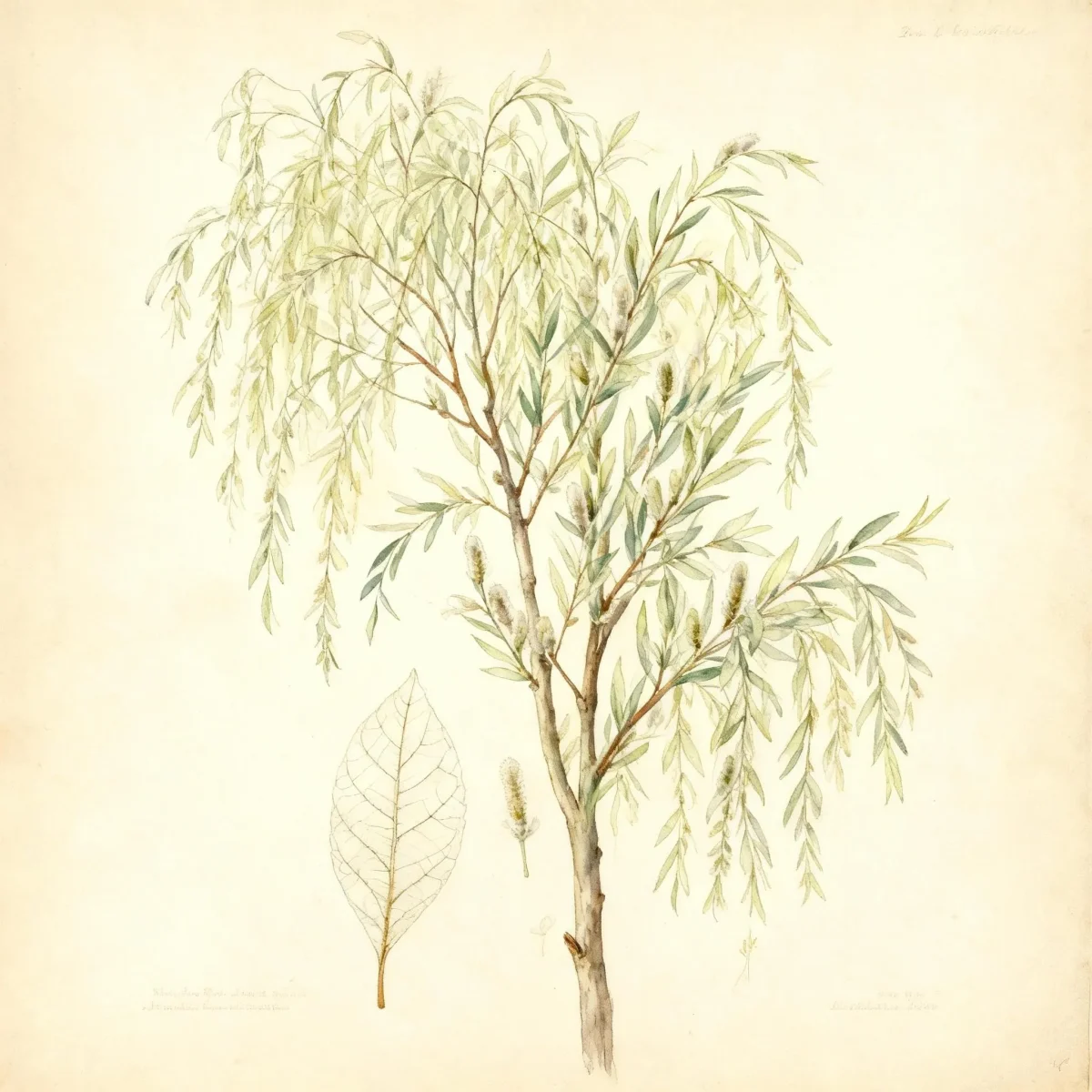
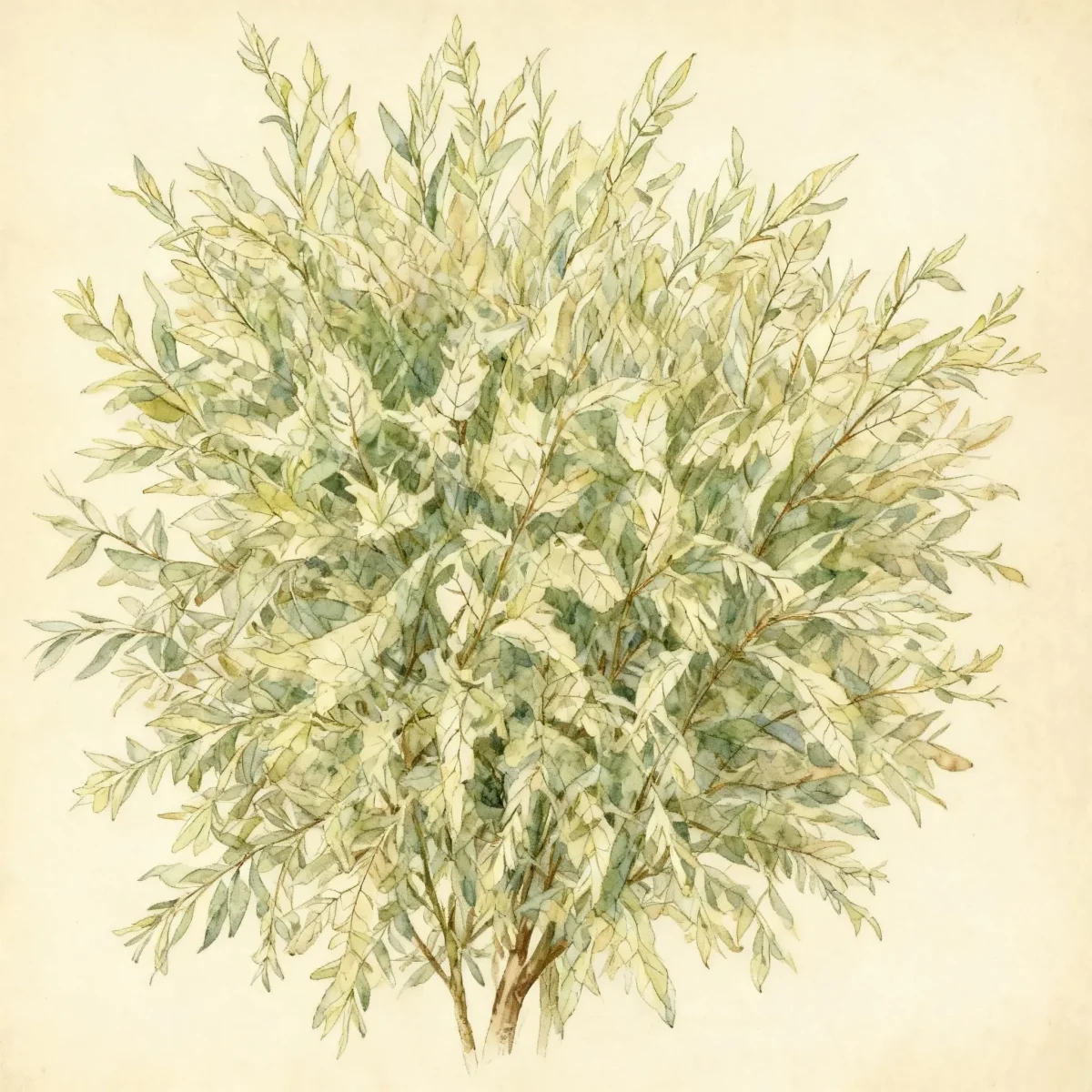
Pussy willow (Salix caprea)
Salix caprea, the Pussy willow, offers stunning late winter catkins perfect for early spring interest and design. A versatile shrub or small tree.
Scroll down to discover growing tips, care requirements, companion plants, and more
Complete Plant Information
Overview
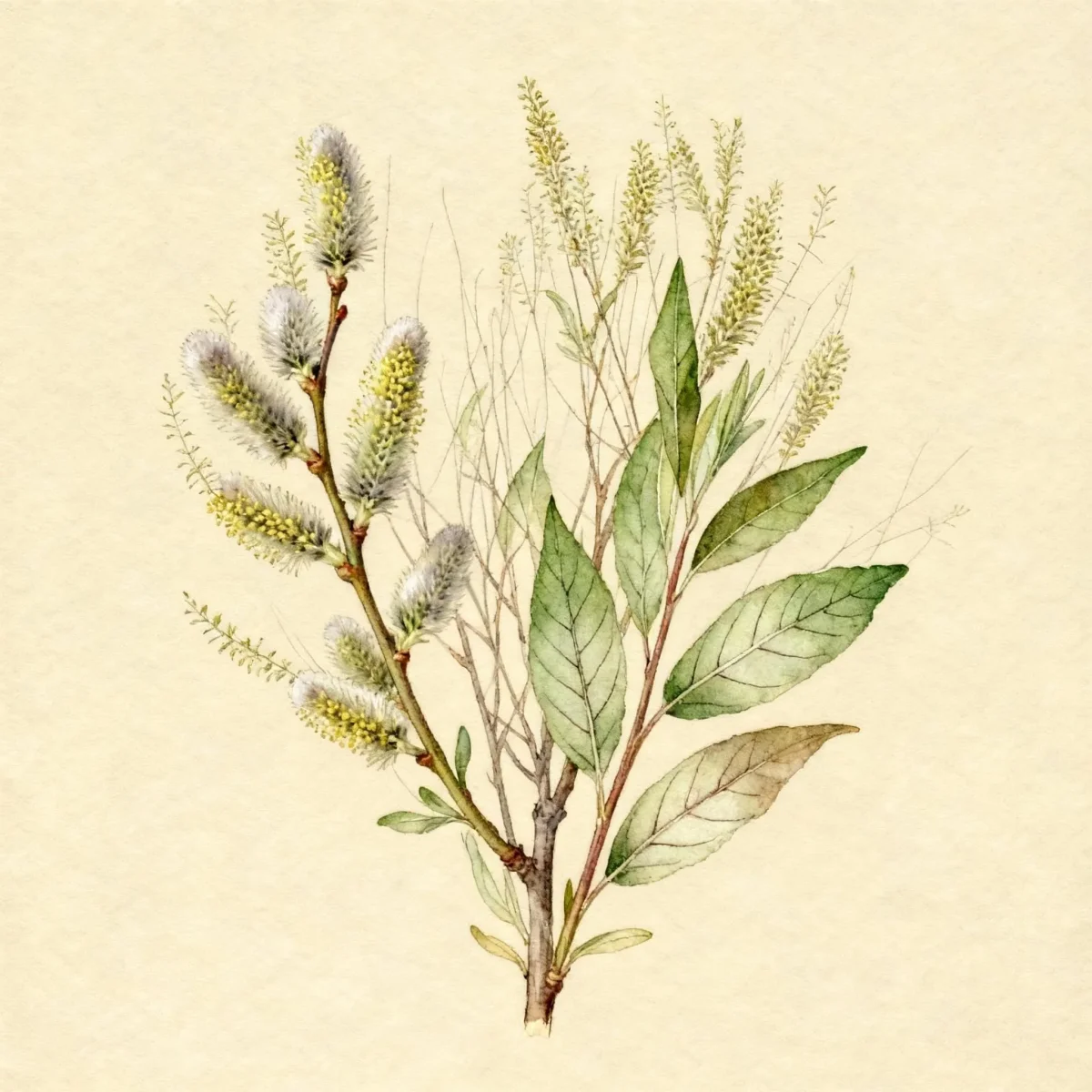
The Pussy willow, scientifically known as Salix caprea, is highly prized by gardeners for its spectacular display of fuzzy catkins that emerge long before the leaves in late winter. Often called Goat willow, this species produces larger, pinkish-gray male catkins that provide much-needed early color in the landscape. Salix caprea transitions from a large, attractive shrub into a small tree, offering significant ornamental value across its 12 to 25-foot height range.
This dioecious species means that gardeners must select carefully: only the male trees produce the famous ornamental catkins. Beyond its aesthetic appeal, the Goat willow adapts well to various moisture levels, thriving in the medium to consistently wet soils often challenging for other woody plants. Its adaptability makes Salix caprea an excellent choice for structural planting or functional areas where moisture retention is necessary.
Whether utilized as a focal point for its early blooms or pruned into a dense hedge, Salix caprea brings reliable structure to the garden. It is important to note its cultural needs regarding moisture and to anticipate maintenance tasks related to its relatively weak wood structure. For those seeking reliable texture and color when most plants are dormant, the Pussy willow is an indispensable addition.
Fast Facts
- Plant Family: Salicaceae
- Plant Type: Tree
- Native Range: Eurasia
- Hardiness Zones: USDA Zones 4-8
- Size at Maturity:
- Height: 12-25 ft
- Spread: 12-15 ft
- Bloom Time: March to April
- Bloom Description: Pinkish gray (male); green (female)
- Sun Exposure: Full sun to part shade
- Water Needs: Medium to wet
- Maintenance Level: Medium
How to Grow
Plant Salix caprea during the dormant season in late fall or early spring for best establishment rates. This species demands location awareness; it performs best when situated in full sun, though it will tolerate light afternoon shade. While it thrives in average, medium to wet soils, ensure the location is well-drained enough to prevent standing water for extended periods, despite its preference for moisture.
Consistent care is important for this fast-growing plant. While it tolerates somewhat drier conditions better than many other willows, aim to maintain medium moisture, especially during establishment. Pruning should be performed as needed in late winter just before the new growth begins. Experienced growers can radically prune plants every three to five years right down to the ground to maintain a smaller, denser shrub shape.
Be mindful of the wood structure as you manage your Pussy willow. Because the wood is inherently weak, heavy ice or snow loads can cause breakage. Avoid planting shallow-rooted specimens near underground pipes or septic systems, as the roots may seek out moisture sources and cause clogging over time.
Landscape Uses
The Goat willow excels in functional and structural applications throughout the landscape. Its tolerance for wet soil makes it an ideal candidate for planting along stream banks, in rain gardens, or in low landscape spots where water naturally collects. Furthermore, Salix caprea can be maintained as a screen or boundary by regular, hard pruning, transforming it into a substantial hedge.
Gardeners aiming for that incredible late-winter floral punch must prioritize selecting a male specimen when purchasing. These male plants offer the showy catkins that define the Pussy willow’s early season appeal. It blends well with later-blooming shrubs in moist borders, providing structural bulk during summer when its foliage is fully developed.
Consider using Salix caprea where you need robust screening or buffering near wet areas. Its quick growth rate ensures that the structure fills in rapidly, providing privacy or obscuring less attractive utility areas while adding high visual interest early in the year.
Flower Qualities
- Showy
Noteworthy Characteristics
Salix caprea, commonly called pussy willow or goat willow, is native to Europe and Asia and develops into a large shrub or small tree reaching 12 to 25 feet tall. This dioecious species is famous for its showy, pinkish-gray woolly catkins produced on male trees before the leaves emerge in the late winter. While its fall color is generally unremarkable, the early bloom of Salix caprea makes it a standout choice for the cooler seasons.
Tolerances
- Deer
- Wet Soil
- Black Walnut
Potential Problems
Salix caprea is susceptible to a wide range of common landscape issues. Gardeners should vigilantly watch for fungal problems such as blights, powdery mildew, and leaf spots, as well as cankers developing on the branches. Insect pests are also drawn to this species, including aphids, scale, borers, lacebugs, and various caterpillars.
Management often requires proactive pruning to encourage good air circulation, which helps mitigate fungal spread. Because the wood is inherently weak, clean up litter promptly after storms, as broken branches are common targets for pests and diseases. Furthermore, be cautious of the aggressive, shallow root system when situating the plant near foundations or utility lines.
Frequently Asked Questions
What hardiness zones is Pussy willow suitable for?
The Pussy willow (Salix caprea) is hardy and thrives in USDA Zones 4 through 8.
How large does Pussy willow grow?
At maturity, Salix caprea typically reaches a height between 12 and 25 feet, with a spread generally ranging from 12 to 15 feet wide.
What sun exposure does Pussy willow need?
This plant performs best when sited in full sun but is quite adaptable, tolerating conditions ranging from full sun to partial shade.
When does Pussy willow bloom?
Salix caprea provides its signature early display of pinkish gray (male) or green (female) catkins between March and April.
Conclusion
The Salix caprea, or Pussy willow, is invaluable for bringing early-season structure and magnificent blooms to the landscape when few other plants are active. Its ability to thrive in wet conditions makes it a versatile choice for challenging garden spots, provided you select a male cultivar for the best ornamental show. Review your site conditions, especially moisture and sunlight, and plant your Salix caprea during the dormant season for a rewarding early spring display.
Companion Planting
When planning surroundings for Salix caprea, prioritize plants that appreciate similar moist soil conditions and bloom later in the season. Early bulb displays like snowdrops or crocus look excellent beneath the bare branches before the Pussy willow fully leafs out. For summer interest, consider pairing it with moisture-loving perennials such as Astilbe, Siberian Iris, or Joe-Pye Weed, which can handle the periodic summer wetness standard for this willow.
Since Salix caprea can develop into a thicket if left unpruned, use it as a background screen against which sun-loving, drier perennials can contrast. When used in a rain garden setting, ensure that the companion plants are not highly sensitive to brief periods of inundation, matching the general tolerance level of medium to wet soil.
Wildlife Benefits
Although the focus is often on the fuzzy catkins, the Goat willow provides essential early resources for pollinators emerging from winter dormancy. The male flowers, in particular, are loaded with pollen, making them a crucial early food source. Establishing a large Salix caprea can significantly boost local pollinator activity during the late winter transition period.
Beyond insects, the dense branching structure, especially if regularly pruned back to promote vigorous new growth, offers excellent cover and foraging opportunities for birds. While not a primary fruit source, all willows contribute meaningfully to local ecosystems by hosting various beneficial insects.