Downy willow (Salix lapponum)
Discover the compact Salix lapponum, the Downy willow, thriving in Zones 3-7. This shrub offers silvery foliage and early spring catkins.
Scroll down to discover growing tips, care requirements, companion plants, and more
Complete Plant Information
Overview
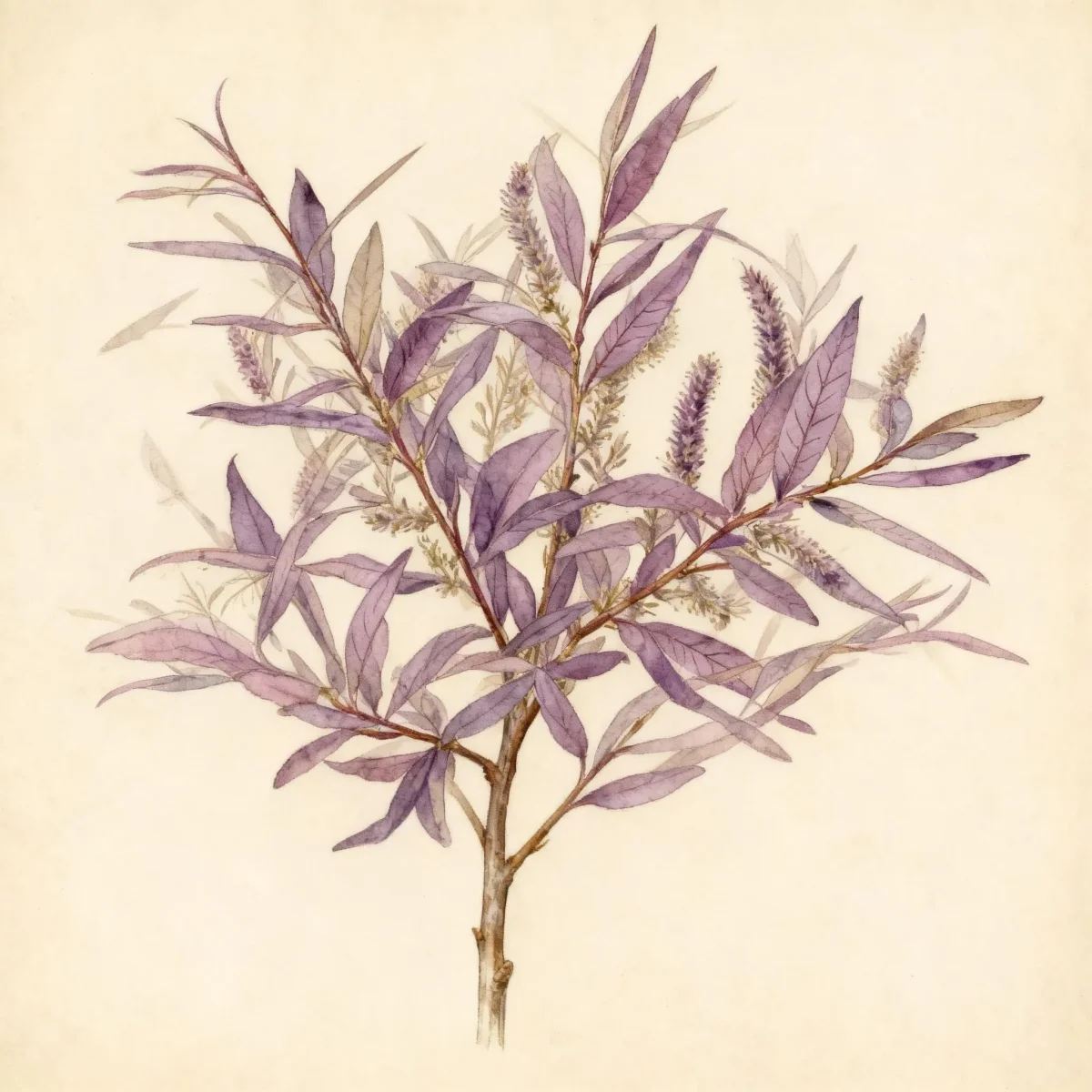
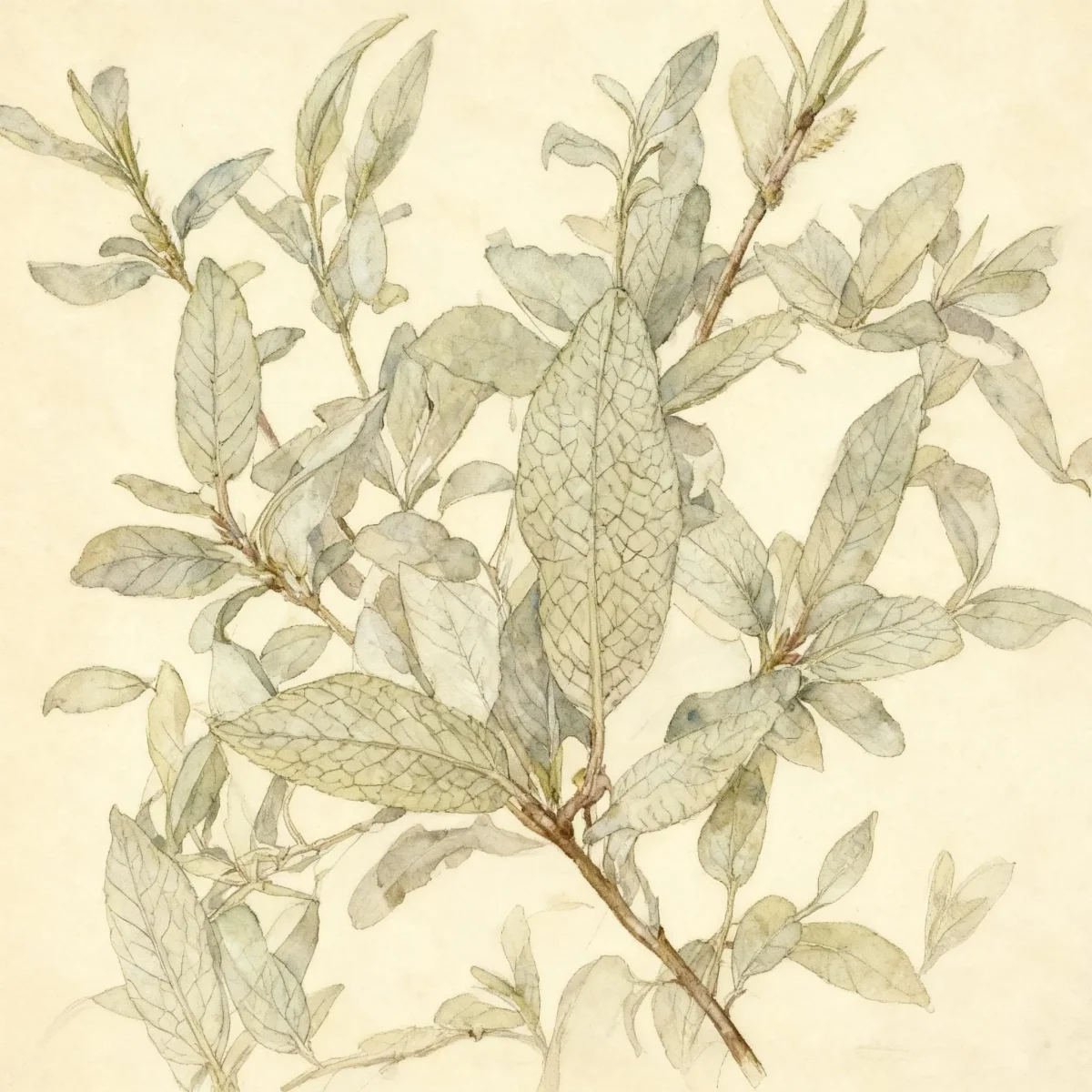
The Downy willow, scientifically known as Salix lapponum, presents a compact and resilient option for northern gardens. This densely-branched deciduous shrub originates from the alpine regions of Northern Europe and Asia, lending it exceptional cold tolerance. Gardeners value it for its attractive textural contrast, provided by elliptic-oblong leaves that are downy olive-green above and distinctly woolly gray-green underneath.
Salix lapponum reaches a manageable height and spread, typically staying between 3 to 5 feet tall and wide. Its early spring display includes silvery catkins tipped with yellow to red anthers, appearing just before or concurrently with leaf emergence. Belonging to the Salicaceae family, the Downy willow is a hardy choice adaptable to somewhat rugged conditions, making it suitable for various functional landscape roles.
While categorized as medium maintenance, its native habitat suggests a preference for well-drained, even poor, soils common in rocky or sandy environments. Successfully integrating Salix lapponum into your landscape introduces a fine-textured shrub that handles both toughness and aesthetic appeal, especially in colder climates where this Lapland willow excels.
Fast Facts
- Plant Family: Salicaceae
- Plant Type: Deciduous shrub
- Native Range: Northern Europe to northern Asia
- Hardiness Zones: USDA Zones 3-7
- Size at Maturity:
- Height: 3-5 ft
- Spread: 3-5 ft
- Bloom Time: April
- Bloom Description: Yellow to red anthers
- Sun Exposure: Full sun
- Water Needs: Medium
- Maintenance Level: Medium
How to Grow
Planting the Downy willow is best achieved in early spring or fall when conditions are cool, allowing the roots to establish before summer heat. Salix lapponum thrives best when positioned in full sun, though it can tolerate light shade. Crucially, ensure the soil is well-draining; this species prefers sandy or rocky locations with medium moisture levels. It tolerates poor soil quality remarkably well, limiting the need for heavy amendments.
Water needs for the Downy willow are listed as medium; once established, it should require consistent moisture but not standing water. Avoid over-fertilizing, as this shrub is adapted to nutrient-poor alpine conditions. Pruning, if necessary, should focus on shaping and removing any crossing or dead wood during the dormant season.
As a cold-hardy specimen, winter preparation is usually minimal for Salix lapponum in its appropriate hardiness range (Zones 3-7). Spring cleanup involves inspecting for any winter damage and ensuring good air circulation around the shrub as new growth begins. Its adaptability to poor soils is a significant practical advantage for gardeners managing difficult sites.
Landscape Uses
The aesthetic appeal of the Downy willow, characterized by its silvery, downy foliage, makes it an excellent textural element in garden designs. Salix lapponum is specifically recommended for use in rock gardens, where its preference for sandy or rocky soil is easily accommodated. It also functions effectively as a component in shrub borders, providing structure that remains interesting even outside of its bloom time.
Due to its dense branching habit and manageable 3-5 foot stature, Salix lapponum is perfectly suited for use as informal hedging. When planting, consider its potential for deer tolerance and its resistance to Black Walnut, allowing for strategic placement near those features. Although noted as potentially difficult to source commercially, seeking out this Lapland willow rewards gardeners with a tough, low-profile screening plant.
Standout Features
Flower Qualities
- Insignificant
Noteworthy Characteristics
Salix lapponum, commonly known as downy willow or Lapland willow, is native to alpine areas in Europe and Asia including Scandinavian areas within the Arctic circle. It is a densely-branched, deciduous shrub which typically grows to 5’ tall. Elliptic-oblong to lance-shaped leaves (to 2” long) are downy olive green above and woolly gray green beneath. Silvery catkins with yellow to red anthers appear in spring just before or as the leaves emerge.
Tolerances
- Deer
- Black Walnut
Potential Problems
Salix lapponum has not been extensively grown in all regions, and its adaptability to unique local climates remains to be fully documented. Across the genus Salix, general susceptibility exists for several common issues. Gardeners should be aware of potential problems like cankers, various blights, galls, leaf spots, powdery mildew, and rust diseases.
In terms of insect fauna, potential pests often include borers, various caterpillars, and scale insects. Monitoring the shrub regularly, especially during periods of stress or heavy moisture fluctuation, aids in early detection. Maintaining good air circulation and avoiding overhead watering can significantly reduce the likelihood of fungal outbreaks common to many willows.
Frequently Asked Questions
What hardiness zones is Downy willow suitable for?
The Downy willow (Salix lapponum) is suitable for USDA Hardiness Zones 3 through 7.
How large does Salix lapponum grow?
This shrub typically achieves a mature size of 3 to 5 feet in height and spreads 3 to 5 feet wide.
When does Downy willow bloom?
Blooming occurs in April, featuring silvery catkins that display yellow to red anthers before the foliage fully develops.
What sun exposure does Salix lapponum need?
The plant prefers full sun, though it is noted to tolerate light shade in cultivation.
Conclusion
The Salix lapponum, or Downy willow, offers gardeners a compact, rugged shrub ideal for cooler climates and less-than-perfect soils. Its silvery winter and spring appearance, coupled with its hardiness against deer pressure, makes this Lapland willow a valuable addition to alpine or naturalistic plantings. Before planting, confirm your site meets the requirements for full sun and medium moisture to ensure the best performance from your Salix lapponum.
Companion Planting
When selecting companions for the Downy willow, focus on plants that share its tolerance for sun and medium moisture, especially those that appreciate sandy or slightly lean soils. Consider introducing low-growing, hardy perennials that offer contrasting textures or late-season color, as the willow peaks early in spring. Alpine phlox (Phlox subulata) provides brilliant spring cover when the willow’s catkins appear, while various sedums offer succulent foliage contrast during the summer months.
Avoid placing moisture-loving, bog plants directly adjacent, as the Salix lapponum needs reliable drainage to prevent root saturation, even though the water needs are rated medium. In rock garden settings, use granite chips or coarse sand mixed into the planting bed to mimic its native rocky environment, promoting the desired soil structure for this tough shrub.
Design Ideas: Utilizing the Shrub Layer
The manageable size of the 3 x 5 foot Salix lapponum makes it an excellent choice for reinforcing the middle layer of a mixed border, bridging the gap between groundcovers and taller canopy trees. Its woolly, gray-green foliage provides a neutral, cooling backdrop that allows brighter flowering shrubs or perennials placed in front to truly stand out. In smaller landscapes or foundation plantings where vertical growth must be contained, the Downy willow offers a structural alternative to larger, faster-growing willow varieties.
For erosion control on gentle slopes, planting Salix lapponum in staggered drifts can be highly effective, especially since it tolerates poor soils once established. If sourcing proves difficult, remember that many willows root easily from cuttings; propagating the Downy willow can provide multiple specimens for large-scale landscaping projects or creating a unique, low hedge effect.