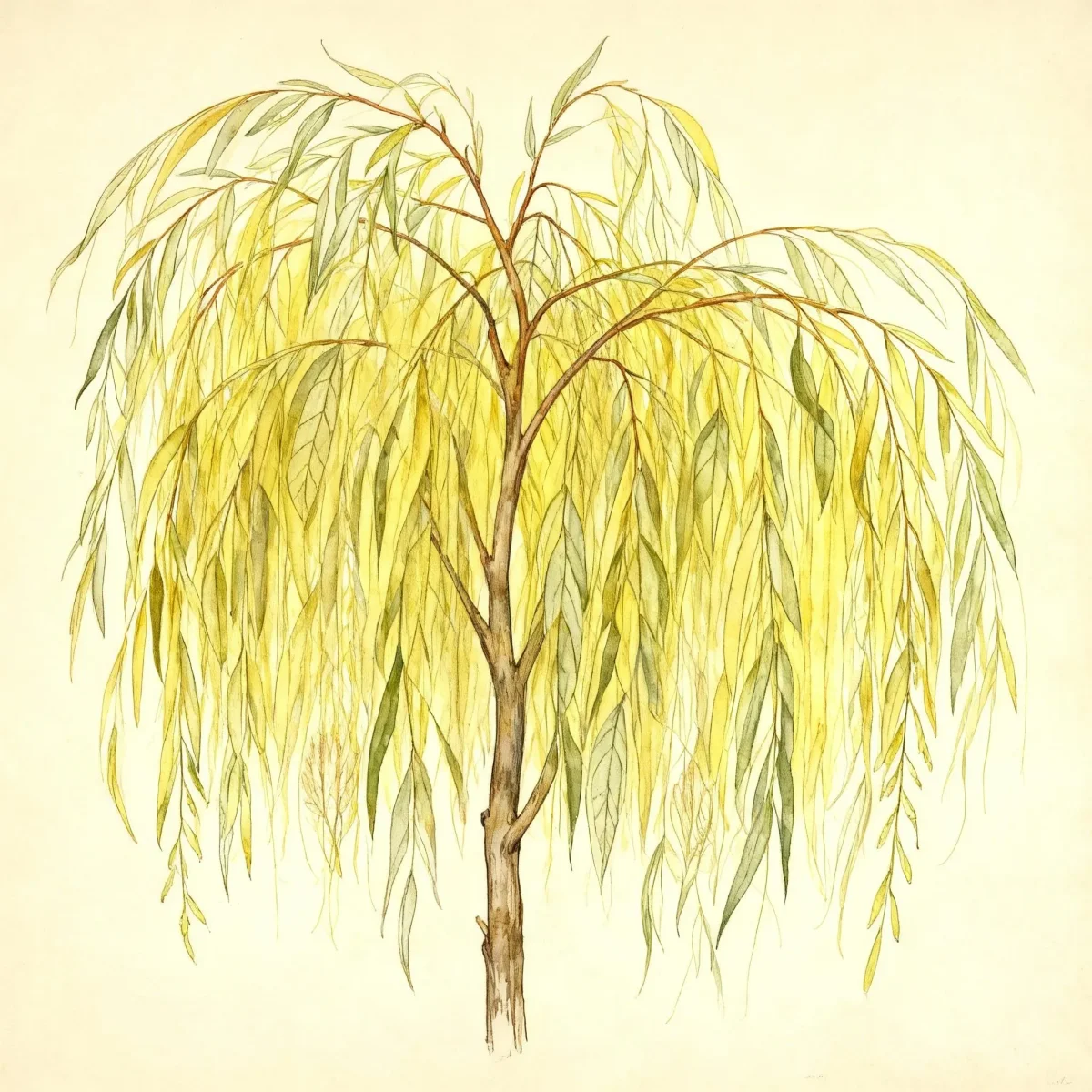
Mountain willow (Salix arbuscula)
Salix arbuscula, the Mountain willow, is a low-growing deciduous shrub native to alpine regions, perfect for rock gardens.
Scroll down to discover growing tips, care requirements, companion plants, and more
Complete Plant Information
Overview
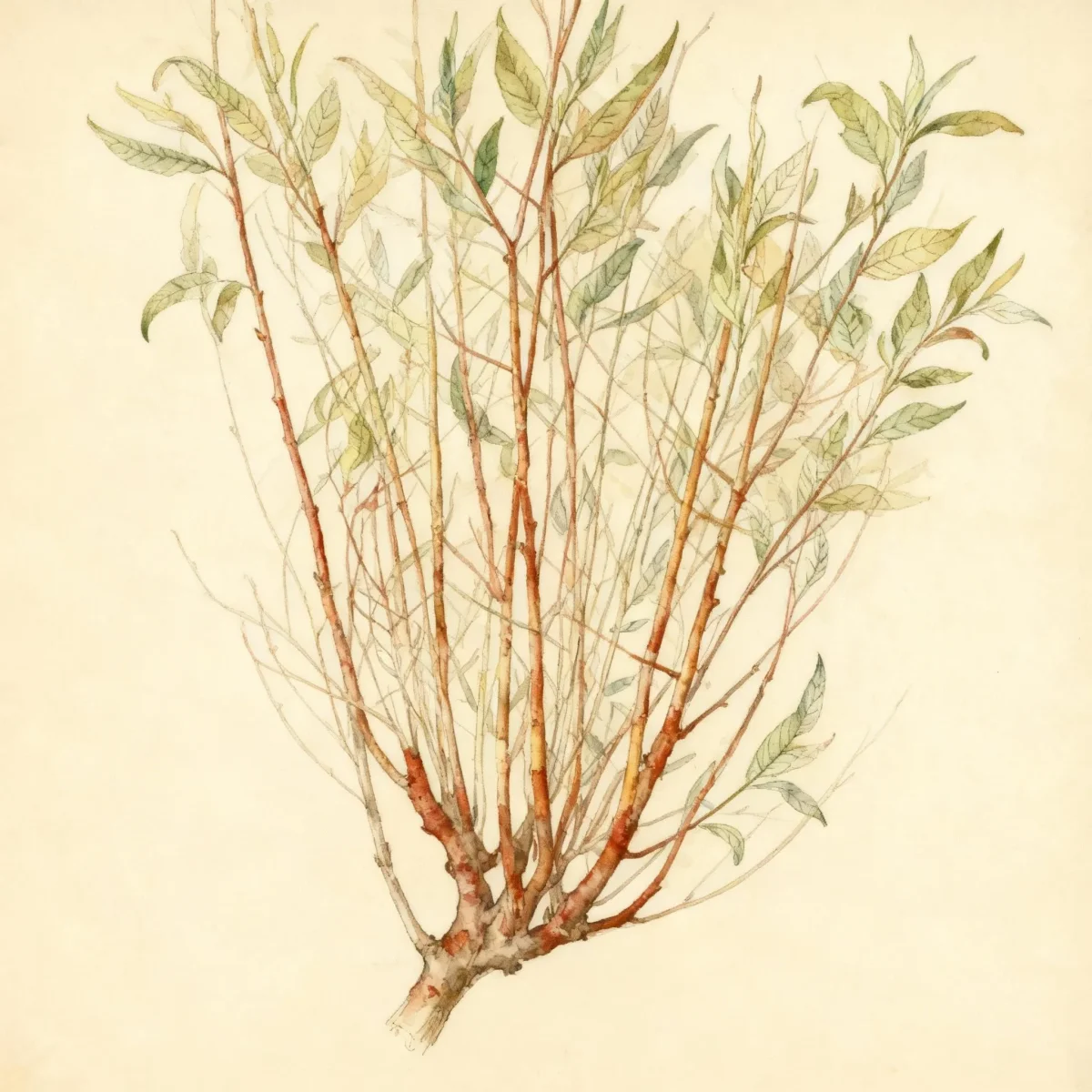
The Salix arbuscula, commonly known as the Mountain willow, offers unique texture and hardiness for specialized garden settings. This compact deciduous shrub is highly valued for its adaptation to harsh, cool environments, making it an excellent choice for zones 3 and above. While it is not aggressively sized, its form is dictated significantly by its elevation of origin.
This resilient plant thrives in consistently moist conditions, making it suitable for rain gardens or areas where soil drainage is slow. Despite its preference for moisture, the Salix arbuscula tolerates poor soils, requiring very little input once established. Gardeners seeking low-maintenance, alpine specimens will appreciate the overall low maintenance level of this Mountain willow.
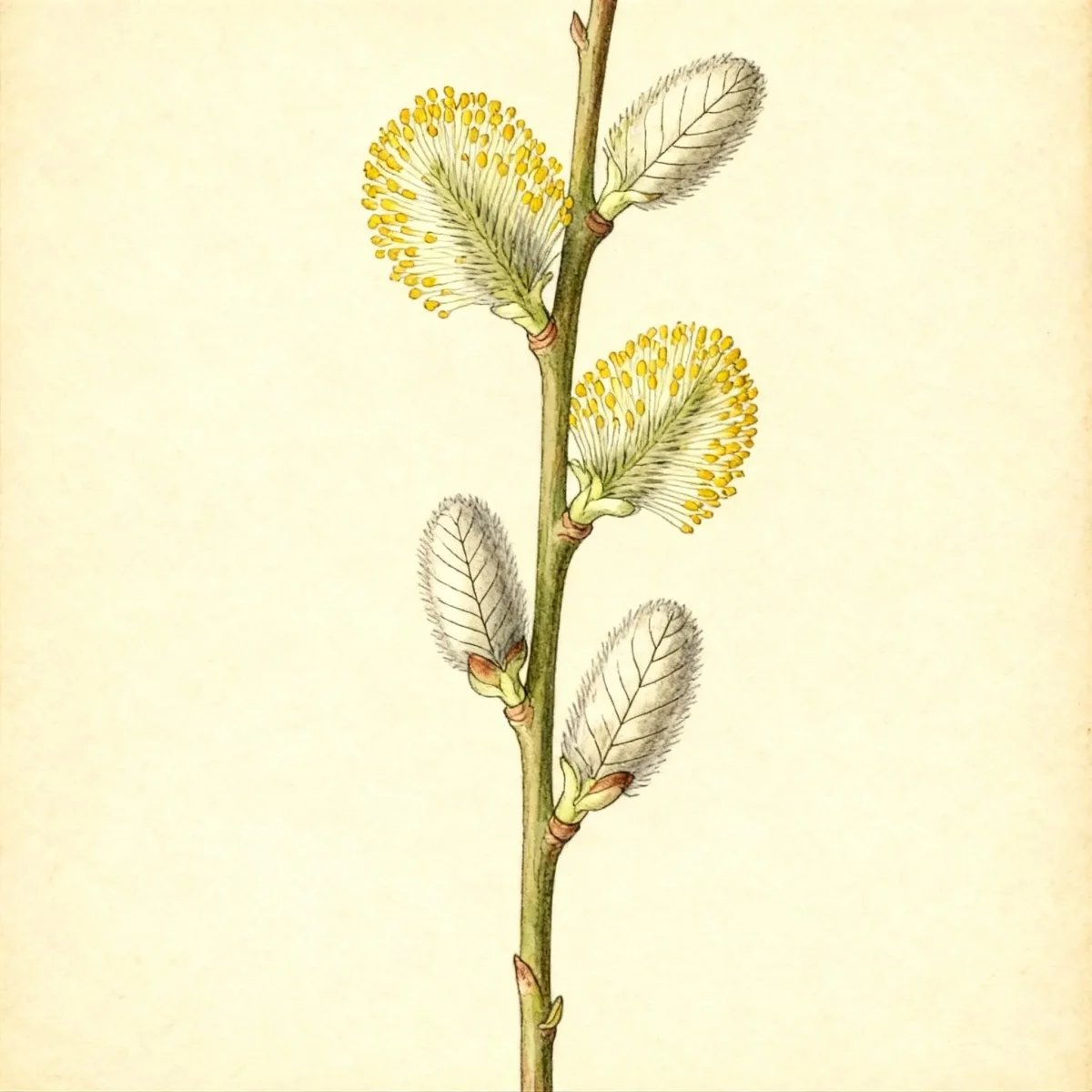
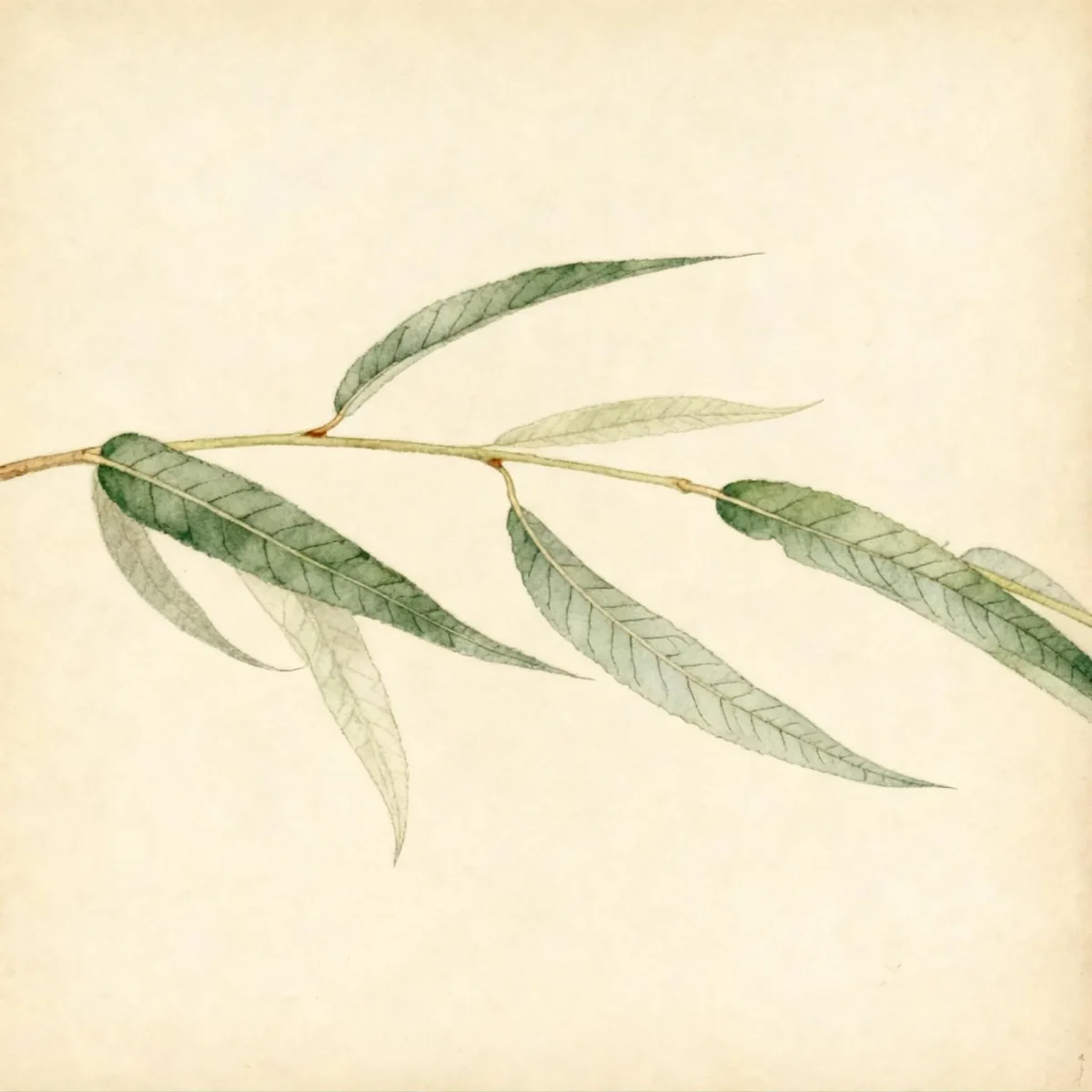
Aesthetically, the glossy green leaves often carry a pleasing bluish-green cast underneath, contrasting nicely with the greenish blooms featuring distinct red anthers in May. Successfully incorporating Salix arbuscula requires matching its cultural needs for moisture and light exposure.
Fast Facts
- Plant Family: Salicaceae
- Plant Type: Deciduous shrub
- Native Range: Scotland, Scandinavia, northern Russia
- Hardiness Zones: USDA Zones 3-8
- Size at Maturity:
- Height: 1-2 ft
- Spread: 1-2 ft
- Bloom Time: May
- Bloom Description: Greenish (red anthers)
- Sun Exposure: Full sun to part shade
- Water Needs: Medium to wet
- Maintenance Level: Low
How to Grow
The ideal time to plant the Mountain willow is during the spring or fall dormancy periods. Locate Salix arbuscula where it receives full sun to light shade, ensuring the soil drains adequately while retaining moisture. This species requires sandy or rocky, medium to wet soils for optimal performance, though it is noted for tolerating less fertile ground.
Water needs are medium to wet; consistency is key, especially in drier summer climates outside its cool native range. Fertilization is rarely necessary due to its tolerance for poor soils. Minimal pruning is required; focus only on removing any dead or damaged wood to maintain the naturally dense growth habit of the Salix arbuscula.
When establishing this European alpine shrub, observe local conditions closely, particularly if you are outside its native European range. While propagation information is not detailed here, willow-type plants often root easily from softwood cuttings taken in spring.
Landscape Uses
The primary recommended use for the Mountain willow is as a small shrub specifically suited for rock gardens. Its naturally low-growing, prostrate form (especially the high alpine variety typically sold) prevents it from overwhelming neighboring alpines or groundcovers.
Furthermore, its tolerance for consistently damp conditions makes it an excellent candidate for rain garden installations where many woody plants struggle. Use the Salix arbuscula along saturated borders or nestled among similar moisture-loving perennials that appreciate full sun exposure. Due to its rarity in commerce, use it as a focal point specimen rather than as mass planting material.
Standout Features
Flower Qualities
- Insignificant
Noteworthy Characteristics
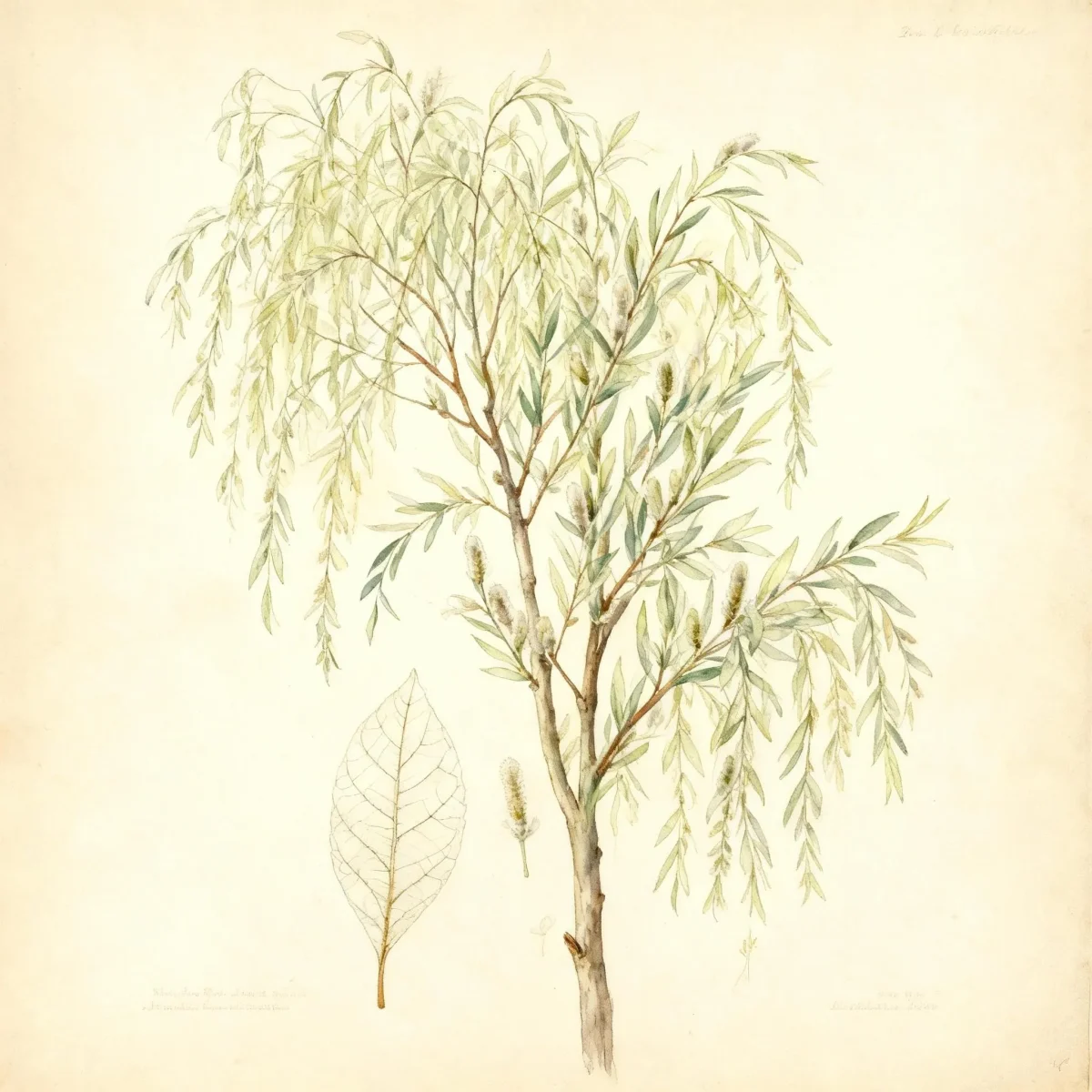
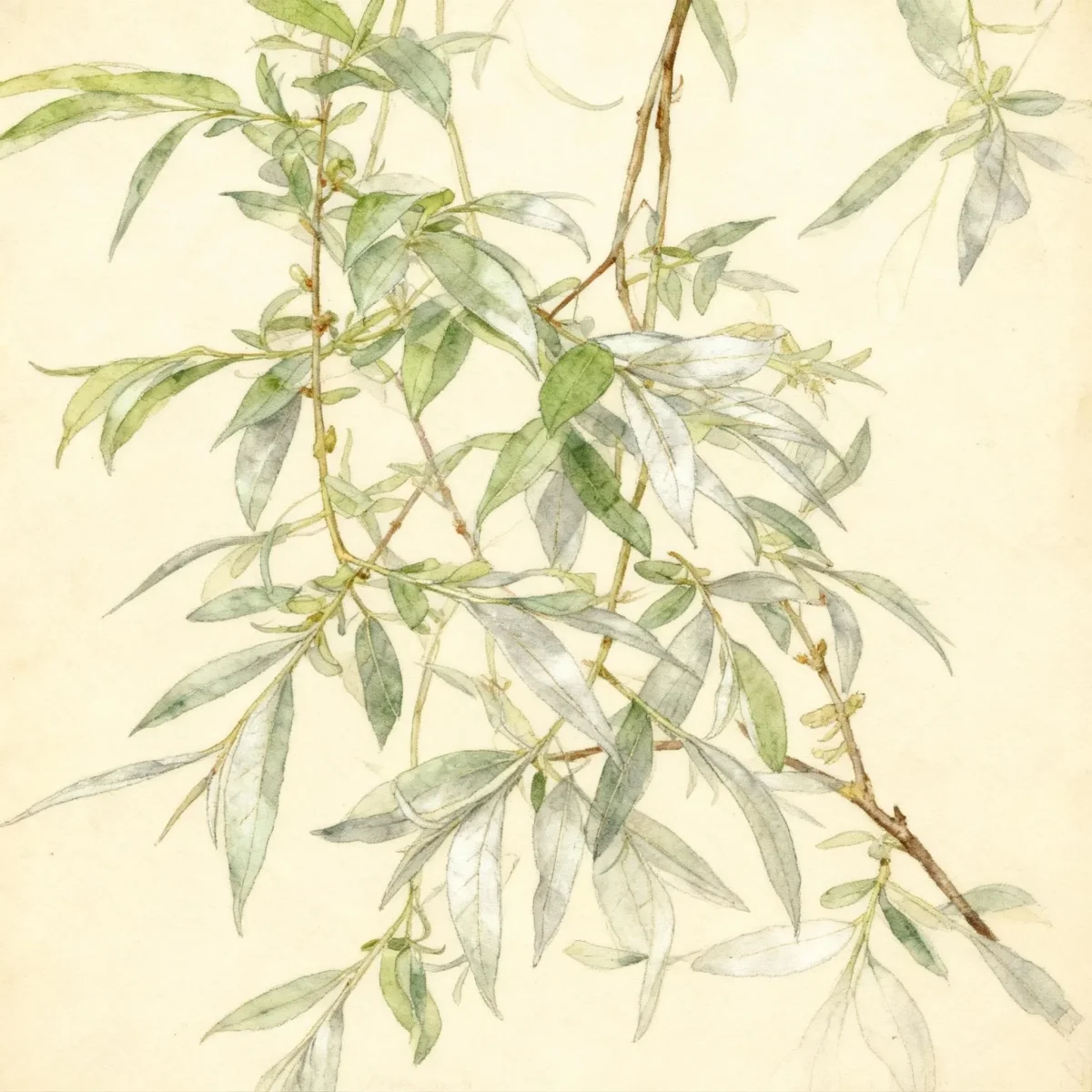
Salix arbuscula, commonly called mountain willow, is native to moist, calcareous soils in rocky alpine slopes, meadows and grasslands in Scotland, Scandinavia and Russia. In its native habitat, it is a dense, deciduous shrub which assumes two different forms: (a) at lower alpine elevations, it typically grows 3-6’ tall with an upright form, but (b) at higher alpine elevations, it typically grows only 12-20” tall with a low, prostrate form. Nurseries typically sell the prostrate, high alpine form as a rock garden plant. Elliptic to lance-shaped, glossy green leaves (2-4” long) have a bluish-green cast beneath. Grayish-green catkins (to 1 inch long) with reddish anthers bloom in May, but are not particularly showy.Genus name is the Latin name for this plant.Specific epithet means resembling a small tree.
Tolerances
- Deer
- Black Walnut
Potential Problems
The adaptability of Salix arbuscula outside its European alpine origin is currently uncertain in many regions, meaning gardeners should monitor for stress. Willows, in general, are susceptible to a range of fungal issues, including cankers, blights, galls, leaf spots, powdery mildew, and rust. Cultural stress, such as prolonged heat or drought (despite its moisture needs), can exacerbate these diseases.
Potential insect pests commonly associated with willows include borers, caterpillars, and scale insects. Inspect young plants regularly for signs of borer holes or visible scale clusters on new wood. Proper placement in well-drained, moist, cool soil helps minimize susceptibility to many common diseases affecting this Mountain willow.
Frequently Asked Questions
What hardiness zones is Mountain willow suitable for?
The Salix arbuscula is suitable for USDA Hardiness Zones 3 through 8, reflecting its tolerance for cold winters.
How large does Salix arbuscula grow?
This species typically matures to a height and spread between 1 to 2 feet, although natural variations exist that can see the shrub reach up to 6 feet tall at lower elevations.
When does Mountain willow bloom?
The Mountain willow produces its blooms in May, characterized by grayish-green catkins that feature notable red anthers.
What sun exposure does Salix arbuscula need?
Salix arbuscula performs best when situated in locations receiving full sun or partial shade.
Conclusion
The Salix arbuscula, or Mountain willow, is a specialized, low-growing shrub offering significant texture and resilience, particularly in rock gardens or moisture-rich areas. Its low maintenance profile and unique alpine adaptation make it a worthwhile addition for experienced gardeners seeking difficult-to-source specimens. Before planting your Salix arbuscula, confirm your site conditions align with its need for medium to wet soil and appropriate hardiness zone compatibility.
Companion Planting
Given that the Mountain willow requires medium to wet soil and often excels in sandy or rocky conditions, look for companions that share these moisture tolerances. Alpine plants that do not mind occasional saturation, such as certain varieties of sedges (Carex spp.) or moisture-loving Iris, pair well architecturally with the shrub’s fine texture. For rock gardens, utilize low-growing, mat-forming succulents or creeping thyme that can tolerate slightly damper soil than typical species, provided the soil structure remains loose and porous enough for the Salix arbuscula roots.
Wildlife Benefits
While the flowers of the Salix arbuscula are noted as insignificant, the catkins produced in May provide early-season pollen for emerging bees and pollinators when few other woody plants are active. As a member of the willow family, the foliage can also support various specialist insects. Furthermore, its dense, low structure offers excellent ground cover and shelter for small ground-nesting birds or overwintering insects in colder zones.