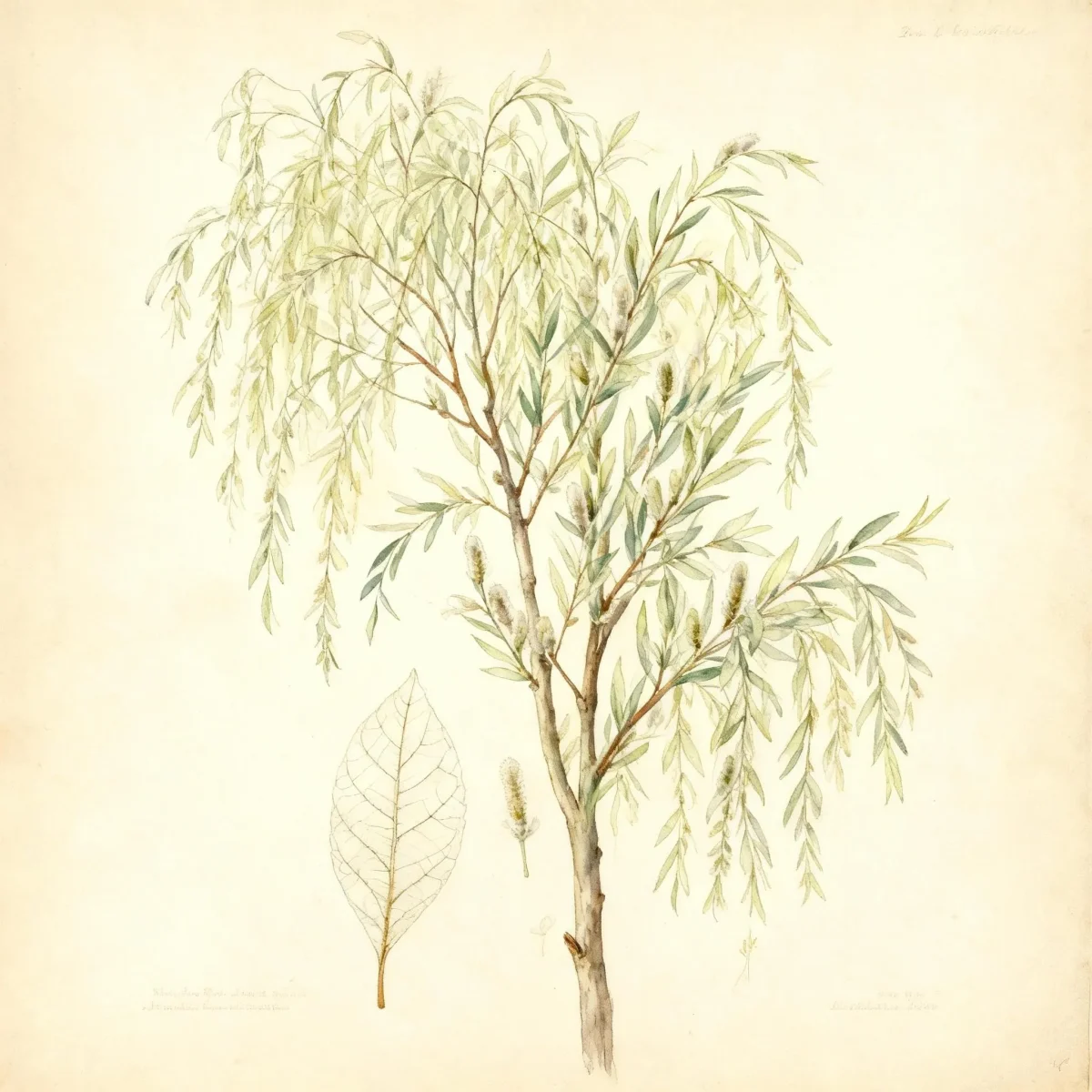
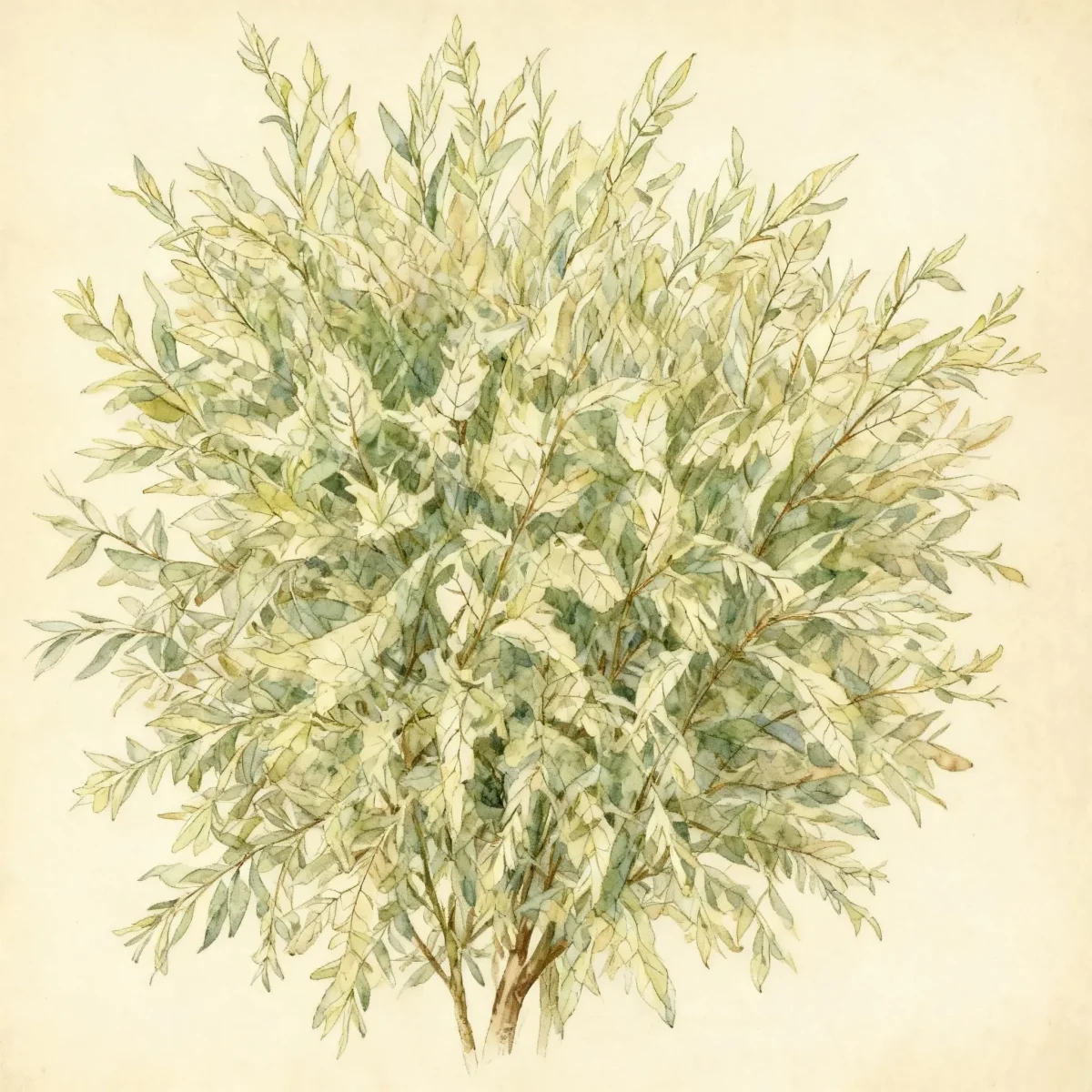
Violet willow (Salix daphnoides)
The Violet willow (Salix daphnoides) offers striking winter color with purple stems, thriving in wet soils. A medium tree ideal for rain gardens.
Scroll down to discover growing tips, care requirements, companion plants, and more
Complete Plant Information
Overview
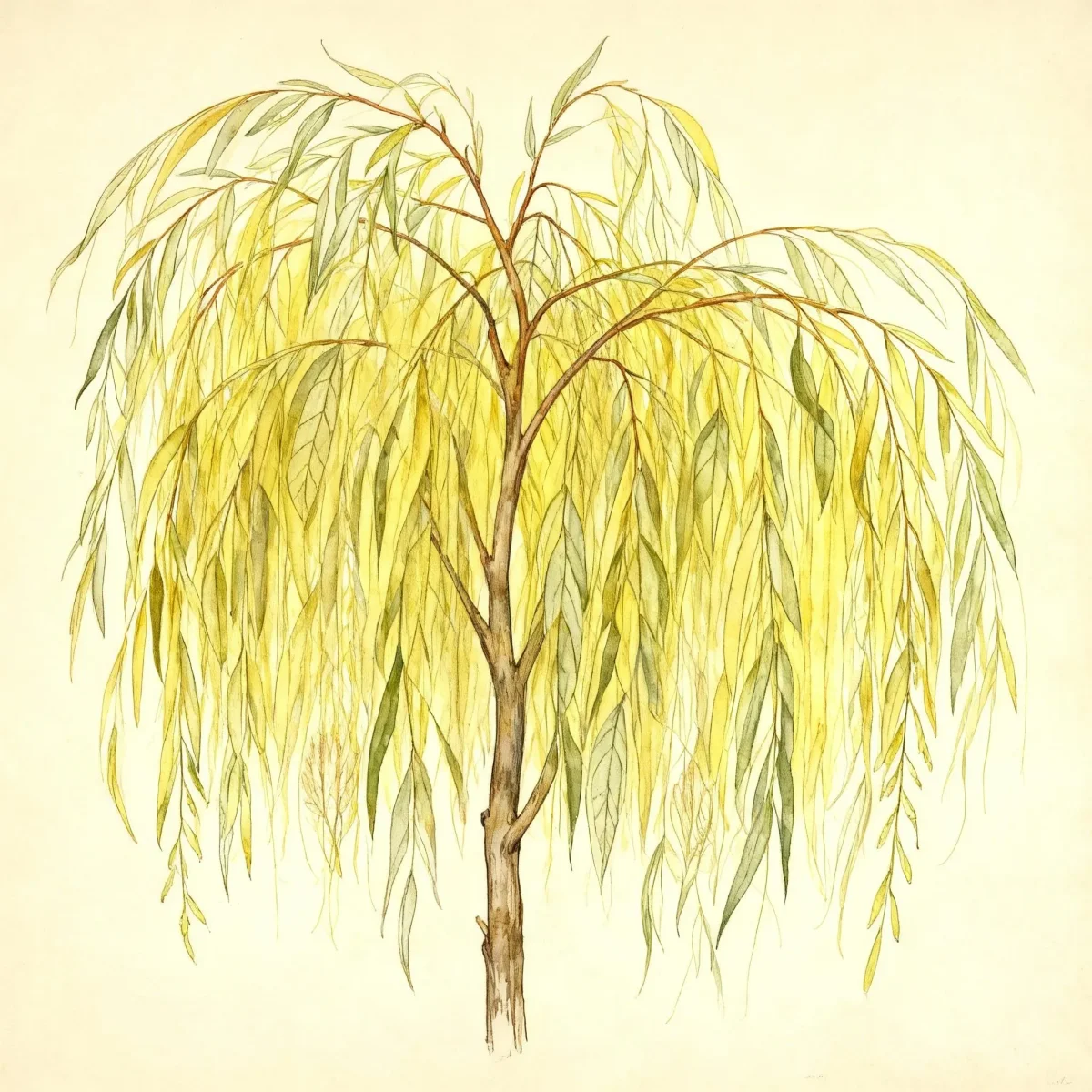
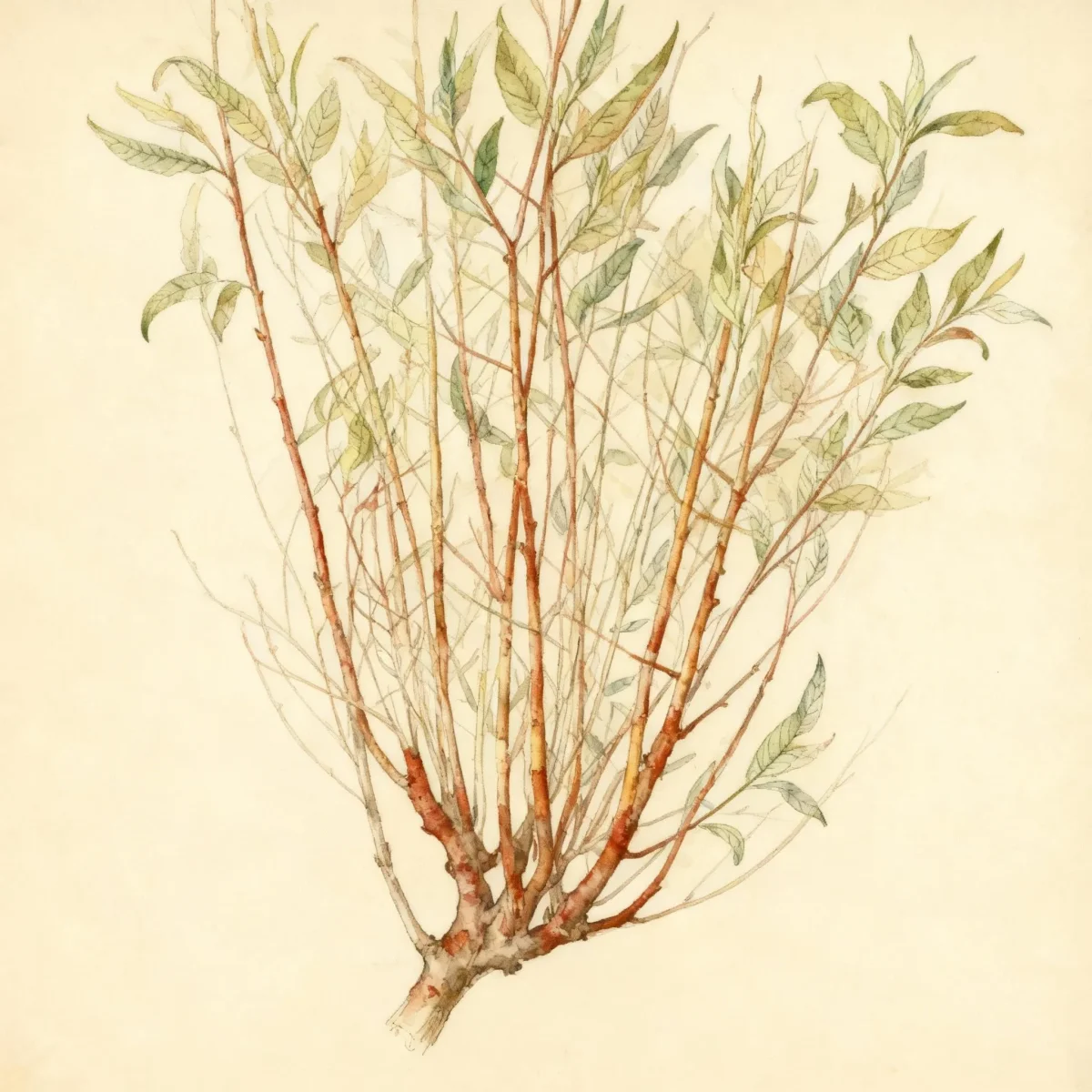
The Violet willow, scientifically known as Salix daphnoides, is highly valued by gardeners specifically for its outstanding winter interest. Its primary ornamental feature is the deep purple-violet coloration displayed on its stems from early autumn through mid-winter, providing crucial color when other plants are dormant. This species adapts well to various forms, often appearing as a multi-stemmed shrub but maturing into a graceful small tree over time.
Salix daphnoides thrives where many other ornamentals struggle, particularly favoring moist to wet soil conditions. This makes the Violet willow an excellent functional choice for stabilizing banks or managing runoff in landscape settings. Its reliability in moist locations, combined with its attractive catkins appearing before the foliage in spring, makes it a versatile addition.
Ultimately, selecting Salix daphnoides ensures you incorporate year-round structure and exceptional seasonal color, especially during the colder months. Consider its preference for moisture when situating this remarkable Willow in your garden design.
Fast Facts
- Plant Family: Salicaceae
- Plant Type: Tree
- Native Range: Europe to central Asia, Himalayas
- Hardiness Zones: USDA Zones 4-7
- Size at Maturity:
- Height: 7-20 ft
- Spread: 4-15 ft
- Bloom Time: April to May
- Bloom Description: Grayish white
- Sun Exposure: Full sun to part shade
- Water Needs: Medium to wet
- Maintenance Level: Medium
How to Grow
When establishing your Salix daphnoides, planting in late winter or early spring ensures the best root development before summer heat. This Willow demands location in average, medium to wet, well-drained soils. While it tolerates part shade, it performs best and achieves richer stem color in full sun, where it fully benefits from its preferred moist soil environment.
Ongoing care for the Violet willow primarily revolves around moisture management, particularly during establishment. Ensure consistent watering to keep the soil moist, especially in full sun. Fertilization is rarely necessary unless the soil is exceedingly poor. Pruning is often aesthetic, encouraging dense, colorful twig growth; prune in late winter to shape the plant or maintain the desired multi-stemmed shrub form.
Be mindful of its tendency to sucker if heavily pruned low down. As a water-loving species, locate Salix daphnoides away from structures where extensive root systems might cause issues, though its tolerance for wet soil makes it great for rain gardens. If grown as a multi-stemmed shrub, seasonal cleanup involves removing any dead or crossing branches to maintain an open structure that highlights the violet stems.
Landscape Uses
The primary draw for using the Violet willow stems is their vibrant appearance, making them excellent candidates for focal points against evergreen backdrops or within winter beds. Because Salix daphnoides grows well in moist places and handles wet soil, it is perfectly suited for rain gardens, wetland margins, or along the edges of ponds and streams. Gardeners also effectively use the dense structure of multiple specimens to create a natural screen, softening harsh property lines.
For erosion control, the vigorous root system of the Violet willow excels in stabilizing banks where drainage is consistently poor or where high water tables persist. Consider planting it in low spots where water naturally collects after heavy rains. This resilience in wet conditions offers a practical solution for challenging landscape topography that many other trees cannot manage.
Companion planting should focus on species that appreciate high moisture levels, such as astilbes, certain ferns, or moisture-loving evergreens that contrast nicely with the bare, purple branches in winter. The early blooming catkins of Salix daphnoides also provide early season nectar for emerging pollinators.
Standout Features
Flower Qualities
- Showy
- Good Cut
Noteworthy Characteristics
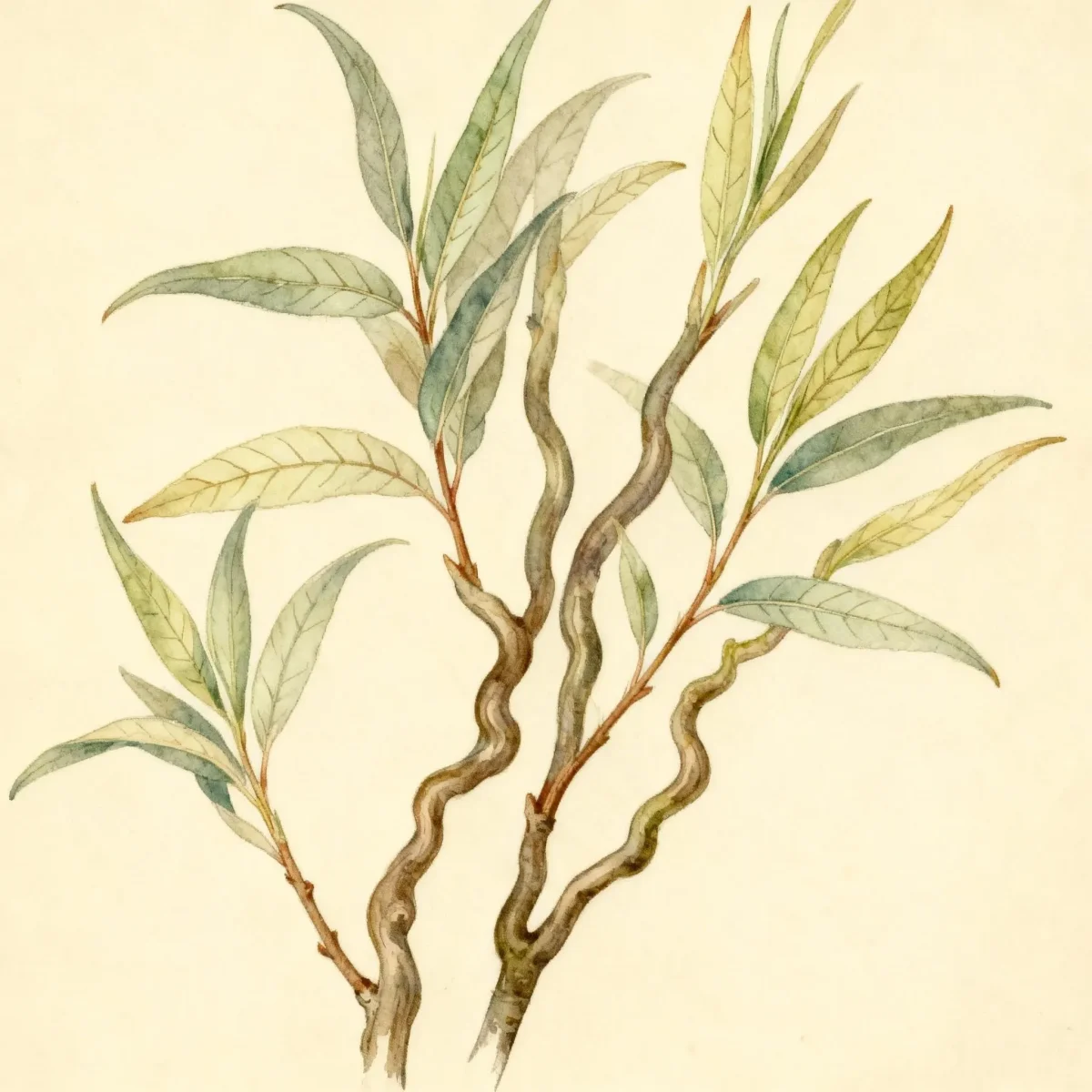
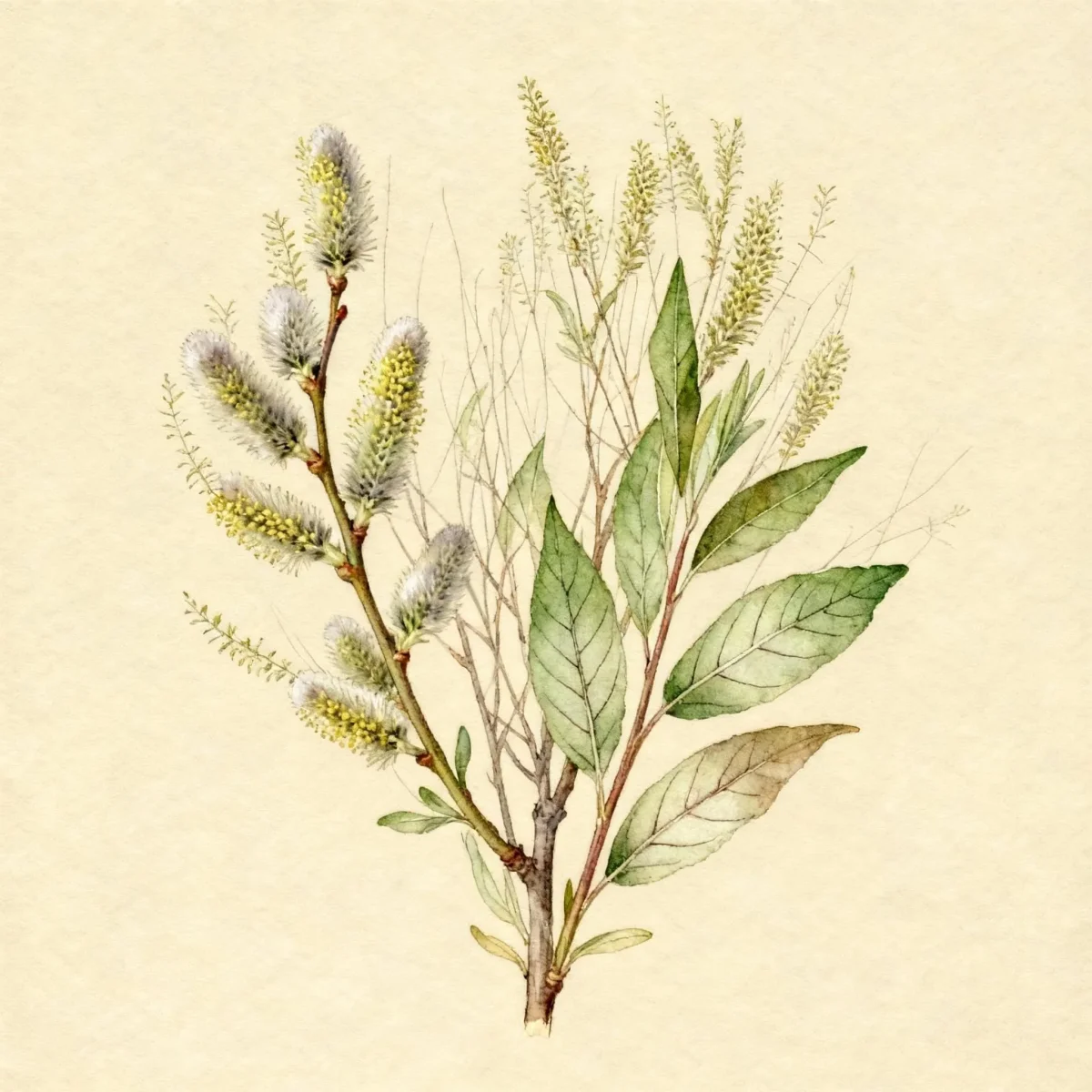
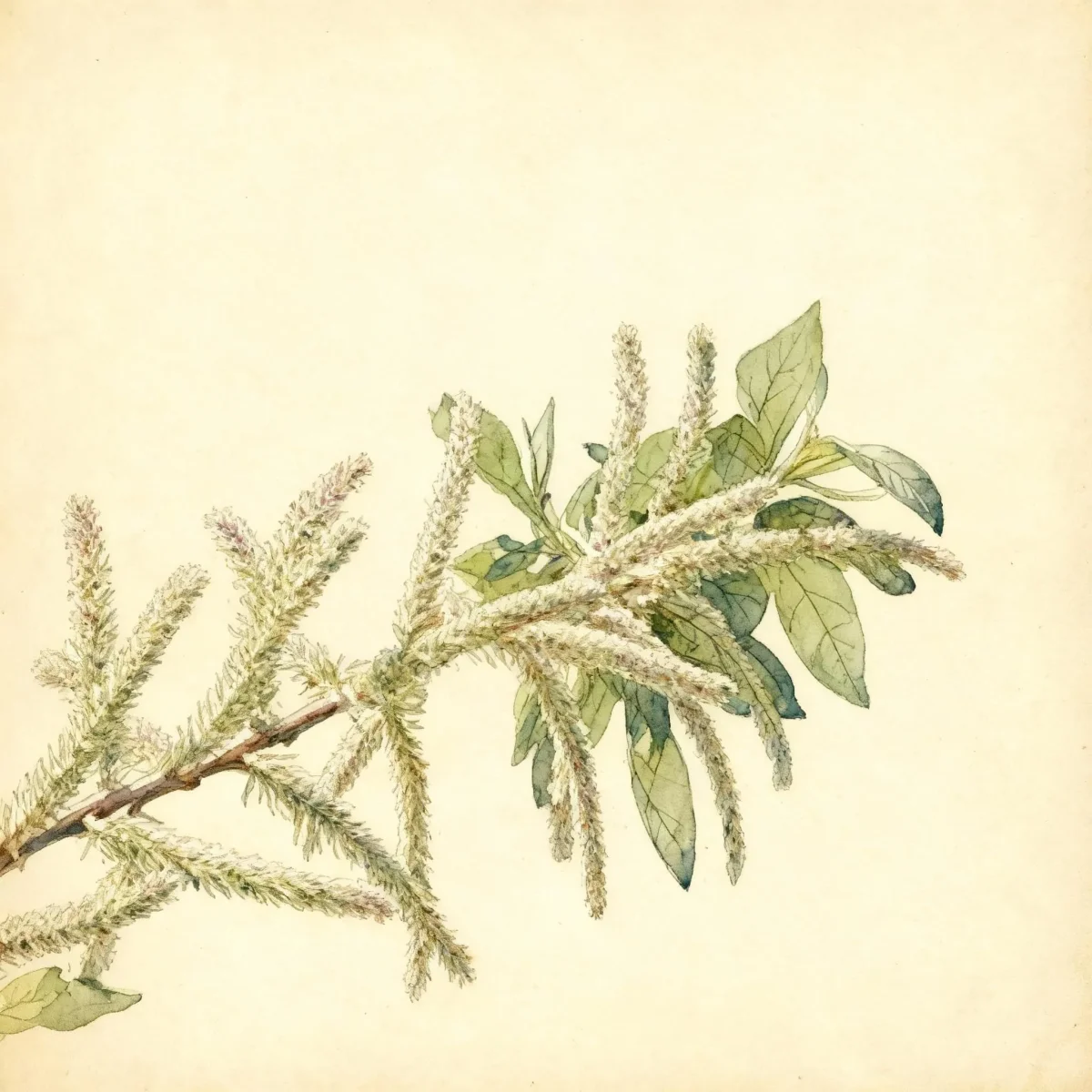
Salix daphnoides is commonly called violet willow in recognition of the fact that its stems from early autumn to mid-winter turn an attractive purple-violet. Normally grown as a multi-stemmed shrub or small tree, it can typically mature over time to a height of 10-20’ (infrequently to 30’). Oblong to lance-shaped, finely toothed leaves are dark green above and glaucous below, and the plant produces grayish-white flowering catkins in early spring before the foliage emerges.
Tolerances
- Deer
- Erosion
- Wet Soil
- Black Walnut
Potential Problems
Gardeners should anticipate that Salix daphnoides is susceptible to numerous foliar diseases, blights, and cankers. Moreover, many common insect pests target willows, including aphids, scale insects, and borers. Proper site selection is preventative maintenance; ensuring good air circulation, especially when grown in dense clusters, can mitigate fungal issues.
Cultural health greatly impacts resistance. Healthy plants receiving adequate water (but not stagnant water) and situated where they receive sufficient sun are less likely to succumb to serious infestations or infections. Regular inspection during the growing season allows for prompt treatment of minor issues before they escalate into major problems for your Violet willow.
Frequently Asked Questions
What hardiness zones is Violet willow suitable for?
The Salix daphnoides is suitable for planting across USDA Hardiness Zones 4 through 7.
How large does Violet willow grow?
This tree typically matures to a height between 7 and 20 feet, with a spread ranging from 4 to 15 feet wide.
What sun exposure does Violet willow need?
The Violet willow requires full sun to part shade conditions to thrive and display its best coloration.
When does Violet willow bloom?
It blooms in the transition of spring, specifically from April to May, producing grayish white catkins.
Conclusion
The Violet willow (Salix daphnoides) offers exceptional value through its year-round aesthetic appeal, highlighted by its vividly colored winter stems and its reliable performance in moist to wet soils. Whether you plan to use it for erosion control or as a striking specimen plant, this Willow brings structure and dependable color to the landscape. Before planting, confirm your location falls within Zones 4-7 and ensure consistent moisture availability to maximize the winter display of your Salix daphnoides.
Companion Planting
Selecting appropriate neighbors for the Violet willow is key to maintaining a healthy and aesthetically pleasing moist garden area. Since Salix daphnoides thrives in damp conditions, pair it with other water-loving shrubs or perennials that share similar sun requirements (Full sun to part shade). Excellent partners include various species of Iris that tolerate wet feet, Swamp Milkweed (Asclepias incarnata), or river birch.
Avoid pairing standard landscape shrubs that demand consistently dry, well-drained upland soil, as the Willow’s wet feet preference will distress them. Look for plants designed for rain garden settings or shoreline plantings to ensure cultural compatibility across the entire planting bed.
Seasonal Care Calendar
Spring marks the time to observe the very early flowering catkins of Salix daphnoides before the leaves emerge, offering early season foraging opportunities. If heavy pruning is required to manage size or shape, late winter is the ideal time to execute these cuts. Summer care focuses almost entirely on monitoring moisture; maintain consistently moist soil, especially as the plant matures or during prolonged dry spells, even though it prefers wet soil.
As autumn begins, anticipate the transition of the stems to their signature deep violet hue. Very little maintenance will be required during the fall and winter months aside from enjoying the dormant season interest provided by the Violet willow. Should pests appear, summer scouting for aphids or scale will allow for focused, early intervention rather than widespread treatment.