Golden rain tree (Koelreuteria paniculata)
Discover the low-maintenance Golden rain tree (Koelreuteria paniculata), a deciduous tree prized for its bright yellow summer blooms and drought tolerance.
Scroll down to discover growing tips, care requirements, companion plants, and more
Complete Plant Information
Overview
The Golden rain tree, scientifically known as Koelreuteria paniculata, is a highly desirable, small to medium deciduous tree celebrated for its resilience and spectacular summer flowering. When in bloom, its canopy erupts with masses of bright yellow flowers, offering welcome color during the mid-summer heat when many other specimens are resting. It is an excellent choice for gardeners seeking a durable specimen that commands attention without demanding extensive upkeep.
Native to parts of East Asia, Koelreuteria paniculata adapts well to diverse urban environments due to its tolerance for less-than-ideal conditions. This species grows reliably within USDA Hardiness Zones 5 through 9, making it a versatile addition across many climates. Its fine texture and airy canopy provide moderate shade, making the Golden rain tree a functional and beautiful structural element in the landscape.
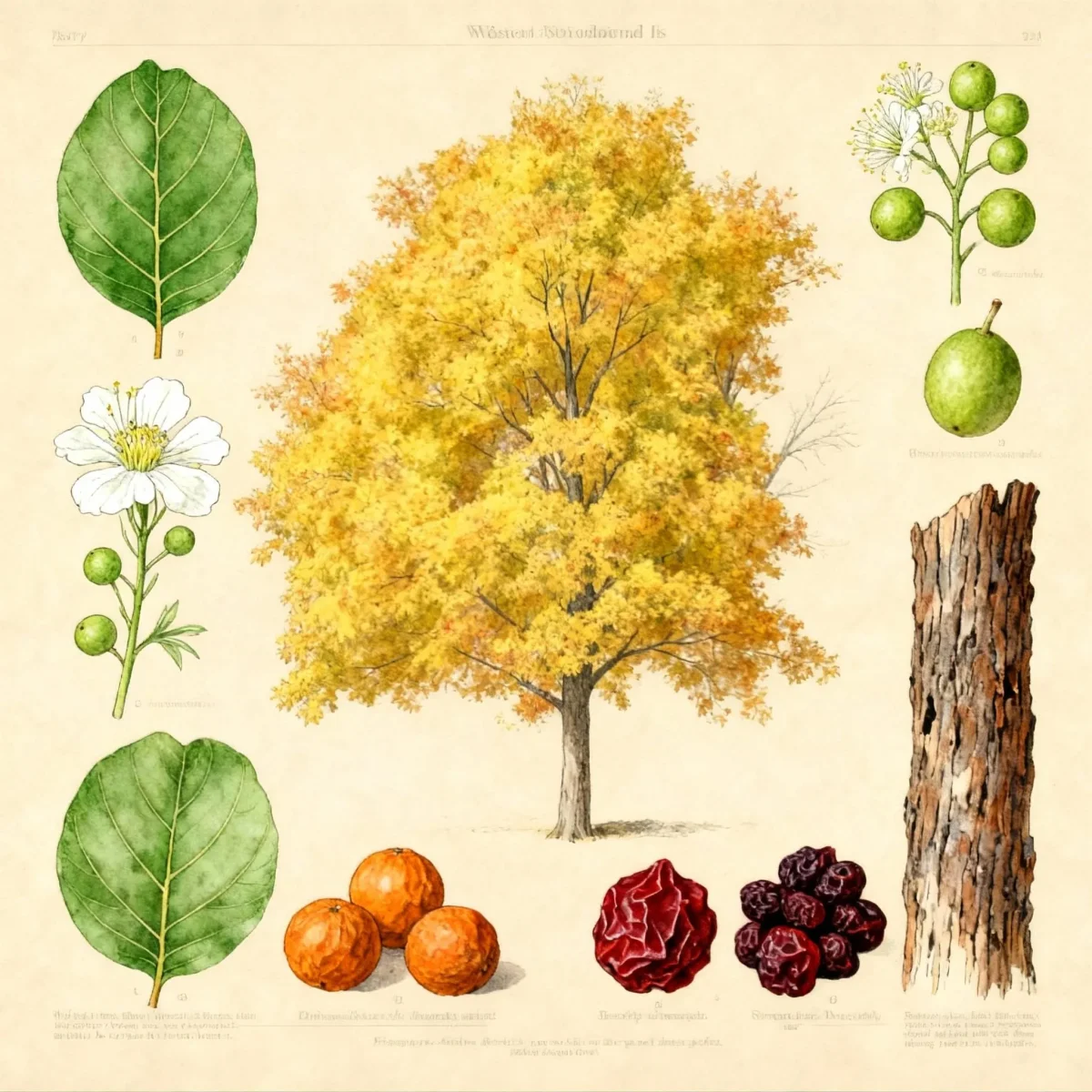
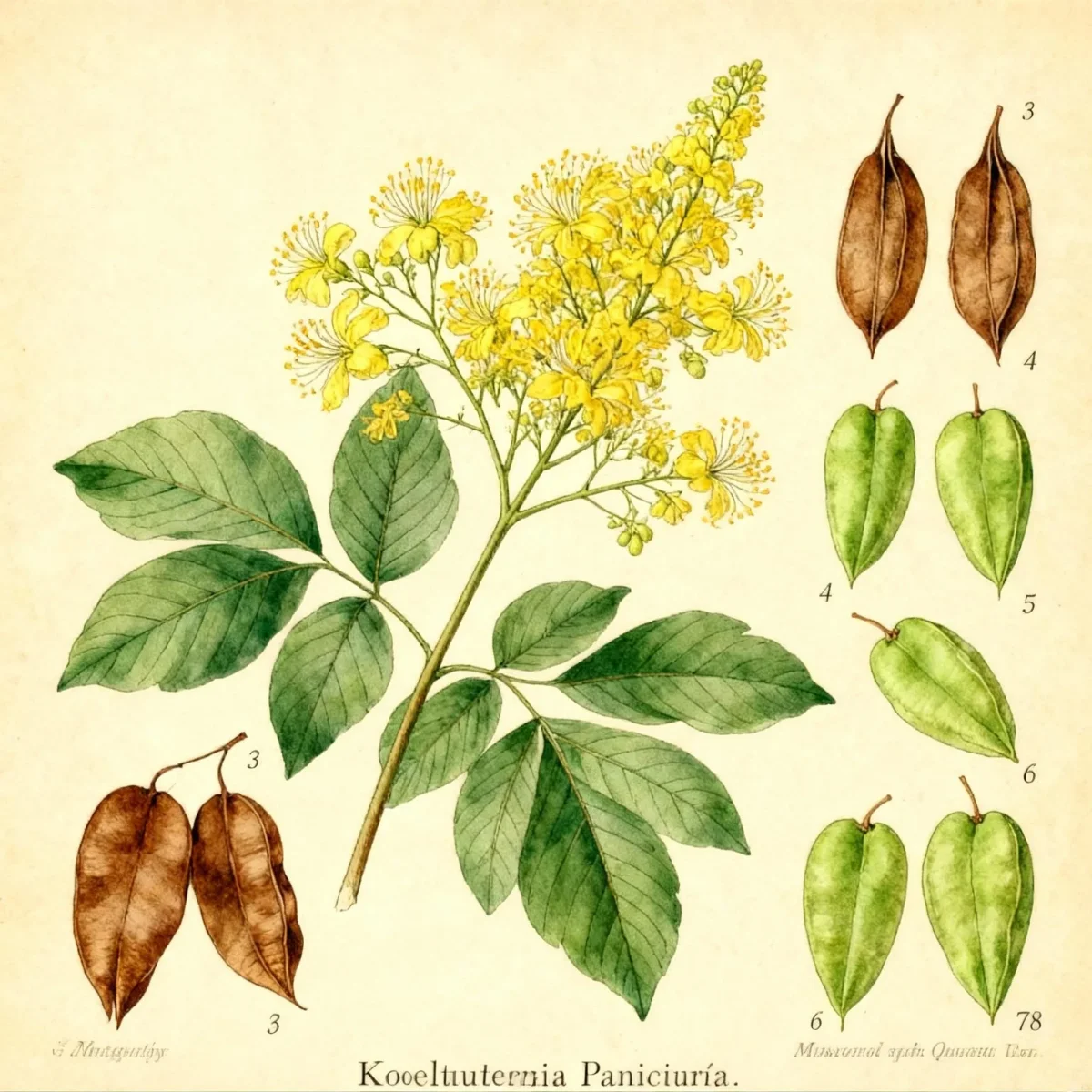
A key appeal of the Koelreuteria paniculata is its multi-season interest, moving from interesting bronze new foliage to green summer leaves, golden flowers, and finally unique, papery seed capsules. Requiring low maintenance once established, this tree is perfect for homeowners or municipal planners looking for long-term, low-input screening or focal points.
Fast Facts
- Plant Family: Sapindaceae
- Plant Type: Tree
- Native Range: Northern China, Korea, Japan
- Hardiness Zones: USDA Zones 5-9
- Size at Maturity:
- Height: 30-40 ft
- Spread: 30-40 ft
- Bloom Time: June to July
- Bloom Description: Yellow
- Sun Exposure: Full sun
- Water Needs: Dry to medium
- Maintenance Level: Low
How to Grow
Plant Koelreuteria paniculata in the spring or fall whenever possible, ensuring it receives full sun exposure for the best flowering and growth habit. This tree is exceptionally adaptable; it thrives well in average, dry to medium, well-drained soils. While it appreciates decent drainage, it is known to tolerate clay soils effectively, a significant advantage in many garden settings.
Watering should be consistent during the establishment phase to encourage deep root development. Once mature, the golden raintree exhibits significant drought tolerance, requiring supplemental water only during prolonged, extreme dry spells. Fertilization is generally unnecessary; excessive feeding can lead to weak, floppy growth, which compromises the tree’s structure.
Maintenance is simple, fitting well into low-input landscapes. Prune only to remove dead, damaged, or crossing branches, typically done in late winter when the tree is fully dormant. Gardeners should take advantage of its hardiness; the tree shrugs off many city air pollutants, confirming its reputation as a sturdy street and shade tree.
Landscape Uses
The recommended uses for the Golden rain tree span both residential and commercial settings due to its aesthetic appeal and toughness. It functions exceptionally well as a small shade tree where larger species might overwhelm the space, spreading gently to a 30-40 foot width. Its capacity to handle pollution makes it a top choice for street tree plantings, borders, or placement on lawns and terraces where it stands as a specimen.
When used in a mixed border, allow ample space for the Koelreuteria paniculata to express its naturally airy, rounded crown. Consider pairing it with later-blooming shrubs or perennials that can provide visual interest after the golden flowers fade, or plants that contrast the fine, light texture of its leaves during the summer.
As a flowering tree, place the sapling where its summer blooms can be easily appreciated, perhaps near patios or walkways. Its eventually irregular shape adds architectural interest even in winter, standing apart from more formally structured deciduous trees.
Standout Features
Flower Qualities
- Showy
Fruit Qualities
- Showy
Noteworthy Characteristics
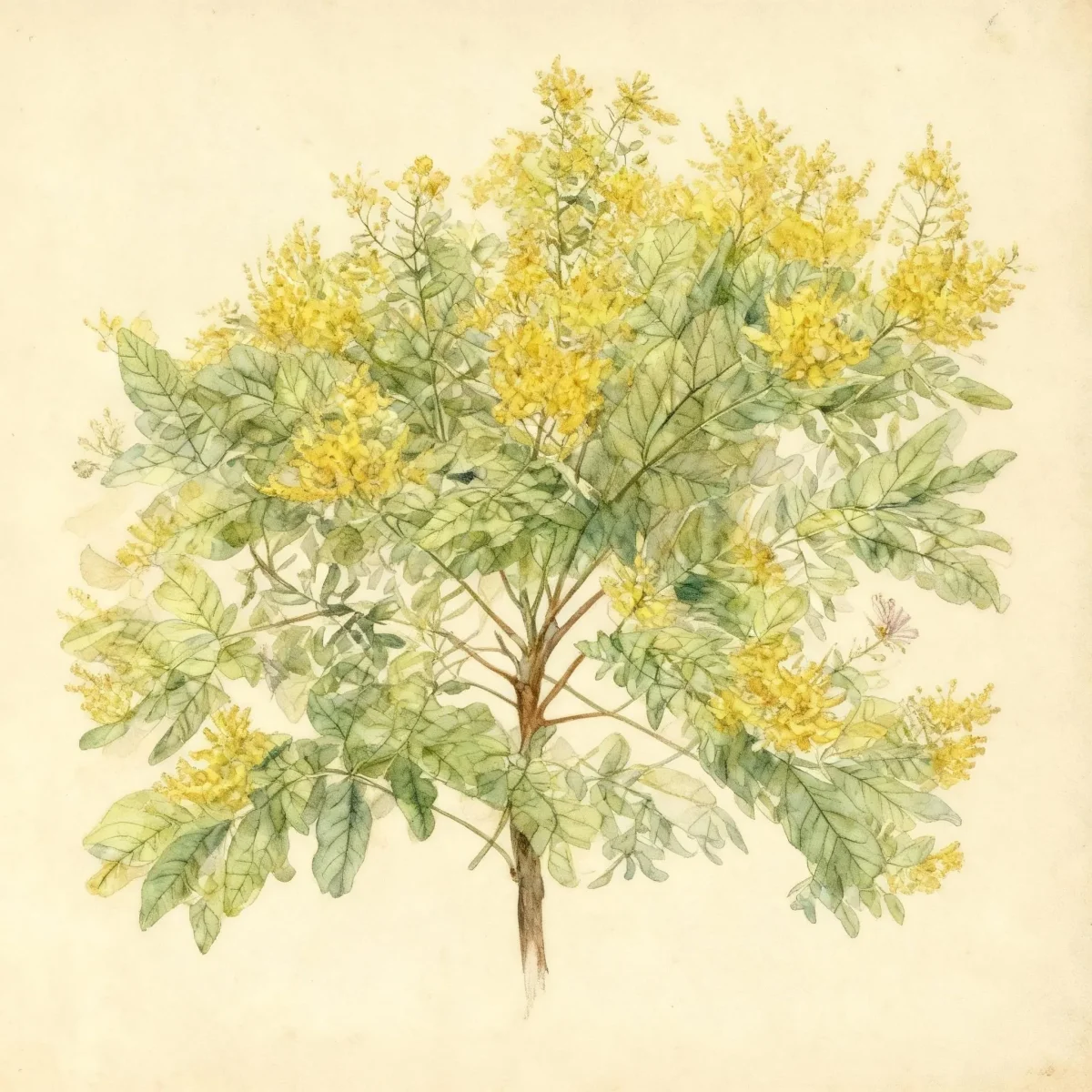
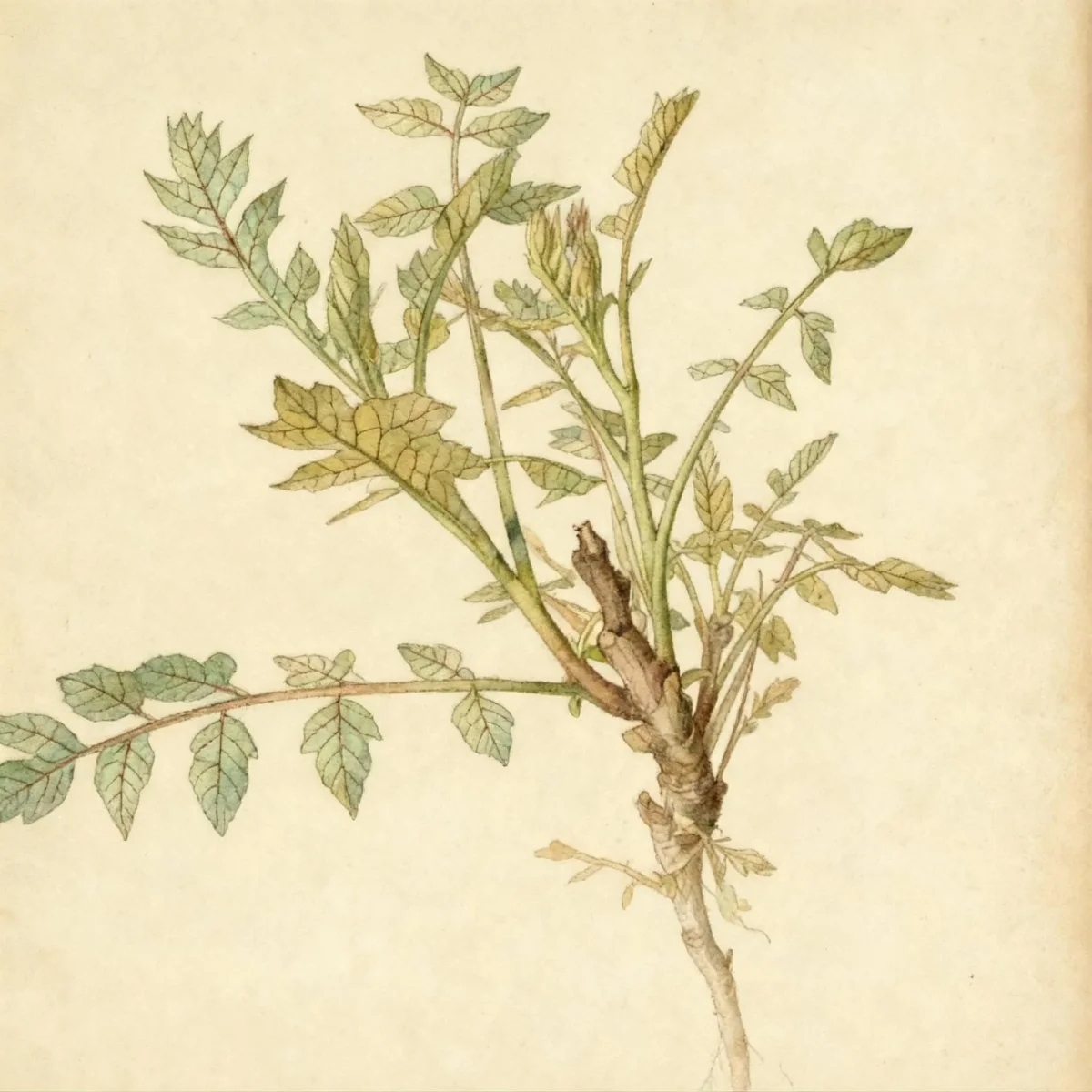
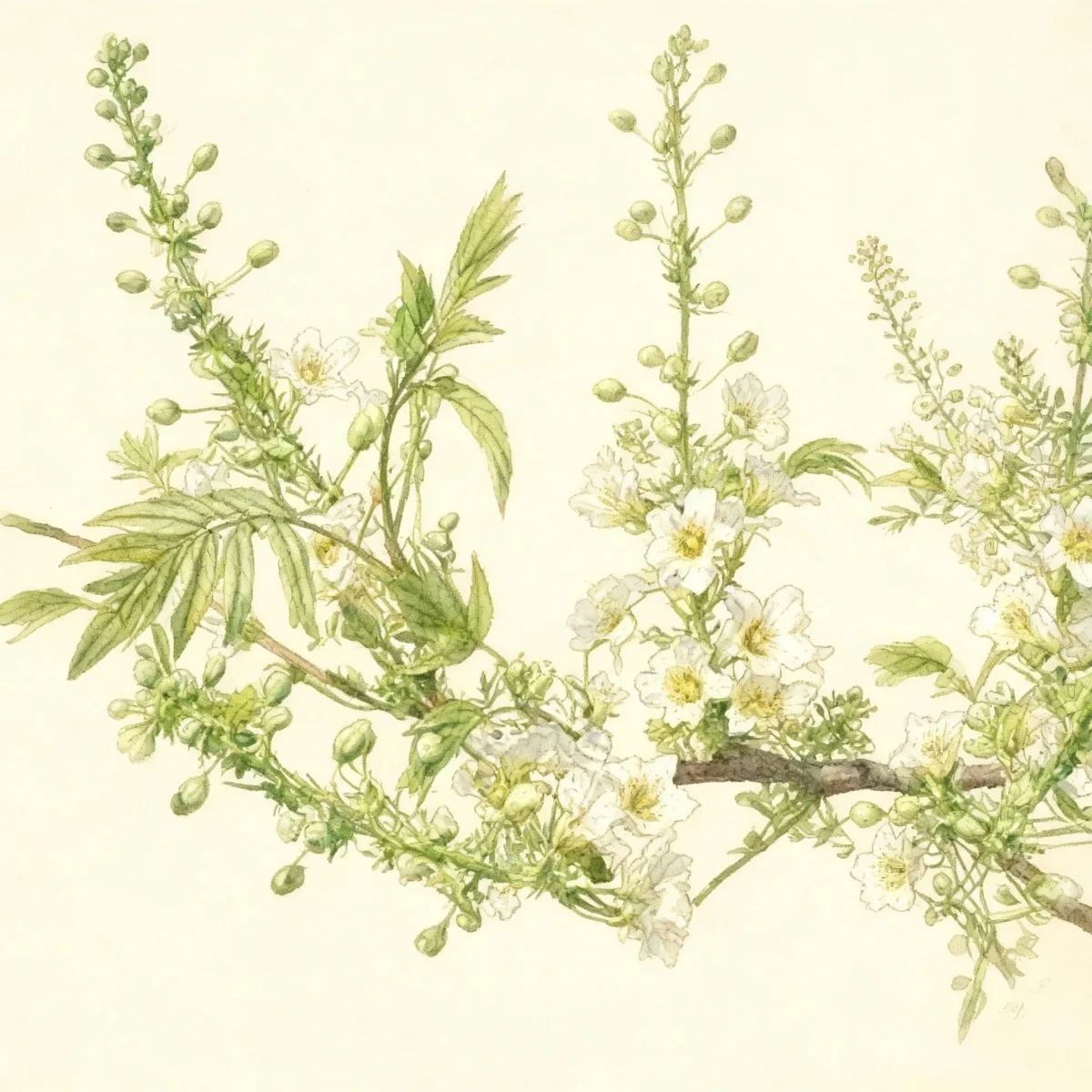
Koelreuteria paniculata, commonly called golden raintree, is a small, open-branching, irregularly-shaped, deciduous tree with a rounded crown which typically grows 30-40’ tall and as wide. Features pinnate or bipinnate, feathery, compound leaves (to 18” long), each leaf having 7-17 irregularly lobed leaflets. The bright yellow flowers appear in early summer in long, terminal panicles, followed by interesting, brown, papery seed capsules which somewhat resemble Chinese lanterns.
Tolerances
- Drought
- Clay Soil
- Air Pollution
Potential Problems
The Koelreuteria paniculata is fortunate to suffer from very few serious insect or disease problems, contributing significantly to its low maintenance profile. Generally, significant pest outbreaks are rare for this species.
However, gardeners should be aware of minor susceptibilities. Some trees may show signs of root rot if drainage is persistently poor, and occasional foliar issues like leaf spot or canker can occur, especially in overly wet or humid seasons. Good air circulation and avoiding overwatering are the primary preventative cultural practices.
Frequently Asked Questions
What hardiness zones is Golden rain tree suitable for?
The Golden rain tree is reliably hardy in USDA Zones 5 through 9.
How large does Koelreuteria paniculata grow?
This manageable tree typically reaches a mature height between 30 and 40 feet, with a corresponding spread of 30 to 40 feet.
What sun exposure does Golden rain tree need?
For optimal flowering and robust health, Koelreuteria paniculata requires full sun exposure.
When does Golden rain tree bloom?
The showy yellow flowers of the Golden rain tree appear in early summer, generally spanning from June to July.
Conclusion
The Koelreuteria paniculata, or Golden rain tree, offers unmatched mid-summer color combined with exceptional hardiness and drought tolerance, solidifying its place as a premier low-maintenance shade provider. Planning your purchase around late fall or early spring planting will ensure your new tree establishes strong roots quickly. Always confirm that your local growing conditions fall within USDA Zones 5-9 before implementation.
Companion Planting
Selecting companions for the Golden rain tree should focus on species that share its preferences for full sun and tolerance for dry-to-medium soil conditions. Consider planting low-growing, sun-loving perennials beneath its canopy that do not require rich, constantly moist conditions. Good choices include various ornamental grasses, Lavender (Lavandula spp.), or hardy Sedums, which thrive in drier soil once established.
Avoid placing moisture-loving plants directly at the drip line, as the Golden rain tree’s established root system will aggressively compete for water and nutrients. Since the tree’s canopy is somewhat open, filtered light reaches the ground during the hottest parts of the day, providing a suitable microclimate for drought-resistant groundcovers that can tolerate partial shading later in the season.
Wildlife Benefits
While not primarily known as a massive pollinator magnet, the early summer blooms of Koelreuteria paniculata provide a valuable nectar source when many spring bloomers have faded. Bees are readily attracted to the massed yellow flowers during June and July, making it a beneficial stop on their foraging route.
Furthermore, the unique, persistent papery seed capsules that follow the flowers add texture and winter interest to the landscape. These capsules often persist into the colder months, providing minimal, but available, foraging opportunities for birds later in the year when other food sources are scarce.