Western soapberry (Sapindus drummondii)
Discover Western soapberry (Sapindus drummondii), a drought-tolerant tree for Zones 6-9, prized for its unique fruit and shade potential.
Scroll down to discover growing tips, care requirements, companion plants, and more
Complete Plant Information
Overview
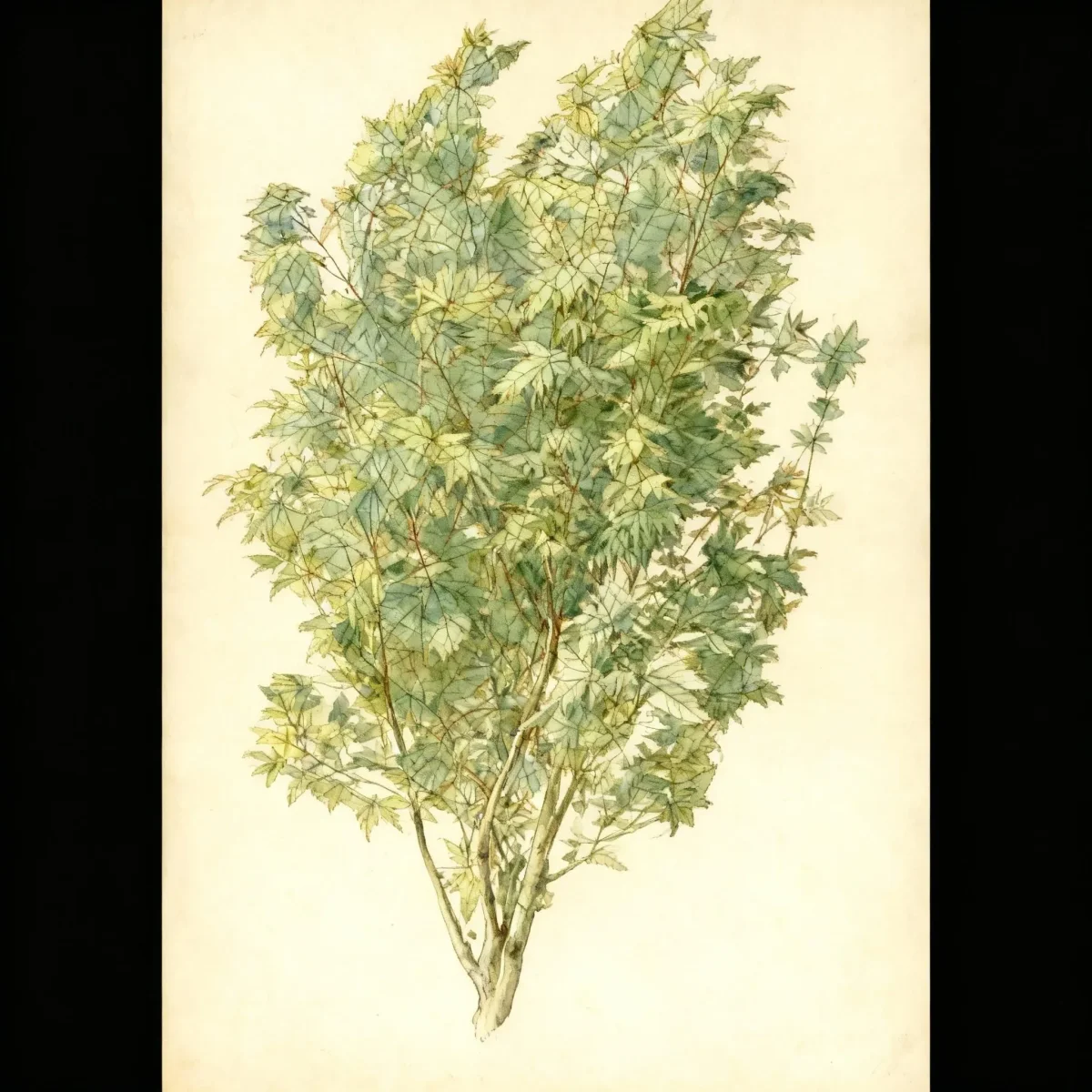
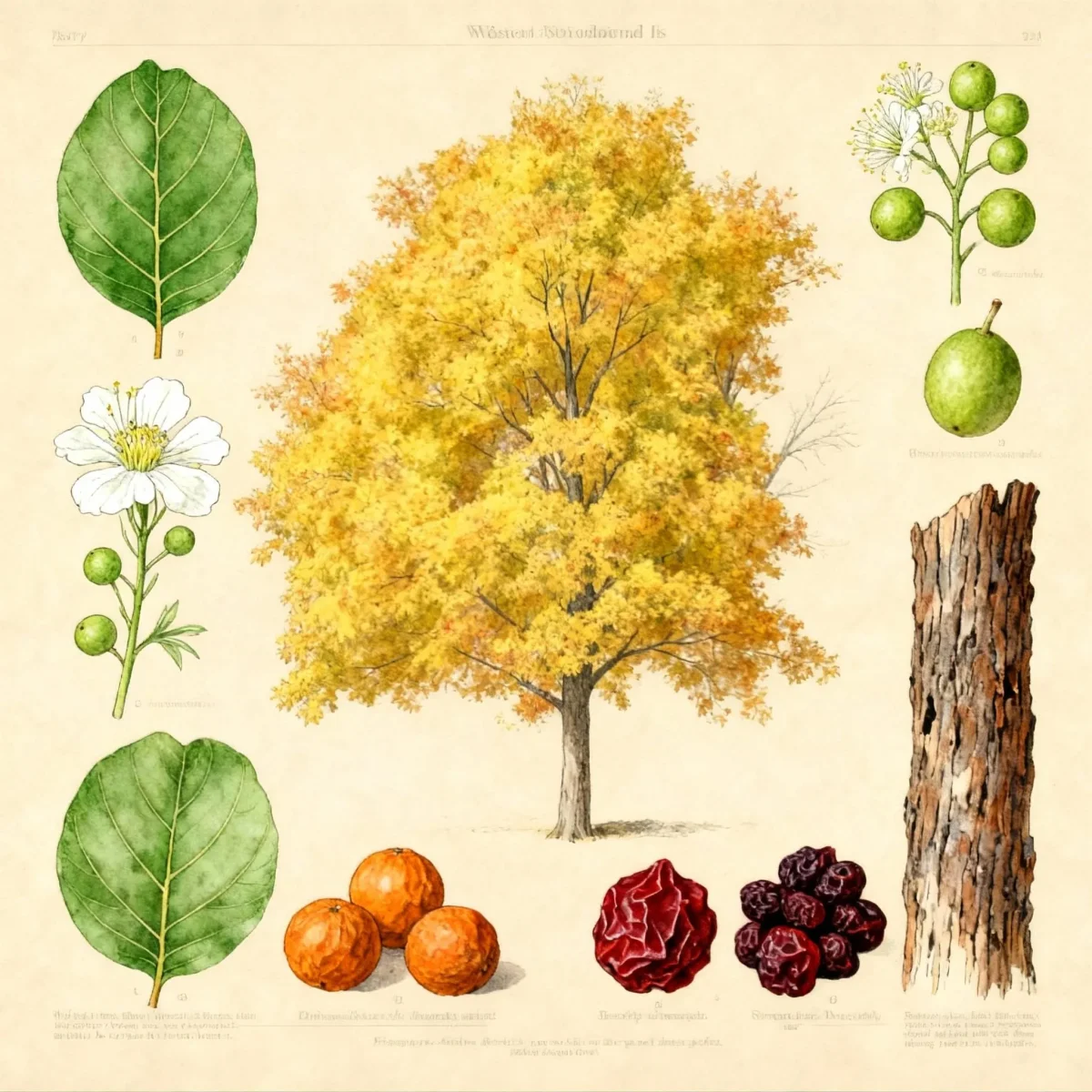
The Western soapberry (Sapindus drummondii) is a highly valuable, medium-sized deciduous tree native to the southwestern United States and northern Mexico. Gardeners value this species for its resilience, providing excellent open-rounded shade with relatively low cultural demands once established. Its ornamental qualities include glossy compound leaves that transition to striking yellow-gold in the fall, complemented by persistent, grape-like fruits providing winter interest.
This tree showcases remarkable hardiness, thriving in dry to medium conditions across USDA Hardiness Zones 6 through 9. While it adapts well to poor soil structures, particularly sandy or rocky substrates, Sapindus drummondii is best recognized for its adaptability and inherent drought tolerance. It offers a practical solution for native landscaping seeking structure and seasonal appeal.
Historically, the fruits of the Western soapberry, rich in saponin, were used by Native Americans to create a soapy lather, lending the tree its common name. For modern landscape architects, Sapindus drummondii serves as a distinctive accent tree that requires medium maintenance.
Fast Facts
- Plant Family: Sapindaceae
- Plant Type: Tree
- Native Range: Southern United States, northern Mexico
- Hardiness Zones: USDA Zones 6-9
- Size at Maturity:
- Height: 20-50 ft
- Spread: 20-50 ft
- Bloom Time: May to June
- Bloom Description: Yellowish-white
- Sun Exposure: Full sun to part shade
- Water Needs: Dry to medium
- Maintenance Level: Medium
How to Grow
Plant the Sapindus drummondii during the dormant seasons—either early spring or late fall—to maximize the establishment period before summer heat or winter cold sets in. Ensure the location offers full sun, though part shade is tolerated. This tree prefers well-drained soils and exhibits notable tolerance for high pH levels, easily adapting to sandy or rocky sites common in its native range.
Established Western soapberry trees possess excellent drought tolerance, necessitating only dry to medium watering schedules. Water deeply but infrequently once the root system is developed, especially during prolonged dry spells. Fertilization is generally unnecessary as the plant establishes readily in average soils.
Pruning should be minimal, focusing only on removing crossing or damaged limbs, typically during the dormant winter months. Be aware that Sapindus drummondii may sucker from the base, potentially forming dense groves if left unchecked in optimal growing conditions.
Landscape Uses
The versatility of the Sapindus drummondii lends itself well to several landscape roles, particularly where a hardy shade accent is needed. Its mature size places it perfectly as a small to medium shade tree, ideal for softening broad lawns or providing dappled shade over patios. It can also function effectively as a specimen planting, showcasing its unique branching structure in winter.
Consider using the Western soapberry as a natural screen in larger landscapes, relying on its medium spread to create a visual buffer. While its structure is attractive, avoid placing it directly over seating areas due to the persistent, albeit ornamental, fruits that drop in the fall and winter. Companion planting should focus on other resilient, low-water-use species suited to the Southwest.
Standout Features
Flower Qualities
- Showy
Fruit Qualities
- Showy
Noteworthy Characteristics
Sapindus drummondii, commonly called western soapberry, is a small to medium-sized deciduous tree with an open-rounded crown that grows to 20-50’ tall, featuring glossy compound medium green leaves, grape-like yellow-orange fruits (ornamentally attractive but toxic if ingested), deep yellow fall foliage color, and gray bark divided into scaly plates. Yellowish-white flowers bloom in large open panicles in late spring, followed by fruits that mature in autumn and persist well into winter, providing excellent structural interest. The genus name honors the fruit’s saponin content, which yields a soapy lather.
Tolerances
- Drought
Potential Problems
Sapindus drummondii generally exhibits no serious insect or disease pressures, contributing to its low-maintenance reputation. However, under specific environmental stresses, particularly high humidity or dense planting, fungal issues can occasionally manifest.
If conditions are overly moist or crowded, look out for signs of powdery mildew, leaf blight, or leaf spot. Management usually involves improving air circulation through strategic, light pruning and ensuring soil drainage is adequate rather than chemical intervention. Avoid overwatering, which stresses the tree and invites these minor aesthetic issues.
Frequently Asked Questions
What hardiness zones is Western soapberry suitable for?
The Western soapberry (Sapindus drummondii) is well-suited for USDA Hardiness Zones 6 through 9.
How large does Western soapberry grow?
This tree typically reaches heights between 20 and 50 feet, with an equal spread of 20 to 50 feet at maturity.
What sun exposure does Western soapberry need?
Sapindus drummondii requires full sun but successfully adapts to areas receiving part shade.
When does Western soapberry bloom?
It blooms profusely during the late spring months of May to June, producing showy, yellowish-white flowers.
Conclusion
The inherent toughness, coupled with interesting seasonal appeal from foliage and persistent fruit, makes the Sapindus drummondii an outstanding choice for arid or challenging landscapes. This resilient Western soapberry offers substantial shade and historical interest with minimal fuss. Before planting, always confirm that your site falls within USDA Zones 6-9 to ensure successful establishment.
Companion Planting
When designing a landscape around Sapindus drummondii, focus on other drought-tolerant natives from the Southwest that share similar sun and soil preferences. Pairing the Western soapberry with native shrubs that tolerate high pH, like various sages (Salvia spp.) or Texas Rangers (Leucophyllum frutescens), can create a cohesive, water-wise planting scheme. These companions thrive in the dry to medium soil conditions where the soapberry excels.
In the understory, consider groundcovers that handle bright light and dry conditions, such as certain species of native sedges or low-growing yuccas. This approach enhances the natural look of Sapindus drummondii while minimizing resource needs across the entire planting area.
Propagation Tips
While Sapindus drummondii will readily self-seed in ideal environments, gardeners often seek controlled propagation methods. The most common, though sometimes challenging, method is growing from collected seeds. Ensure seeds are fresh, as viability can drop quickly after harvest.
Scarification (lightly scratching the hard seed coat) or stratification (cold treatment) is often required to break dormancy before planting seeds in a well-drained medium. Because the tree may sucker, vegetative propagation via root cuttings taken during dormancy can yield genetically identical plants, though this method requires careful execution to avoid damaging the parent tree.