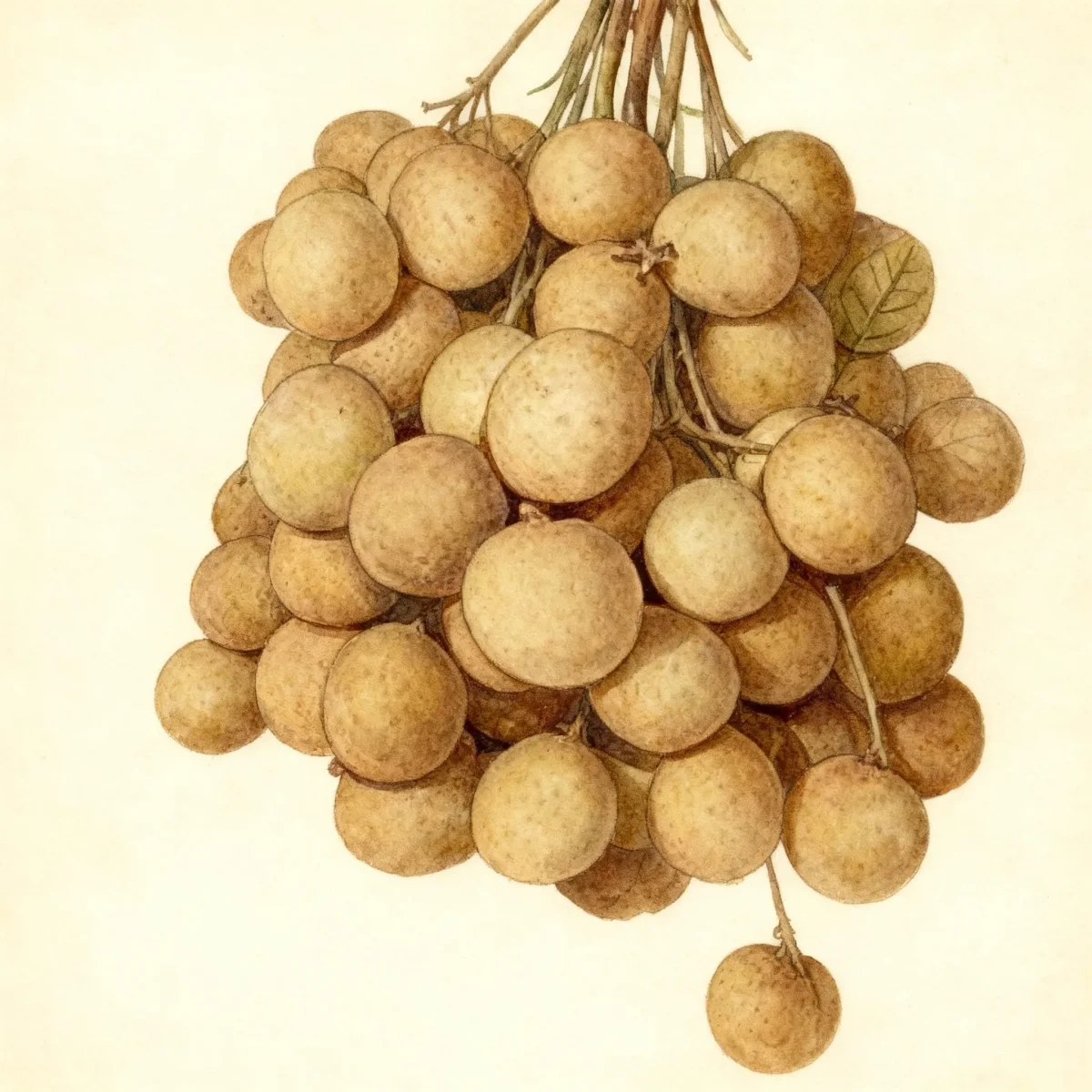
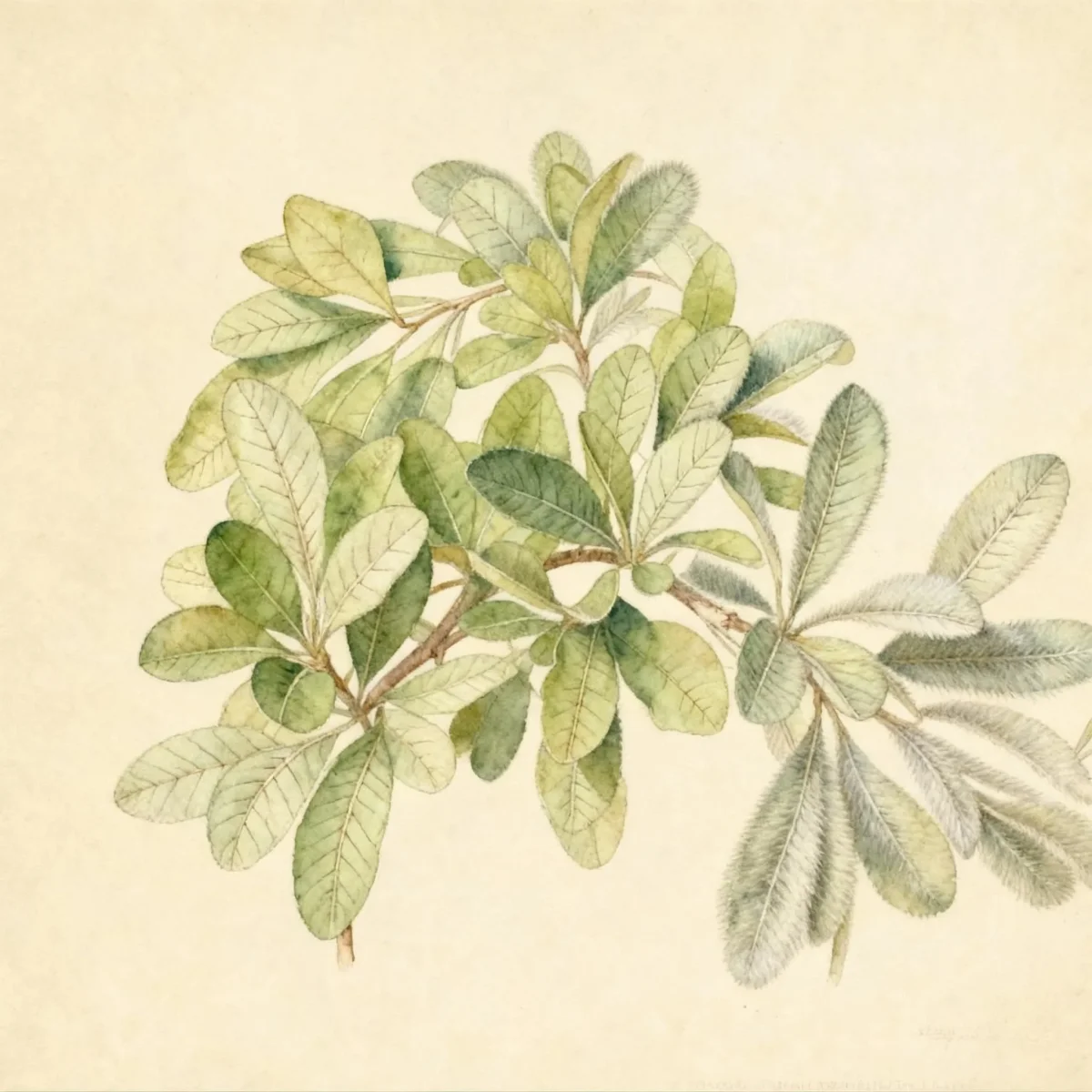
Sapodilla (Manilkara zapota)
Manilkara zapota, the Sapodilla tree, offers sweet edible fruit and durable timber, thriving in warm climates.
Scroll down to discover growing tips, care requirements, companion plants, and more
Complete Plant Information
Overview
The Manilkara zapota, widely known as the Sapodilla, is a magnificent, slow-growing evergreen tree valued as much for its sweet, brown, edible fruit as for its dense, durable timber. Native to Central America, this species establishes itself as a stately centerpiece in warm landscapes. Gardeners appreciate its glossy, stiff foliage that provides year-round visual interest.
This tree is historically significant due to its latex, chicle, which forms the base of traditional chewing gum. While prized for its function, the mature Manilkara zapota provides excellent, widespread shade, making it a superb choice for larger properties in tropical and subtropical regions. Its ornamental appeal—from the clustered, glossy leaves to the subtly colored spring blooms—makes it a multifaceted landscape asset.
Growing successfully requires commitment, as the Sapodilla is intolerant of frost and demands specific soil conditions. Understanding its needs ensures this useful and attractive tree reaches its potential height of 30 to 60 feet.
Fast Facts
- Plant Family: Sapotaceae
- Plant Type: Tree
- Native Range: Central America, Colombia, Mexico
- Hardiness Zones: USDA Zones 10-11
- Size at Maturity:
- Height: 30-60 ft
- Spread: 20-40 ft
- Bloom Time: April to May
- Bloom Description: Pinkish-white
- Sun Exposure: Full sun to part shade
- Water Needs: Medium
- Maintenance Level: Medium
How to Grow
The ideal time for planting Manilkara zapota is during the warm season when growth is active, ensuring young trees can quickly establish strong root systems. Locate your tree where it will receive full sun to partial shade, as heavy shade can inhibit fruit production. Successful establishment depends heavily on soil quality; the plant thrives in moist, fertile, humus-rich, well-drained media. Avoid heavy, waterlogged clay wherever possible.
Watering should be consistent, maintaining medium moisture levels, especially during the first few years after planting. Once established, the Sapodilla tree exhibits good drought tolerance, requiring less supplemental irrigation. Fertilization is usually minimal if the soil is fertile, focusing perhaps on balanced feeds in the spring to support new growth and flowering. Minimal pruning is needed, focusing only on removing stray or damaged branches to maintain the natural pyramidal shape.
A critical consideration for cultivating this species is climate protection. Manilkara zapota is winter hardy only to USDA Zones 10-11. Gardeners in these zones must protect young trees from unforeseen cold snaps, as the tree is intolerant of frost. Spring cleanup involves removing debris and ensuring mulch layers are adequate without piling material directly against the trunk flare.
Landscape Uses
As a mature specimen, the Sapodilla functions excellently as a substantial, long-lived shade tree for large yards or park settings. Its dense, evergreen canopy offers deep relief from summer heat, making it a superior choice beneath which to plan seating areas or driveways. The recommended use as a naturalized planting suits spacious, informal landscapes where its grand scale can be appreciated without constant manicuring.
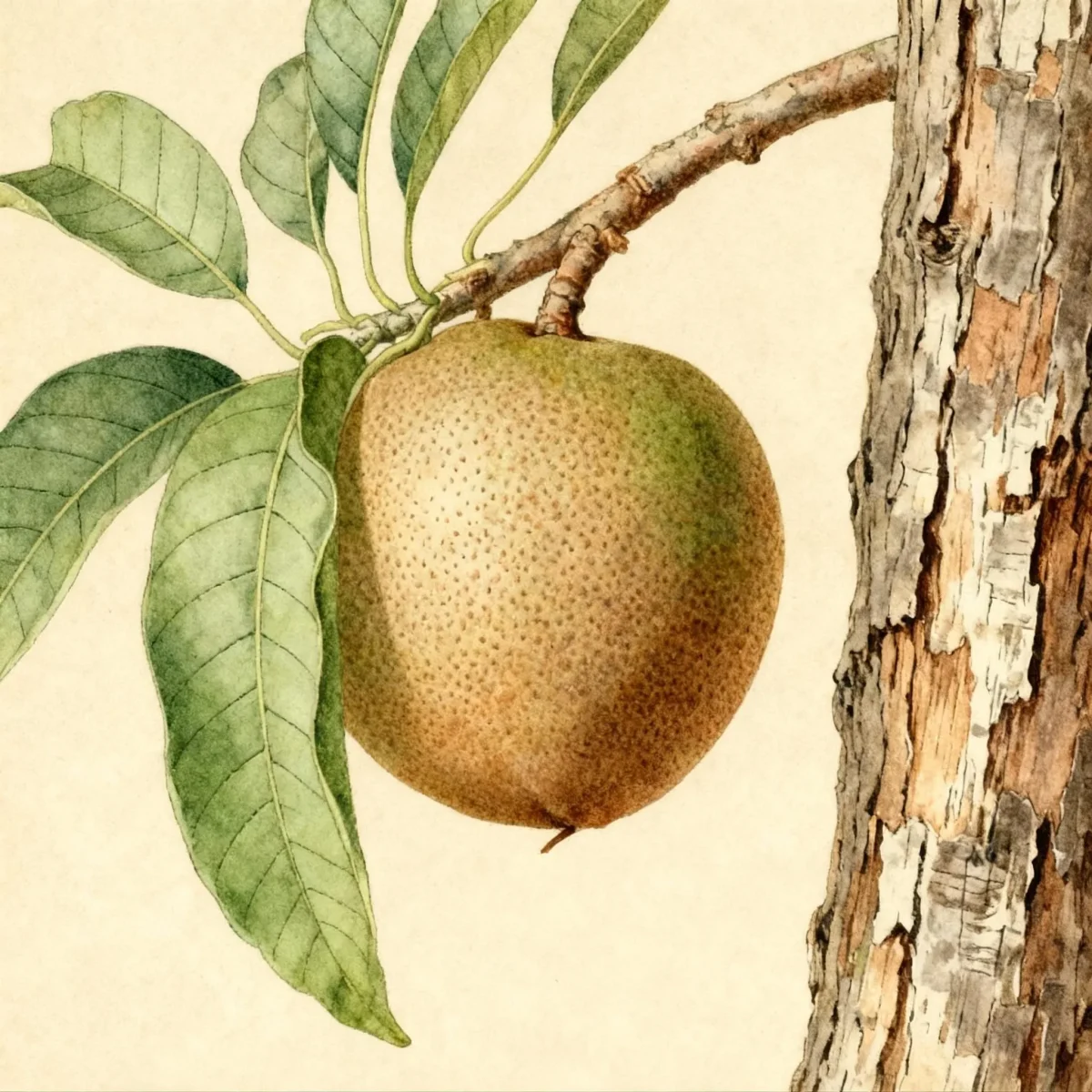
Beyond its use as an ornamental landscape tree, many enthusiasts grow the Manilkara zapota specifically for its harvestable fruit, reminiscent of candied pear. Integrating this tree near edible landscaping zones makes sense, perhaps bordering fruit orchards or tropical gardens that share similar warm requirements. It pairs well aesthetically with other large, glossy-leaved tropical evergreens.
Standout Features
Flower Qualities
- Showy
Fruit Qualities
- Showy
Noteworthy Characteristics
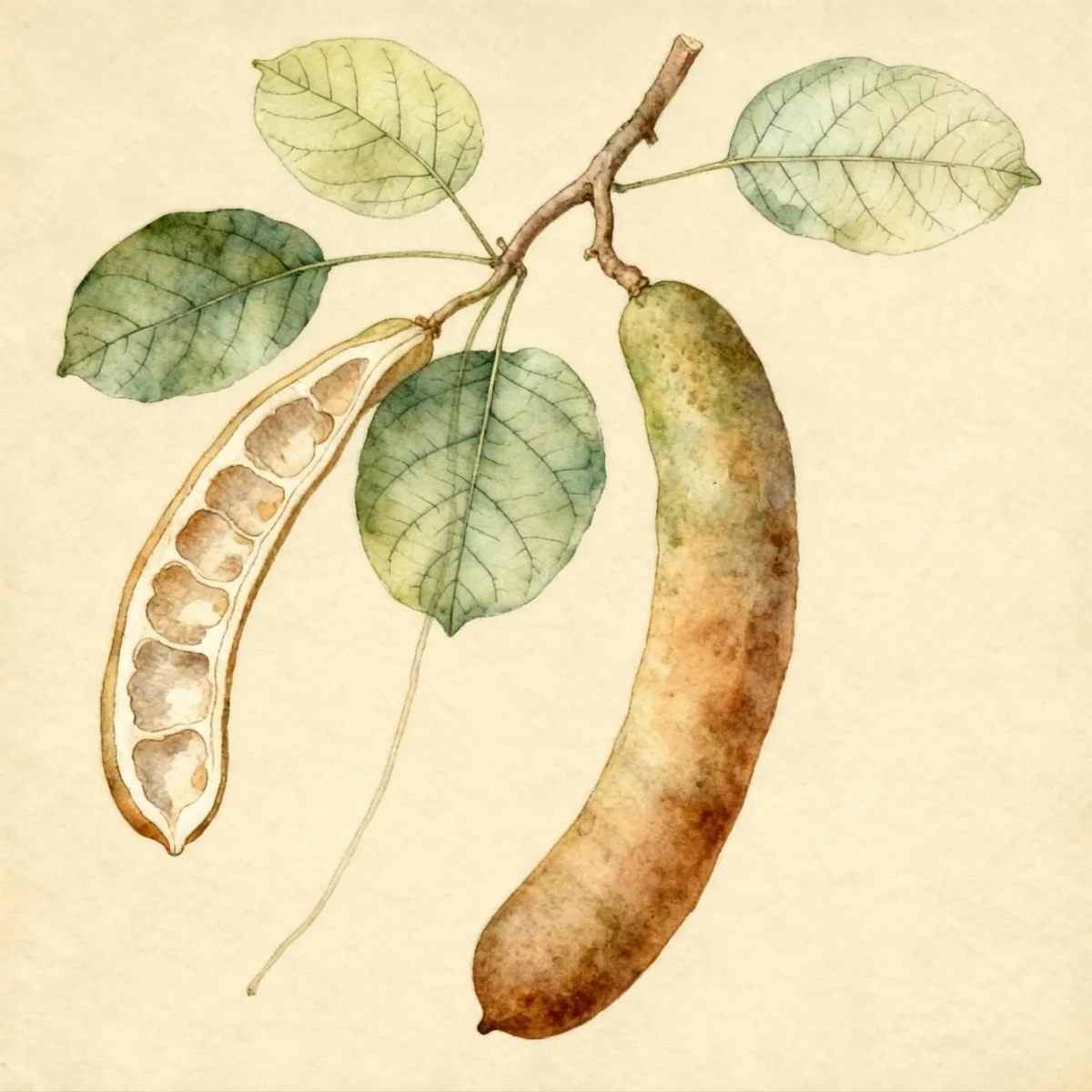
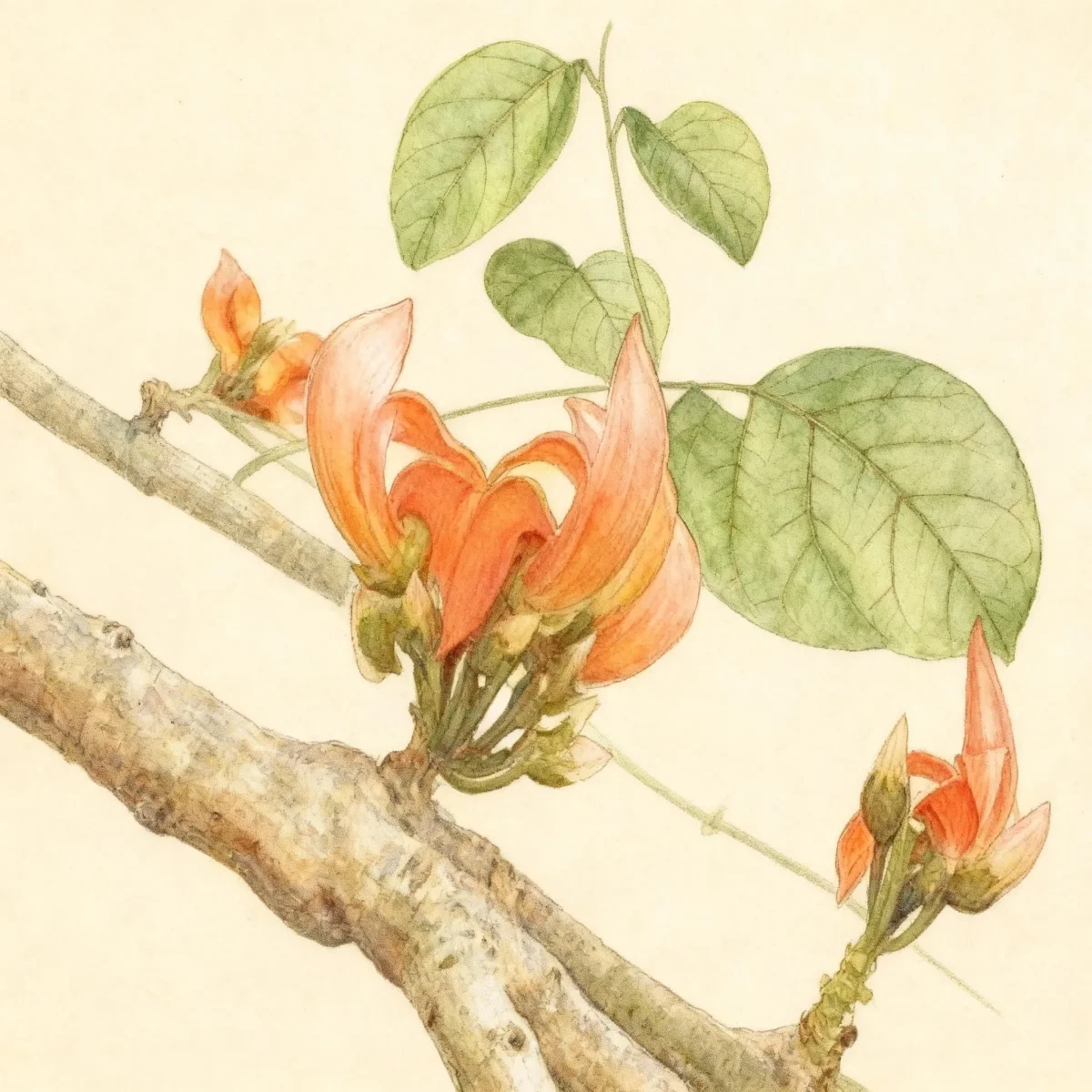
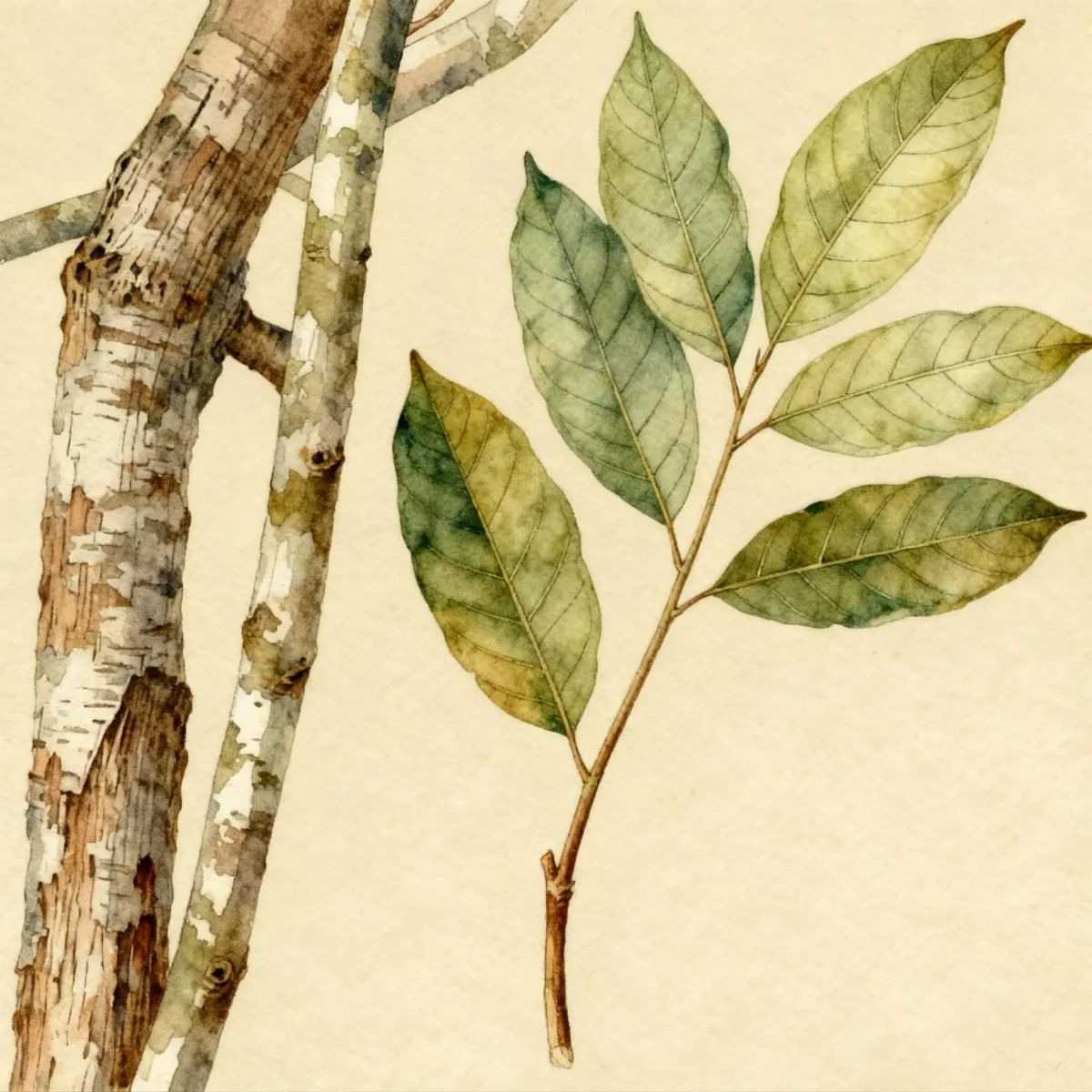
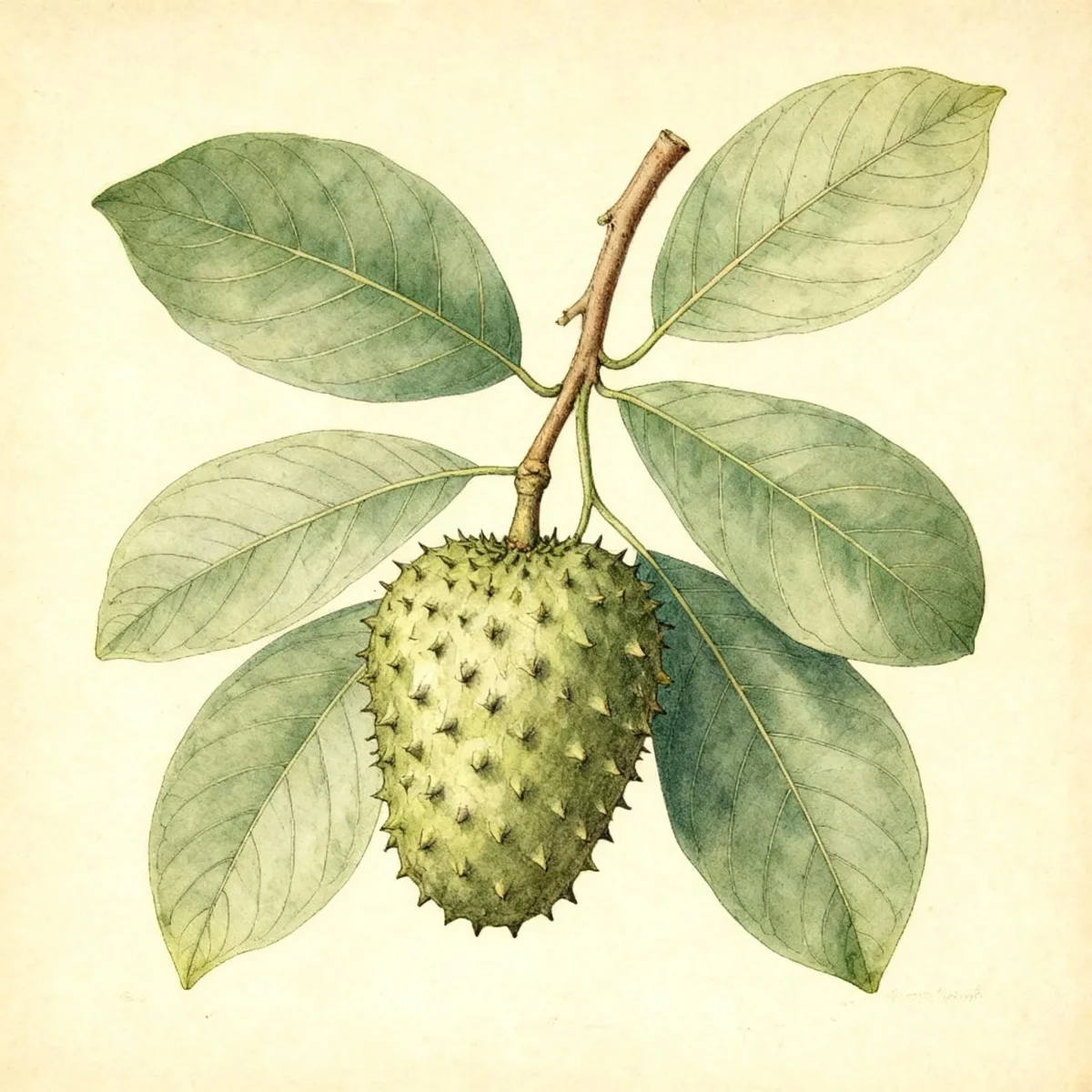
Manilkara zapota, commonly called chicle or sapodilla, is a slender, slow-growing, pyramidal evergreen tree that is native from southern Mexico to Costa Rica. This tree is noted for its edible fruits (reminiscent of candied pear), chicle (latex from which chewing gum is made) and durable wood used for timbers and handles. Stiff glossy evergreen leaves appear in spiral clusters at the branch ends, followed by small, bell-like, pinkish-white flowers in spring.
Tolerances
No specific tolerances were listed in the provided data.
Potential Problems
The Sapodilla tree generally enjoys a favorable profile regarding pests and pathogens, reporting no serious insect or disease problems in optimal growing conditions. However, gardeners in South Florida must be aware that this tree has naturalized aggressively in some local ecosystems. Here, it poses a threat to native flora and has consequently been listed as invasive by the Florida Exotic Plant Council, mandating responsible placement decisions in that region.
Frequently Asked Questions
What hardiness zones is Sapodilla suitable for?
The Sapodilla (Manilkara zapota) is best suited for USDA Zones 10 through 11, as it is highly intolerant of frost.
How large does Sapodilla grow?
In cultivation, this tree typically reaches a mature height between 30 and 60 feet tall, with a spread ranging from 20 to 40 feet wide.
When does Sapodilla bloom?
The bloom time for Manilkara zapota is generally April to May, producing small, pinkish-white flowers.
What sun exposure does Sapodilla need?
This tree performs well in full sun conditions but can also tolerate part shade, though full sun generally encourages better fruiting.
Conclusion
Adding the Sapodilla to your subtropical garden provides a wonderful combination of aesthetic beauty, historic value via chicle production, and delicious, sweet fruit. The Manilkara zapota is a rewarding, albeit medium-maintenance, evergreen that anchors the landscape beautifully. Before planting, confirm your location resides firmly within USDA Zones 10–11 to ensure its long-term survival.
Companion Planting
When planning a tropical or subtropical landscape around your Manilkara zapota, focus on companions that share its preference for well-drained, fertile soil and full tropical sun. Plants like Hibiscus, various flowering shrubs, and other humidity-loving evergreens create a lush backdrop that complements the Sapodilla’s deep green foliage. Because the tree develops a wide canopy, place smaller, sun-loving edibles or ornamentals at a safe distance to allow them access to adequate light during lower maintenance years for the tree.
Design Ideas
The mature pyramidal structure of the young Sapodilla transitions into a more open, rounded crown, making it excellent for providing formal screening or defining large property borders. For a more naturalized look, plant several Manilkara zapota trees in an irregular grouping, allowing their substantial forms to create a focal point in an open lawn area. Due to its eventual size, avoid planting this tree too close to structures or utility lines; it is best utilized where its shade and presence can be fully appreciated over decades.