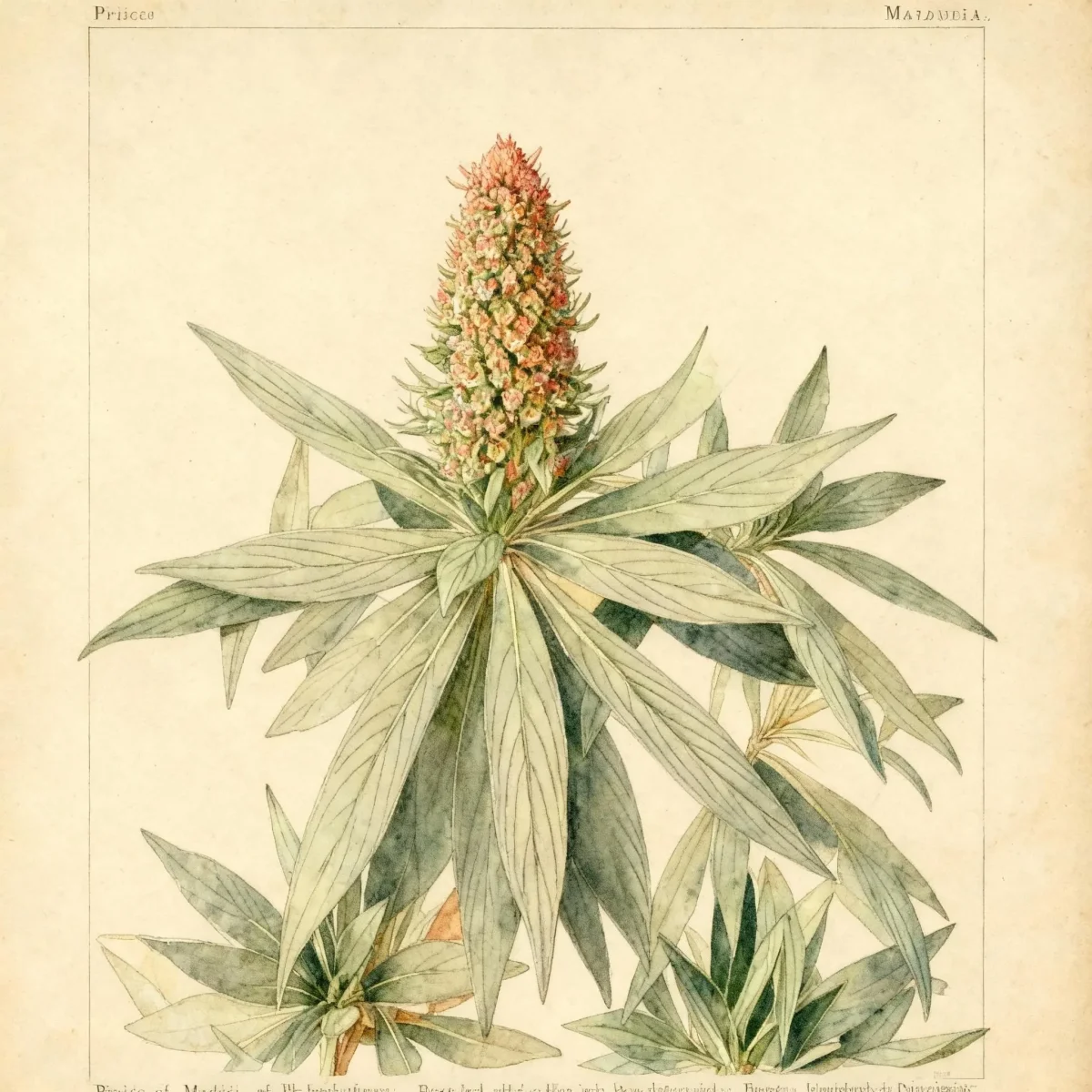
Argan tree (Argania spinosa)
Discover the striking Argan tree (Argania spinosa), a drought-tolerant evergreen ideal for warm climates. Learn cultivation tips for this Moroccan native.
Scroll down to discover growing tips, care requirements, companion plants, and more
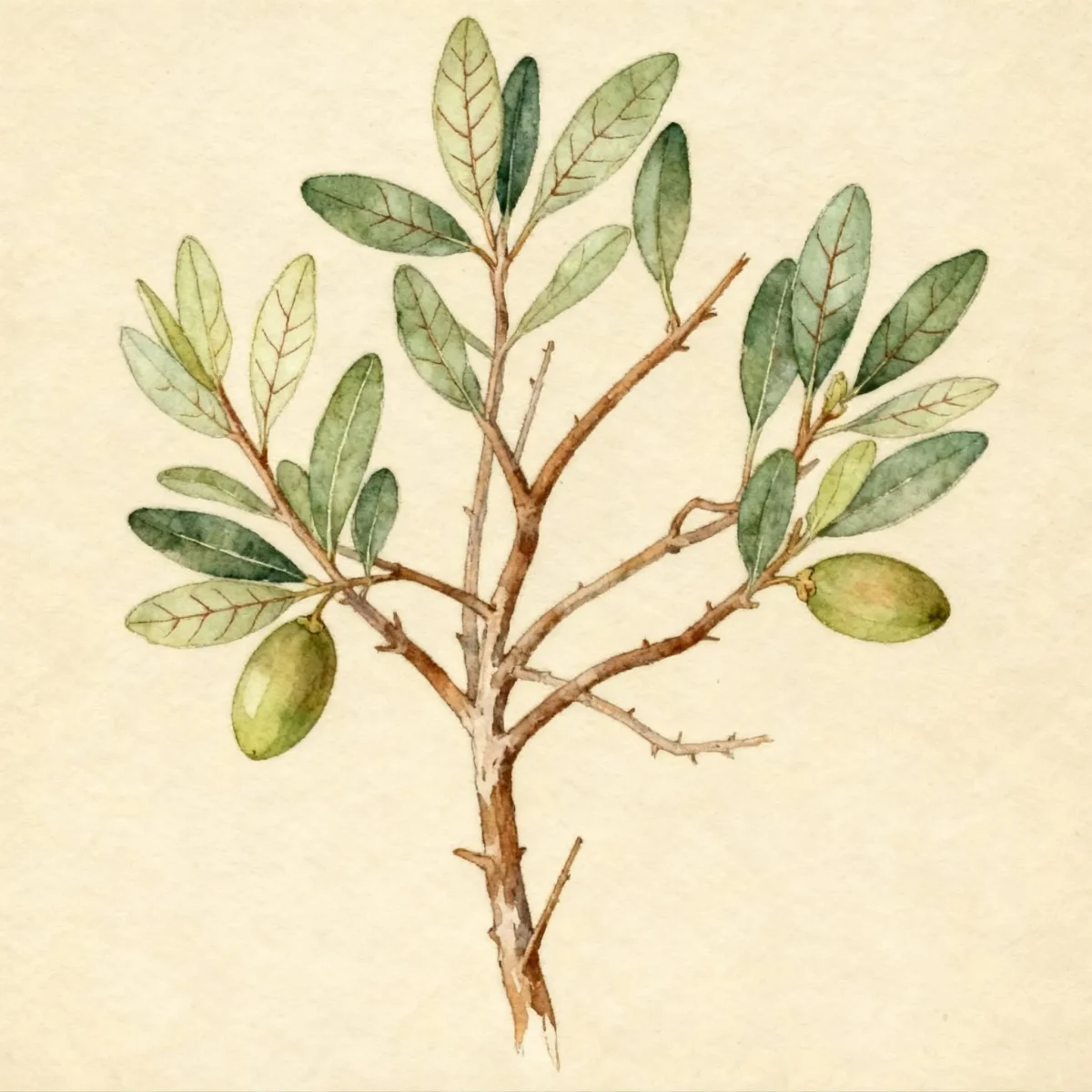
Complete Plant Information
Overview
The Argan tree (Argania spinosa) is a fascinating and highly resilient broadleaf evergreen, distinguished by its thorny, gnarled structure. Native exclusively to a semi-desert region of Morocco, this species plays a vital ecological role in stabilizing landscapes against desertification. Gardeners in appropriate climates will appreciate its tough nature and unique aesthetic provided by its dense structure and interesting flowering period.
This small to medium-sized tree develops an impressively wide crown, often spreading significantly wider than it grows tall, creating excellent shade. While it is most famous globally for the highly valued oil extracted from its seeds, the Argan tree itself offers substantial ornamental value in warm winter landscapes where its ability to thrive in dry conditions is a major asset.
Cultivating the Argan tree requires matching its strict preferences for heat, sun, and minimal moisture once established. Understanding the origins of Argania spinosa provides insight into why it demands such well-drained, even poor soils, making it an exceptional choice where other less hardy species fail to tolerate arid conditions.
Fast Facts
- Plant Family: Sapotaceae
- Plant Type: Broadleaf evergreen
- Native Range: Morocco
- Hardiness Zones: USDA Zones 9-11
- Size at Maturity:
- Height: 15-25 ft
- Spread: 25-40 ft
- Bloom Time: April
- Bloom Description: Yellow-green
- Sun Exposure: Full sun
- Water Needs: Dry to medium
- Maintenance Level: Medium
How to Grow
The Argan tree requires full sun exposure for robust growth and should be planted in well-drained, sandy soils. It is exceptionally sensitive to poor drainage, which can quickly lead to root issues. When establishing your Argania spinosa, plant during the mild parts of the year in your USDA Zone 9-11 range, allowing the roots time to settle before summer heat strikes.
Once established, maintenance is relatively low due to its high drought tolerance. Aim for dry to medium soil moisture levels; overwatering, especially in heavy soils, is the primary cultural mistake. Fertilizing is generally unnecessary as the Argan tree thrives in low-nutrient, somewhat chalky conditions typical of its native environment.
This species is winter hardy only down to Zone 9, requiring complete protection from hard frosts. In its preferred native range, it effectively withstands intense heat and long dry spells. Pruning is usually minimal, primarily focused on removing crossing or damaged limbs, as goats in its native habitat demonstrate its natural browsing habits can severely stunt upward growth if left unchecked.
Landscape Uses
The Argania spinosa shines as an interesting ornamental tree specifically suited for warm winter regions. Due to its broad, spreading canopy and dramatic, gnarled trunk structure, it provides excellent structural contrast in Xeriscape or Mediterranean-style gardens where textural foliage is valued. It demands attention due to its stature and resilience in heat.
Consider using the Argan tree as a specimen planting where its unique silhouette can be appreciated year-round. While its dense canopy provides necessary shade, ensure adequate space is provided, as its spread often exceeds 25 feet, preventing it from being suitable for small urban lots or cramped borders. It pairs well with other highly drought-tolerant, sun-loving shrubs and groundcovers native to arid regions.
Standout Features
Flower Qualities
- Showy
Fruit Qualities
- Showy
Noteworthy Characteristics
Argania spinosa, commonly known as argan tree, is an evergreen, spiny-branched, large shrub or small tree that typically matures to 15-25’ tall with a larger spread to 25-40’ wide. Endemic to southwestern Morocco, this species is celebrated globally for the vitamin E-rich oil pressed from its fruit seeds, though ecologically it serves as a critical buffer against desertification. Mature specimens are identifiable by their thorny trunks, small oval leaves, and clusters of small yellow-green flowers appearing in April.
Tolerances
- Drought
- Dry Soil
Potential Problems
The Argan tree generally exhibits robustness, reporting no serious insect or disease problems under ideal conditions. The main threat documented in its native Morocco involves overgrazing by goats, which stunts the natural vertical growth of the argan forest canopy. Gardeners should monitor soil drainage meticulously; the tree cannot tolerate wet feet or soils that retain moisture for extended periods, leading to root decay. Ensure planting areas allow water to move away quickly to prevent issues associated with overly moist conditions.
Frequently Asked Questions
What hardiness zones is Argan tree suitable for?
The Argan tree is winter hardy within USDA Zones 9 through 11, requiring frost-free conditions.
How large does Argan tree grow?
Mature Argania spinosa trees typically reach heights between 15 and 25 feet, sometimes expanding to a wide spread of 25 to 40 feet.
What sun exposure does Argan tree need?
This species absolutely requires full sun exposure to grow properly and maintain vigor.
When does Argan tree bloom?
The Argan tree blooms in April, producing small, yellow-green flowers in clusters.
Conclusion
The unique, hardy nature of Argania spinosa makes it an arresting specimen for challenging, hot, dry landscapes in suitable zones. As a drought-tolerant, broadleaf evergreen, the Argan tree brings ecological benefit and distinctive structure to arid garden designs. Before incorporating this remarkable species, confirm your site aligns with USDA Zones 9-11 and provides guaranteed full sun and excellent drainage.
Companion Planting
When designing a garden around the Argan tree, select companions that share its love for intense sun and highly drained, gritty soil. Consider pairing it with other Mediterranean or semi-desert natives that feature silvery or tough foliage to complement the structure of the Argania spinosa. Plants that require consistent moisture or rich organic matter should be avoided to ensure the Argan tree maintains its stress-free, low-input growth habit.
Seasonal Care Calendar
For successful cultivation of the Argan tree, focus care around watering adjustments. During the summer months, if you choose to water beyond the natural dry environment it prefers, do so sparingly and deeply, ensuring the soil dries out completely between irrigation events. Avoid fertilizing entirely, as this can produce tender, unnecessary growth susceptible to heat scorch. Winter preparation in Zone 9 involves closely monitoring for any unexpected cold snaps, as this species has no structural tolerance for freezing temperatures.