Sweet pitcher plant (Sarracenia rubra)
The Sweet pitcher plant (Sarracenia rubra) is a showy, carnivorous perennial demanding wet, sunny bog conditions for best results.
Scroll down to discover growing tips, care requirements, companion plants, and more
Complete Plant Information
Overview
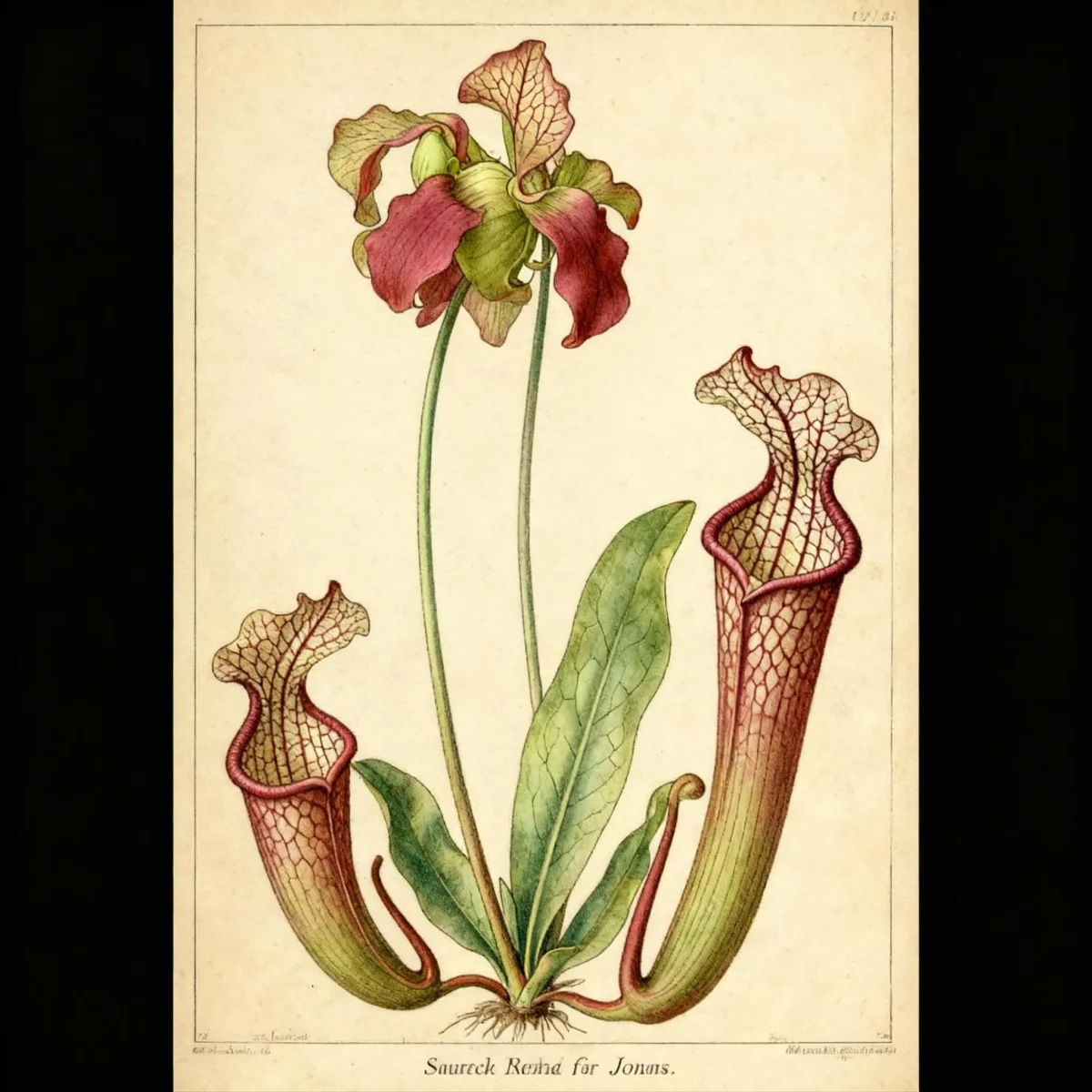
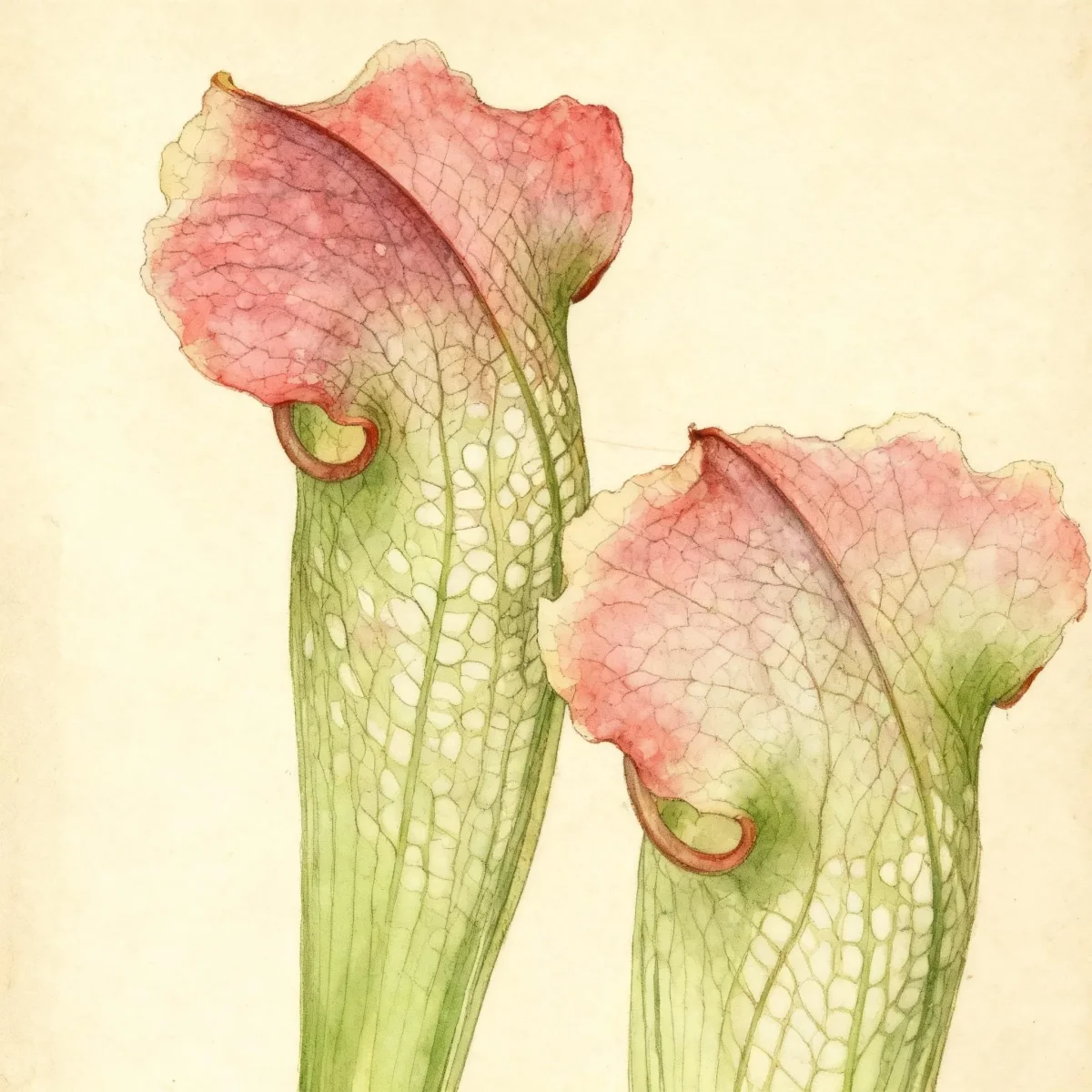
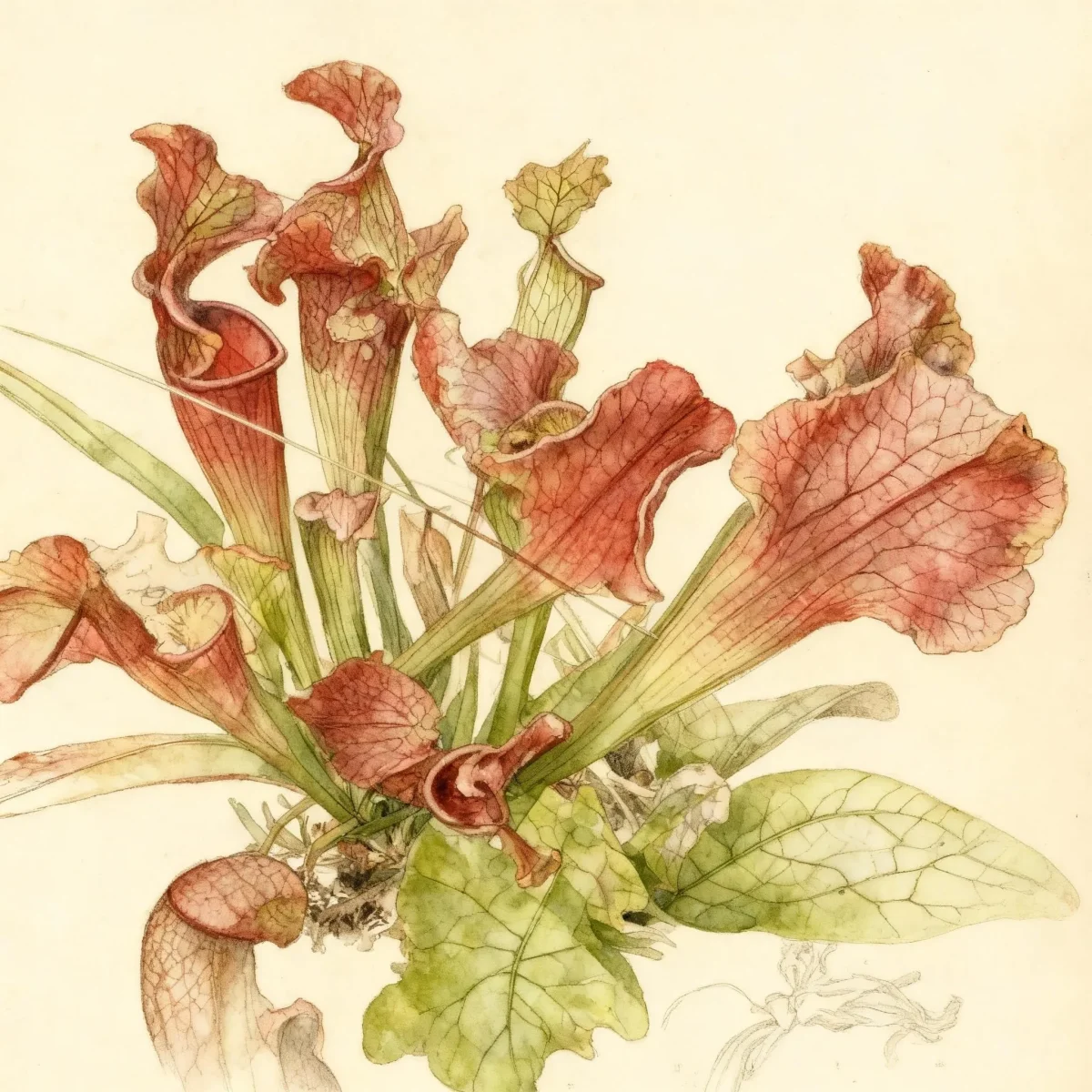
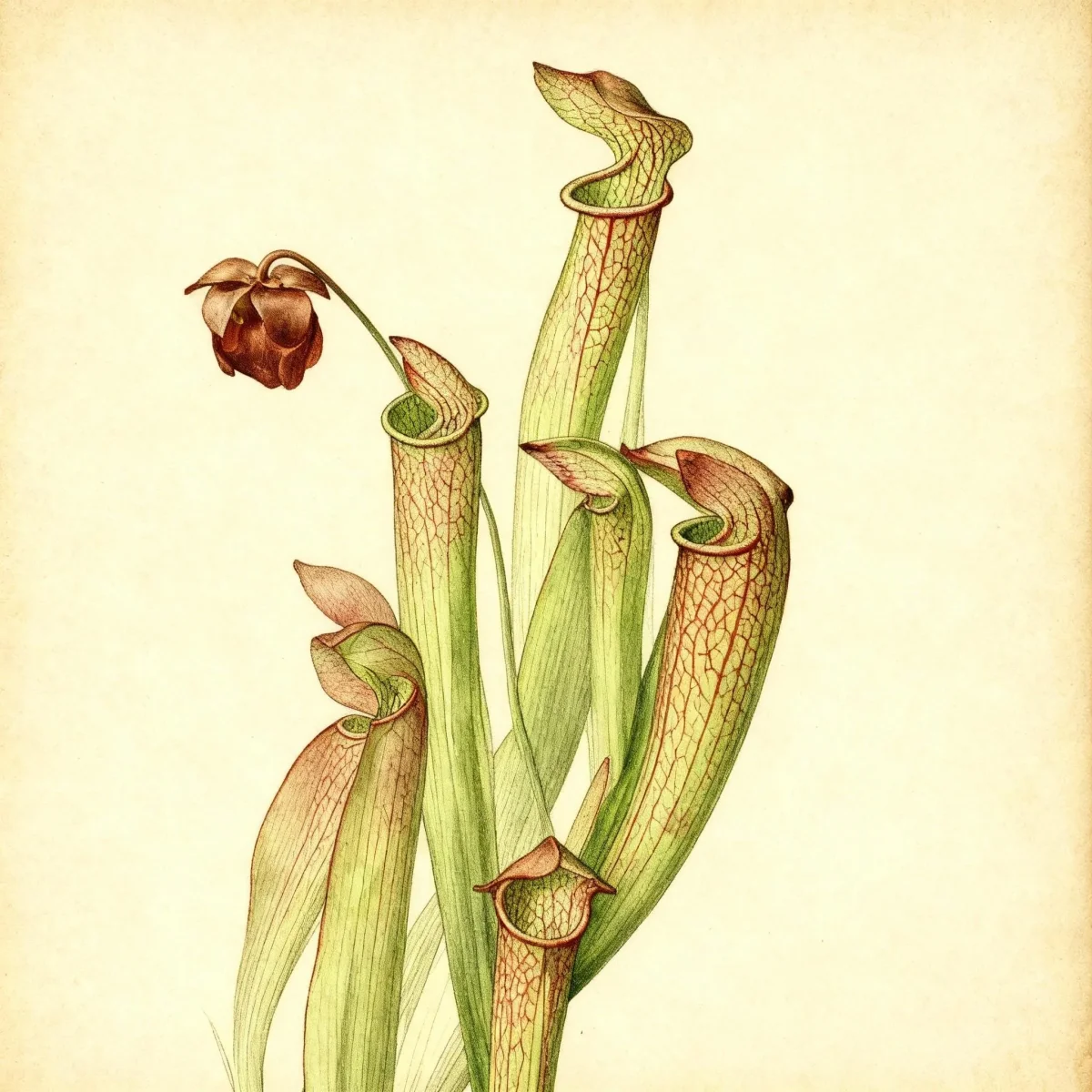
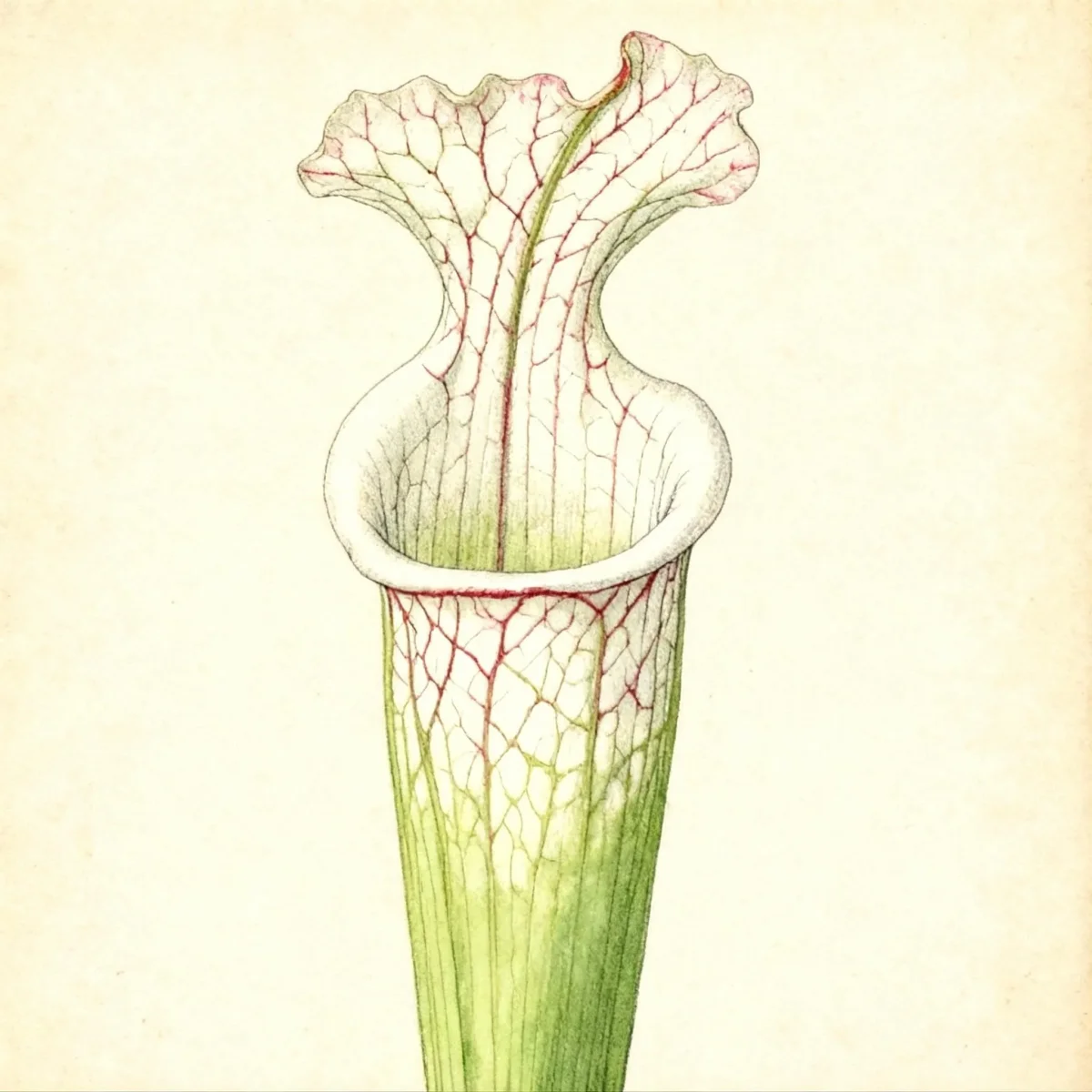
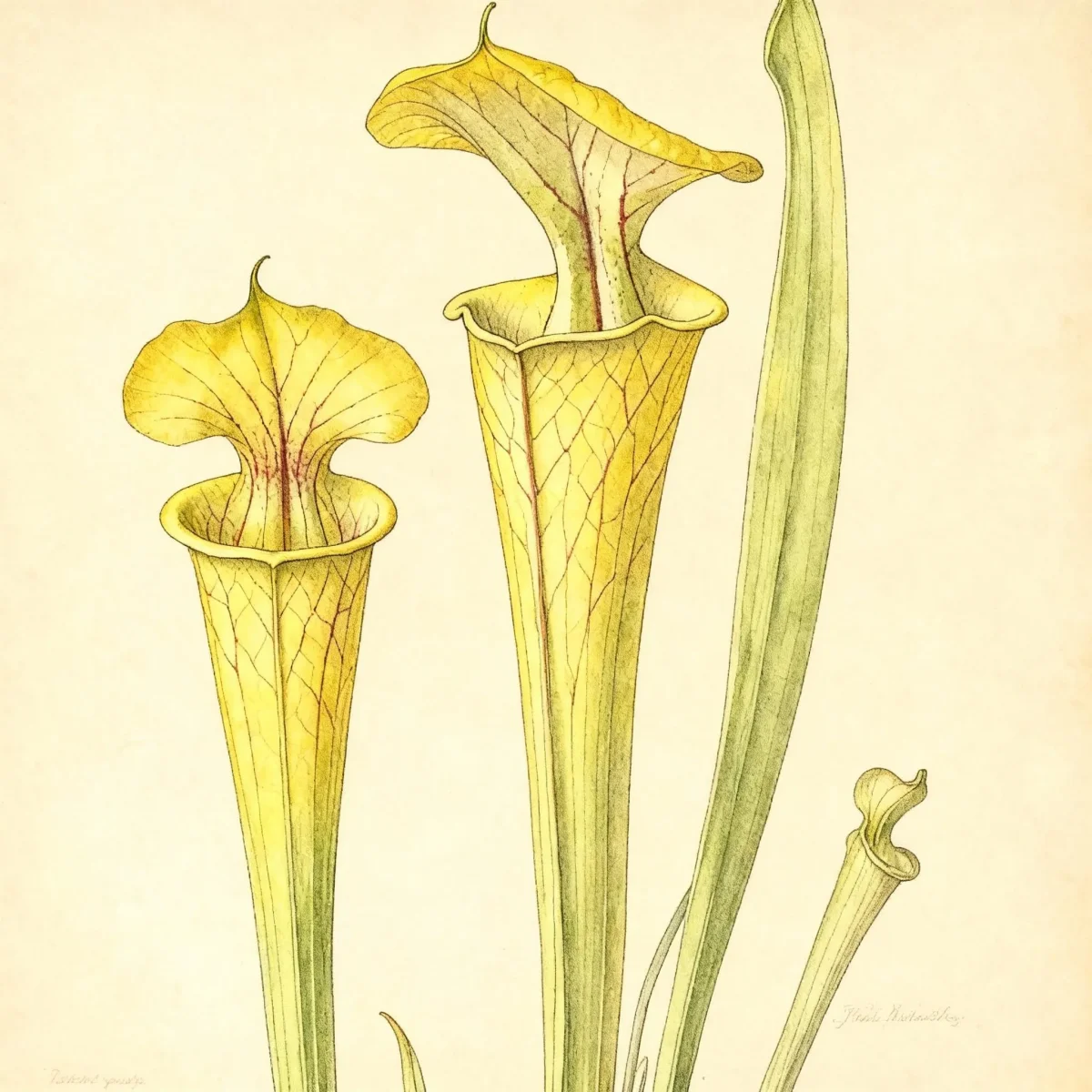
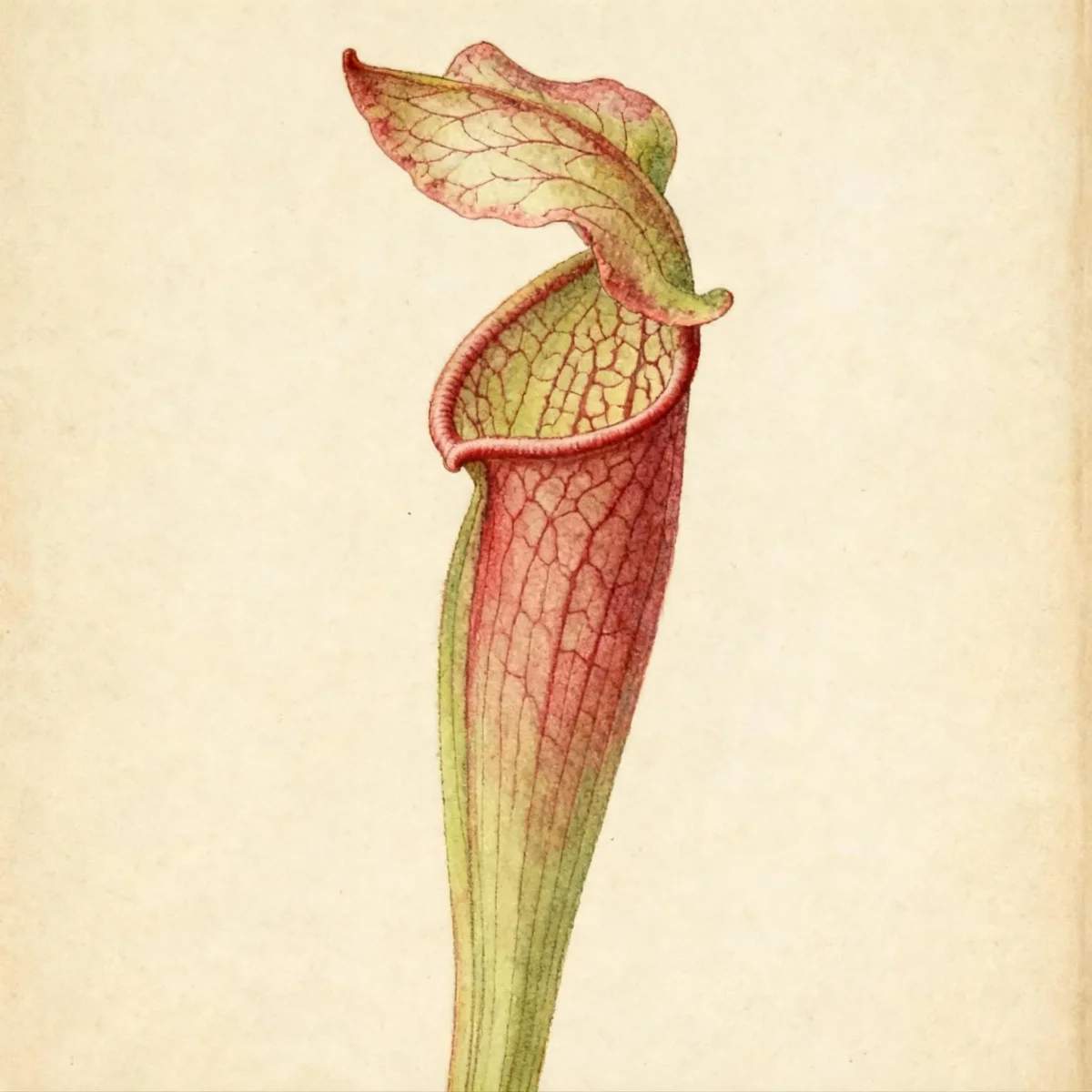
The Sarracenia rubra, commonly known as the Sweet pitcher plant, is a fascinating and highly distinctive carnivorous perennial native to the sunny bogs of the southeastern United States. Gardeners prize this species for its unique, slender, trumpet-shaped pitchers typically ranging from 12 to 18 inches tall, which are often green with attractive, variable red veining. It is an excellent choice for collectors or for specialized landscape areas where its intense cultural requirements can be met.
Growing requirements for the Sweet pitcher plant are strict; success hinges on replicating its mucky, constantly damp, acidic habitat. Plants demand full, unfiltered sun to develop proper color in their pitchers; shading them will result in droopy foliage and poor coloration. This species relies on trapping and digesting insects for supplementary nourishment, making it a functional addition to very wet garden spots.
Flowering occurs in spring, displaying beautiful maroon-to-dark red, nodding blooms that are often fragrant. While its high maintenance needs necessitate dedicated care—usually in an artificial bog setting—the reward is one of North America’s most unusual and ecologically interesting plantings. Providing the correct conditions throughout the year ensures successful specimens of Sarracenia rubra.
Fast Facts
- Plant Family: Sarraceniaceae
- Plant Type: Herbaceous perennial
- Native Range: Southeastern United States
- Hardiness Zones: USDA Zones 6-8
- Size at Maturity:
- Height: 1-1.5 ft
- Spread: 1-1.5 ft
- Bloom Time: April to May
- Bloom Description: Maroon-dark red
- Sun Exposure: Full sun
- Water Needs: Wet
- Maintenance Level: High
How to Grow
Strict adherence to the cultural needs of this species are essential in order to grow this plant well. For residential settings, the ideal method is constructing an artificial bog garden prepared in advance of planting, situated in a location protected from severe winter winds. Plants require consistently damp, acidic, humusy muck; soil mixes utilizing Canadian peat, or peat mixed with sand or perlite, are recommended. Never allow the soil to completely dry out, but ensure plant crowns do not sit perpetually submerged in standing water.
Full sun is mandatory for the Sweet pitcher plant; insufficient light prevents the characteristic leaf coloring and causes pitchers to droop. Watering must be consistent, often requiring irrigation hoses or underground liners to maintain constant moisture during the growing season. Fertilizing is strictly forbidden, as this can easily kill the plant.
As winter approaches, the pitchers mostly die back. In colder climates, trim away dead pitcher tissue only after it has completely dried out, and consider mulching the soil surface with pine needles for extra cold protection. Plants possess a horizontal rhizome, with new growth emerging in spring followed by new pitchers in summer. Although reproduction occurs mainly through rhizome budding, propagation via division is the easiest method.
Landscape Uses
The primary landscape application for Sarracenia rubra is within constructed bog gardens or rain gardens, aligning perfectly with its need for wet soil and full sun exposure. Because these plants are challenging outside their specific niche, grouping them in purposefully designed wet depressions or specialized water gardens is the most practical approach. They serve as incredible specimen plants that draw immediate attention due to their carnivorous nature.
While growth in containers is possible, it requires diligence; plastic pots set in a water-retaining tray are best, using soil mixes like 50% peat and 50% perlite/vermiculite. However, these containers must be moved outside for summer sun but require specific overwintering measures, such as burying the pot rim-deep in soil or bringing them indoors with slightly reduced watering. Avoid trying to keep them as conventional houseplants due to mandatory summer sun and winter dormancy requirements.
Companion plants should tolerate boggy, acidic conditions, such as certain types of sedges, sundews (Drosera), or specialized moisture-loving evergreens. Designing high-impact vignettes centered around the dramatic texture of the Sweet pitcher plant ensures that its specialized needs create a unique focal point in the garden space.
Standout Features
Flower Qualities
- Showy
- Fragrant
Noteworthy Characteristics
Sarracenia rubra, commonly known as sweet pitcher plant, is a stemless carnivorous (technically insectivorous), herbaceous perennial that typically grows to 24” tall. Modified leaves form distinctive, upright, slender-fluted pitchers, typically green with variable red veining, whose lids attract insects lured by colorful nectar. In spring, a single, fragrant, maroon-to-dark red flower hangs downward from a leafless stalk before being followed by a seed capsule.
Tolerances
- Wet Soil
Potential Problems
The Sweet pitcher plant will do poorly if its specific cultural requirements regarding moisture and light are not meticulously followed. The most common mistake is inadequate sun exposure, leading to poor coloration and sagging pitchers, or allowing the soil to dry out, which is fatal. Watch diligently for common pests such as aphids, scale, and mealybugs, which can colonize the pitchers or stems.
Preventative care involves never fertilizing the planting medium; these plants obtain necessary nutrients from captured insects. Root rot can become an issue if the plants sit in continuously stagnant, standing water rather than consistently damp, well-drained muck. Protect plants from forceful freezing winds, although winter hardiness within Zones 6-8 is generally not an issue if the rhizome remains insulated.
Frequently Asked Questions
What hardiness zones is Sweet pitcher plant suitable for?
The Sweet pitcher plant is suitable for USDA Hardiness Zones 6 through 8.
How large does Sarracenia rubra grow?
This plant typically reaches a mature height between 1 and 1.5 feet tall and spreads between 1 and 1.5 feet wide.
What sun exposure does Sarracenia rubra need?
Sarracenia rubra requires full sun exposure to thrive and develop its characteristic foliage coloration.
When does Sweet pitcher plant bloom?
It blooms between April and May, producing visually striking maroon-dark red flowers.
Conclusion
Achieving success with the Sweet pitcher plant relies entirely on providing constant moisture, acidic soil, and unwavering, full sunlight, mimicking its native bog habitat. Its carnivorous nature and striking, unique pitcher structure make Sarracenia rubra a worthwhile, albeit high-maintenance, addition to specialized gardens. Before planting, carefully assess your ability to maintain consistently wet soil conditions across USDA Zones 6-8.
Companion Planting
When establishing an artificial bog garden, selecting accompanying flora that shares the high-moisture, acidic needs of the Sweet pitcher plant is crucial. Excellent companions include other carnivorous species native to the southeastern U.S. bog systems, such as various Drosera (sundews) or butterworts (Pinguicula), which occupy slightly different spatial niches within the bog structure.
For a less specialized look, certain rushes, sedges, and moisture-loving, low-growing acid-tolerant shrubs can be incorporated around the perimeter of the bog area. Ensure any companion plants do not require rich soil or dry conditions, as this will immediately compromise the health of your Sarracenia rubra.
Propagation Tips
While Sarracenia rubra can be coaxed into growing from seed—a slow process taking 4-5 years before the first bloom—the easiest and most reliable method of propagation is division of the rhizome. Divisions should be performed in early spring just as new growth is beginning. Gently lift or separate sections of the horizontal rhizome, ensuring each division retains several viable growth points or emerging spring pitchers.
When planting divisions or container plants, use fresh, unfertilized medium consisting of peat and perlite/sand mixtures. Plants established via rhizome division will establish much faster and begin flowering sooner than those grown from seed, making division the preferred technique for experienced growers looking to increase their stock of Sweet pitcher plant.