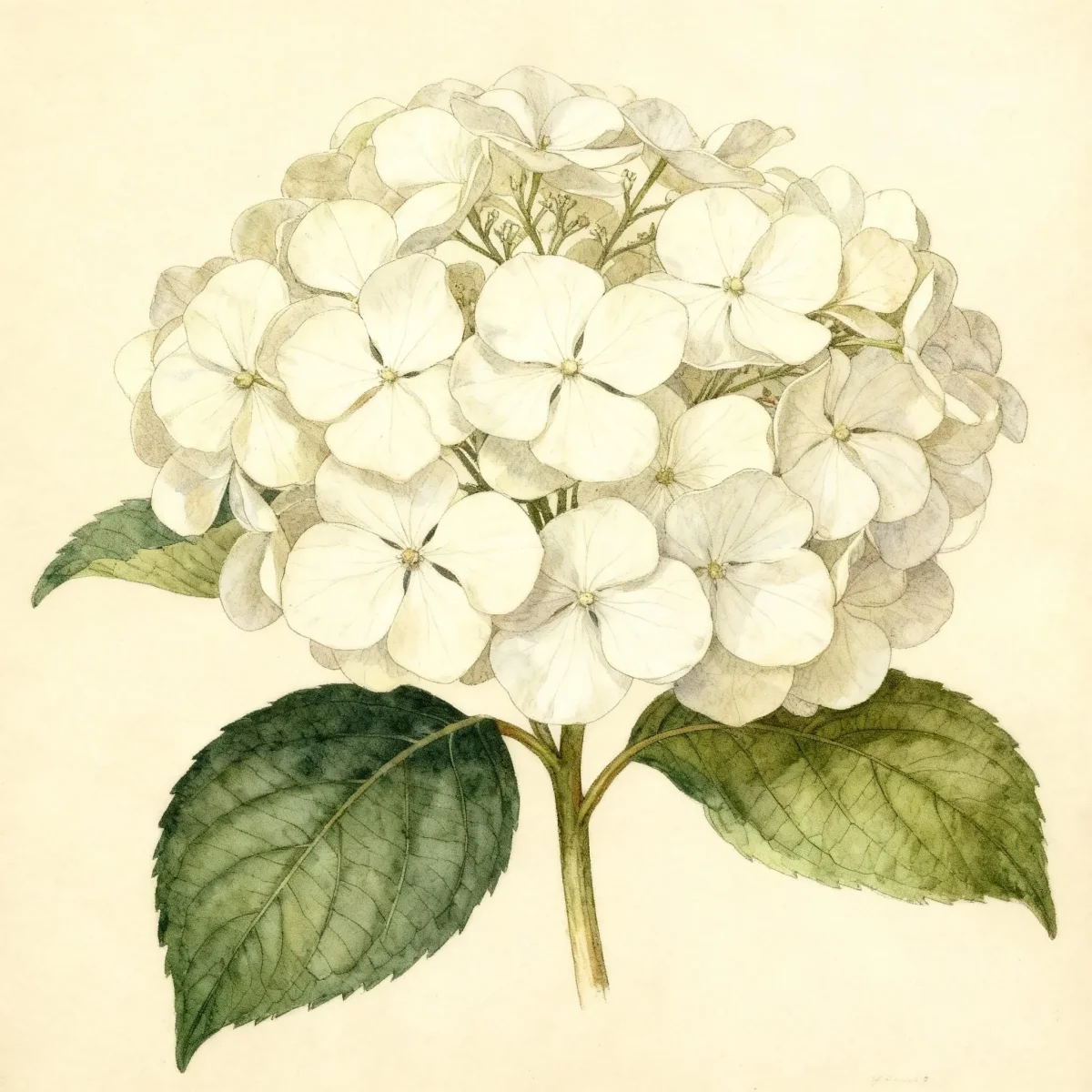
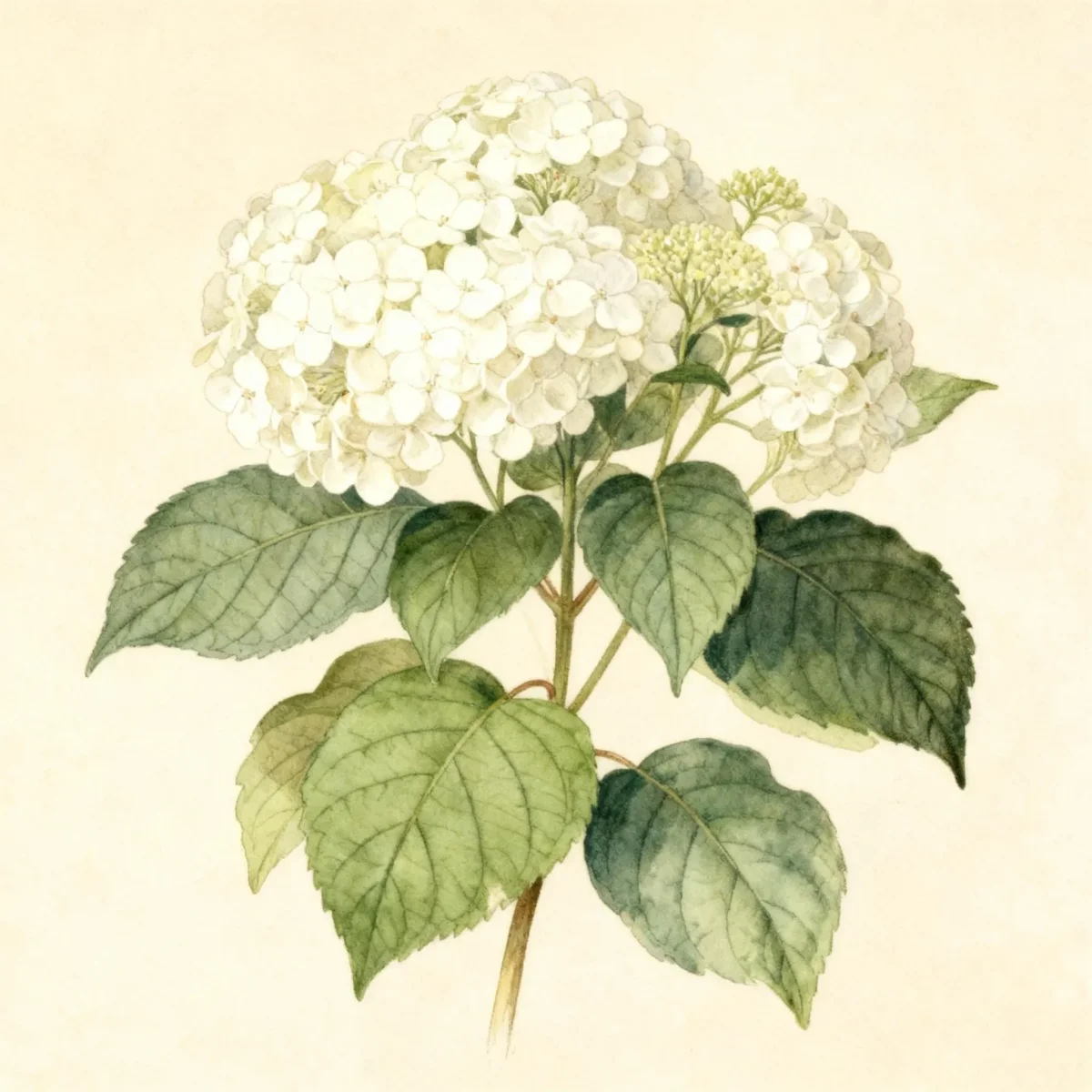
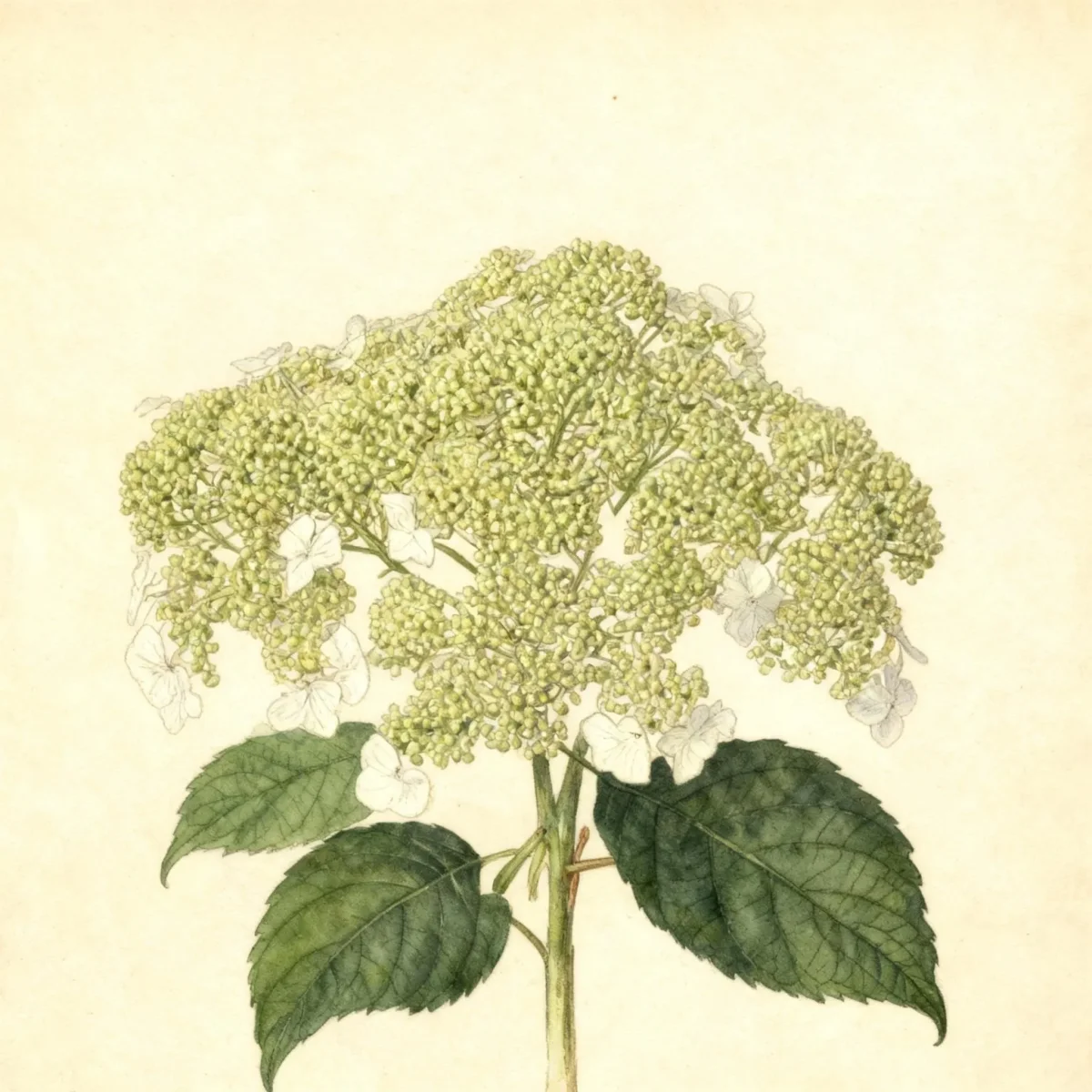
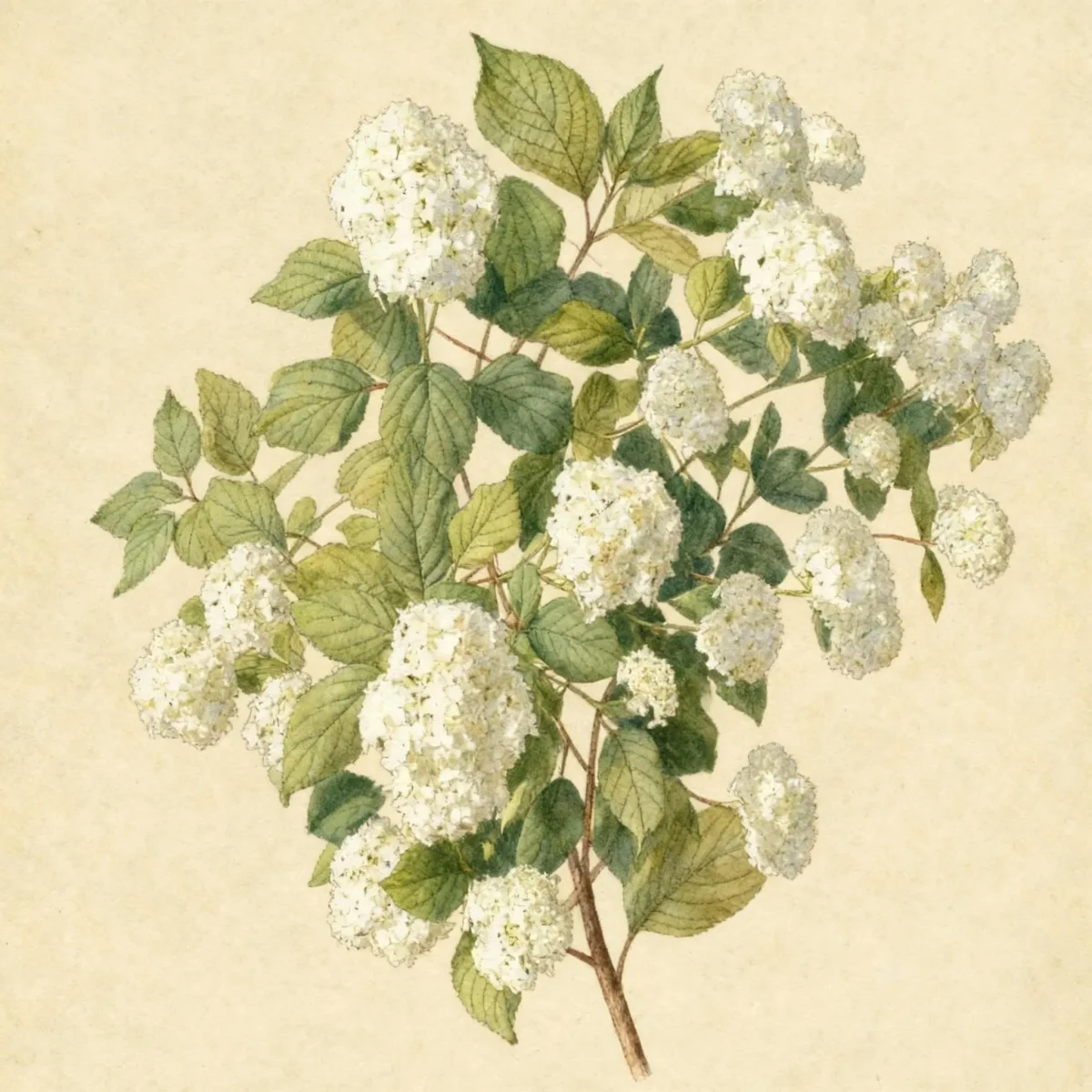
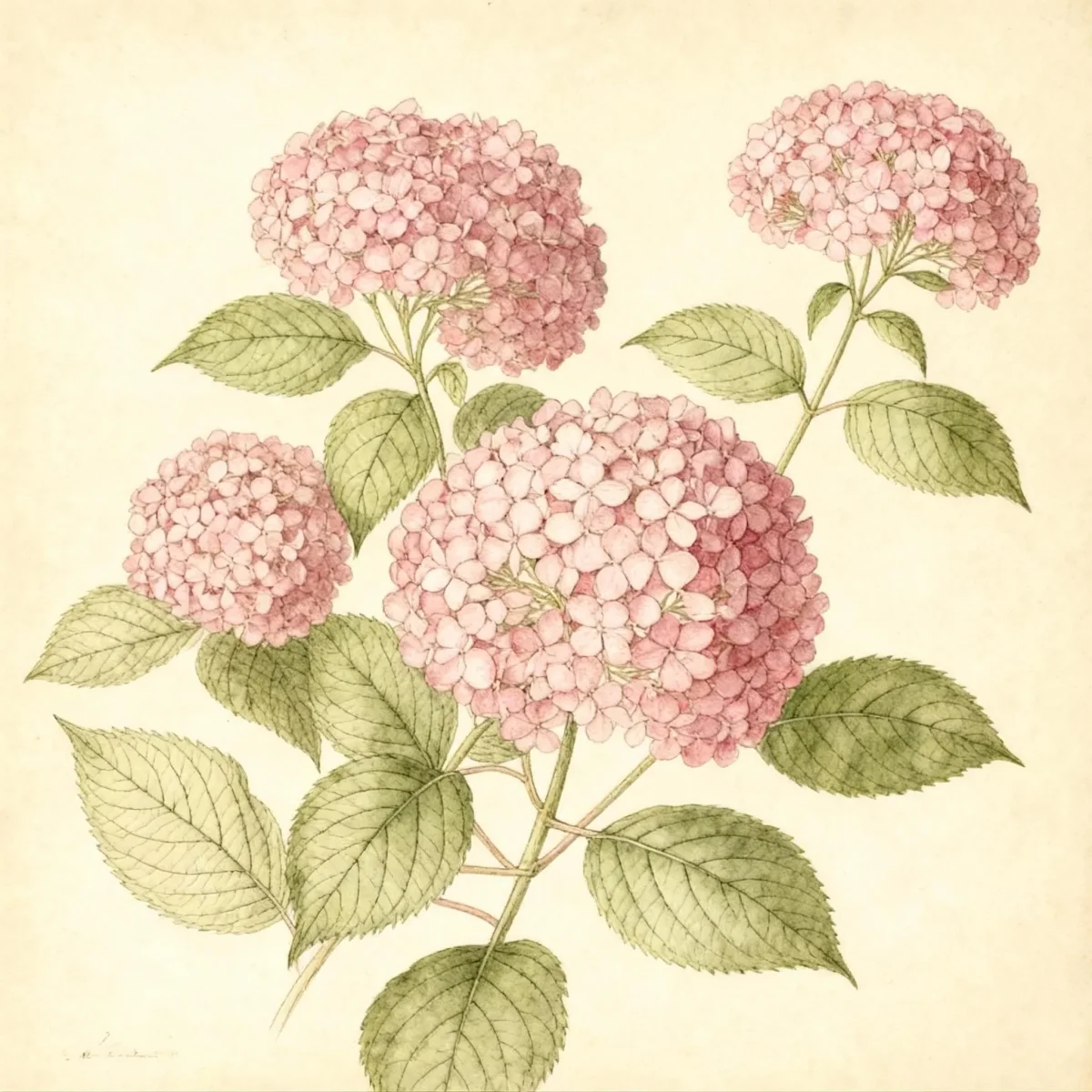
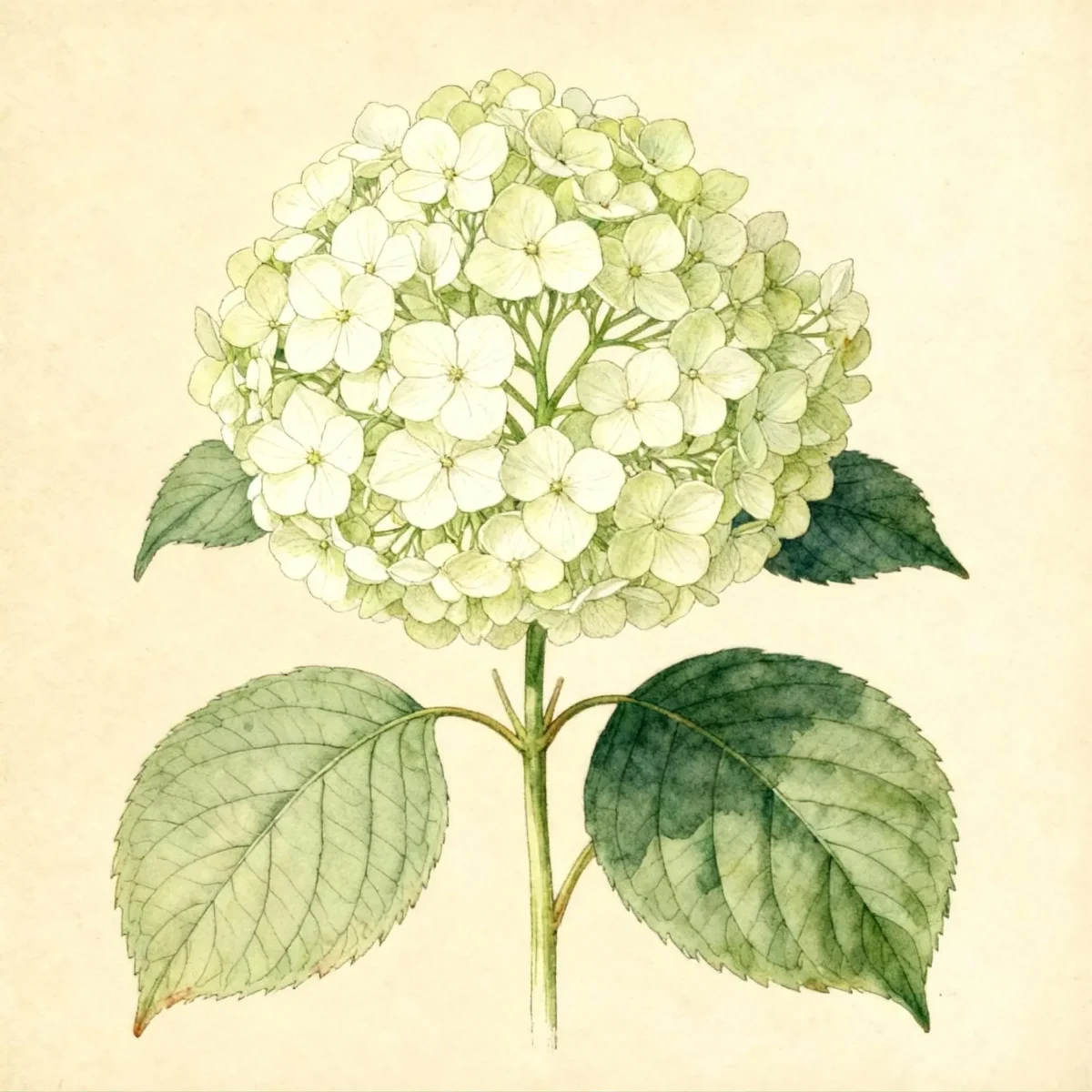
Smooth hydrangea (Hydrangea arborescens)
Discover Smooth hydrangea (Hydrangea arborescens), a reliable, low-maintenance deciduous shrub native to the Eastern US with showy white blooms.
Scroll down to discover growing tips, care requirements, companion plants, and more
Complete Plant Information
Overview
The Smooth hydrangea, scientifically known as Hydrangea arborescens, is a cornerstone plant for native landscaping across the Eastern United States. This adaptable deciduous shrub features dense forms and large clusters of white flowers that appear reliably through summer into early fall. Gardeners highly value its low maintenance requirements and its ability to thrive in varied, sometimes challenging, garden conditions.
Hydrangea arborescens offers significant aesthetic appeal, providing structure and bright summer color to partially shaded areas. As a native species, it integrates seamlessly into woodland gardens while providing habitat interest. Its versatility allows it to function effectively whether naturalized on slopes or used as a formal border specimen.
Despite its robust nature, consistent moisture is key to keeping the foliage looking its best. Pruning is simple, as the spectacular blooms of the Smooth hydrangea appear on new wood each season, allowing gardeners great flexibility in shaping the plant annually.
Fast Facts
- Plant Family: Hydrangeaceae
- Plant Type: Deciduous shrub
- Native Range: Eastern United States
- Hardiness Zones: USDA Zones 3-9
- Size at Maturity:
- Height: 3-5 ft
- Spread: 3-5 ft
- Bloom Time: June to September
- Bloom Description: White
- Sun Exposure: Part shade
- Water Needs: Medium
- Maintenance Level: Low
How to Grow
For optimal establishment, plant Hydrangea arborescens during the cooler, wetter seasons—spring or fall—ensuring consistent moisture during its first year. It prefers average, well-drained soils and thrives best in part shade. While it can adapt to a variety of soil conditions, including clay, it performs poorly if subjected to continuous drought stress, which causes foliage decline.
Water needs are medium; provide regular moisture, especially when establishing or during periods of high heat. Although the Smooth hydrangea tolerates full sun, this exposure demands absolutely consistent moisture to prevent wilting and leaf scorch. Fertilization is rarely necessary if the soil is reasonably fertile.
Pruning is a key aspect of maintaining vigorous stems for this species. Since bloom occurs on new wood, you can prune the entire shrub back close to the ground in late winter. This technique revitalizes the plant and encourages the best possible stem growth for the upcoming season. If you choose not to cut it back, focus only on removing any stems weakened or damaged during harsh winter conditions in early spring.
Landscape Uses
The native Hydrangea arborescens excels in naturalistic plantings, making it an ideal candidate for mass groupings designed to mimic woodland edges. It blends beautifully in woodland and native plant gardens, providing essential structure beneath taller canopy trees where the light is filtered. Its adaptability to moisture levels also makes it a strong contender for rain gardens.
Use this shrub as a background element to anchor a perennial border, offering a dependable structure that supports seasonal bloomers. While named cultivars often steal the spotlight for pristine specimens, the species plant works perfectly when allowed to naturalize slightly along banks or slopes, offering excellent erosion control.
Consider pairing the bright white blooms of the Smooth hydrangea with shade-loving perennials such as hostas, ferns, or astilbes. Its medium size is perfect for mid-border placement, complementing the texture and color of surrounding shade-tolerant foliage.
Standout Features
Flower Qualities
- Showy
- Good Cut
- Good Dried
Noteworthy Characteristics
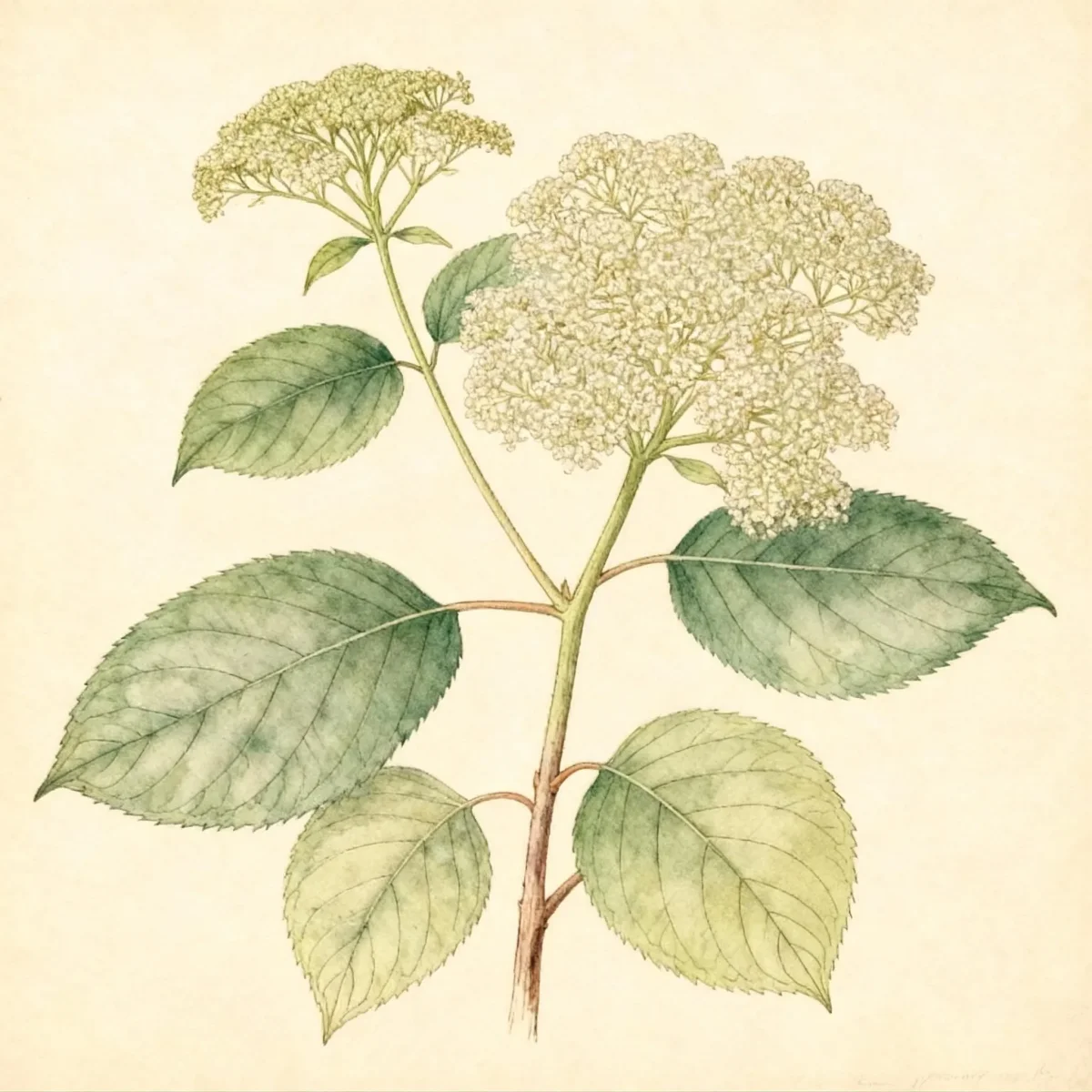
Hydrangea arborescens, commonly known as smooth hydrangea or wild hydrangea, is a loosely and widely branched deciduous shrub that typically grows to 3-6’ tall. It is native to moist or rocky wooded slopes and streambanks across the Eastern U.S. Tiny white flowers bloom in flattened clusters, with scattered flowering often continuing throughout the summer until September.
Tolerances
- Rabbit
- Erosion
- Clay Soil
- Dry Soil
- Wet Soil
- Shallow-Rocky Soil
- Black Walnut
Potential Problems
Many species of hydrangea, including Hydrangea arborescens, are susceptible to various fungal and bacterial diseases, necessitating proactive management. Watch closely for issues like bud blight, bacterial wilt, leaf spots, mold, rust, and powdery mildew, especially in humid conditions or when air circulation is poor. Common pests to monitor include aphids, mites, scale insects, and nematodes.
The best cultural practice for managing stem health and vigor is annual pruning. Cutting the stems back close to the ground in late winter helps eliminate disease vectors and encourages strong new growth that will bear the summer flowers. This routine pruning also discourages pest infestations from taking hold on old wood. Rabbits generally leave this species alone, thankfully avoiding the tender foliage.
Frequently Asked Questions
What hardiness zones is Smooth hydrangea suitable for?
The Smooth hydrangea, Hydrangea arborescens, is remarkably cold-hardy and suitable for USDA Zones 3 through 9.
How large does Hydrangea arborescens grow?
This deciduous shrub typically reaches a height between 3 and 5 feet, with an equal spread of 3 to 5 feet at maturity.
What sun exposure does Smooth hydrangea need?
The ideal placement for Hydrangea arborescens is in part shade. It can tolerate full sun only if provided with consistent, medium levels of moisture throughout the growing season.
When does Hydrangea arborescens bloom?
The flowering period for this shrub is quite long, generally spanning from June through September, displaying clusters of white blooms.
Conclusion
For reliable, low-fuss white blooms in partial shade, the native Smooth hydrangea remains an unparalleled choice for many gardeners. Its adaptability to various soil types and its tolerance of pruning make Hydrangea arborescens a highly practical landscape asset. Before planting, confirm that your USDA zone falls between 3 and 9 to ensure robust, long-term success with this beautiful shrub.
Companion Planting
Selecting appropriate neighbors helps the Smooth hydrangea thrive within its preferred microclimate. Since it requires consistent moisture and part shade, companion plants should share these needs. Consider pairing it with plants that offer contrasting leaf textures, such as large-leafed Hostas or various native ferns.
Groundcovers that appreciate shade but do not compete aggressively for surface moisture are excellent companions. Wild ginger (Asarum) or sedges (Carex species) can create a visually pleasing, low-maintenance carpet beneath the shrub canopy. Ensure any companion planting allows enough space for air circulation, which helps mitigate common fungal diseases.
For seasonal color contrast, late-blooming perennials that thrive in dappled light, such as Toad Lily (Tricyrtis) or white-flowering woodland phlox, provide visual interest after the hydrangea bloom begins to fade.
Design Ideas for Woodland Gardens
Hydrangea arborescens is fundamentally a woodland plant, and designing within that context maximizes its natural appeal. Grouping three or five shrubs creates an impressive mass that guides the eye through deeper shade, simulating how they might appear on a natural stream bank. The mature height of 3 to 5 feet works perfectly as a middle layer between groundcovers and taller understory trees.
In formal settings, use pruned specimens of Smooth hydrangea as symmetrical anchors flanking an entrance or pathway. If using named cultivars known for better stem strength, they can serve as excellent low foundation plantings near the east side of a structure where afternoon sun is blocked.
The creamy white flower clusters contrast brilliantly against dark green or burgundy foliage found in neighboring plants like Japanese maples (when sited appropriately) or dark-leafed cultivars of Heuchera. This contrast highlights the summertime flowering of Hydrangea arborescens dramatically.