Peltoboykinia (Peltoboykinia watanabei)
Peltoboykinia watanabei, a rhizomatous perennial from Japan, offers stunning peltate foliage and pale yellow blooms in early summer. A low-maintenance choice for deep shade.
Scroll down to discover growing tips, care requirements, companion plants, and more
Complete Plant Information
Overview
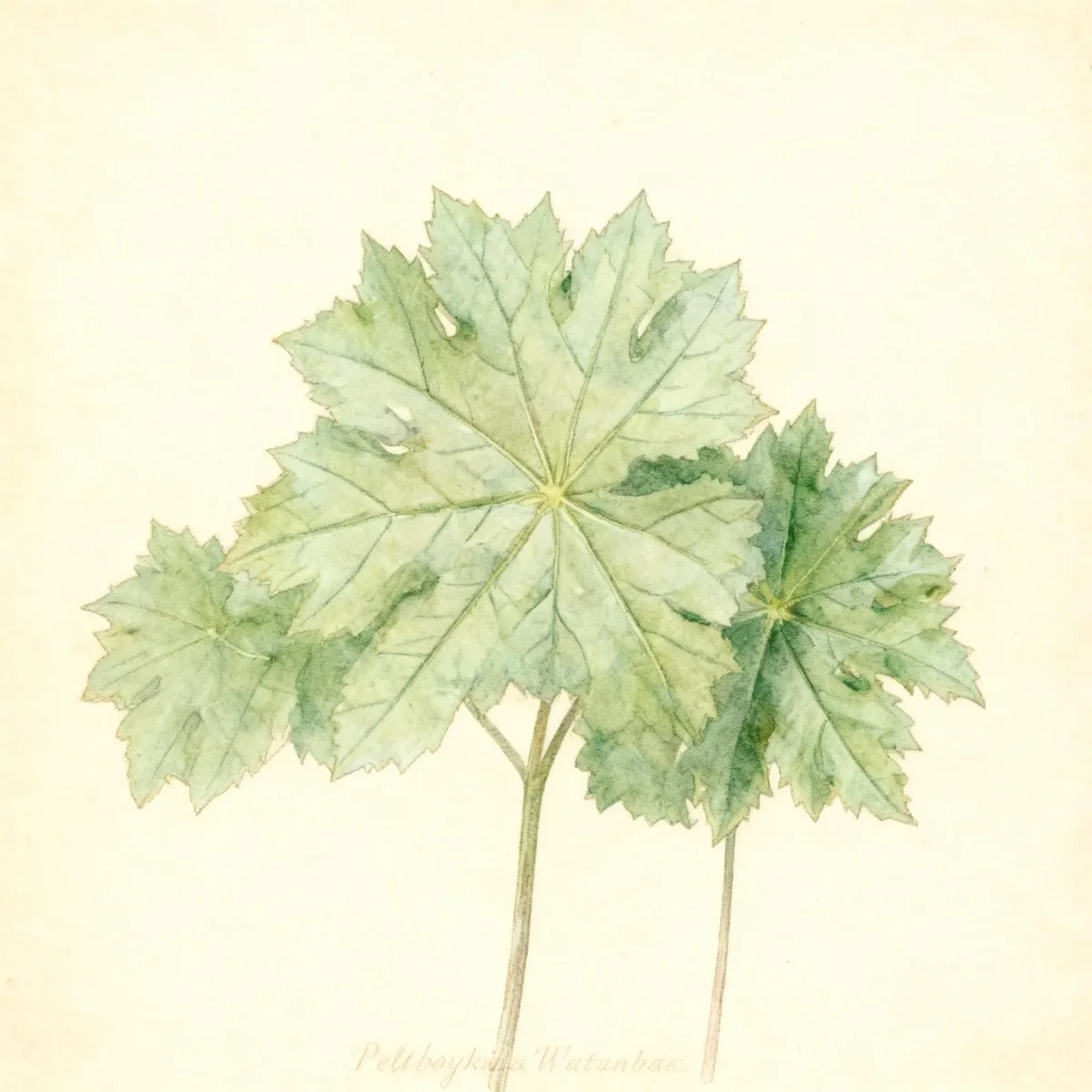
Peltoboykinia watanabei, commonly known by its genus name peltoboykinia, is a highly valued, rhizomatous herbaceous perennial native to the woodland slopes of Japan. Its primary appeal lies in its striking basal foliage which forms a dense mound of large, rounded, shield-shaped (peltate) leaves, often reaching 12 inches across. These leaves emerge with attractive pinkish tints before maturing to a rich green, providing reliable texture throughout the growing season.
This shade-loving plant offers structural interest even when not in bloom, making it an excellent substitute for hostas in deeply shaded areas where leaf quality is paramount. The foliage clump is topped by upright flower spikes bearing tiny, shuttlecock-like flowers in pale creamy yellow hues, appearing reliably in early summer. Peltoboykinia watanabei is celebrated for its low maintenance needs and tolerance for difficult, shady conditions.
As a clump-forming perennial, peltoboykinia slowly expands via creeping rhizomes, eventually creating an impressive ground cover of textured leaves. Its durability, particularly its tolerance for drought once established, makes Peltoboykinia watanabei a dependable anchor plant for woodland gardens and deeply shaded borders.
Fast Facts
- Plant Family: Saxifragaceae
- Plant Type: Herbaceous perennial
- Native Range: Japan
- Hardiness Zones: USDA Zones 5-7
- Size at Maturity:
- Height: 1-2.5 ft
- Spread: 1-2.5 ft
- Bloom Time: June to July
- Bloom Description: Pale creamy yellow to yellow-green
- Sun Exposure: Part shade to full shade
- Water Needs: Medium
- Maintenance Level: Low
How to Grow
The ideal location for Peltoboykinia watanabei encourages its natural woodland habitat preferences. Plant in the spring or fall in organically rich soils that are consistently moist but exceptionally well-drained. While it thrives in part shade, this species tolerates close to full shade, making it perfect for north-facing exposures or beneath the dense canopy of mature trees.
Watering requirements are medium; ensure soil moisture remains even, especially during dry spells, although established plants show admirable drought tolerance. Fertilization is rarely required if the soil is rich in organic matter. Maintenance is minimal; trim back old foliage in early spring before new growth emerges, or allow the plant to clean up naturally over winter.
Propagation of the peltoboykinia is straightforward through division of the creeping rhizomes, best done in spring or fall when the plant is actively growing. While propagation by seed is possible, division offers faster results for expanding clumps or relocating existing specimens. Be mindful that this species may self-seed lightly, contributing to a naturalized look over time.
Landscape Uses
Peltoboykinia watanabei excels in situations requiring robust, textural foliage under difficult light conditions. Grouping or massing these plants in sun-dappled woodland areas allows their large, showy leaves to form a continuous, tall ground cover that successfully outcompetes weeds. They are superb for softening the edges of shady perennial borders where the airy texture of their yellow-green flowers can contrast with darker foliage neighbors.
Consider using Peltoboykinia in shady bed and border areas where moisture is reliable but overhead sunlight is scarce. They blend exceptionally well in cottage garden settings, providing bold structure among ferns, Hellebores, and bleeding hearts. Their slow clumping spread allows them to be used effectively to define pathways or the periphery of woodland plantings.
Standout Features
Flower Qualities
- Showy
Noteworthy Characteristics
Peltoboykinia watanabei, commonly called peltoboykinia, is a rhizomatous, clump-forming herbaceous perennial of the saxifrage family, noted for its impressive basal clump of large, rounded, peltate leaves that can reach 12 inches across. The genus name references the shield-shaped leaves, distinguishing it from related genera like Boykinia by its leaf structure and flower stamen count. In summer, upright spikes carry tiny, pale creamy yellow to yellowish green flowers above the substantial foliage mound.
Tolerances
- Drought
- Heavy Shade
Potential Problems
This plant is highly regarded for its resilience, generally presenting no serious insect or disease problems when sited correctly. In its native habitat, Peltoboykinia watanabei is adapted to cool, moist woodland conditions, meaning the primary threat comes from overly wet, poorly draining soil, which can lead to crown rot, especially in winter. Ensure perfect drainage to avoid fungal issues. Avoid excessive foot traffic near the clumps, as this can damage the rhizomes or mash the attractive leaves.
Frequently Asked Questions
What hardiness zones is Peltoboykinia suitable for?
Peltoboykinia watanabei thrives in USDA Hardiness Zones 5 through 7, making it a reliable perennial across much of the temperate United States.
How large does Peltoboykinia grow?
This perennial typically reaches a mature height between 1 and 2.5 feet, with an equal spread of 1 to 2.5 feet, creating a substantial, mounded presence.
What sun exposure does Peltoboykinia watanabei need?
Peltoboykinia watanabei requires protection from direct sun, preferring part shade to full shade conditions to maintain its best leaf quality.
When does Peltoboykinia bloom?
The plant features its signature pale creamy yellow to yellow-green flowers during the mid-summer months, specifically from June to July.
Conclusion
Peltoboykinia watanabei is an outstanding choice for gardeners seeking bold architectural foliage and low-maintenance reliability in deep shade. The unique shield-like leaves, coupled with its adaptability to drought once established, confirm its status among the best woodland perennials. Before planting, confirm your garden falls within USDA Zones 5-7 and amend your soil richly to ensure the best establishment for this magnificent Peltoboykinia.
Propagation Tips
While Peltoboykinia watanabei slowly spreads via rhizomes, experienced gardeners can actively increase their stock through simple division. The best time to divide the clumps is in early spring just as new growth is beginning, or in the fall after the foliage has died back but before the ground freezes hard. Gently lift the entire clump and carefully tease apart sections, ensuring each new division has several healthy roots and at least one growing point. Replant these divisions immediately into prepared, rich, moist soil at the same depth they were previously growing.
Companion Planting
Due to its dramatic leaf size and preference for consistently moist, rich soil in the shade, Peltoboykinia pairs beautifully with plants that offer contrasting fine texture. Consider pairing Peltoboykinia watanabei with delicate ferns like Japanese Painted Ferns (Athyrium niponicum) or delicate woodland ephemerals that die back in summer, allowing the peltoboykinia foliage to take center stage. Hostas known for blue or variegated tones also make excellent neighbors, as they share similar cultural requirements for shade and moisture.