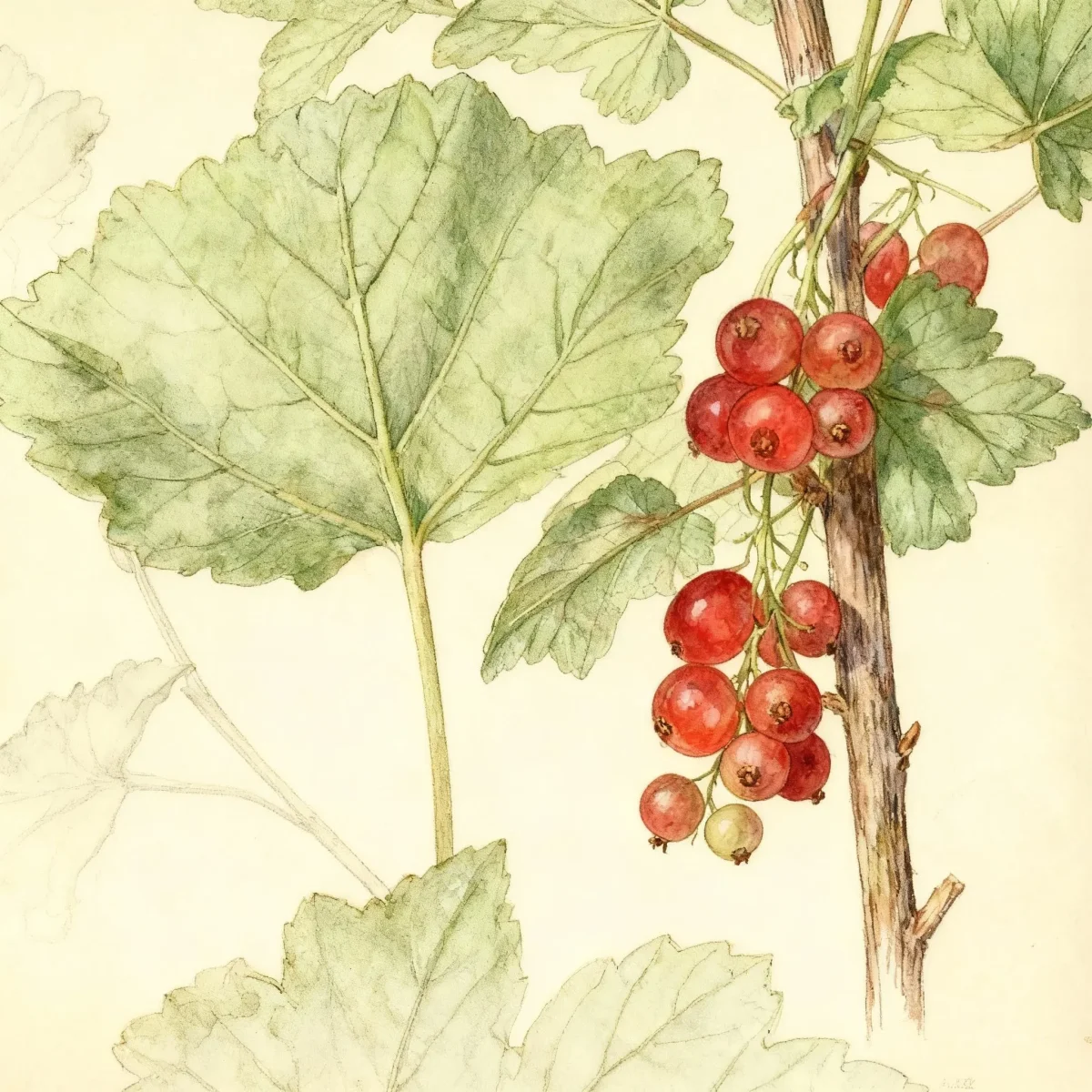
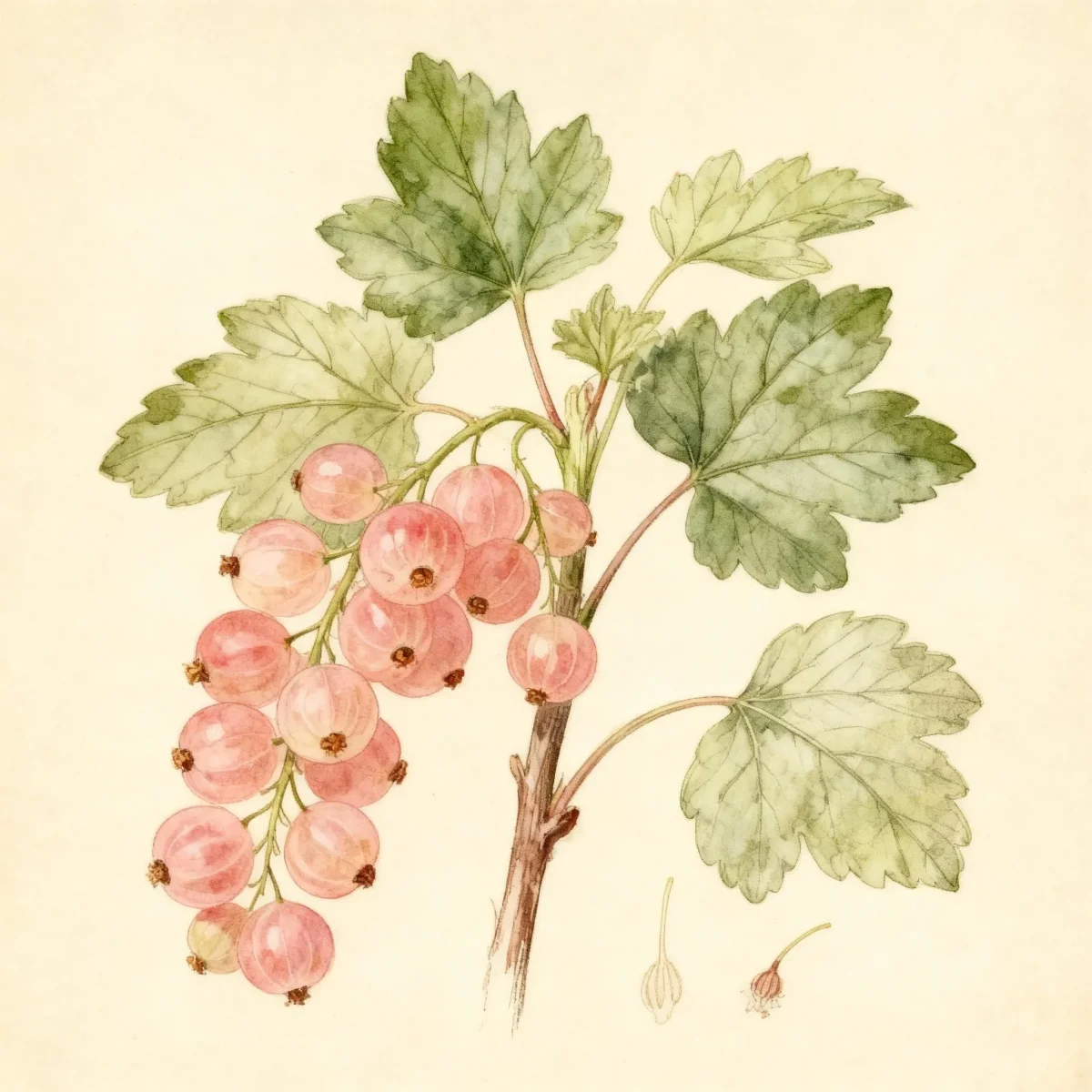
Alpine currant (Ribes alpinum)
Discover Ribes alpinum, the tough, low-maintenance Alpine currant, perfect for hedges in zones 2-7, tolerating drought and partial shade.
Scroll down to discover growing tips, care requirements, companion plants, and more
Complete Plant Information
Overview
The Alpine currant (Ribes alpinum) is an exceptionally versatile and tough deciduous shrub valued for its reliability, especially in colder climates. Known commonly as Alpine currant, this species offers dense foliage and a compact, mound-forming habit, making it an excellent structural element in the landscape. It is highly adaptable, thriving across a wide range of conditions that might challenge less resilient shrubs.
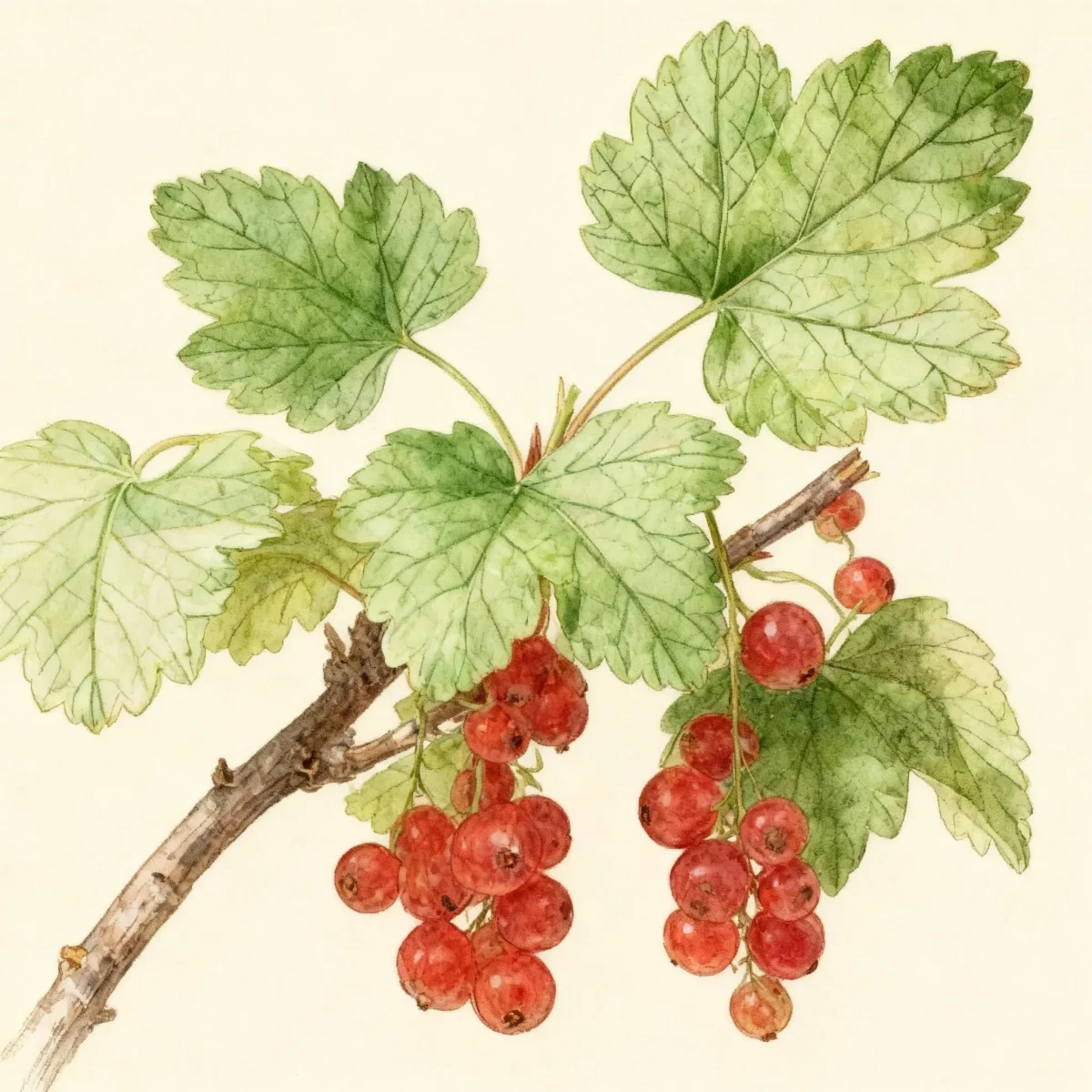
This resilient plant is extremely winter hardy, easily surviving deep freezes typical of USDA Zones 2 through 7. Although the flowers are generally inconspicuous, female plants produce showy, scarlet berries, though many commercially sold specimens are male clones selected for their disease resistance. The bright green, lobed leaves of Ribes alpinum provide good summer coverage, turning a dull yellow before dropping in autumn.
For gardeners seeking a functional, low-fuss screen or border plant, the Alpine currant is a premier choice. Its tolerance for drought, tough soil, and even heavy shade ensures success where other woody plants might struggle, providing dependable texture and form with minimal effort.
Fast Facts
- Plant Family: Grossulariaceae
- Plant Type: Deciduous shrub
- Native Range: Northern Europe to Russia
- Hardiness Zones: USDA Zones 2-7
- Size at Maturity:
- Height: 3-6 ft
- Spread: 3-6 ft
- Bloom Time: April
- Bloom Description: Greenish yellow
- Sun Exposure: Full sun to part shade
- Water Needs: Medium
- Maintenance Level: Low
How to Grow
Ribes alpinum is remarkably easy to establish, preferring average, medium soils, provided they are reasonably well-drained. Plant during the cooler periods of early spring or fall to encourage root establishment before seasonal temperature extremes. While it prefers full sun to light partial shade, the Alpine currant possesses a notable tolerance for significant shade, making it useful for difficult, darker locations.
Once established, this shrub requires only medium supplemental watering, particularly during prolonged dry spells, as it possesses good drought tolerance. Routine fertilization is rarely necessary for healthy, established plants established in average soil. Maintenance is minimal; pruning can be performed at any time of year if shaping is desired, though the plant naturally maintains a pleasing shape.
Due to its extreme winter hardiness, specific winter preparation is usually unnecessary outside of applying a thick layer of mulch to very young plants to stabilize soil temperatures in the first year. Allow the plant to grow naturally unless needed for formal hedge use, as significant intervention is not required for a healthy Ribes alpinum.
Landscape Uses
The primary landscape role for the Alpine currant is as an excellent hedge material. Its dense growth habit and adaptability make it reliable for creating boundary markers, property dividers, or formal screens. Because of its tolerance for pruning and shade, it can be shaped formally or allowed to adopt a more natural, mounding appearance along property lines.
Beyond hedging, use this robust shrub for mass plantings within large shrub borders where uniformity and hardiness are paramount. It pairs well with other highly tolerant, medium-sized shrubs that do not require perfect drainage or constant attention. The consistent texture of the Alpine currant provides a dependable green backdrop throughout the growing season.
Consider planting in rows to stabilize slopes, leveraging the shrub’s medium water needs and tolerance for diverse soil conditions, making it a utilitarian choice for functional landscape design elements along with aesthetic barriers.
Standout Features
Flower Qualities
- Insignificant
Fruit Qualities
- Showy
Noteworthy Characteristics
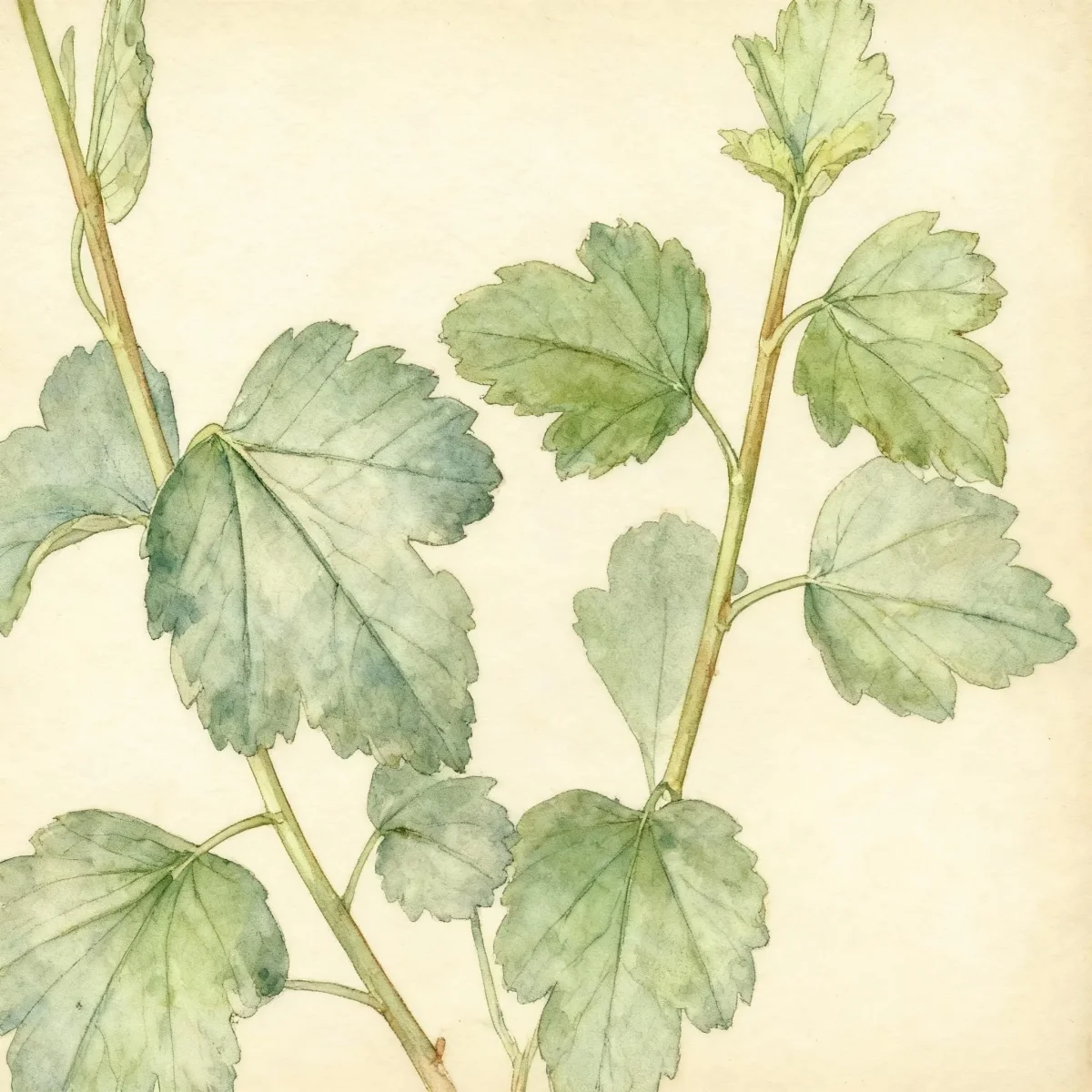
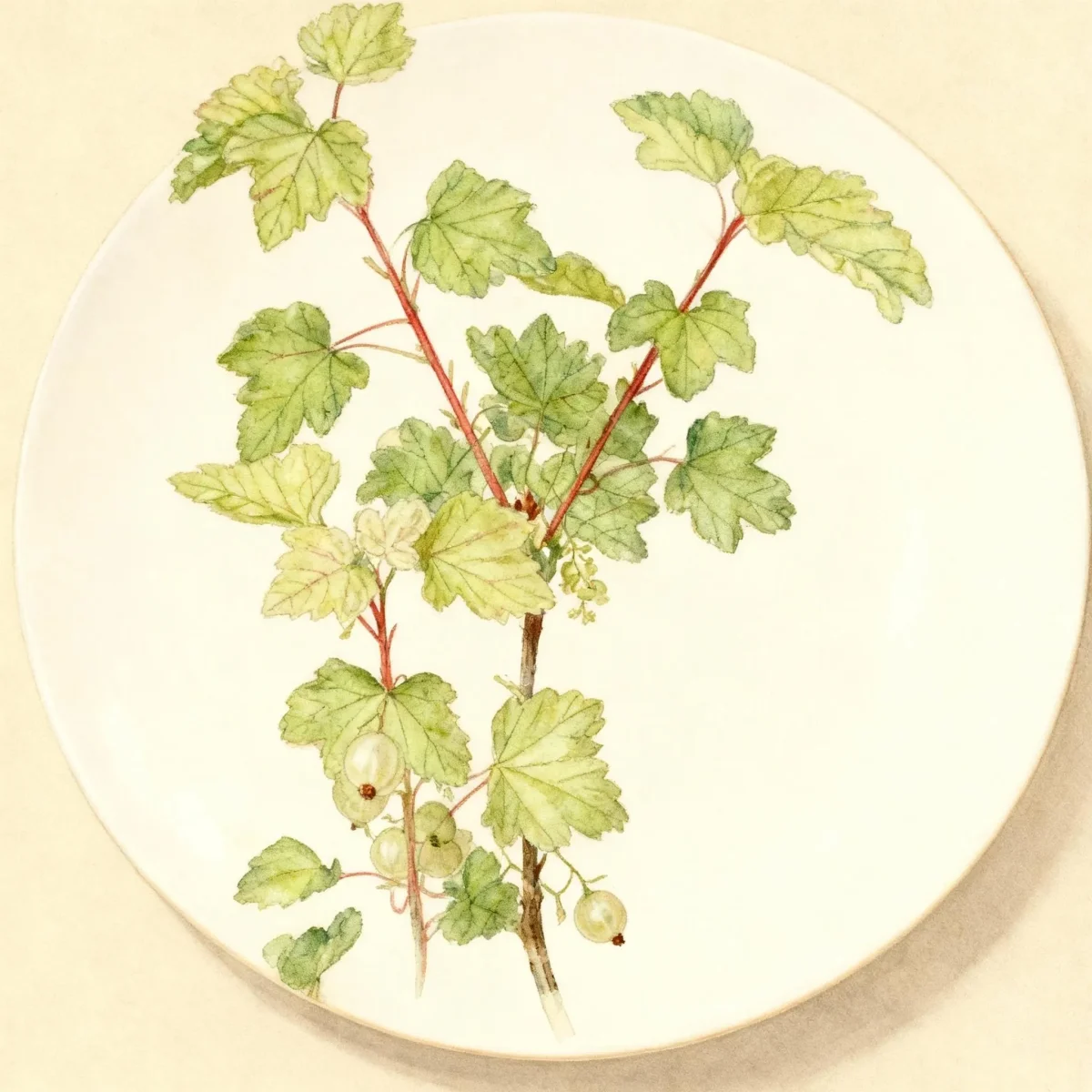
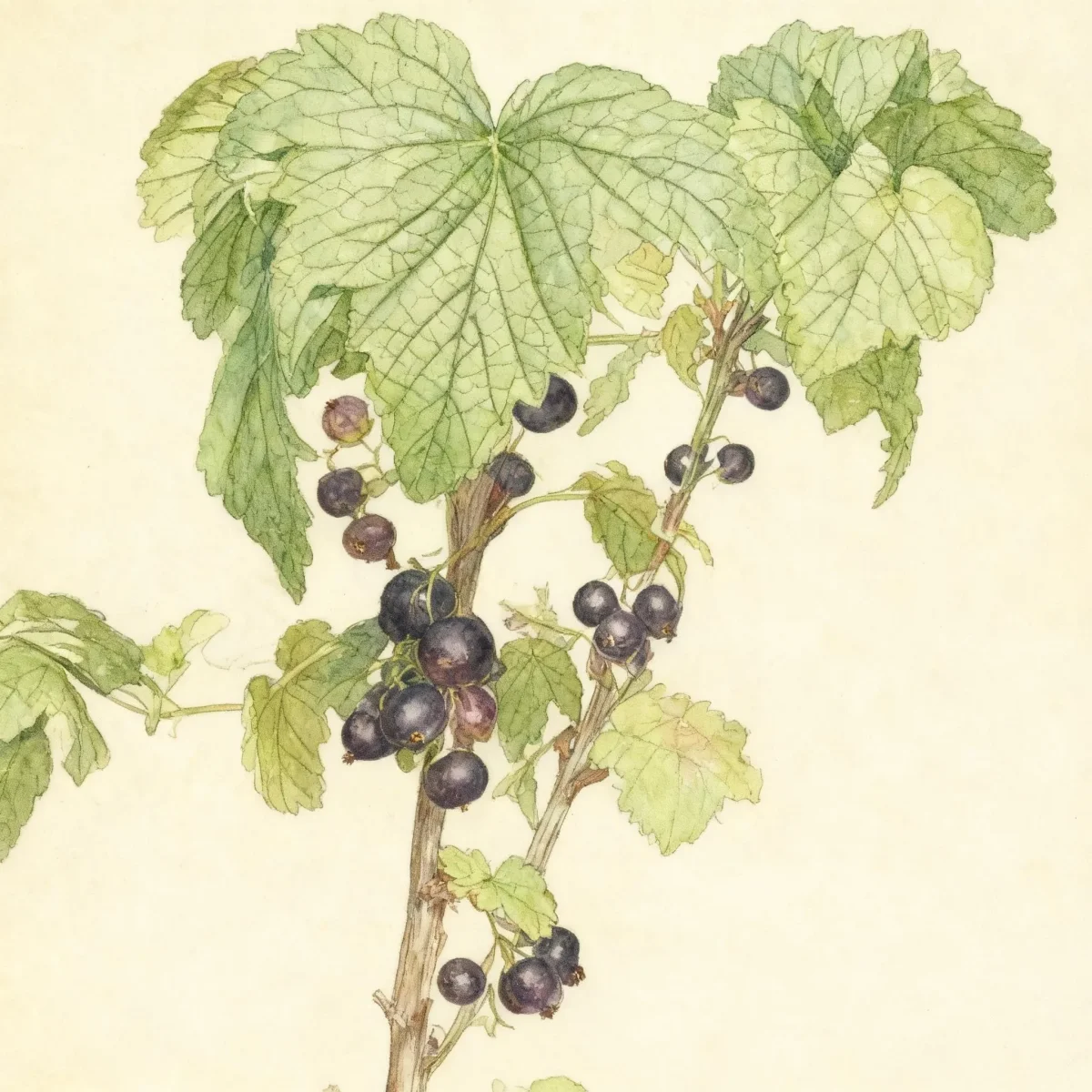
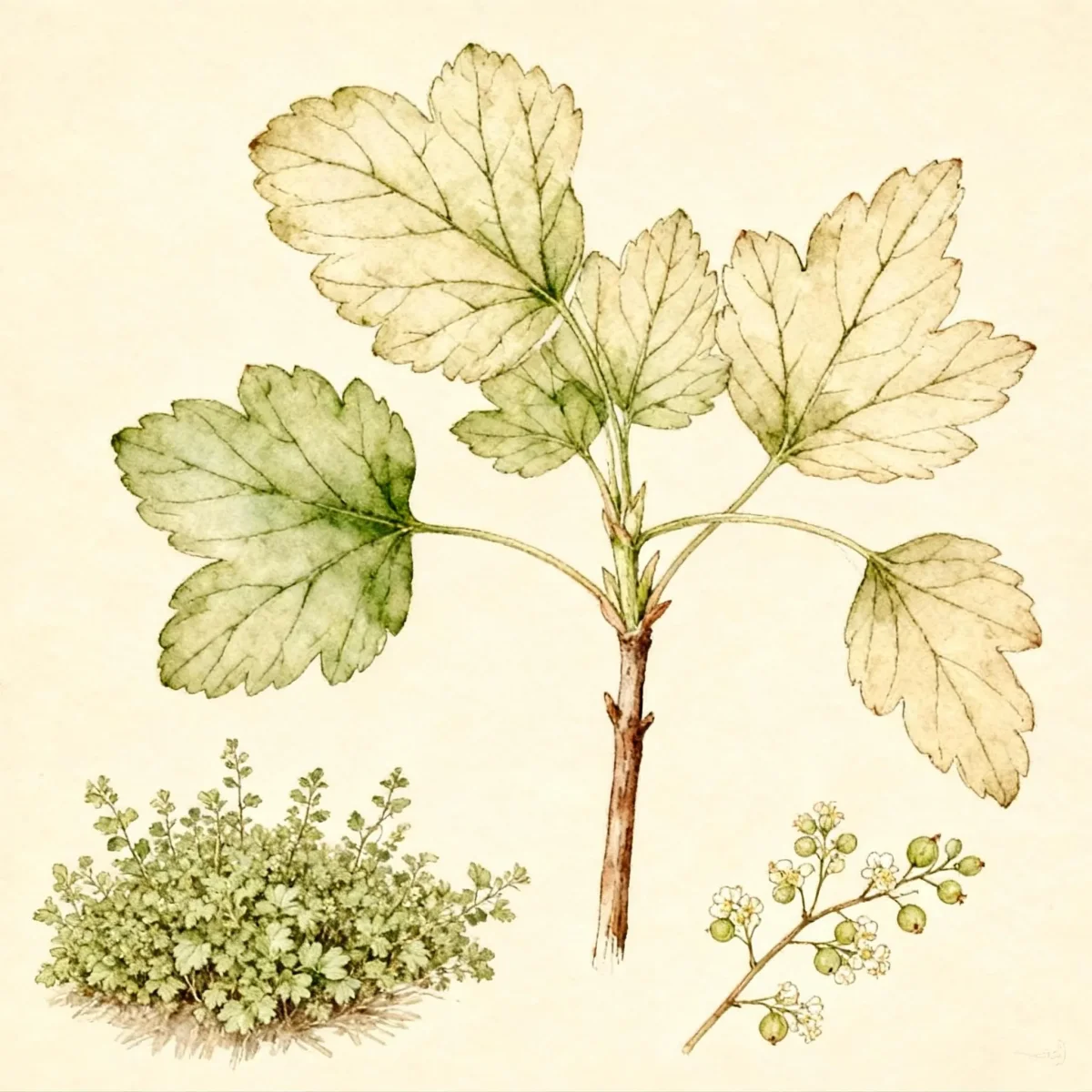
Ribes alpinum, commonly called alpine currant, is a compact, mound-forming shrub which grows 3-6’ tall. Bright green leaves are 3-5 lobed, turning to a dull yellow in fall. Flowers are greenish-yellow and inconspicuous. The specific epithet alpinum means of the alpine, referencing its natural occurrence in high-altitude regions. Fruit on female plants is an inedible, scarlet berry, but most retail nursery stock consists of male clones reportedly immune to common currant rust diseases.
Tolerances
- Rabbit
- Drought
- Heavy Shade
Potential Problems
In conditions characterized by high humidity and wetness, fungal issues such as anthracnose, powdery mildew, and leaf spot diseases can become problematic on the Alpine currant. Potential insect pests, varying by region, include the currant aphid, scale insects, currant bud mite, and currant fruit fly. A critical consideration is that currants serve as an alternate host for white pine blister rust, a devastating fungal disease for white pines. Consequently, some states maintain regulations or outright bans on growing Ribes species plants; always check with your local Extension Service to confirm local restrictions before planting.
Frequently Asked Questions
What hardiness zones is Alpine currant suitable for?
The Alpine currant (Ribes alpinum) is suitable for USDA Hardiness Zones 2 through 7, indicating exceptional cold tolerance.
How large does Alpine currant grow?
This shrub typically reaches a mature height between 3 and 6 feet, with a similar spread of 3 to 6 feet wide, forming a dependable mound.
What sun exposure does Alpine currant need?
The ideal light condition for Ribes alpinum is full sun to part shade, though it demonstrates a notable ability to tolerate heavy shade environments.
When does Alpine currant bloom?
Blooming occurs in April, producing inconspicuous flowers described as greenish yellow.
Conclusion
The Alpine currant (Ribes alpinum) earns its place in challenging gardens due to its low maintenance requirements and remarkable tolerance for cold, drought, and poor light. As a stellar choice for durable hedging or structural massing, this Ribes species offers reliability where other plants might fail. Before planting your Ribes alpinum, confirm your local regulations regarding currants and ensure your site falls within USDA Zones 2-7 for optimal, long-term success.
Companion Planting
Selecting appropriate neighbors enhances the visual appeal and health of your Ribes alpinum plantings. Since the Alpine currant tolerates heavy shade and prefers medium moisture, consider pairing it with other resilient, medium-sized shrubs suited for dappled light, such as Japanese Kerria (Kerria japonica) or certain varieties of low-growing Hydrangea that handle similar drier, shadier conditions once established. Avoid planting near sensitive species, especially white pines, due to the potential for rust transmission.
For sunny border applications, the durable nature of the Alpine currant works well juxtaposed against native grasses or durable perennials that share the medium water needs, such as Daylilies (Hemerocallis) or Siberian Iris (Iris sibirica), which appreciate the physical barrier provided by a low hedge base. Ensure spacing allows for the 3 to 6-foot eventual spread of the shrub to prevent overcrowding.
Seasonal Care Calendar
Spring is the best time for minimal intervention; observe new growth and remove any twigs damaged over winter. If pruning is necessary to maintain a formal hedge shape, late winter dormancy is ideal, although shaping can occur anytime due to the inconspicuous nature of the flowers. During summer, monitor for signs of mildew or leaf spot during extended wet periods and ensure medium watering during significant drought. In autumn, enjoy the dull yellow foliage display; generally, no cleanup is strictly necessary unless leaf litter management is a priority, as the shrub is extremely winter hardy and requires no specific winter protection.