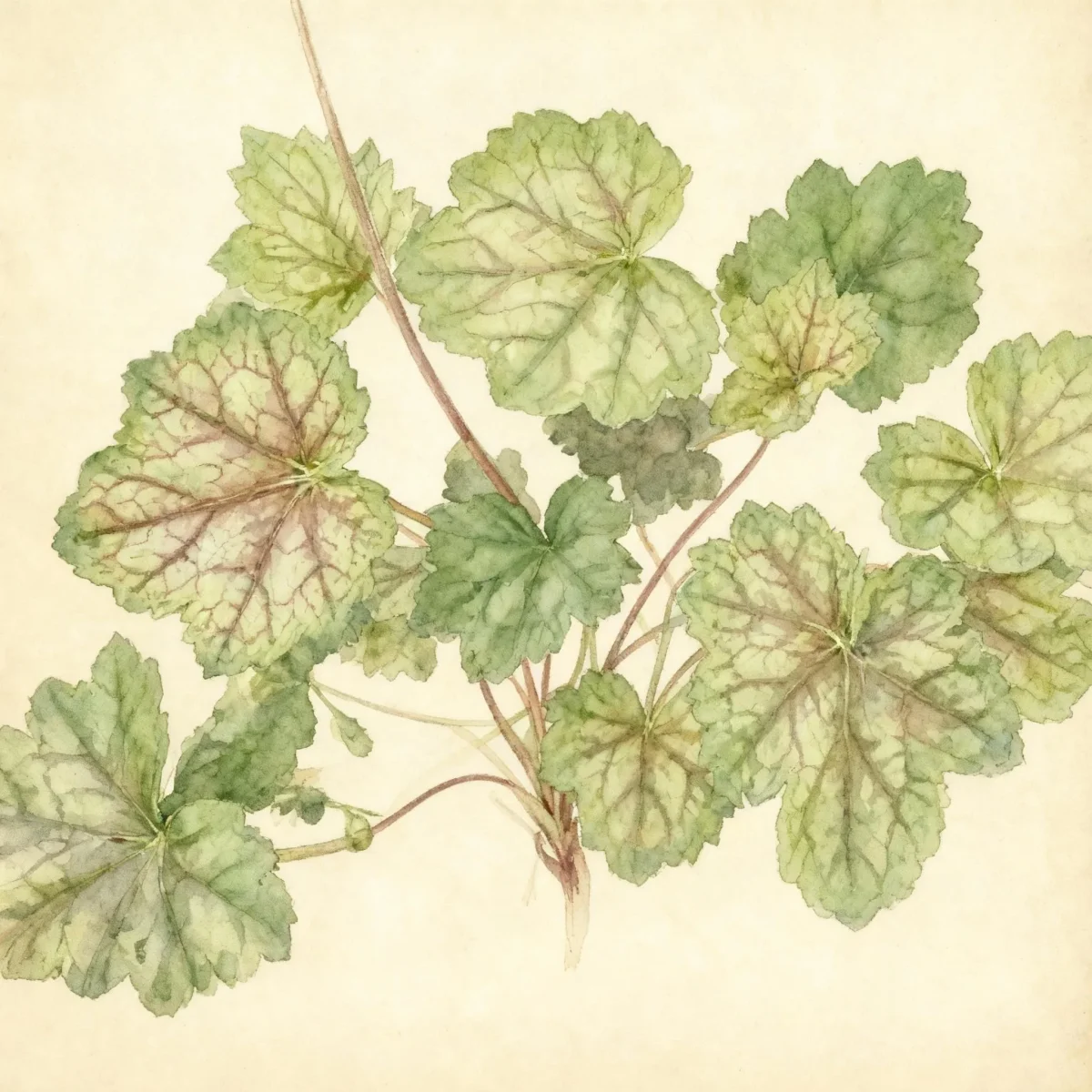
Coral bells (Heuchera cylindrica)
Heuchera cylindrica (Coral bells) offers attractive foliage and creamy summer blooms. Hardy in Zones 3-8, perfect for borders.
Scroll down to discover growing tips, care requirements, companion plants, and more
Complete Plant Information
Overview
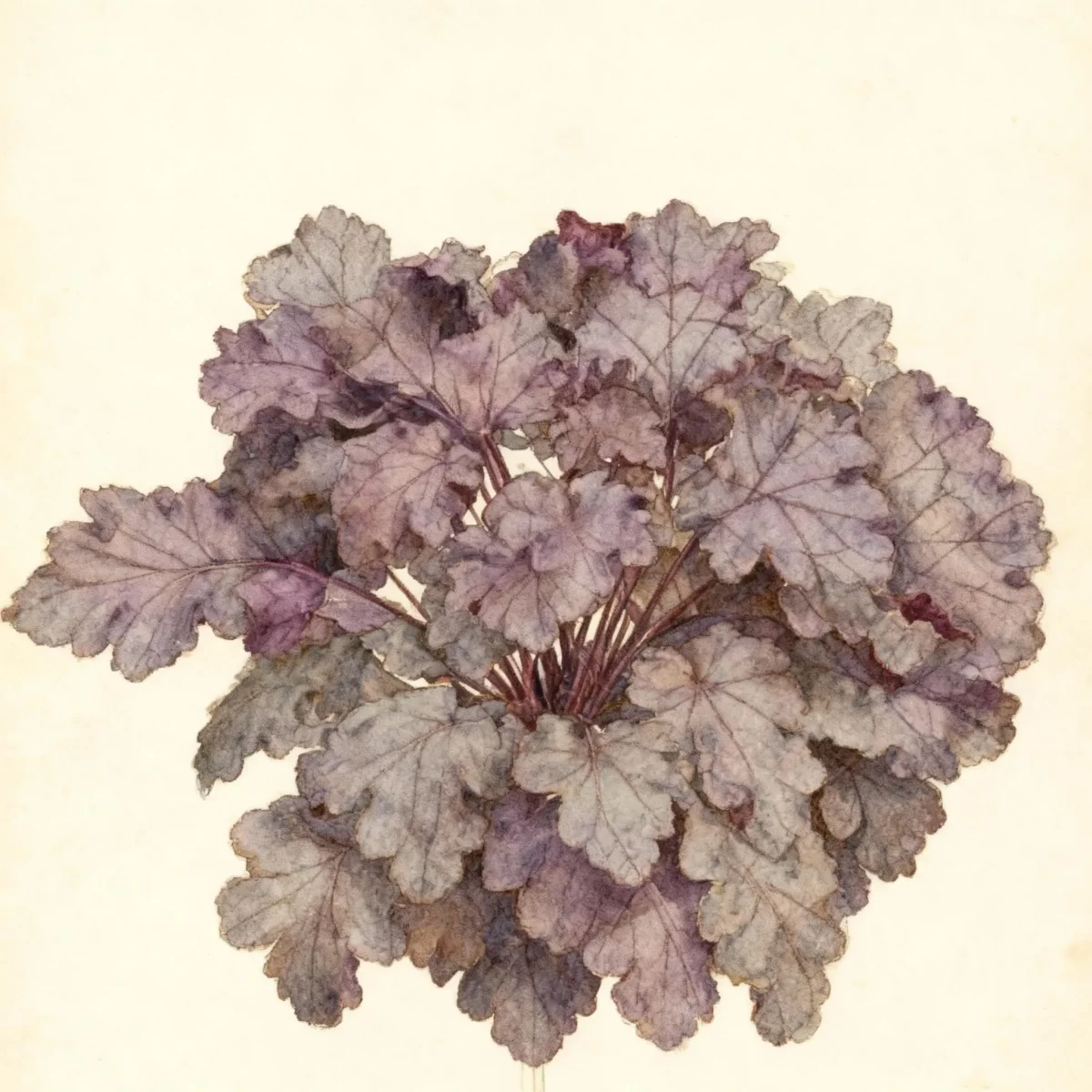
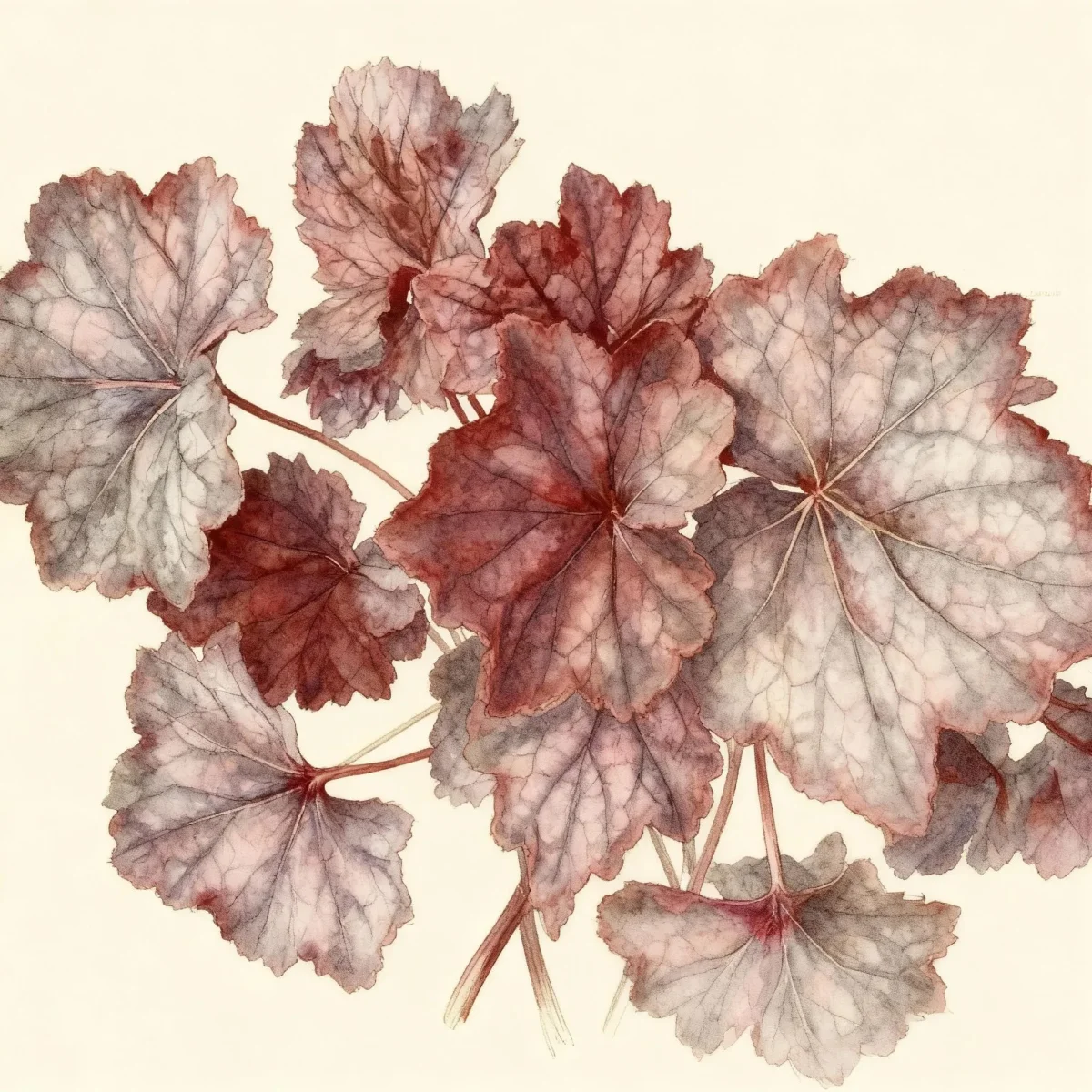
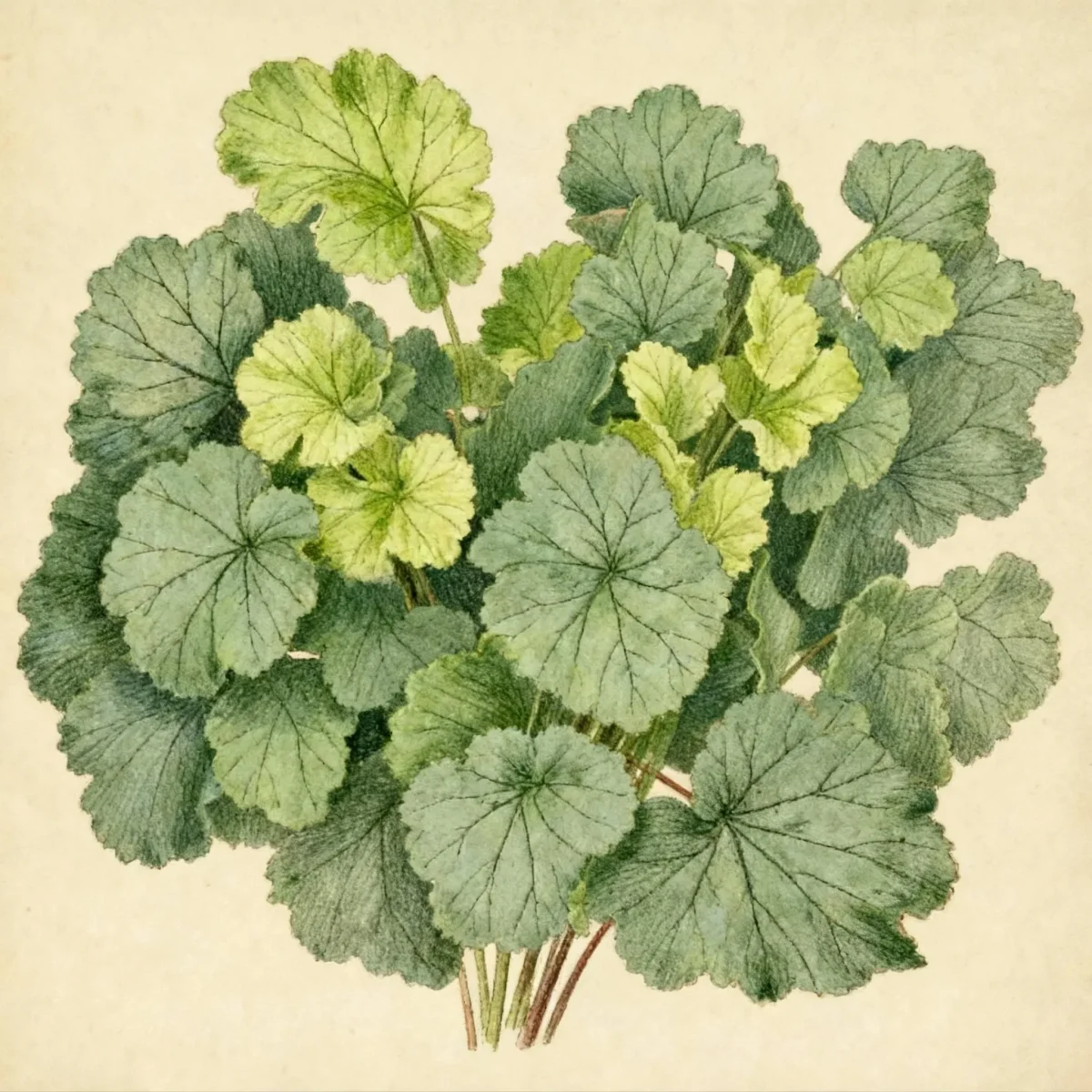
Heuchera cylindrica, widely known as Coral bells, is a handsome native perennial prized for its contrasting textures and dependable structure. This selection from Western North America forms dense basal mounds of dark green, maple-like leaves that provide year-round interest, especially in milder climates. Functionally, it serves as an excellent groundcover or accent plant in shaded conditions.
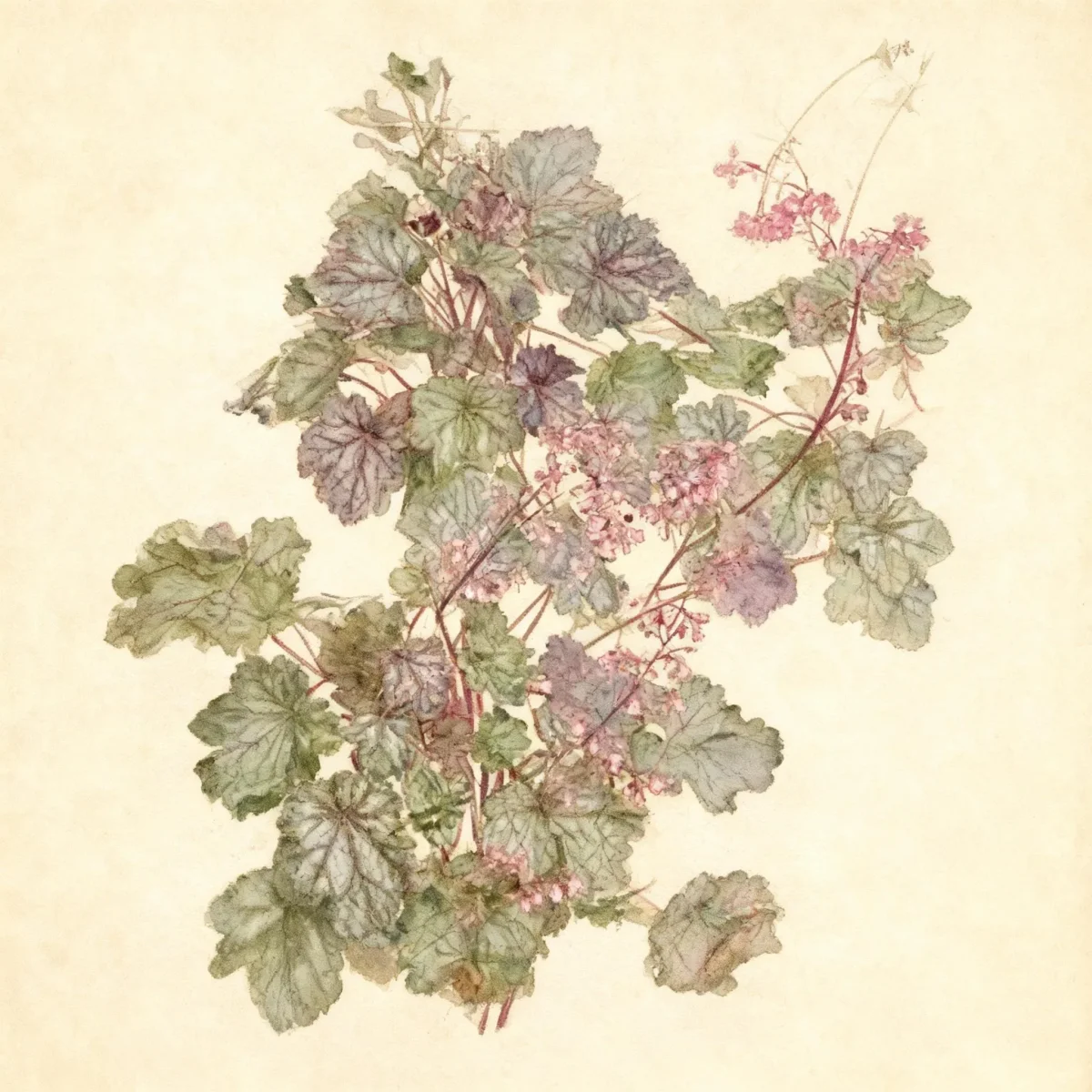
This mounding perennial sends up slender, leafless flowering stems topped with small, distinctive cream to yellowish-green flowers during early summer. These spikes give rise to the common name poker heuchera, referencing their upright, poker-like display above the foliage mass. Establishing Heuchera cylindrica successfully requires attention to soil richness and moisture consistency.
Gardeners value Coral bells for its hardiness across a wide temperature range (Zones 3-8) and its relatively low fuss profile once established. Whether used in rock gardens or woodland settings, the visual impact of Heuchera cylindrica is undeniable, providing structure when many other perennials are dormant.
Fast Facts
- Plant Family: Saxifragaceae
- Plant Type: Herbaceous perennial
- Native Range: Western North America
- Hardiness Zones: USDA Zones 3-8
- Size at Maturity:
- Height: 1-2.5 ft
- Spread: 0.75-1.5 ft
- Bloom Time: June to July
- Bloom Description: Cream to yellowish-green
- Sun Exposure: Full sun to part shade
- Water Needs: Medium
- Maintenance Level: Medium
How to Grow
The ideal planting location for Coral bells should feature humusy, organically rich soil that maintains medium moisture while ensuring excellent drainage. While Heuchera cylindrica performs well in full sun in cooler northern regions, southern gardeners must prioritize afternoon shade to prevent leaf scorch and general foliage decline. Consistent moisture is critical, especially when planted in sunnier exposures, as allowing the soil to dry out will negatively impact the leaves.
Water needs are medium, meaning regular irrigation should be provided, particularly during dry spells. Fertilization is generally unnecessary if the soil is organically rich, as enriching the soil is more important than feeding heavily. After the plant blooms in June to July, deadheading faded flower stems is recommended to encourage potential repeat blooming over the summer season.
At maturity, the foliage mound of Heuchera cylindrica typically reaches about 6 inches tall and 12 inches wide, providing steady texture. In colder winter climates, apply a protective winter mulch only after the ground has frozen solid to prevent damaging root heaving caused by freeze-thaw cycles. While foliage is often evergreen in warm areas, severe cold may diminish leaf retention.
Landscape Uses
The striking foliage and airy summer blooms make Heuchera cylindrica incredibly versatile in landscape design. It is highly effective when massed together or planted in groupings to emphasize its mounding habit and textural qualities. These Coral bells excel in borders, adding low-maintenance structure along walkways or beneath taller shrubs.
For a nuanced garden design, plant Coral bells in sharp contrast against plants with finely textured or dramatically colored foliage. They are superb choices for rock gardens, where their ability to thrive in well-drained conditions is fully utilized. Additionally, they integrate seamlessly into open woodland gardens, mimicking their native habitat on rocky ledges and slopes.
Because the flowering spikes rise 20–30 inches above the basal mound, Heuchera cylindrica introduces desirable vertical interest without overwhelming smaller border plants. Use them to transition between shady woodland areas and brighter perennial borders, relying on their reliable habit throughout the growing season.
Standout Features
Flower Qualities
- Showy
Noteworthy Characteristics
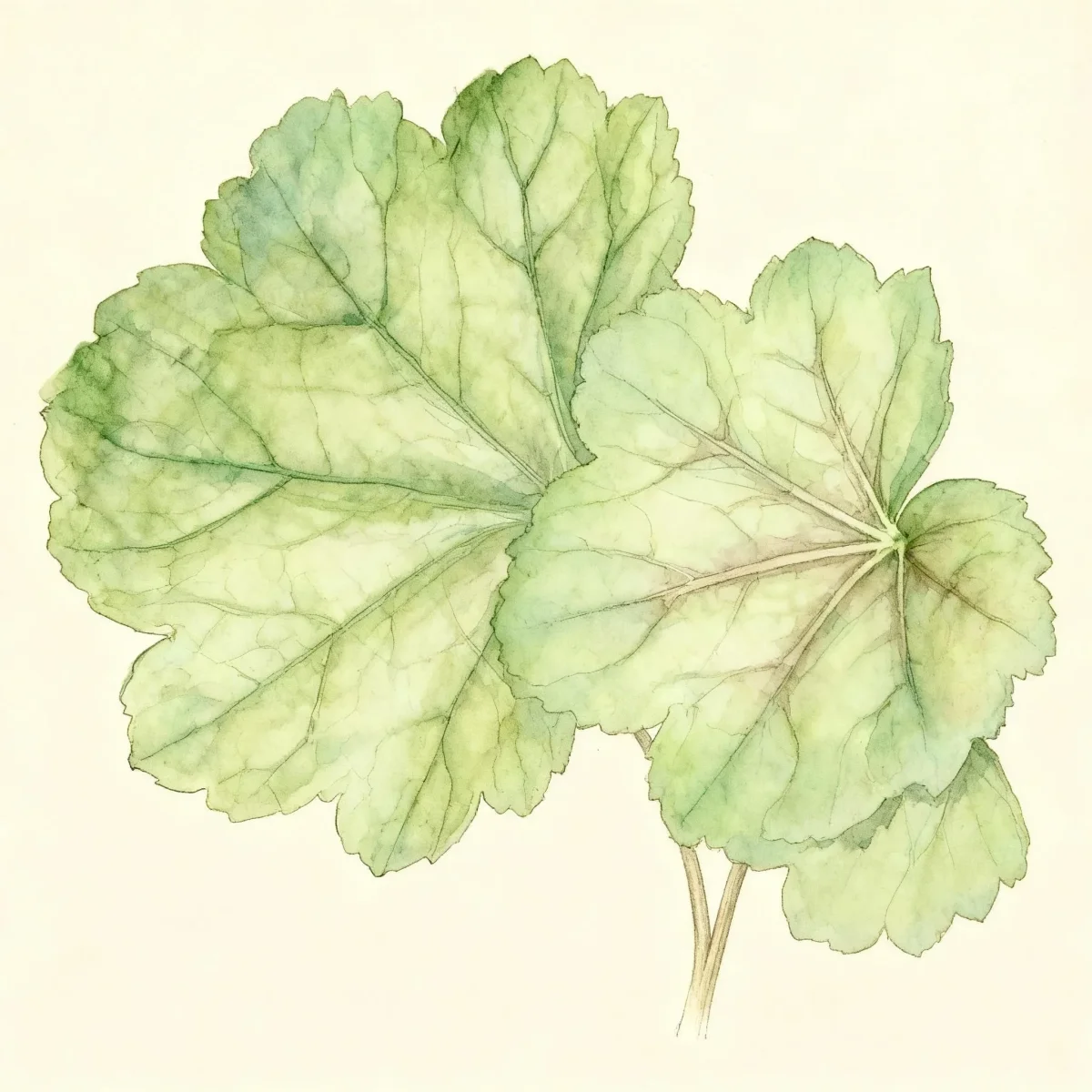
Heuchera cylindrica, commonly called poker heuchera or roundleaf alumroot, is native to rocky woods, cliffs, ledges, slopes and subalpine meadows in northwestern North America from British Columbia and Alberta south to Northern California, Northern Nevada and Colorado. It is a mounding perennial that features ovate to broadly heart-shaped, leathery, usually hairy, maple-like, dark green leaves (to 3” wide) with toothed and scalloped margins. Small, cup-shaped, cream to yellowish green flowers bloom atop tall, slender spikes rising well above the foliage mound, giving it its common “poker-like” appearance.
Tolerances
Potential Problems
Overall, Heuchera cylindrica is known for being robust, reporting no serious insect or disease problems under ideal cultural conditions. The primary risk, especially in climates with inconsistent winter weather, is frost heaving. This occurs when fluctuating winter temperatures cause the soil to repeatedly freeze and thaw, pushing the roots upward and exposing them above the soil line.
To mitigate the risk of frost heaving, ensure the planting site has the excellent drainage specified in the culture requirements. Furthermore, apply a layer of winter mulch after the ground has frozen for the season. This mulch acts as an insulator, slowing the freeze-thaw cycle near the plant crown and stabilizing the soil temperature around the roots of your Coral bells.
Frequently Asked Questions
What hardiness zones is Coral bells suitable for?
Heuchera cylindrica is remarkably adaptable, suitable for cultivation across a wide range from USDA Zones 3 through 8.
How large does Coral bells grow?
This species forms a basal mound typically reaching 1 to 2.5 feet in height with a spread between 0.75 and 1.5 feet once fully established.
When does Coral bells bloom?
Coral bells produce their distinctive flowers from June to July, displaying blooms described as cream to yellowish-green in color.
What sun exposure does Heuchera cylindrica need?
It performs best when given full sun to partial shade, though gardeners in hot climates should ensure it receives shade during the hottest part of the afternoon to maintain foliage quality.
Conclusion
The enduring, textural foliage and unique creamy blooms ensure that Heuchera cylindrica remains a valuable staple for shade and woodland gardening. This tough perennial, known commonly as Coral bells, offers reliable structure and low toxicity, making it safe for diverse settings. Plan your planting for spring or fall in well-drained soil, paying close attention to consistent moisture needs to ensure vibrant health for your Heuchera cylindrica.
Companion Planting
When selecting partners for Coral bells, look for species that share relatively similar needs for well-drained, organically rich soil and partial shade. Hostas provide a wonderful contrast in texture, as their large, smooth leaves juxtapose nicely against the slightly rounded, leathery leaves of Heuchera cylindrica. Ferns, such as Japanese Painted Ferns or Christmas Ferns, thrive in similar conditions and reinforce the cool, woodland aesthetic.
Deep purples or blues planted near the green mounds of this Coral bells cultivar can enhance its visual impact. Consider Hakonechloa (Japanese Forest Grass) for a graceful, arching texture that complements the low, mounding habit of the Alum root. Good drainage is the unifying factor—avoid dense, clay soils that might hold too much moisture around the crown of the heuchera.
Seasonal Care Calendar
Spring preparation involves removing any old, tattered foliage from the previous year, particularly important in colder zones where leaf retention was poor. This cleanup allows new growth of Heuchera cylindrica room to expand cleanly. Ensure consistent medium watering resumes as temperatures rise, especially if the plant is situated where it receives several hours of direct sun.
Summer care centers around monitoring moisture levels, particularly during bloom time following the June to July flowering. Deadheading spent flower spikes promotes a tidier appearance and may encourage a second, smaller flush of bloom. Avoid heavy summer fertilization, as this can sometimes lead to tender new growth susceptible to heat stress.
In autumn, assess the plant’s stability, especially if ground heaving was a concern the previous winter. Wait until the soil is fully frozen before applying a protective loose winter mulch around the base of the Coral bells. This simple step shields the roots from harsh temperature swings and guarantees better overwintering success.