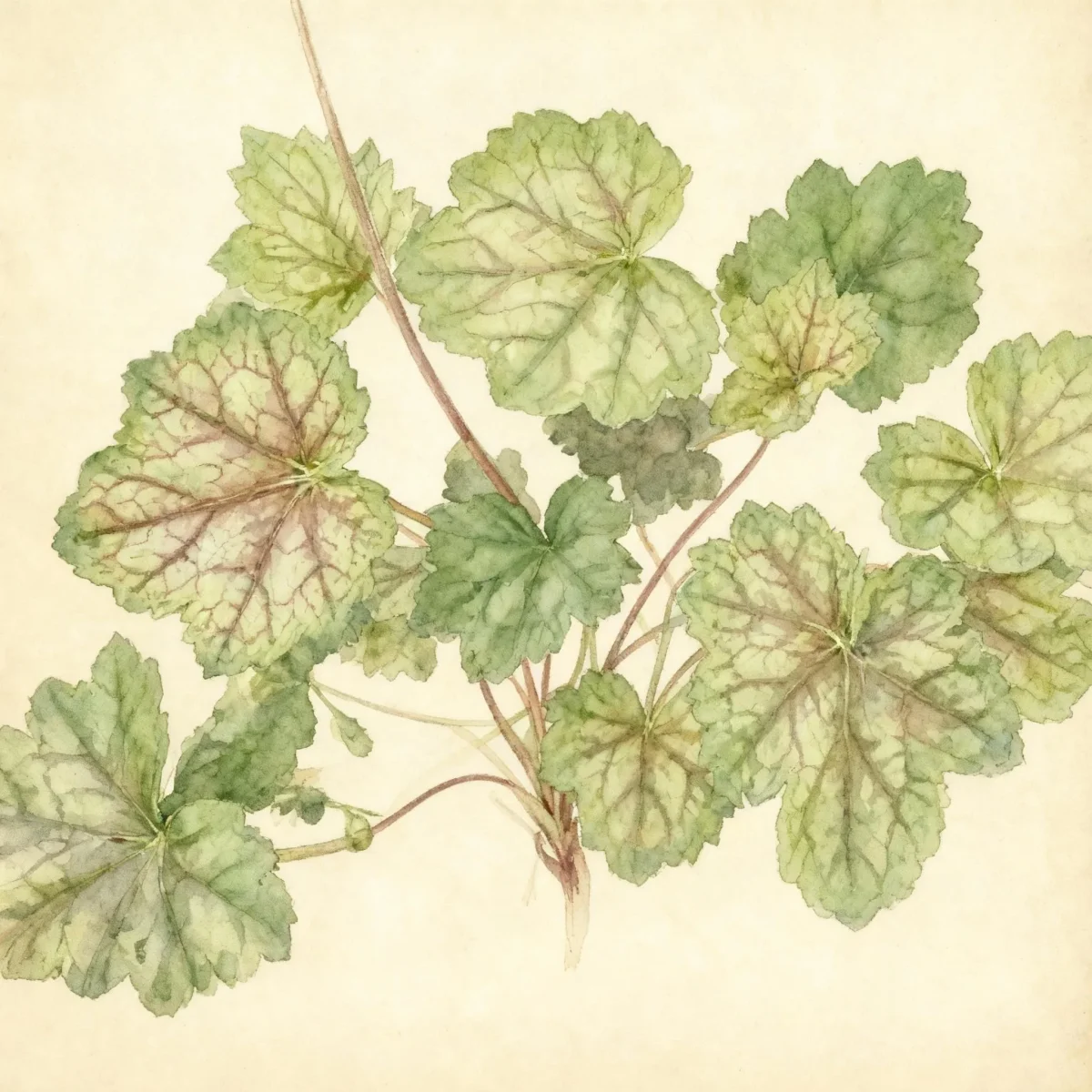
Coral bells (Heuchera sanguinea)
Discover Heuchera sanguinea, commonly known as Coral bells. This perennial thrives in zones 3-8, offering deep pink to red blooms perfect for borders.
Scroll down to discover growing tips, care requirements, companion plants, and more
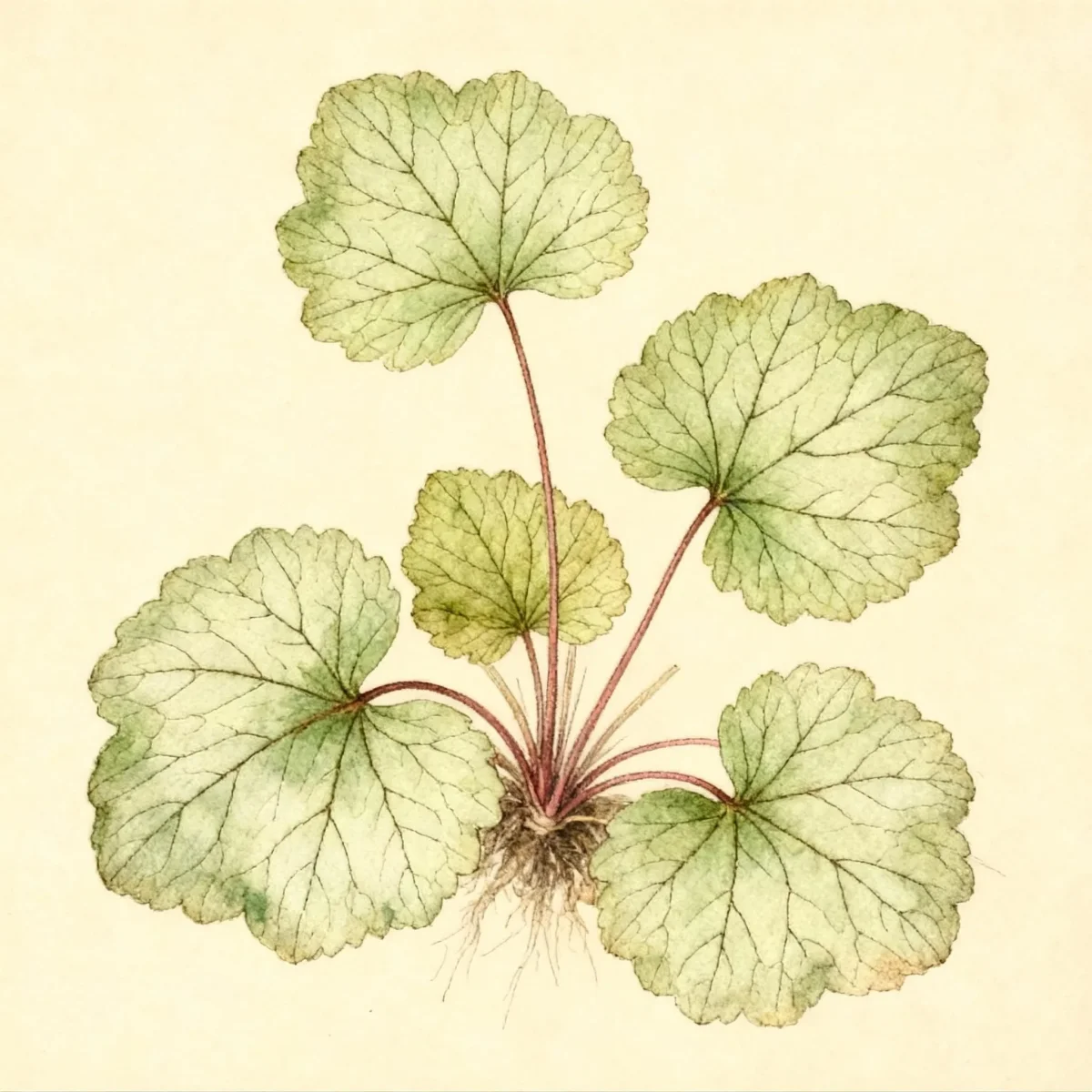
Complete Plant Information
Overview
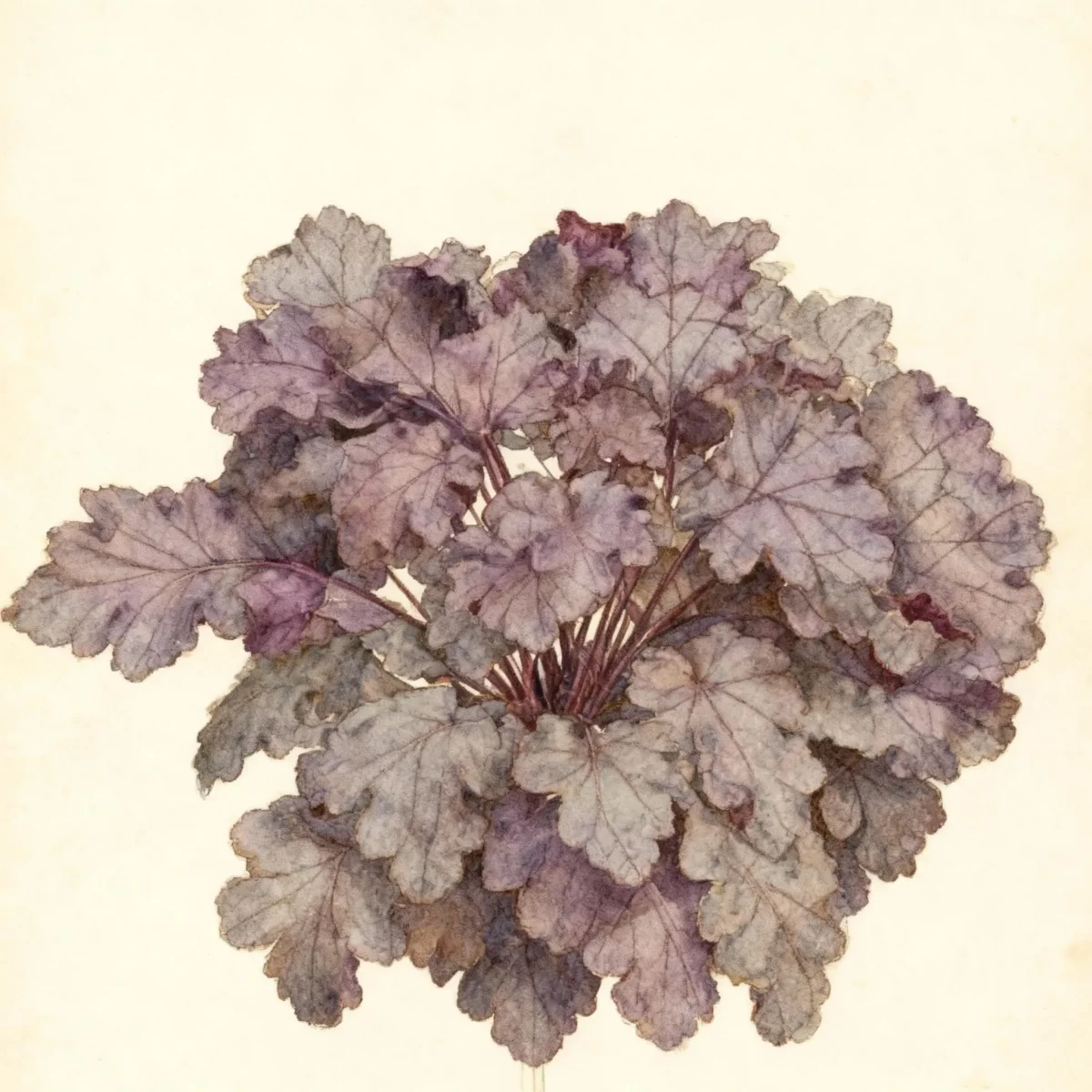
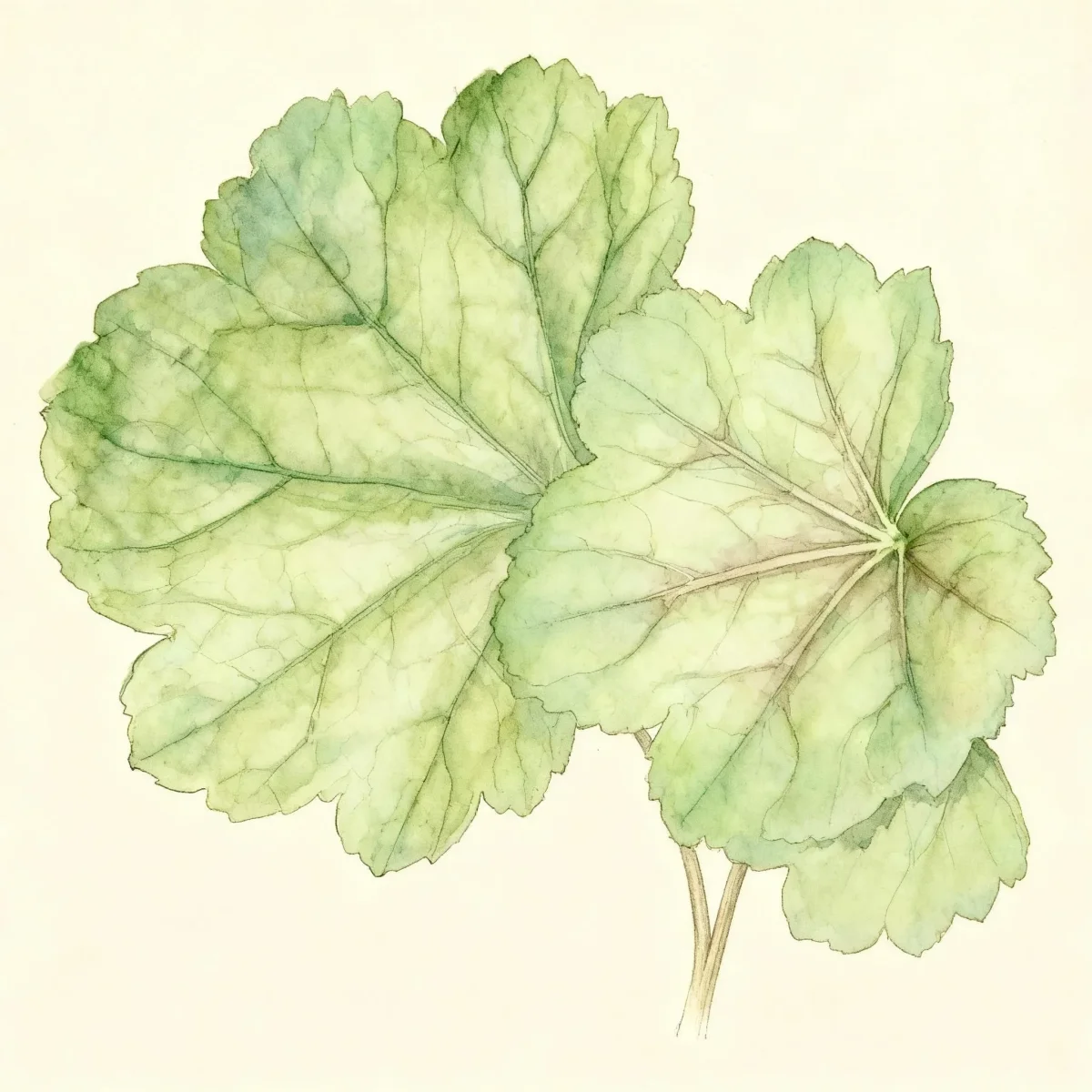
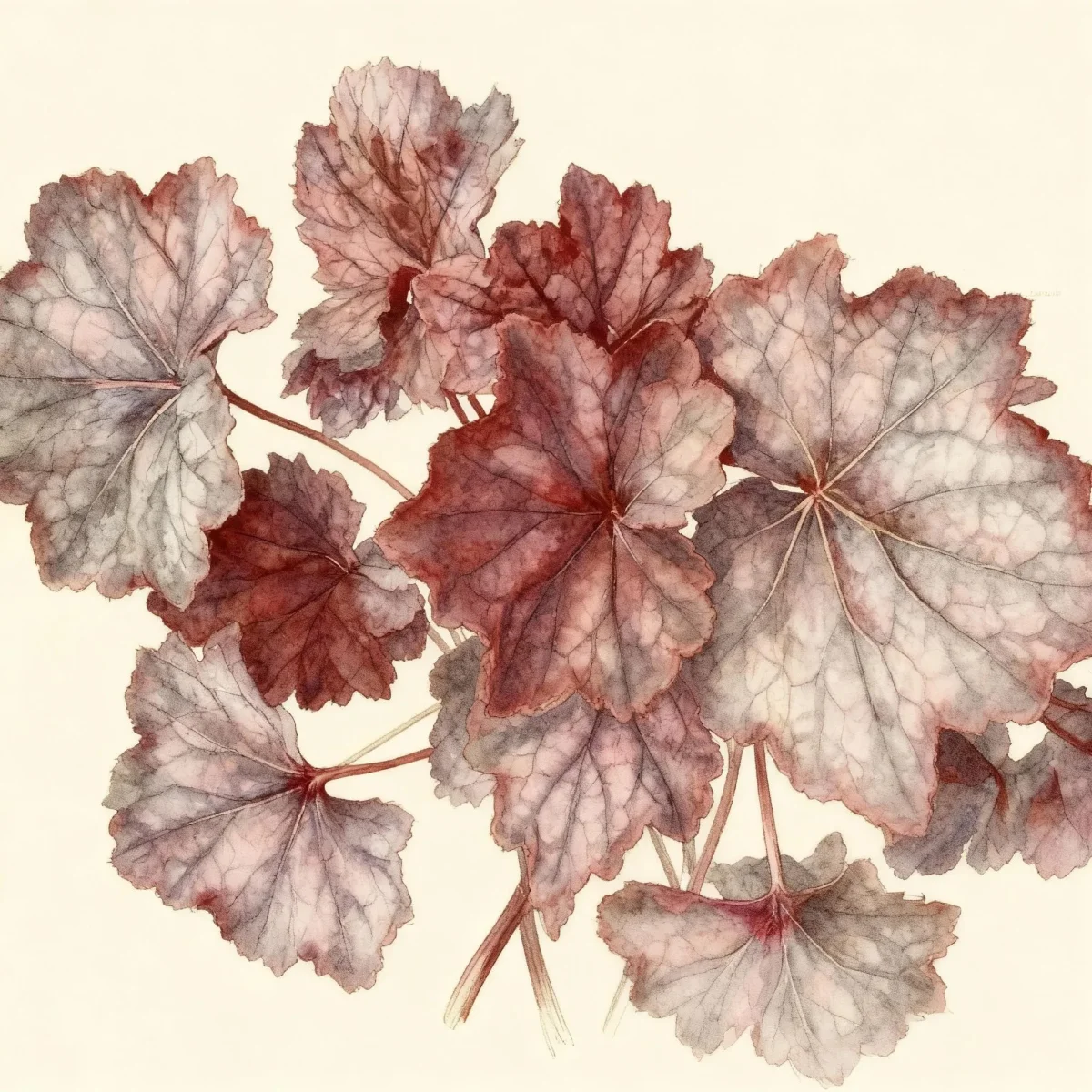
Heuchera sanguinea, widely recognized as Coral bells, is a classic herbaceous perennial valued for its delicate, yet vibrant floral display. Native to the cliffs and alpine areas of the Western United States, this plant forms attractive basal mounds of foliage, providing structure even when not in bloom. Gardeners appreciate its resilience and its ability to introduce fine texture to shaded or partially sunny garden areas.
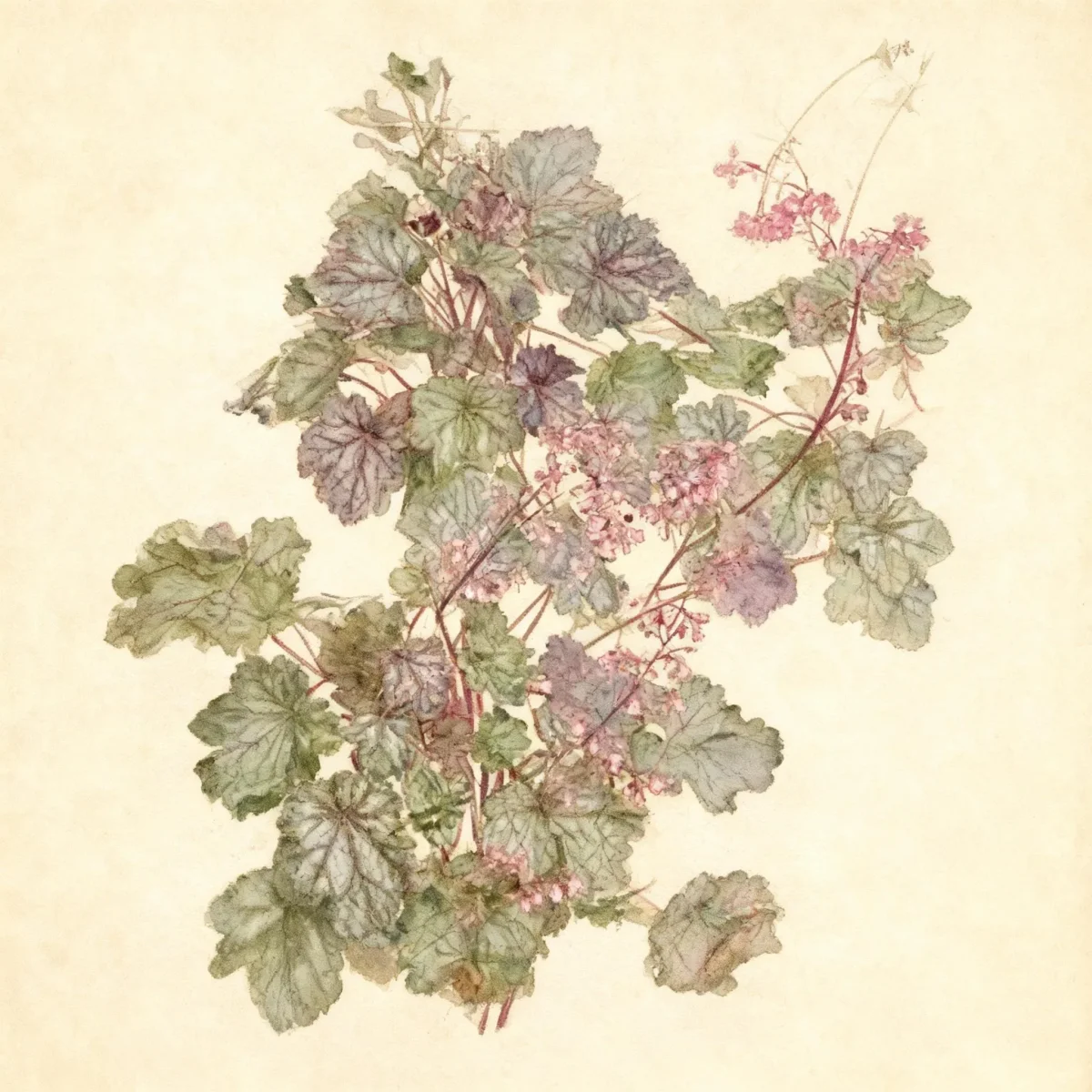
The true spectacle of Heuchera sanguinea arrives in late spring when slender, leafless stems rise above the mound, bearing airy panicles of bell-shaped flowers. These blooms, typically deep pink to red, are highly attractive to hummingbirds, adding dynamic activity to the late spring and early summer garden. The genus name honors Johann Heinrich von Heucher, cementing the historical significance of these garden favorites.
While many modern cultivars focus solely on diverse foliage colors, the straight species, Coral bells, remains a garden mainstay due to its charming native habitat adaptation and its reliable performance in well-drained, humusy soils. Understanding its specific cultural needs ensures a healthy clump that rewards yearly with its namesake crimson bells.
Fast Facts
- Plant Family: Saxifragaceae
- Plant Type: Herbaceous perennial
- Native Range: Western United States
- Hardiness Zones: USDA Zones 3-8
- Size at Maturity:
- Height: 1-1.5 ft
- Spread: 0.75-1 ft
- Bloom Time: May to June
- Bloom Description: Deep pink to red
- Sun Exposure: Full sun to part shade
- Water Needs: Medium
- Maintenance Level: Medium
How to Grow
Heuchera sanguinea is best planted in the spring, establishing a location that mimics its native rocky, hilly environment. Aim for humusy, organically rich, and most importantly, well-drained soil. This plant performs well in rocky soils but must be protected from heavy clay which can impede drainage. Site selection should factor in climate: full sun is favored in cool northern zones, but plants in hot southern climates benefit greatly from protection from intense afternoon shade, which helps prevent leaf scorch.
Watering requirements are medium; consistency is key. If grown in full sun, ensure that soils are never allowed to completely dry out, as desiccation leads to foliage decline. In colder regions, like those around St. Louis, apply a winter mulch only after the ground has frozen solid to prevent root heaving caused by fluctuating winter temperatures.
Maintenance for Coral bells is relatively straightforward. Deadhead faded flower stems regularly to encourage sporadic blooming that may extend into the early fall. Clumps benefit from division every three to four years in the spring to maintain vigor. If you wish to propagate, straight species plants can be successfully grown from seed.
Landscape Uses
The architecture and consistent color of Heuchera sanguinea make it an incredibly versatile landscape component. As a showy, long-blooming perennial, it excels when massed or grouped in beds and borders, providing excellent textural contrast against broader-leafed plants. Its moderate size, reaching up to 1.5 feet tall and wide, lends itself perfectly to use as an effective edger along walkways or garden paths where its flower spires can be easily admired.
Beyond traditional borders, Coral bells thrive in specialized settings. They are excellent additions to rock gardens, echoing their native preference for stony or alpine conditions. They also integrate seamlessly into open woodland gardens, especially where dappled sun conditions can be maintained. Furthermore, mature basal mounds are substantial enough to look impressive when grown individually or in groups in containers throughout the season.
When designing, pair the fine texture of the flower stalks and the rounded basal leaves of Heuchera sanguinea with bold foliage plants or spring-flowering bulbs whose fading foliage will be masked by the emerging Coral bells. Their airy blooms draw the eye upward, adding vertical interest to low-growing groundcovers.
Flower Qualities
- Showy
Noteworthy Characteristics
Heuchera sanguinea, commonly called coral bells, is an herbaceous, clump-forming perennial primarily native to cliffs, hills and alpine areas from New Mexico and Arizona south into northern Mexico. Mature plants typically forms a basal foliage mound to 8-10” tall and 12” wide. Showy, sweetly fragrant, bell-shaped, deep pink to red flowers bloom from late spring to early summer atop slender flowering stems rising above the foliage, attracting hummingbirds beautifully. Genus name honors Johann Heinrich von Heucher, while the specific epithet means blood-red.
Tolerances
No specific tolerance data was provided as a list, but cultural notes indicate performance in rocky soils and evergreen foliage retention in warm climates.
Potential Problems
Heuchera sanguinea generally boasts a clean bill of health regarding pests and diseases, with no serious issues commonly reported. The primary cultural concern relates to winter conditions. Frost heaving—where the freezing and thawing cycle causes the roots to be lifted out of the soil—can occur, especially when winter temperatures fluctuate widely.
To mitigate the risk of root heaving, gardeners in cold winter climates should apply a consistent layer of winter mulch once the ground is fully frozen. This insulates the soil and reduces the dramatic temperature swings that cause the heave. Consistent moisture during the growing season is also critical, particularly in sunny exposures, as dried-out soil contributes to stress and foliage decline.
Frequently Asked Questions
What hardiness zones is Coral bells suitable for?
Heuchera sanguinea is winter hardy across a wide range, suitable for USDA Zones 3 through 8.
How large does Coral bells grow?
Mature plants typically form a basal mound reaching 1 to 1.5 feet in height, with a spread between 0.75 and 1 foot.
What sun exposure does Coral bells need?
This plant tolerates full sun, especially in cooler northern climates, but prefers part shade, particularly in locations where it can avoid the intense heat of the afternoon sun.
When does Coral bells bloom?
Coral bells generally begins flowering from May to June, displaying its signature deep pink to red, bell-shaped blossoms.
Conclusion
Heuchera sanguinea, the classic Coral bells, offers gardeners a resilient, medium-maintenance perennial celebrated for its airy, hummingbird-attracting summer blooms. Its ability to adapt from sunny slopes to partially shaded beds makes it a flexible cornerstone for any rock garden or border design. Before planting, confirm that your site offers the medium moisture and well-drained soil conditions necessary for the best display of this treasured Western native.
Companion Planting
Companion planting around Heuchera sanguinea should focus on species that share similar needs for well-drained, humus-rich soil and preferences for sun to part-shade exposure. Consider pairing Coral bells with low-growing spring bulbs like Daffodils (Narcissus); the Coral bells foliage will emerge just as the bulb foliage begins to yellow, providing attractive cover.
For textural contrast beneath its fine, airy flowers, utilize plants with broader, darker leaves. Hostas (in shadier spots), small ferns, or groundcovers like Vinca minor work well to frame the mound of Heuchera sanguinea. In sunnier spots, integrate plants that enjoy similar drying periods once established, such as certain Sedums or creeping Thyme, creating a delightful, textured mixed border.
Wildlife Benefits
The primary wildlife attribute of Heuchera sanguinea is its intense attraction to pollinators, specifically hummingbirds. The small, tubular, deep pink to red flowers are perfectly shaped for these tiny avian visitors, providing a crucial nectar source during late spring and early summer.
By planting clumps of Coral bells, gardeners create reliable feeding stations. For gardeners aiming to maximize beneficial life in the landscape, ensure the flowers are allowed to mature fully, though deadheading faded stems can sometimes encourage a small repeat burst of bloom extending the wildlife benefit later into the season. The dense basal foliage also offers minimal low-level shelter for ground-dwelling insects.