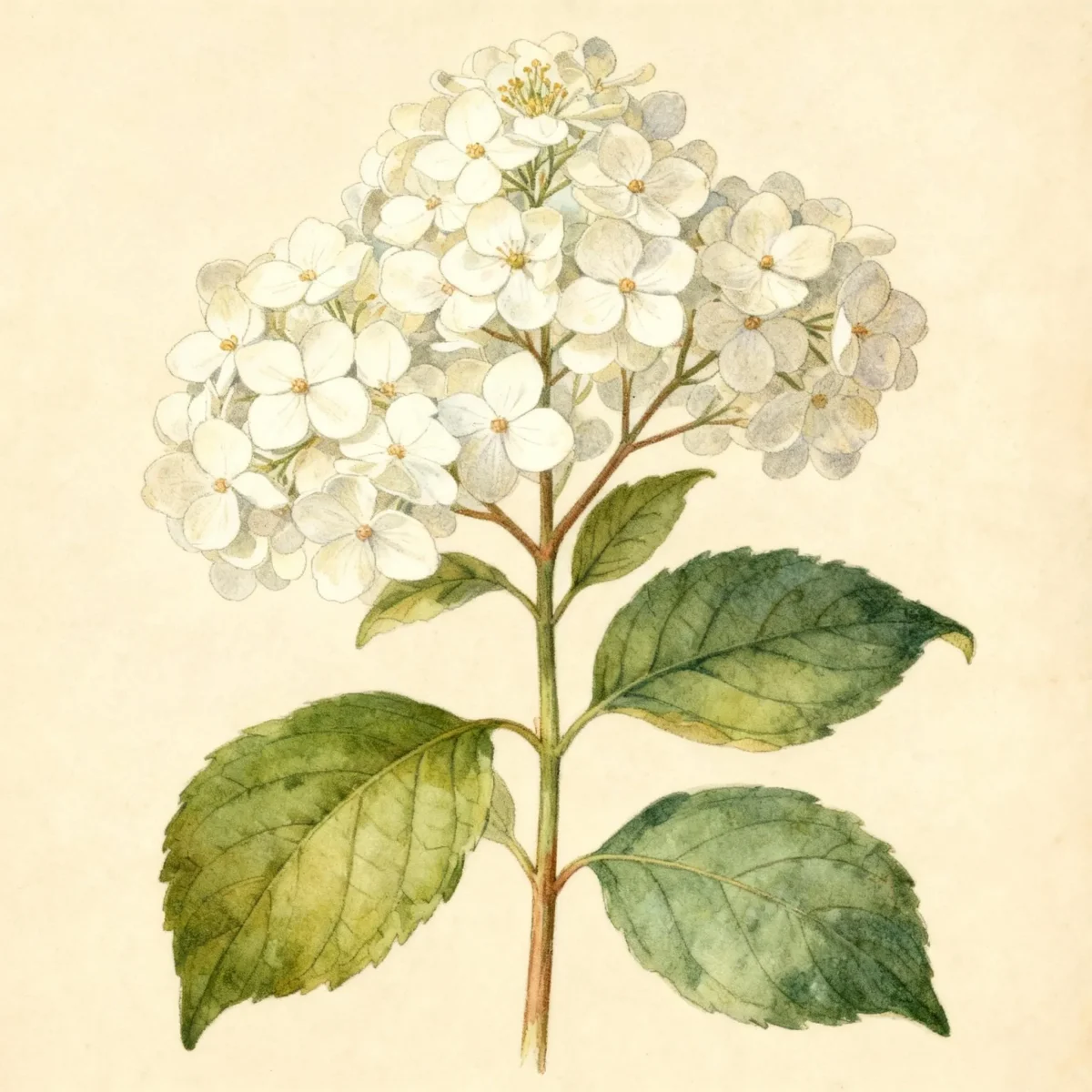
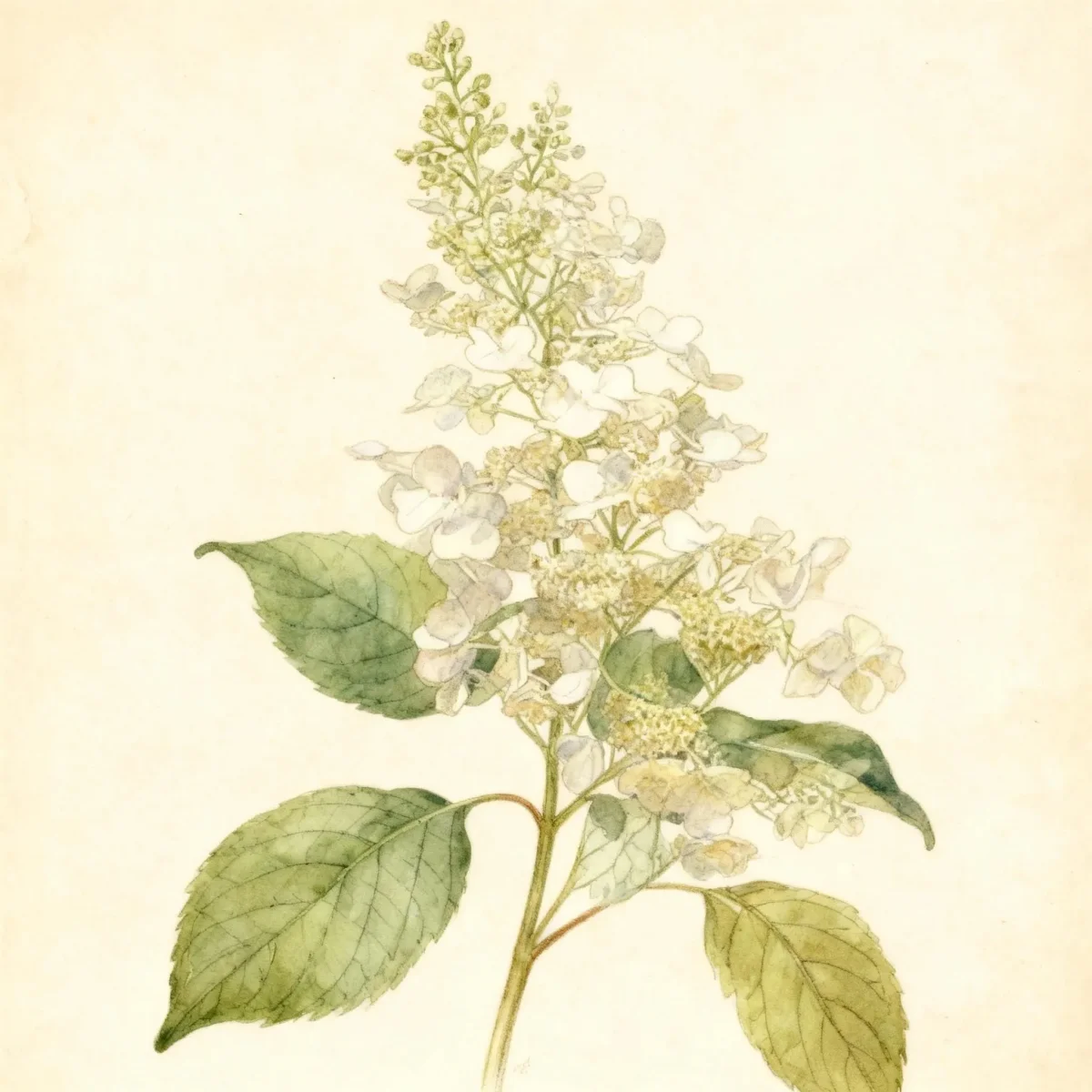
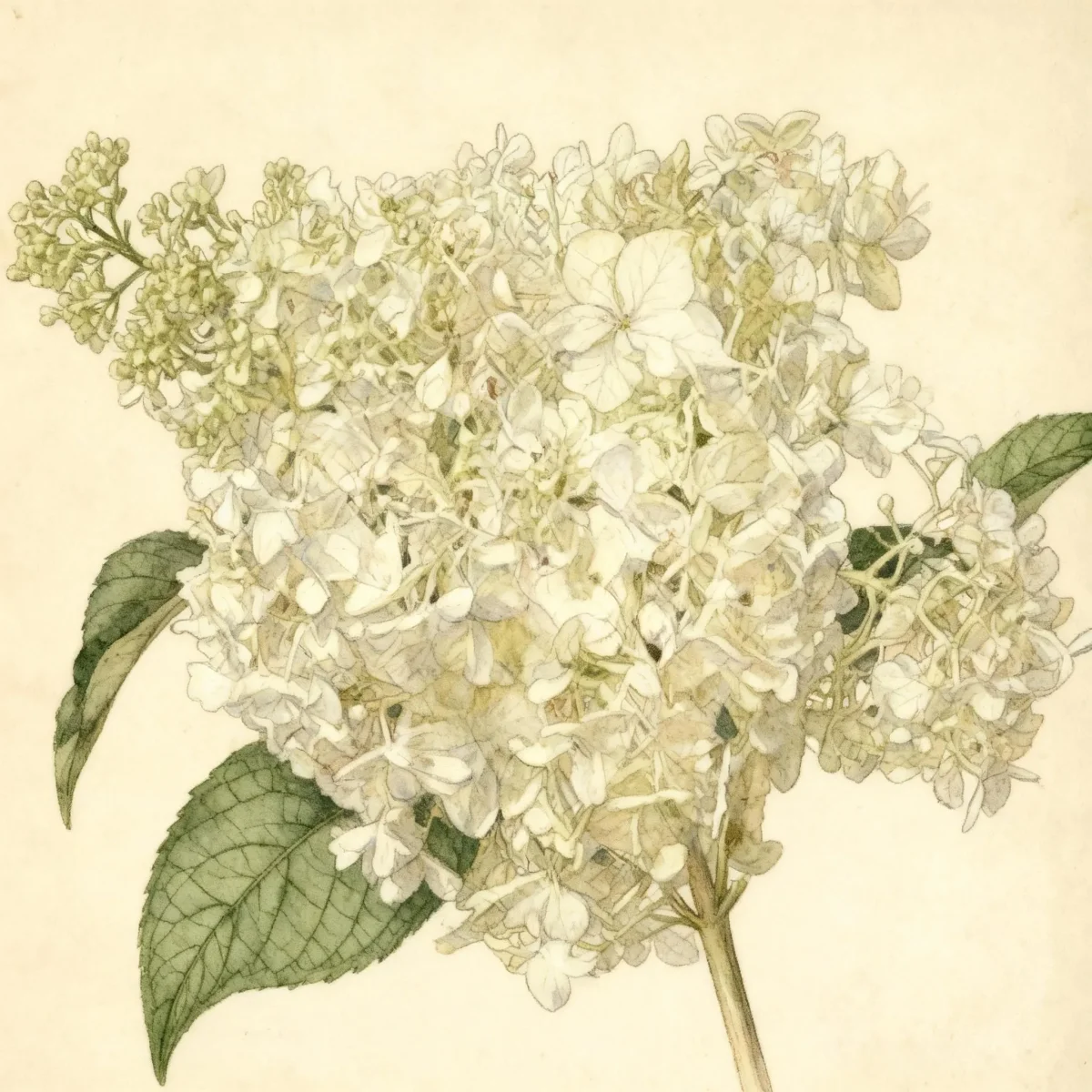
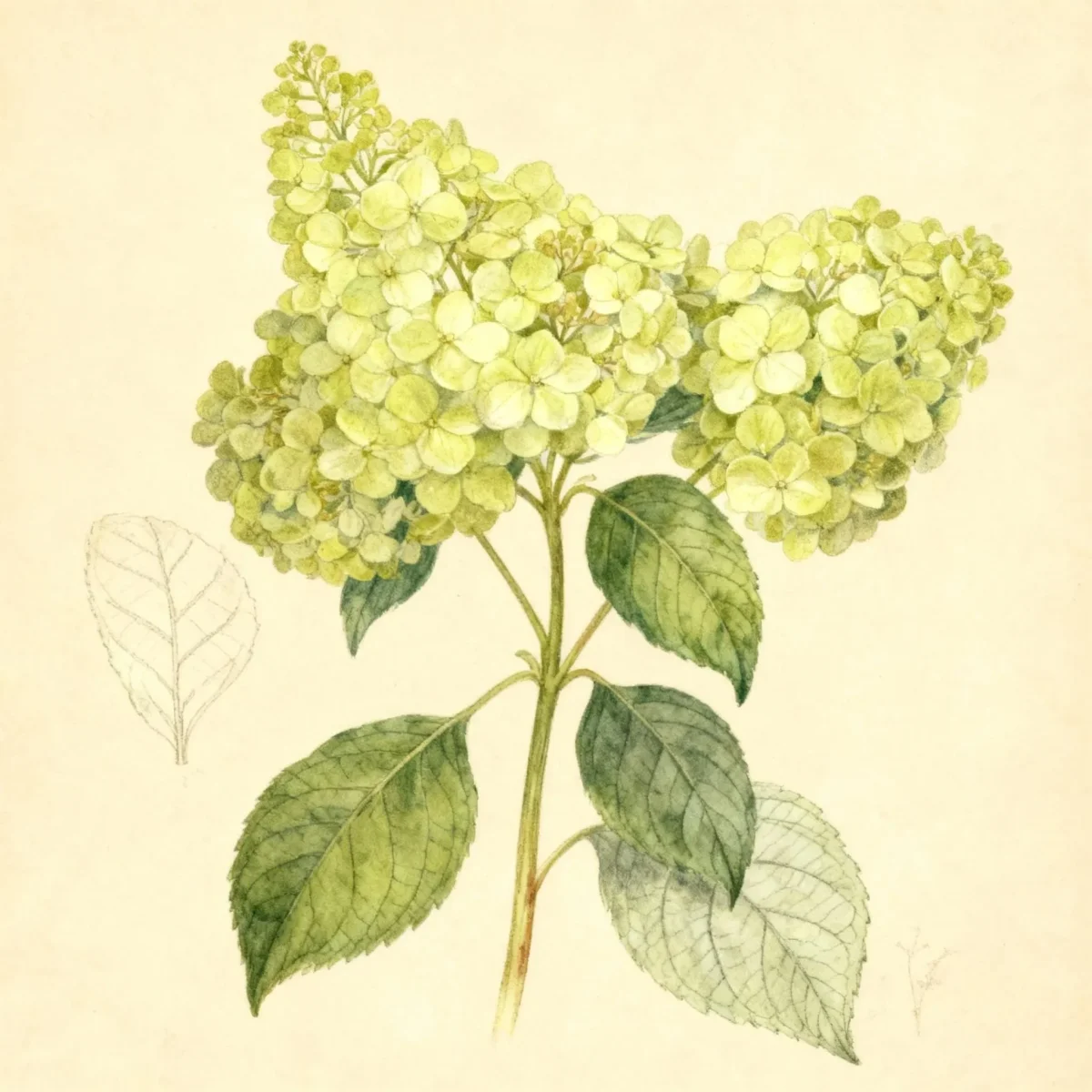
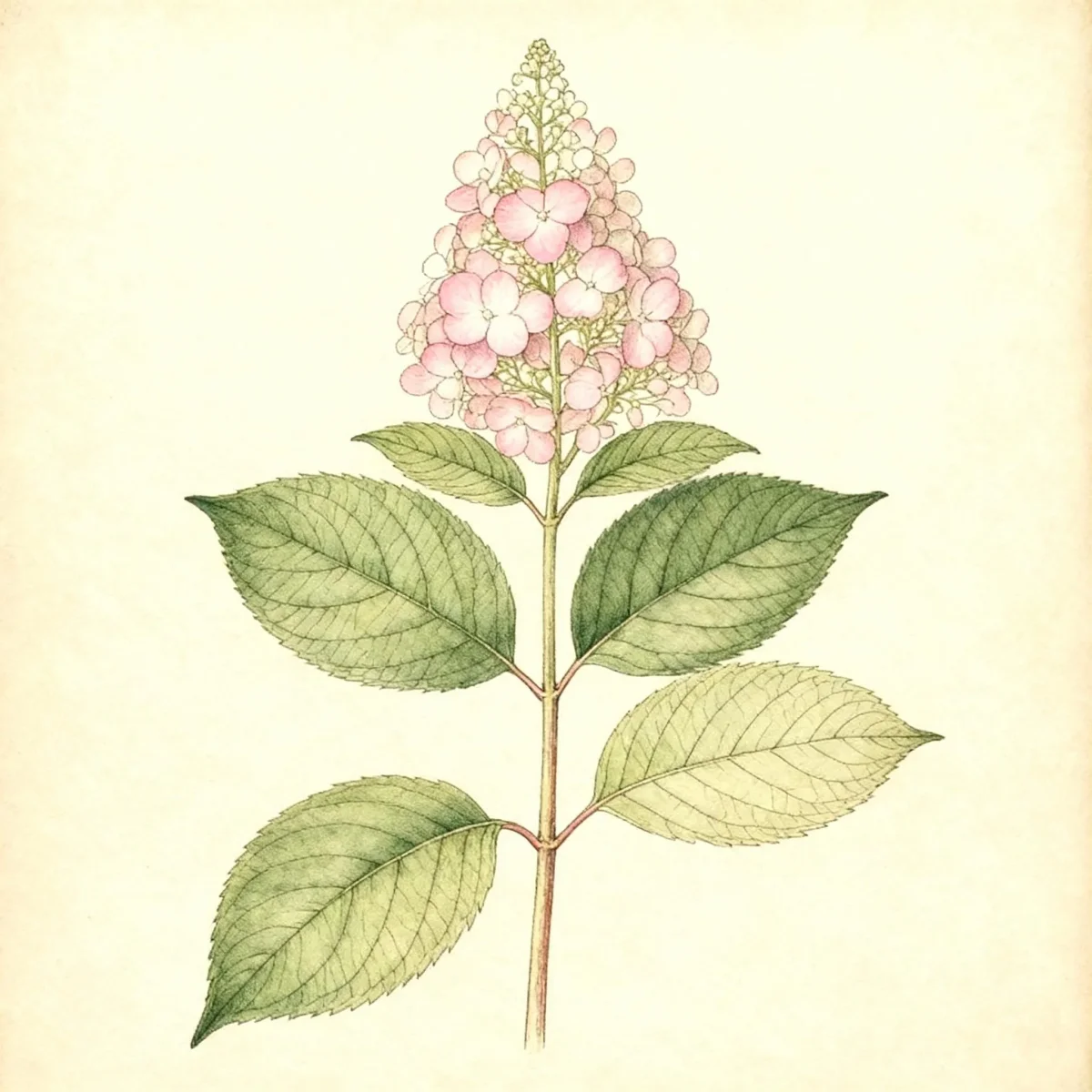
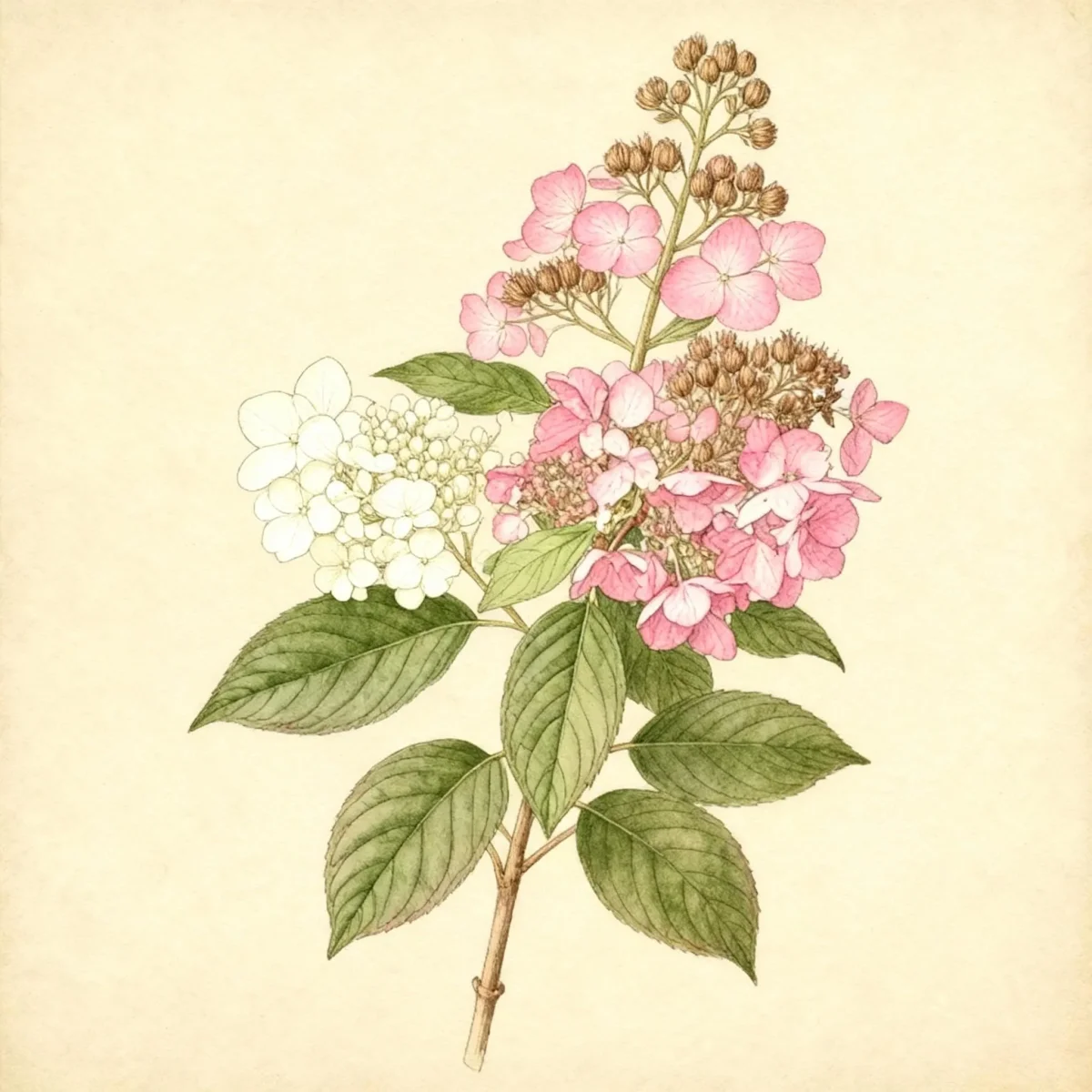
Panicle hydrangea (Hydrangea paniculata)
Discover Hydrangea paniculata, the vigorous Panicle hydrangea, offering white summer blooms and exceptional hardiness in zones 3-8.
Scroll down to discover growing tips, care requirements, companion plants, and more
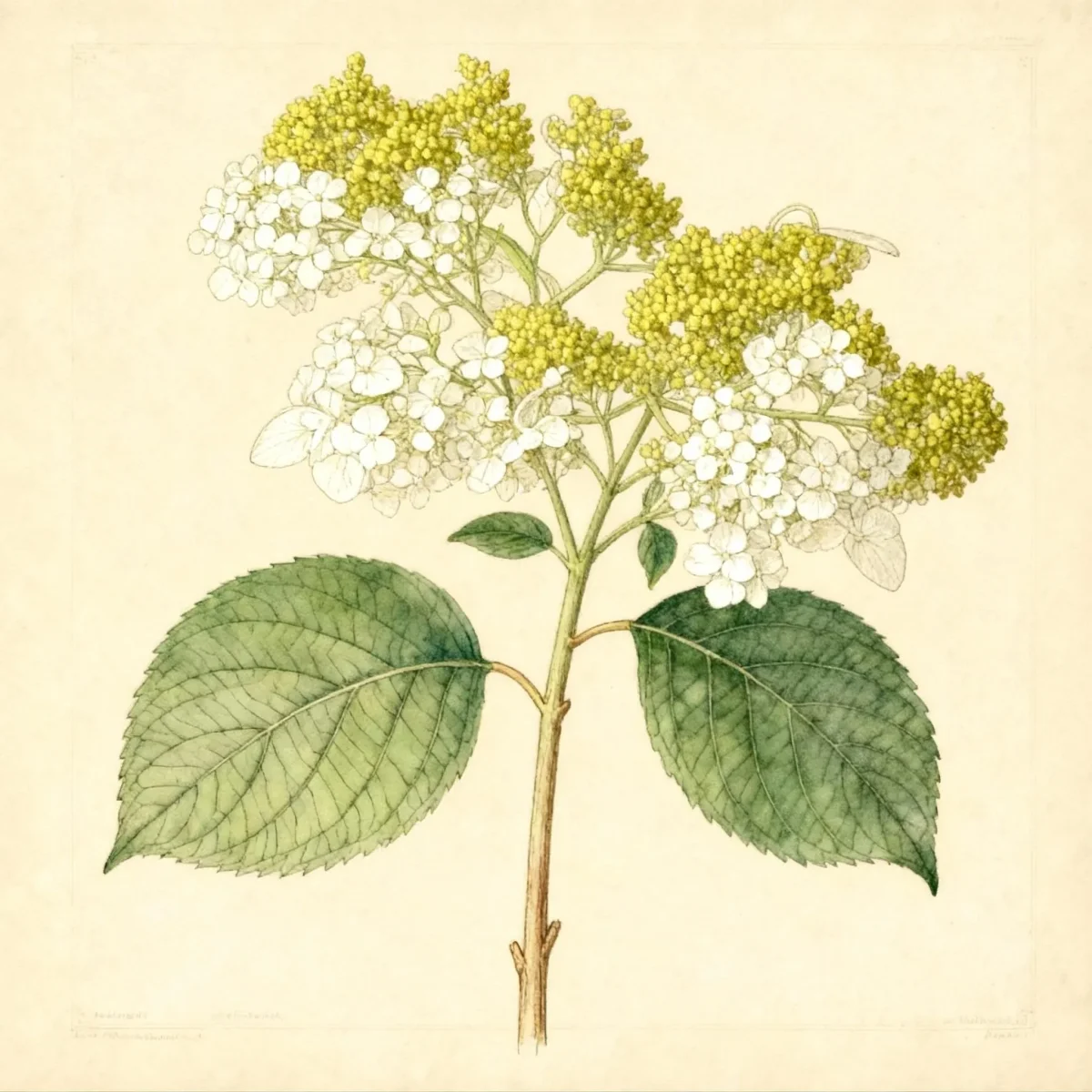
Complete Plant Information
Overview
The Panicle hydrangea, scientifically known as Hydrangea paniculata, stands out as one of the most reliable and vigorous ornamental shrubs available to gardeners. This deciduous shrub is prized for its upright growth habit and its ability to produce stunning, conical flower panicles starting mid-summer, extending color well into the fall when many other flowering plants are fading. As one of the most winter-hardy hydrangeas, the Hydrangea paniculata thrives across a wide range of climates.
Native to eastern Asia, the charm of this plant lies not only in its abundant white blooms but also in its adaptability. It performs well in diverse urban settings and can be managed as a large shrub or even selectively trained into a small, attractive tree form. Its robust nature makes the Panicle hydrangea a functional and highly decorative addition to almost any landscape design.
Gardeners value the Hydrangea paniculata for its predictable performance and manageable stature within its preferred zones. Whether used as a screen, a specimen, or integrated into a mixed border, this shrub provides substantial texture courtesy of its dark green foliage and reliable color display throughout the warm season.
Fast Facts
- Plant Family: Hydrangeaceae
- Plant Type: Deciduous shrub
- Native Range: Eastern and southern China, Japan, Sakhalin, Kuril Island
- Hardiness Zones: USDA Zones 3-8
- Size at Maturity:
- Height: 8-15 ft
- Spread: 6-12 ft
- Bloom Time: July to September
- Bloom Description: White
- Sun Exposure: Full sun to part shade
- Water Needs: Medium
- Maintenance Level: Medium
How to Grow
Planting the Panicle hydrangea should ideally occur in spring or fall when conditions stabilize. Select a location that receives full sun to part shade; while it tolerates sun, afternoon shade can be beneficial during the hottest parts of the summer. Hydrangea paniculata thrives when planted in organically rich, medium moisture, well-drained soils. Proper soil preparation is key to establishing this vigorous grower.
Ongoing care for this dependable shrub is moderately involved. Maintain medium moisture levels, especially when young. This species blooms on new wood, which simplifies pruning significantly. Prune as needed to maintain shape in late winter or early spring before new growth begins. Larger, more dramatic flower panicles are achieved by thinning the plant down to 5 to 10 strong primary shoots annually.
Be aware that while beautiful, the weight of the flower panicles in full bloom will naturally cause the branches to arch downward, creating a graceful silhouette. This characteristic is often desired but should be considered when placing the plant near pathways. Because this is among the most winter-hardy hydrangeas, major winter protection is rarely necessary outside of the coldest edges of its range.
Landscape Uses
The versatility of the Panicle hydrangea makes it an excellent choice for structured and relaxed designs alike. As suggested, it performs exceptionally well when utilized as a formal or informal Hedge, providing a dense screen that flowers late in the season, filling a common seasonal gap when other deciduous plants stop blooming. Furthermore, Hydrangea paniculata functions splendidly as a bold specimen plant on a lawn or placed as an accent against architectural structures.
For mixed borders, consider pairing the Hydrangea paniculata with evergreen shrubs to provide winter structure, or with late-summer perennials like hardy ornamental grasses or asters that share similar sun and soil requirements. The upright habit of the Panicle hydrangea contrasts beautifully with mounding groundcovers or lower-growing shrubs, creating layered interest.
Its adaptability extends to woodland gardens, where it can provide reliable brightness under dappled light conditions. If training it into a tree form, allow the lower branching to thin naturally or prune strategically to lift the canopy, showcasing its beautiful bark and structure during winter months.
Standout Features
Flower Qualities
- Showy
Noteworthy Characteristics
Hydrangea paniculata, commonly called panicle hydrangea, is a vigorous, upright, rapid-growing, somewhat coarsely textured, deciduous shrub that is native to China and Japan. It typically grows to 8-15’ tall, featuring dark green leaves and upright, conical, terminal flower panicles that bloom from mid-summer into fall. The specific epithet paniculata highlights the characteristic panicle arrangement of its flowers.
Tolerances
- Air Pollution
Potential Problems
While generally robust and thriving in urban settings, Hydrangea paniculata can occasionally be affected by a few common issues. Gardeners should watch for some susceptibility to bacterial wilt, which requires immediate removal of infected parts, and various fungal issues like leaf spot, rust, and mildew. Adequate air circulation, achieved through proper pruning practices, helps mitigate fungal development.
Pest pressure is usually minimal for the Panicle hydrangea. Aphids and spider mites are the most occasional insect visitors recorded. If infestations occur, control is usually achieved easily with horticultural oil or insecticidal soap, targeting the undersides of the leaves where these pests congregate.
Frequently Asked Questions
What hardiness zones is Panicle hydrangea suitable for?
The Hydrangea paniculata is highly cold-tolerant, making it suitable for USDA Hardiness Zones 3 through 8.
How large does Panicle hydrangea grow?
This shrub typically reaches a mature height between 8 and 15 feet, with a spread ranging from 6 to 12 feet wide.
When does Panicle hydrangea bloom?
The showy white blooms appear reliably during the summer months, generally from July through September.
What sun exposure does Hydrangea paniculata need?
Hydrangea paniculata prefers a location that allows for full sun exposure, though it can adapt well to areas receiving part shade.
Conclusion
The Hydrangea paniculata remains a cornerstone of the summer landscape, delivering essential late-season color, excellent hardiness, and structural presence as a large shrub or small tree. Its relative ease of care and urban tolerance cement the Panicle hydrangea as an excellent choice for both novice and experienced gardeners. Ensure you check your local USDA hardiness zone compatibility and plan your pruning in late winter for the best display next season.
Companion Planting
For gardeners seeking harmonious plantings around their Hydrangea paniculata, selecting companions that share a requirement for medium moisture and adaptable sun exposure is key. Consider pairing it with late-flowering perennials such as Aster varieties or Sedum ‘Autumn Joy,’ which provide contrasting bloom shapes and textures later in the season. These partners help sustain visual interest around the base of the taller Panicle hydrangeas.
When placing shrubs adjacent to your Hydrangea paniculata, consider plants with different foliage habits. For instance, compact evergreens like Dwarf Mugo Pine or various types of boxwood can provide the necessary evergreen framework to contrast against the large, deciduous leaves and dramatic blooms of the Hydrangea paniculata. This creates a balanced, multi-season garden scene.
Design Ideas for Screening
Given its substantial height potential (up to 15 feet) and upright growth, Hydrangea paniculata excels in creating effective, living screens or informal hedges. Planting specimens along property lines or to mask unsightly utility boxes transforms functional necessities into beautiful garden features. Due to its tolerance for urban conditions, it is a superb choice for busy street-side plantings where other ornamentals might struggle.
When designing a staggered layered border, place the taller Hydrangea paniculata at the back of the planting bed. In front of it, use shorter, shade-tolerant shrubs if the border backs up against a foundation, or medium-height perennials that won’t obscure the lower two-thirds of the hydrangea’s trunk or basal structure. This utilizes the inherent verticality of the plant effectively.
If training the Hydrangea paniculata into a standards or tree form, the space beneath the canopy becomes usable for smaller feature plants. Consider low-growing hostas or ferns if the tree form creates significant shade, or sun-loving groundcovers if the tree canopy is sparse. This tiered approach maximizes the garden impact of this versatile shrub.