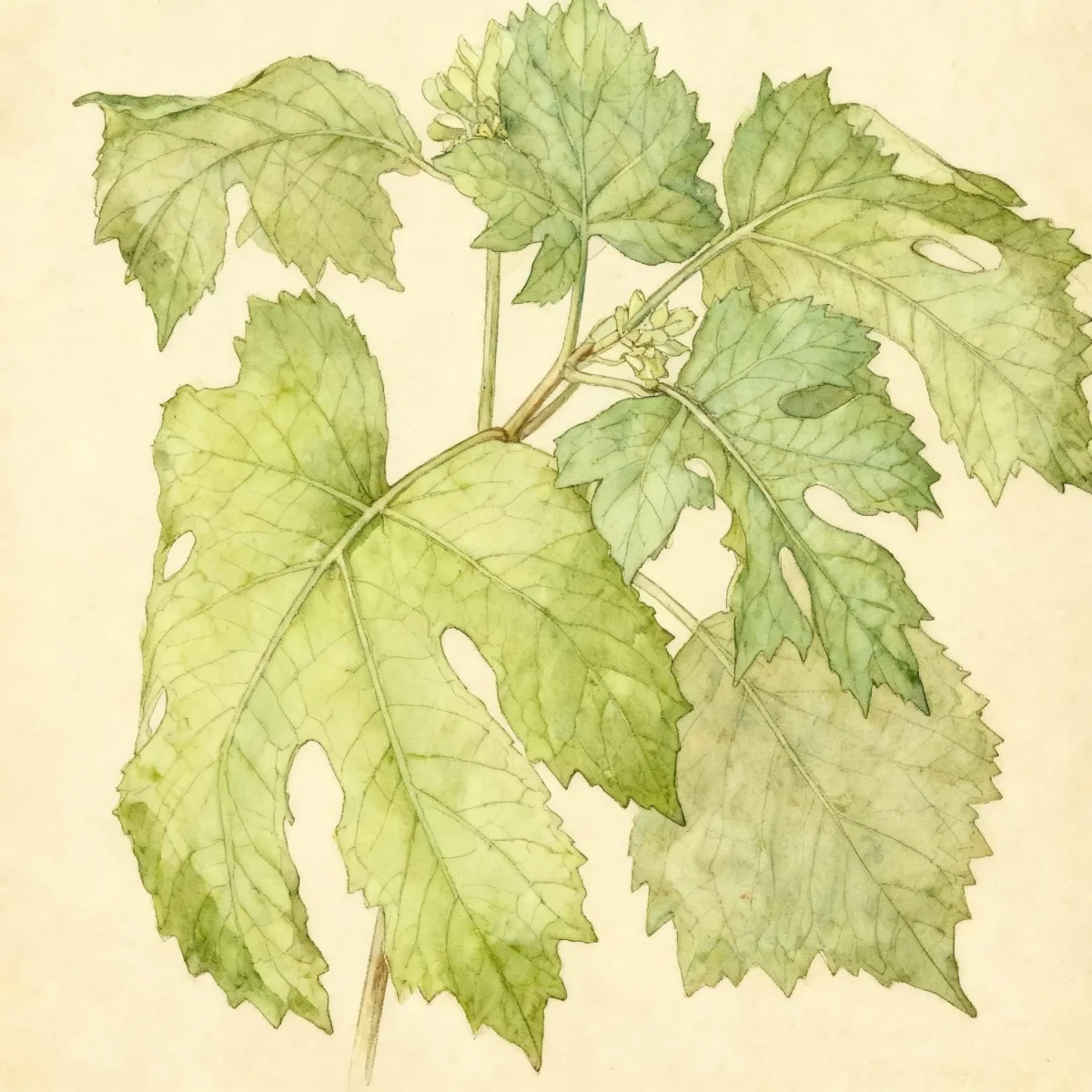
Oakleaf hydrangea (Hydrangea quercifolia)
Discover the elegant Hydrangea quercifolia, the Oakleaf hydrangea, prized for its textured foliage and summer blooms. Low maintenance and reliable.
Scroll down to discover growing tips, care requirements, companion plants, and more
Complete Plant Information
Overview
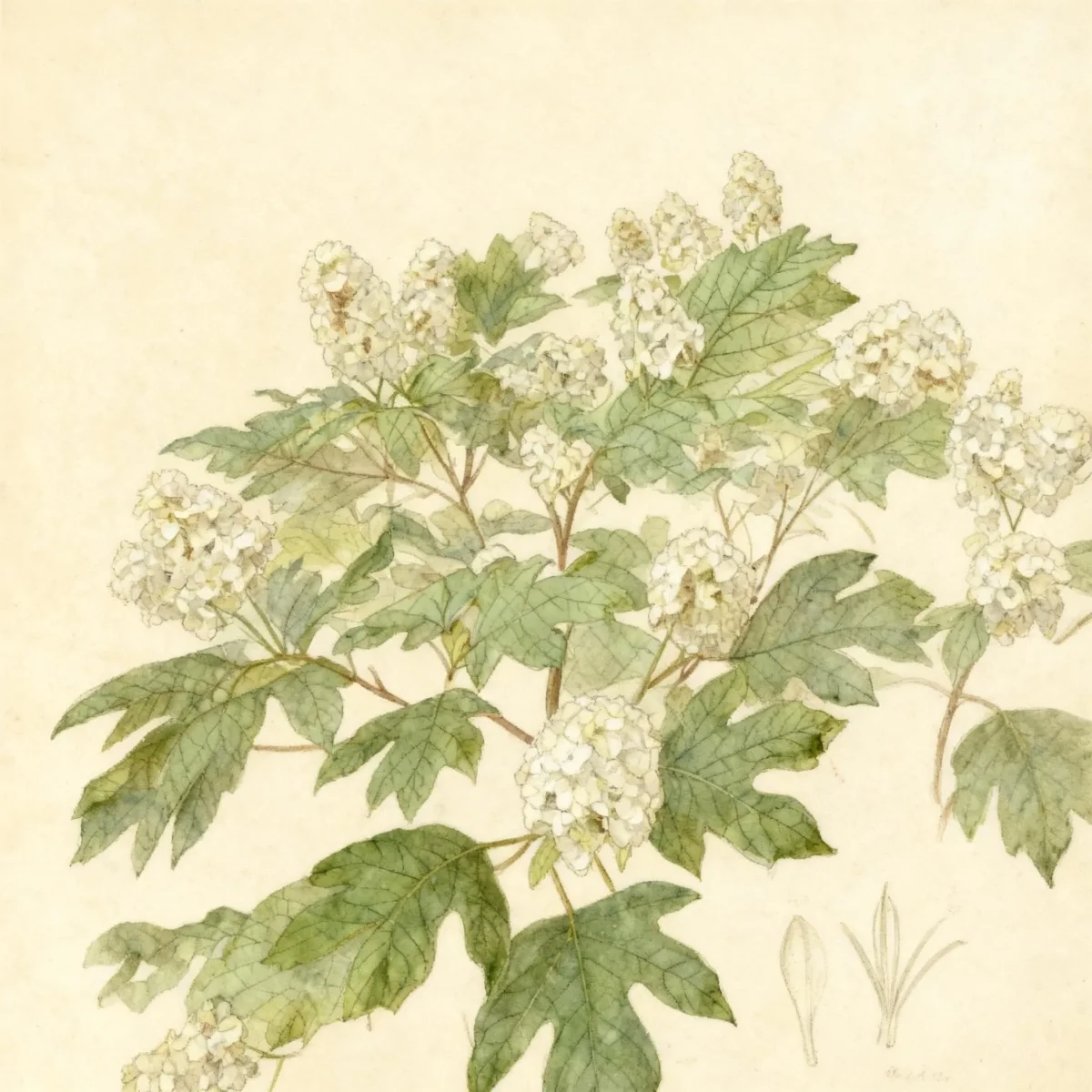
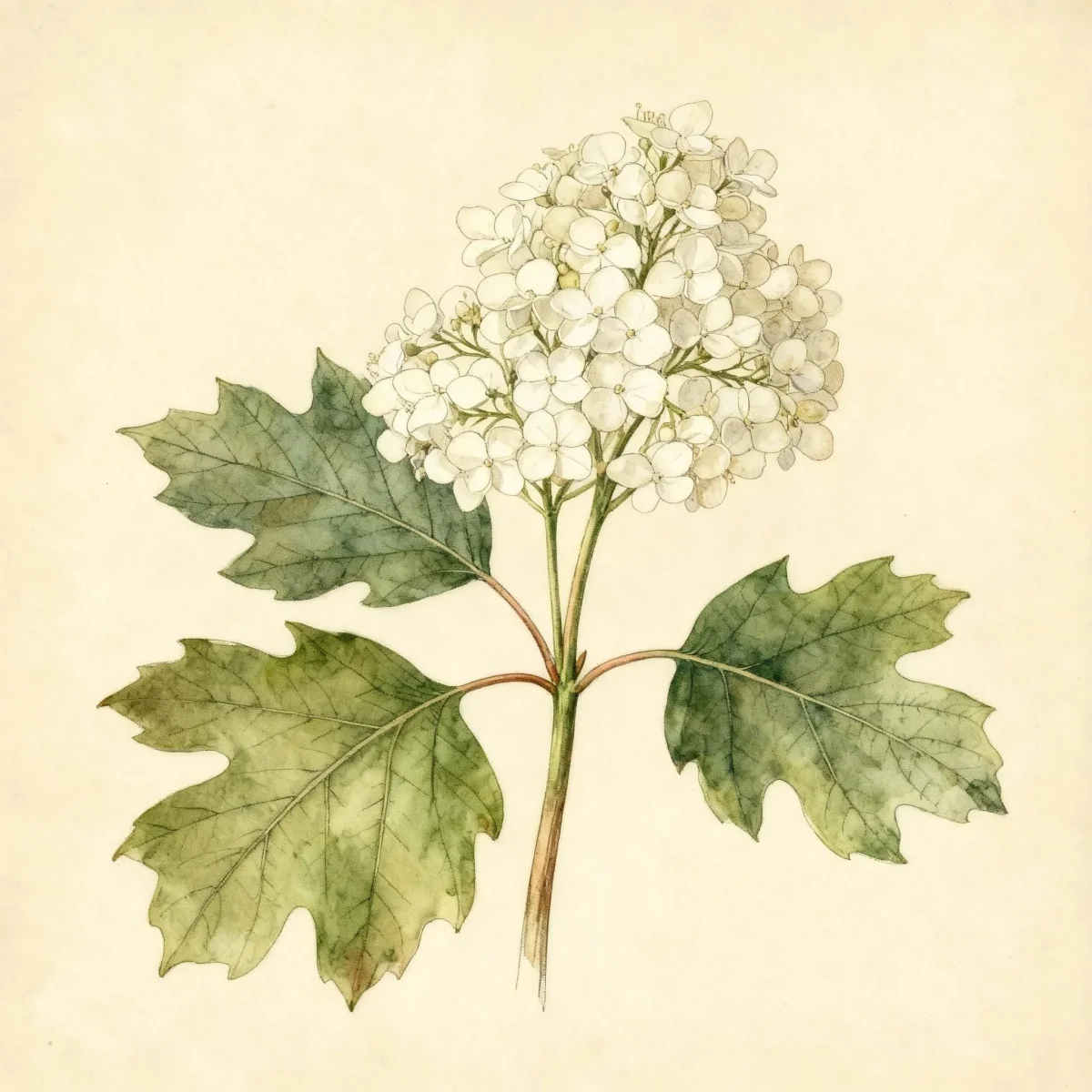
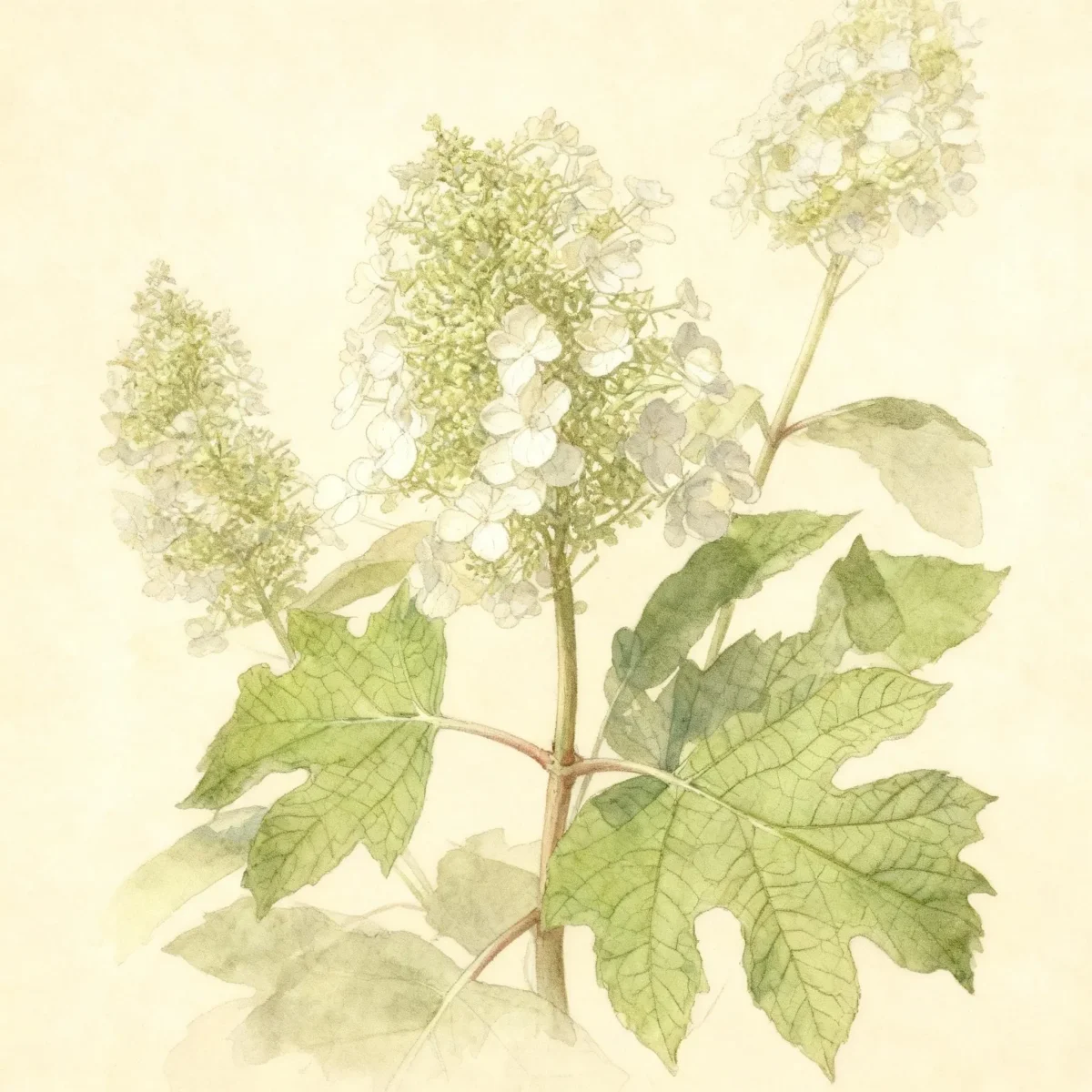
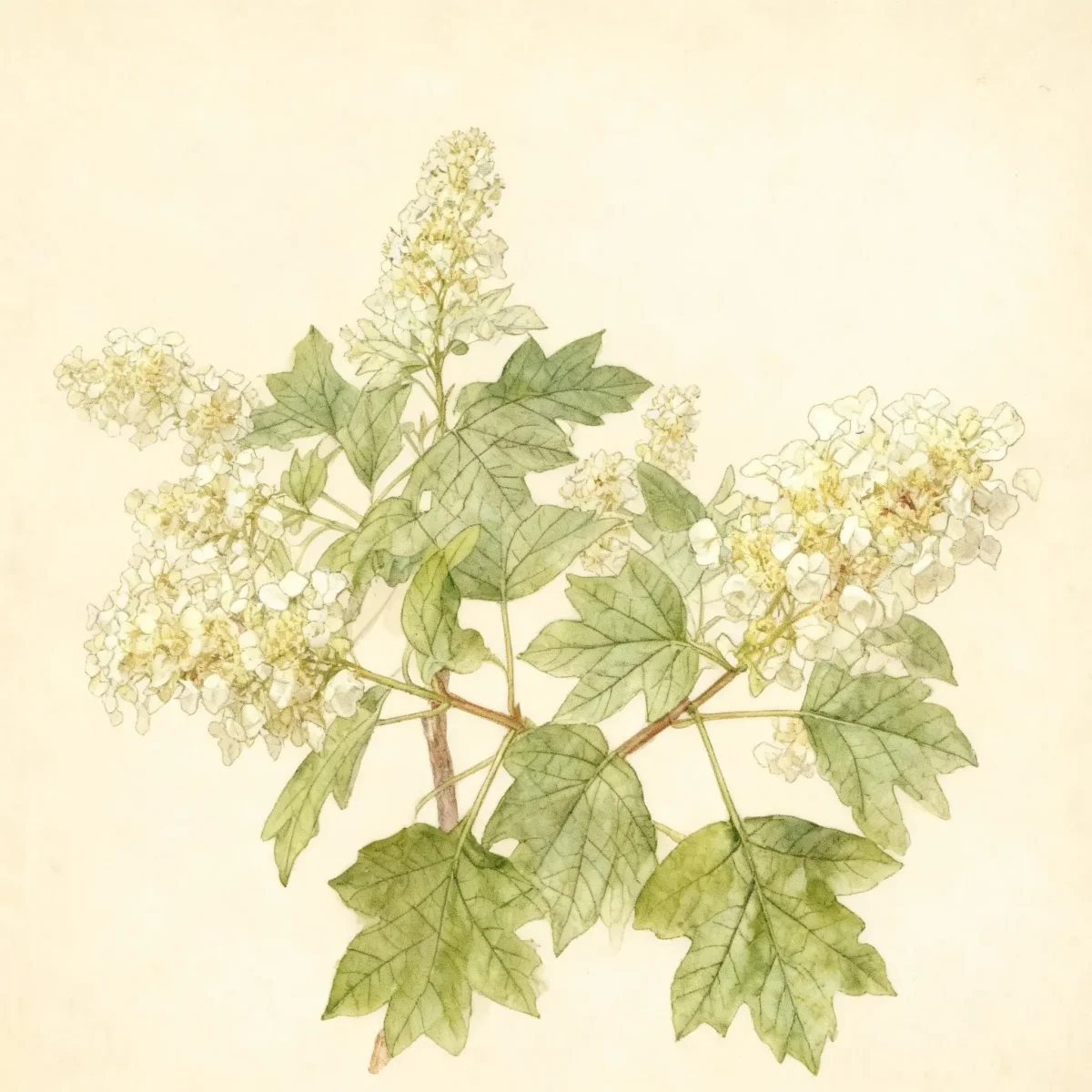
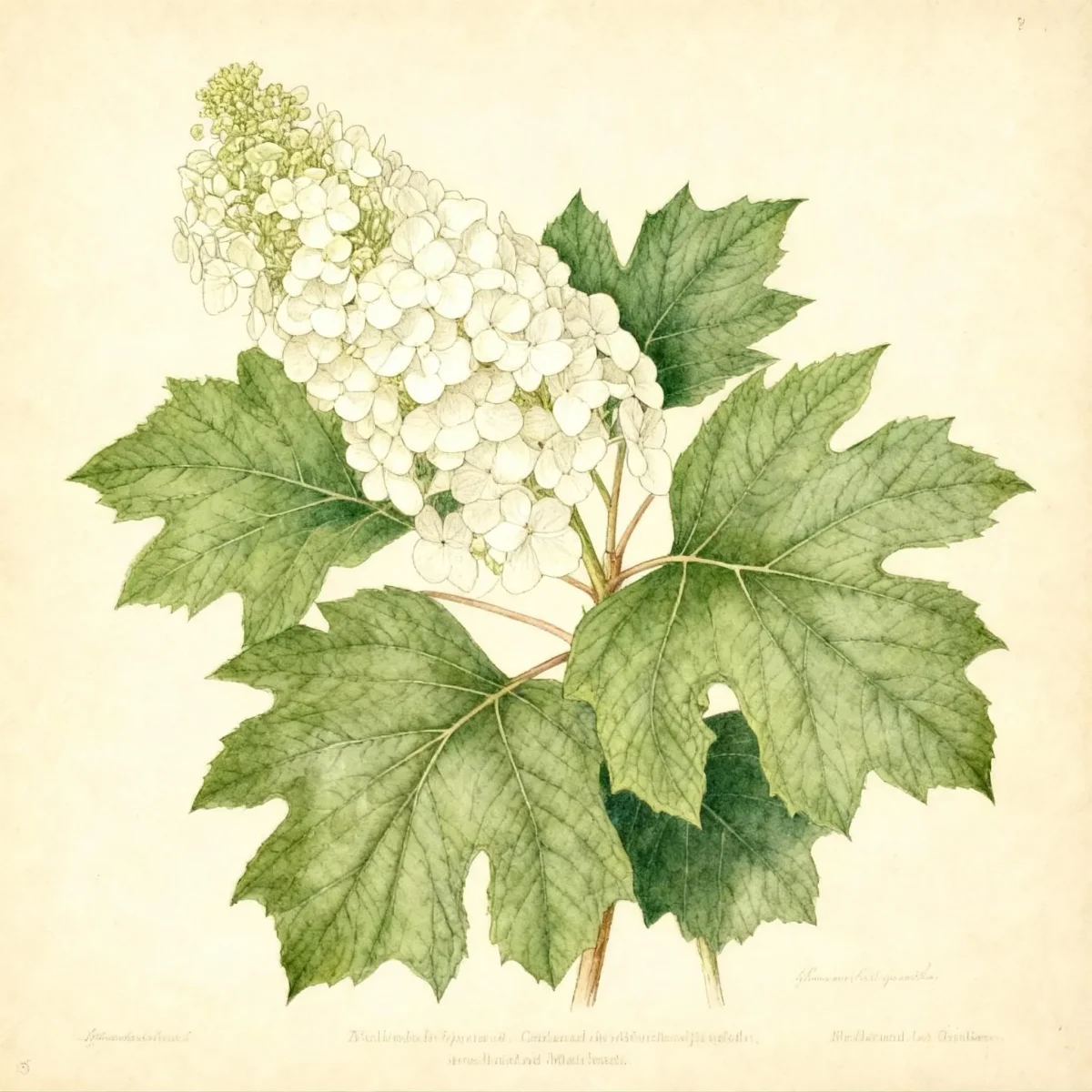
The Oakleaf hydrangea, Hydrangea quercifolia, stands out in the landscape due to its unique, deeply lobed leaves that resemble those of an oak tree—hence its common name. These leaves provide excellent texture and often turn striking shades of red or burgundy in the autumn, extending its ornamental interest beyond the flowering season. This deciduous shrub is prized for being relatively easy to care for while offering spectacular visual rewards throughout the year.
Native to the Southeastern United States, Hydrangea quercifolia typically matures into a multi-stemmed shrub reaching 6 to 8 feet tall and wide. It produces showy, upright, pyramidal panicles of white flowers in early summer that gracefully age to a rich purplish pink hue. Gardeners favor the Oakleaf hydrangea for its low maintenance needs and its ability to provide structure and exceptional year-round appeal, including interesting exfoliating bark in winter.
Fast Facts
- Plant Family: Hydrangeaceae
- Plant Type: Deciduous shrub
- Native Range: Southeastern United States
- Hardiness Zones: USDA Zones 5-9
- Size at Maturity:
- Height: 6-8 ft
- Spread: 6-8 ft
- Bloom Time: May to July
- Bloom Description: White changing to purplish pink
- Sun Exposure: Full sun to part shade
- Water Needs: Medium
- Maintenance Level: Low
How to Grow
Planting Hydrangea quercifolia is best done in the spring or fall, allowing the roots time to establish before temperature extremes. Ensure the planting location offers organically rich, well-drained soil, as this shrub thrives in consistent moisture but will not tolerate soggy conditions. While it tolerates deep shade, place your Oakleaf hydrangea where it receives full sun to part shade to maximize flowering potential.
Care for established plants centers around maintaining even moisture, especially during hot, dry periods. The plant thrives in moist soils, and applying a summer mulch is highly recommended as it helps retain essential soil moisture. Remember that bloom occurs on old wood; therefore, prune only if necessary immediately after flowering concludes in mid-summer.
For gardeners in the cooler end of its range (Zone 5), providing winter protection is crucial—especially for new plantings. This may involve applying a substantial layer of mulch around the base or using burlap wraps. Harsh winters below -10 degrees F risk flower bud loss or stem dieback, so sheltered sites are always preferred for reliable spring blooms on the Oakleaf hydrangea.
Landscape Uses
The architectural presence of the Oakleaf hydrangea makes it highly versatile, suitable for specimen planting where its exfoliating trunk structure can be appreciated in winter. It excels as an informal hedge, softening property lines, or when grouped together in shrub borders for a massive summer display. Its tendency to naturallyize slightly via suckering means it works well massed in open woodland settings near homes or patios.
Consider pairing Hydrangea quercifolia with evergreen background shrubs to highlight its dramatic seasonal foliage changes. Its tolerance for sun exposure variation allows pairing with rhododendrons or azaleas that prefer light shade, or with sun-loving grasses that complement the summer bloom. The structure provided by the Oakleaf hydrangea is also excellent for foundation plantings, offering more vertical interest than many more compact flowering shrubs.
Standout Features
Flower Qualities
- Showy
- Good Cut
- Good Dried
Noteworthy Characteristics
Hydrangea quercifolia, commonly called oakleaf hydrangea, is an upright, broad-rounded, suckering, multi-stemmed, deciduous shrub that typically grows 4-6’ (less frequently to 8’) tall. It is noted for producing large, pyramidal panicles of white flowers in summer atop exfoliating branches clad with imposing, oak-like, dark green leaves. The specific epithet quercifolia directly references these attractive leaves that resemble those of the oak genus, Quercus.
Tolerances
Potential Problems
The Oakleaf hydrangea is generally regarded as resistant to serious insect or disease issues, making it a wonderfully low-maintenance choice. However, gardeners should watch for occasional issues like leaf blight or powdery mildew, particularly if air circulation is poor or humidity is consistently high. Aphids and spider mites can occasionally be found, usually on stressed plants. Improving air circulation through strategic pruning or planting location adjustment can usually mitigate most fungal concerns.
Frequently Asked Questions
What hardiness zones is Oakleaf hydrangea suitable for?
The Hydrangea quercifolia is hardy and reliably grown across USDA Zones 5 through 9, though Zone 5 gardeners should monitor winter protection needs.
How large does Hydrangea quercifolia grow?
This shrub typically achieves a mature height and spread between 6 and 8 feet, creating a broad, rounded form in the landscape.
When does Hydrangea quercifolia bloom?
You can expect beautiful blooms from your Oakleaf hydrangea starting in May and continuing through July, featuring pristine white flowers that age toward purplish pink.
What sun exposure does Oakleaf hydrangea need?
Hydrangea quercifolia performs well in a range, accepting full sun locations, though it prefers part shade, especially where summer afternoons are intensely hot.
Conclusion
The Hydrangea quercifolia offers layered seasonal interest, highlighted by its unique oak-shaped foliage and abundant summer flower panicles, making it an essential addition to low-maintenance gardens. This resilient Oakleaf hydrangea provides structure and color reliably year after year. Before planting, confirm your location falls within USDA Hardiness Zones 5-9 to ensure the best performance for this showy shrub.
Companion Planting
Selecting companions with similar environmental needs enhances the beauty and vigor of your Hydrangea quercifolia. Since it prefers consistently medium moisture and well-drained, rich soil, pair it with other woodland-edge plants like Hostas or early spring bulbs such as Daffodils and Snowdrops. These companions will fill in the understory during the spring before the Oakleaf hydrangea reaches its full summer canopy.
For sunnier sites, contrasting textures are effective; consider planting Japanese Forest Grass (Hakonechloa macra) at the base to spill over edges, or use broadleaf evergreens like certain cultivars of Japanese Andromeda (Pieris japonica) which share similar acidic soil preferences when available. The structure of Hydrangea quercifolia also serves as an excellent backdrop texture against fine-textured ferns.
Seasonal Care Calendar
During late winter or very early spring, inspect the stems of your Hydrangea quercifolia for winter damage, especially in cooler zones. Prune out any wood that is clearly dead or heavily injured before new growth begins. Focus pruning efforts primarily on correcting shape or size, as heavy pruning removes next season’s blooms.
As summer approaches, pay close attention to watering needs, ensuring the soil remains consistently medium moist, particularly for plants situated in sunnier spots. Applying a fresh layer of organic mulch in late spring will significantly minimize watering frequency by retaining soil dampness and keeping roots cool. Deadheading spent blooms is generally unnecessary as the dried heads often add winter interest.
Keep maintenance low by avoiding unnecessary fertilizer applications; organically rich soil is usually sufficient. If feeding is required, do so lightly in early spring. If you are harvesting flowers for drying, cut the stems when the color is fully developed but before they begin browning excessively, which indicates advanced senescence.