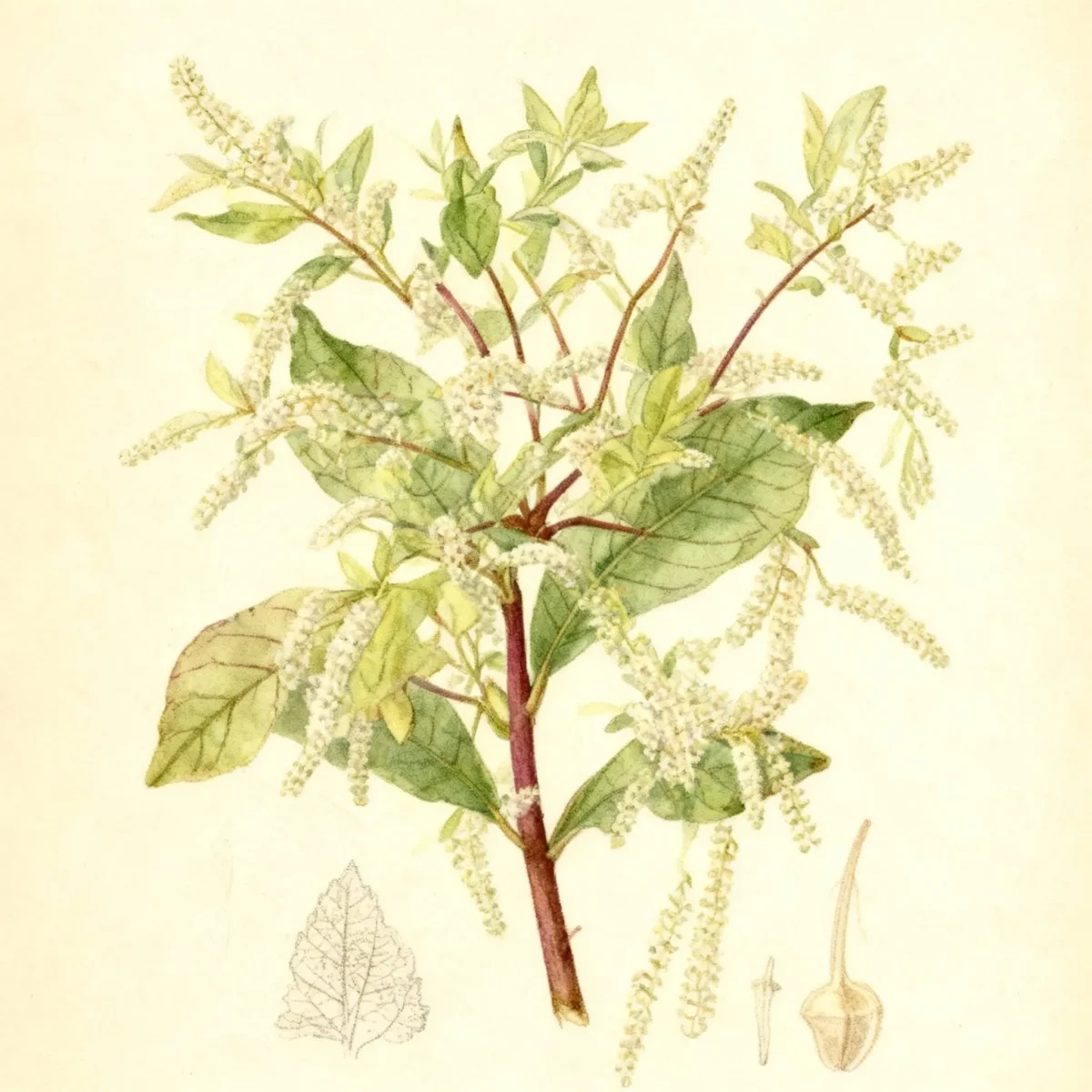
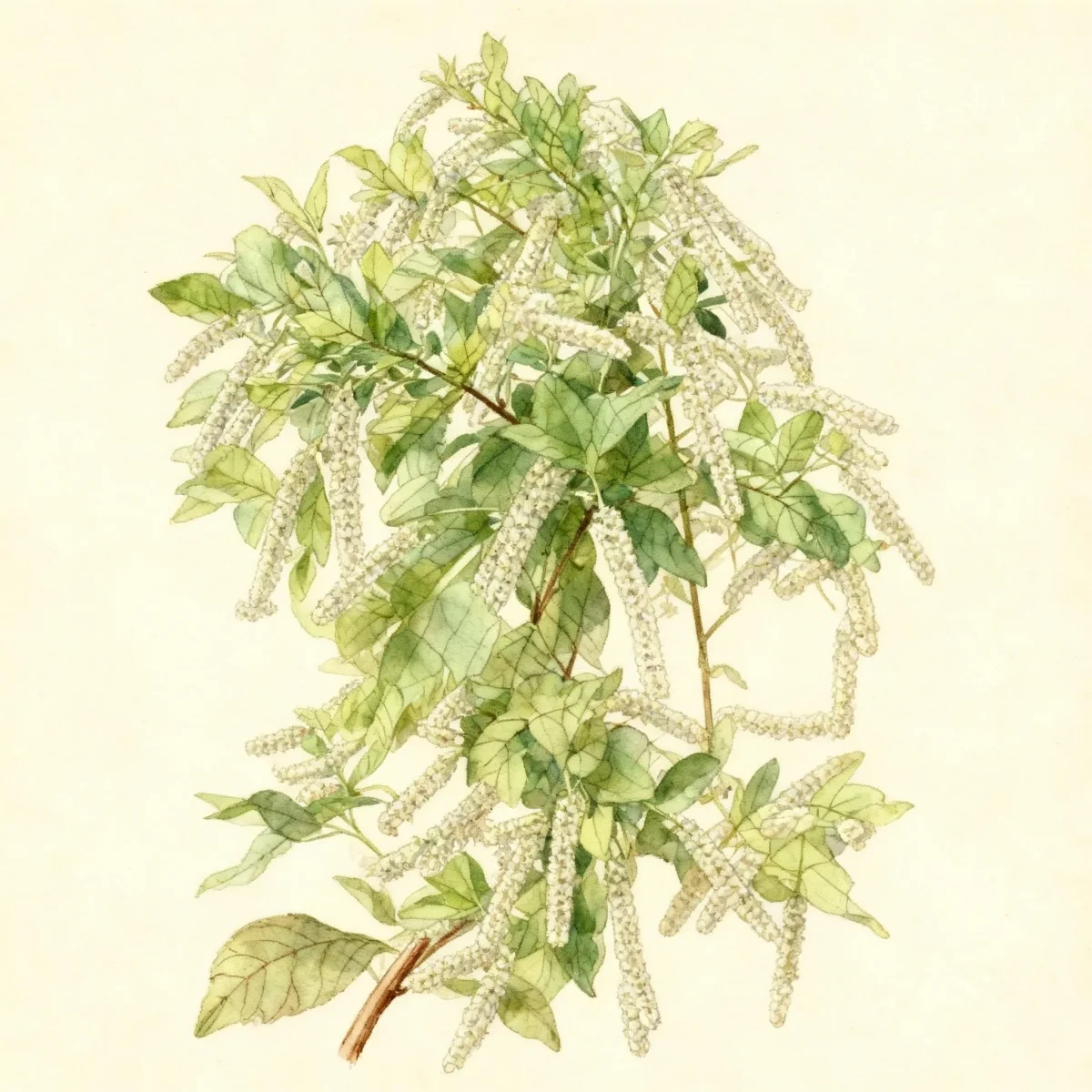
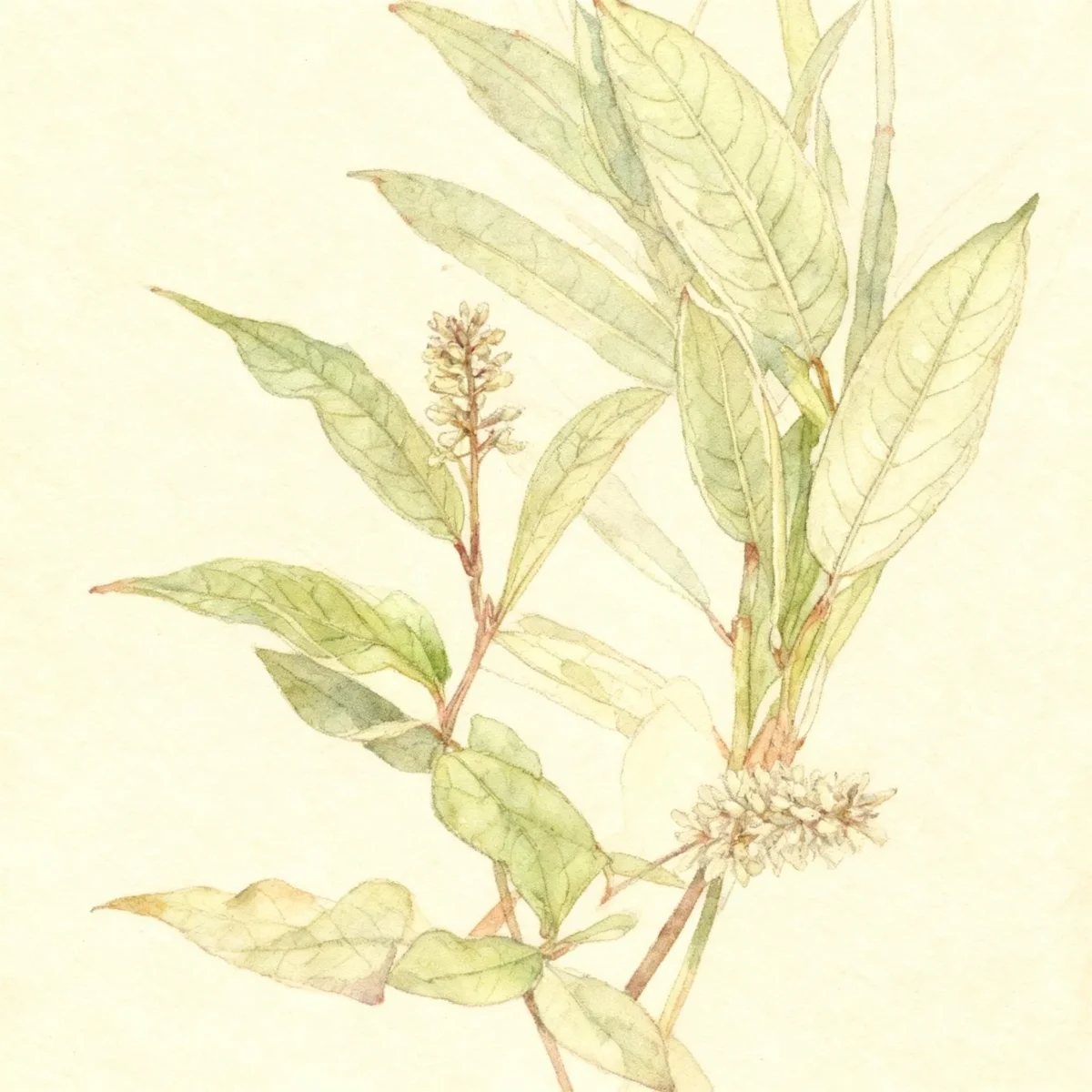
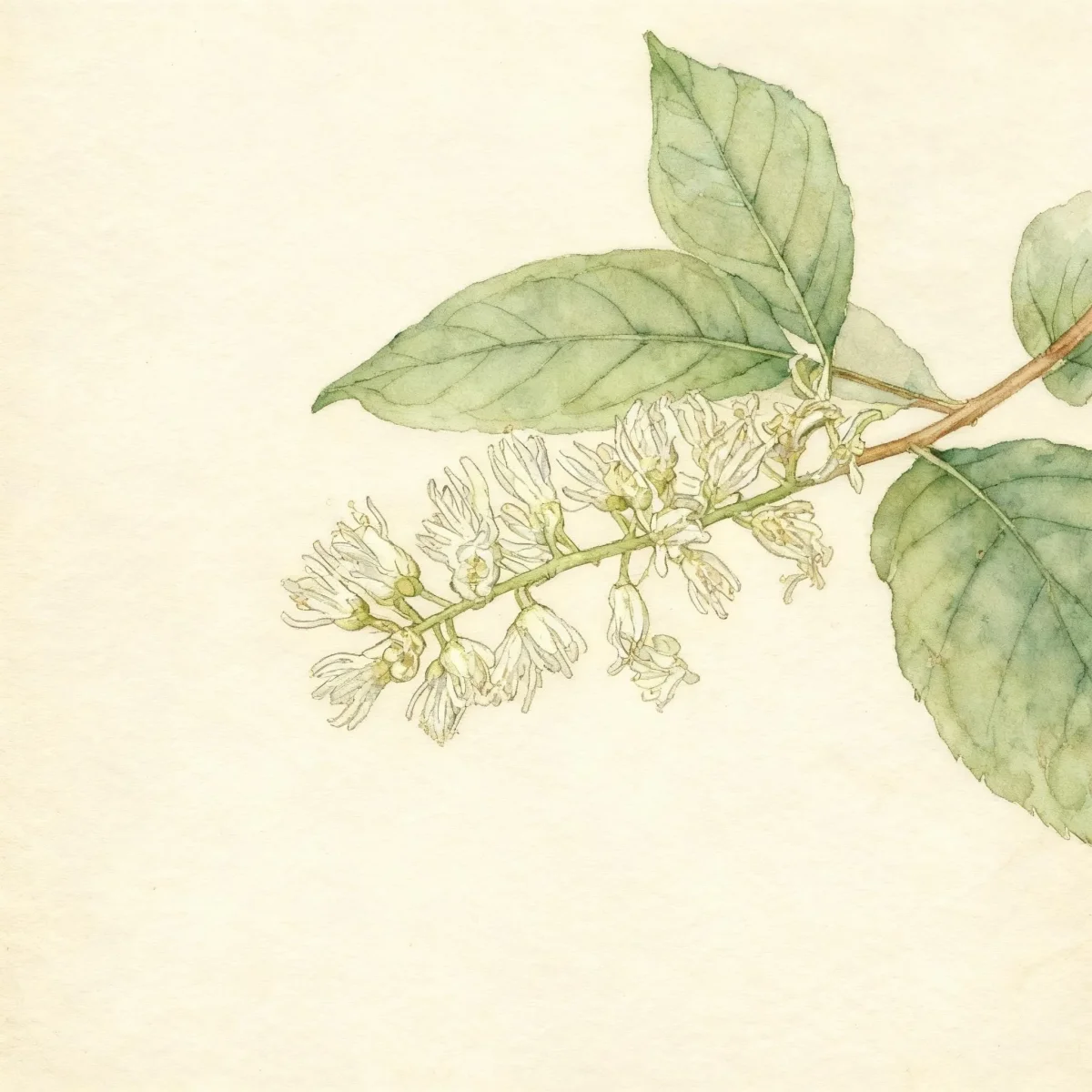
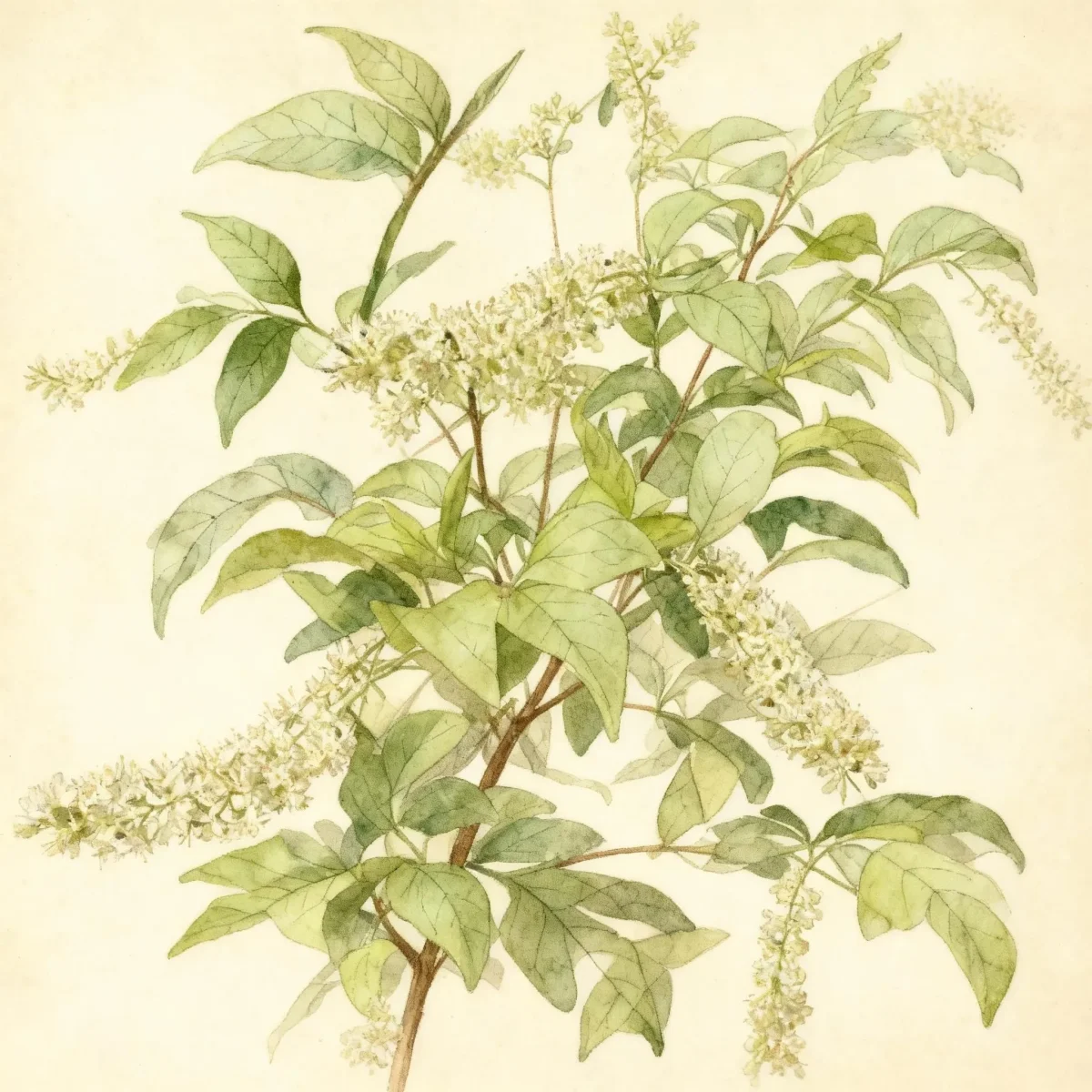
Virginia sweetspire (Itea virginica)
Itea virginica, the Virginia sweetspire, offers showy fragrant blooms, excellent fall color, and thrives in wet, shady conditions.
Scroll down to discover growing tips, care requirements, companion plants, and more
Complete Plant Information
Overview
The Virginia sweetspire (Itea virginica) is a highly valued native deciduous shrub prized for its adaptability and year-round interest. It commands attention in the landscape with its late spring display of cascading, fragrant white flower clusters, earning it common names like Tassel-white. Gardeners appreciate this species for reliably transforming into brilliant shades of red, orange, and gold during autumn, often holding its foliage late into winter.
Itea virginica showcases a naturally rounded, arching habit, making it an excellent structural plant. While it prefers average to moist conditions, its remarkable tolerance for challenging locations, including heavy shade and clay soils, makes the Virginia sweetspire a versatile workhorse in difficult sites. This plant establishes easily and spreads gently via root suckers in ideal settings, forming dense colonies perfect for naturalizing.
For unparalleled versatility, few shrubs rival the utility of Itea virginica. Whether utilized in shrub borders, as a specimen, or massed for ground cover effect, its low maintenance needs ensure sustained appeal. It is especially beneficial for areas requiring moisture management, solidifying its role in modern sustainable landscape design.
Fast Facts
- Plant Family: Iteaceae
- Plant Type: Deciduous shrub
- Native Range: Eastern North America
- Hardiness Zones: USDA Zones 5-9
- Size at Maturity:
- Height: 3-5 ft
- Spread: 3-5 ft
- Bloom Time: June to July
- Bloom Description: White
- Sun Exposure: Full sun to part shade
- Water Needs: Medium to wet
- Maintenance Level: Low
How to Grow
Planting the Virginia sweetspire is best done in the spring or fall when conditions are cooler, allowing the shrub to establish roots before summer heat or winter freezes. Locate Itea virginica in a position receiving full sun to partial shade; while it tolerates heavy shade, maximizing fall color requires more direct light. This shrub thrives in moist, humusy soil, preferably acidic, but possesses a wide tolerance for various soil structures, including heavy clay, provided drainage isn’t entirely absent except in consistently wet areas.
Ongoing care for your Virginia sweetspire is minimal. Ensure consistent moisture, especially for newly planted specimens or those situated in sunnier spots where water needs increase. Fertilizing is usually unnecessary if the soil is reasonably rich. If the shrub begins to spread aggressively via suckering and you prefer a contained shape, pruning should be performed right after the flowers fade in summer.
This shrub is robust and generally exhibits no serious insect or disease issues, adding to its low maintenance appeal. Deer usually avoid browsing on Itea virginica. Be aware that if planted in highly alkaline soils, the leaves may show signs of chlorosis (yellowing), indicating a slight nutrient deficiency related to pH imbalances.
Landscape Uses
The inherent adaptability of Virginia sweetspire makes it invaluable across numerous landscape applications. It is an outstanding choice for challenging wet spots, functioning perfectly near pond margins, streams, or in consistently damp areas where many other shrubs struggle, aligning perfectly with its recommended use in Rain Gardens. Use Itea virginica massed as a dense, shrubby ground cover or allow it to naturalize within informal woodland settings.
For structured areas, this plant performs well in shrub borders, lending texture and late-season color contrast against evergreens or later-blooming perennials. Its colonizing nature also allows it to serve as a very effective, informal hedge or screen when planted densely. Consider using it near foundations where moisture tends to collect, providing reliable screening without demanding rigorous upkeep.
When planning companions, group the Virginia sweetspire with other moisture-loving natives that share its preference for sun to part shade. Plants that offer contrasting foliage texture or bloom timing, like Astilbes (for shade) or various ornamental grasses (for sunnier portions), create dynamic groupings that enhance the shrub’s seasonal highlights.
Standout Features
Flower Qualities
- Showy
- Fragrant
Noteworthy Characteristics
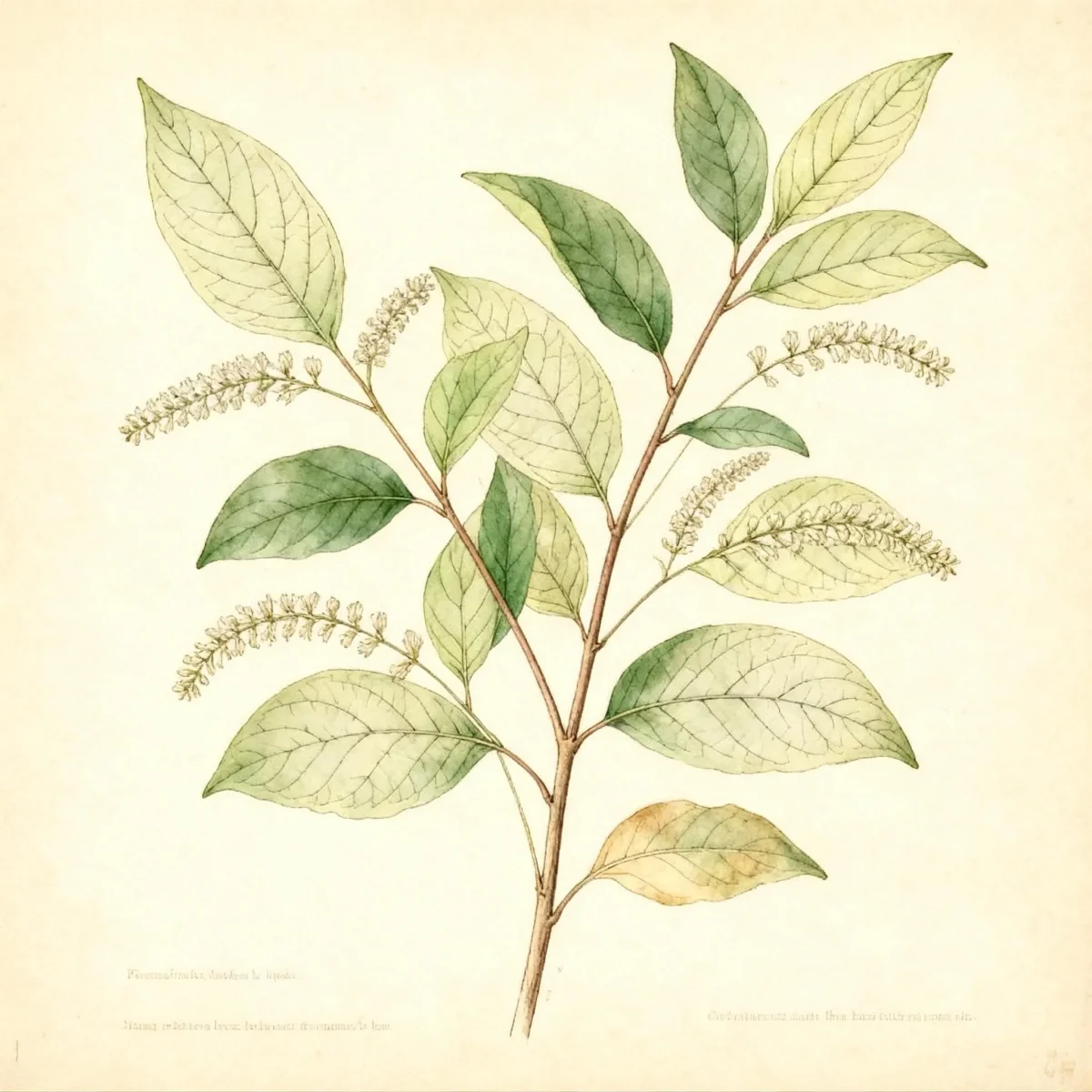
Itea virginica, commonly called Virginia sweetspire, is an erect, rounded, broad-spreading, deciduous shrub with arching branches. Features fragrant, tiny white flowers borne in cylindrical, drooping racemes (3-6” long) which cover the shrub with bloom in late spring to early summer. Oval, dark green leaves (1-4” long) turn varying shades of red, orange and gold in autumn, providing a long period of interest.
Tolerances
- Heavy Shade
- Erosion
- Clay Soil
- Wet Soil
Potential Problems
One of the best aspects of growing Itea virginica is its general resistance to pests and diseases; no serious insect or disease problems are typically reported by growers. Furthermore, this shrub is generally deer-resistant, meaning it often escapes browsing damage common to other landscape plants. The primary cultural issue arises only in highly alkaline soil conditions, where the shrub may display chlorosis, manifesting as pale or yellowish foliage due to impaired iron uptake.
To prevent chlorosis, gardeners should amend heavy, alkaline soils with organic matter or acidic compost before planting. If yellowing occurs after establishment, applying an acidifying fertilizer or iron supplement can help restore vibrant green color. Otherwise, the minimal maintenance ensures this shrub remains trouble-free throughout its life cycle.
Frequently Asked Questions
What hardiness zones is Virginia sweetspire suitable for?
Itea virginica performs reliably across USDA Hardiness Zones 5 through 9.
How large does Virginia sweetspire grow?
This shrub typically reaches a mature height between 3 and 5 feet, with a comparable spread of 3 to 5 feet.
When does Virginia sweetspire bloom?
The Virginia sweetspire produces its showy, fragrant white flowers primarily from June into July, providing excellent mid-summer color.
What sun exposure does Itea virginica need?
Itea virginica is tolerant of full sun to part shade conditions. For the best autumn coloration, aim for locations receiving a good amount of daily sun.
Conclusion
The Virginia sweetspire (Itea virginica) is an indispensable native shrub offering reliable structure, fragrant summer blooms, and spectacular fall foliage. Its supreme adaptability to poor soils and wet conditions makes managing the landscape significantly easier. Before planting, confirm your region falls within Zones 5-9 and plan to amend the soil slightly if alkalinity is a concern to ensure your Itea virginica thrives.
Design Ideas for Wet Areas
Because Itea virginica thrives in medium to wet soil, it is a perfect anchor plant for the transition areas between lawn and aquatic features. Plant it slightly uphill from a pond or along the edge of a drainage swale where water may temporarily pool after heavy rain. The shrub stabilizes banks against erosion while filtering runoff. Massing 3-5 plants together allows their arching forms to blend seamlessly, creating a soft, naturalistic border that changes beautifully with the seasons.
Consider using the contrasting textures of broad-leaved hostas or ferns beneath scattered specimens of Virginia sweetspire in partially shaded, moist areas. In sunnier, wetter spots suitable for a rain garden, pair it with native Iris or Joe Pye Weed. This combination ensures continuous interest from spring through fall, leveraging the humidity tolerance of both groups of plants.
Seasonal Care Calendar
Spring is when new growth emerges, showing off the emerging bronze tints before settling into the rich green foliage that precedes the summer bloom. This is the prime time, just as the plant wakes up, to amend the soil with compost, especially if chlorosis was noted the previous year. Avoid heavy pruning in early spring, as major structural cuts should wait until immediately after flowering.
Summer care centers on monitoring moisture levels during peak heat, particularly if your Itea virginica is planted in a full-sun location. Once flowering ceases in mid-summer (July), any necessary corrective pruning to maintain shape or size should be completed swiftly. Throughout the fall and early winter, the long-lasting, vibrant leaf color of the Virginia sweetspire requires no intervention and stands as the main garden attraction.