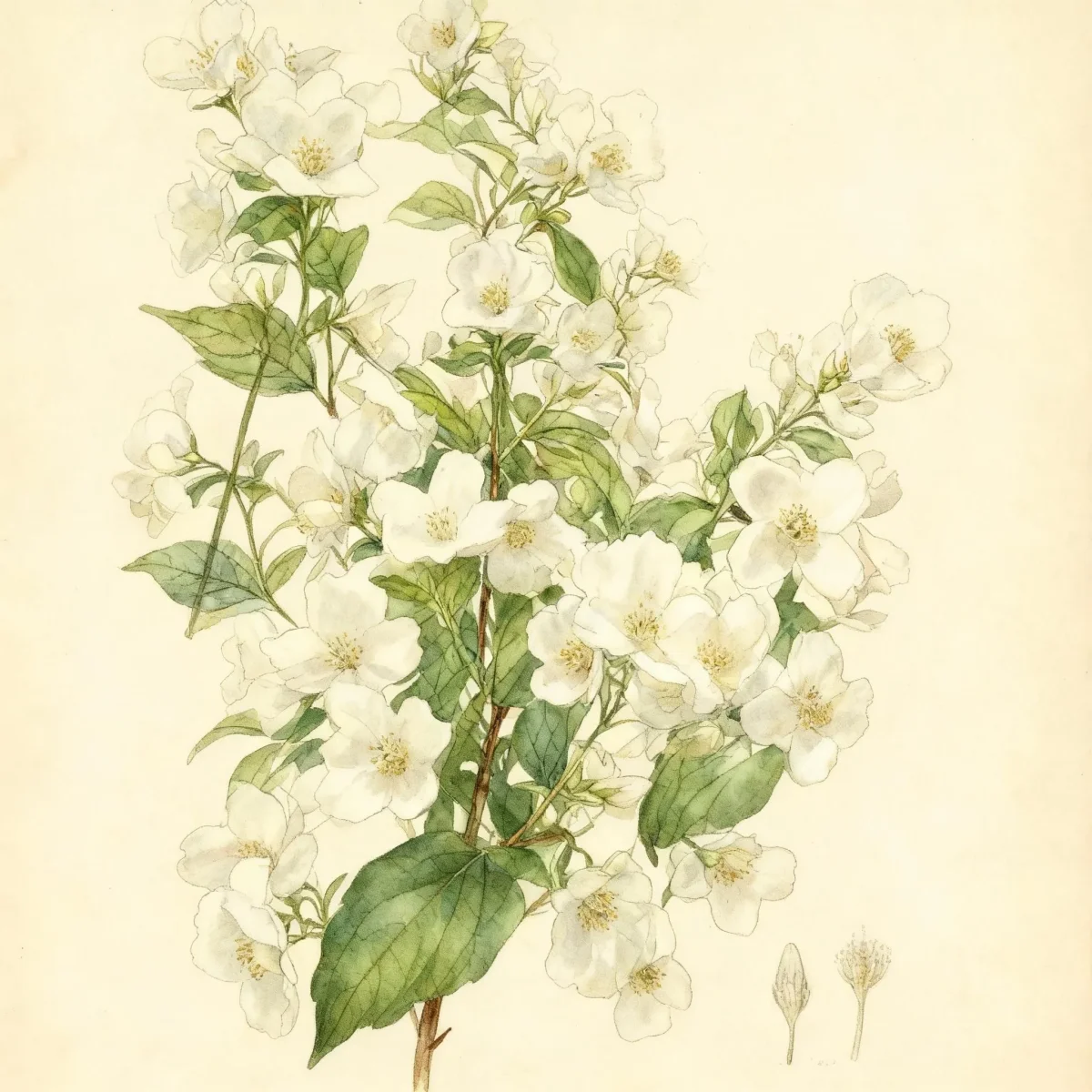
Broad-leaf mock orange (Philadelphus pubescens)
The Broad-leaf mock orange (Philadelphus pubescens) is a fragrant deciduous shrub offering showy white blooms and adaptability.
Scroll down to discover growing tips, care requirements, companion plants, and more
Complete Plant Information
Overview
The Broad-leaf mock orange, scientifically known as Philadelphus pubescens, is a highly valued addition to temperate gardens, primarily celebrated for its abundant late-spring perfume. This dense, upright deciduous shrub offers a spectacular show of creamy white, mildly fragrant flowers set against ovate foliage. Its native range spans the woodlands and stream banks of the southeastern United States, lending it hardiness across USDA Zones 6 through 9.
Philadelphus pubescens provides excellent structural interest, maturing into a 4 to 10-foot specimen capable of filling space quickly. Beyond its ornamental value, it offers resilience, tolerating a wide range of soil conditions, making it a practical choice for hedging or border plantings where reliable screening is needed. Gardeners appreciate the intense burst of floral display provided by this attractive shrub.
This variety is sometimes identified as Hoary mock orange due to the pubescent, or hairy, undersides of its leaves. While its primary appeal is seasonal, the exfoliating gray bark adds subtle winter texture, ensuring the Broad-leaf mock orange retains some visual interest year-round. This Philadelphus pubescens is a moderately maintained specimen well worth the effort for its signature flowers.
Fast Facts
- Plant Family: Hydrangeaceae
- Plant Type: Deciduous shrub
- Native Range: Southeastern United States
- Hardiness Zones: USDA Zones 6-9
- Size at Maturity:
- Height: 4-10 ft
- Spread: 4-10 ft
- Bloom Time: June to July
- Bloom Description: White
- Sun Exposure: Full sun to part shade
- Water Needs: Medium
- Maintenance Level: Medium
How to Grow
For the best performance, plant Philadelphus pubescens during the fall or early spring when the shrub is dormant. It thrives best in average, moist, well-drained soils, though it tolerates various soil types except those that remain waterlogged. Locating the shrub where it receives full sun promotes the most profuse flowering, although light shade is tolerated.
Watering should be consistent, meeting medium requirements—ensure young plants establish deeply and do not dry out fully during their first year. While generally not heavy feeders, incorporating organic matter, such as compost, into the planting area will encourage the preferred organically rich soil conditions. Avoid heavy fertilization, which can lead to excessive leafy growth at the expense of blooms.
Pruning is a key maintenance task for the Broad-leaf mock orange. Since flowering occurs on wood produced the previous year (old wood), perform any necessary shaping immediately after the spring bloom period ends in July. Delaying pruning will result in the loss of next year’s flowers. Deadwood can be removed at any time.
Landscape Uses
The size and structure of Philadelphus pubescens make it highly versatile, particularly useful for functional landscape elements. It excels when utilized as a low screen or hedge, offering dense coverage reaching between 4 and 10 feet tall and wide. For a more formal look, plant several specimens closely together to create a continuous barrier.
Beyond formal screening, this shrub provides excellent fill for shrub borders where its summer fragrance can be enjoyed near walkways or patios. In more informal settings, it integrates well into open woodland gardens, mimicking its native environment along wooded slopes. When planted alongside slightly earlier or later blooming shrubs, the Broad-leaf mock orange helps extend the season of interest in the border.
Standout Features
Flower Qualities
- Showy
- Fragrant
Noteworthy Characteristics
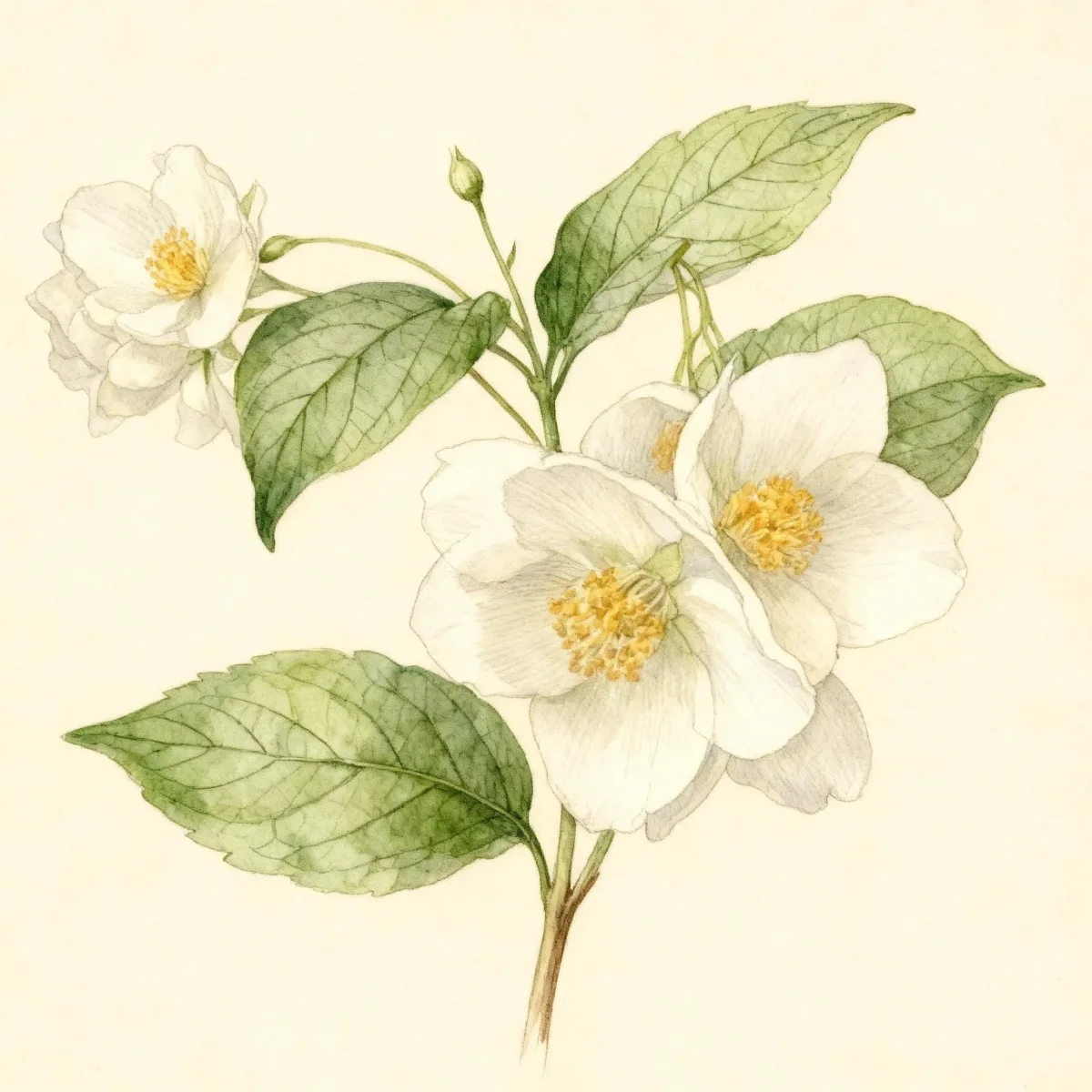
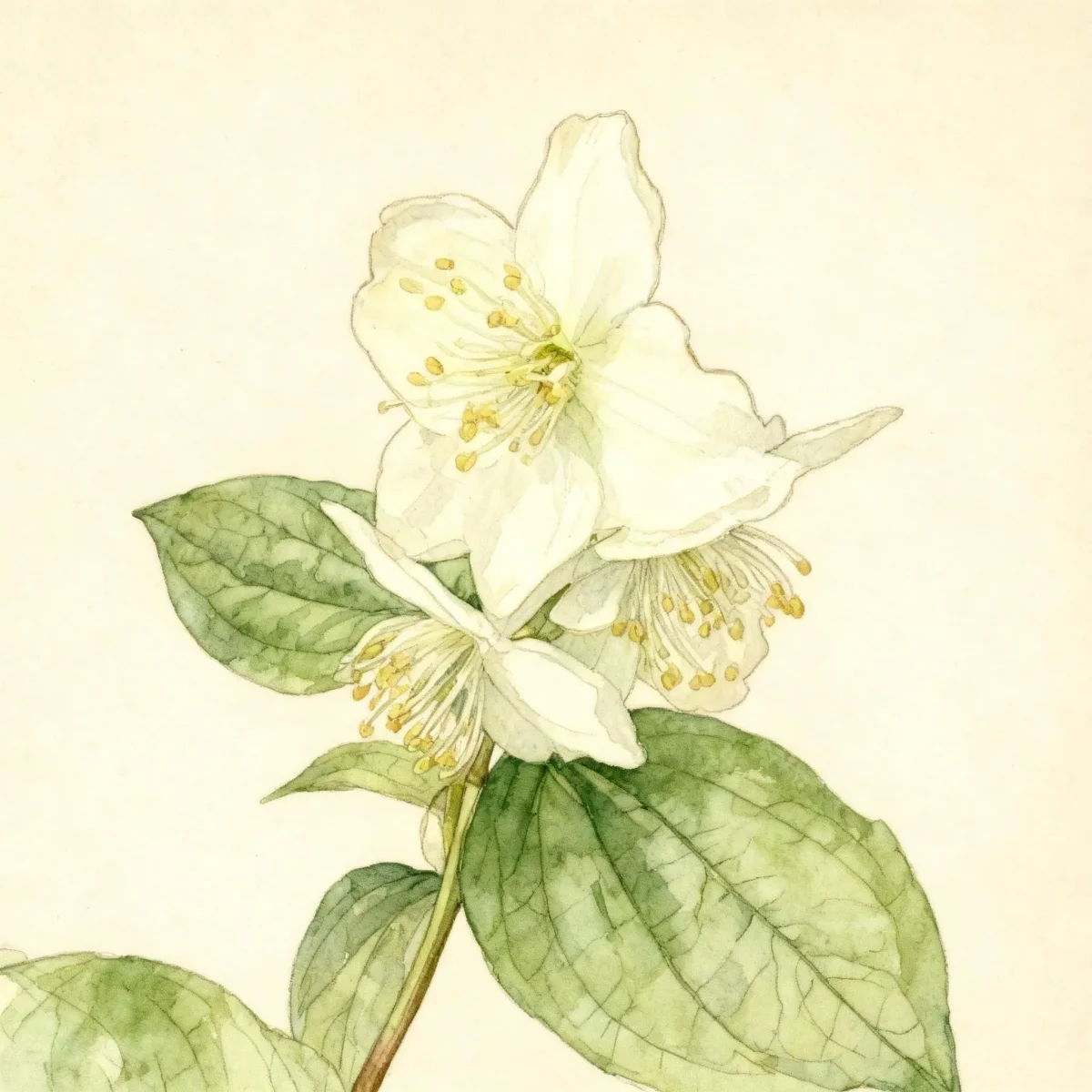
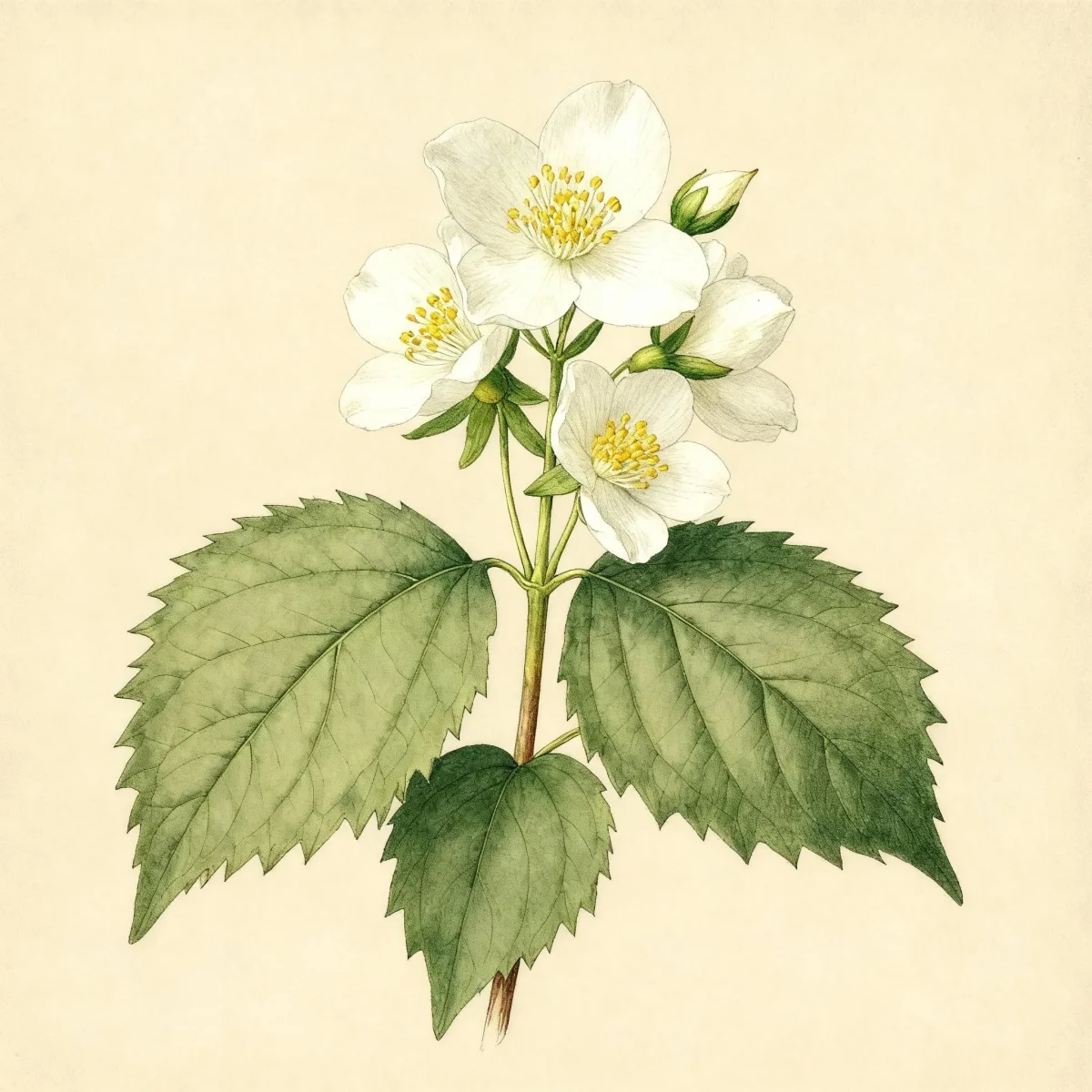
Philadelphus pubescens, commonly called mock orange, is a dense, upright, multi-stemmed, deciduous shrub that typically grows to 4-10’ tall and as wide. It is native to open woods, wooded slopes and stream banks in the south eastern to south central U.S. From Tennessee to southern Illinois south to Arkansas and Alabama. It is grown in landscapes primarily for enjoyment of its mildly fragrant, 4-petaled, creamy white flowers (each to 2” across) with yellow stamens which cover the shrub with an abundant bloom in late spring to early summer (June - July in St. Louis). Flowers appear in small 3-9 flowered panicles and give way to seed capsules. Ovate leaves (3” long) with acuminate tips and shallow marginal teeth have pubescent undersides (hence the sometimes used additional common name of hoary mock orange for this shrub). Gray bark exfoliates with age.Genus name comes from the Greek word philadelphus meaning loving one’s brother or sister. A Grecian and Roman family name. New York Botanical Garden suggests that the genus name instead comes from Ptolemy Philadelphus, a king of the third century B.C.Specific epithet from Latin means hairy/downy in reference to the leaf undersides of this shrub.Each flower purportedly resembles the shape of an orange blossom, hence the common name of mock orange. Shrubs in the genus Philadelphus are also sometimes commonly called syringa which is both misleading and difficult to comprehend because Syringa is the genus name of lilacs.
Tolerances
- Rabbit
- Deer
Potential Problems
Fortunately, the Broad-leaf mock orange rarely faces serious issues from pests or diseases, contributing to its lower maintenance rating. However, in overly humid or dense plantings, susceptibility increases for cosmetic issues like leaf spot, powdery mildew, and rust. Watch for these fungal problems, especially later in the growing season.
Occasionally, sucking insects such as aphids, scale, or leaf miners may be observed mining the foliage. For minor infestations, a strong jet of water can knock off aphids. If fungal diseases appear, improving air circulation through proper spacing or judicious pruning will help curb their spread. Overall, Philadelphus pubescens is robust against major systemic threats.
Frequently Asked Questions
What hardiness zones is Broad-leaf mock orange suitable for?
The Broad-leaf mock orange (Philadelphus pubescens) is generally hardy and well-suited for USDA Zones 6 through 9.
How large does Broad-leaf mock orange grow?
This species typically reaches a mature height between 4 and 10 feet, with a comparable spread of 4 to 10 feet, forming a dense, multi-stemmed shrub.
When does Broad-leaf mock orange bloom?
Philadelphus pubescens produces its showy, white, fragrant flowers primarily from June into July, offering a lovely late-season fragrance.
What sun exposure does Broad-leaf mock orange need?
The ideal sun exposure for maximizing blooms on Philadelphus pubescens is full sun, though it will perform adequately with only light periods of afternoon shade.
Conclusion
The Broad-leaf mock orange is a rewarding, fragrant, and relatively resilient shrub perfect for sound structure in the landscape. Its cultural adaptability and strong summer floral display make Philadelphus pubescens a staple for hedges and borders throughout its suitable zones. Before planting this lovely Mock Orange, confirm your location falls within USDA Hardiness Zones 6 to 9 to ensure vibrant seasonal success.
Companion Planting
When designing a mixed border around your fragrance source, consider companions that share the need for medium water and full sun to part shade. Spring-flowering bulbs placed at the base of the Broad-leaf mock orange provide early color before its bloom time, acting as a temporary ground cover. Once the shrub leafs out, you can transition to later-blooming perennials like Astilbe or Hostas, especially in areas receiving afternoon shade, as dense foliage helps mask the shrub’s minimal ornamental interest when not in flower.
Consider pairing Philadelphus pubescens with shrubs that offer contrasting foliage texture or color to enhance visual dynamics during summer. Plants with fine, narrow leaves or strong yellow or blue foliage complement the Philadelphus’s broader, greener leaves. Since its pruning window is tight (immediately post-bloom), ensure companion plants do not require heavy mid-season deadheading that might interfere with shrub structure.
Wildlife Benefits
Although not primarily noted for pollinator nursing support in early spring, the prolific blooms of Philadelphus pubescens are highly attractive once they open in June. The fragrant white flowers draw in beneficial insects searching for late-spring nectar, supporting local pollinator populations during a crucial period. Gardeners focused on natural landscaping should appreciate the shrub’s native status in the southeastern US.
While the shrub offers moderate cover, its primary wildlife value comes from the fragrance profile that draws in observers and beneficial insects. Furthermore, deer and rabbits generally avoid this species, which is a significant benefit for gardeners in suburban or naturalized settings. Planting this shrub contributes resilient, native-adjacent structure to the garden ecosystem.