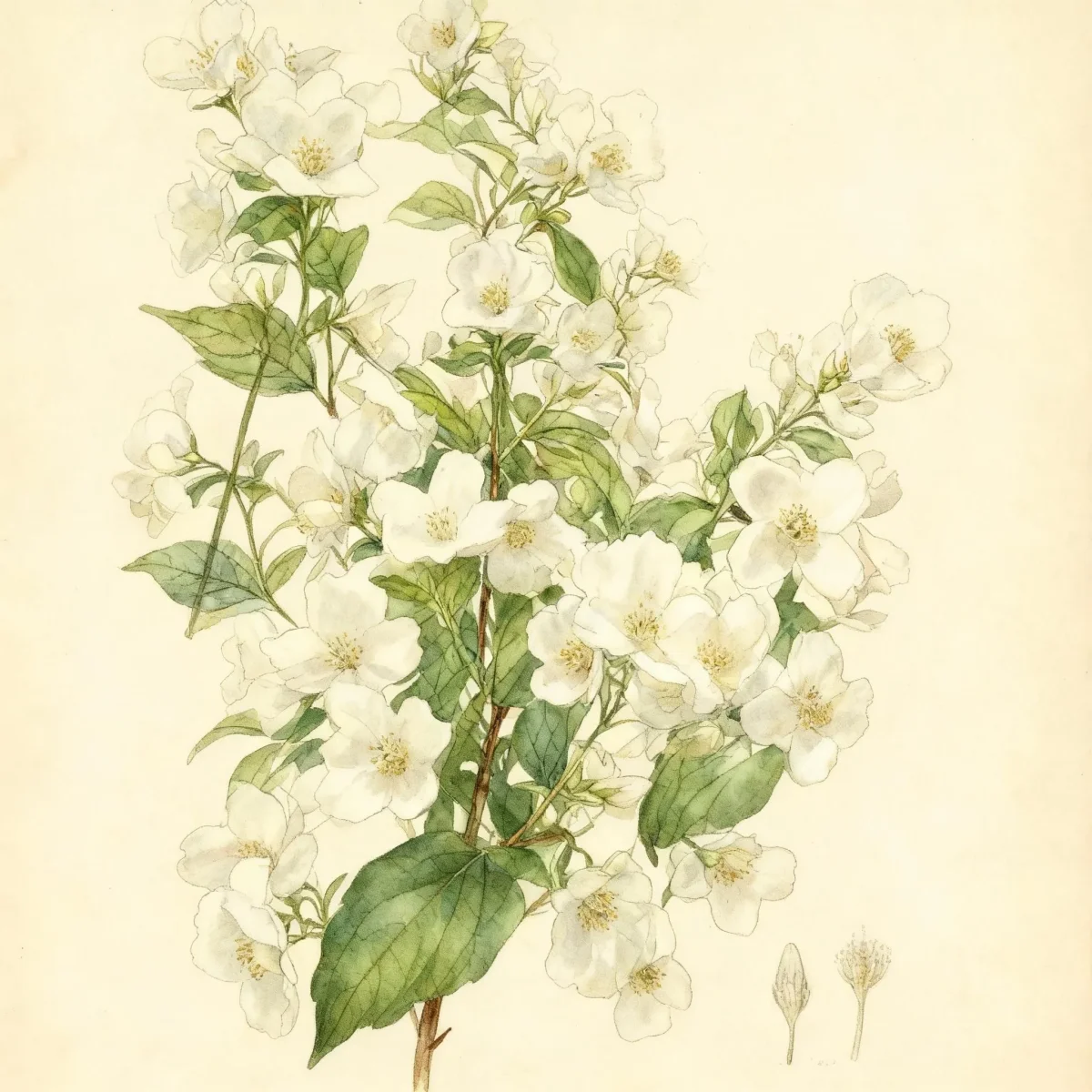
Mock orange (Philadelphus pubescens var. verrucosus)
Fragrant Mock orange (Philadelphus pubescens var. verrucosus) is a deciduous shrub offering showy white blooms in zones 6-9.
Scroll down to discover growing tips, care requirements, companion plants, and more
Complete Plant Information
Overview
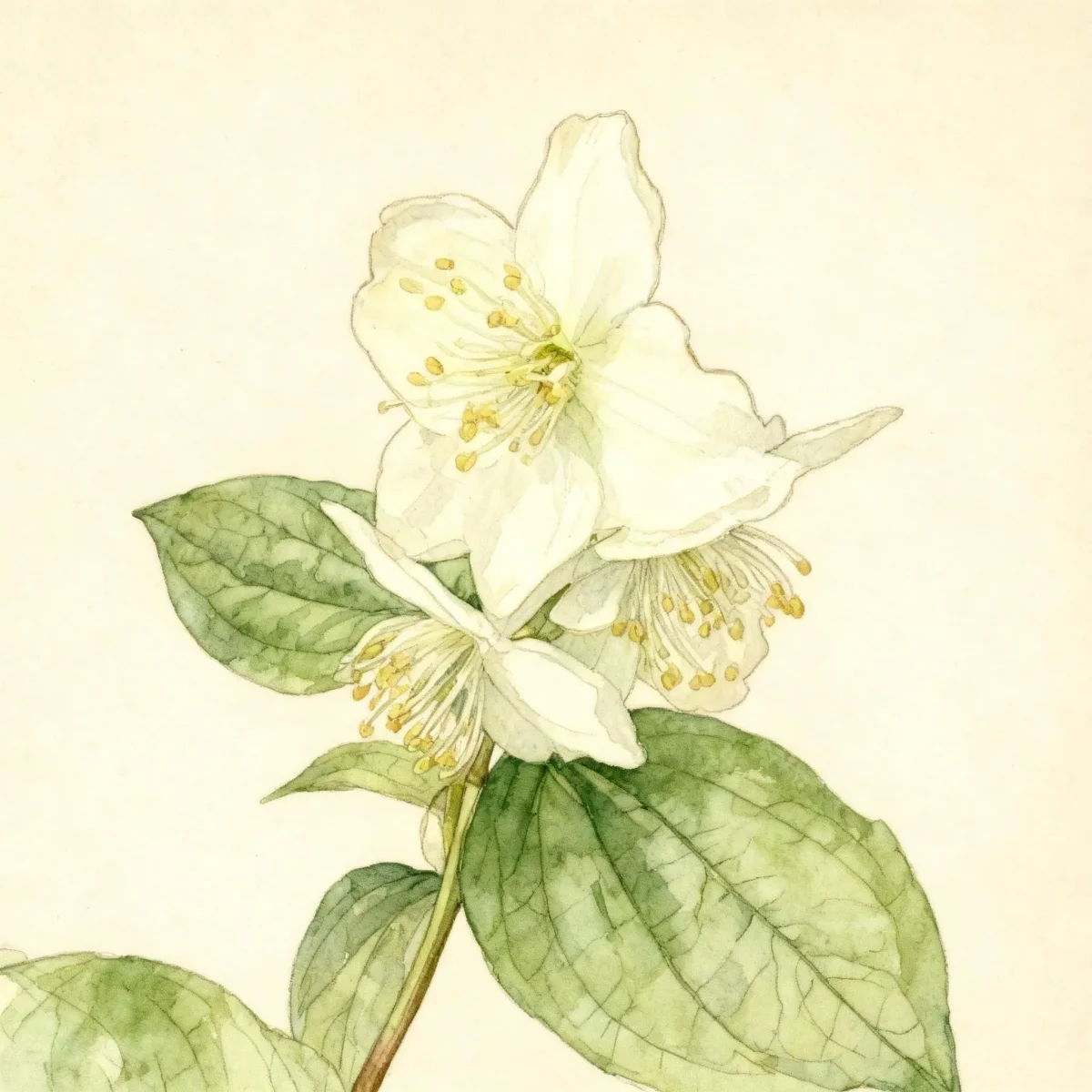
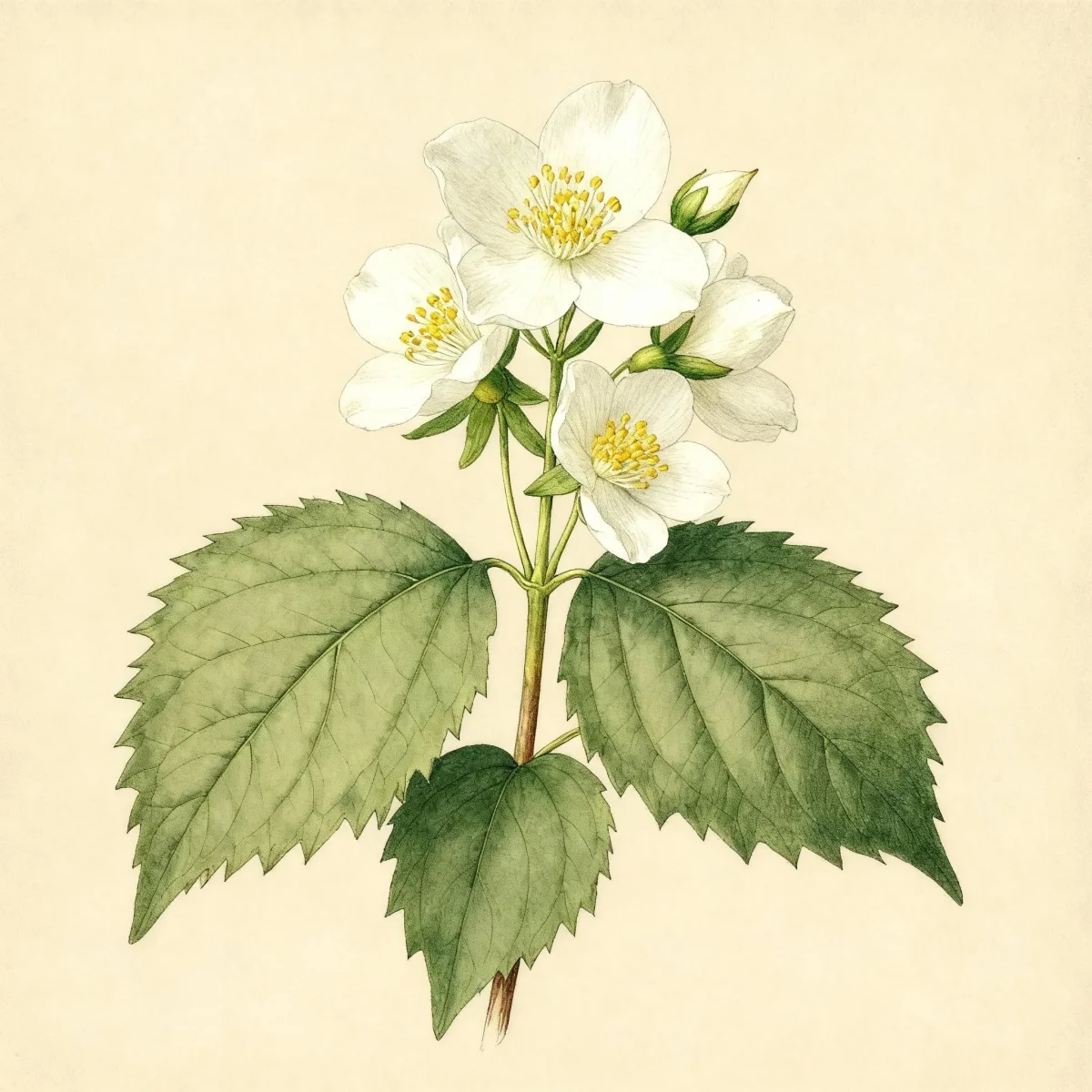
The Mock orange, scientifically identified here as Philadelphus pubescens var. verrucosus, provides superb mid-summer color and fragrance to the late spring landscape. This dense, upright deciduous shrub is prized for its abundant display of creamy white, four-petaled flowers, which bear a mild, sweet scent reminiscent of true orange blossoms. Growing typically between 4 and 10 feet tall, this variety offers reliable performance across USDA Zones 6 through 9.
Native to the wooded slopes and stream banks of the Southeastern United States, Philadelphus pubescens var. Verrucosus thrives in average garden conditions, making it a resilient addition to many landscapes. Its primary value lies in its striking, fragrant bloom period spanning June into July, offering reliable screening and structure when many spring bloomers have faded.
Gardeners appreciate this Mock orange for its tolerance to varied soils, though it thrives best where moisture is consistent. While ornamental interest wanes slightly outside of bloom time, its shrubby structure provides excellent habitat and backdrop throughout the growing season, often serving well as a hedge or border element.
Fast Facts
- Plant Family: Hydrangeaceae
- Plant Type: Deciduous shrub
- Native Range: Southeastern United States
- Hardiness Zones: USDA Zones 6-9
- Size at Maturity:
- Height: 4-10 ft
- Spread: 4-10 ft
- Bloom Time: June to July
- Bloom Description: White
- Sun Exposure: Full sun to part shade
- Water Needs: Medium
- Maintenance Level: Medium
How to Grow
Plant Philadelphus pubescens var. verrucosus in the spring or fall for best establishment, choosing a location that receives full sun or light dappled shade. This Mock orange is highly adaptable and easily grown in average soils, but it performs optimally when planted in moist, organically rich, well-drained ground. Avoid sites where water pools or drains poorly, as this can compromise root health.
Water requirements are medium, meaning consistent moisture should be maintained, especially through the first couple of growing seasons and during dry summer spells. While it tolerates a range of soil compositions, ensuring adequate organic matter helps retain sufficient moisture necessary for robust flowering. Minimal fertilization is usually required if the native soil is reasonably fertile.
Pruning is essential for shaping and encouraging next year’s bloom. Since the flowers of this Mock orange appear on wood that developed the previous season (prior year’s growth), always prune immediately after the flowering period ends in July. Removing spent flowers and lightly shaping the shrub right after blooming ensures maximum flower production the following year, while rejuvenation pruning can be done lightly later if needed.
Landscape Uses
The structure and ornamental appeal of Philadelphus pubescens var. verrucosus make it suitable for several functional landscape roles. It serves exceptionally well when utilized as a foundation planting, providing year-round body near structures, or massed together to create effective low screens or informal hedges that utilize its dense habit.
When used in shrub borders, the Mock orange offers reliable structure and the incredible reward of its fragrant white flowers mid-season. Consider pairing it with later-blooming perennials or shrubs to extend visual interest beyond its bloom time. Its ability to handle light shade also makes it an excellent choice for planting beneath taller, open deciduous trees in woodland garden settings.
Standout Features
Flower Qualities
- Showy
- Fragrant
Noteworthy Characteristics
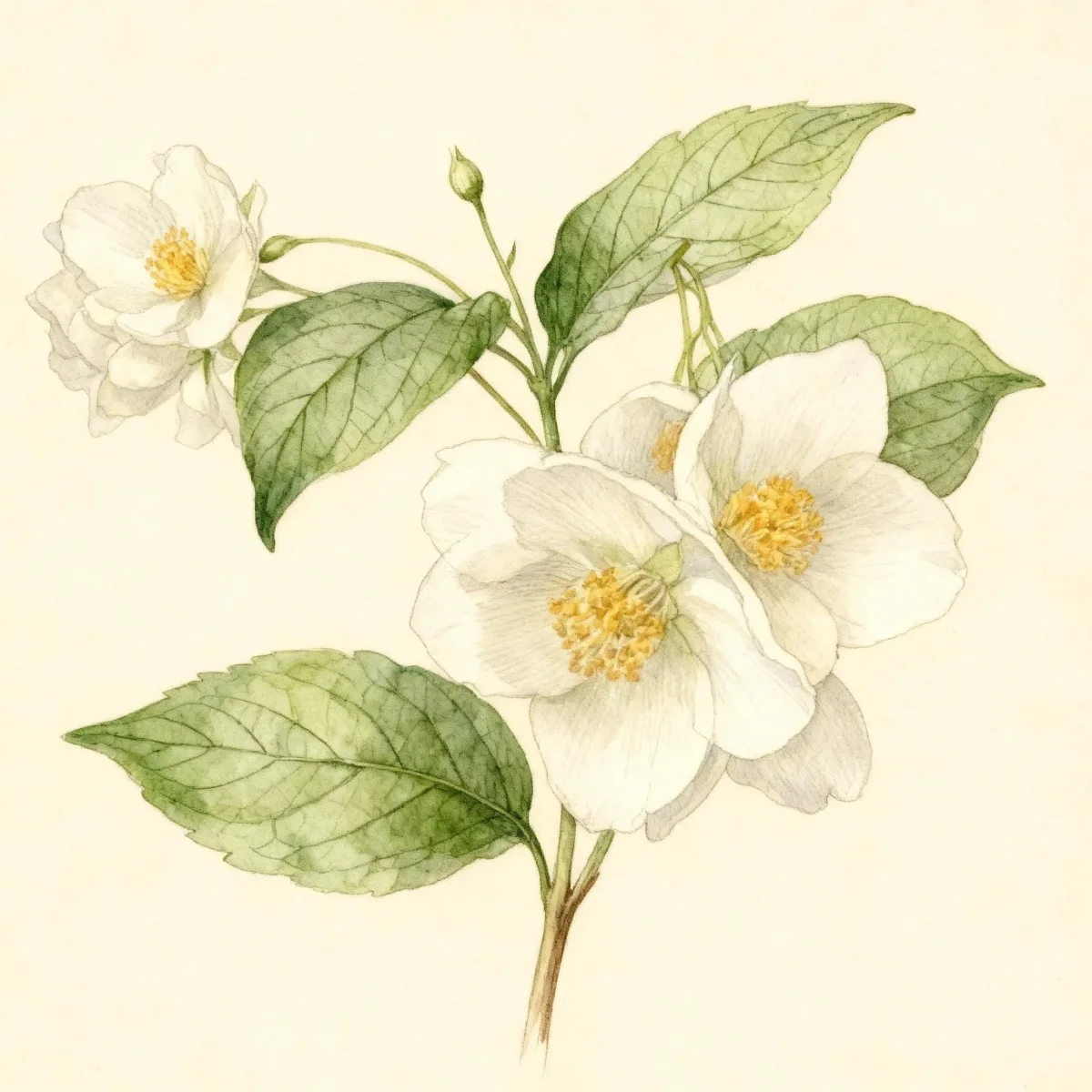
Philadelphus pubescens, commonly called mock orange, is a dense, upright, multi-stemmed, deciduous shrub that typically grows to 4-10’ tall and as wide. It is grown in landscapes primarily for enjoyment of its mildly fragrant, 4-petaled, creamy white flowers (each to 2” across) with yellow stamens which cover the shrub with an abundant bloom in late spring to early summer. Var. Verrucosus primarily differs from species plants by having elliptic to ovate-elliptic leaves which are acute or obtuse at the base.
Tolerances
- Rabbit
- Deer
Potential Problems
This Mock orange generally remains free of serious insect or disease issues, offering relatively low management needs. However, susceptible plants may occasionally develop issues like leaf spot, canker, powdery mildew, or rust. On the insect front, aphids, scale, nematodes, and leaf miners can sometimes be observed. Maintain good air circulation through proper spacing and annual pruning to minimize fungal threats, and monitor leaves closely during humid periods.
Frequently Asked Questions
What hardiness zones is Mock orange suitable for?
Philadelphus pubescens var. verrucosus is suitable for USDA Hardiness Zones 6 through 9.
How large does Mock orange grow?
This shrub typically reaches a mature height between 4 and 10 feet, with a comparable spread of 4 to 10 feet.
What sun exposure does Mock orange need?
This shrub prefers full sun to part shade conditions for best performance and flowering.
When does Mock orange bloom?
The Mock orange blooms from June to July with masses of white flowers.
Conclusion
The beautiful flowering and low maintenance requirements cement Philadelphus pubescens var. verrucosus as a valuable asset for mid-season structure and fragrance in the garden. Ensure you prune this Mock orange immediately after flowering to encourage abundant blooms next season. Before planting, always confirm that your local growing conditions align with USDA Zone 6-9 requirements.
Companion Planting
When selecting partners for Philadelphus pubescens var. Verrucosus, focus on plants that thrive in similar medium moisture and light conditions, helping to create a cohesive, low-stress planting area. Consider placing it near plants that bloom later in the summer, such as late hydrangeas or certain ornamental grasses, to ensure seasonal continuity. Groundcovers that prefer partial shade, like Hosta or Japanese Forest Grass (Hakonechloa), can help shade the root zone, keeping the soil cool and moist, which benefits this Mock orange.
Seasonal Care Calendar
Spring preparation should include a light application of composted manure around the base if soils are poor, coupled with monitoring for early emerging pests like aphids. The most critical annual task occurs in early summer: prune immediately post-bloom to shape the shrub and remove old flower clusters, stimulating new growth that will host next year’s fragrant flowers. During dry spells in summer, ensure this medium-water-need shrub receives supplemental water to protect its flowering ability. Winter care requires little more than light cleanup of any fallen debris around the base.