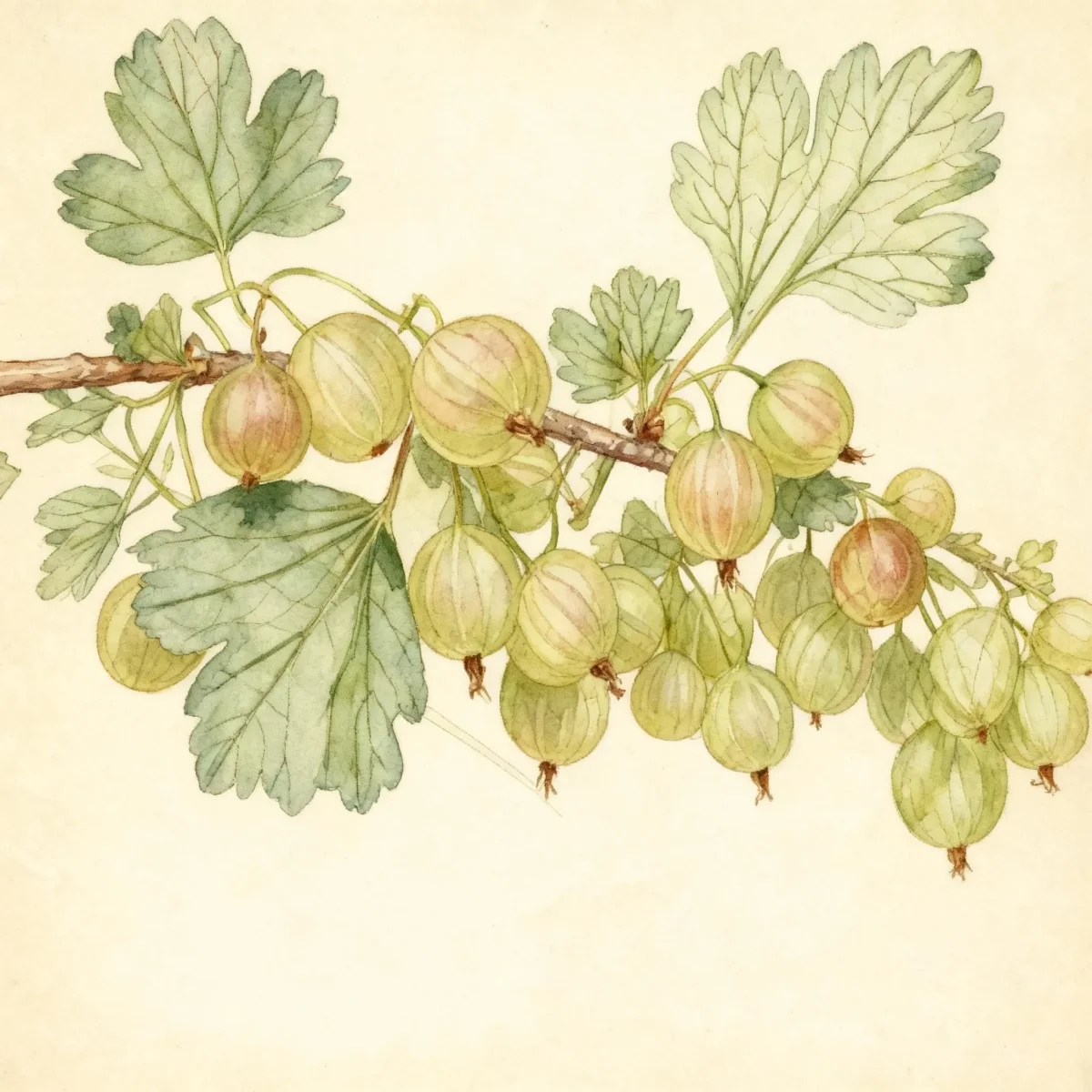
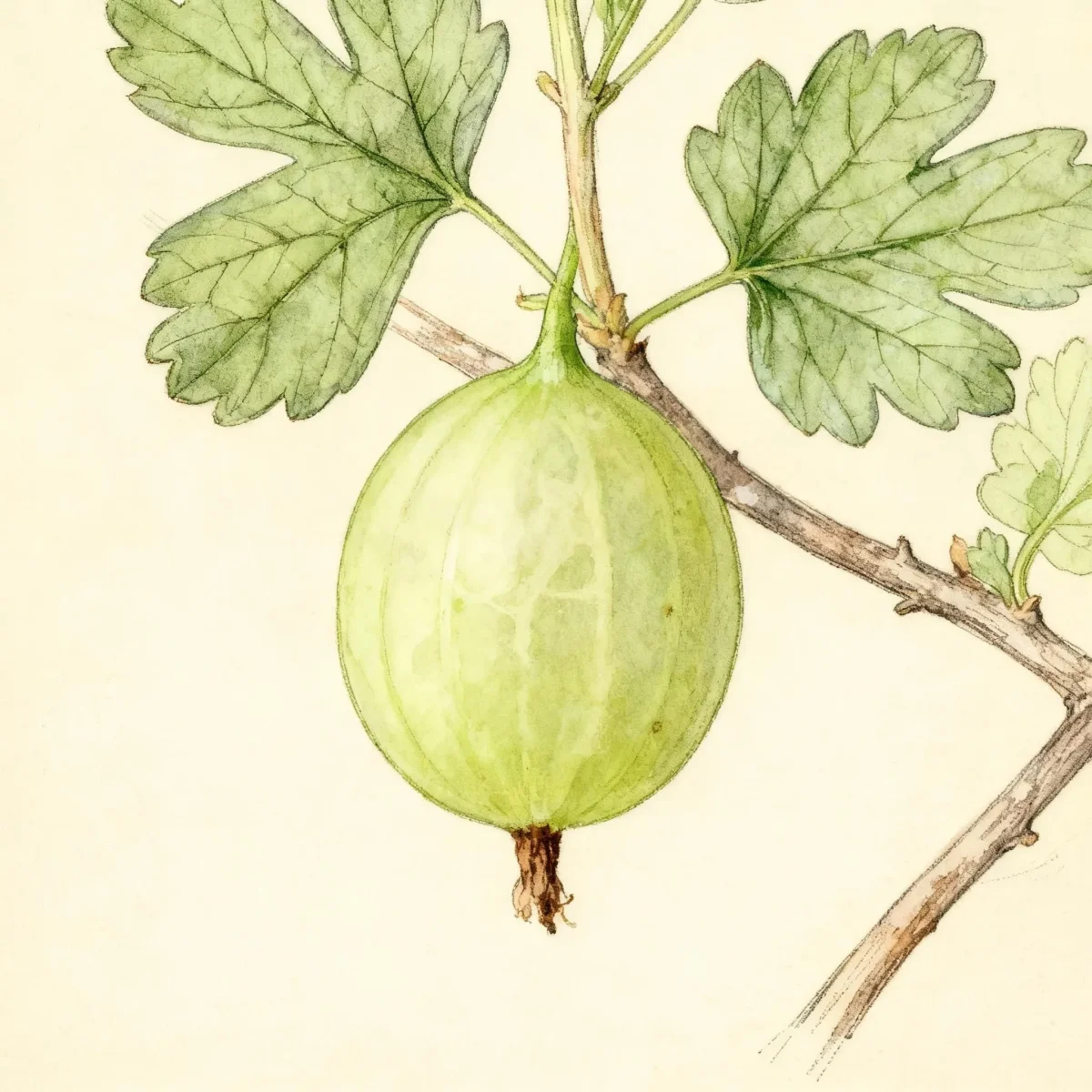
Buffalo currant (Ribes aureum)
Discover Buffalo currant (Ribes aureum), a fragrant, upright deciduous shrub prized for showy yellow-orange flowers and edible berries.
Scroll down to discover growing tips, care requirements, companion plants, and more
Complete Plant Information
Overview
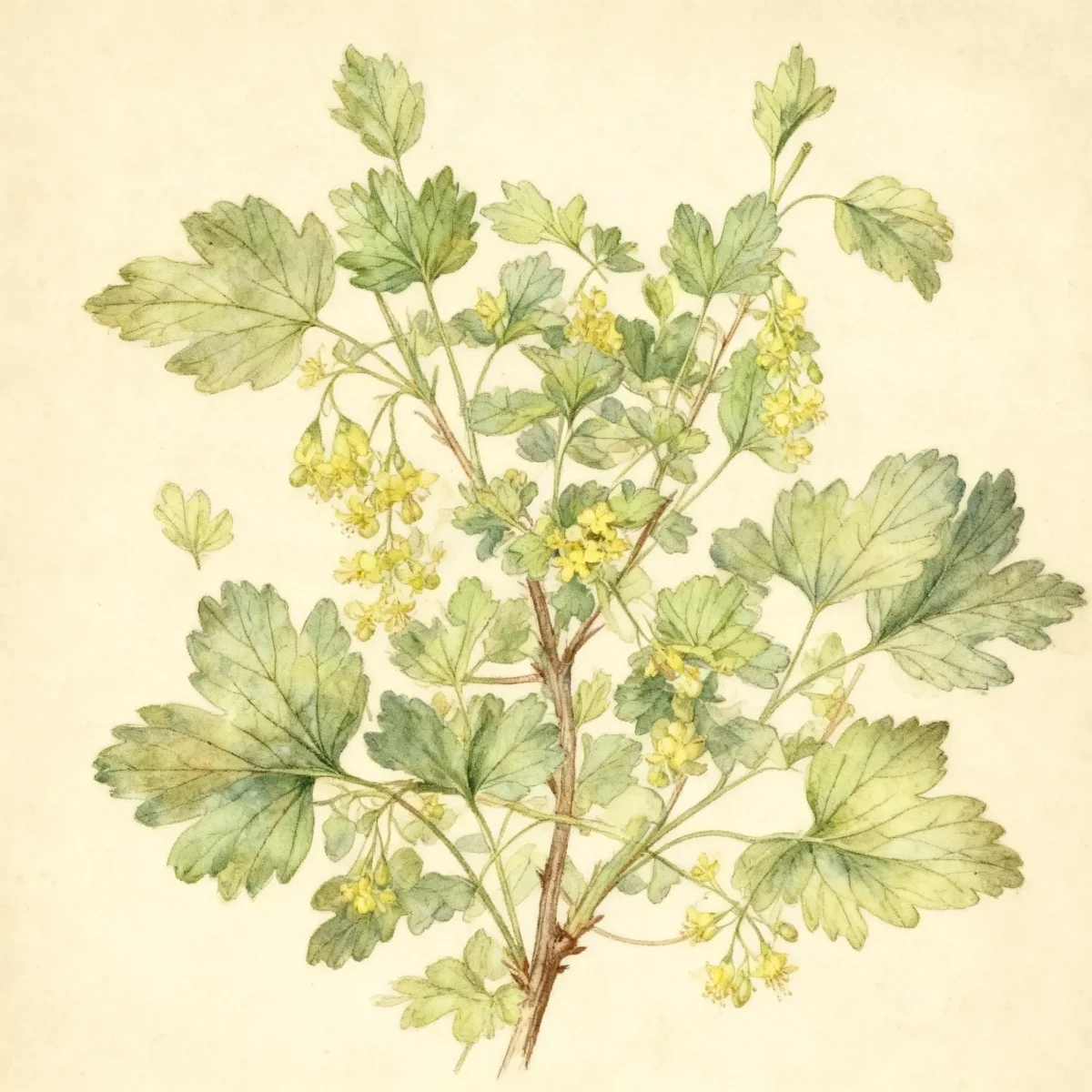
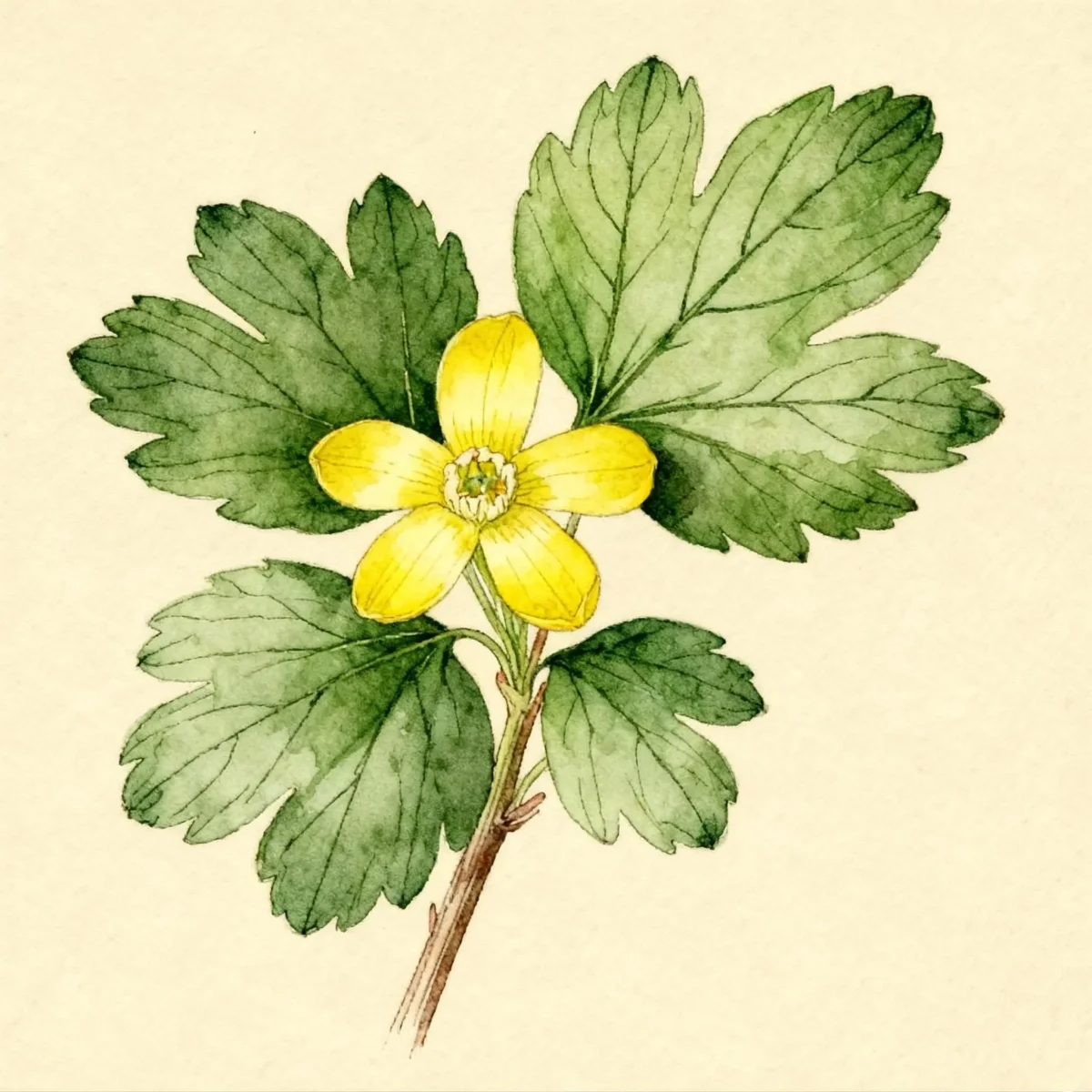
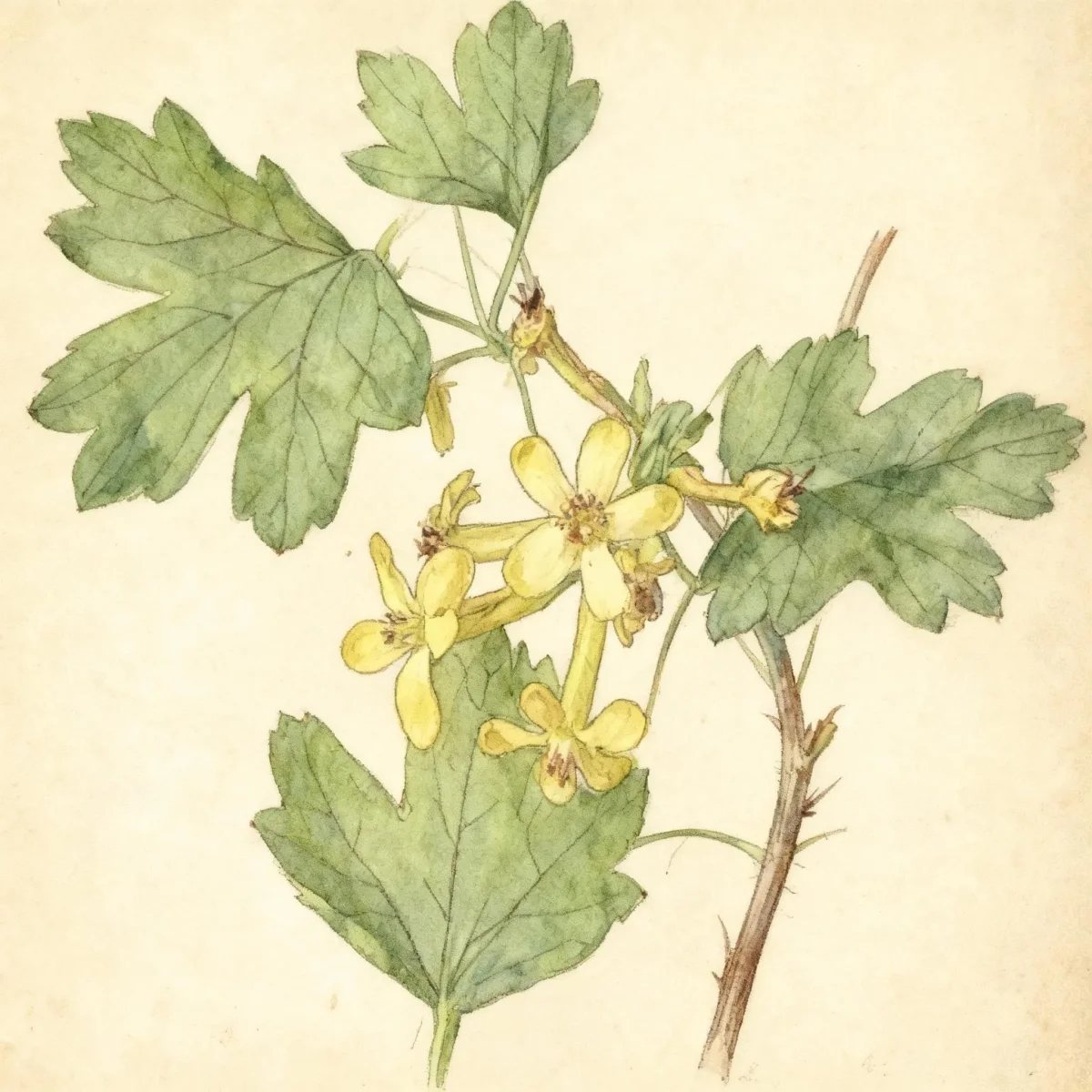
The Buffalo currant (Ribes aureum) is a highly valued native shrub known for its multi-season interest, making it a superb addition to naturalized landscapes. Its primary ornamental appeal stems from the clusters of spicily fragrant, yellow-maturing-to-orange flowers that appear reliably in spring. This upright, rhizomatous shrub quickly establishes colonies, offering structural interest throughout the growing season.
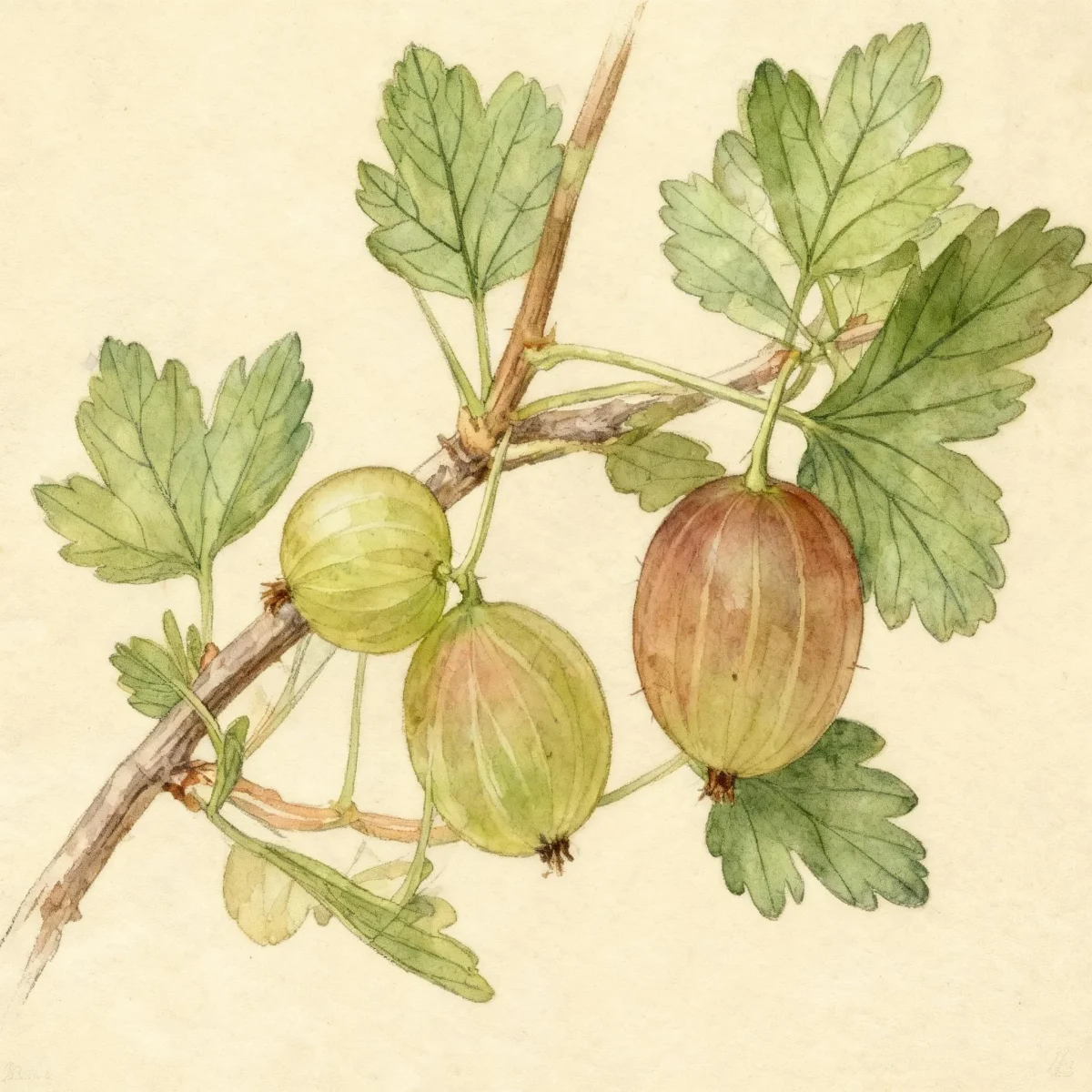
Native to the western United States and Canada, Ribes aureum adapts well to diverse conditions, often tolerating poor soils, clay, and periods of drought once established. Beyond its aesthetic value, the plant produces small, glossy black currants that ripen in mid to late summer, noted for being edible raw or excellent for preserves. Gardeners often select Golden currant (Ribes aureum) for its hardiness and low-maintenance nature.
While prized ornamentally, the edible component should not be overlooked, providing both aesthetic appeal alongside functional harvests. Consider incorporating the Buffalo currant where screening or a naturalized grouping is desired, knowing it offers robust resistance to common pressures like rabbits and erosion.
Fast Facts
- Plant Family: Grossulariaceae
- Plant Type: Deciduous shrub
- Native Range: North America
- Hardiness Zones: USDA Zones 4-8
- Size at Maturity:
- Height: 3-7 ft
- Spread: 2-6 ft
- Bloom Time: April to May
- Bloom Description: Yellow-orange
- Sun Exposure: Full sun to part shade
- Water Needs: Medium
- Maintenance Level: Medium
How to Grow
Ribes aureum is adaptable but thrives best when sited in organically rich, fertile, medium-moisture, well-drained soils. While it prefers full sun for the best flowering and fruiting display, it tolerates part afternoon shade, particularly in very hot summer climates. Plant during the dormant season, either early spring or late fall, ensuring a location where it can spread slightly via suckers if colony formation is desired.
Watering should be consistent, aiming for even moisture, especially for young plants. Gardeners should actively avoid overhead watering, which can encourage fungal issues. Applying a good organic mulch around the root zone conserves moisture and suppresses weeds, greatly benefiting the Buffalo currant.
Maintenance is generally low. Ribes aureum does not typically require heavy pruning unless shaping for a formal hedge is necessary. If propagation is desired, cuttings or seed are the recommended methods. Be mindful of its potential to naturalize, which may require management in tight landscape areas.
Landscape Uses
The Buffalo currant serves excellently as an attractive ornamental hedge, providing year-round structure and notable spring fragrance. Because it spreads by suckers, it is highly effective when used to naturalize slopes or banks, helping to control erosion effectively across larger areas. Its tolerance for clay soil and drought makes it a reliable foundational shrub where other ornamentals might struggle.
For woodland gardens or areas under dappled shade, Ribes aureum offers reliable performance, adding vertical contrast along fences or walls. The showy fruit clusters also provide late-summer interest and support local wildlife populations, integrating functional and aesthetic benefits seamlessly.
Standout Features
Flower Qualities
- Showy
- Fragrant
Fruit Qualities
- Showy
- Edible
Noteworthy Characteristics
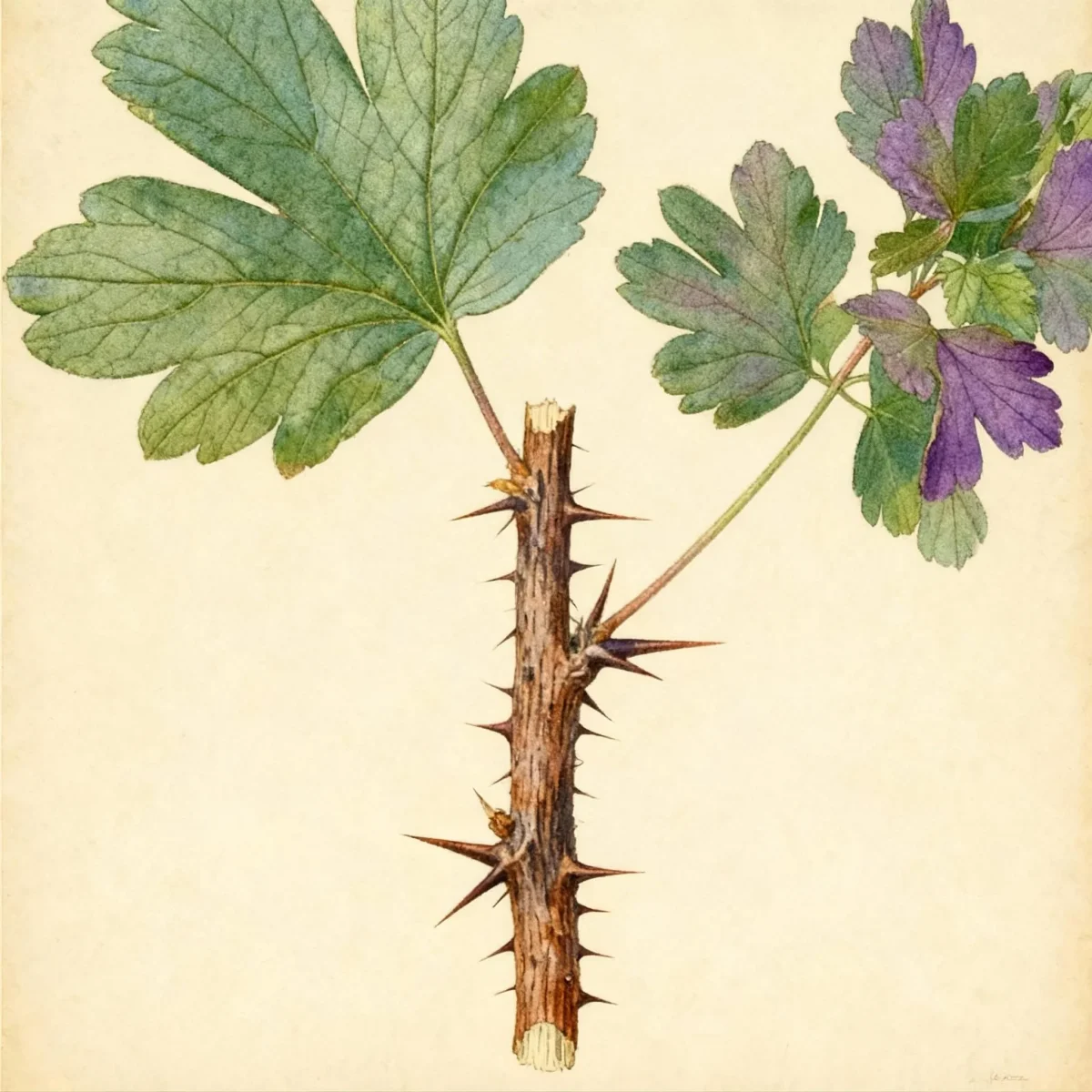
Ribes aureum, commonly known as golden currant, is an upright, rhizomatous, leathery-leaved, multi-stemmed, deciduous shrub that typically grows to 3-7’ tall with a slightly smaller spread. Its leaves turn reddish-purple in the fall, complemented by drooping clusters of spicy, fragrant yellow-maturing-to-orange flowers in spring. The resulting black, edible currants ripen in mid to late summer, making this plant valuable both as an ornamental and for its tasty fruit harvest.
Tolerances
- Rabbit
- Drought
- Erosion
- Clay Soil
Potential Problems
Fungal diseases such as anthracnose, powdery mildew, and fungal leaf spot can become troublesome, especially during periods of wet, humid weather. Applying preventative fungicides or ensuring excellent air circulation can mitigate these issues. Watch for common pests including the currant aphid, scale, currant bud mite, and currant fruit fly.
The most critical care consideration for Ribes aureum involves white pine blister rust, as currants serve as an alternate host for this disease. Gardeners must verify local regulations; ten states in the eastern U.S. impose bans on planting Ribes species. If white pines are growing nearby, avoid planting currants or select rust-resistant cultivars if available.
Frequently Asked Questions
What hardiness zones is Buffalo currant suitable for?
The Buffalo currant (Ribes aureum) is suitable for planting in USDA Hardiness Zones 4 through 8.
How large does Buffalo currant grow?
It is a medium-sized shrub, typically reaching heights between 3 to 7 feet tall, with a spread ranging from 2 to 6 feet wide.
When does Buffalo currant bloom?
Ribes aureum produces its striking blooms between April and May, characterized by a yellow-orange coloration.
What sun exposure does Buffalo currant need?
This shrub performs best in full sun but is adaptable and will thrive in partial shade conditions.
Conclusion
The Buffalo currant (Ribes aureum) is an exceptionally versatile native shrub, offering spicy fragrance, colorful summer fruit, and high tolerance for challenging soil conditions. Its adaptability makes it an excellent choice for low-maintenance screening or mass planting projects. Before planting, always confirm local restrictions regarding white pine blister rust in your specific region.
Wildlife Benefits
The fragrant spring bloom of Ribes aureum is highly attractive to early-season pollinators, including various native bees. The clusters of small flowers provide essential nectar and pollen when many other shrubs are not yet flowering. Furthermore, the glossy black currants that ripen in mid to late summer are a favored food source for numerous native songbirds throughout the season.
Using the Buffalo currant as wildlife habitat also means welcoming its resistance to browsing, as it is generally ignored by deer and rabbits due to its natural deterrence qualities. Its rhizomatous nature helps stabilize soil, offering excellent ground cover benefits beneficial to ground-nesting species.
Propagation Tips
Propagating Ribes aureum is relatively straightforward, offering gardeners several options to expand their plantings. The most common and reliable methods involve using cuttings or seed. Softwood or semi-hardwood cuttings taken in summer root successfully, allowing for the creation of genetically identical plants, which maintains desirable characteristics like fruit quality or fragrance.
If propagating by seed, ensure that seeds are treated with a cold, moist stratification period to break dormancy, mimicking winter conditions. In optimal growing environments, however, the plant needs little human intervention; Ribes aureum readily spreads by suckers to form attractive, natural colonies over time.