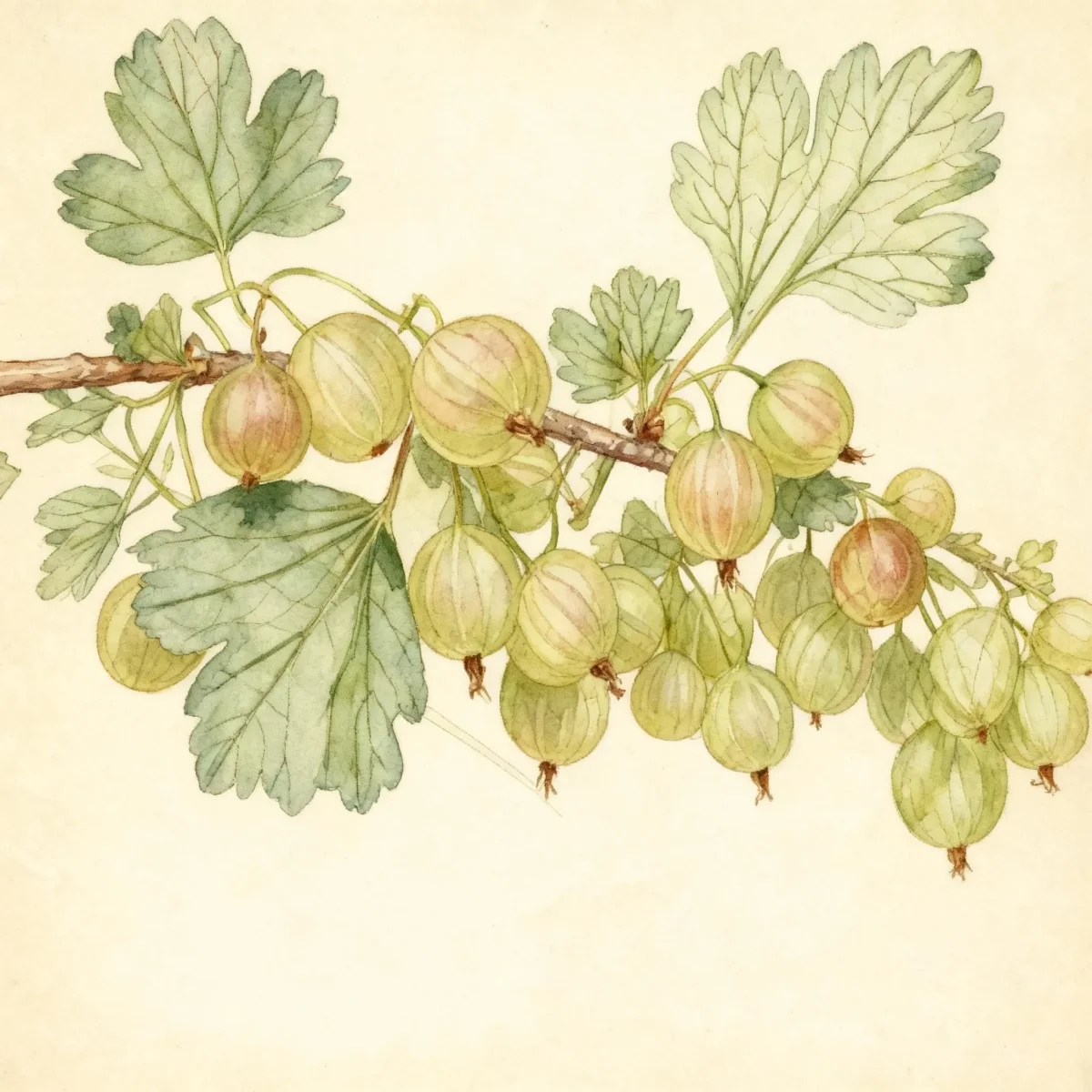
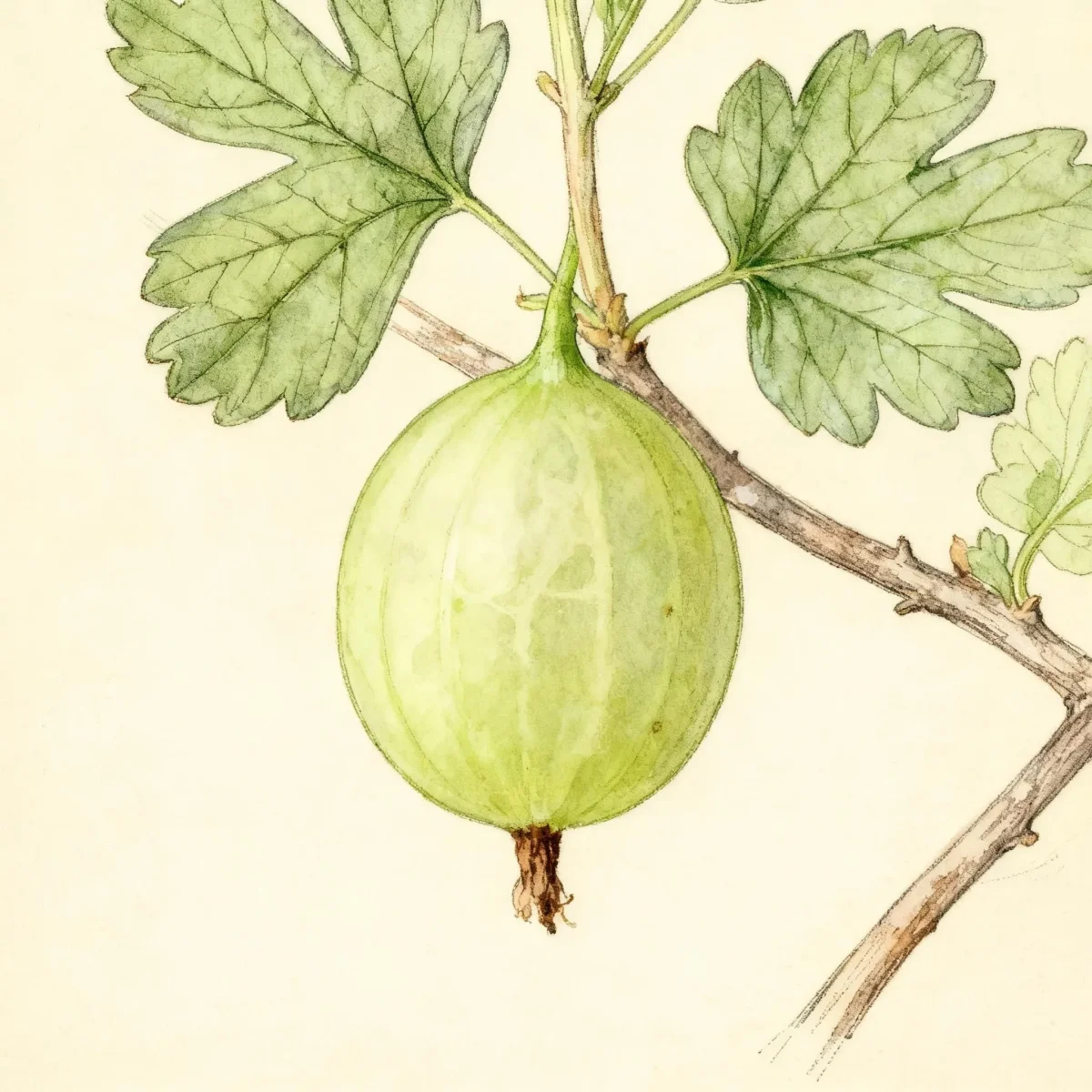
Missouri gooseberry (Ribes missouriense)
Missouri gooseberry (Ribes missouriense) is a dense shrub offering showy spring flowers and tart, edible summer fruit.
Scroll down to discover growing tips, care requirements, companion plants, and more
Complete Plant Information
Overview
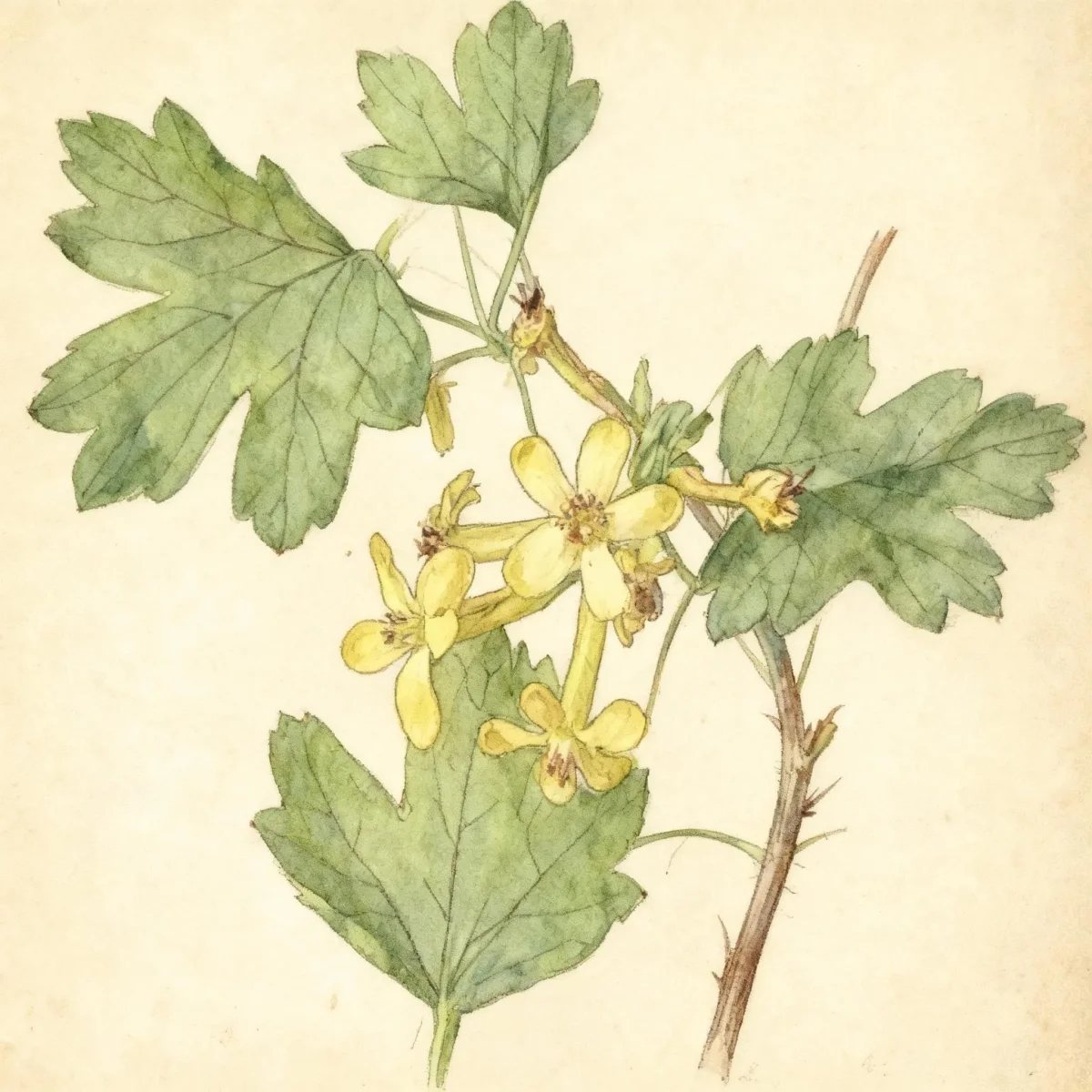
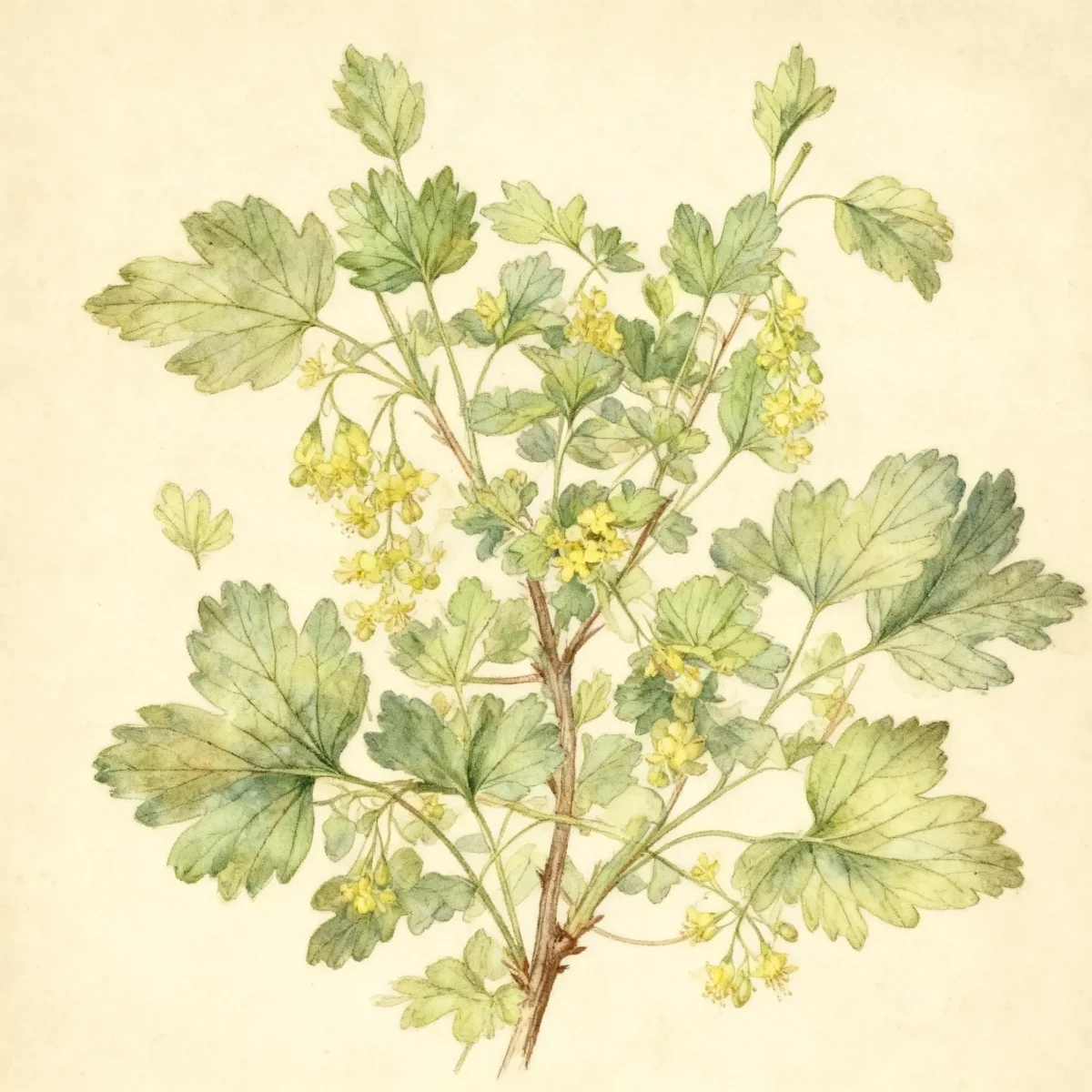
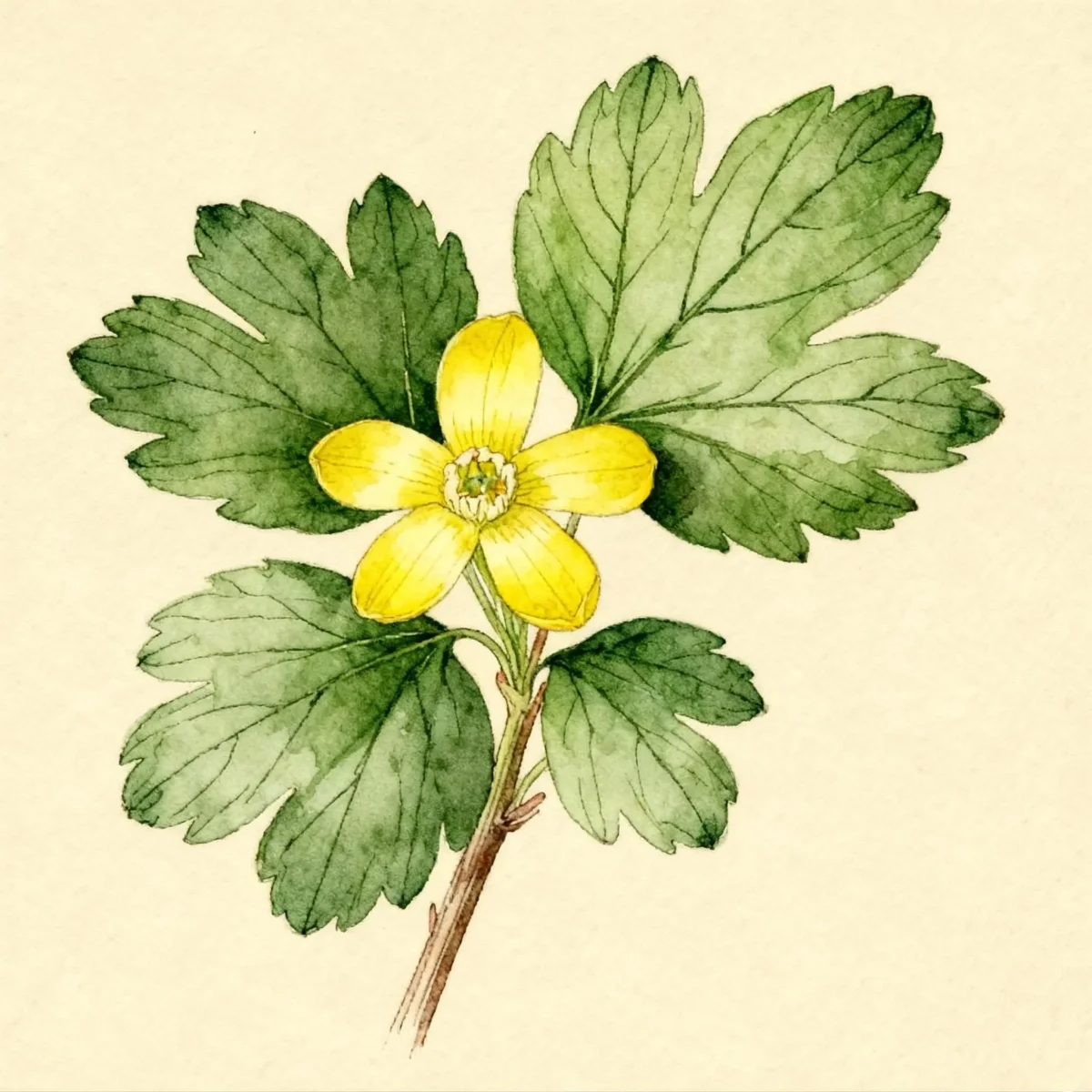
The Missouri gooseberry, Ribes missouriense, is a valuable native shrub cherished for providing both aesthetic appeal and edible harvest. This dense, rounded plant features upright-spreading to arching stems, making it a reliable addition to shrub borders or woodland settings. Gardeners value Ribes missouriense for its attractive spring display of greenish-white flowers followed by tart, deep purple fruits.
Native to various woodland margins and fields across the United States, this species adapts well when provided fertile, well-drained soil. It requires careful siting to maximize fruit production, preferring full sun, though protection from intense afternoon heat is beneficial in the hottest climates.
Beyond its culinary potential, the Missouri gooseberry offers textural interest, particularly when its 3-5 lobed leaves transition into reddish-brown or purple hues in the autumn. Growing the Ribes missouriense supports local ecosystems while providing a functional, medium-maintenance ornamental element.
Fast Facts
- Plant Family: Grossulariaceae
- Plant Type: Deciduous shrub
- Native Range: United States
- Hardiness Zones: USDA Zones 4-7
- Size at Maturity:
- Height: 2-4 ft
- Spread: 2-4 ft
- Bloom Time: April to May
- Bloom Description: Greenish-white
- Sun Exposure: Full sun to part shade
- Water Needs: Medium
- Maintenance Level: Medium
How to Grow
Planting the Missouri gooseberry is best accomplished in spring or fall when the plant is establishing its root system. Ensure the chosen site offers organically rich, fertile, medium moisture, well-drained clay or silt loams. While Ribes missouriense thrives in full sun, providing some afternoon shade prevents scorching in very hot summers; conversely, too much shade severely limits flowering and fruiting potential.
Consistent care involves regular watering to keep soils uniformly moist, especially during dry periods. A critical cultural note is to avoid overhead watering, which can encourage fungal issues. Maintenance is rated as medium, largely revolving around pest and disease monitoring and proper siting away from known frost pockets or harsh winds.
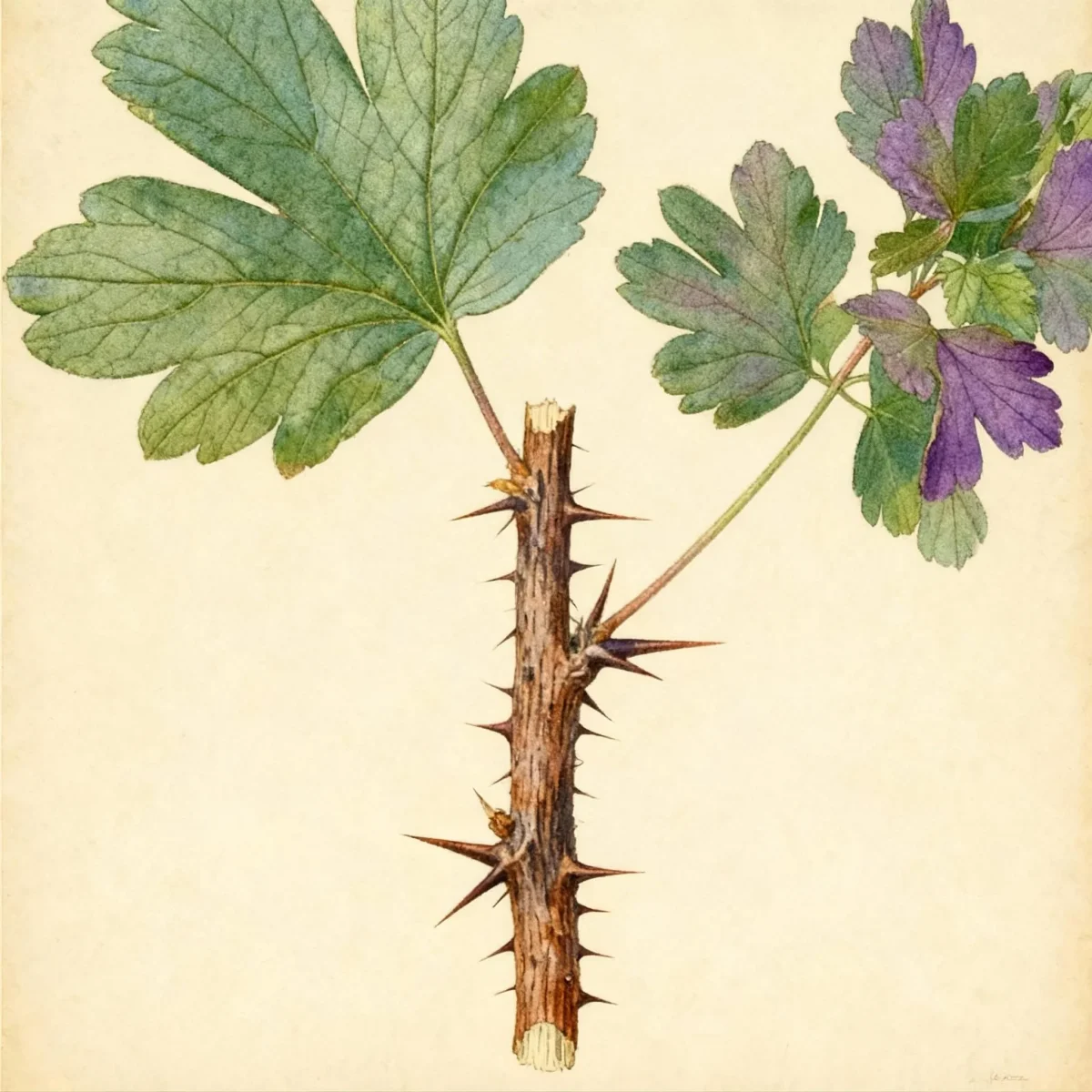
Pruning should be done selectively to maintain the natural rounded shape or to remove older, less productive wood. Because this plant is noted for having stout thorns (up to 3/4” long), exercise caution when performing maintenance tasks near the Missouri gooseberry.
Landscape Uses
The Ribes missouriense serves dual roles in the landscape as both an ornamental flowering shrub and a producer of edible fruit. Its manageable 2-4 foot height makes it perfect for foreground planting in mixed borders where its spring blooms can be easily appreciated. Groupings near patios offer accessible fruit harvest, blending functionality with natural aesthetics.
Specimen planting works well to showcase the shrub’s uniform, rounded habit, especially in open woodland areas or against a backdrop of taller evergreens where its autumn color can be highlighted. While specific companion planting needs are not detailed, pairing the Missouri gooseberry with other native shade-tolerant understory plants, such as woodland ferns or native sedges, reinforces a naturalized appearance.
Standout Features
Flower Qualities
- Showy
Fruit Qualities
- Showy
- Edible
Noteworthy Characteristics
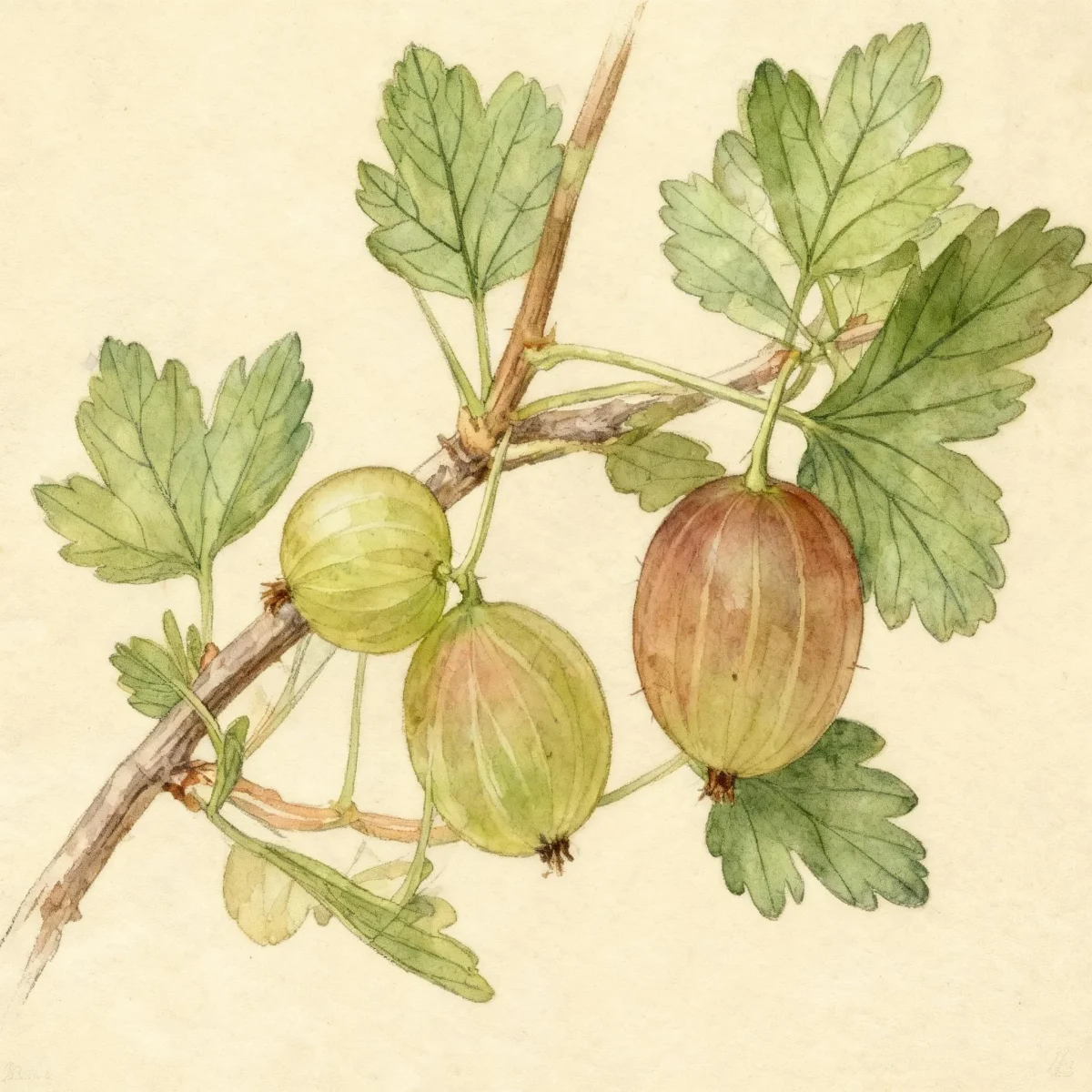
Ribes missouriense, commonly called Missouri gooseberry or wild gooseberry, is a dense, rounded, deciduous shrub noted for its showy spring flowers, sturdy thorns, and edible fruits. It forms an upright-spreading habit, typically growing 2-4 feet tall and wide, featuring palmately lobed leaves that display reddish-brown to purple tones in the fall. The tart, juicy green fruits ripen to purple and are excellent for jams, jellies, or fresh consumption.
Tolerances
(No data available)
Potential Problems
While white pine blister rust is not currently a major issue in Missouri, Ribes missouriense must be treated as a potential alternate host for this serious disease. Gardeners in regions where blister rust is prevalent, particularly parts of the eastern United States, should consult their local Extension Service before planting the Missouri gooseberry to confirm local regulations or risks.
In humid environments, this shrub is susceptible to fungal issues, including anthracnose, powdery mildew, and various fungal leaf spots. Prevention involves ensuring good air circulation through proper spacing and avoiding overhead watering. Cultivate diligently, scouting for common pests like aphids, scale, and bud mites, treating localized outbreaks promptly to maintain plant health.
Frequently Asked Questions
What hardiness zones is Missouri gooseberry suitable for?
The Ribes missouriense is reliably hardy across USDA Zones 4 through 7.
How large does Missouri gooseberry grow?
This shrub typically reaches a mature height and spread between 2 and 4 feet tall and wide, though some specimens may reach up to 6 feet.
What sun exposure does Ribes missouriense need?
Ribes missouriense prefers conditions ranging from full sun to partial shade for optimal performance.
When does Ribes missouriense bloom?
The Missouri gooseberry blooms annually from April to May, producing distinctive greenish-white flowers.
Conclusion
The Ribes missouriense offers substantial value to the home landscape, combining attractive seasonal interest with the functional benefit of tart, usable summer berries. This robust native shrub, the Missouri gooseberry, requires medium maintenance but repays the effort with reliable performance across USDA Zones 4-7. Before planting, confirm your local regulations regarding alternate hosts, and ensure soil drainage is excellent to enjoy this fine specimen.
Companion Planting
When integrating Ribes missouriense into your landscape design, consider companion plants that share similar cultural requirements, specifically favoring fertile, well-drained soil and part shade tolerance. Native woodland companions such as Bloodroot (Sanguinaria canadensis) or Columbine (Aquilegia canadensis) can complement its spring bloom cycle without competing aggressively for resources. These plants thrive in the dappled light often preferred by the gooseberry in hotter months.
For a functional edible grouping, consider planting native elderberries or serviceberries nearby, provided the sun exposure is adequate for all species. These companions create a tiered, productive native garden layer. Ensure that adequate spacing is maintained, particularly in humid regions, as overcrowding severely compromises the air movement needed to prevent fungal diseases on the Missouri gooseberry.
Wildlife Benefits
The flowers of Ribes missouriense provide an early-season nectar source when they bloom in April and May, supporting early-emerging pollinators. While specific data on pollinator attraction is often generalized for the Ribes genus, early-blooming native shrubs are critical for regional insect survival. Furthermore, the ripening purple fruits are highly attractive to various species of birds and small mammals native to the United States.
Planting the Missouri gooseberry in partially sheltered locations can offer nesting opportunities for smaller songbirds, utilizing the shrub’s dense structure for cover. By incorporating this plant, gardeners directly contribute to local food webs, supporting wildlife from bloom time through the summer harvest season.