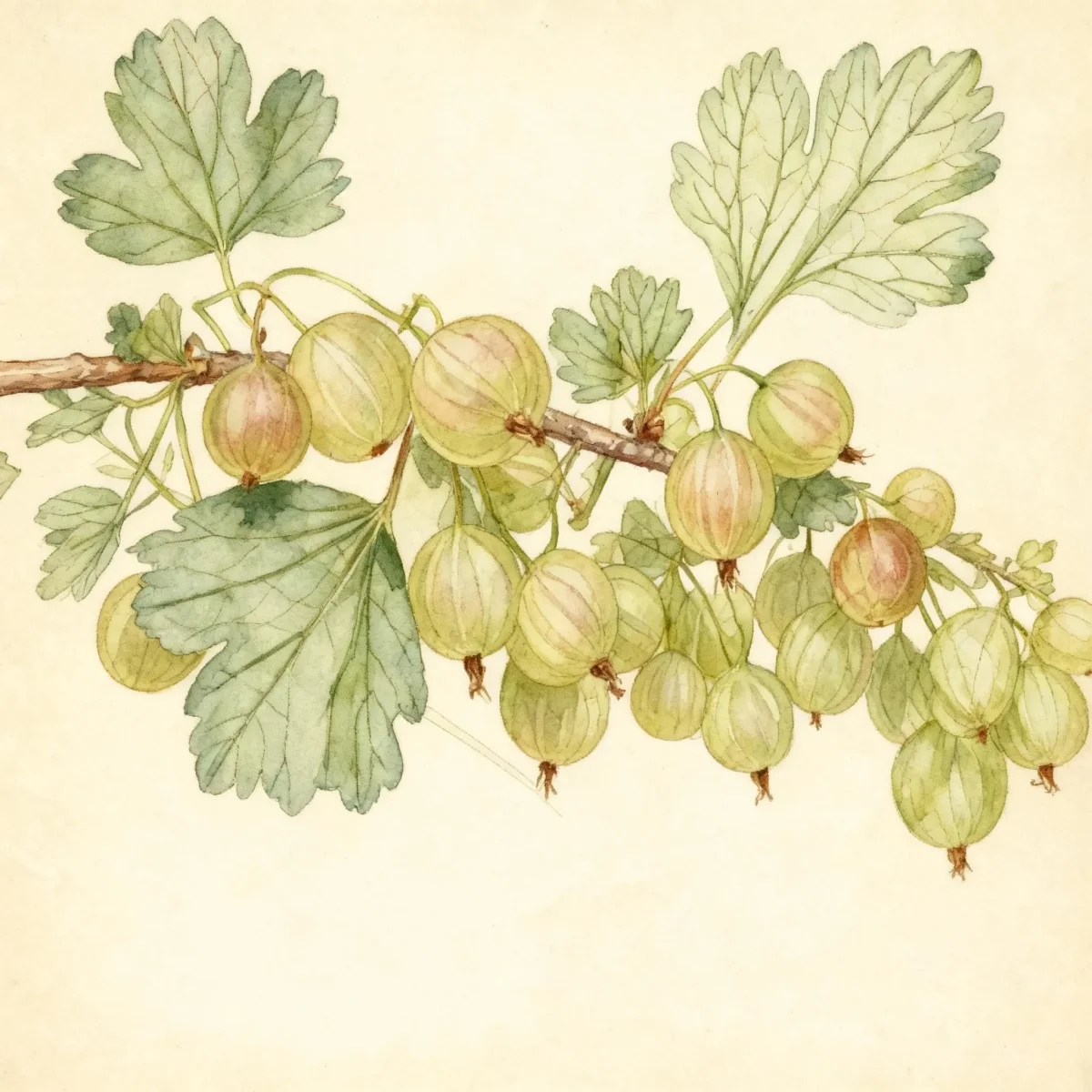
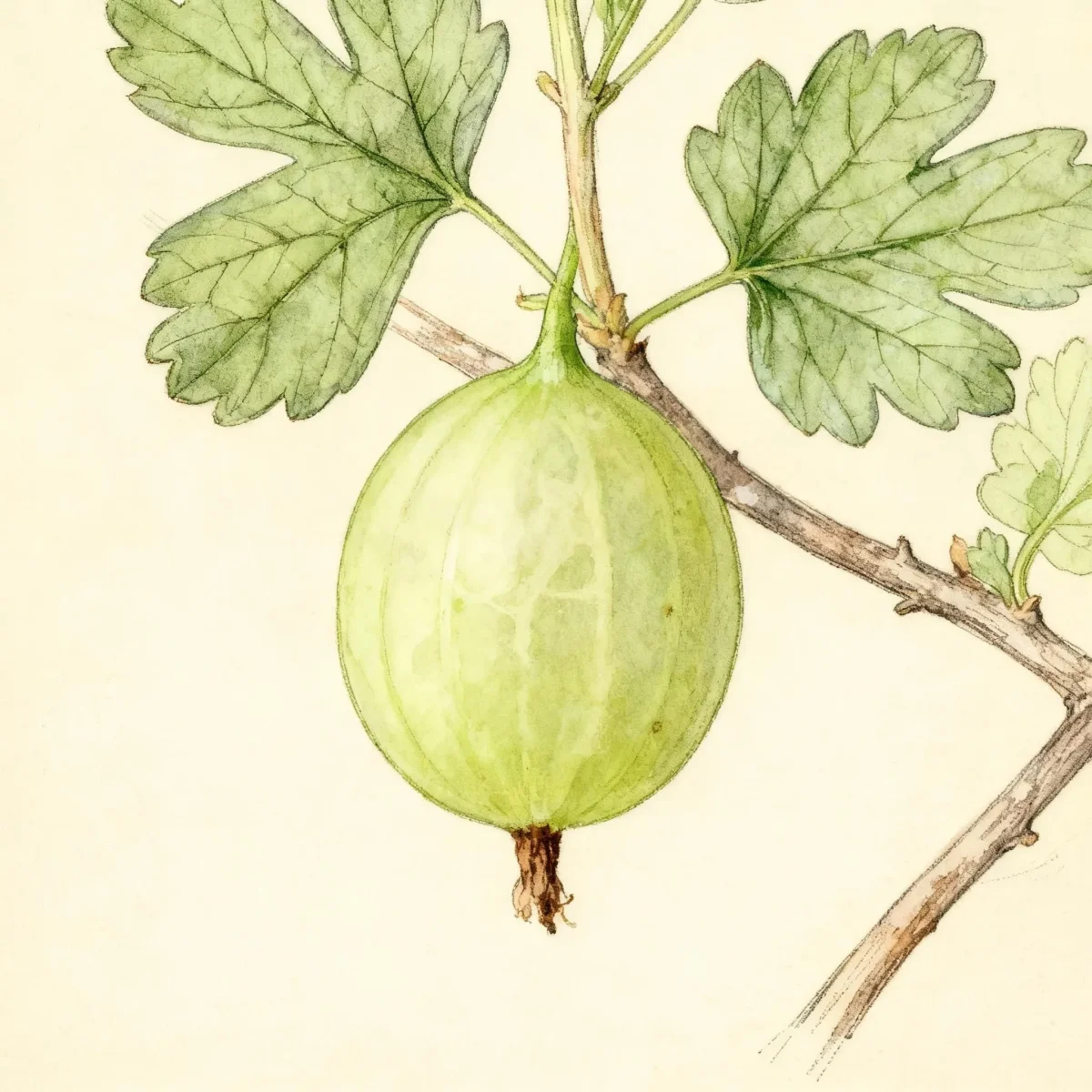
Clove currant (Ribes odoratum)
Ribes odoratum (Clove currant) is a low-maintenance, fragrant shrub famed for its edible black currants and drought tolerance.
Scroll down to discover growing tips, care requirements, companion plants, and more
Complete Plant Information
Overview
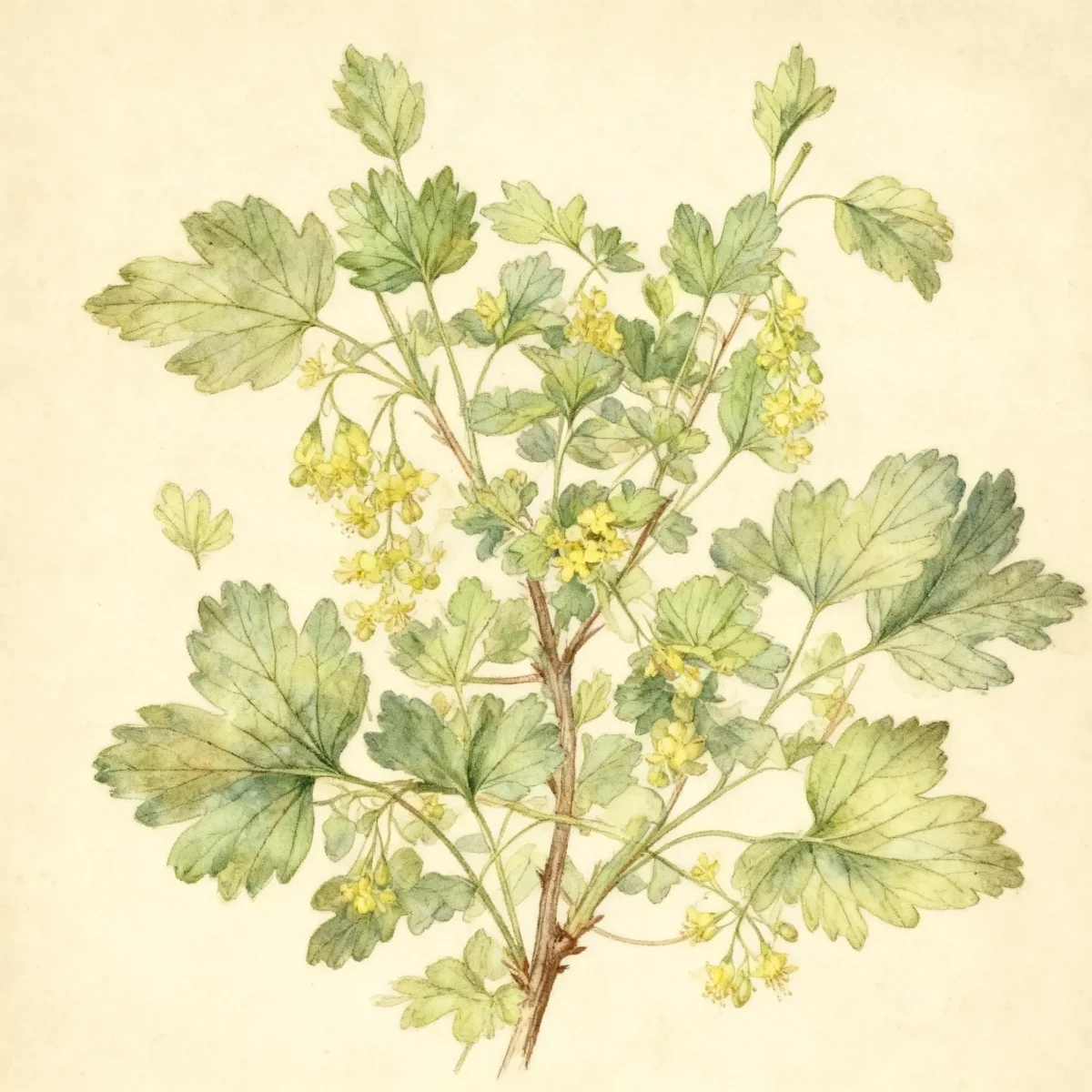
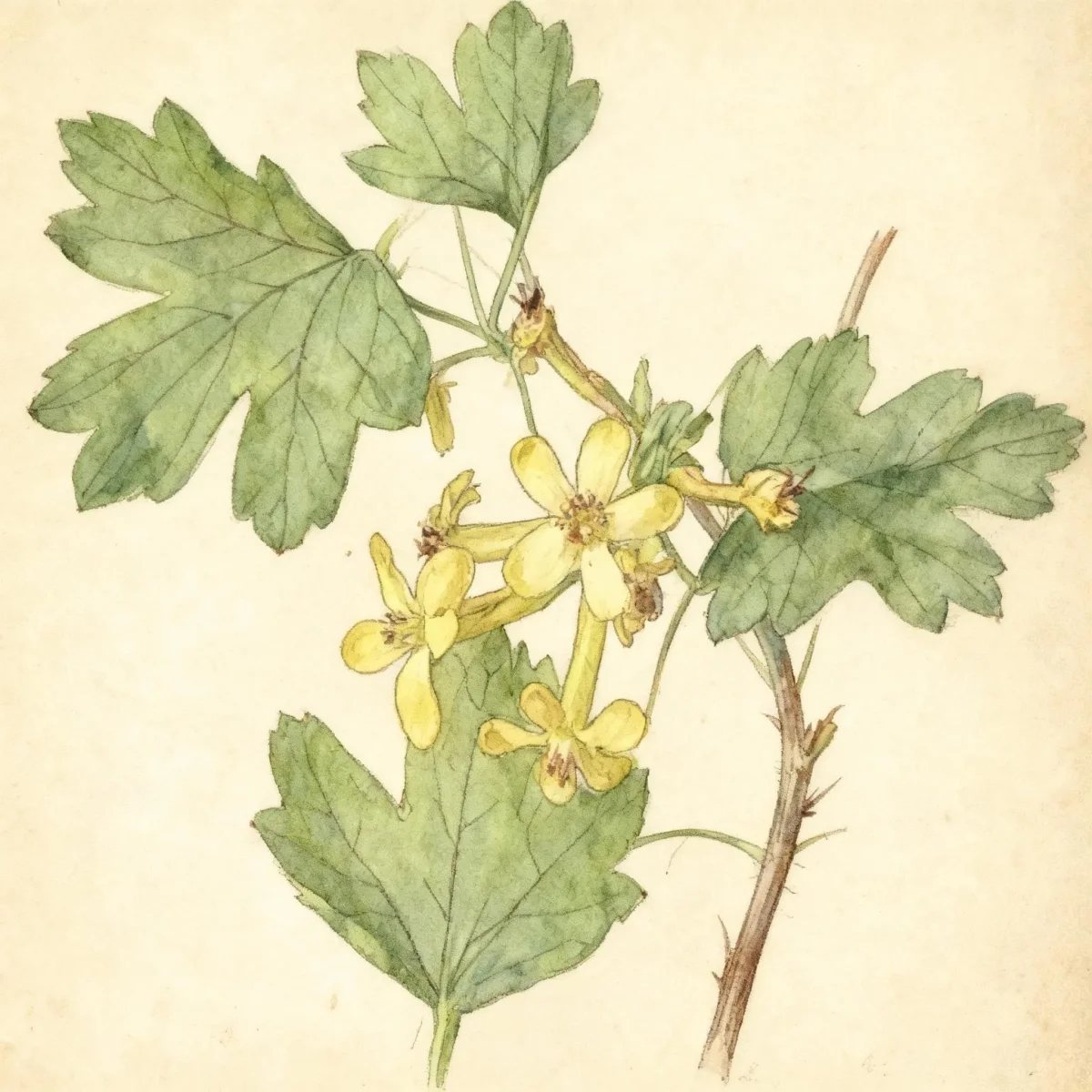
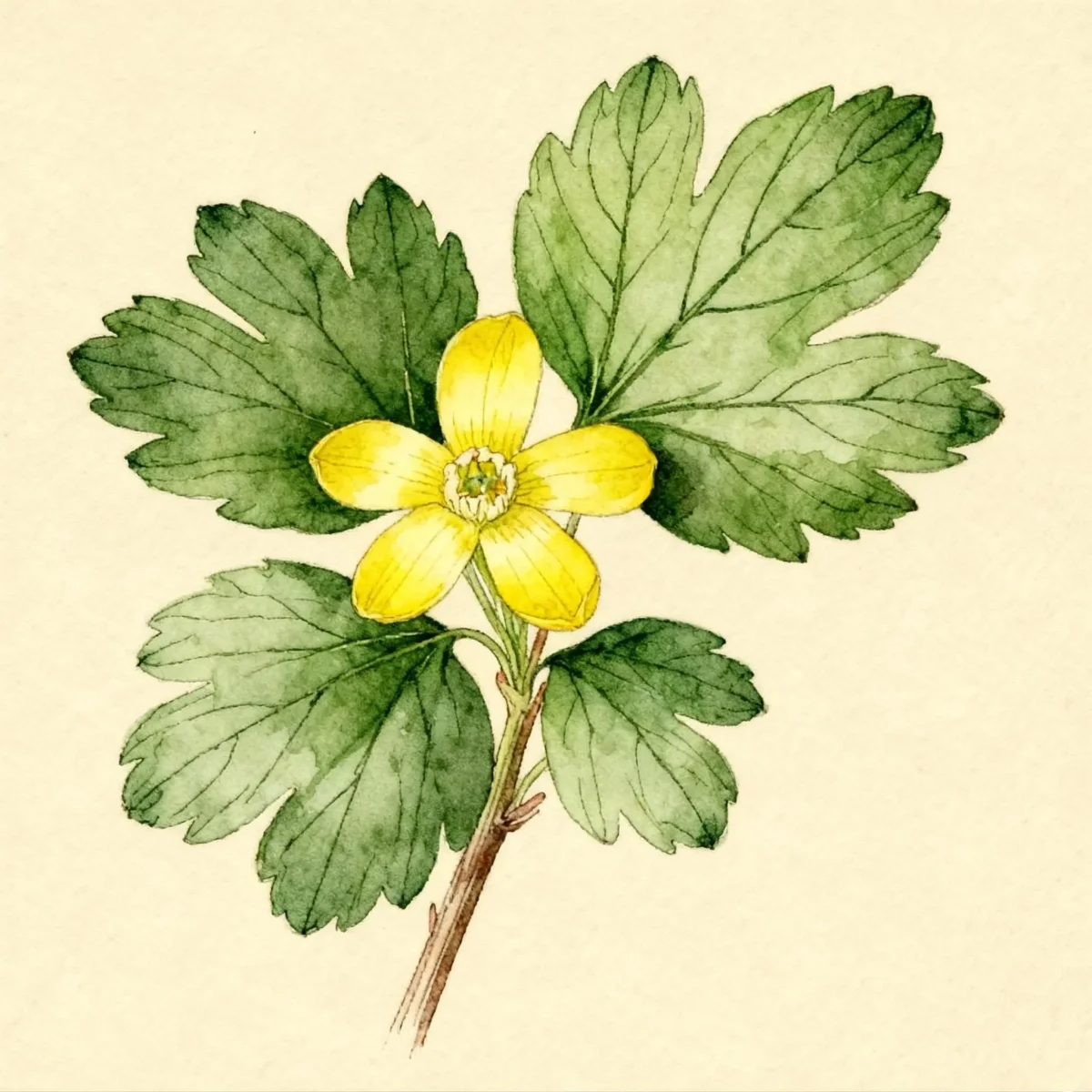
The Clove currant, botanically known as Ribes odoratum, is a highly valued, thornless deciduous shrub native to the Central United States. It earns its common name from the intense, pleasant clove-like fragrance emitted by its golden yellow, trumpet-shaped spring flowers. This plant offers exceptional ornamental interest alongside practical fruit production, making it a versatile addition to any landscape.
This species is celebrated for its resilience, tolerating poor soils and drought once established, coupled with its low maintenance requirements. While it is valued for its tart, edible black currants, the shrub itself forms a loose, irregularly shaped specimen that thrives in full sun to partial shade conditions within USDA Zones 4 through 8.
Beyond aesthetics and culinary use, Ribes odoratum contributes positively to the local environment by providing structure and habitat. Its strong constitution and tolerance for challenging sites, such as erosion-prone slopes, make it a reliable selection for foundational planting or informal screening.
Fast Facts
- Plant Family: Grossulariaceae
- Plant Type: Deciduous shrub
- Native Range: Central United States
- Hardiness Zones: USDA Zones 4-8
- Size at Maturity:
- Height: 6-12 ft
- Spread: 6-8 ft
- Bloom Time: April
- Bloom Description: Yellow
- Sun Exposure: Full sun to part shade
- Water Needs: Medium
- Maintenance Level: Low
How to Grow
Planting Clove currant should ideally occur in late fall or early spring when dormancy allows for easier transplant establishment. Locate specimens where they receive full sun for the absolute best flowering and fruiting, though some afternoon shade is acceptable in hotter summer climates. This shrub performs best in organically rich, fertile, well-drained clay or silt loams with medium moisture.
Care involves applying a rich compost mulch annually around the root zone to maintain even moisture levels, which this plant prefers. Watering should be consistent but avoid overhead sprinkling, as damp foliage can invite fungal issues. Pruning your Ribes odoratum is simple: perform a renewal prune in late winter or early spring, removing older, damaged, or weakened branches to encourage vigorous new growth, as younger wood generally yields the best fruit crop.
This robust shrub requires little fuss once established, benefiting from the fact that it tolerates drought well. Monitor for suckers that may arise from the roots, which should be removed if you intend to keep the plant as a singular specimen rather than a clump. Propagate new plants via dormant cuttings or by seed.
Landscape Uses
The structural form and seasonal displays of Clove currant make it highly adaptable in landscape design. It serves excellently when grouped in shrub borders, providing vertical interest, or placed near patios where its fragrant spring bloom can be fully appreciated. Its ability to form a dense mass also supports its use as an informal hedge or natural screen, particularly effective in native plant gardens where its origins are celebrated.
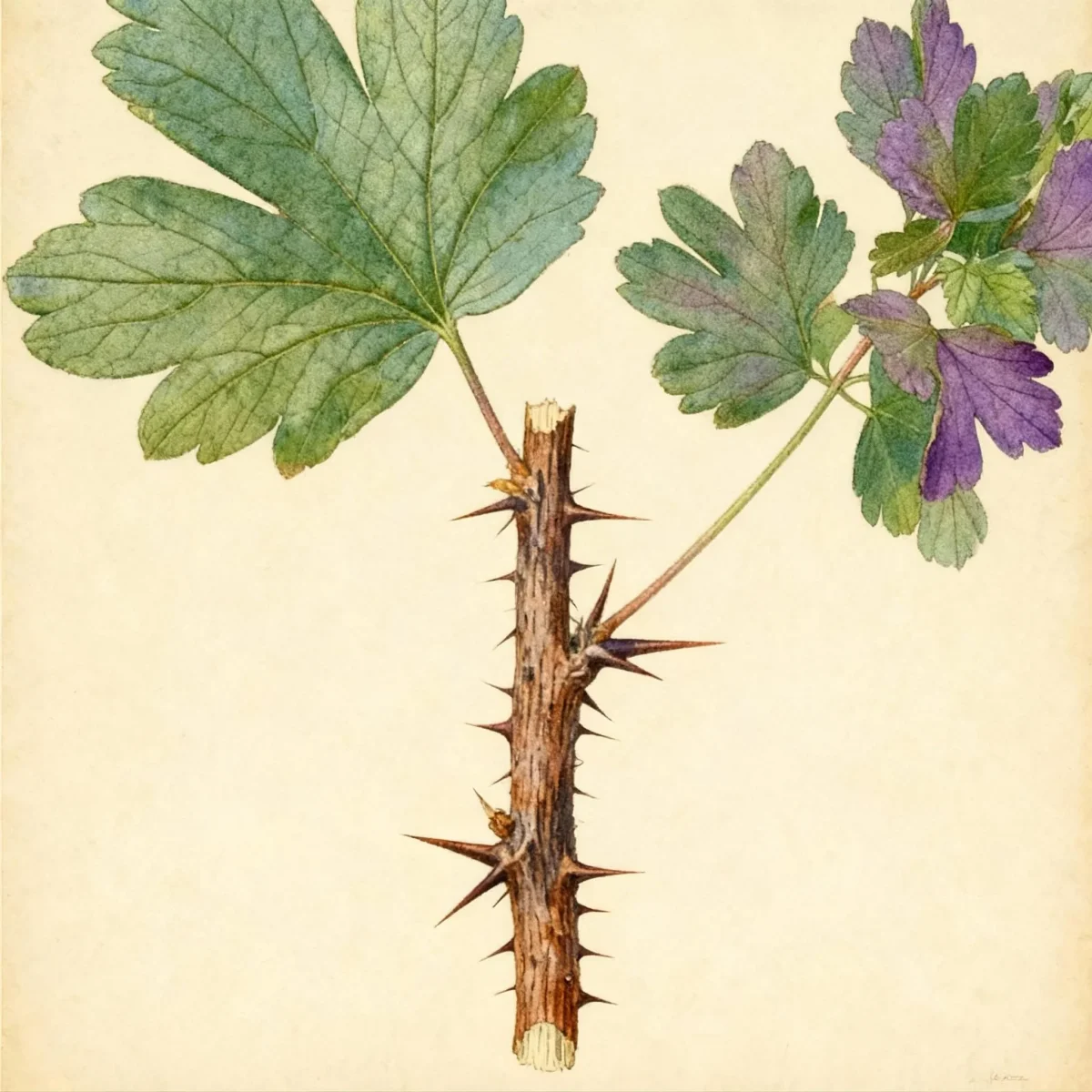
Due to its adaptability, plant Ribes odoratum alongside other resilient, late-blooming perennials that share similar sun and water needs, creating continuous seasonal interest after the currants finish fruiting. Because it is thornless, it integrates well into areas requiring frequent human access, unlike some other barrier plants.
For wildlife enhancement, placing this shrub near woodland edges or open areas can establish valuable habitat. The clusters of shiny black fruit are an attractive food source in late season, drawing in birds and other local fauna.
Standout Features
Flower Qualities
- Showy
- Fragrant
Fruit Qualities
- Showy
- Edible
Noteworthy Characteristics
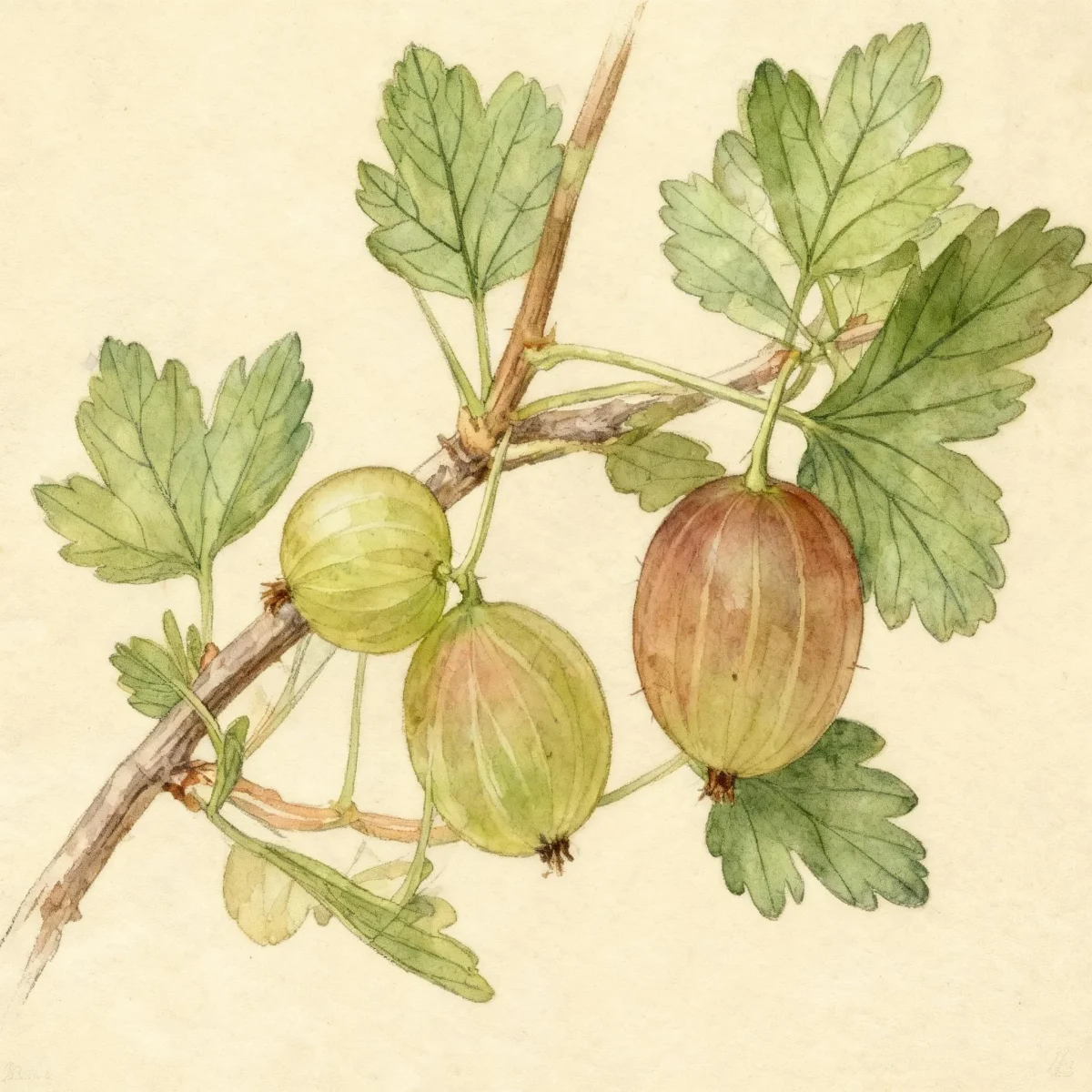
Ribes odoratum, commonly called clove currant, is a thornless, loosely-branched, irregularly-shaped, deciduous shrub native to slopes and stream banks across the Central US. Its golden yellow trumpet-shaped flowers are borne in racemes during spring, noted for emitting a distinctive, strong clove-like fragrance. The flowers mature into clusters of edible, shiny black currants later in the season.
Tolerances
- Rabbit
- Drought
- Erosion
- Clay Soil
Potential Problems
In conditions characterized by high humidity and moisture, Ribes odoratum can become susceptible to fungal diseases such as anthracnose, powdery mildew, and various leaf spots. It may also be targeted by pests like the currant aphid, scale, bud mite, and fruit fly. Management often involves ensuring good air circulation through proper pruning and avoiding overhead watering to minimize humidity around the foliage.
A significant consideration unique to the Ribes genus is their potential role as an alternate host for white pine blister rust (Cronartium ribicola). Even though clove currants are less susceptible than black currants, gardeners must verify local agricultural restrictions, as ten states maintain bans on growing any Ribes species, especially where white pines are commercially important or ecologically sensitive.
If fruit production concerns you, focus your late winter pruning on removing older wood to stimulate younger, more productive stems. Always check with your local Extension Service regarding the legality of growing Ribes odoratum in your specific region before planting.
Frequently Asked Questions
What hardiness zones is Clove currant suitable for?
The Clove currant (Ribes odoratum) is highly adaptable, suited for USDA Hardiness Zones 4 through 8.
How large does Clove currant grow?
This deciduous shrub typically reaches a mature height between 6 and 12 feet tall and spreads 6 to 8 feet wide.
When does Clove currant bloom?
Ribes odoratum produces its showy, fragrant bloom in April, characterized by bright yellow flowers.
What sun exposure does Clove currant need?
The plant performs best in full sun but will tolerate some part shade, though less abundant flowering and fruiting may result.
Conclusion
The Clove currant (Ribes odoratum) stands out as a rare combination of beauty, fragrance, and utility, providing edible fruit with minimal long-term care. Its resilience against drought and poor soil makes it a low-risk, high-reward addition to the garden, especially valued for its clove-scented spring display. Before planting, confirm the local regulations regarding Ribes species in your area and plan for its ideal spring planting time to establish this wonderful native shrub successfully.
Propagation Tips
Propagating Ribes odoratum is straightforward, typically achieved through two primary methods: cuttings or seed. For vegetative propagation, take hardwood cuttings from dormant stems in late winter or early spring. These cuttings should be placed in a well-drained medium under slight bottom heat to encourage rooting, resulting in clones true to the parent plant.
Seed propagation is also effective, though the resulting plants exhibit more genetic variation. Seeds require a period of cold and moist stratification before they are ready to germinate. Sow seeds in the fall directly outdoors, or stratify them artificially over several weeks indoors to mimic winter conditions before planting them out in spring.
Because Clove currant plants can spread via root suckers, you can also propagate new specimens by carefully digging up and dividing these suckers, ensuring each piece has adequate root structure attached.
Wildlife Benefits
The ornamental value of the Clove currant extends significantly into supporting local ecosystems. The spring bloom, noted for its strong clove fragrance, is a crucial early nectar source for numerous pollinators emerging from dormancy. Bees and other beneficial insects are strongly attracted to the massed yellow flowers.
Once the bloom fades, the shrub becomes attractive to various bird species as the drooping clusters of shiny black fruit ripen in the late season. These berries provide essential summer and early fall forage.
Furthermore, the dense, thorny-free branching structure of Ribes odoratum serves as excellent cover and nesting material for smaller songbirds seeking refuge from predators or harsh weather throughout the year.