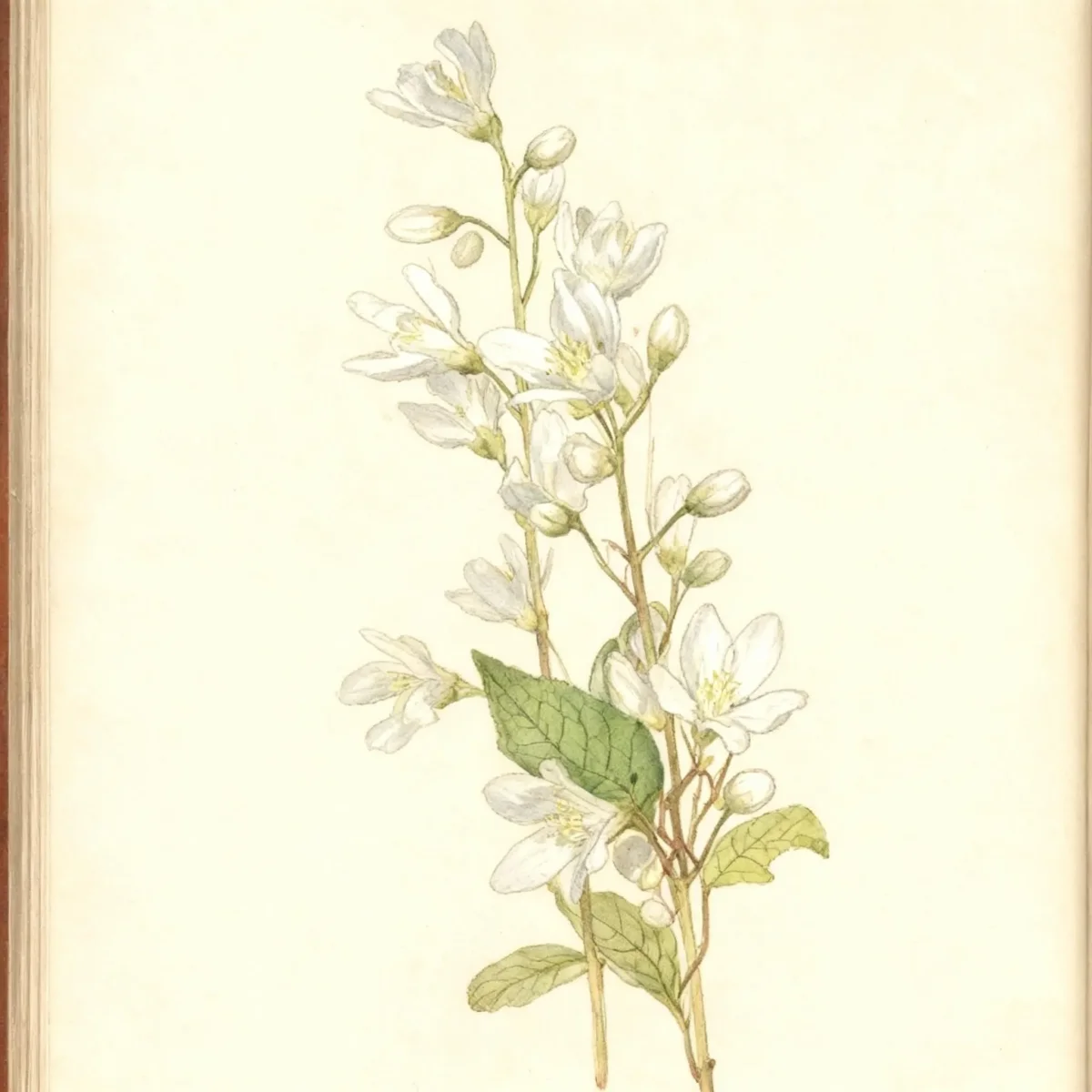
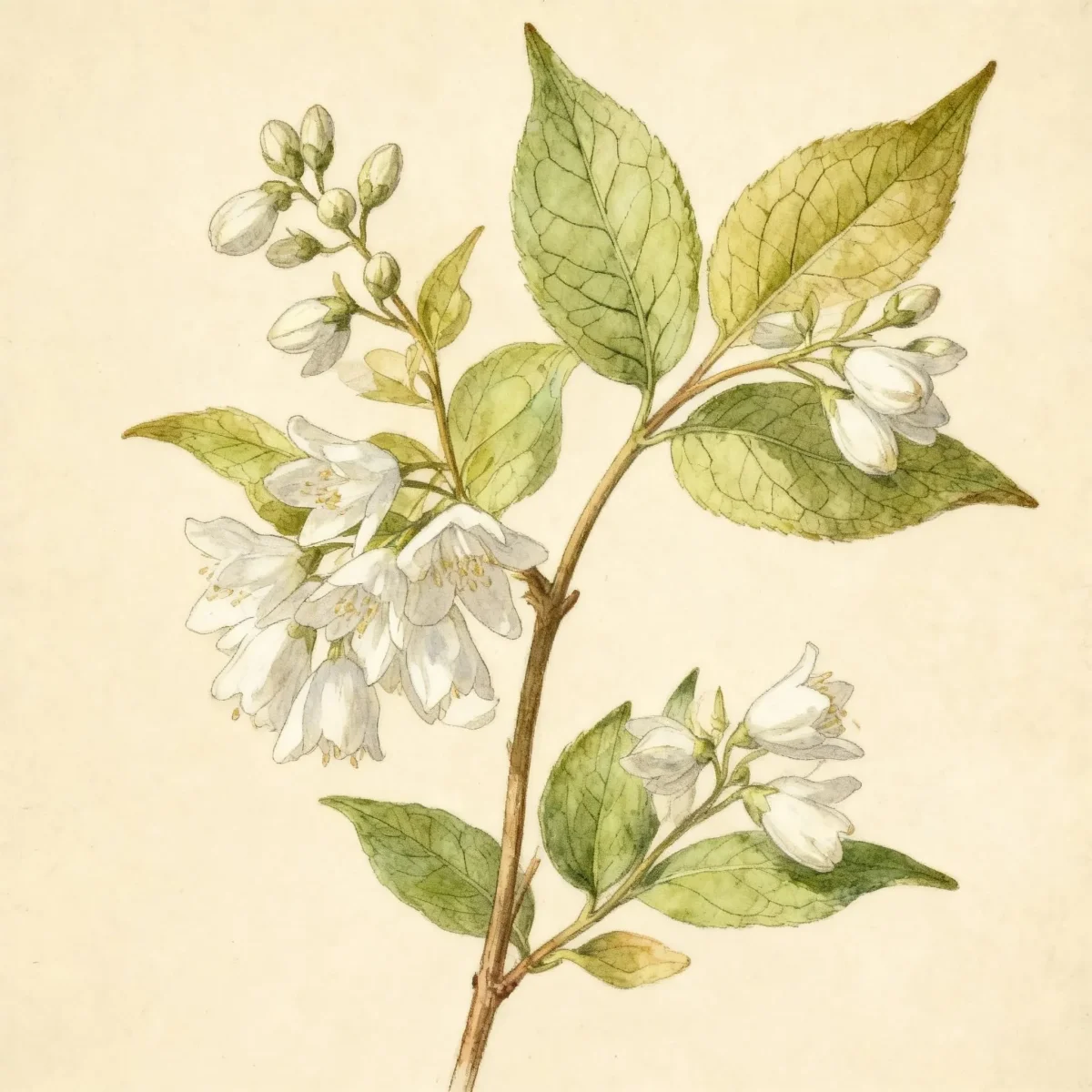
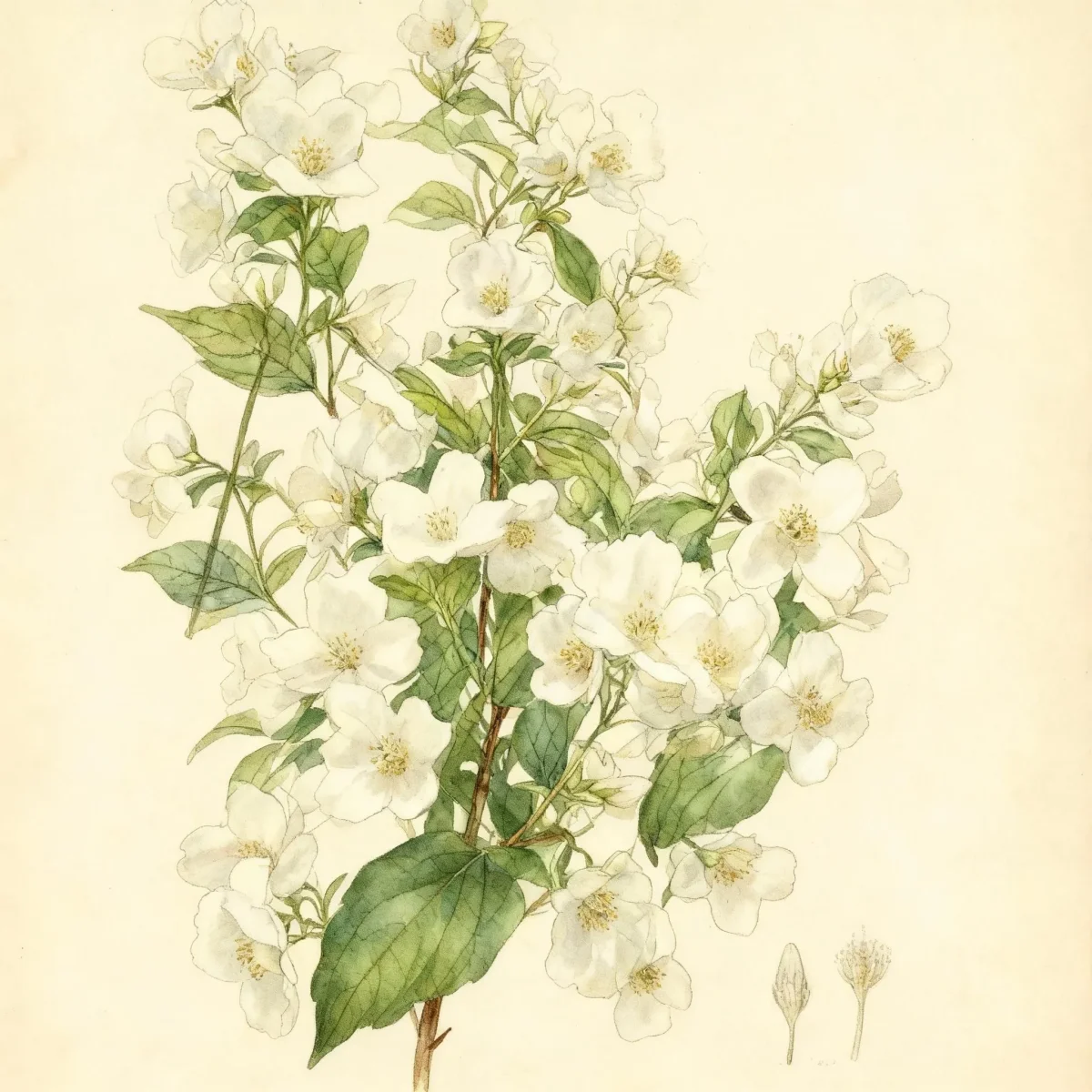
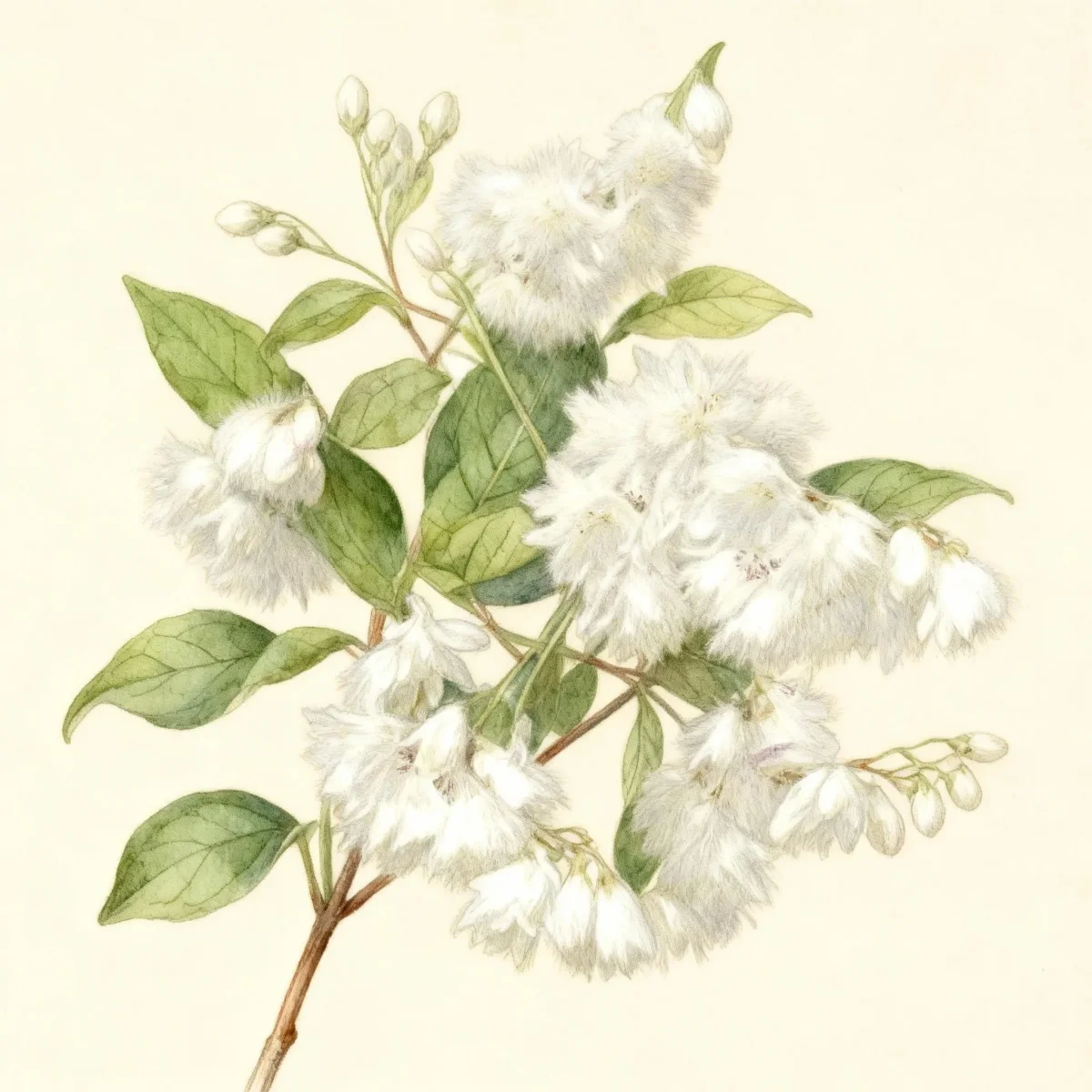
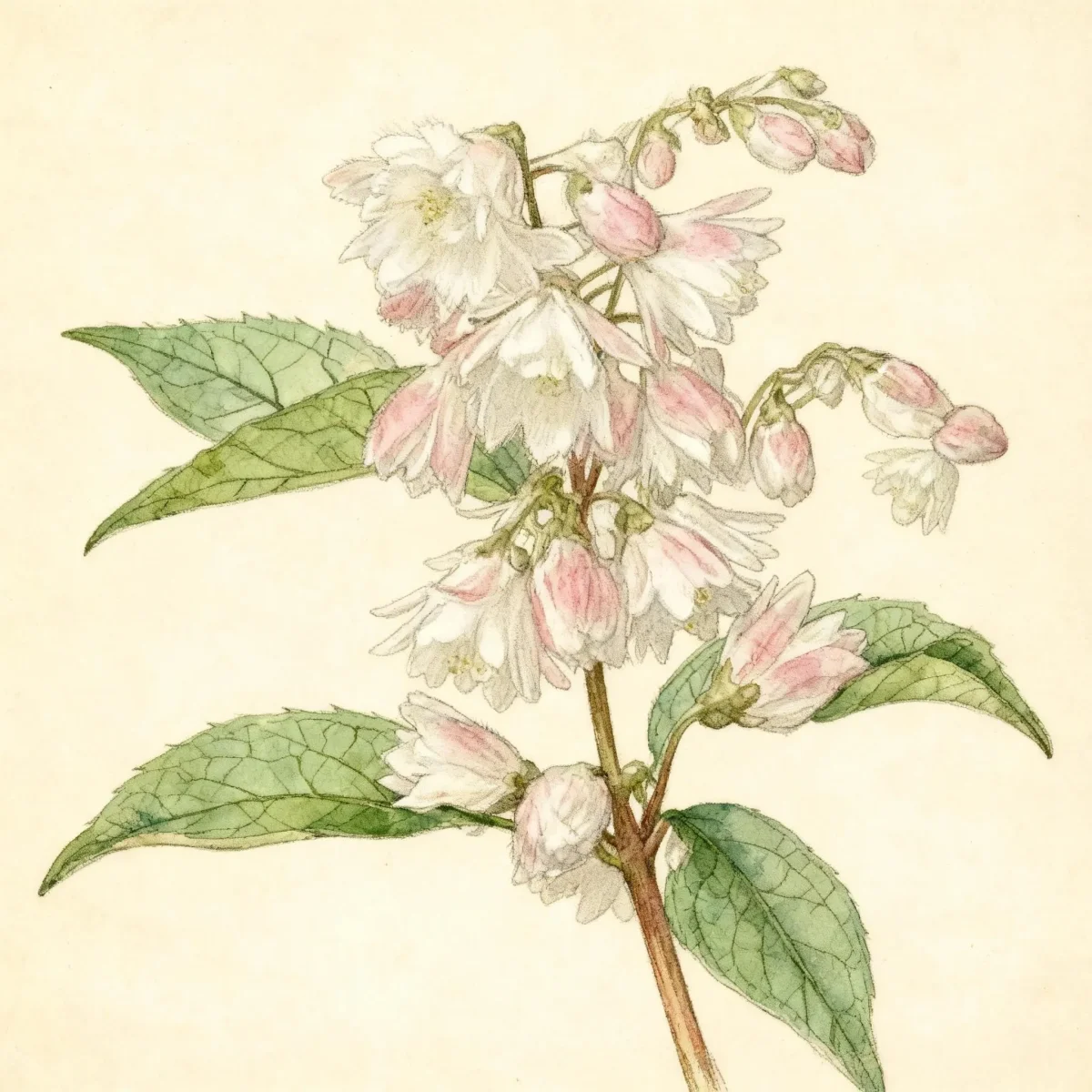
Slender deutzia (Deutzia gracilis)
Discover Slender deutzia (Deutzia gracilis), a low-maintenance, graceful shrub offering showy, fragrant white blooms from April to May.
Scroll down to discover growing tips, care requirements, companion plants, and more
Complete Plant Information
Overview
The Slender deutzia (Deutzia gracilis) is a charming, dense, and gracefully mounding deciduous shrub originating from Japan. It is prized by gardeners for its prolific display of tiny, white, bell-shaped flowers that cover the branches in spring, providing excellent early-season interest. This species is often referred to as Slender deutzia due to its delicate branching habit.
As a low-maintenance specimen, Deutzia gracilis adapts well to various conditions, thriving in average soils while offering consistent structure throughout the growing season. Its naturally rounded form makes it an ideal choice for softening borders or mass plantings where robust, yet refined, texture is desired.
Functionally, the graceful arch of its stems makes the Deutzia gracilis valuable for informal hedging or foundation planting, lending an airy feel that belies its toughness. This species requires only minimal intervention to maintain its appealing shape and seasonal profusion of fragrant blossoms.
Fast Facts
- Plant Family: Hydrangeaceae
- Plant Type: Deciduous shrub
- Native Range: Japan
- Hardiness Zones: USDA Zones 5-8
- Size at Maturity:
- Height: 2-5 ft
- Spread: 2-5 ft
- Bloom Time: April to May
- Bloom Description: White
- Sun Exposure: Full sun to part shade
- Water Needs: Medium
- Maintenance Level: Low
How to Grow
Planting Deutzia gracilis is best accomplished in the spring or fall, establishing it in average, medium-moisture, well-drained soil. While the shrub tolerates a wide range of soil conditions, for optimal performance, aim for moist, humus-rich loams. Full sun encourages the best flowering, although foliage color retention is usually superior when sited in partial shade, especially in regions experiencing high summer heat.
Water needs are medium; ensure consistent moisture, especially when the plant is young or during dry spells. Fertilization is rarely necessary if the soil is reasonably fertile. Due to stems being somewhat short-lived, annual pruning management is important for maintaining vigor and shape.
The timing of pruning must be precise: always prune immediately after the flowering period concludes in the spring. This ensures you do not accidentally remove next year’s flower buds, which form during the summer. Routine spring pruning should focus on removing any dead or crossing branches to encourage airflow and fresh growth.
Landscape Uses
The versatility of the Slender deutzia makes it a strong component in various landscape designs. It transitions beautifully from foundational placements near structures to forming cohesive, informal hedges that require little formal shearing. Mass planting the Deutzia gracilis creates a spectacular springtime drift of white bloom, contrasting nicely with evergreen backdrops.
Consider using this reliable shrub in groupings within mixed shrub borders, where its fine texture can complement broader-leafed perennials or other spring-blooming shrubs. Its moderate size, typically reaching 2 to 5 feet, also makes it suitable for softening hard corners or pathways without overwhelming the space.
Because it thrives in similar conditions to many woodland edge plants, companion planting Deutzia gracilis with spring ephemerals or shade-tolerant hostas works well in areas receiving part shade. Its low profile and tidy habit mean it rarely needs staking or heavy corrective work.
Standout Features
Flower Qualities
- Showy
- Fragrant
Noteworthy Characteristics
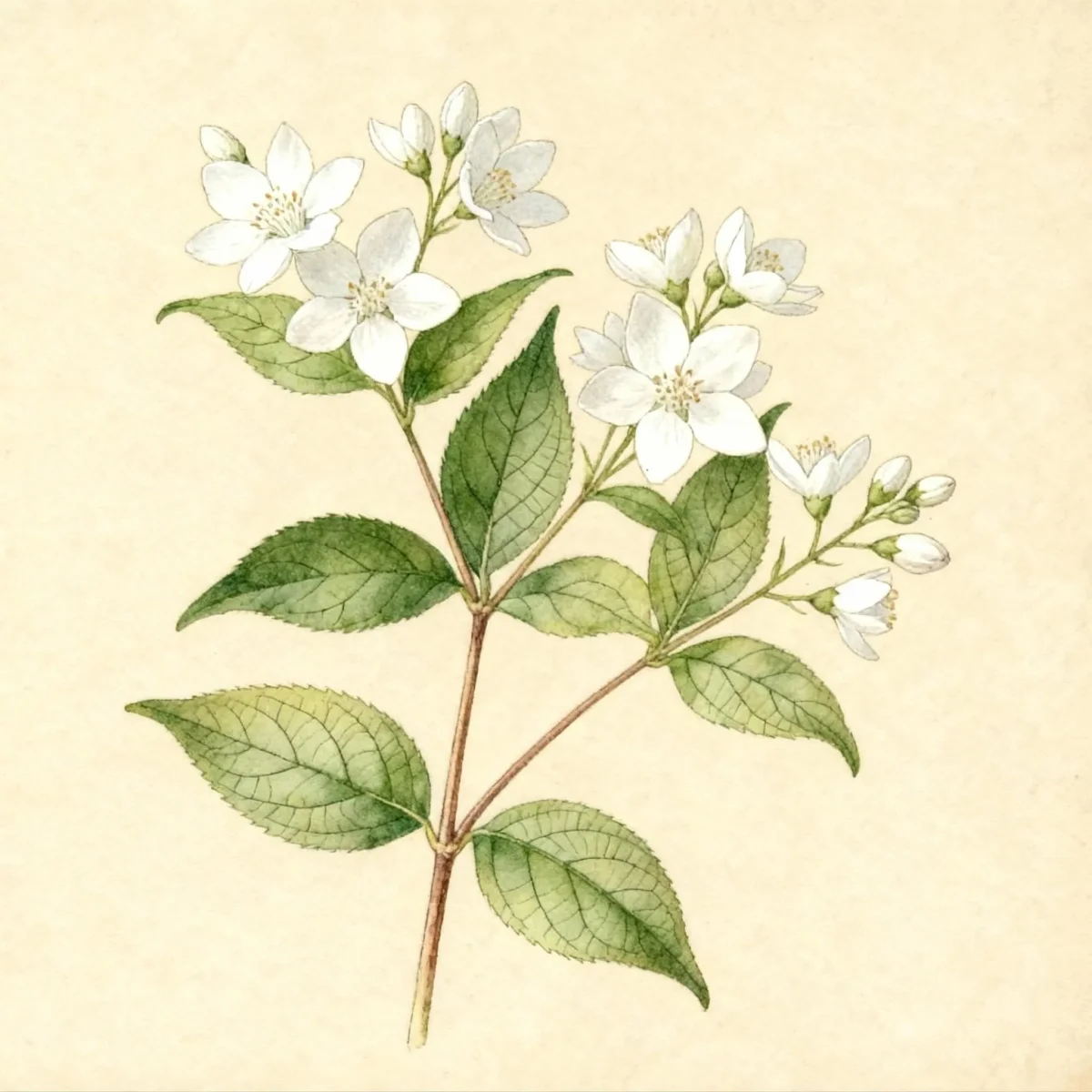
Deutzia gracilis, commonly called Slender deutzia, is a dense, rounded, deciduous shrub with slender, broadly spreading to arching stems. Tiny, fragrant, bell-shaped, white flowers (to 3/4”) appear in spring in numerous loose racemes (to 3” long) which cover the shrub for about two weeks. The specific epithet gracilis aptly means slender or graceful, describing its overall habit.
Tolerances
- Clay Soil
Potential Problems
Deutzia gracilis generally exhibits low maintenance regarding pests and diseases. However, gardeners should watch for some susceptibility to leaf spot, which can usually be managed by ensuring good air circulation through proper pruning.
Occasionally, leaf miners or aphids may appear as unwelcome insect visitors. Often these are cosmetic rather than damaging to the overall health of the shrub; treating mild infestations with insecticidal soap is usually effective.
A specific environmental issue to monitor is sun scorching; in conditions of extreme heat, the foliage may bleach to an undesirable white color. Siting the plant where it receives afternoon shade helps mitigate this bleaching while still allowing for adequate bloom development.
Frequently Asked Questions
What hardiness zones is Slender deutzia suitable for?
The Slender deutzia (Deutzia gracilis) is hardy and reliably grown in USDA hardiness zones 5 through 8.
How large does Deutzia gracilis grow?
This graceful shrub typically matures to a height between 2 and 5 feet, with a similar spread ranging from 2 to 5 feet wide.
When does Deutzia gracilis bloom?
The characteristic bloom time for Deutzia gracilis is early spring, specifically from April into May, producing masses of white flowers.
What sun exposure does Slender deutzia need?
For the most prolific white flowers, Deutzia gracilis requires full sun; however, siting it in part shade can help protect the foliage from bleaching in intense summer heat.
Conclusion
The Slender deutzia offers excellent value for its low maintenance requirement and dramatic early spring floral performance. Its graceful structure and fragrant white blooms solidify Deutzia gracilis as a valuable staple in the temperate garden plan. Confirm your USDA zone compatibility and plan to prune right after flowering to ensure decades of enjoyment from this classic shrub.
Companion Planting
When selecting companions for Deutzia gracilis, focus on plants that enjoy similar sun exposure (full sun to part shade) and prefer medium moisture levels. Spring-blooming bulbs like daffodils or tulips provide a fantastic early color layer beneath the shrub before its own flowers fully open.
For contrast in texture, pair the fine-leaved, airy structure of the Slender deutzia with plants featuring broader leaves, such as Hosta varieties (if sited in shade) or Japanese Forest Grass (Hakonechloa macra). This contrast highlights the delicate nature of the Deutzia’s branching.
In mixed borders, consider interplanting with later-blooming shrubs like standard Hydrangea varieties or Rose of Sharon. This pairing ensures continuous visual interest across the entire growing season, moving seamlessly from the delicate spring display of Deutzia gracilis to the summer color of its partners.
Seasonal Care Calendar
Spring is the most active season for Deutzia gracilis. As soon as the flowers fade in late spring (usually late May in Zone 6), immediately prune out any spent or congested stems to maintain shape and encourage strong growth for next year. Minimal fertilization is needed; if growth seems stunted, an all-purpose slow-release fertilizer applied early in the spring is sufficient.
Summer care focuses primarily on monitoring moisture. While mature plants tolerate some dryness, a deep, medium watering during extended dry periods will keep the foliage looking its best and prevent potential sun bleaching of leaves. Summer is also when next year’s flower buds are set.
Autumn maintenance is light for this deciduous shrub. Allow the leaves to drop naturally; there is no significant fall color to note. Winter protection in colder zones (Zone 5) typically involves no special steps beyond ensuring adequate moisture uptake right before the ground freezes, as dead wood is pruned out early the following spring.