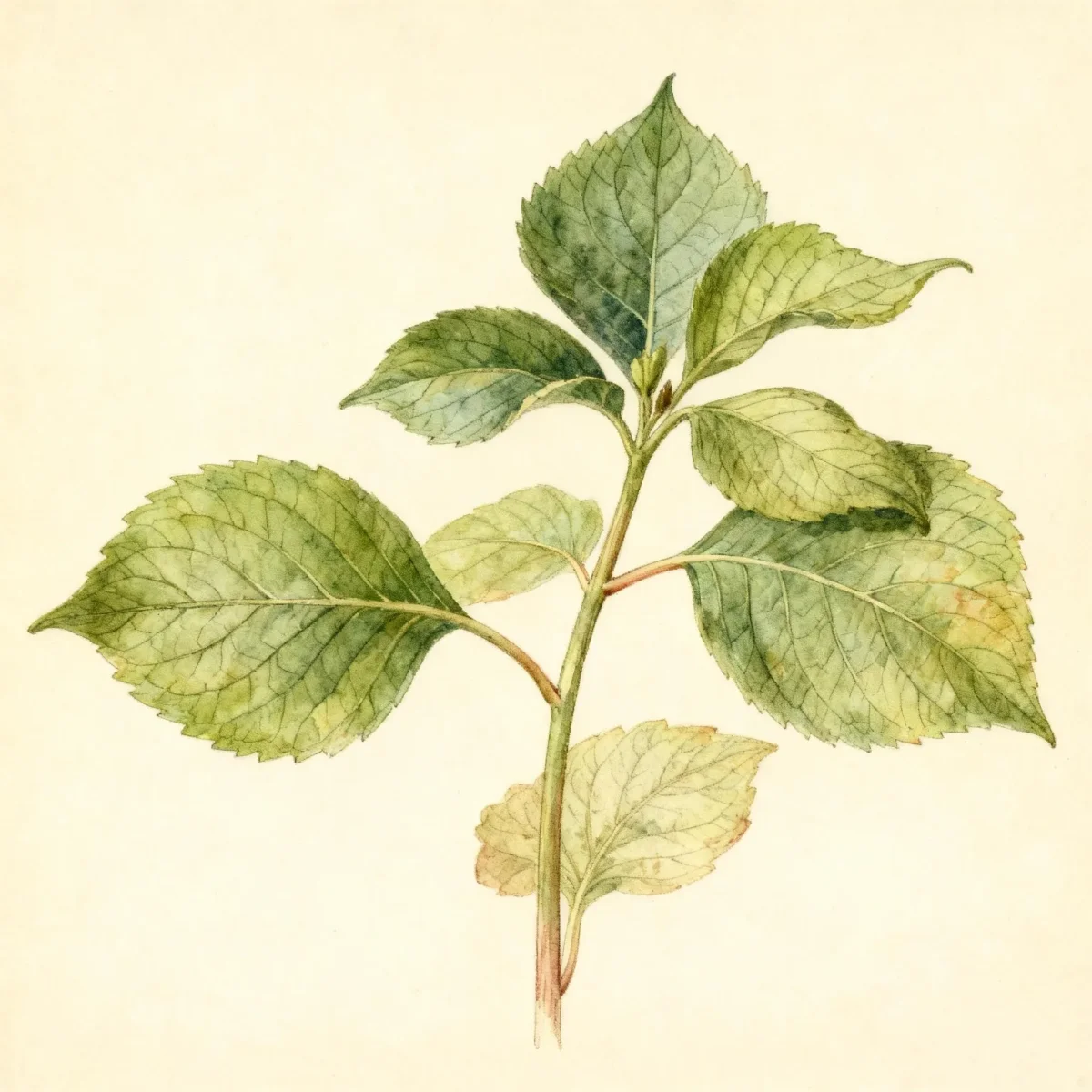
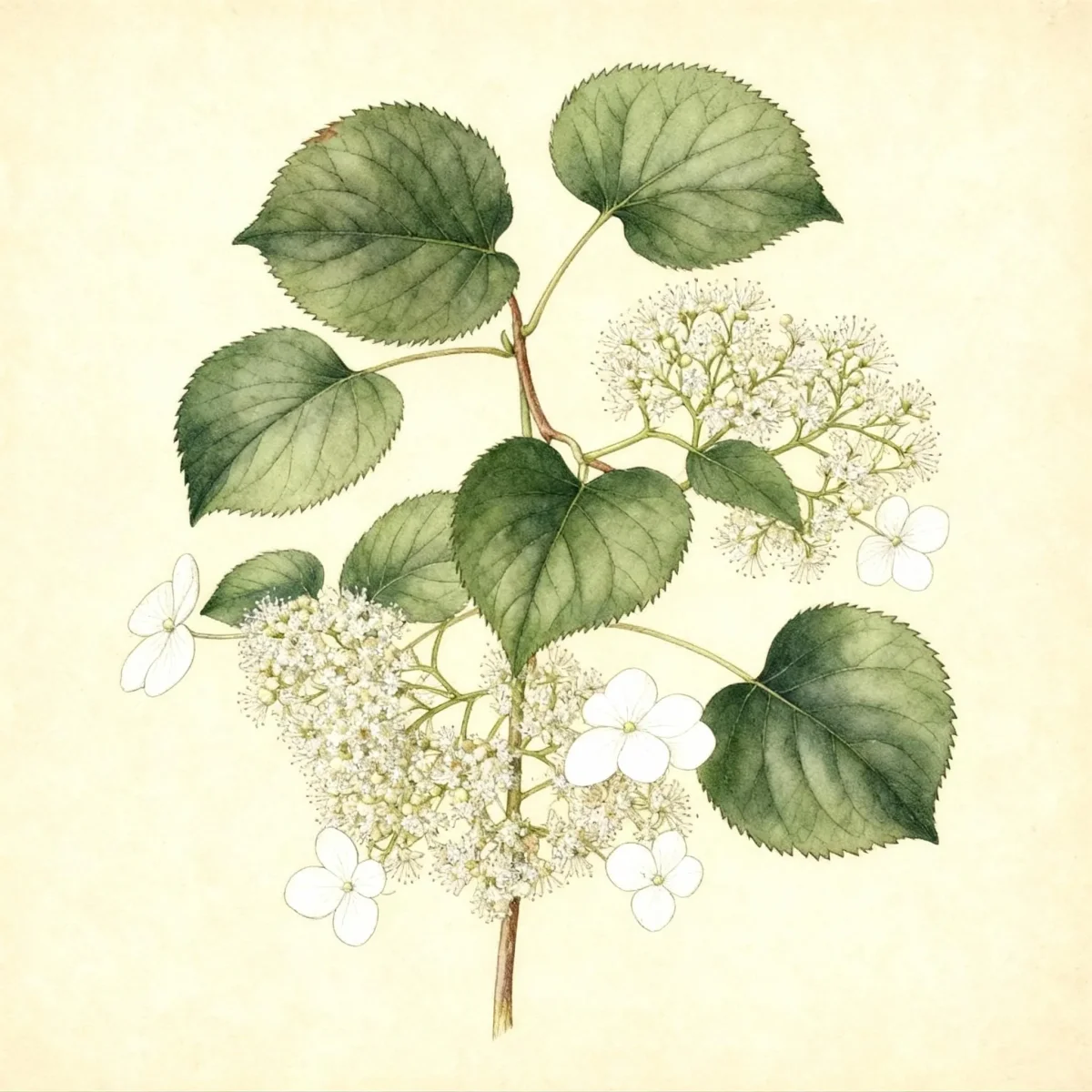
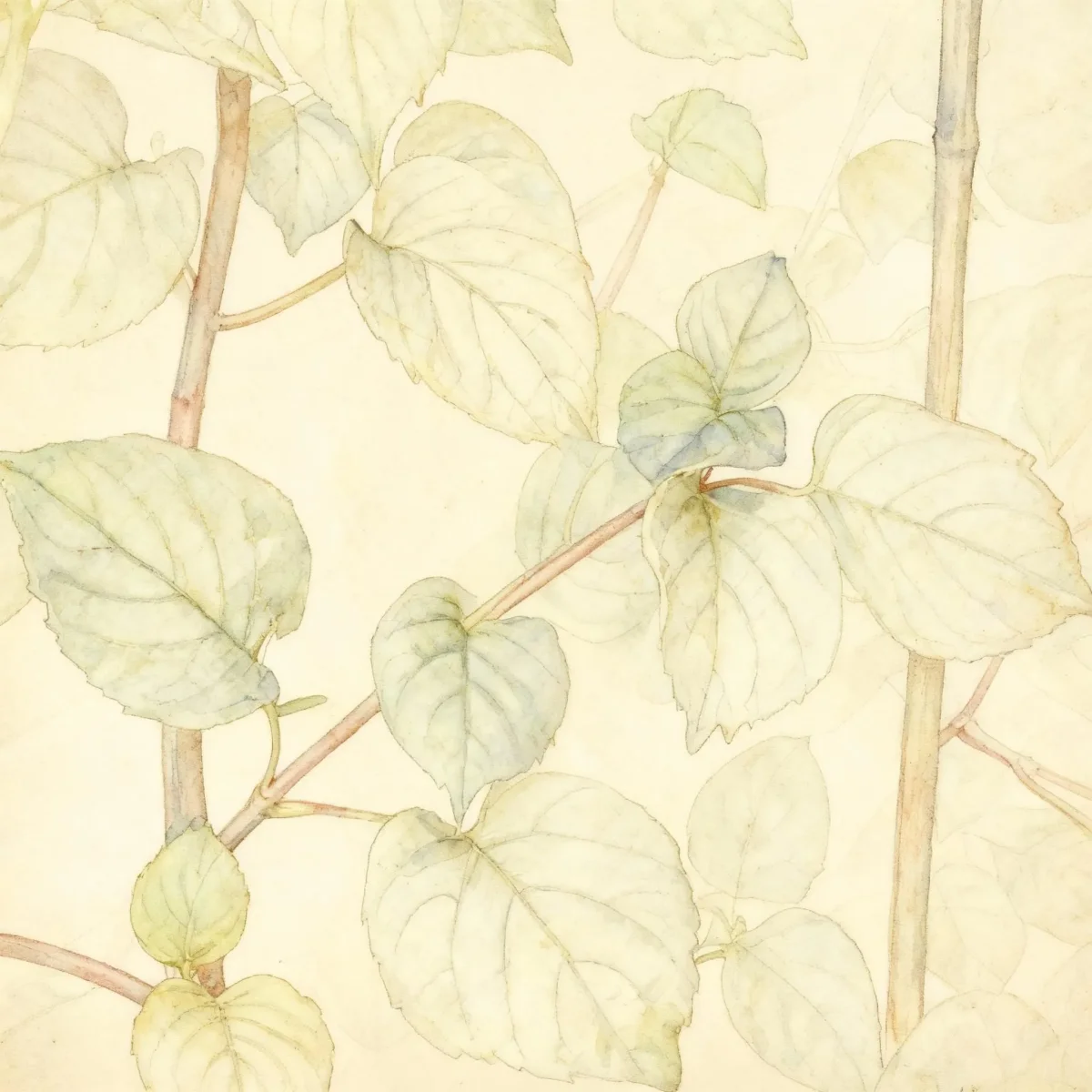
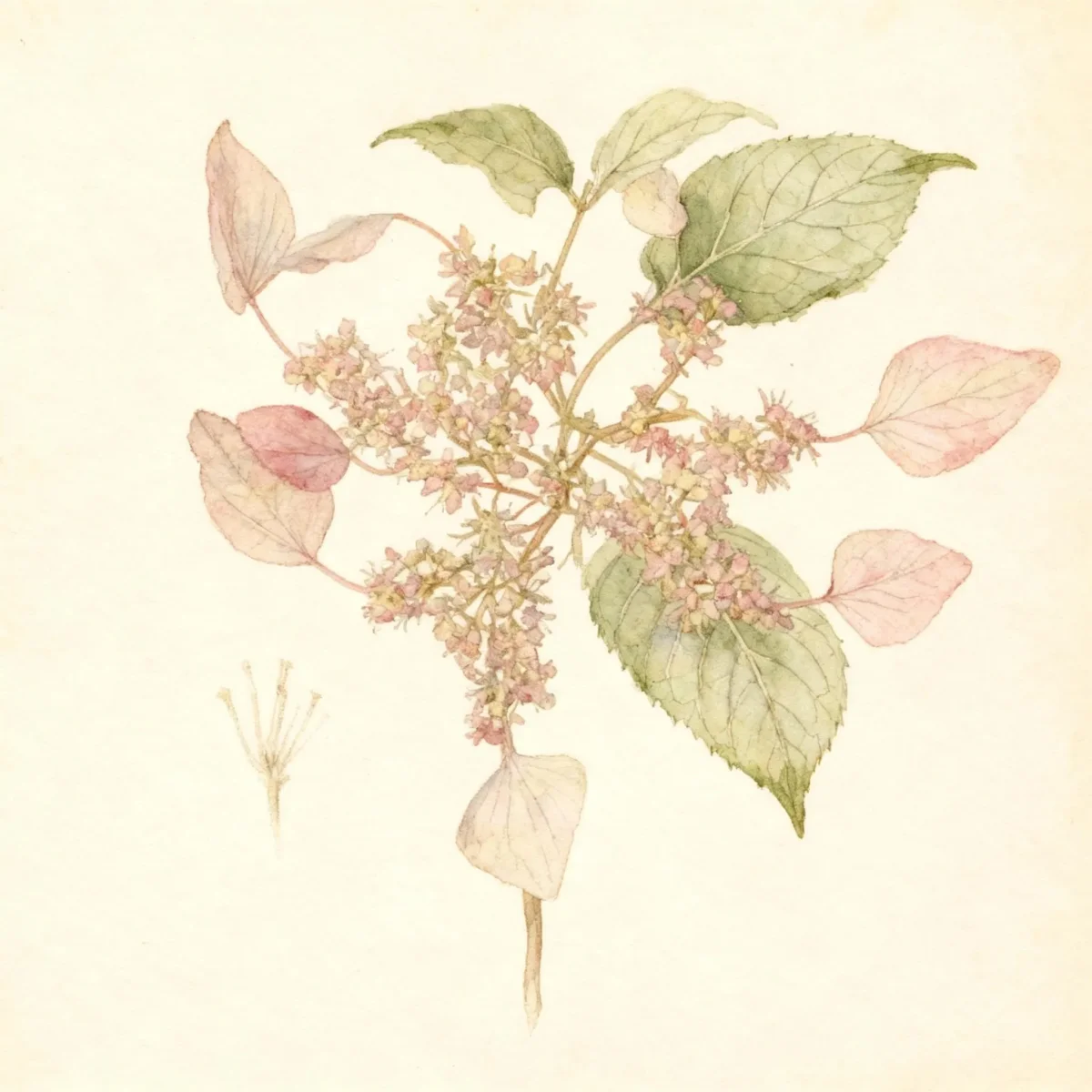
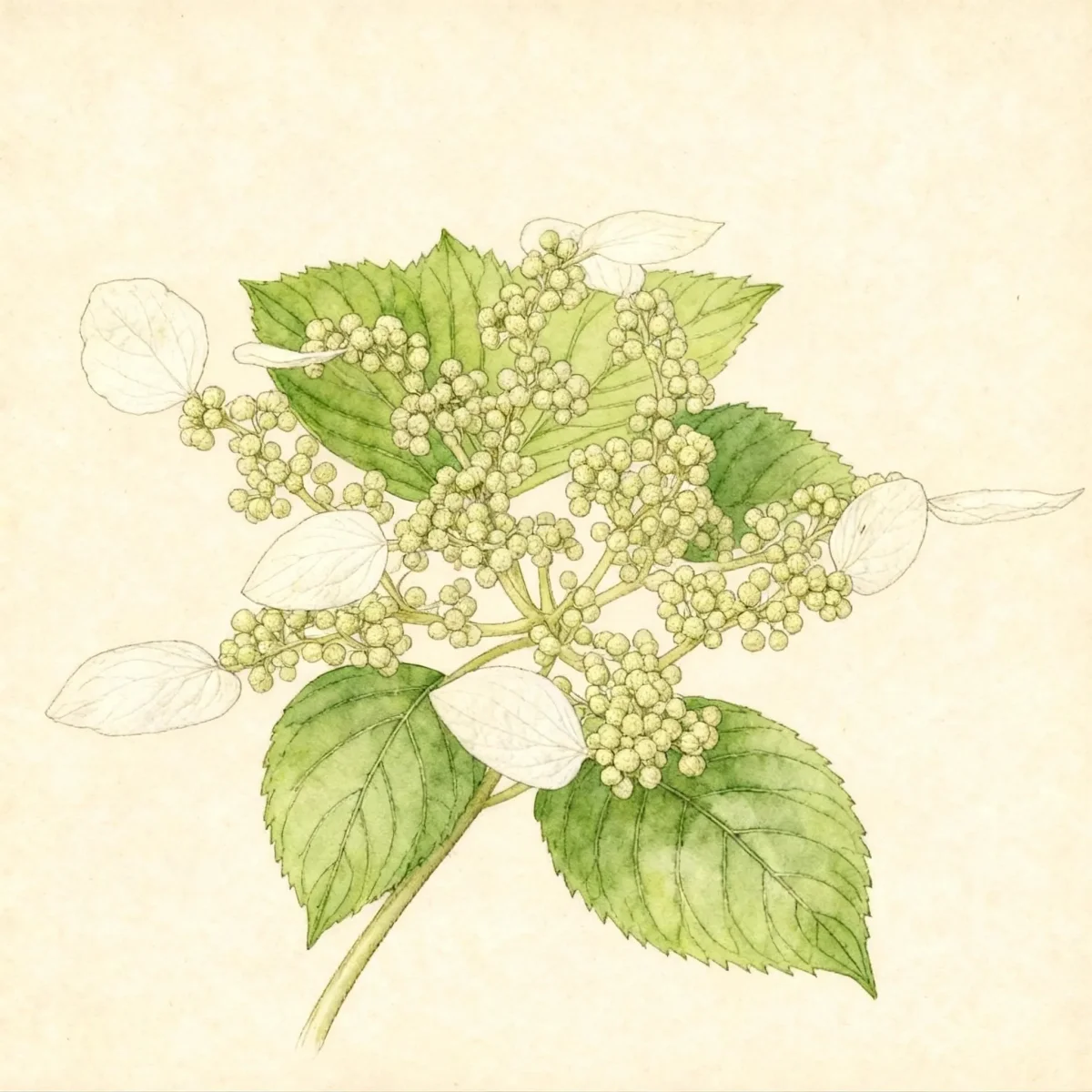
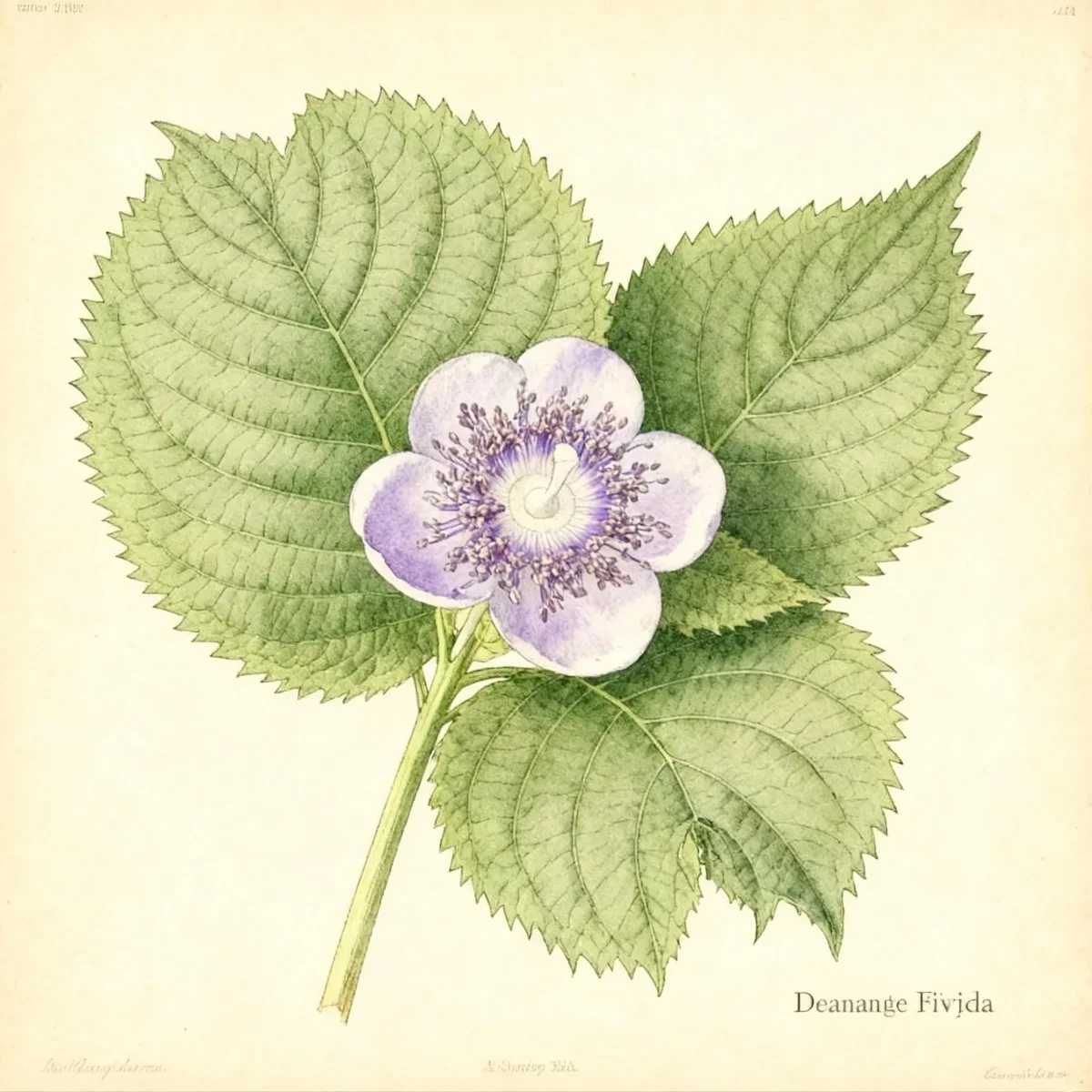
Climbing hydrangea (Hydrangea anomala subsp. petiolaris)
Vigorous, deciduous Hydrangea anomala subsp. petiolaris vine offering fragrant white summer blooms, perfect for climbing walls or sprawling.
Scroll down to discover growing tips, care requirements, companion plants, and more
Complete Plant Information
Overview
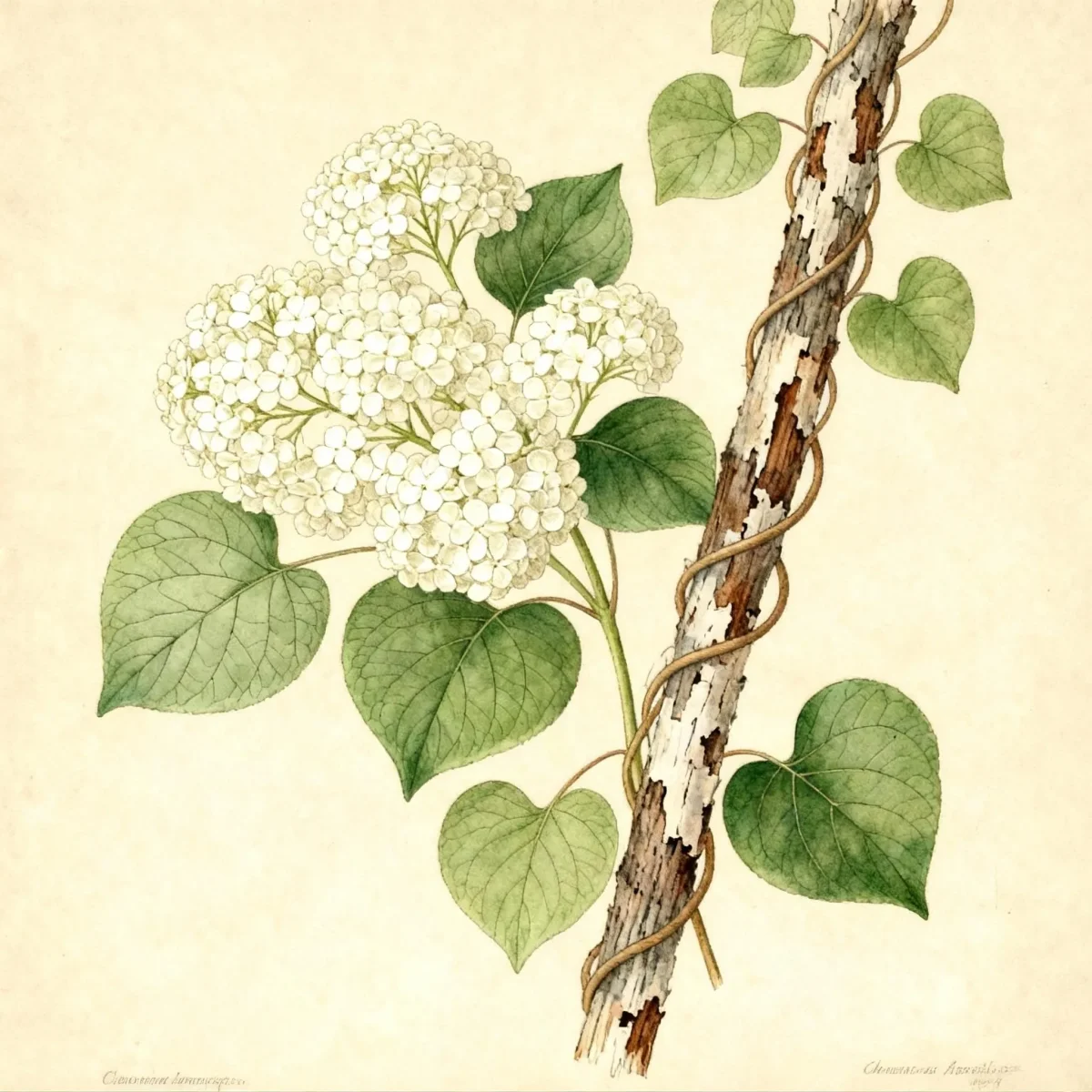
The Climbing hydrangea, Hydrangea anomala subsp. petiolaris, is a highly valued deciduous vine prized for its ability to gracefully cover large vertical spaces where few other woody vines can thrive. This vigorous climber attaches itself via aerial rootlets, making it an excellent, dense screen for masonry walls, fences, and large tree trunks. It offers excellent year-round interest, not just for its foliage but also for the attractive exfoliating bark that matures over time.
Unlike many shrub hydrangeas, Hydrangea anomala subsp. Petiolaris produces flat-topped, lacecap-style flower clusters of fragrant white blooms in late spring to early summer. Though it is slow to establish initially, once rooted, this plant requires low maintenance and provides reliable, substantial coverage, maturing into a robust specimen perfect for creating a lush, green backdrop in partially shaded landscapes. Gardeners appreciate this shade-tolerant vine for its resilience and elegant clinging habit.
Fast Facts
- Plant Family: Hydrangeaceae
- Plant Type: Vine
- Native Range: Japan, Sakhalin, Korea, Taiwan
- Hardiness Zones: USDA Zones 4-8
- Size at Maturity:
- Height: 30-50 ft
- Spread: 5-6 ft
- Bloom Time: May to July
- Bloom Description: White
- Sun Exposure: Part shade to full shade
- Water Needs: Medium
- Maintenance Level: Low
How to Grow
For optimum establishment, plant Hydrangea anomala subsp. petiolaris in rich, fertile, moist but well-drained soil. While it thrives best in part shade to full shade, it can tolerate full sun only if soil moisture is kept consistently high. Be aware that this species is somewhat intolerant of the hot, humid conditions common in the deep South and may struggle in the upper range of its hardiness zone (Zone 8).
Establishment can be slow; patience is key during the first few growing seasons. Once established, the Climbing hydrangea becomes vigorous and requires little input. Water deeply during dry spells, especially while young, ensuring the soil never dries out completely. Minimal pruning is usually needed, focusing only on removing dead wood or controlling overly aggressive horizontal growth a few feet from the support structure.
Propagation is most commonly achieved via stem cuttings or seeds, though this is generally a task for experienced gardeners looking to multiply established stock. Remember that the primary cultural requirement is adequate moisture paired with protection from the most intense afternoon sun.
Landscape Uses
The most dramatic use for the Climbing hydrangea is vertical enhancement. It excels when grown against building walls constructed of brick, stone, or wood, where its aerial rootlets can readily anchor onto the surface texture. Hydrangea anomala subsp. petiolaris also serves exceptionally well on sturdy arbors, strong fences, or clinging to the trunks of mature trees, instantly softening hard lines.
For ground-level applications, consider allowing the vine to sprawl over low stone walls, large rock piles, or unsightly tree stumps, where it forms a dense, mounding coverage up to three or four feet high. While less common, smaller specimens can function as a ground cover on steep embankments where traditional lawn maintenance is difficult, utilizing its substantial spread to knit the soil together.
Standout Features
Flower Qualities
- Showy
- Fragrant
- Good Cut
- Good Dried
Noteworthy Characteristics
Hydrangea anomala, commonly known as climbing hydrangea, is a vigorous, sprawling, deciduous, woody vine that clings and climbs by twining and aerial rootlets along the stems, typically maturing over time to 30-40’ long. Mature plants feature attractive, reddish-brown exfoliating bark, providing winter appeal. The flowers appear in lacecap configurations, featuring creamy white fertile centers surrounded by showy white sterile flowers, blooming profusely in early summer. Subspecies Petiolaris is slightly larger and hardier than the species form, making it a popular cultivar choice.
Tolerances
- Rabbit
- Drought
- Heavy Shade
Potential Problems
Overall, the Climbing hydrangea exhibits very good resistance to most common insect pests and diseases. The most significant structural requirement is ensuring a strong support system is in place if vertical growth is desired; it needs solid structures like mature trees or heavy-duty trellises to climb. Unsupported, it may sprawl horizontally rather than climb vertically. Avoid planting near vulnerable siding or painted surfaces if you are concerned about the vine’s clinging roots potentially causing minor surface damage upon removal, though it is generally safer on masonry than ivy.
Frequently Asked Questions
What hardiness zones is Climbing hydrangea suitable for?
Hydrangea anomala subsp. petiolaris thrives in USDA Hardiness Zones 4 through 8, offering wide adaptability across many temperate climates.
How large does Climbing hydrangea grow?
This vigorous vine typically reaches heights between 30 and 50 feet, with a manageable spread of 5 to 6 feet, though lateral branches can extend further outward once established.
What sun exposure does Climbing hydrangea need?
Hydrangea anomala subsp. Petiolaris prefers part shade to full shade, making it an excellent choice for brightening up darker areas of the garden without needing direct afternoon sun.
When does Climbing hydrangea bloom?
This species blooms during the late spring and early summer months, specifically from May to July, displaying its clusters of fragrant white flowers.
Conclusion
The Hydrangea anomala subsp. petiolaris offers gardeners a unique solution for lush, vertical coverage in partial shade, complemented by fragrant summer blooms and attractive winter bark. This low-maintenance Climbing hydrangea is perfectly suited for softening large architectural features or sprawling over difficult slopes. Ensure you select a strong support structure and maintain consistent moisture during the establishment period to unlock the full potential of this magnificent woody vine.
Propagation Tips
Propagating Hydrangea anomala subsp. petiolaris can be done successfully via cuttings taken from semi-hardwood stems in mid-summer. Ensure the cuttings include several nodes and remove the lower leaves before dipping the base in rooting hormone. Planting these cuttings in a moist, shaded medium will encourage root development over several weeks.
Alternatively, seed propagation is possible, though germination can be slow and requires stratification outdoors over winter to mimic natural conditions. For large specimens, layering branches that touch the ground offers a straightforward way to create new, independent plants without the stress associated with transplanting larger established stock.
Companion Planting
Due to its preference for shade and rich, moist soil, Hydrangea anomala subsp. petiolaris pairs well with other woodland or shade-loving companions. Consider planting ferns (like Japanese Painted Fern or Ostrich Fern) to complement the fern-like texture of its foliage near the base of the vine. Hostas are excellent choices, offering a wide variety of leaf color and size contrast at ground level against the vine’s clinging base.
For subtle color contrast, use shade-tolerant perennials such as Astilbe or Bleeding Heart beneath the canopy of the maturing vine. These companions share similar cultural needs regarding moisture and sun exposure, allowing for a cohesive, low-maintenance garden vignette anchored by the vertical presence of the Climbing hydrangea.