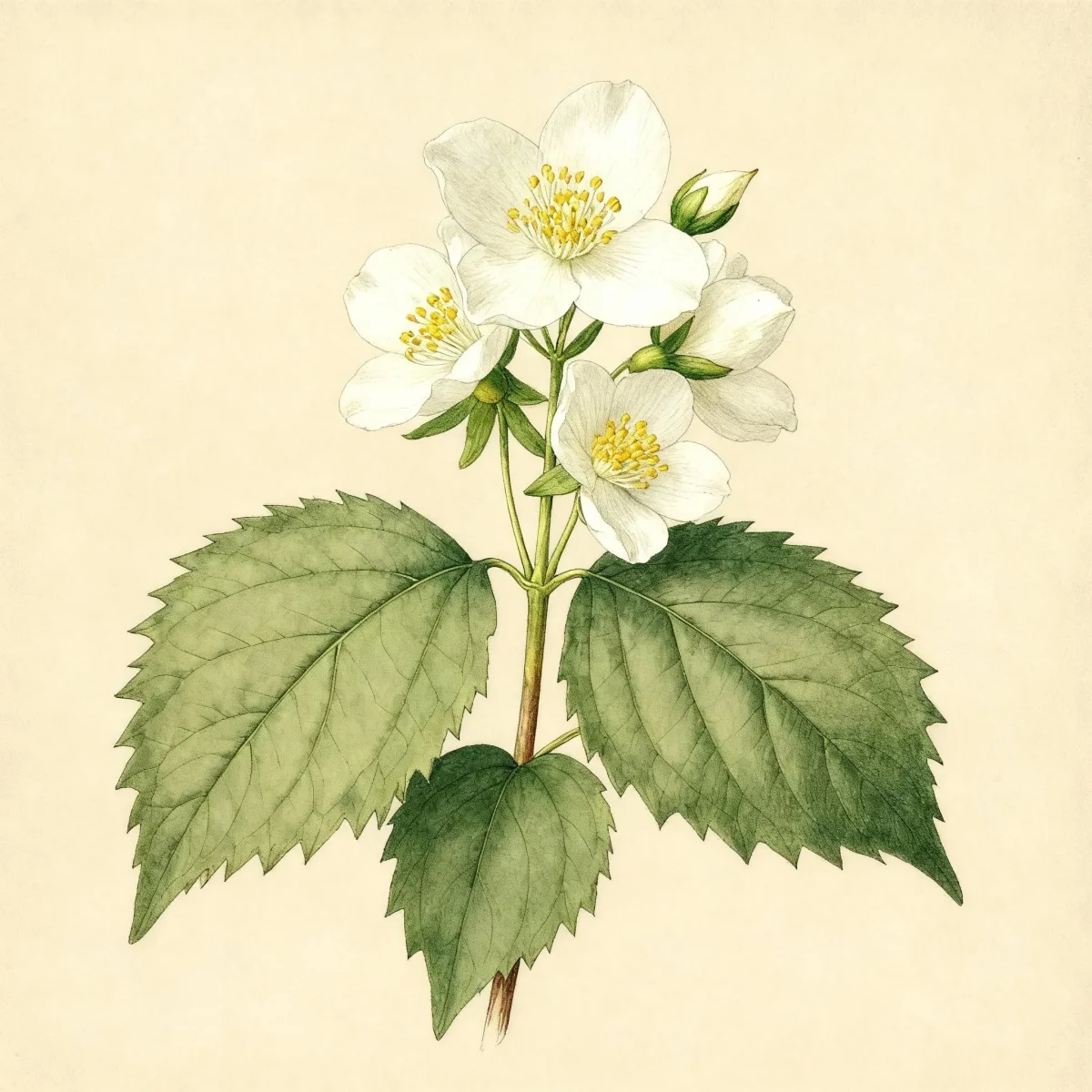
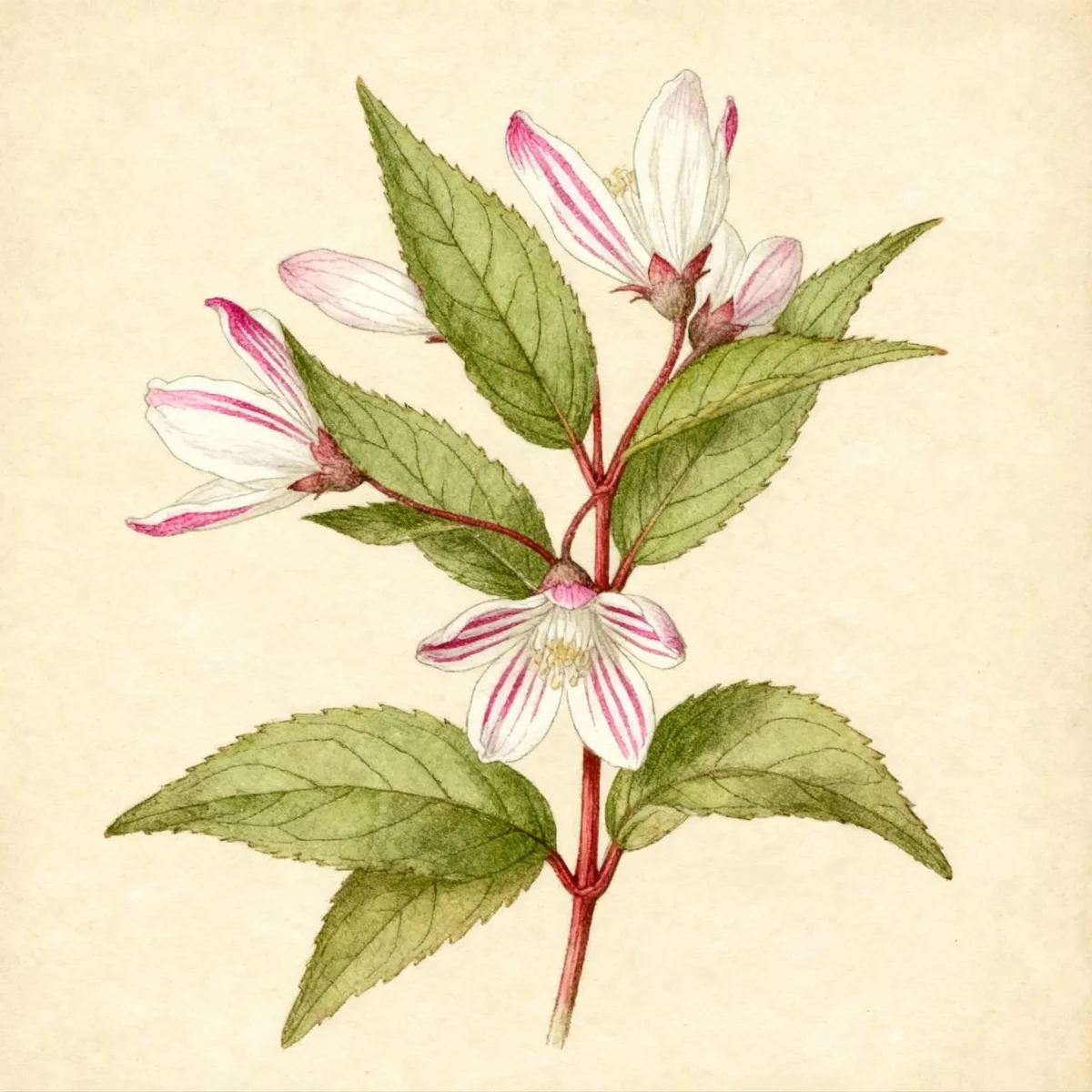
Mock orange (Philadelphus schrenkii)
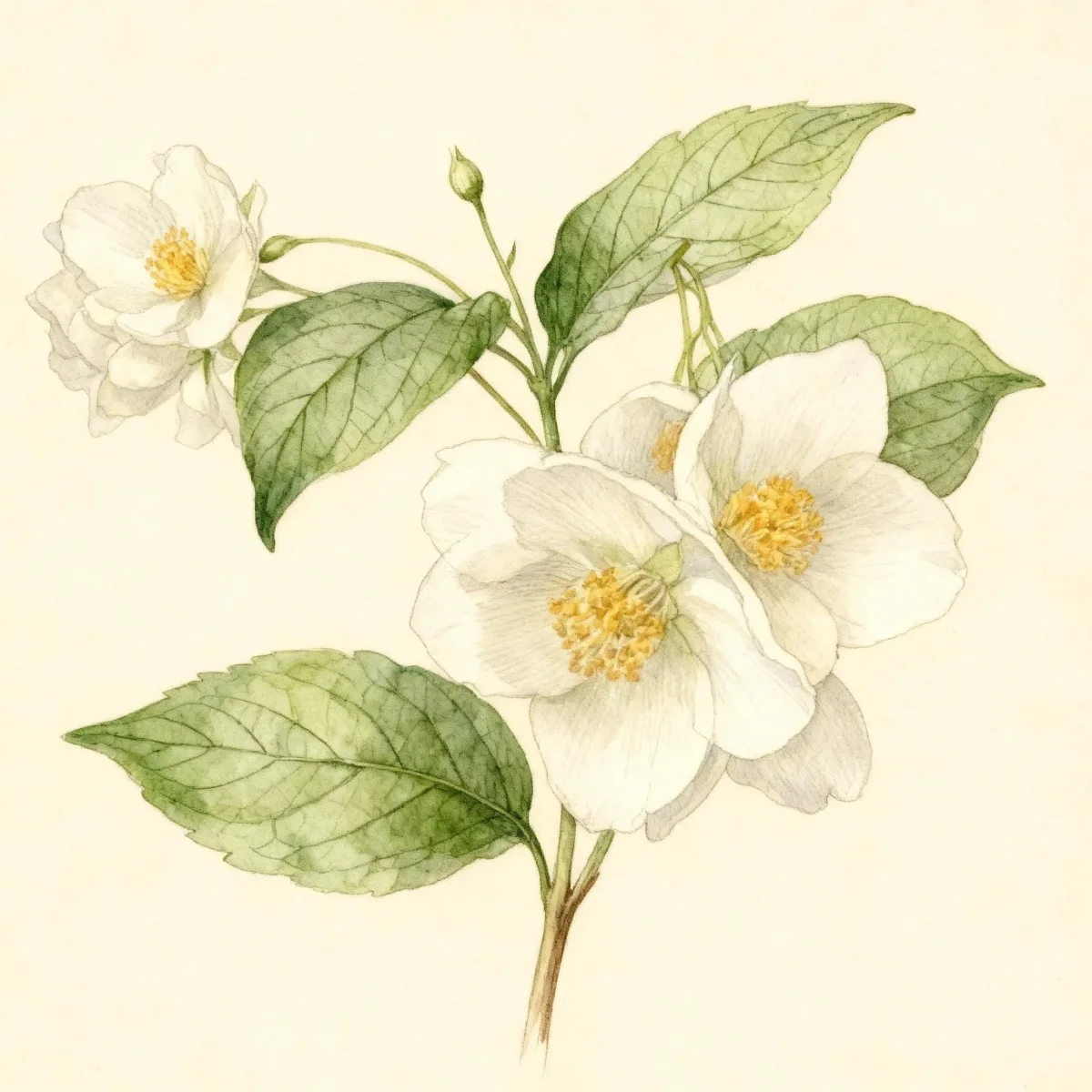
Fragrant Mock orange, Philadelphus schrenkii, is a medium-sized, deciduous shrub valued for showy white blooms in late spring.
Scroll down to discover growing tips, care requirements, companion plants, and more
Complete Plant Information
Overview
The Mock orange, scientifically known as Philadelphus schrenkii, brings highly prized fragrance to the late spring garden. This dense, upright deciduous shrub is celebrated for its abundant display of creamy white flowers that strongly resemble orange blossoms. It performs best when situated where its perfume can be fully appreciated.
Philadelphus schrenkii is adaptable and hardy, thriving across a wide range of conditions. Its moderate size, typically maturing around 4 to 6 feet tall and wide, makes it a versatile addition to many garden designs, though it can occasionally reach 12 feet.
Beyond its spectacular, fragrant spring show, this shrub offers simple structure throughout the growing season. It provides excellent utility as a component in mixed borders or as a standalone specimen, offering reliable performance with moderate care requirements in zones 5 through 8.
Fast Facts
- Plant Family: Hydrangeaceae
- Plant Type: Deciduous shrub
- Native Range: Northern China, Korea
- Hardiness Zones: USDA Zones 5-8
- Size at Maturity:
- Height: 4-6 ft
- Spread: 4-6 ft
- Bloom Time: May to June
- Bloom Description: White
- Sun Exposure: Full sun to part shade
- Water Needs: Medium
- Maintenance Level: Medium
How to Grow
For optimal blooming and health, plant Philadelphus schrenkii in the spring or fall, ensuring it receives adequate moisture leading up to planting. This shrub prefers average, well-drained soils but performs best when the soil is organically rich and consistently moist. While it tolerates a wide spectrum of soil types, avoid locations where water pools, as poorly-drained soil should be avoided.
Watering should remain consistent, meeting its medium needs, especially during dry periods when the plant establishes its root system. Fertilization is usually unnecessary if the soil is rich, but a spring application of compost can support vigorous growth. The most critical cultural practice involves pruning.
Since the beautiful flowers of the Mock orange appear on wood grown the previous year, pruning must be done immediately after the blooming period ends in late June. This timing ensures you retain next year’s flower buds while removing any older, unproductive stems or shaping the shrub for its intended use, such as a hedge.
Landscape Uses
The adaptable structure and seasonal fragrance make Philadelphus schrenkii an excellent choice for several landscape applications. It functions beautifully when utilized as a foundation planting, offering texture near structures, or serving effectively in shrub borders where its blooms can mingle with other spring-flowering perennials and shrubs.
This Mock orange excels when massed together to form low screens or informal hedges, providing a fragrant barrier that is far more interesting than many standard hedging materials. Although it has minimal ornamental interest once the flowers fade, its overall form supports open woodland gardens or informal groupings well. Avoid placing it where its lack of summer visual impact will be glaringly obvious.
Standout Features
Flower Qualities
- Showy
- Fragrant
Noteworthy Characteristics
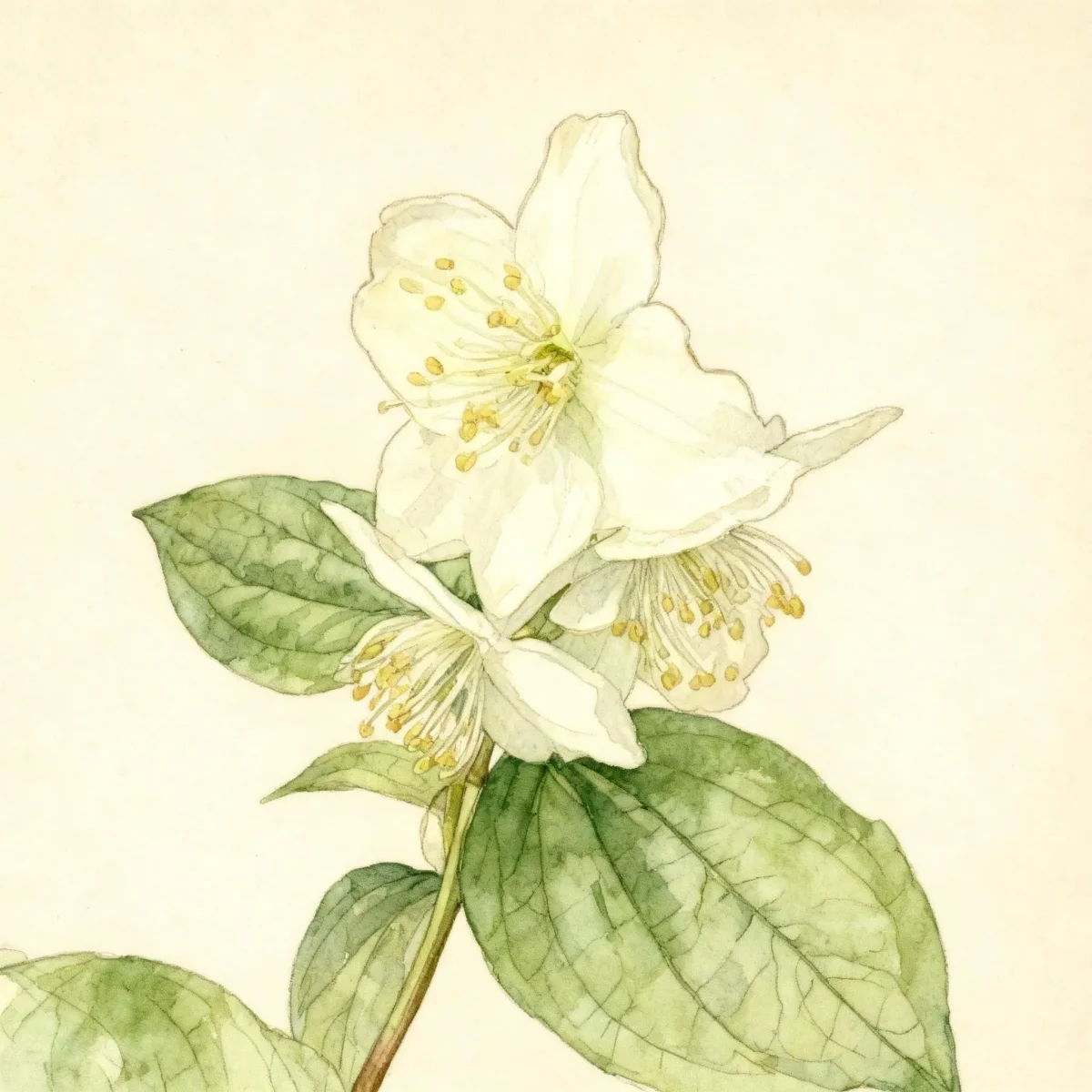
Philadelphus schrenkii, commonly called mock orange, is a dense, upright, multi-stemmed, deciduous shrub that typically grows to 4-6’ tall and as wide. It is grown in landscapes primarily for its very fragrant, 4-petaled, creamy white flowers (each to 1 1/2” across) which cover the shrub with an abundant bloom in spring (May - June). Flowers appear in small 5-7 flowered clusters, resembling orange blossoms, hence its common name.
Tolerances
Potential Problems
The Mock orange generally exhibits resistance to serious insect or disease pressures, making Philadelphus schrenkii a relatively low-stress addition to the garden. However, be watchful for occasional issues like leaf spot, cankers, powdery mildew, or rust, particularly in very humid or crowded conditions.
Monitoring the foliage is key to catching minor afflictions early. If powdery mildew appears, ensuring good air circulation through proper pruning will help mitigate spread. Occasionally, common garden pests such as aphids, scale insects, or leaf miners may appear, but these rarely cause lasting damage to a healthy shrub.
Frequently Asked Questions
What hardiness zones is Mock orange suitable for?
Philadelphus schrenkii is best suited for USDA Hardiness Zones 5 through 8, offering reliable winter survival in these regions.
How large does Mock orange grow?
This shrub typically matures to a manageable size, reaching heights between 4 and 6 feet, with a comparable spread of 4 to 6 feet wide.
When does Mock orange bloom?
The highly fragrant flowers of the Mock orange usually appear in full profusion during late spring, specifically from May into June.
What sun exposure does Mock orange need?
This adaptable shrub prefers full sun for the best flowering display but will tolerate partial shade, thriving beautifully in locations receiving full sun to part shade.
Conclusion
The outstanding fragrance and robust, manageable structure define the appeal of Philadelphus schrenkii. As a classic, low-fuss shrub, the Mock orange delivers incomparable sensory delight during late spring. Before planting, confirm your location is within USDA Zones 5-8 and remember to schedule necessary pruning immediately after flowering ceases to ensure a spectacular display next year.
Companion Planting
When situating the Mock orange in mixed borders, consider pairing it with plants that provide visual interest once the Philadelphus schrenkii bloom fades. Early summer bloomers like Peonies or Siberian Irises can fill the gap left by the fading white flowers. For color contrast that lasts longer, combine the shrub with deep purple or blue perennials like Salvia or Catmint, as these often share similar sun and soil preferences (moist, well-drained).
Seasonal Care Calendar
Spring preparation involves cleaning up any winter debris and applying a light layer of compost around the base of the shrub to enrich the soil leading up to flowering. Summer care is dominated by the critical pruning task—cut back immediately post-bloom to shape the shrub and encourage next year’s flower formation on new wood. During dry summer stretches, ensure the medium water needs of your Mock orange are consistently met. Minimal specific winter care is required outside of applying a thick layer of mulch to insulate the root zone, especially in the cooler end of its hardiness range (Zone 5).