Mukdenia (Mukdenia rossii)
Mukdenia rossii, known commonly as Mukdenia, is a low-maintenance perennial perfect for shady spots with its bronze-tinged foliage and spring white flowers.
Scroll down to discover growing tips, care requirements, companion plants, and more
Complete Plant Information
Overview
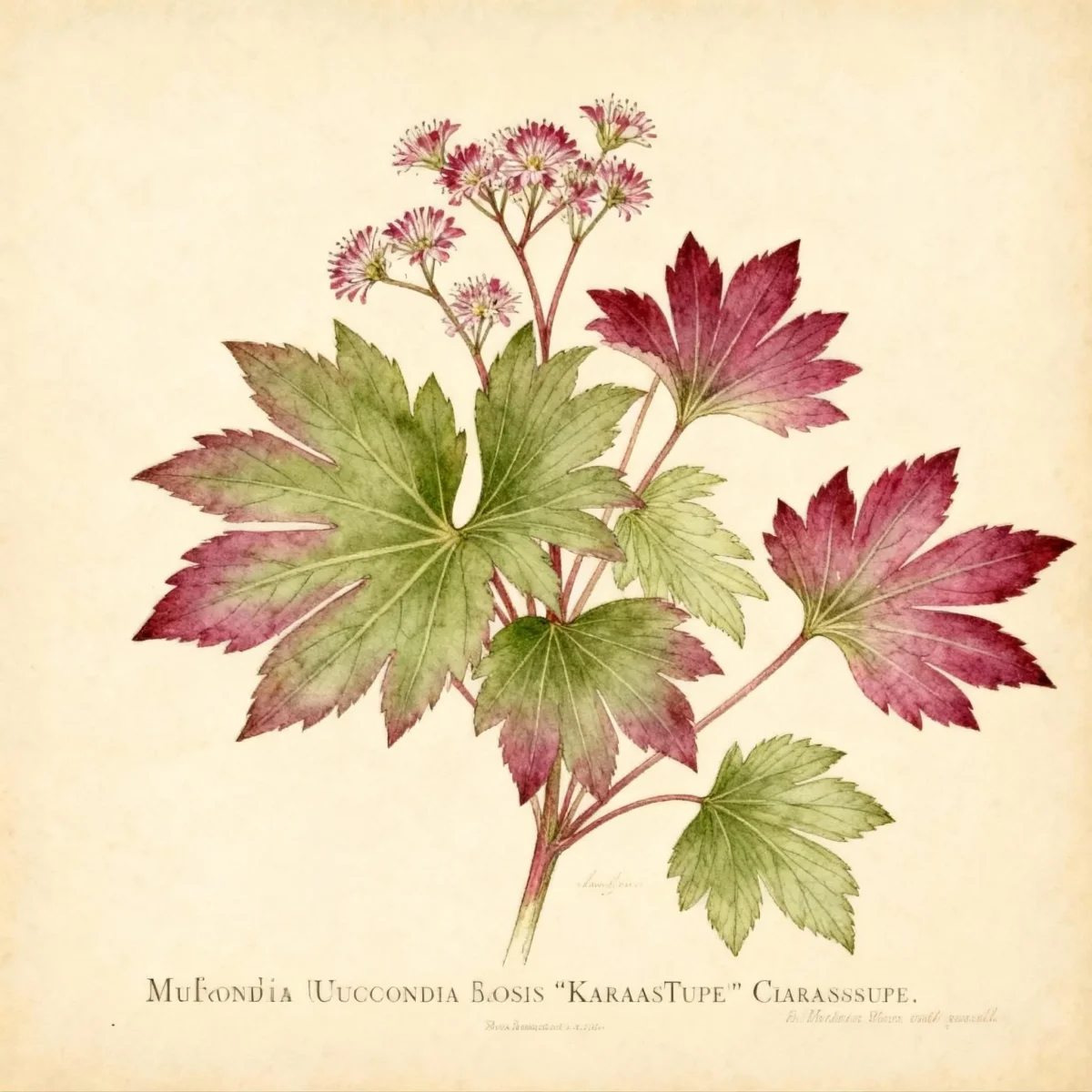
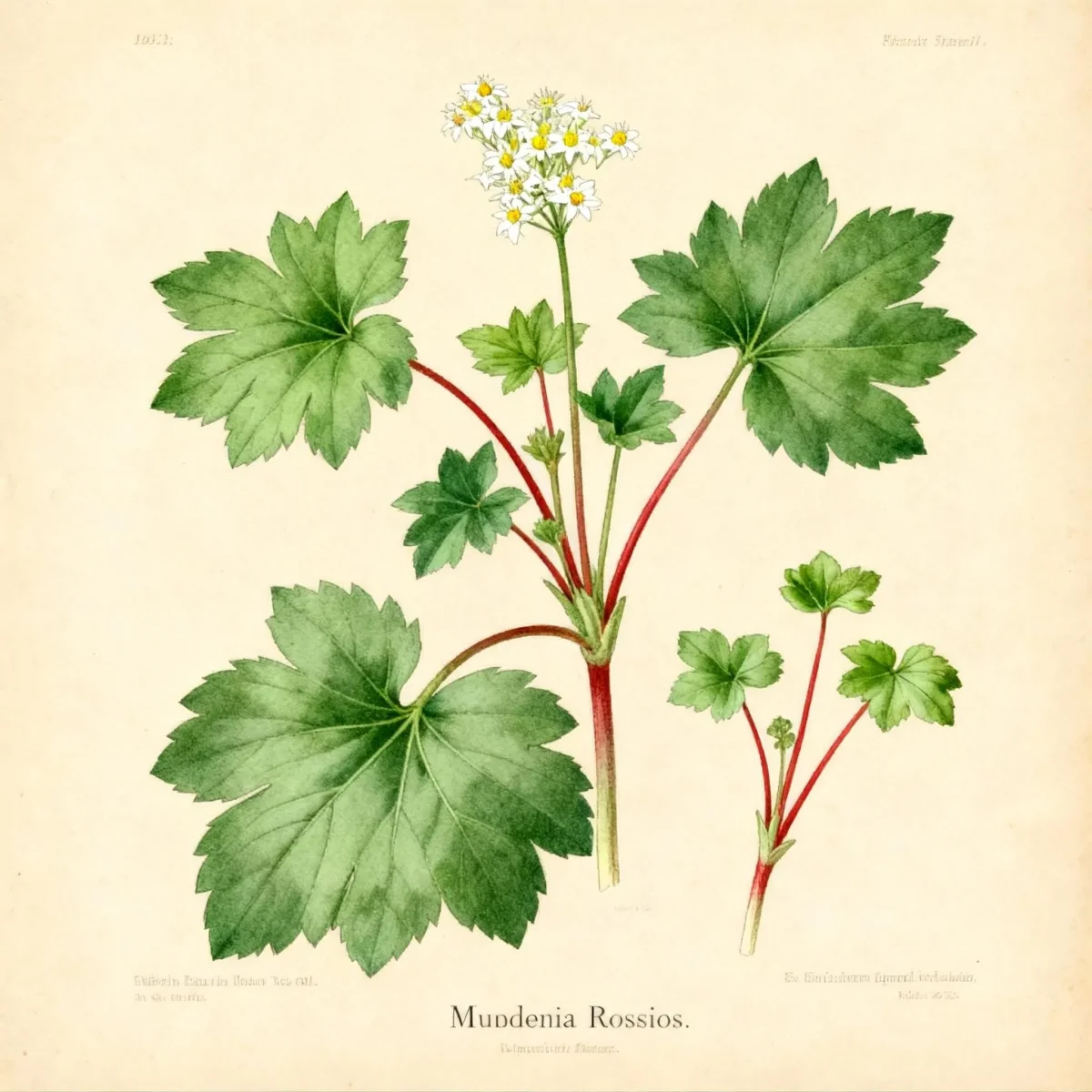
Mukdenia rossii, often simply called Mukdenia, is a superb choice for gardeners seeking reliable, attractive groundcover for shaded landscapes. This compact herbaceous perennial forms dense, Heuchera-like mounds notable for their rich, medium-green, lobed foliage often flushed with attractive bronze tones. Its seasonal appeal is enhanced by delicate sprays of small white, bell-shaped flowers that emerge early in the spring.
As a species native to the rocky slopes and ravines of Northern China, Manchuria, and Korea, Mukdenia rossii thrives where many other shade lovers struggle, provided moisture is consistent. Its robust nature results in a low-maintenance plant that spreads slowly via short creeping rhizomes, making it an excellent naturalizing component.
Gardeners value Mukdenia for its season-long visual interest, transitioning seamlessly from its early blooms to its attractive foliage display. Whether used as an edging plant or allowed to spread into a dense sweep, Mukdenia rossii offers texture and dependable color, requiring minimal intervention once established.
Fast Facts
- Plant Family: Saxifragaceae
- Plant Type: Herbaceous perennial
- Native Range: Northern China, Manchuria, Korea
- Hardiness Zones: USDA Zones 4-8
- Size at Maturity:
- Height: 0.75-1.5 ft
- Spread: 1-2 ft
- Bloom Time: April to May
- Bloom Description: White
- Sun Exposure: Part shade
- Water Needs: Medium
- Maintenance Level: Low
How to Grow
For the best performance, plant Mukdenia rossii in rich, fertile, and well-drained soil. The ideal location provides consistent part shade. While it tolerates full sun in cooler northern regions (Zone 4), gardeners in hotter or more humid areas should ensure afternoon shade to prevent scorching.
Maintain a medium watering schedule. In full sun exposure, consistent moisture is crucial to keep the foliage looking its best and support rhizome spread. This plant spreads over time, which is desirable for groundcover applications, and may even self-seed in ideal, moist conditions.
Maintenance for Mukdenia is generally low. Fertilization is rarely required if the soil is fertile. Avoid planting in locations prone to drying out, as drought stress will quickly diminish its aesthetic appeal.
If planting new specimens, spring is often the best time after the danger of hard frost has passed. Prepare the site by amending the soil to ensure good drainage, which is vital for preventing root issues common to many shade perennials.
Landscape Uses
Mukdenia rossii excels as a versatile ground cover specifically suited for shady areas where turfgrass struggles to establish. Its low profile and spreading habit make it an excellent edging plant along woodland borders or pathways, softening hard lines in the landscape design.
Consider using Mukdenia in woodland gardens to complement taller shrubs or deciduous trees, benefiting from the dappled light they provide. Its consistent foliage offers excellent textural contrast against ferns or hostas, adding depth to shade borders.
The naturalizing tendency of Mukdenia means it can be effectively planted in masses under mature trees or on gentle slopes where its creeping rhizomes help stabilize the soil while creating a uniform, attractive carpet of bronze-tinged green.
Standout Features
Flower Qualities
- Showy
Noteworthy Characteristics
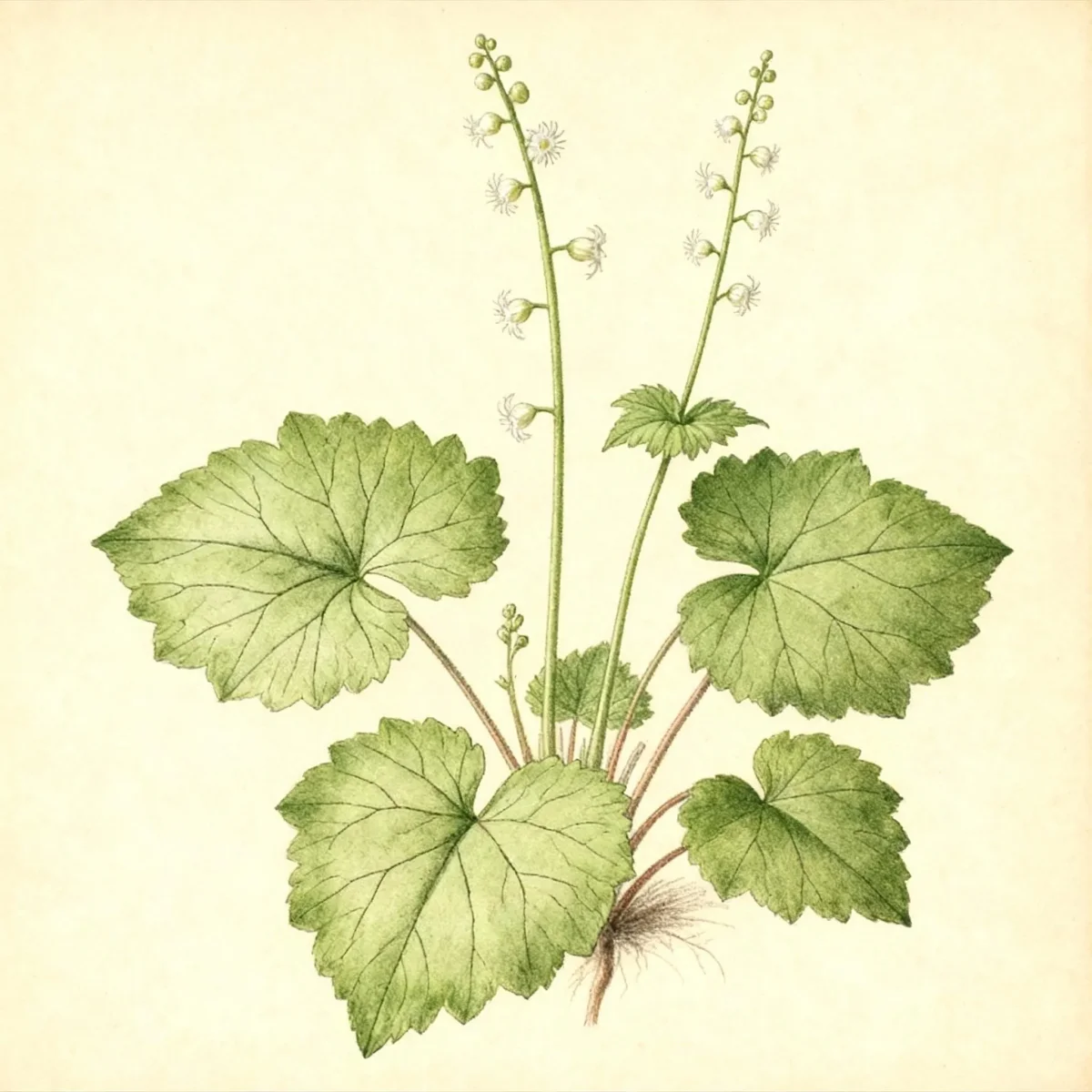
Mukdenia rossii is native to rocky slopes and ravines in China, Manchuria and Korea. It is a compact herbaceous perennial that grows in a heuchera-like clump to 12” tall. Palmate, rounded, 5-9 lobed, dentate, medium green leaves (to 5” long) are tinged with bronze, providing attractive foliage throughout the growing season. White, bell-shaped flowers in branched panicles rise on naked stems above the foliage clump to 16” tall in early spring (April).
Tolerances
Potential Problems
This plant typically experiences no serious insect or disease problems, indicating robust health under correct conditions. Gardeners should, however, maintain vigilance against common mollusk pests.
Slugs and snails are the primary concern for Mukdenia foliage, especially during damp periods. Apply preventative measures such as copper tape barriers, manual removal, or slug baits strategically placed around the base of the young plants.
Frequently Asked Questions
What hardiness zones is Mukdenia suitable for?
Mukdenia rossii is reliably hardy in USDA Zones 4 through 8.
How large does Mukdenia rossii grow?
Mature plants generally reach a height between 0.75 and 1.5 feet tall with a spread of 1 to 2 feet wide.
When does Mukdenia bloom?
This perennial produces its attractive white, bell-shaped flowers in early spring, typically blooming from April into May.
What sun exposure does Mukdenia rossii need?
It thrives best in part shade but can tolerate full sun if consistently kept moist, particularly in the cooler northern edges of its growing range.
Conclusion
Mukdenia rossii offers gardeners a resilient, low-maintenance perennial perfect for adding texture and early spring blooms to shaded environments. Its attractive, long-lasting foliage ensures that this reliable ground cover remains a focal point throughout the season. Check your USDA growing zone compatibility and plan to incorporate this unique Mukdenia into your woodland or shade garden this planting season.
Companion Planting
Selecting companions for Mukdenia rossii should focus on plants that share similar requirements for part shade and medium moisture. Hostas are ideal partners, as their broad leaves contrast beautifully with the deeply lobed texture of the Mukdenia foliage.
Consider using groundcovers that bloom at different times to extend interest in the shade garden. Astilbe provides vertical interest with its feathery plumes later in the summer, while spring-blooming bulbs like snowdrops or cyclamen bloom before the Mukdenia reaches its full height.
For color variation, pairing the bronze-flushed leaves of Mukdenia with plants featuring deep purples or silvers helps maximize visual depth in shady borders. Look for shade-tolerant Heuchera cultivars or delicate Tiarella species that enjoy similar soil conditions.
Seasonal Care Calendar
Early Spring preparation involves cleaning up any remaining debris from the previous year. This is the time to observe emerging flower stalks; pruning them back after flowering is optional but can direct energy back into leaf production.
Summer care focuses primarily on monitoring moisture levels, especially if the plant is situated where it receives more direct sun. Consistent, even watering prevents leaves from wilting or developing crispy edges during heat waves.
In the Autumn, minimal intervention is usually required for Mukdenia. Allow the foliage to die back naturally, providing insulation for the crown over winter. There is no specialized winter preparation needed for established plants within their hardy zones.