Astilboides (Astilboides tabularis)
Astilboides tabularis, or Astilboides, offers dramatic architectural foliage and creamy white Astilbe-like plumes. A low-maintenance perennial for shady, moist spots.
Scroll down to discover growing tips, care requirements, companion plants, and more
Complete Plant Information
Overview
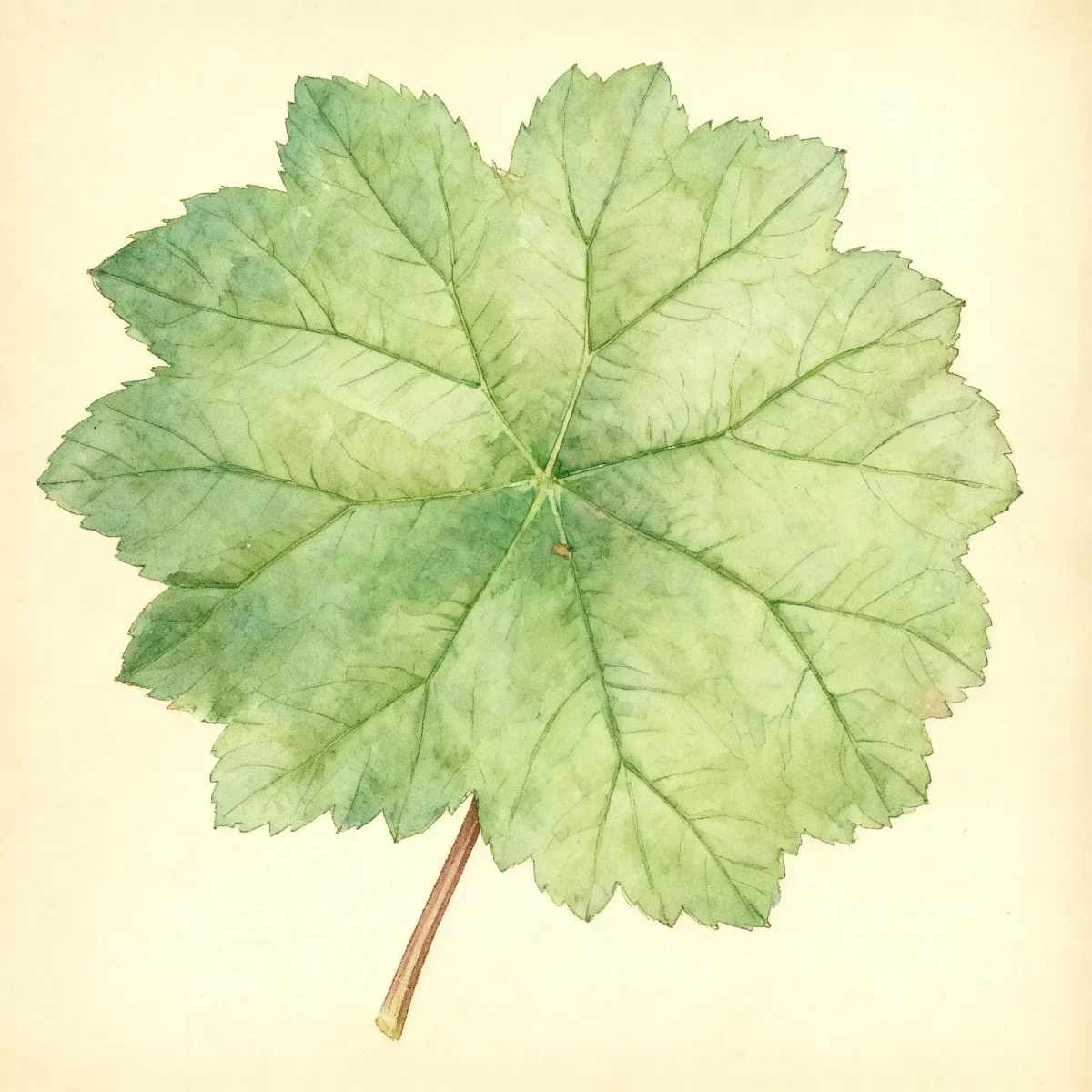
Astilboides tabularis, commonly known as Astilboides, stands out in the landscape primarily due to its spectacular foliage. This herbaceous perennial produces massive, rounded, shield-like leaves, sometimes reaching two to three feet in diameter, giving it an undeniable architectural presence. Gardeners often value this plant more for its unique leaf structure, which earns it the nickname ‘shield leaf,’ than for its subtle flowers.
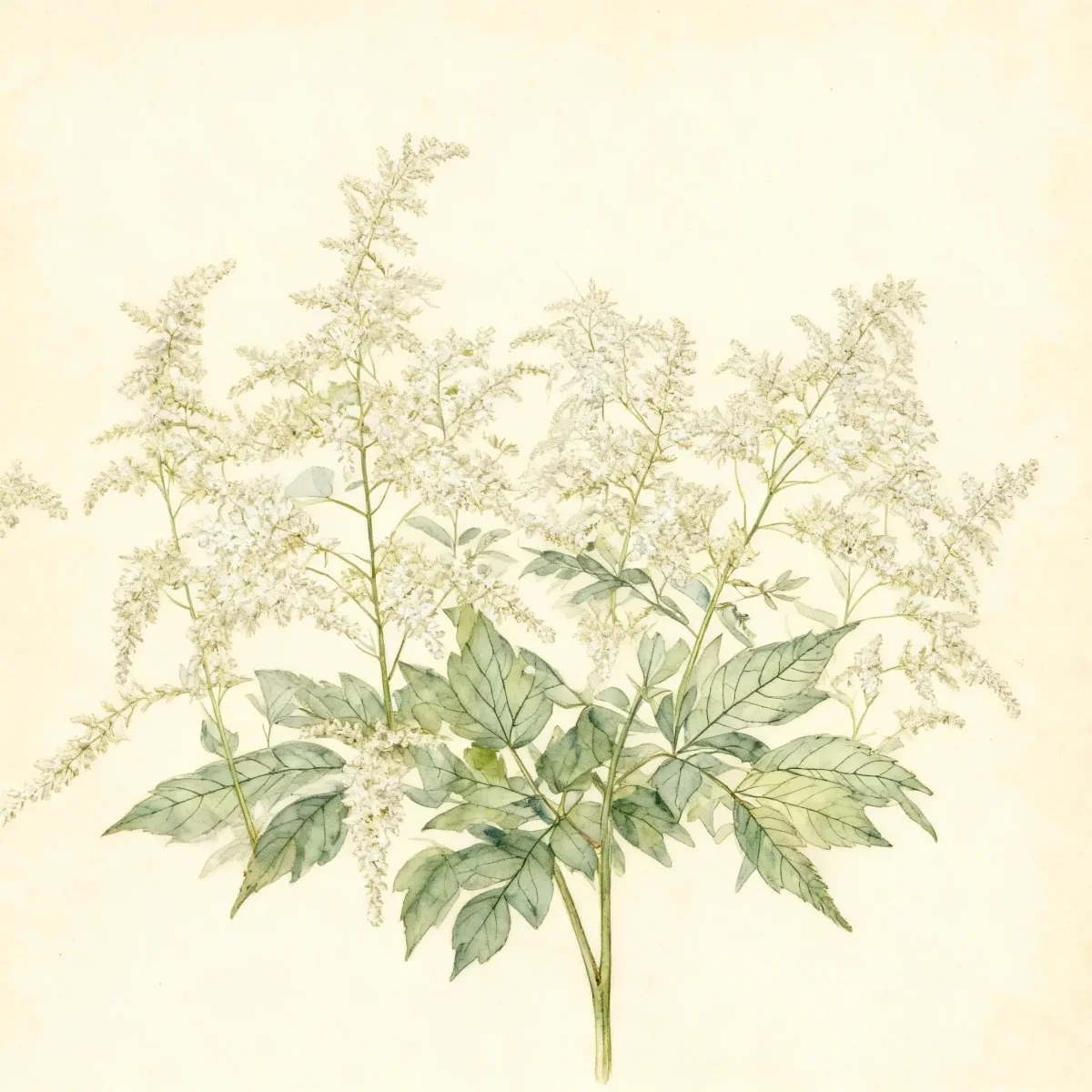
While appreciated for its visual impact, Astilboides adds a delicate contrast when it sends up upright spikes of tiny white flowers in early summer, reminiscent of its relatives in the Astilbe genus. The genus name Astilboides itself means ‘resembling Astilbe,’ highlighting this floral similarity.
This low-maintenance perennial thrives in consistent moisture and shade, making it an excellent choice for woodland settings or areas where you need large-scale ground coverage without high cultural demands. Successful cultivation of Astilboides tabularis relies on providing rich, consistently damp soil protected from drying winds and harsh afternoon sun.
Fast Facts
- Plant Family: Saxifragaceae
- Plant Type: Herbaceous perennial
- Native Range: Northern China
- Hardiness Zones: USDA Zones 5-7
- Size at Maturity:
- Height: 3-4 ft
- Spread: 2-3 ft
- Bloom Time: June to July
- Bloom Description: White
- Sun Exposure: Part shade to full shade
- Water Needs: Medium
- Maintenance Level: Low
How to Grow
For best results, plant Astilboides tabularis in the spring once the threat of hard frost has passed. Choose a location offering part shade to full shade, ensuring the spot is protected from harsh afternoon sun and strong winds, which can scorch the large leaves. The most critical cultural requirement is soil—it must be well-drained but kept consistently moist and humus-rich.
Watering is crucial; soils must never be allowed to dry out. If kept regularly watered, the foliage remains attractive throughout the season, though drought or heat will cause browning. Incorporate generous amounts of organic matter, such as compost, during planting. Applying a summer compost mulch annually will significantly aid in moisture retention, benefiting the root system of the Astilboides.
Maintenance is generally low once established. There is no significant pruning required outside of removing any foliage that declines late in the season or any spent flower stalks. Ensure adequate soil moisture entering and moving through the summer months to prevent leaf browning, which is the primary aesthetic concern for this otherwise robust plant.
Landscape Uses
Astilboides tabularis is perfectly suited for environments demanding reliable structure and shade tolerance. Its large, architectural leaves make it an excellent feature plant or specimen where bold texture is needed, often substituting for plants like Rodgersia, which it frequently resembles. It performs exceptionally well along the edges of ponds or streams where soil moisture is naturally high and consistent.
Consider using Astilboides in dappled woodland gardens where the filtered light enhances the table-like surfaces of its mature leaves. Due to its impressive size and need for consistent moisture, group plantings work well to maximize visual impact, creating a lush, deeply shaded tapestry. While its flowers are secondary, they harmonize beautifully with other late spring bloomers that enjoy similar moist, shaded conditions.
Standout Features
Flower Qualities
- Showy
Noteworthy Characteristics
Astilboides tabularis is noted for having large leaves somewhat resembling those of Rodgersia and upright flower spikes resembling those of Astilbe. It is valued by gardeners more for its unique foliage and architectural interest that for its flowers. Large, rounded, lobed, peltate leaves (to 2-3’ in diameter) on 2-3 foot tall petioles rise from the ground, displaying a shield-like appearance. Tiny, astilbe-like white flowers form in panicles atop flowering stems that gracefully arch above the foliage in late spring.
Tolerances
No tolerances listed.
Potential Problems
This plant generally experiences no serious insect or disease issues, making management quite straightforward. The most common cultural problem involves leaf damage; foliage decline (browning) readily occurs in hot summers or during periods of drought, especially if the plant is situated in too much sun or where soil moisture drops too low. Gardeners should actively monitor for slugs, which can chew unsightly holes in the large, soft leaves. Maintaining consistent moisture and ensuring appropriate afternoon shade are the best preventative measures against foliage stress.
Frequently Asked Questions
What hardiness zones is Astilboides suitable for?
Astilboides tabularis is suited for USDA Hardiness Zones 5 through 7.
How large does Astilboides grow?
Mature plants generally reach a height of 3 to 4 feet, with a spread between 2 and 3 feet wide.
What sun exposure does Astilboides need?
This plant requires part shade to full shade conditions for optimal health and foliage quality.
When does Astilboides bloom?
Astilboides blooms from June to July, producing attractive white flowers.
Conclusion
The Astilboides genus offers a unique, large-scale specimen perfect for providing drama and texture in deep shade. The impressive, table-like foliage of Astilboides tabularis establishes a strong focal point, complemented by elegant summer blooms. Before planting, ensure your chosen site offers the cool, moist, humus-rich soil that this architectural perennial demands for a successful, low-maintenance display.
Companion Planting
Selecting companions for Astilboides tabularis should focus on plants that share its love for consistently moist, well-drained soil and protection from harsh sun. Good pairings include other large-leaved shade lovers such as Hostas, particularly those with blue or gold variegation to offset the green expanse of Astilboides. Ferns are excellent vertical companions, offering fine, lacy texture against the bold, rounded leaves. Consider plants like large Hakonechloa (Japanese Forest Grass) for soft, cascading movement near the edges of the Astilboides grouping.
Design Ideas for Woodland Gardens
When integrating Astilboides into a woodland design, use its significant scale to dominate the mid-layer of planting. Because its foliage emerges directly from the ground on tall petioles, it covers broad areas effectively. Utilize groups of three or five to create islands of striking texture beneath taller understory trees like Japanese Maples or Birch. The pale white summer flowers of Astilboides provide a high-contrast visual accent against the darker, rich background often found in established woodland settings, drawing the eye into the shaded space.