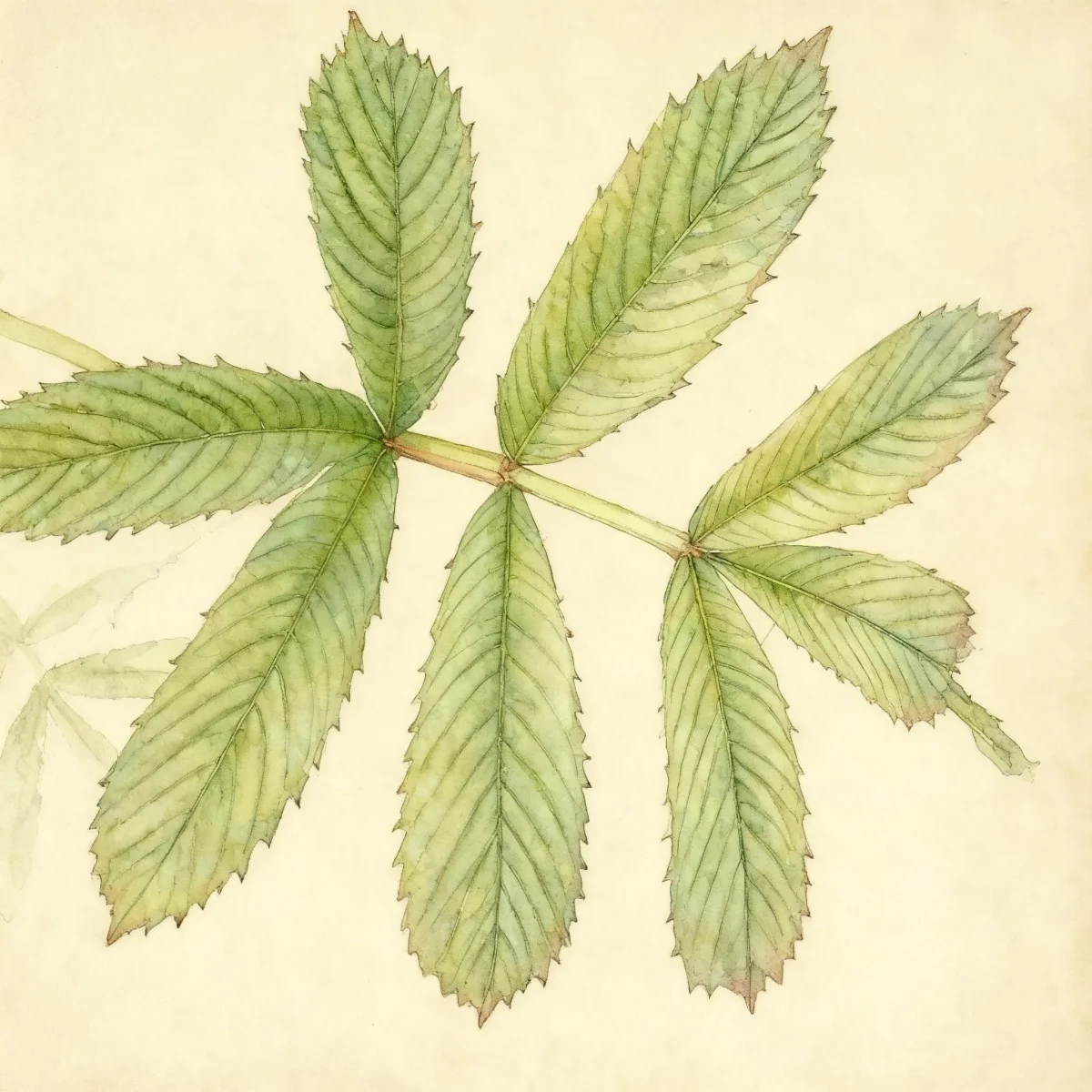
Rodgersia (Rodgersia pinnata)
Rodgersia pinnata offers bold, architectural foliage and clusters of creamy pink to red flowers, perfect for moist garden areas.
Scroll down to discover growing tips, care requirements, companion plants, and more

Complete Plant Information
Overview
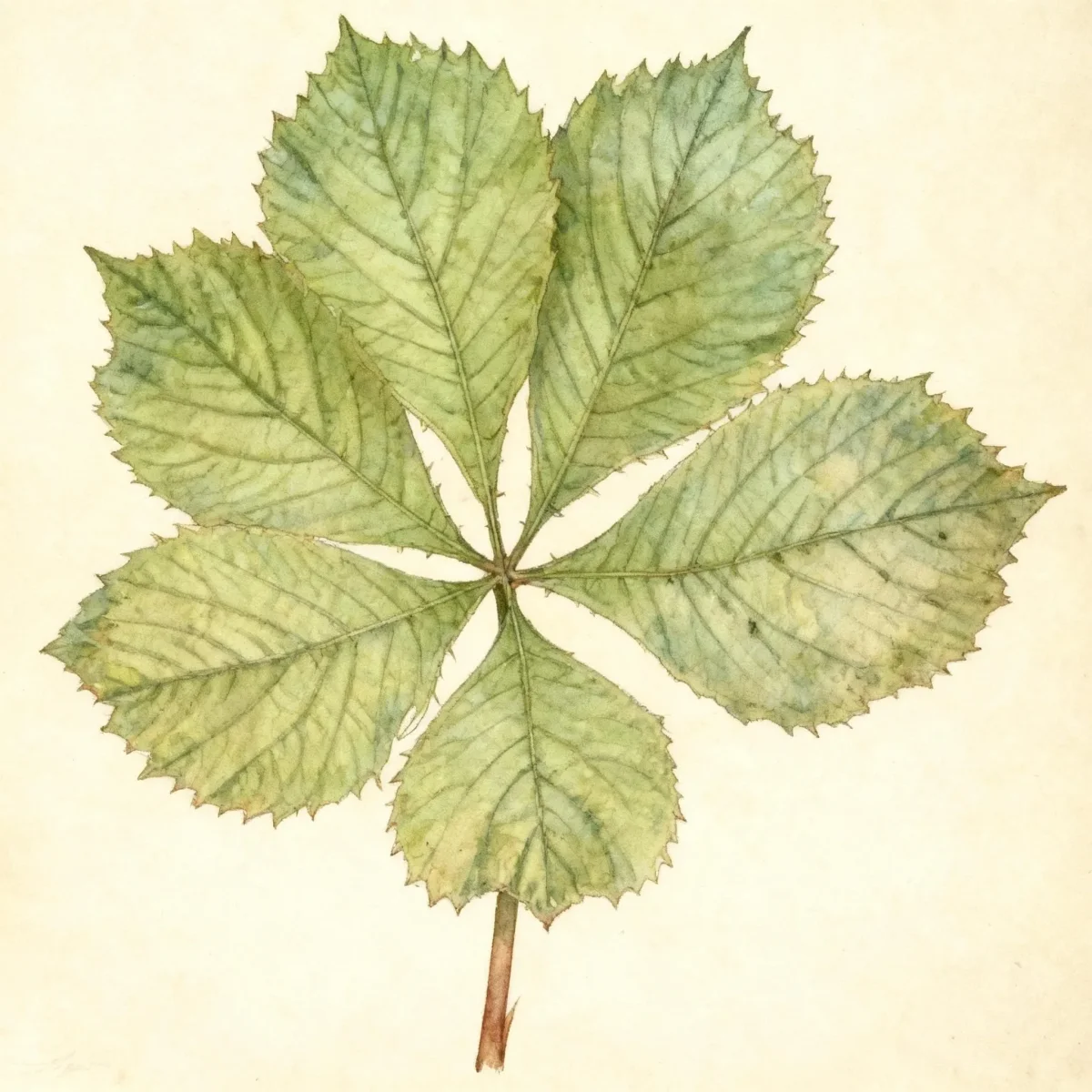
Rodgersia pinnata is a superb architectural plant valued for its substantial, highly textured foliage that emerges with a reddish-bronze tint. While the leaves are pinnately compound, they often give the visual impression of being palmate, adding a lush, tropical feel to shaded garden spots. Gardeners prize Rodgersia for its dramatic presence throughout the growing season.
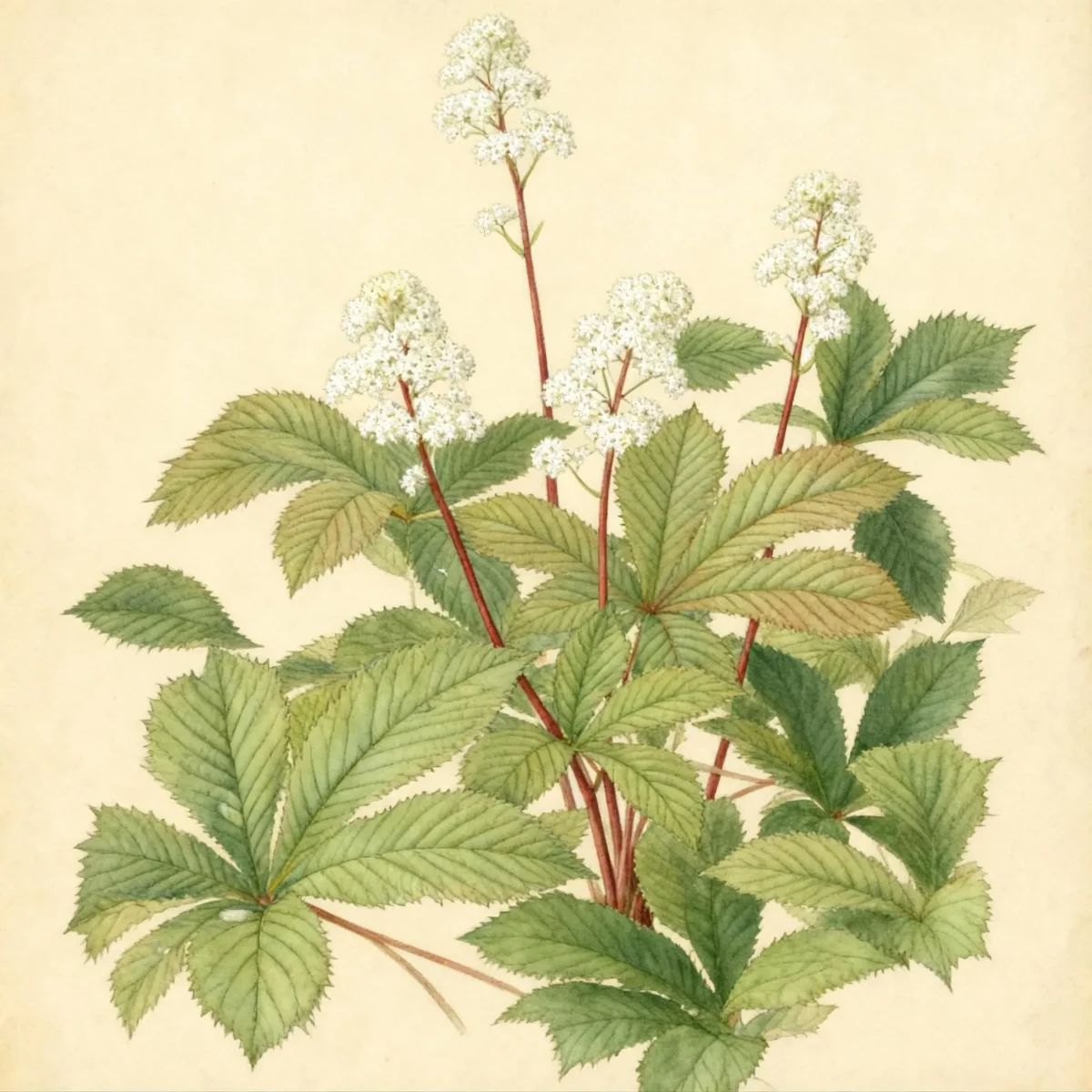
This bold, rhizomatous perennial thrives where moisture is consistently available, making it ideal for boggy borders or beside water features. The flowering display is notable, featuring branched, Astilbe-like panicles of creamy pink to red flowers emerging just as the foliage mound is reaching its peak size.
The visual impact of established Rodgersia specimens, combined with the unique leaf characteristics of Rodgersia pinnata, ensures it remains a statement piece in any moisture-rich landscape setting. Ensure high organic matter in the soil to support the robust growth of this striking perennial.
Fast Facts
- Plant Family: Saxifragaceae
- Plant Type: Herbaceous perennial
- Native Range: Southwestern China
- Hardiness Zones: USDA Zones 5-7
- Size at Maturity:
- Height: 3-4 ft
- Spread: 3-4 ft
- Bloom Time: June to July
- Bloom Description: Creamy pink to red
- Sun Exposure: Full sun to part shade
- Water Needs: Medium to wet
- Maintenance Level: Medium
How to Grow
Plant Rodgersia in spring or fall when soil moisture levels are manageable. Locate Rodgersia pinnata in areas receiving full sun to partial shade, recognizing that light shade is often preferable to intense afternoon heat, especially in warmer zones. The critical factor for success is moisture; grow in average, well-drained soil that is kept consistently medium to wet. Incorporating abundant organic matter is essential to enrich the soil and help retain the necessary moisture.
During the growing season, maintain high soil moisture levels; do not allow the soil to dry out, which is crucial for keeping the large leaves turgid. Fertilization is generally not intensive if the soil is organically rich, but a springtime application of compost can boost vigor. Pruning is minimal, usually limited to removing tattered foliage in early spring before new growth commences.
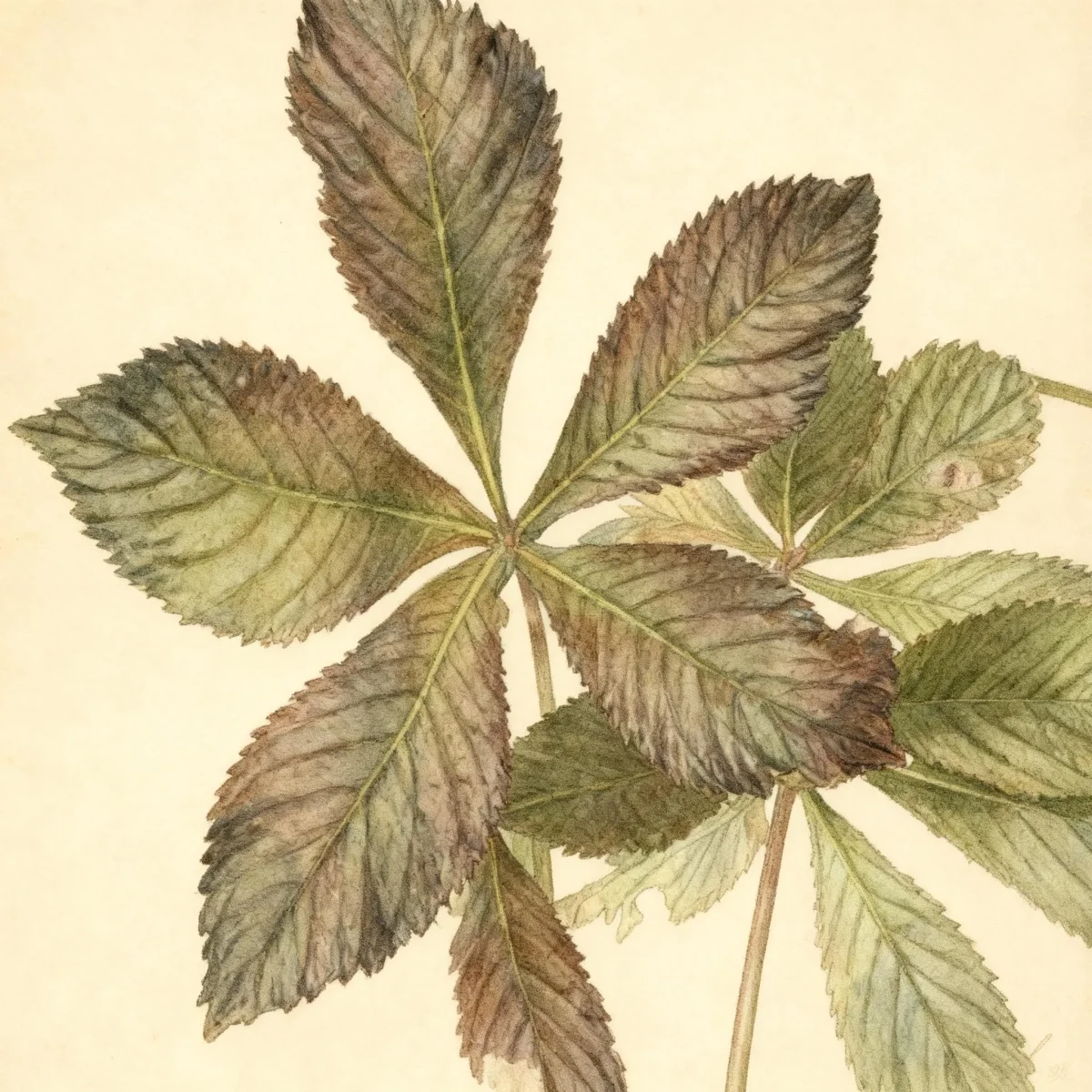
Rodgersia is generally quite hardy once established. While it can tolerate some sun, protecting the foliage from scorching requires consistent watering during dry spells. Be aware that the foliage of this species often develops attractive reddish-bronze tones again in late summer, rewarding attentive care.
Landscape Uses
Rodgersia pinnata excels when integrated into damp environments or woodland settings where its bold texture can stand out against finer-leaved plants. It is highly recommended for mass planting or grouping in moist woodland gardens, bog gardens, or along the edges of streams and ponds where the soil remains saturated.
Because of its significant size and striking appearance, this plant also functions excellently as an accent or specimen plant, drawing the eye to damp corners of the garden. While it can be effective in a mixed border, gardeners must be diligent about meeting its high soil moisture demands; dry border conditions will severely limit performance. Consider pairing Rodgersia with other moisture-loving companions, such as Darmera peltata or Gunnera manicata, for an impactful wet-garden tableau.
Standout Features
Flower Qualities
- Showy
Noteworthy Characteristics
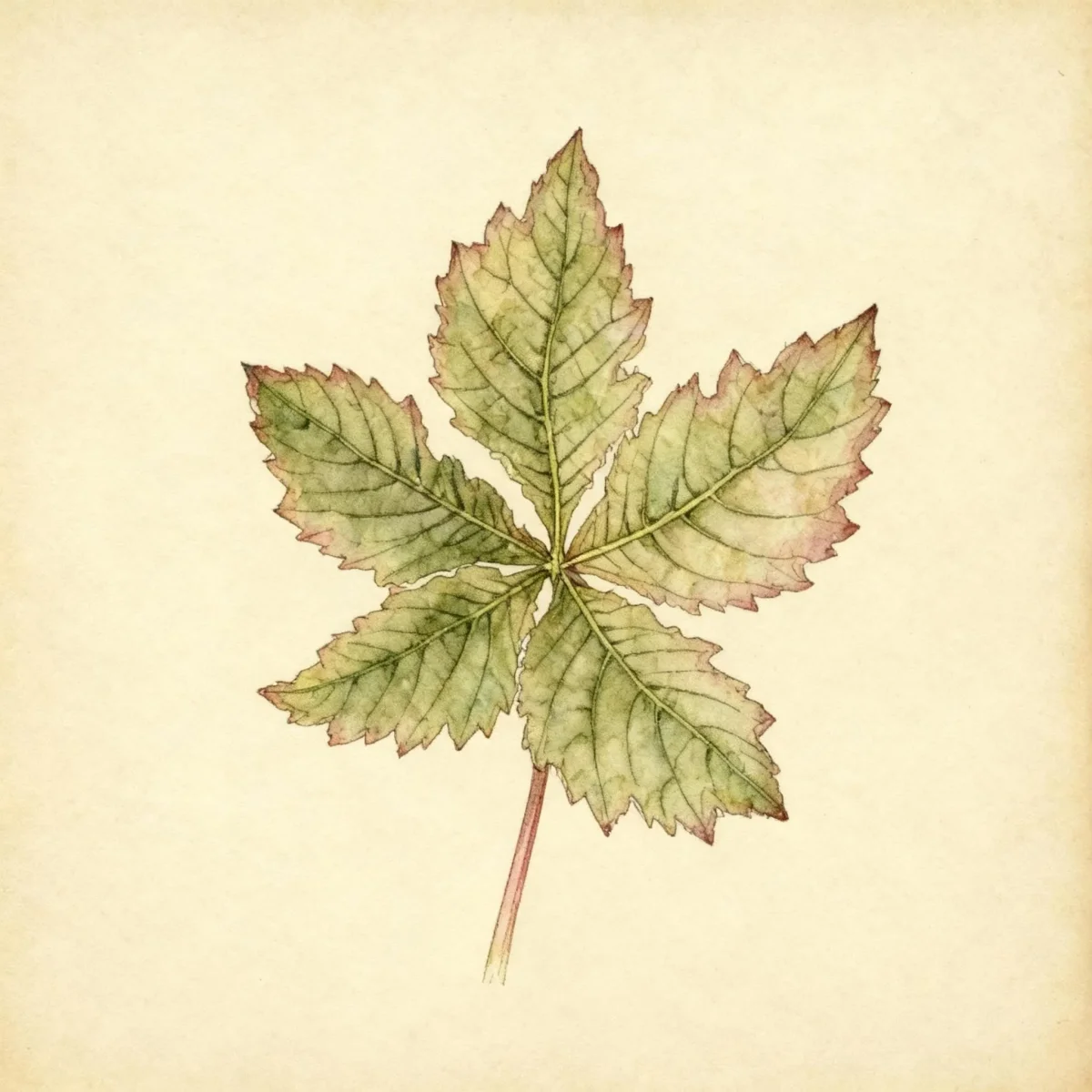
Rodgersia pinnata is a bold, rhizomatous perennial with pinnately compound, basal leaves which appear palmate. Each leaf has 6-9 leaflets (6-8” long). Clusters of apetalous, creamy pink to red flowers appear in late spring to early summer in branched, astilbe-like panicles rising above the foliage mound to 3-4’ tall. Foliage turns reddish-bronze in late summer.
Tolerances
Potential Problems
Rodgersia pinnata fortunately suffers from no serious insect or disease problems, making it a relatively low-fuss specimen once its cultural requirements are met. The primary threat is desiccation; if the soil dries out, the large, dramatic leaves will wilt dramatically, often leading to scorched edges or collapse. Ensure deep, consistent watering, especially during summer heat, to prevent this stress. Slugs and snails might occasionally nibble young emerging leaves, but mature foliage is generally undisturbed.
Frequently Asked Questions
What hardiness zones is Rodgersia suitable for?
Rodgersia pinnata is best suited for USDA Hardiness Zones 5 through 7.
How large does Rodgersia grow?
Established clumps of Rodgersia pinnata typically reach a height and spread between 3 and 4 feet.
What do the flowers of Rodgersia pinnata look like?
The flowers appear in June to July and are described as creamy pink to red, borne in showy, branched panicles above the leaves.
What sun exposure does Rodgersia need?
This plant performs well in conditions ranging from full sun to part shade, provided it receives adequate moisture in either location.
Conclusion
Rodgersia pinnata provides unmatched architectural presence and texture, especially for gardeners managing consistently wet soil conditions. The combination of dramatic foliage, which often bronzes in the late season, and the lovely summer blooms makes this Rodgersia a valuable perennial. Before planting your Rodgersia, confirm that your intended location can reliably meet its medium to wet water needs throughout the year.
Companion Planting
When planning a wet border around a pond or stream where Rodgersia pinnata thrives, consider using companions that share similar cultural needs for rich, moist soil. Hostas (Hosta species) are excellent companions in shadier spots, offering differing leaf textures and colors that contrast well with the bold leaves of Rodgersia. For areas receiving more sun, look toward moisture-loving ferns or marsh marigolds (Caltha palustris), noting that these choices must tolerate the medium to wet soil preferred by Rodgersia.
Seasonal Care Calendar
Spring is the ideal time for cleanup, removing any remnants of last year’s foliage and top-dressing the area around the crown with aged compost. Monitor soil moisture closely as temperatures rise; this is the most critical period for establishing watering routines to prevent leaf scorch in early summer. In mid-to-late summer, after blooming subsides, you may note the foliage beginning to take on its attractive reddish-bronze hue, signaling the late-season interest. In autumn, allow the foliage to die back naturally before cutting it down, as this protects the rhizomes and prepares the Rodgersia for dormancy.