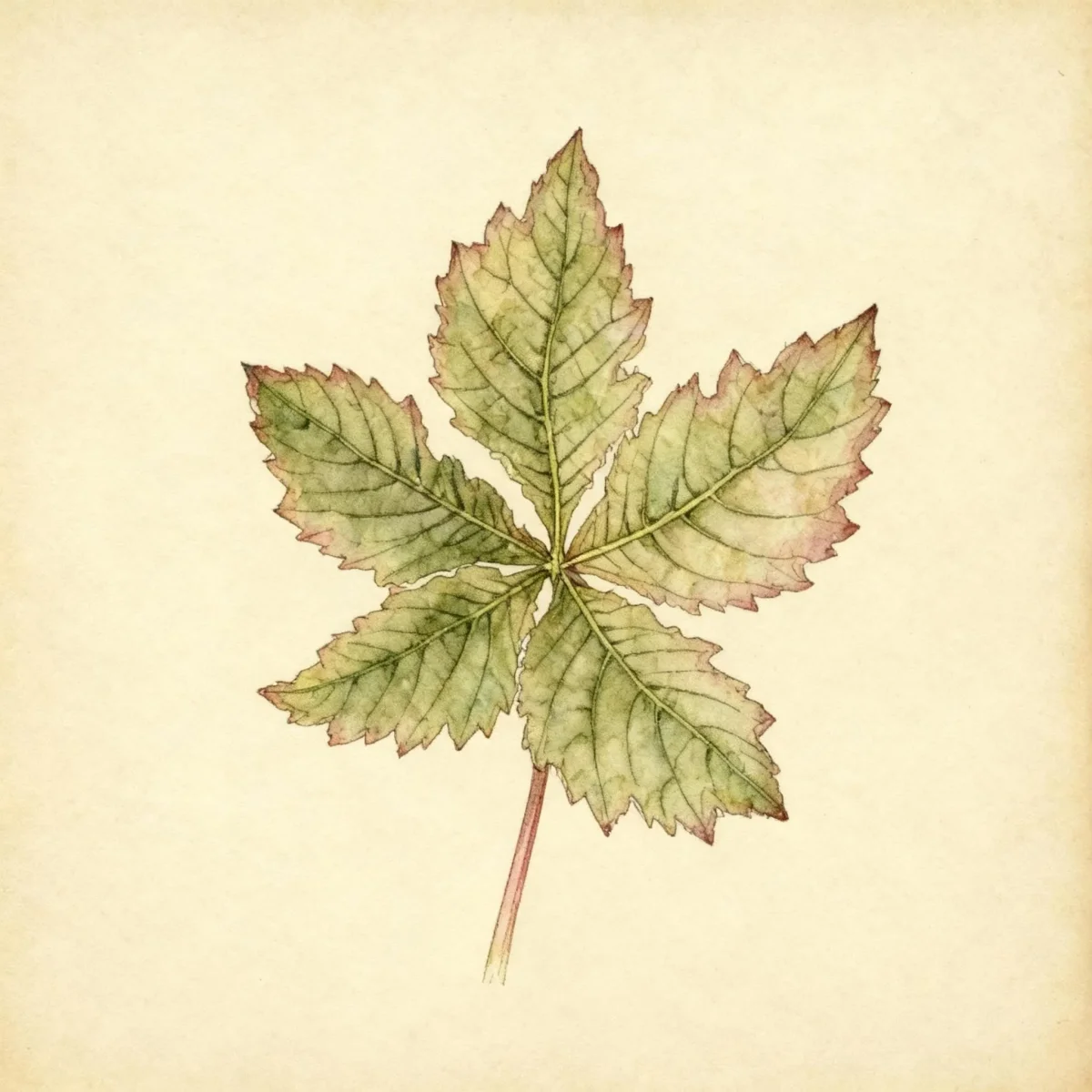
Rodgersia (Rodgersia podophylla)
Bold, spreading Rodgersia podophylla offers distinctive bronze-tinged foliage and creamy white summer blooms, ideal for moist, shaded gardens.
Scroll down to discover growing tips, care requirements, companion plants, and more
Complete Plant Information
Overview
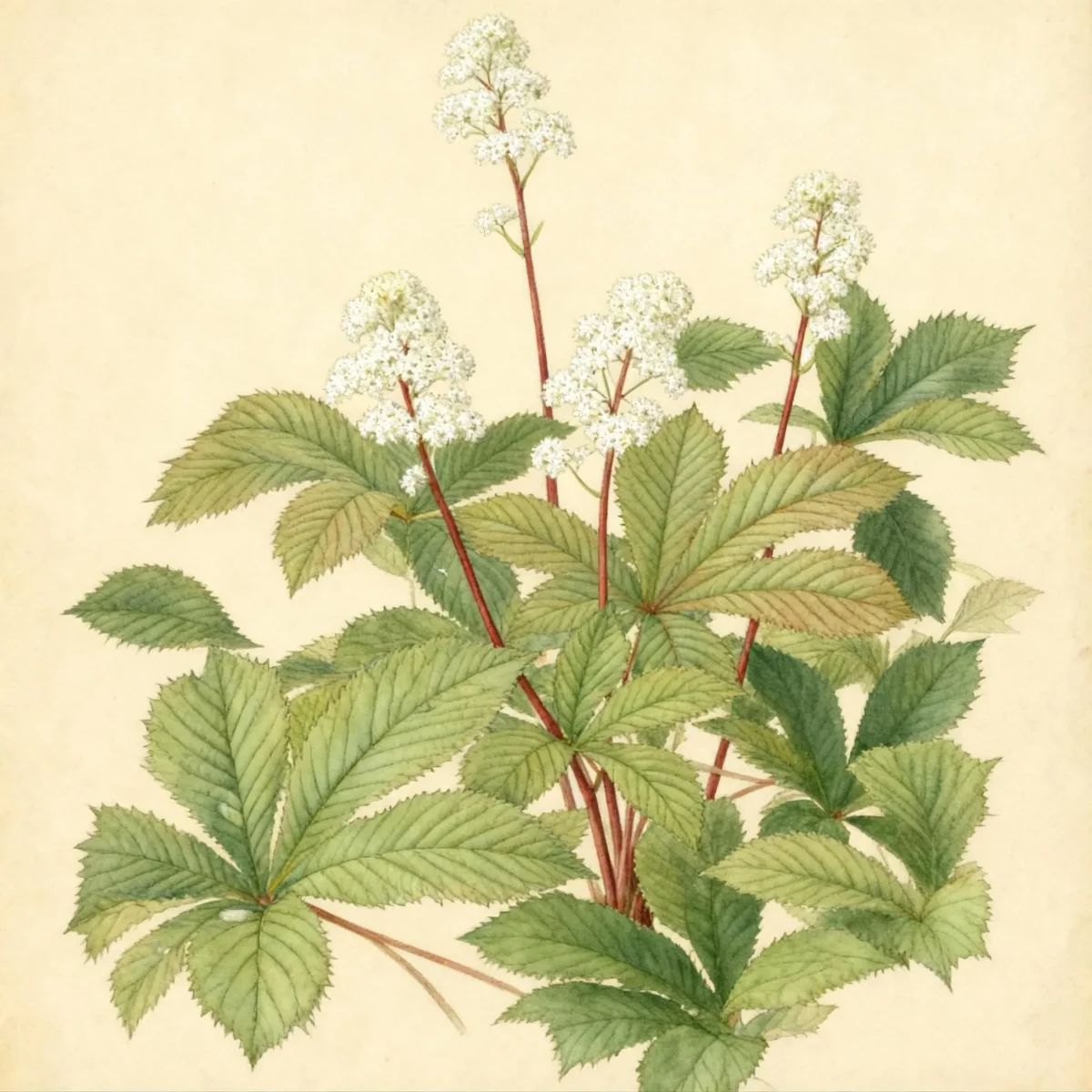
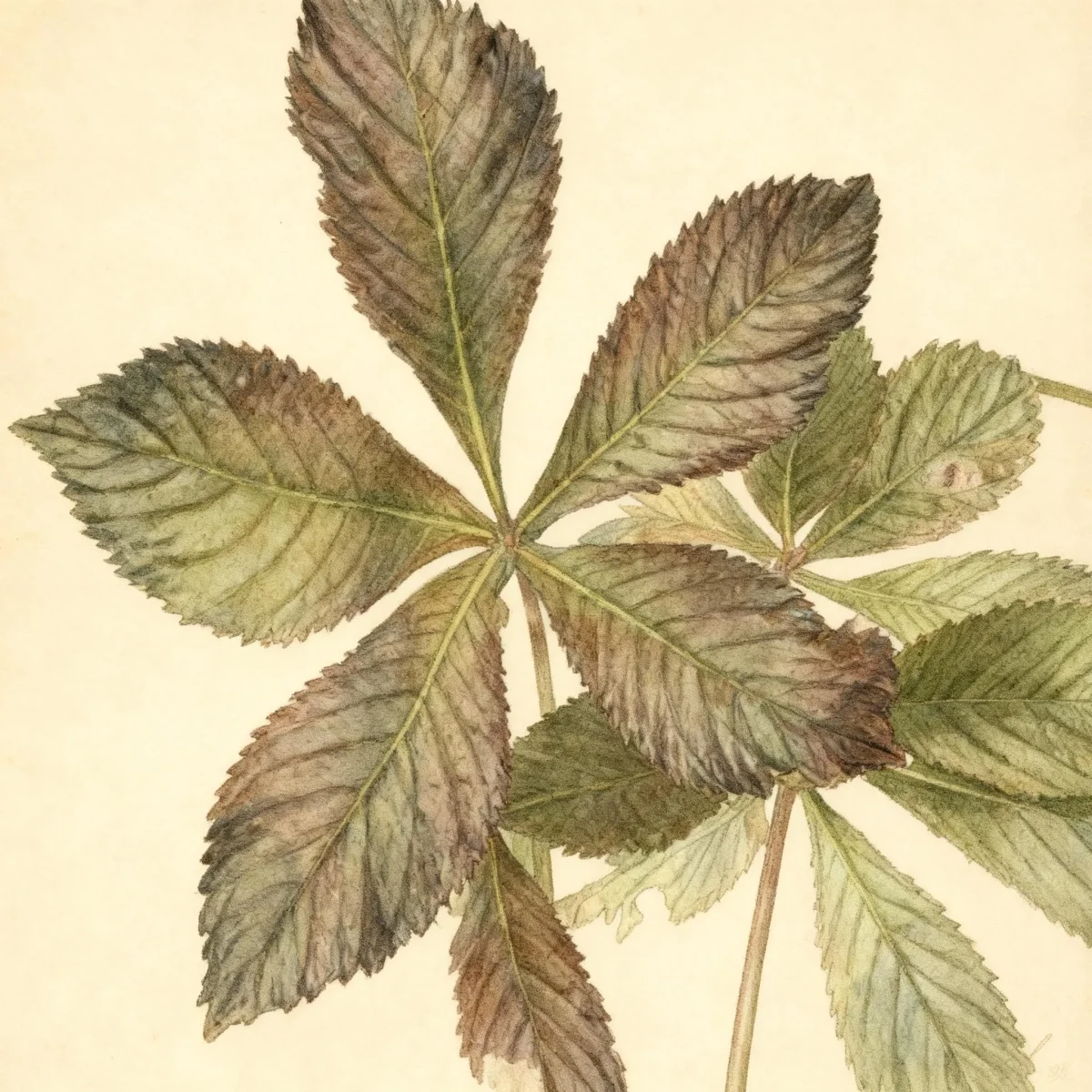
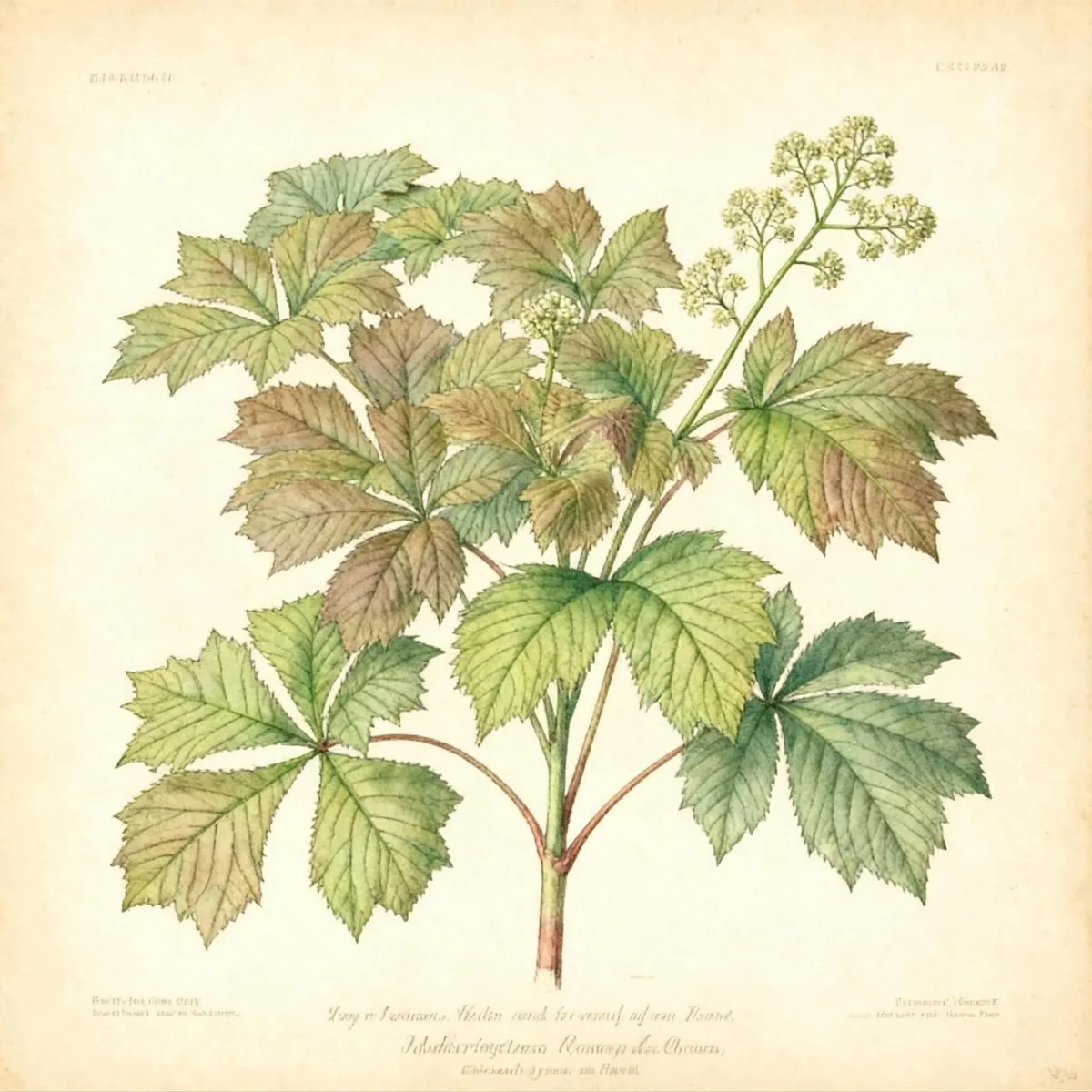
Rodgersia podophylla is an outstanding herbaceous perennial prized for its substantial, bold foliage, making it a dramatic architectural plant in the shade garden. The palmate, coarsely-toothed leaves emerge with a bronze hue before maturing to dark green, sometimes coloring bronze-red again in the fall. This plant, often called bronzeleaf rodgersia, provides strong texture that contrasts beautifully with finer-leaved woodland plants.
As a clump-forming, rhizomatous perennial, Rodgersia spreads slowly to form impressive colonies over time, thriving best where conditions mimic its native habitat in moist woodlands and shaded slopes of Eastern Asia. In early to mid-summer, it sends up upright stems bearing attractive, Astilbe-like clusters of creamy-white flowers that rise above the substantial foliage mound.
Gardeners seeking reliable structure and high-impact texture for wet, shaded borders will find Rodgersia podophylla an essential choice. Achieving success with this plant hinges primarily on maintaining consistent soil moisture, rewarding the gardener with lush, wind-protected growth throughout the season.
Fast Facts
- Plant Family: Saxifragaceae
- Plant Type: Herbaceous perennial
- Native Range: Eastern Asia
- Hardiness Zones: USDA Zones 5-8
- Size at Maturity:
- Height: 3-5 ft
- Spread: 3-4 ft
- Bloom Time: June to August
- Bloom Description: Creamy white
- Sun Exposure: Part shade
- Water Needs: Medium to wet
- Maintenance Level: Medium
How to Grow
The ideal time to establish Rodgersia podophylla is in spring or fall when temperatures are moderate. Select a location receiving dappled sunlight or consistent part shade; intense afternoon sun will scorch these large leaves. This plant demands rich, acidic, humusy soil that remains consistently moist. It happily tolerates wet, boggy soil conditions, making it perfect for rain gardens or stream peripheries.
Consistent watering is crucial for healthy Rodgersia growth. If the soils dry out, the leaf margins are likely to brown, diminishing the main ornamental appeal of the foliage. While it spreads by creeping rhizomes, aggressive competition is usually not an issue in its preferred moist environments.
Site your Rodgersia podophylla away from areas exposed to strong winds, which can easily shred the substantial leaves. After the creamy-white flowers fade in late summer, deadheading the spent flower stalks is an easy maintenance task that keeps the display tidy. Propagate larger clumps if desired, usually through division in early spring.
Landscape Uses
Rodgersia podophylla excels in landscape situations requiring bold, moisture-loving plants for lower light areas. It is an excellent foliage feature for creating a lush, woodland effect, thriving beautifully in moist woodland gardens or along the edges of water features like bog gardens or stream banks. Use this substantial perennial as an anchoring presence in the back of a border where its height (3 to 5 feet) can be best appreciated away from delicate neighboring plants.
Because Rodgersia naturalizes readily and forms large, dense colonies through its rhizomes, it functions wonderfully in informal settings where consistent moisture can be guaranteed year-round. Consider planting groupings of this Rodgersia near shade-loving hostas and moisture-loving ferns to enhance the textual variance in your damp garden niches. Successful integration depends entirely on meeting its requirement for consistent moisture in part shade areas.
Standout Features
Flower Qualities
- Showy
Noteworthy Characteristics
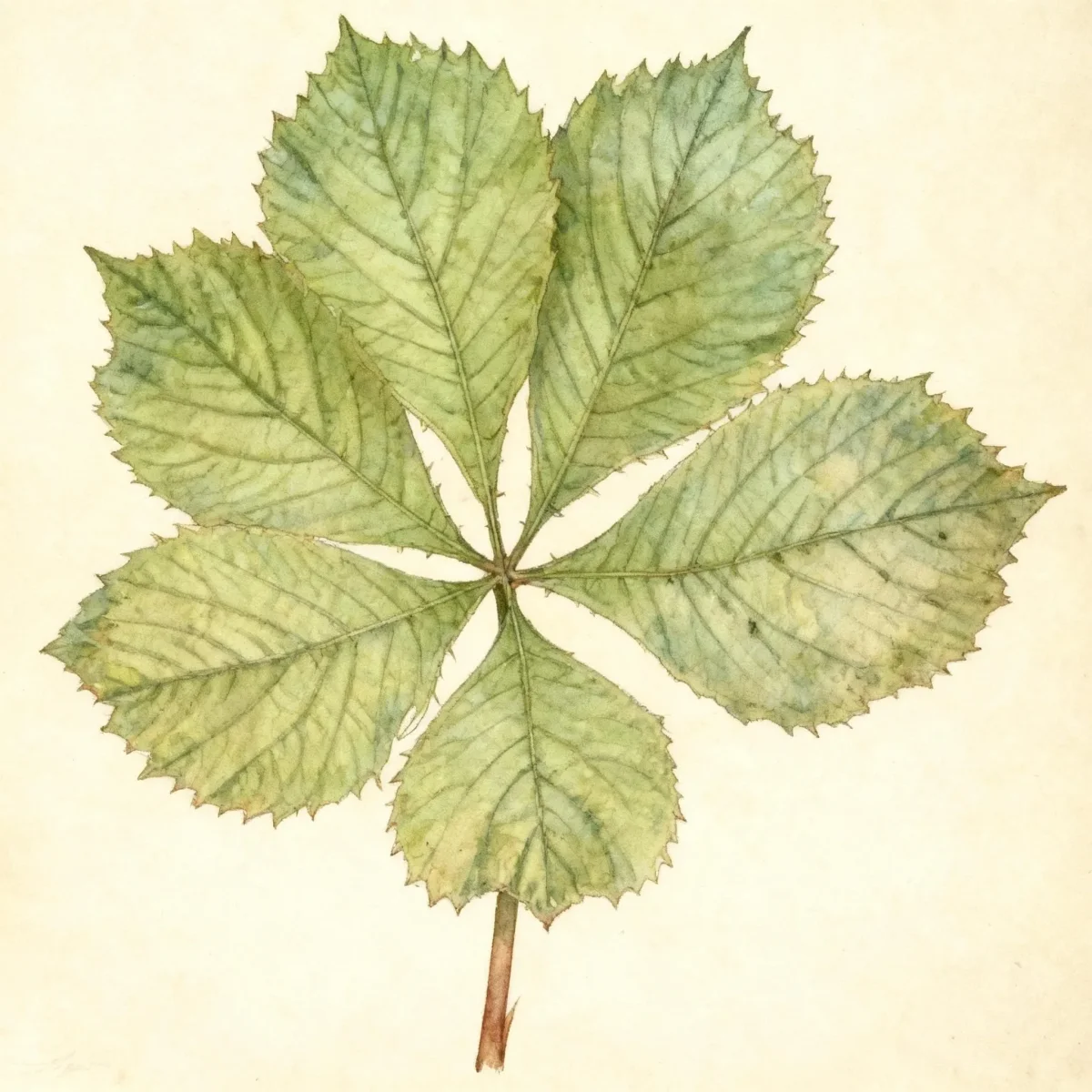
Rodgersia podophylla is a bold, clump-forming, rhizomatous perennial that is native to shaded slopes, moist woodlands and stream banks in Japan and Korea. Although the summer-blooming, astilbe-like, creamy-white flowers in foot-long clusters are ornamentally attractive, it is the large, coarsely-toothed, palmate, green to bronze-green leaves that primarily attract gardeners to this plant. Each palmate-compound leaf has 5 (less frequently 7) lobes, and the leaves emerge bronze-green in spring, mature to green in summer and finally turn bronze-red in fall, providing season-long interest.
Tolerances
Potential Problems
Fortunately, Rodgersia podophylla generally suffers from no serious insect or disease complications when grown in its ideal conditions. The main aesthetic threat comes from mollusks; slugs and snails frequently target the lush foliage, causing cosmetic chewing damage. Place preventative measures, physical barriers, or appropriate baits if slug populations are high in your garden. Gardeners should also watch for powdery mildew, which can sometimes appear if air circulation is poor, though consistent moisture usually mitigates this risk better than dry conditions encourage it.
Frequently Asked Questions
What hardiness zones is Rodgersia suitable for?
Rodgersia podophylla is reliably hardy in USDA Zones 5 through 8.
How large does Rodgersia grow?
This substantial perennial typically reaches a height between 3 to 5 feet and spreads to a width of 3 to 4 feet at maturity.
What sun exposure does Rodgersia podophylla need?
Rodgersia requires part shade to thrive; too much direct sun will likely cause leaf scorching, especially during hot afternoons.
When does Rodgersia bloom?
The plant blooms from June through August, producing attractive clusters of creamy white, Astilbe-like flowers.
Conclusion
The commanding foliage and reliable summer flowers confirm that Rodgersia podophylla is a premium specimen for wet, shaded garden areas. Its architectural presence and textural contrast ensure it remains a focal point long after the blooms of this Rodgersia have faded. Before planting, evaluate your site to ensure adequate moisture levels; only then can you fully enjoy the impressive display provided by Rodgersia podophylla year after year.
Companion Planting
Selecting companions based on similar soil and light requirements is key when planting near Rodgersia podophylla. Pair it with other moisture-loving shade plants such as giant Solomon’s Seal (Polygonatum species), large-leaved Astilboides (Astilboides tabularis), or robust ferns that appreciate rich, acidic soil. These plants share the need for consistent moisture, ensuring that no single plant suffers from aggressive competition for water or undue dryness.
Avoid pairing Rodgersia with xeriscape (drought-tolerant) plants, as these species have completely different water needs and will likely decline if forced to live in the consistently damp soil Rodgersia requires to prevent leaf scorch. Focus instead on plants that enhance the woodland aesthetic, relying on varying shades of green and different leaf shapes to create visual interest around the boldness of the five-lobed Rodgersia leaves.
Propagation Tips
Rodgersia is most easily multiplied through division, a task best performed in early spring before the new growth fully emerges, or in the fall after foliage has died back. Dig up a section of the mature clump, ensuring each division has several healthy eyes or buds attached to a piece of the thick, creeping rhizome. Replant these divisions immediately at the same depth they were previously growing.
While propagation by seed is possible, it requires patience as Rodgersia podophylla seeds often require stratification or slow, natural stratification over winter to break dormancy. Division is overwhelmingly the most reliable method for gardeners looking to expand their colonies or share this magnificent perennial with others.