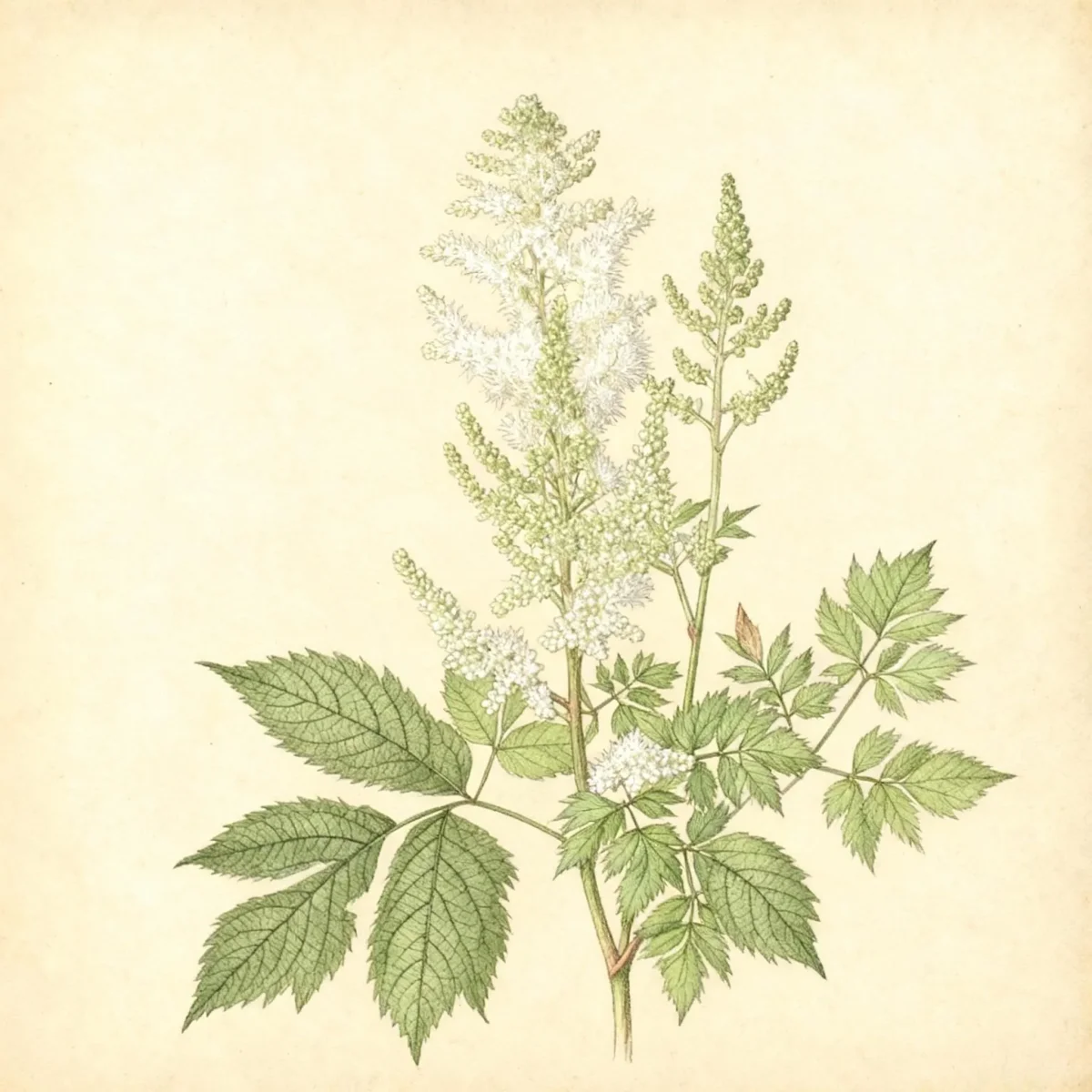
Chinese astilbe (Astilbe chinensis var. davidii)
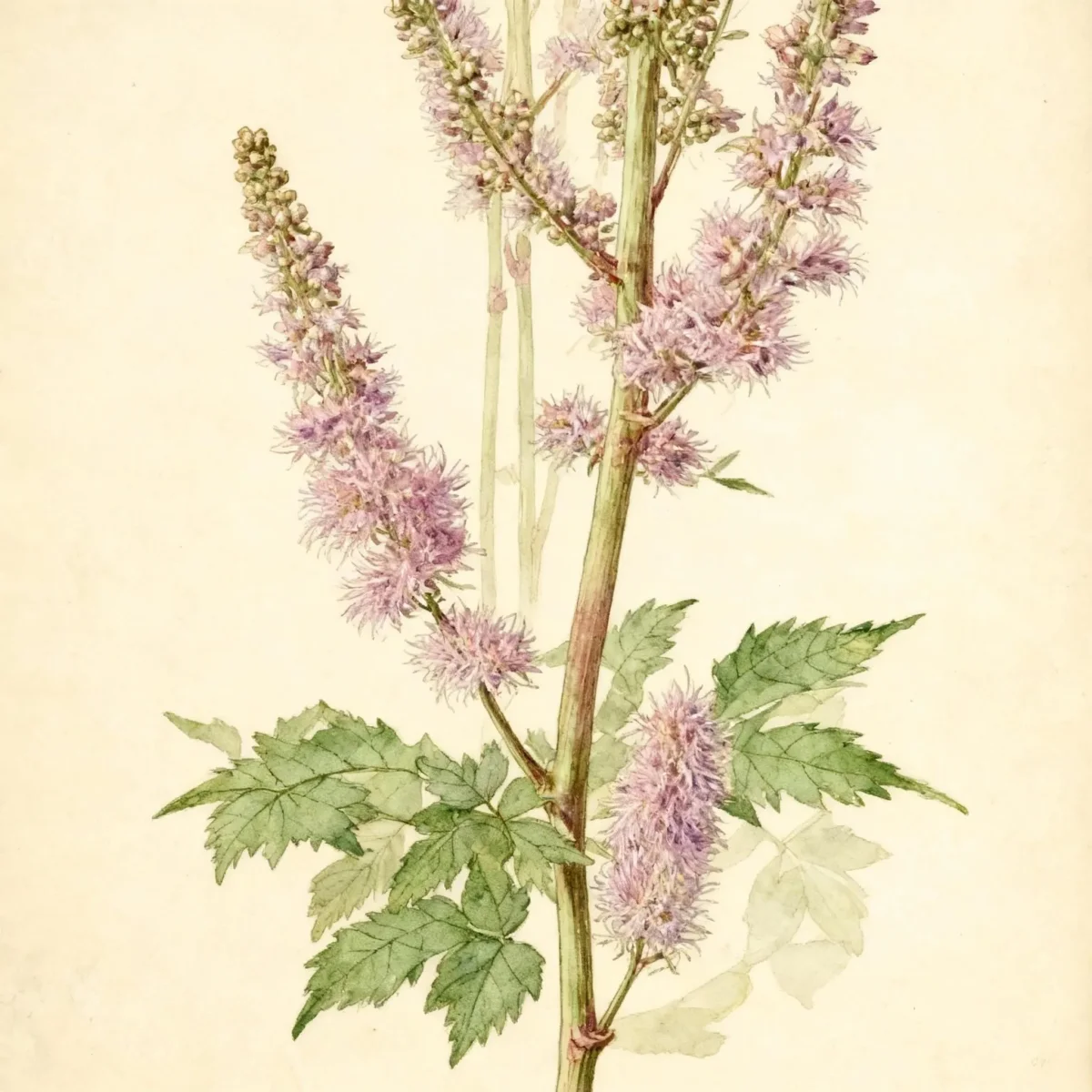
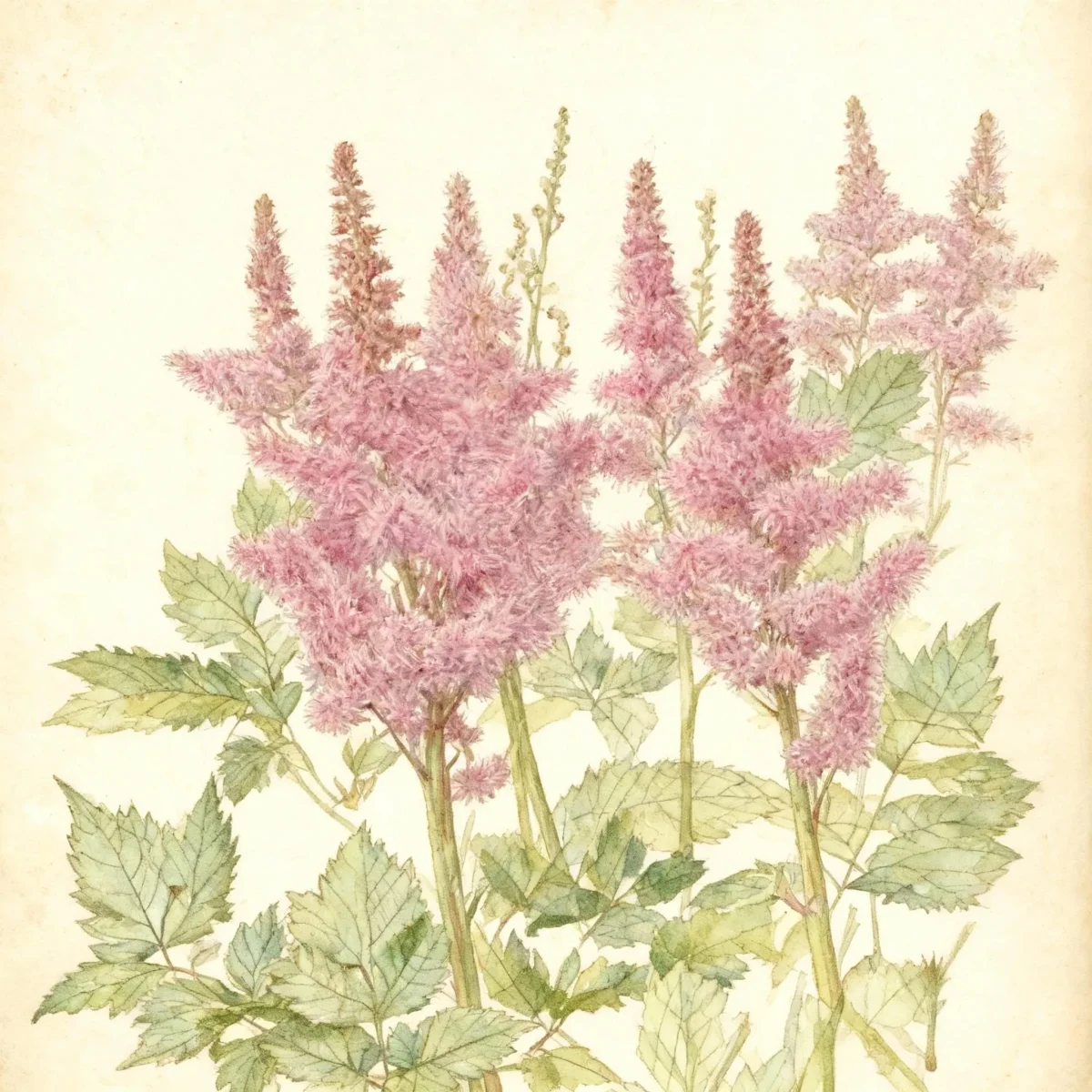
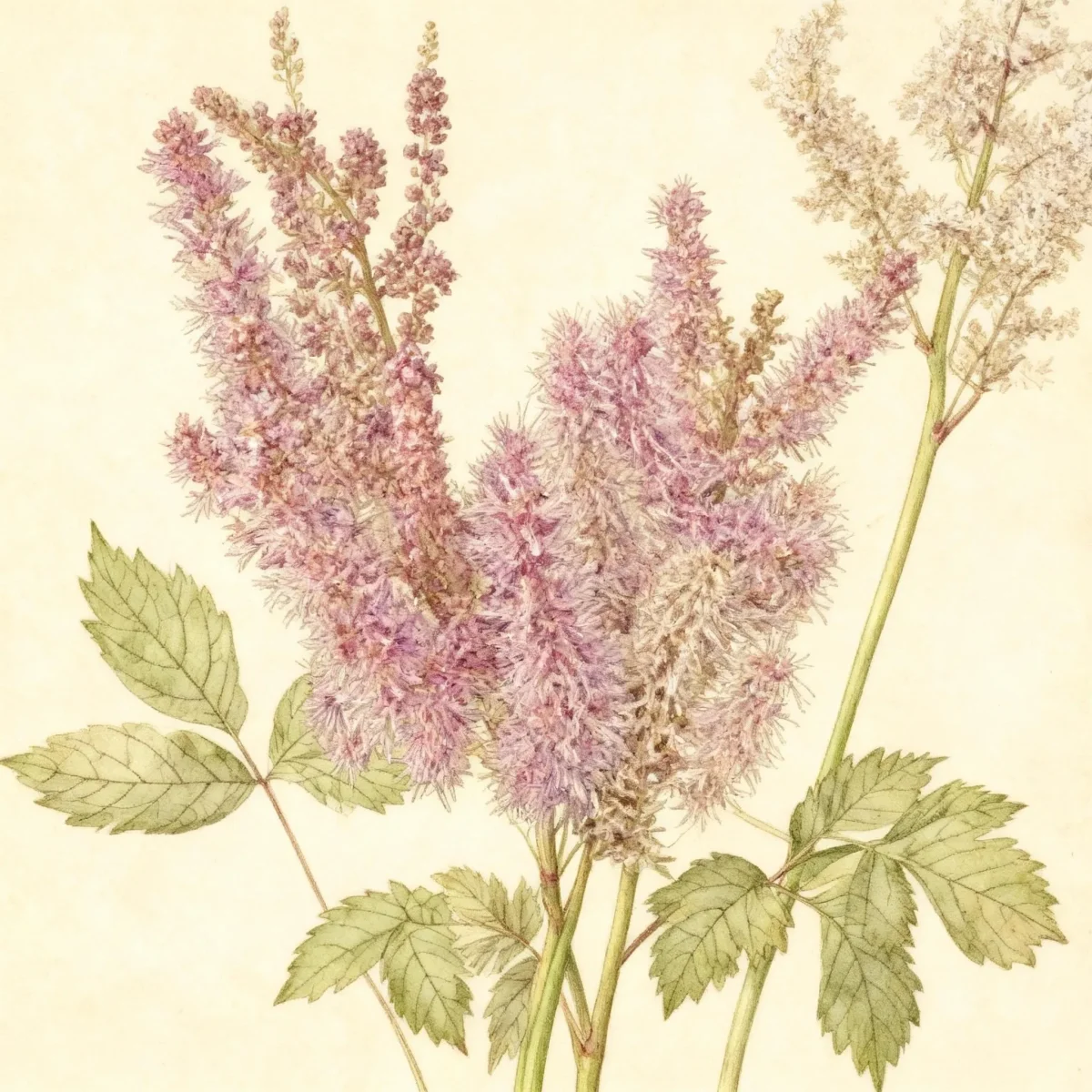
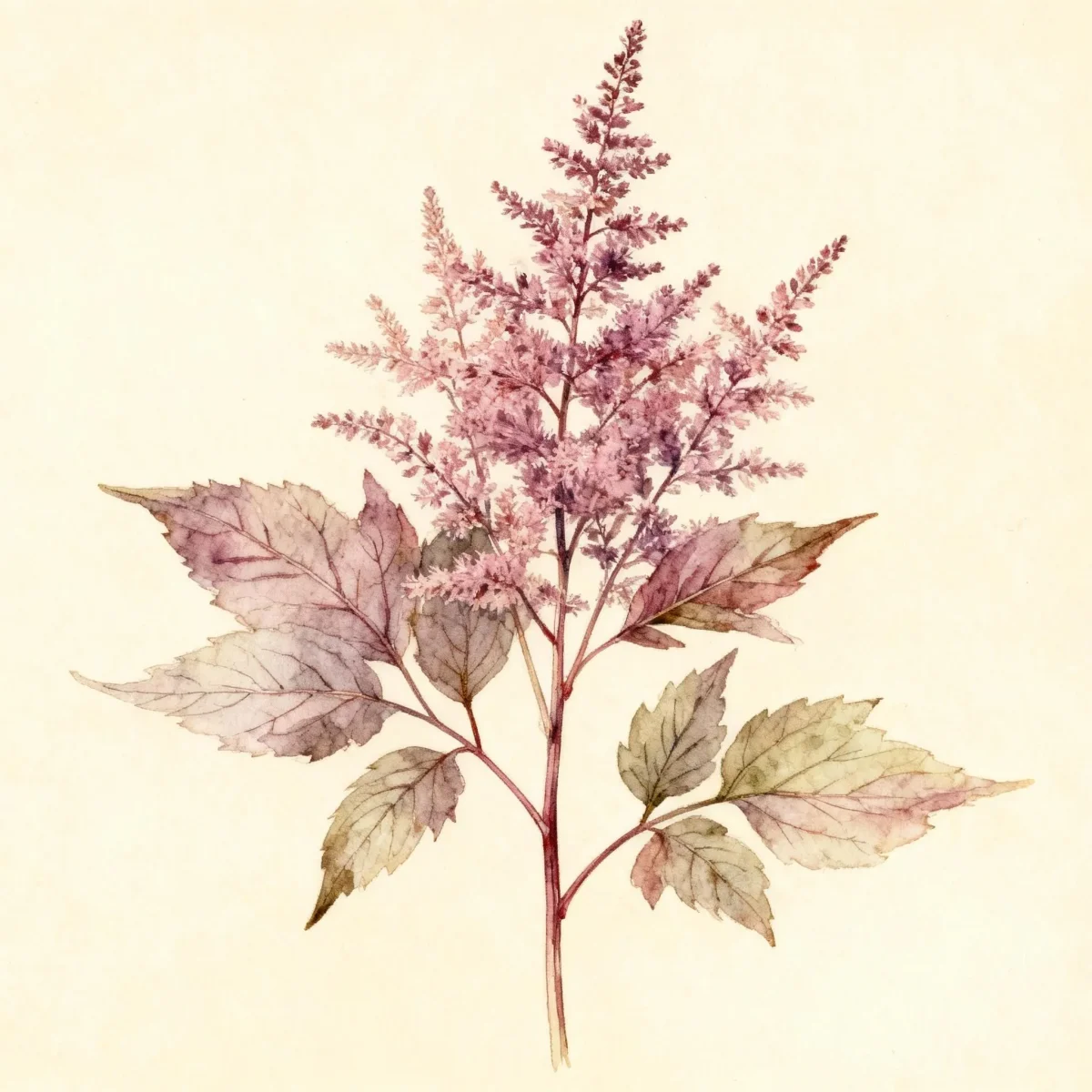
Astilbe chinensis var. davidii offers tall, late-season purplish-pink plumes. This Chinese astilbe thrives in shade.
Scroll down to discover growing tips, care requirements, companion plants, and more
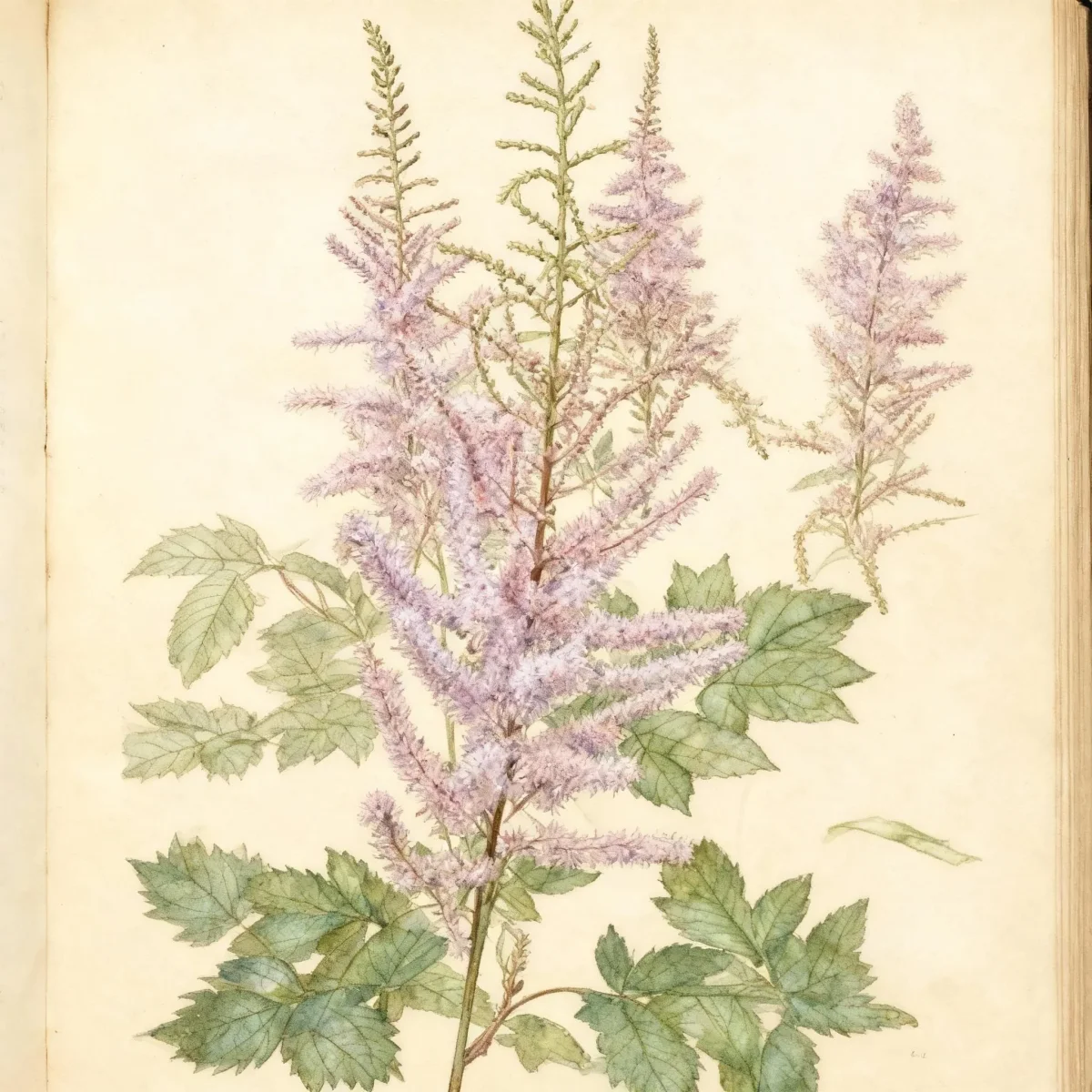
Complete Plant Information
Overview
Astilbe chinensis var. davidii is a striking, tall herbaceous perennial highly valued for its late-season floral display in shaded areas of the garden. As a form of Chinese astilbe, this variety provides substantial vertical interest, growing up to six feet tall with impressive plume-like flower panicles. Its tolerance for heavier shade, noted in Astilbe chinensis var. Davidii, makes it a reliable centerpiece where many other perennials struggle.
This selection is characterized by its graceful, fern-like foliage mound topped by arching stems carrying masses of purplish-pink flowers in mid to late summer. Unlike some Astilbe hybrids, Chinese astilbe generally exhibits superior performance regarding sun and drought resistance, though consistently moist soil is still preferred for optimal health. Gardeners appreciate the low maintenance level associated with establishing this clump-forming, rhizomatous plant.
The height and texture provided by Astilbe chinensis var. davidii make it an excellent structural element in woodland or cottage garden settings. It offers a distinct aesthetic contrast to broad-leaved shade plants, ensuring visual appeal long after many spring bloomers have faded. Selecting this particular cultivar ensures deep summer color in partially shaded borders.
Fast Facts
- Plant Family: Saxifragaceae
- Plant Type: Herbaceous perennial
- Native Range: Asia, Russia, India, Myanmar
- Hardiness Zones: USDA Zones 4-8
- Size at Maturity:
- Height: 4-6 ft
- Spread: 1.5-2 ft
- Bloom Time: July to August
- Bloom Description: Purplish-pink
- Sun Exposure: Part shade to full shade
- Water Needs: Medium
- Maintenance Level: Low
How to Grow
Planting Astilbe chinensis var. davidii is best achieved in spring or fall to allow root establishment before temperature extremes. Locate your Chinese astilbe where it receives part shade to full shade, preferably protected from intense afternoon sun. The key to success is soil quality; this plant thrives in humus-rich, organically rich soils that are medium in moisture and well-drained.
Consistent moisture is crucial; soils must not be allowed to dry out completely, especially during hot spells. Regular watering ensures the foliage remains attractive throughout the growing season. Applying a summer compost mulch will significantly aid in moisture retention around the roots.
Maintenance is generally low. While removing faded flower stalks can tidy the appearance, many gardeners choose to leave the dried seed heads for winter interest. Divide the clumps every three to four years when overcrowding begins to diminish vigor and bloom quality.
An important note for Astilbe chinensis var. Davidii is its improved tolerance; this Chinese astilbe handles more sun and drought compared to many related hybrids, though steady moisture remains highly beneficial.
Landscape Uses
The substantial stature of Astilbe chinensis var. davidii makes it perfect for massing or grouping towards the middle or back of shaded borders, providing a strong vertical accent. Its deep green, bronze-tinted foliage offers great texture against simpler shade plants. Consider placing these tall plumes in woodland gardens where their bloom time in July and August extends the season of interest.
This perennial is especially effective near water features, such as pond or stream banks, where the medium water needs are easily met. They also serve well as informal anchors near foundations or within cottage garden designs needing height in a dimmer location. Pair Astilbe chinensis var. Davidii with hostas, ferns, or ground-covering brunnera for striking complementary color and texture contrast.
Standout Features
Flower Qualities
- Showy
Noteworthy Characteristics
Astilbe chinensis, commonly called Chinese astilbe, is clump-forming perennials which feature graceful, fern-like mounds of mostly basal, 2-3 ternately compound leaves, usually with sharply-toothed leaflets, and tiny flowers densely packed into erect to arching, plume-like flower panicles rising above the foliage on slender, upright stems. Chinese astilbes are slowly spreading, rhizomatous plants which bloom later than the Arendsii hybrids and generally feature hairy, biserrate, elliptic-oval, 3-ternate leaflets. Var. Davidii is a late-summer blooming Chinese astilbe variety which grows to as much as 6’ tall. It is one of the tallest of the astilbes.
Tolerances
- Rabbit
- Deer
- Heavy Shade
- Black Walnut
Potential Problems
Astilbe chinensis var. davidii generally resists serious pest or disease issues, keeping maintenance low. The primary concern involves foliage decline, where leaf edges brown and crisp. This often occurs during intense summer heat or persistent drought if the soil moisture isn’t diligently maintained. Although this Chinese astilbe variety possesses better drought tolerance than some relatives, actively providing consistent, medium watering throughout summer is the best preventative measure against leaf scorch.
Frequently Asked Questions
What hardiness zones is Chinese astilbe suitable for?
Astilbe chinensis var. davidii is hardy in USDA Zones 4 through 8.
How large does Astilbe chinensis var. davidii grow?
This tall variety typically reaches a height between 4 and 6 feet, spreading 1.5 to 2 feet wide.
What sun exposure does Chinese astilbe need?
This plant prefers conditions ranging from part shade to full shade for best performance.
When does Astilbe chinensis var. davidii bloom?
This species blooms relatively late in the season, typically from July through August, showcasing purplish-pink plumes.
Conclusion
The towering height and vibrant, late-blooming purplish-pink plumes clearly establish Astilbe chinensis var. davidii as a premium choice for shaded borders. Its noted low maintenance and improved tolerance characteristics make this Chinese astilbe an adaptable and rewarding perennial for nearly any garden setting. Before planting, verify your USDA hardiness zone compatibility and ensure you can commit to providing the consistently moist, rich soil this magnificent plant prefers.
Companion Planting
When designing a shade garden around your Astilbe chinensis var. davidii, selecting compatible textures and moisture needs is key. Consider pairing it with plants that appreciate rich, humusy soil, such as Helleborus (Lenten Rose) for early spring interest or Tiarella (Foamflower) which shares textural qualities in a lower habit. Because Astilbe chinensis var. Davidii is one of the taller astilbes, placing shorter, broad-leaved subjects like Hostas nearby creates an excellent contrast in both leaf size and texture against the fine fern-like foliage.
Seasonal Care Calendar
Start the year by cleaning up any remaining dried flower stalks from the previous season in early spring once new growth begins to emerge. Mid-spring is the ideal time to apply a fresh layer of compost mulch to help regulate soil temperature and conserve the moisture that Astilbe chinensis var. davidii needs. Focus irrigation efforts during dry periods in mid-summer to prevent foliage browning, even though this Chinese astilbe exhibits drought tolerance improvements. In late fall, once foliage has died back naturally, a light layer of leaf mold can be advantageous before winter sets in.