Rodgersia (Rodgersia aesculifolia)
Explore Rodgersia aesculifolia, a bold perennial for moist soils. Features showy, fragrant blooms and dramatic, crinkled foliage.
Scroll down to discover growing tips, care requirements, companion plants, and more
Complete Plant Information
Overview
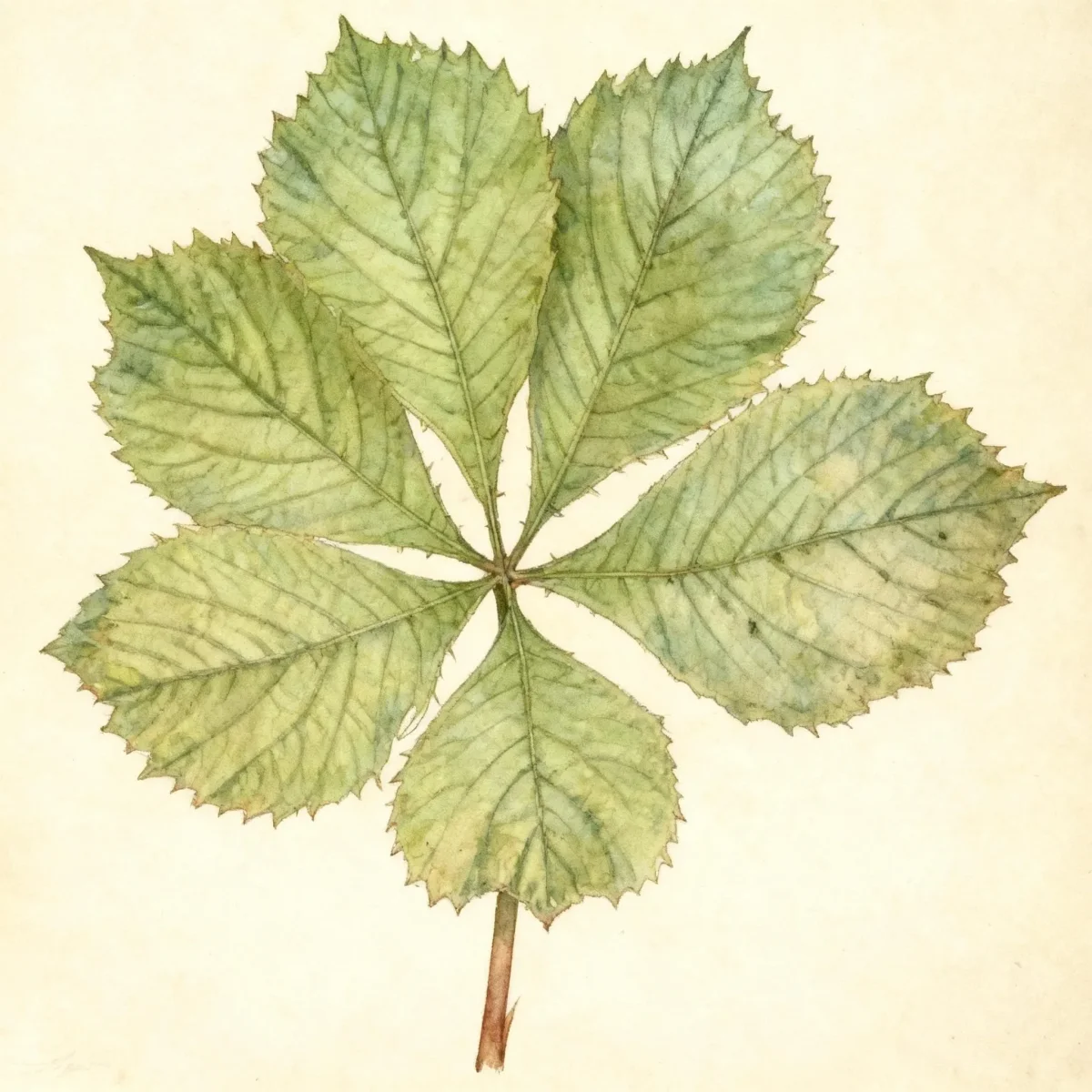
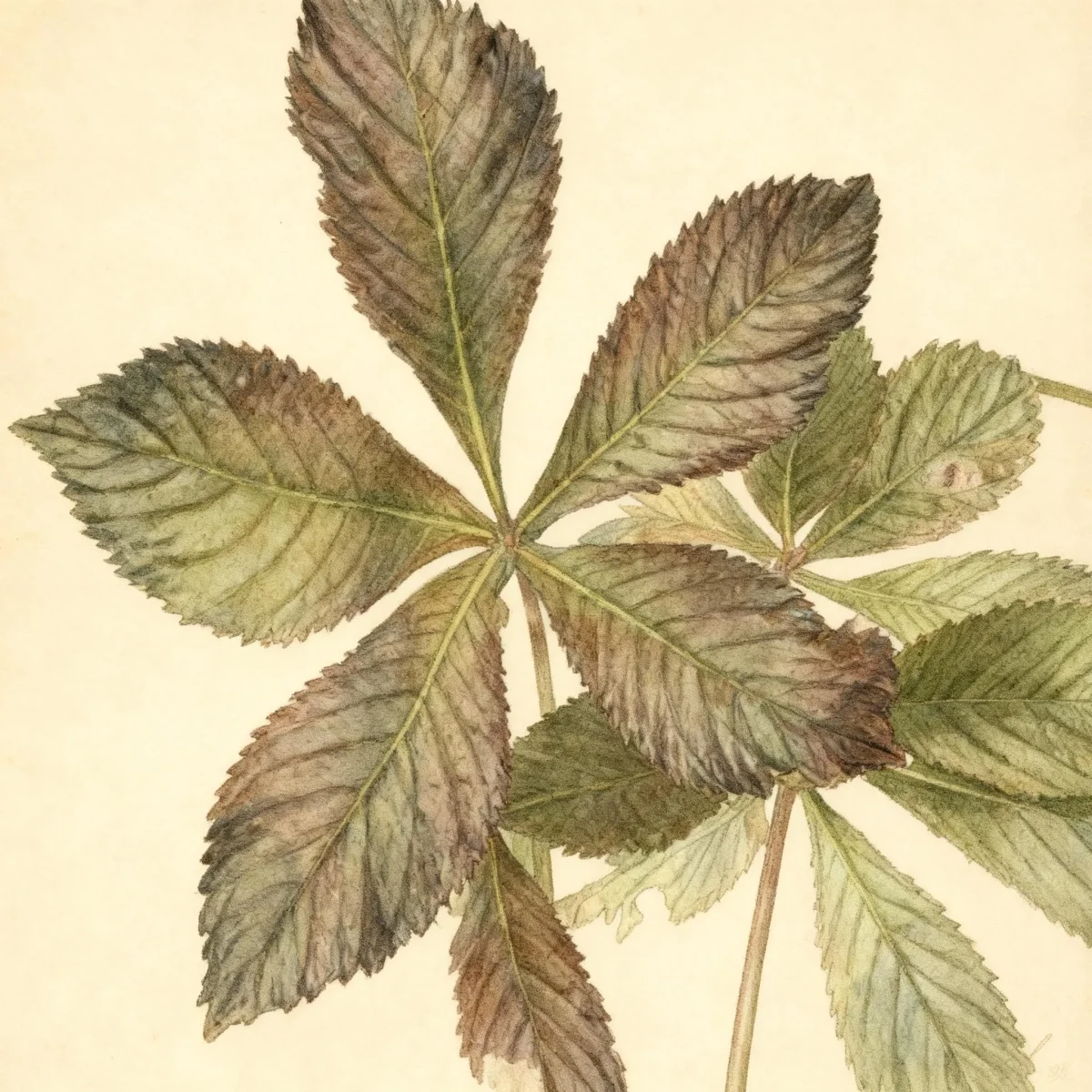
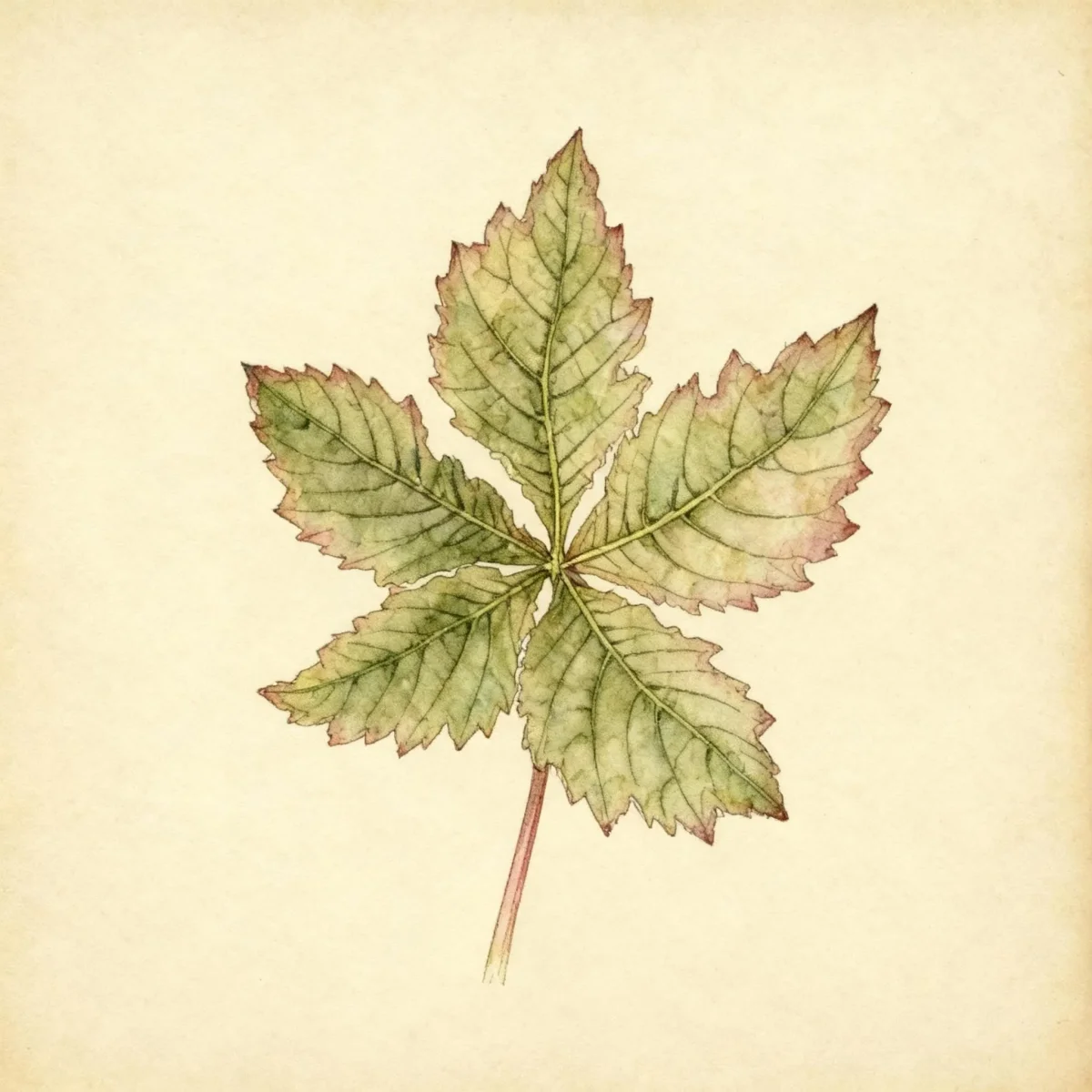
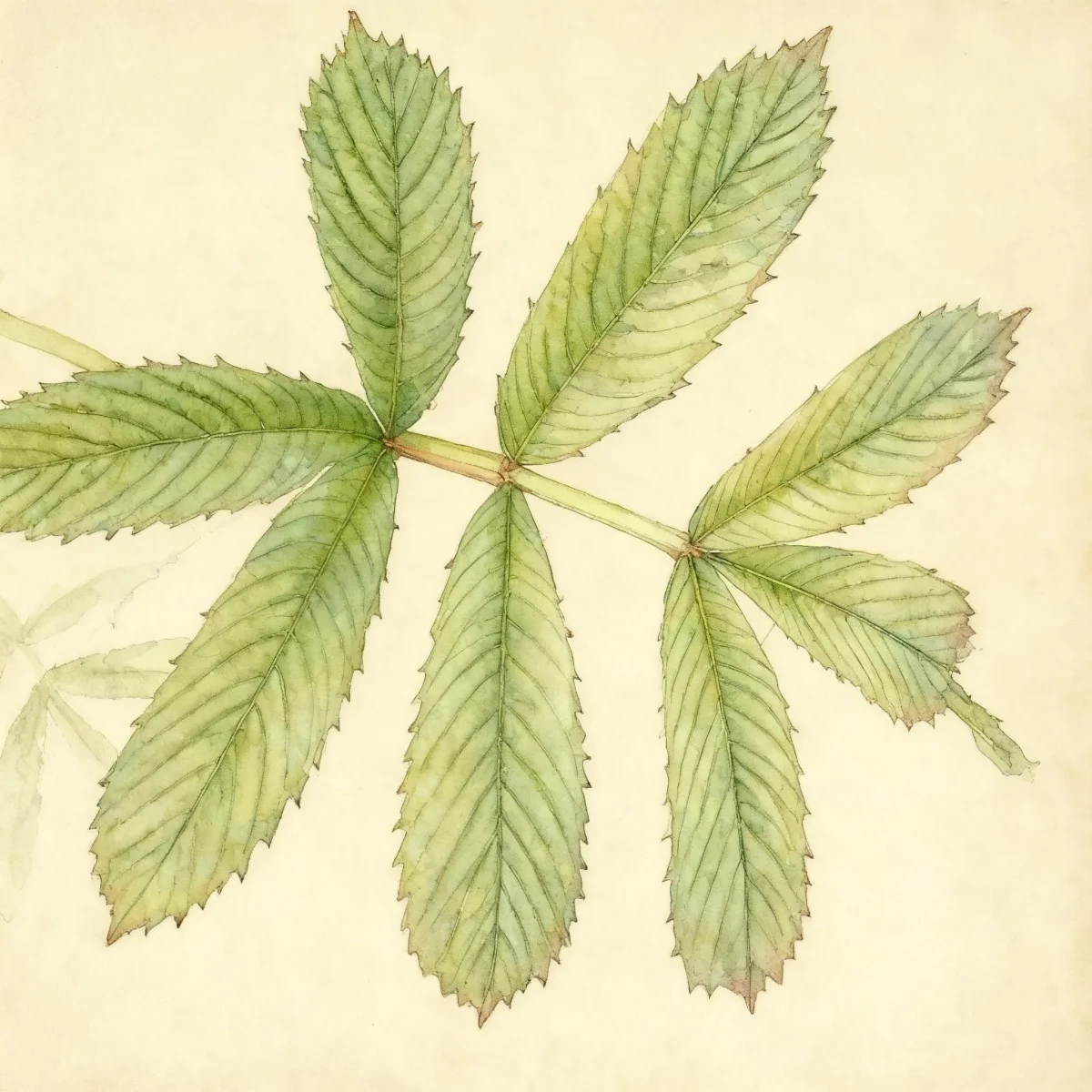
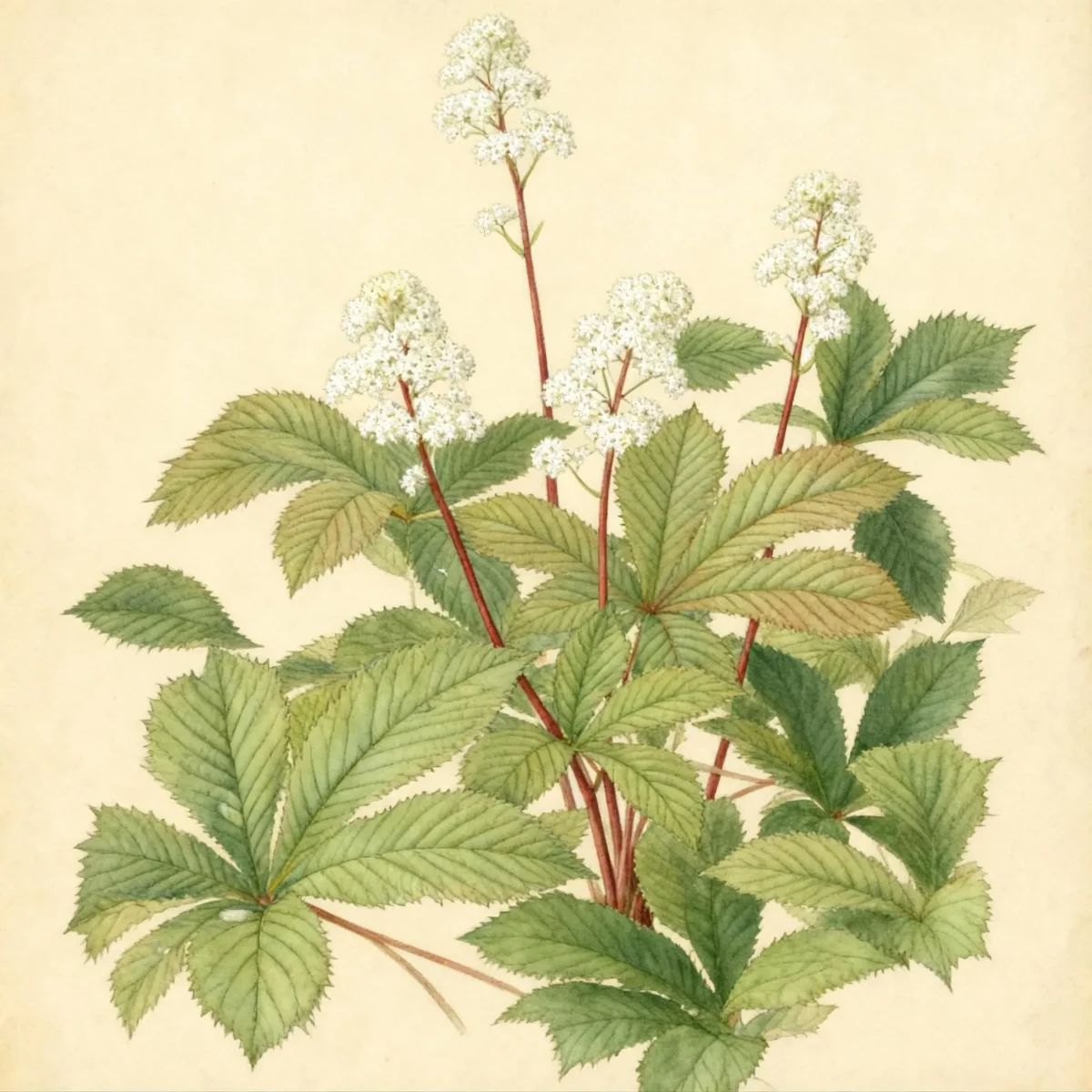
Rodgersia aesculifolia is a highly architectural herbaceous perennial prized for its dramatic presence in the landscape, often surpassing other plants in sheer foliage impact. Commonly known as Rodgersia, this species brings bold texture to shaded, damp retreats, forming substantial clumps that anchor woodland or waterside plantings. Grown primarily for its large, darkly green, palmate leaves that resemble those of a horsechestnut, the visual effect is robust and tropical-looking.
Native to the moist environments of Northern China, Rodgersia thrives under conditions that mimic its native stream banks. While the large, fragrant, creamy white flower plumes in mid-summer are certainly attractive, the primary garden value of Rodgersia is its consistent, year-round structure and the bronze tinting often present on its emerging foliage. Given consistent moisture, this Rodgersia is a reliable performer in shaded borders.
Gardeners seeking a perennial with significant stature will find Rodgersia aesculifolia to be an excellent choice for filling large spaces. It reliably reaches heights of 3 to 5 feet and spreads to match, creating an imposing display when culturally matched. Successful cultivation focuses almost entirely on ensuring the soil remains consistently damp, preventing the leaf margins from developing unsightly browning.
Fast Facts
- Plant Family: Saxifragaceae
- Plant Type: Herbaceous perennial
- Native Range: Northern China
- Hardiness Zones: USDA Zones 5-7
- Size at Maturity:
- Height: 3-5 ft
- Spread: 3-5 ft
- Bloom Time: June to August
- Bloom Description: Creamy white (sometimes pink)
- Sun Exposure: Full sun to part shade
- Water Needs: Medium to wet
- Maintenance Level: Medium
How to Grow
The key to successfully growing Rodgersia aesculifolia lies in site selection, prioritizing rich, humusy soil that retains moisture without becoming stagnant. Plant this perennial in the early spring or fall, giving it time to establish before intense summer heat or deep winter freezes arrive. While it tolerates full sun, afternoon shade is highly recommended, especially in warmer climates, to protect the magnificent foliage.
Consistent moisture management is non-negotiable for Rodgersia; leaf margins will inevitably brown if the soil dries out, diminishing the plant’s ornamental value. Water deeply and frequently during dry spells; utilize mulch heavily to conserve humidity around the crowns and slowly cool the soil. Little formal feeding is required if the soil is naturally rich, but an annual side-dressing of compost helps maintain structure and moisture retention.
Maintenance is generally straightforward. Deadhead the spent flower stalks immediately after blooming concludes to encourage a cleaner, tidier appearance for the rest of the season. Rodgersia spreads slowly via thick black rhizomes, and overcrowding can be managed by division, which is best carried out in early spring or autumn. Protecting the substantial foliage from strong winds can prevent tearing.
Landscape Uses
Rodgersia aesculifolia excels in specialized settings where consistent moisture is abundant. It is perfectly suited for moist woodland gardens, acting as a stately backdrop near water features or along the peripheries of bog gardens. Because of its height (3 to 5 feet), Rodgersia is effectively placed in the back of a mixed perennial border, provided the surrounding plants share its need for damp footing.
This plant provides excellent vertical contrast against finer-textured foliage, such as ferns or Japanese forest grass, when sited correctly. Use its bold presence to define pathways leading toward water or to create dramatic structural elements in semi-shaded areas. If your garden lacks natural dampness, judiciously amending heavy clay soils or creating a shallow trench to capture runoff can help meet the high water requirements of this superb Rodgersia.
Standout Features
Flower Qualities
- Showy
- Fragrant
Noteworthy Characteristics
Rodgersia aesculifolia, sometimes commonly called fingerleaf rodgersia, is a bold, clump-forming, rhizomatous perennial that grows to 3-5’ tall and as wide. It is a substantial plant that will naturalize by thick black rhizomes. Although the flowers are attractive, the large, crinkled, coarsely-toothed, palmate, dark green, basal leaves (to 12” across) with bronze tinting are often the main reason gardeners grow this plant. From June to August, creamy white (sometimes light pink) apetalous flowers bloom in large, astilbe-like, terminal panicles atop stems rising well above the foliage.
Tolerances
- Wet Soil
Potential Problems
Gardeners typically find that Rodgersia aesculifolia presents very few serious insect or disease problems when sited correctly. The main aesthetic issue is related to improper cultural conditions rather than true pest pressure. The most common complaint involves marginal scorch or browning on the large leaves if the soil moisture drops too low during warm periods. This is easily prevented by providing deep, consistent watering throughout the summer months. Slugs and snails may occasionally browse on young, tender foliage in the spring, so early-season monitoring in heavily mulched beds may be warranted until the plant is fully established.
Frequently Asked Questions
What hardiness zones is Rodgersia suitable for?
This Chinese native, Rodgersia aesculifolia, performs best when grown in USDA Hardiness Zones 5 through 7. Ensure your microclimate aligns with these ranges for perennial survival.
How large does Rodgersia grow?
Rodgersia typically reaches a substantial size, maturing to heights between 3 and 5 feet tall, with an equal spread of 3 to 5 feet wide, forming a robust clump.
When does Rodgersia bloom?
Rodgersia aesculifolia offers its bloom display throughout the summer, generally flowering from June through August, producing sprays of creamy white or light pink blooms.
What sun exposure does Rodgersia aesculifolia need?
This perennial naturally prefers a balance, succeeding well in conditions ranging from full sun to moderate part shade, though afternoon shade helps preserve its best leaf appearance.
Conclusion
The striking foliage and delicate, fragrant summer blooms make Rodgersia aesculifolia a unique star in the shade garden. Its impressive stature and requirement for consistent moisture define its placement, rewarding attentive gardeners with reliable, bold texture. Before planting this magnificent Rodgersia, confirm your site offers the rich, damp soil conditions it demands for optimal performance.
Companion Planting
When designing a planting scheme around Rodgersia aesculifolia, choosing companions that share its love for consistently moist, rich soil is crucial. Hostas with contrasting leaf textures, such as smooth or blue-leaved varieties, pair beautifully against the heavily textured palmate leaves of Rodgersia. Large woodland astilbes can also provide complementary vertical interest without competing for light, as both plants prefer similar dappled conditions.
Consider placing moisture-loving groundcovers underneath the Rodgersia to help suppress weeds and keep the root zone cool and shaded. Ligularia varieties that tolerate partial shade and require regular water are excellent neighbors, often displaying contrasting yellow or purple foliage that highlights the dark green of the perennial. Remember that because most of these companions share the same environmental needs, setting up an irrigation strategy for this damp corner should serve the entire grouping effectively.
Propagation Tips
Propagation of Rodgersia aesculifolia is most reliably accomplished through the division of its thick, black rhizomes. Timing is critical for successful division; aim to divide large clumps in early spring just as new growth begins to emerge, or in the fall after the foliage has died back. Use a sharp spade to carefully lift and section the root mass, ensuring each division retains several growing points or buds.
Replant the divisions promptly at the same depth they were previously growing, firming the soil around them and watering thoroughly to minimize transplant shock. While propagation by seed is possible, it can be slow and often requires specialized cold stratification techniques to achieve successful germination, making rhizome division the preferred method for home gardeners establishing new Rodgersia plants.