Elderberry rodgersia (Rodgersia sambucifolia)
Rodgersia sambucifolia (Elderberry rodgersia) is a bold perennial prized for its dramatic, elderberry-like foliage and creamy white blooms.
Scroll down to discover growing tips, care requirements, companion plants, and more
Complete Plant Information
Overview
The Elderberry rodgersia, scientifically known as Rodgersia sambucifolia, is a spectacular herbaceous perennial valued primarily for its substantial, deeply textured foliage. Its large, pinnately compound leaves strongly resemble those of the elderberry bush, providing strong architectural presence in the garden landscape. Native to the moist forests of southwestern China, Rodgersia sambucifolia brings a bold, tropical feel to temperate settings where consistent moisture can be supplied.
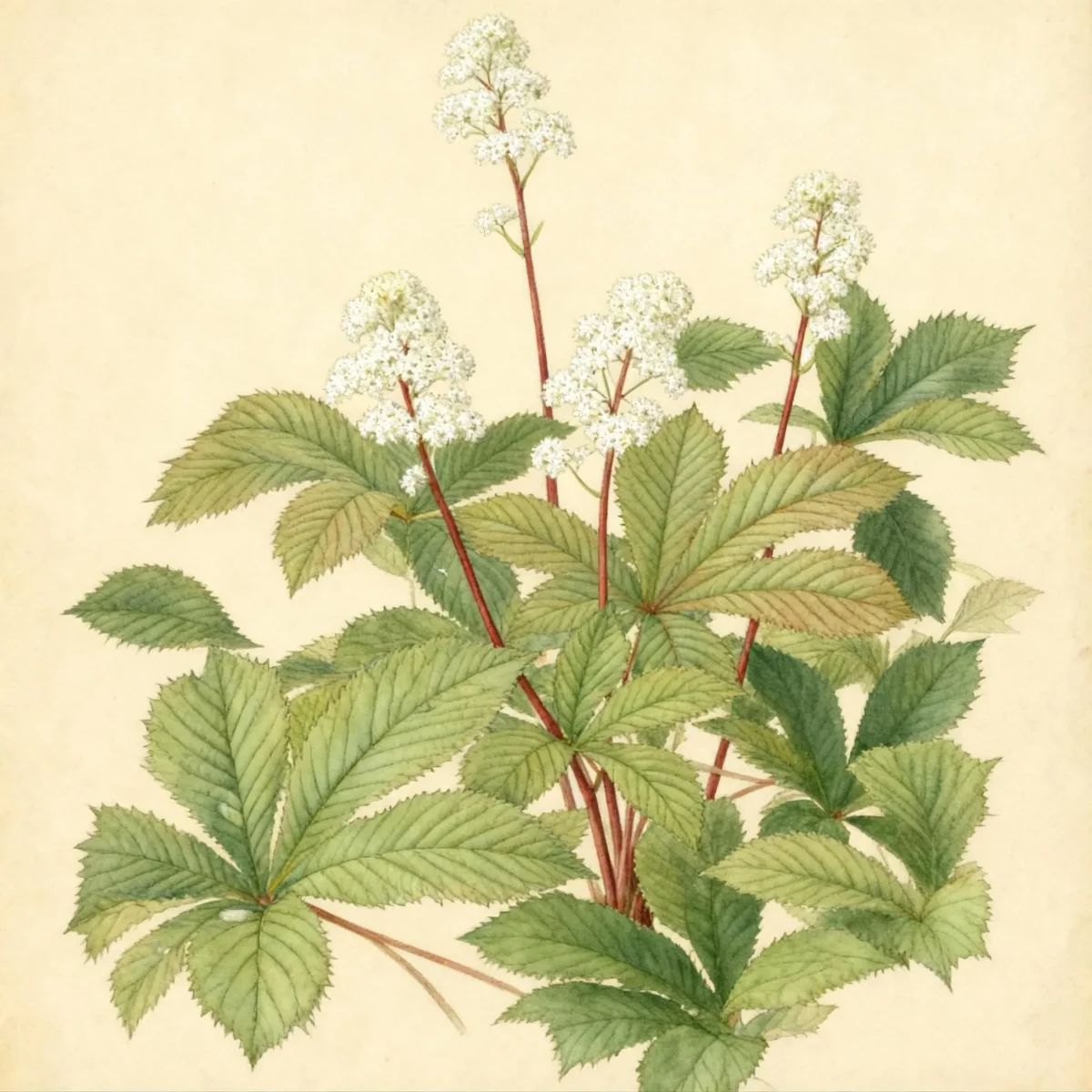
This rhizomatous perennial forms a dense, spreading mound that offers excellent texture contrast against finer-leaved plants. Although the foliage is the main attraction, it produces beautiful, astilbe-like spikes of creamy white to pink flowers during early summer, adding a secondary layer of seasonal interest. Gardeners relying on Rodgersia sambucifolia understand that successful cultivation hinges on maintaining high soil moisture levels.
The structure and reliability of the Elderberry rodgersia make it an indispensable choice for challenging, damp locations where many other perennials struggle. It naturallyizes slowly through thick rhizomes, creating evolving colonies over time, ideal for large-scale naturalistic plantings or specialized bog gardens.
Fast Facts
- Plant Family: Saxifragaceae
- Plant Type: Herbaceous perennial
- Native Range: China
- Hardiness Zones: USDA Zones 4-7
- Size at Maturity:
- Height: 2-3 ft
- Spread: 2-3 ft
- Bloom Time: June to July
- Bloom Description: Creamy white to pink
- Sun Exposure: Full sun to part shade
- Water Needs: Medium to wet
- Maintenance Level: Medium
How to Grow
The ideal placement for Rodgersia sambucifolia requires rich, acidic, humusy soil that remains consistently moist. While it tolerates full shade, the largest, most vigorous leaves develop when the plant receives morning sun or dappled light throughout the day. Critically, Rodgersia sambucifolia requires consistent moisture; leaf margins will quickly turn brown and crisp if the soil is allowed to dry out, even briefly. It thrives particularly well in wet, boggy soils.
Planting should occur in early spring or fall when soils are workable. Give this plant ample space, as it spreads over time by creeping rhizomes to form significant colonies. Furthermore, site plants in locations protected from strong winds, as the large leaf structure is susceptible to tearing or windburn damage.
Routine care is relatively low once established, focusing primarily on hydration. Water deeply and regularly, especially during dry periods, to keep the soil saturated or very moist. Fertilization is rarely necessary if the soil is naturally rich and organic. Deadhead spent flower stalks after blooming if a tidier look is desired, though leaving the seed heads can offer winter structure. In colder northern zones (Zone 4), applying a layer of winter mulch will help insulate the rhizomes.
Landscape Uses
The landscape value of Elderberry rodgersia centers around its ability to thrive in consistently damp environments where other stars fade. They are excellent utilized in rain gardens, acting as substantial structural elements that absorb excess moisture runoff. As a bold, foliage-first plant, Rodgersia sambucifolia performs wonderfully when naturalized in moist woodland settings or along the periphery of water features, such as stream banks or pond edges.
Use this plant toward the back of a border, provided you can meet its demanding moisture needs, pairing it with other moisture-loving perennials like Hosta, Astilbe, or Ferns. Its height and spread (2-3 feet) allow it to act as a strong visual anchor. Because it spreads via rhizomes, ensure you plant Rodgersia where it has room to mature and form colonies naturally over several years, avoiding cramped spaces.
Standout Features
Flower Qualities
- Showy
Noteworthy Characteristics
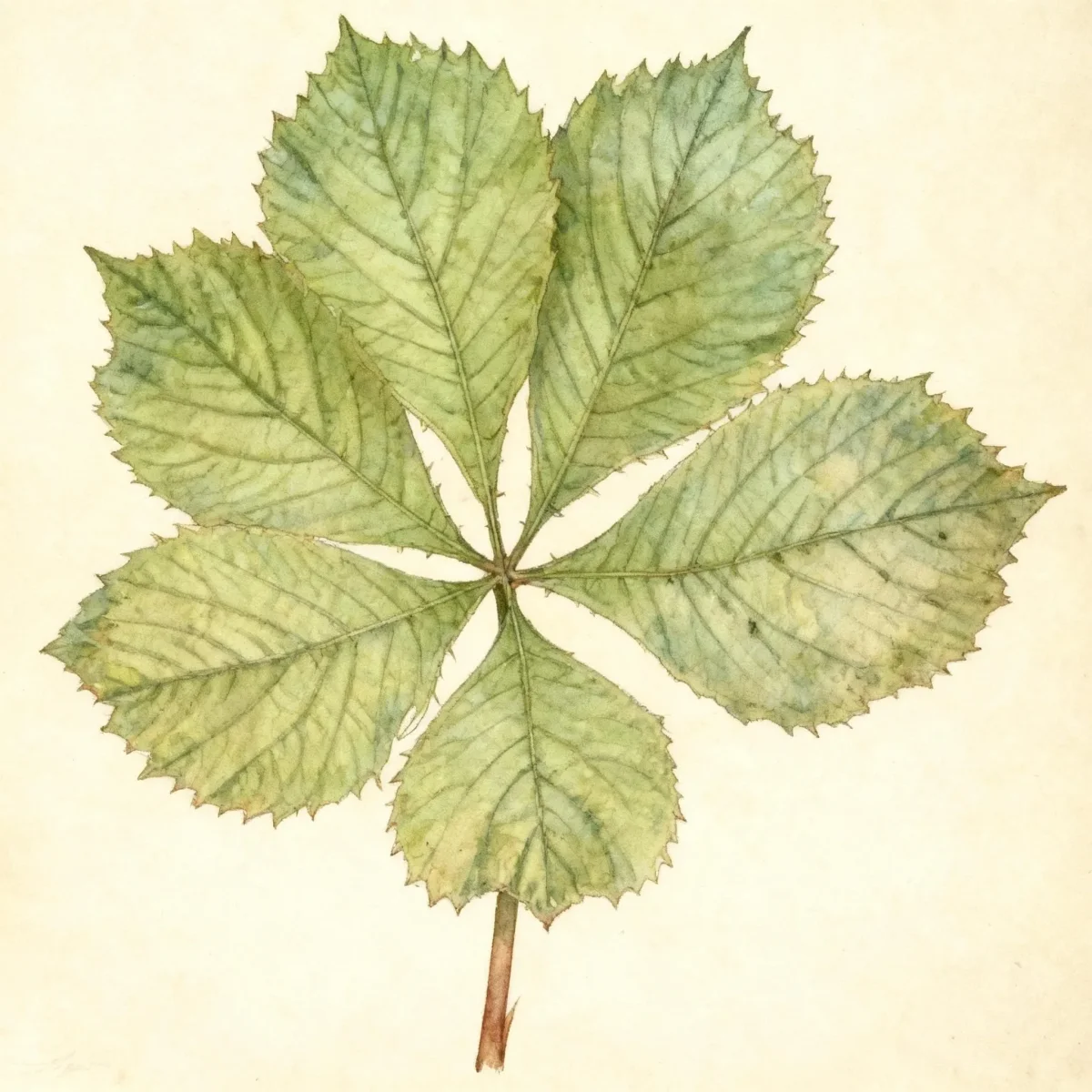
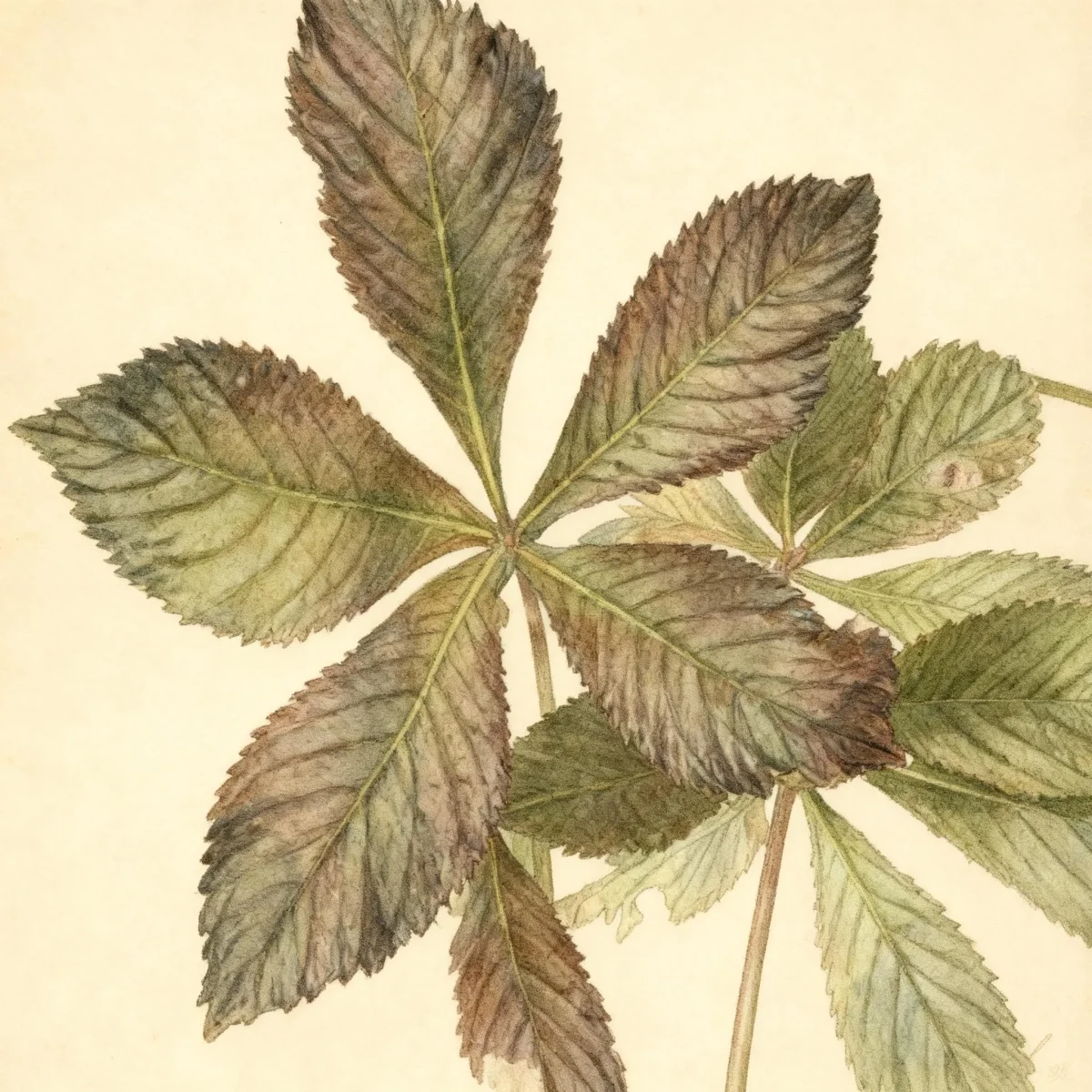
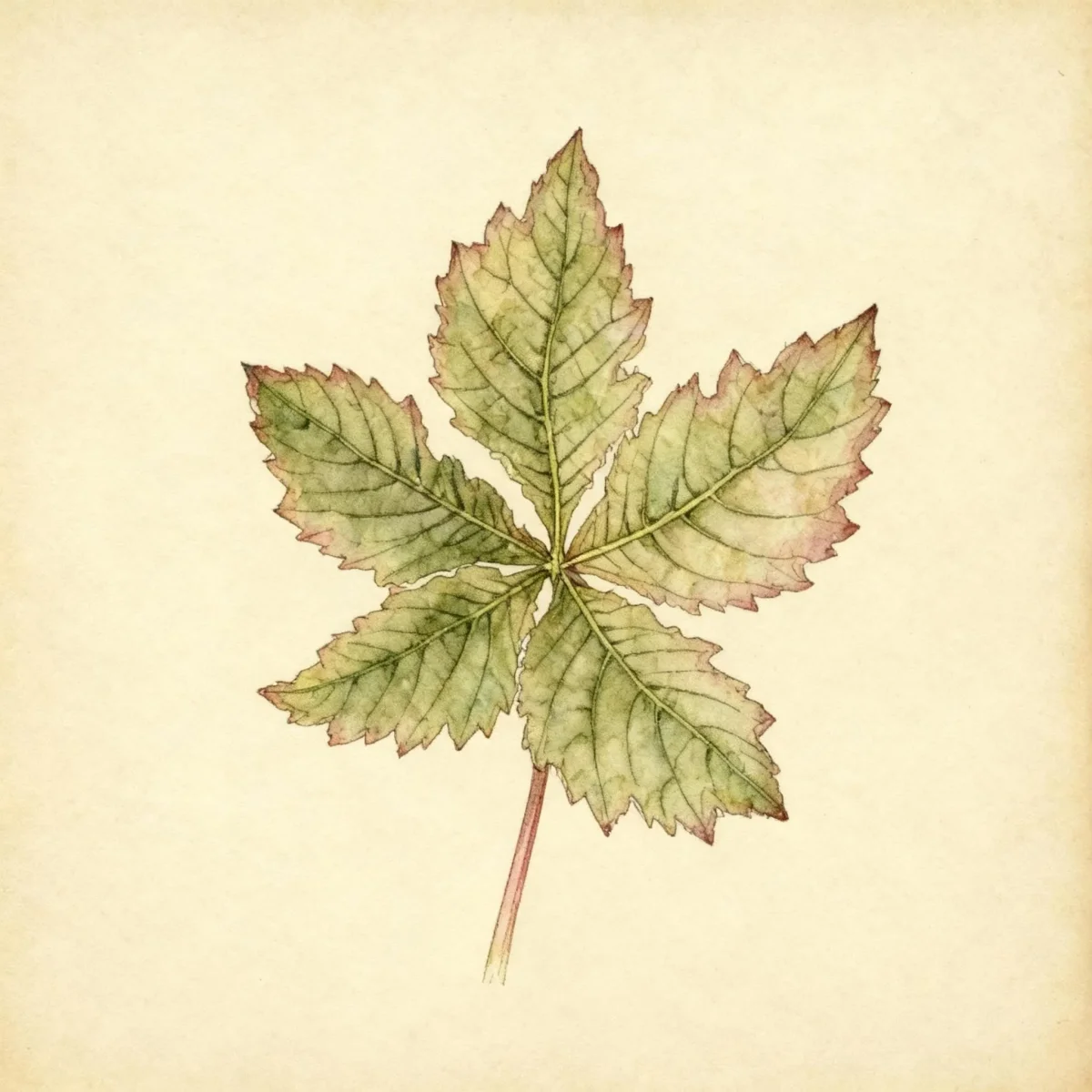
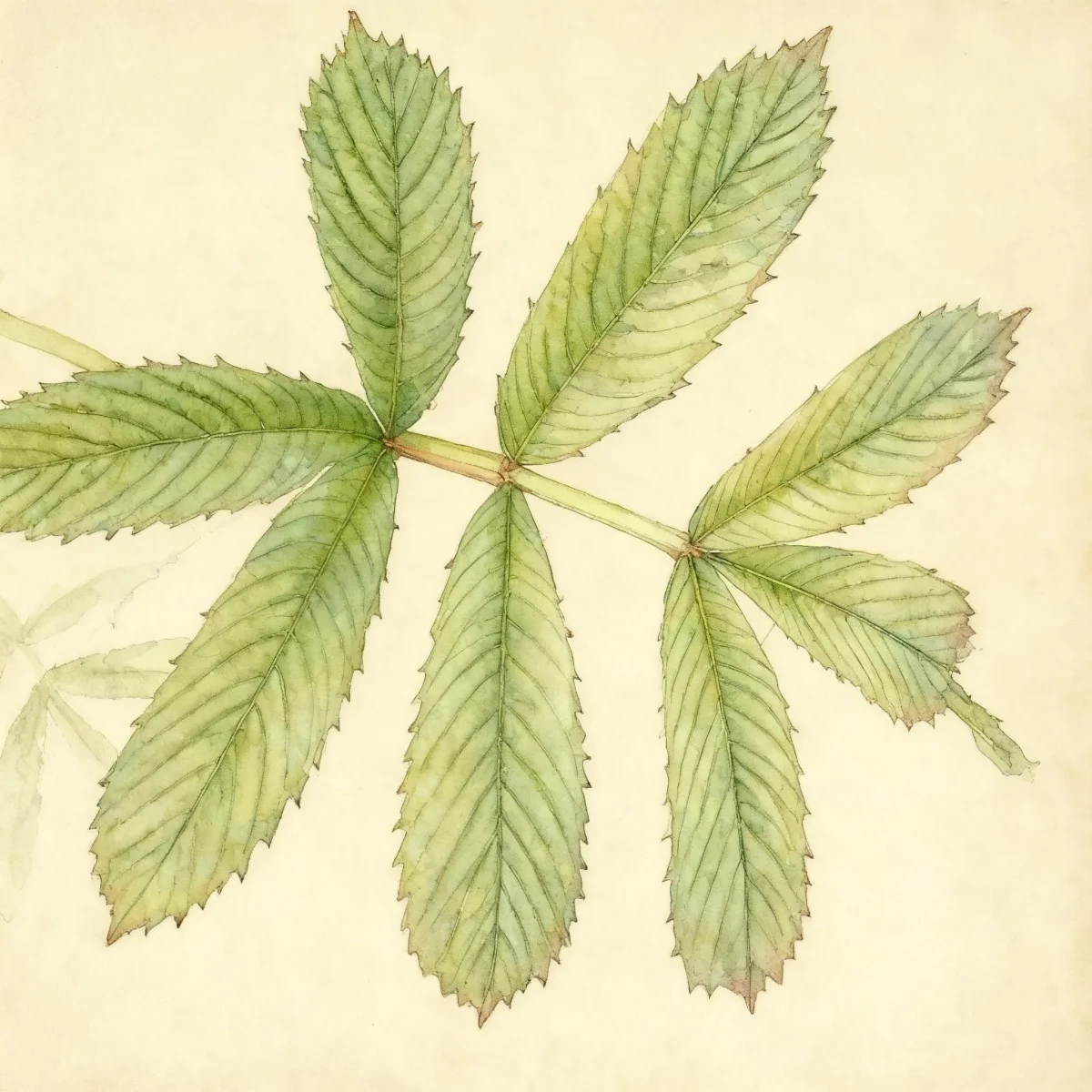
Rodgersia sambucifolia is commonly called elderberry rodgersia because its pinnately compound dark green leaves resemble those of elderberry (Sambucus). Each leaf features 3-11 sharply-toothed, oblong to lanceolate leaflets (each leaflet to 8” long). This is a bold, clump-forming, rhizomatous perennial that is native to moist forests and meadows in southwestern China. Although the flowers are ornamentally significant, it is the large leaves that primarily attract gardeners to this plant.
Tolerances
- Wet Soil
Potential Problems
This plant generally exhibits good disease and insect resistance, which is a benefit when selecting structural perennials for complex sites. However, gardeners should remain vigilant for chewing damage caused by slugs and snails, particularly on the developing spring foliage. Protect young leaves with appropriate barriers or baits if pest pressure is high. Additionally, in overly humid or poorly ventilated locations, watch for the development of powdery mildew on the leaves late in the season.
Frequently Asked Questions
What hardiness zones is Elderberry rodgersia suitable for?
Rodgersia sambucifolia is typically suited for USDA Zones 4 through 7.
How large does Rodgersia sambucifolia grow?
This robust perennial usually reaches a mature height between 2 and 3 feet tall, with a similar spread of 2 to 3 feet wide.
When does Elderberry rodgersia bloom?
The blooms appear between June and July, offering spikes of creamy white to pink flowers above the foliage mound.
What sun exposure does Rodgersia sambucifolia need?
It performs best in part shade, though it can tolerate full sun provided the soil remains consistently cool and wet, such as in cooler summer climates.
Conclusion
The Elderberry rodgersia (Rodgersia sambucifolia) offers unparalleled architectural texture for gardeners battling consistently damp, shady areas, making it a low-maintenance choice once properly sited. Its lush, bold leaves and delicate flowers provide seasonal interest, justifying the specific attention needed for moisture management. Before planting, confirm that your available site can maintain the consistent dampness required by this magnificent Chinese native.
Companion Planting
Selecting companions for Rodgersia sambucifolia involves choosing plants that share its high moisture requirements and potentially thrive in partial shade. Plants that contrast well in foliage texture, such as fine-textured Japanese Forest Grass (Hakonechloa macra) or various moisture-loving ferns, offer beautiful visual pairings near the bold leaves of the Elderberry rodgersia. Consider partnering it with Primula or Caltha (Marsh Marigold) near boggy edges, as these species will mutually benefit from the year-round saturated soil conditions.
Propagation Tips
Propagation of Rodgersia sambucifolia is most effectively achieved through vegetative division, which rejuvenates older clumps and allows for expansion of your garden. The best time to divide the thick, creeping rhizomes is either in early spring just as new growth is emerging or in the fall after the foliage has begun to die back. Carefully lift divisions, ensuring each section has at least two healthy buds attached to ensure successful re-establishment. While propagation by seed is possible, it is a much slower process and does not yield the same immediate results as direct division.