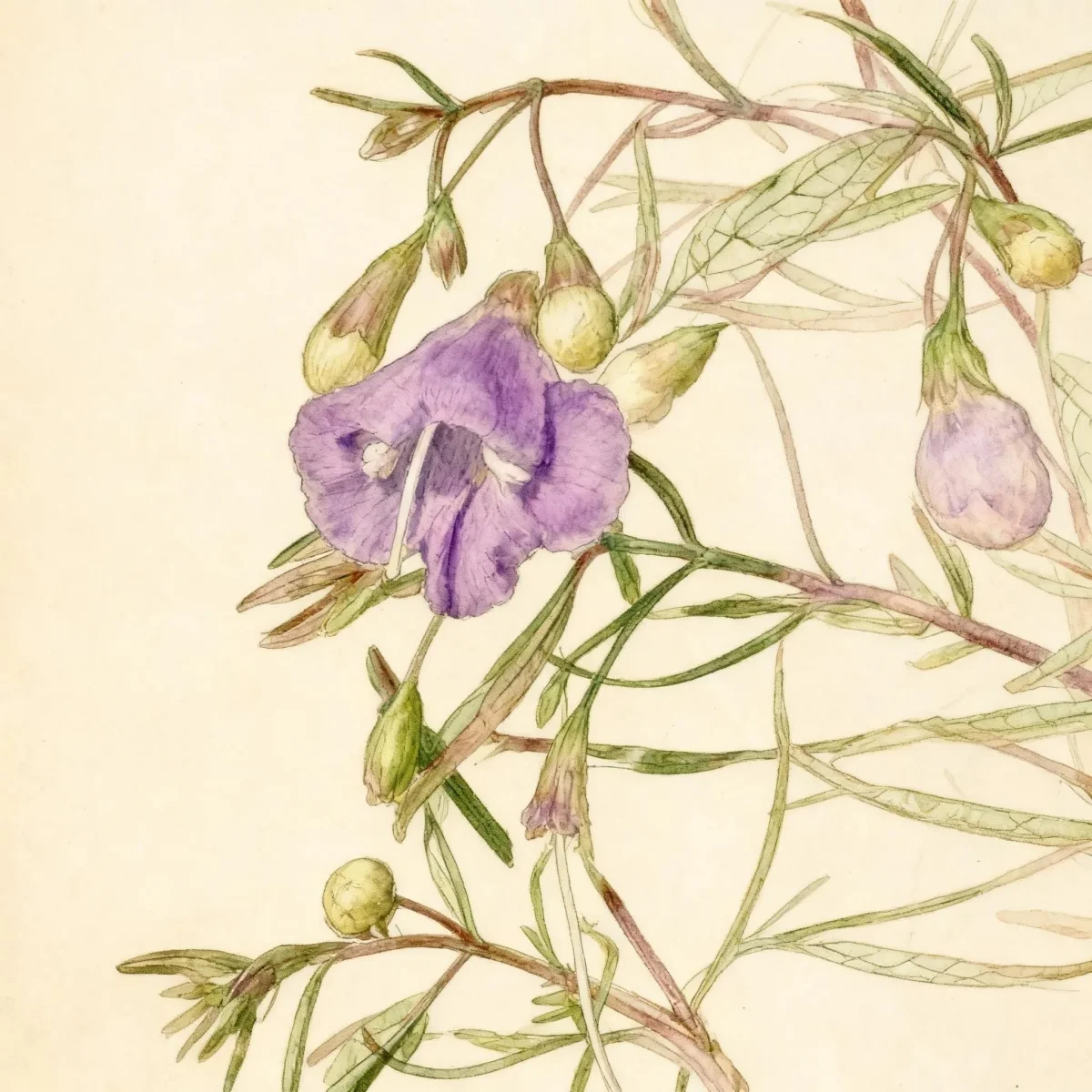
Slenderleaf false foxglove (Agalinis tenuifolia)
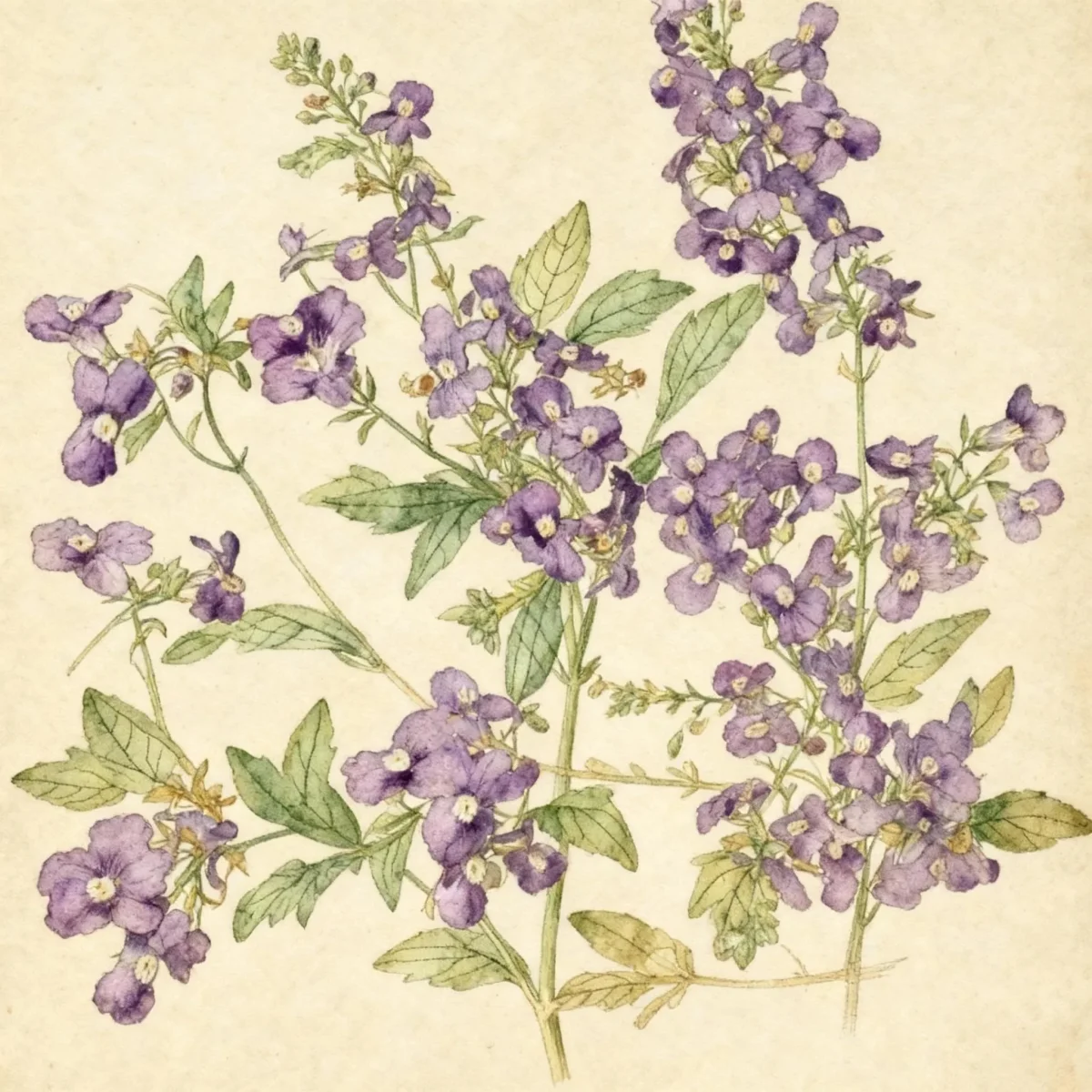
Agalinis tenuifolia, Slenderleaf false foxglove, is an annual native valued for its purplish-pink blooms from late summer into fall.
Scroll down to discover growing tips, care requirements, companion plants, and more
Complete Plant Information
Overview
Agalinis tenuifolia, known commonly as Slenderleaf false foxglove, offers late-season color perfect for naturalized plantings. This annual wildflower brings delicate, purplish-pink flowers to the garden just as many summer blooms begin to fade. It is an excellent choice for gardeners appreciating native flora and requires moderate attention to thrive.
The structure of Agalinis tenuifolia is wiry and branched, supporting very narrow, linear leaves which give it a fine texture in the landscape. While lovely on its own, gardeners should note that this species is partially parasitic, using its roots to tap into nearby plants for nutrients. Thoughtful placement is key to enjoying the fine display of the Slenderleaf false foxglove.
Providing reliable blooms from August through October, Agalinis tenuifolia naturally integrates into meadows, woodland edges, or native plant borders. Its relatively small stature makes it useful where taller specimens might overwhelm smaller companions, allowing for continuous interest throughout the growing season.
Fast Facts
- Plant Family: Orobanchaceae
- Plant Type: Annual
- Native Range: North America
- Hardiness Zones: USDA Zones 2-11
- Size at Maturity:
- Height: 1-2 ft
- Spread: 0.75-1.5 ft
- Bloom Time: August to October
- Bloom Description: Purplish-pink
- Sun Exposure: Full sun to part shade
- Water Needs: Medium
- Maintenance Level: Medium
How to Grow
Planting should occur after the last expected frost, as Agalinis tenuifolia is strictly an annual. This species establishes best in medium moisture, well-drained soil. Although often found in wetter wild sites, it adapts well to drier conditions, but consistently moist soil is ideal for robust growth. Sun exposure should range from full sun to partial shade, depending on your climate; more shade may require careful monitoring of moisture levels.
Care for Slenderleaf false foxglove is generally uncomplicated, classified as medium maintenance. Watering should be consistent to maintain medium moisture levels, especially during dry spells. Avoid excessive fertilization, as rich soil may favor competitive growth from neighboring plants rather than maximizing flower production.
A key aspect of managing this plant is understanding its annual life cycle and parasitic nature. Since Agalinis tenuifolia often self-seeds or reseeds, you might find it returning reliably each year, meaning little cleanup is necessary in spring. However, if reseeding is sparse, you may need to collect seed pods or allow some seed drop to ensure the Slenderleaf false foxglove persists into the next season.
Landscape Uses
Agalinis tenuifolia is perfectly suited for creating naturalistic drifts within woodland gardens or native plant installations. Its height and texture blend beautifully near the edge of a clearing or along a moist stream bank where it can interact with companion plants. Because it is an annual, use it strategically to fill gaps or provide reliable late-season color in established perennial borders.
Consider grouping Slenderleaf false foxglove with other late-season bloomers that share similar moisture and light needs, such as asters or goldenrods native to your region. For naturalized areas, allow it to intermingle with woodland grasses, giving the garden an informal, meadow-like appearance featuring the fine foliage of the Agalinis tenuifolia.
Standout Features
Flower Qualities
- Showy
Noteworthy Characteristics
Agalinis tenuifolia, commonly called slender false foxglove, is an annual wildflower that is native to woodlands, fields, prairies, wet thickets and along streams from Maine to Manitoba south to Florida and Texas. This is a wiry-branched plant with a narrow-ridged mainstem, typically reaching about 20 inches tall, distinguished by very narrow linear leaves. Its growth habit supports purplish-pink, funnel-shaped flowers that bloom briefly, often only for a single day, throughout late summer and early fall. The genus name references a resemblance to flax, while the specific epithet tenuifolia accurately describes its narrow leaves.
Tolerances
Potential Problems
No critical insect or disease issues typically plague Agalinis tenuifolia. Gardeners should focus primarily on cultural management, particularly maintaining adequate moisture without over-saturating the soil. The main maintenance concern involves encouraging annual reestablishment.
Because this plant is an annual, you must plan for its return through natural reseeding or manual collection and sowing of seeds. If the plant seems to disappear unexpectedly, it may require you to facilitate its presence for the following season to maintain density in your wildflower patches.
Frequently Asked Questions
What hardiness zones is Slenderleaf false foxglove suitable for?
Agalinis tenuifolia is notably hardy, thriving across USDA Zones 2 through 11, offering a great option for gardeners in diverse climates.
How large does Agalinis tenuifolia grow?
This species typically reaches a mature height between 1 and 2 feet tall, with a comparable spread of 0.75 to 1.5 feet wide.
When does Slenderleaf false foxglove bloom?
You can expect reliable blooms from the Agalinis tenuifolia beginning in August and continuing through October, displaying striking purplish-pink flowers.
What sun exposure does Agalinis tenuifolia need?
For best results, plant Slenderleaf false foxglove where it receives full sun to part shade, adapting well to varying light levels across the landscape.
Conclusion
The slender, fine texture and late-season color provided by Agalinis tenuifolia make it a standout native annual for meadows and informal settings. This charming Slenderleaf false foxglove offers functional beauty during the transition into autumn. Before planting, confirm your region falls within USDA Zones 2-11 and plan for medium moisture conditions to ensure a successful blooming season.
Companion Planting
When selecting companions for Agalinis tenuifolia, focus on plants that thrive in medium moisture and appreciate similar sun exposure patterns. Native asters (Symphyotrichum spp.) are excellent partners, providing contrasting flower forms and blooms that overlap perfectly with the late-season display of the Slenderleaf false foxglove. Similarly, smaller native grasses or sedges can enhance the fine texture of the Agalinis while competing minimally.
Because Agalinis tenuifolia is semi-parasitic, avoid planting it immediately adjacent to highly sensitive or slow-growing collector plants that you wish to protect from resource competition. Instead, use it in established, robust native groupings where sharing resources is expected and beneficial for overall garden complexity.
Propagation Tips
As a self-seeding annual, the easiest propagation method for the Agalinis tenuifolia is simply allowing spent flowers to mature and drop their seeds naturally in the fall garden bed. If you wish to control the exact placement of next year’s planting, collect the small seed capsules just before they fully dehisce (burst open). Store the seeds dry and cool until an early spring sowing.
Sowing seeds directly outdoors in early spring, once the soil is workable, is recommended, as these species often benefit from cold stratification experienced naturally over winter. Do not bury the tiny seeds deeply; surface sow and lightly press them into the soil, mimicking their natural dispersal pattern.