Indian paintbrush (Castilleja coccinea)
Vibrant Indian paintbrush (Castilleja coccinea) offers striking orange-red bracts, thrives in full sun, and is a challenging yet rewarding biennial.
Scroll down to discover growing tips, care requirements, companion plants, and more
Complete Plant Information
Overview
The Indian paintbrush, scientifically known as Castilleja coccinea, is a visually arresting native plant prized for its intensely colored bracts that resemble a brush dipped in scarlet paint. This vibrant display elevates any native garden space, providing spectacular spring and early summer color. While visually stunning, gardeners should be aware that this species presents unique cultivation challenges compared to less demanding perennials.
Castilleja coccinea functions primarily as a biennial, forming a basal rosette in its first year before sending up a flowering stalk the following season, often dying back after setting seed. Understanding this life cycle is crucial for maintaining a thriving colony of Indian paintbrush in your landscape.
A defining characteristic of Castilleja coccinea is its semi-parasitic nature; its roots attach to nearby compatible plants to draw water and nutrients. This unique relationship makes it a fascinating subject for native plant enthusiasts focused on replicating ecological conditions.
Fast Facts
- Plant Family: Orobanchaceae
- Plant Type: Herbaceous perennial
- Native Range: Western United States
- Hardiness Zones: USDA Zones 4-8
- Size at Maturity:
- Height: 0.75-1.5 ft
- Spread: 1-1.5 ft
- Bloom Time: April to July
- Bloom Description: Orange-red
- Sun Exposure: Full sun
- Water Needs: Medium
- Maintenance Level: Medium
How to Grow
To successfully establish Castilleja coccinea, plant in well-drained soils that receive full sun exposure throughout the day. This species requires medium moisture levels, avoiding consistently soggy or drought-stressed conditions for best performance. Since it is primarily biennial, plan on a staggered planting approach or heavy reseeding to ensure continuous display year after year.
Successful cultivation leans heavily on mimicking its native conditions, which includes recognizing its semi-parasitic nature. Gardeners should intentionally plant Indian paintbrush alongside specific companions whose roots it can join, such as Penstemon or Sisyrinchium. Avoid heavy fertilization, as over-enrichment can sometimes inhibit the parasitic connection necessary for its health.
Watering should be consistent through the first year while the basal rosette establishes itself. Once flowering begins, maintain a medium watering schedule, ensuring excellent drainage at all times. Foliage often disappears shortly after the plant sets seed in early summer, which is normal for this species rather than a sign of decline.
Propagation from seed is notoriously difficult, though plants may occasionally reseed successfully in ideal environments. To maintain a colony, plan on planting new seeds annually or transplanting naturally occurring seedlings that germinate in the early fall.
Landscape Uses
The dramatic coloration and upright habit of Indian paintbrush make Castilleja coccinea an exceptional focal point in specific garden settings. It is ideally suited for naturalizing within native plant gardens, prairie restorations, or along rocky glades where the soil conditions mimic its preference for sharp drainage. Few plants offer this intensity of warm, fiery color in the late spring landscape.
When used as a specimen plant, pair Castilleja coccinea with companions that share the same moisture and sun requirements, particularly grasses or drought-tolerant wildflowers. Consider placing it where its unique structure can contrast against fine-textured foliage, drawing attention to the brilliant orange-red flower spikes. It works beautifully toward the middle or back layers of a mixed prairie border.
Standout Features
Flower Qualities
- Showy
Noteworthy Characteristics
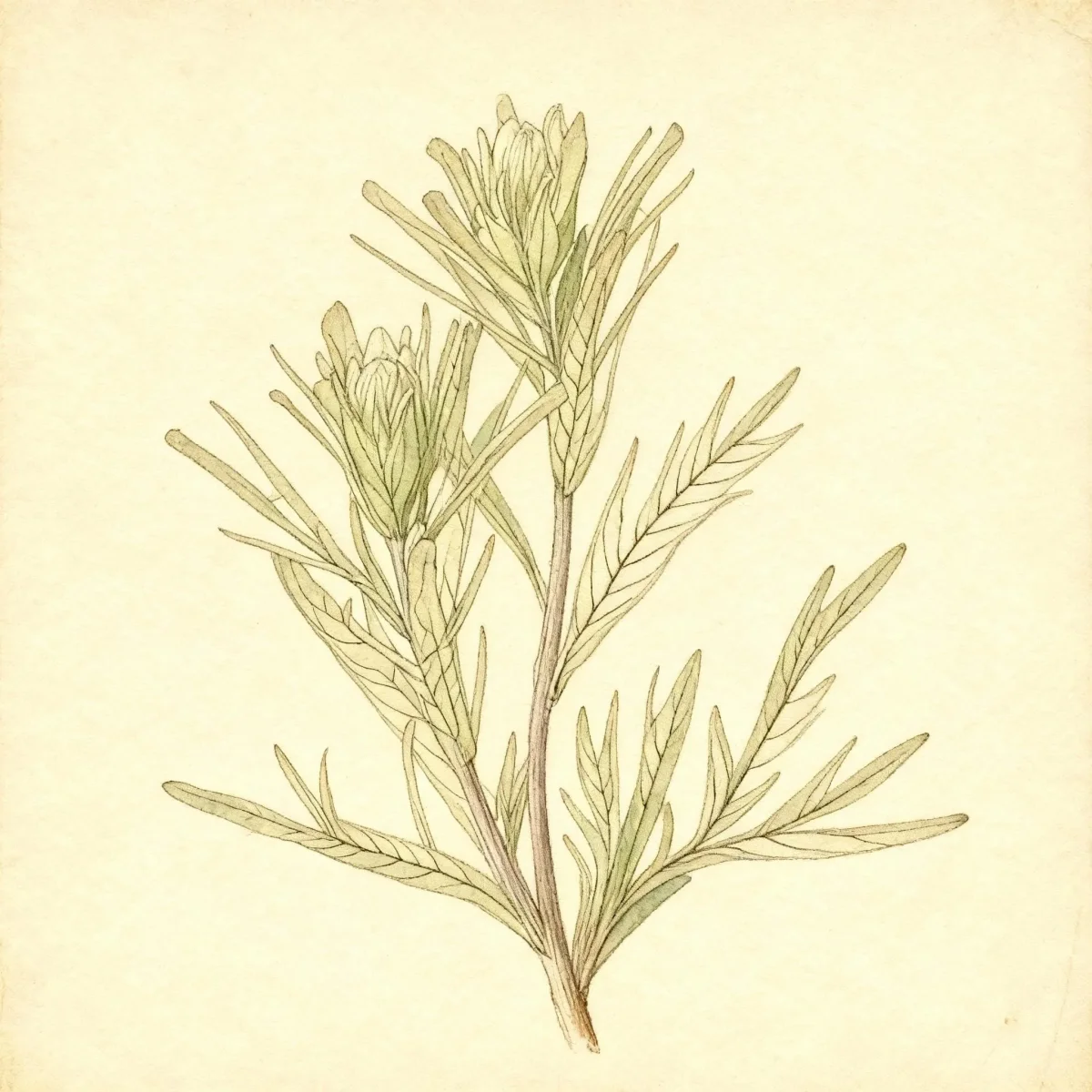
Castilleja coccinea, commonly called Indian paintbrush or painted cup, is a biennial member of the broomrape family (Orobanchaceae) that typically grows on unbranched stems to 1-1.5’ tall (less frequently to 2’). The large, fan-shaped, orange-red “flowers” are actually brightly-colored, three-lobed, leafy bracts which appear at the stem tops in dense spikes and which surround and hide the tiny greenish-yellow true flowers. The common name of paintbrush refers to the supposed resemblance of the flowering plant to a brush dipped in paint.
Tolerances
- No serious insect or disease problems.
Potential Problems
Establishing and maintaining Indian paintbrush can be challenging due to its biennial, semi-parasitic habit. Gardeners should note that the foliage often disappears completely in early summer immediately after the plant sets seed; this natural dormancy can worry those unfamiliar with its lifecycle. Because it relies on host plants, failure to thrive may be linked to incompatible soil conditions or the lack of suitable root partners nearby.
Because this species is difficult to grow from seed, relying solely on natural reseeding is often insufficient to perpetuate a patch. To ensure continuity, proactively sow new seeds each year, or transplant volunteer seedlings that appear in the early fall. Focusing on soil drainage is the most critical preventative measure against root issues.
Frequently Asked Questions
What hardiness zones is Indian paintbrush suitable for?
Castilleja coccinea is suitable for USDA Zones 4 through 8.
How large does Indian paintbrush grow?
This species typically reaches a height between 0.75 and 1.5 feet, with a spread of 1 to 1.5 feet.
What sun exposure does Castilleja coccinea need?
Castilleja coccinea requires full sun exposure to perform optimally.
When does Indian paintbrush bloom?
Indian paintbrush produces its vibrant blooms from April to July, featuring striking orange-red coloration.
Conclusion
The unforgettable splash of orange-red color provided by Castilleja coccinea makes it a worthwhile inclusion for specialized native gardens. Remember the biennial life cycle and the need for companion planting when planning your display of Indian paintbrush. Check your local climate against Zones 4-8 compatibility and plan to install new seeds or plants annually to maintain this spectacular perennial.
Companion Planting
Selecting the right neighbors is paramount for the long-term success of Castilleja coccinea due to its root parasitism. Choose drought-tolerant, full-sun natives that naturally occur in similar prairie or glade environments. Species like certain Penstemon varieties, Blue-eyed Grass (Sisyrinchium), or native Bluestems (Schizachyrium) are excellent choices that can serve as the necessary host plants.
Avoid pairing Indian paintbrush with aggressive competitors that might smother the small seedlings or overly opulent feeders that monopolize soil resources. The goal is a mutually beneficial relationship where the host provides sustenance without overwhelming the delicate Castilleja coccinea. This symbiotic relationship is key to replicating the plant’s natural vigor in your landscape design.
Propagation Tips
Successfully propagating Castilleja coccinea focuses almost entirely on seed management. Due to the difficulty in germination, sowing should ideally occur directly outdoors in late summer or early fall, allowing the seeds to undergo cold stratification naturally over winter. It is crucial to sow the seeds shallowly or scatter them on the soil surface in an area you plan to leave undisturbed for a full year.
If you attempt indoor starting, use sterile medium but be aware that germination rates are often low, and seedlings require specialized care once they emerge. Transplanting nursery-grown plants is often easier, provided the root ball is kept intact to protect the developing parasitic structures. Always plant new stock near established, healthy host plants to encourage nutrient transfer immediately.