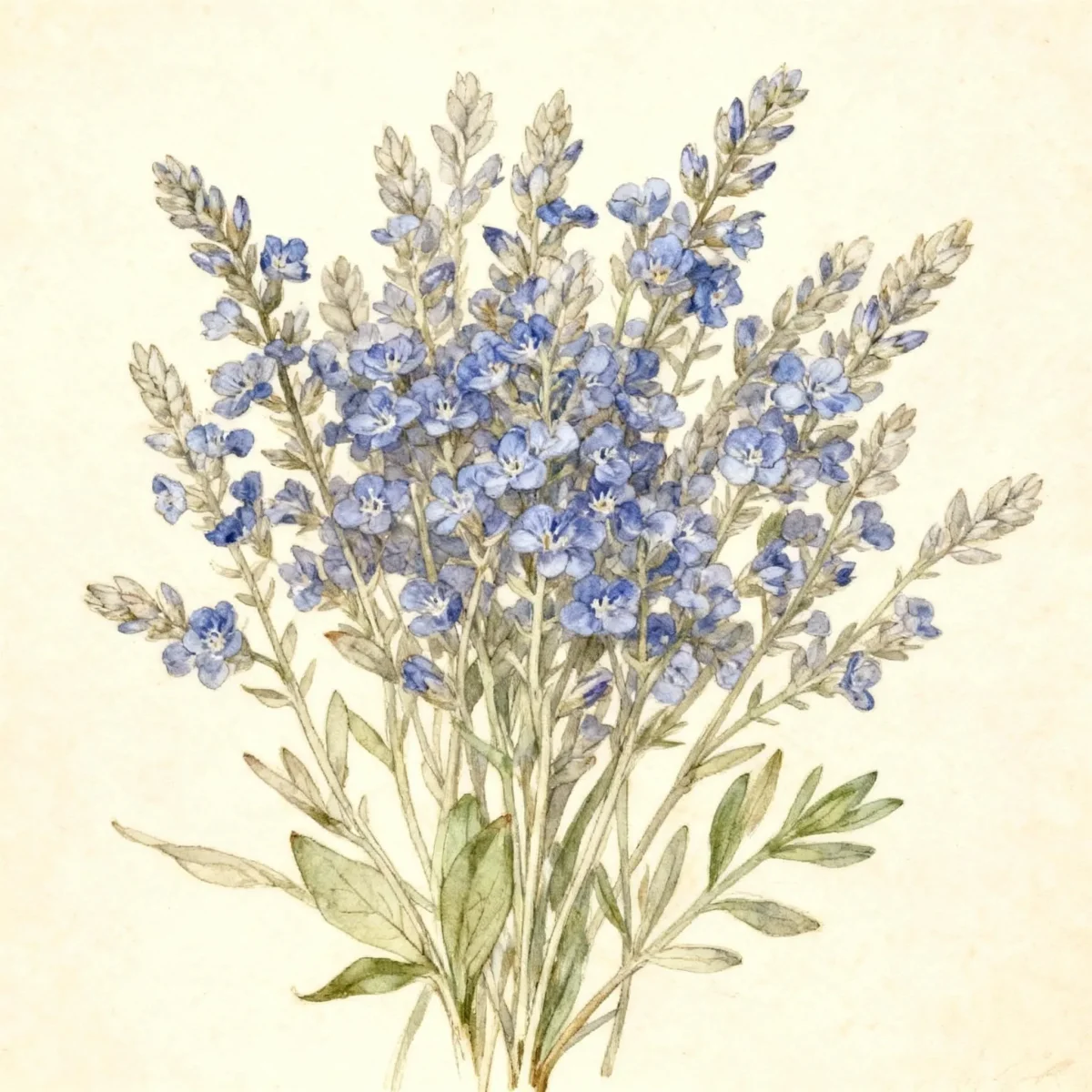
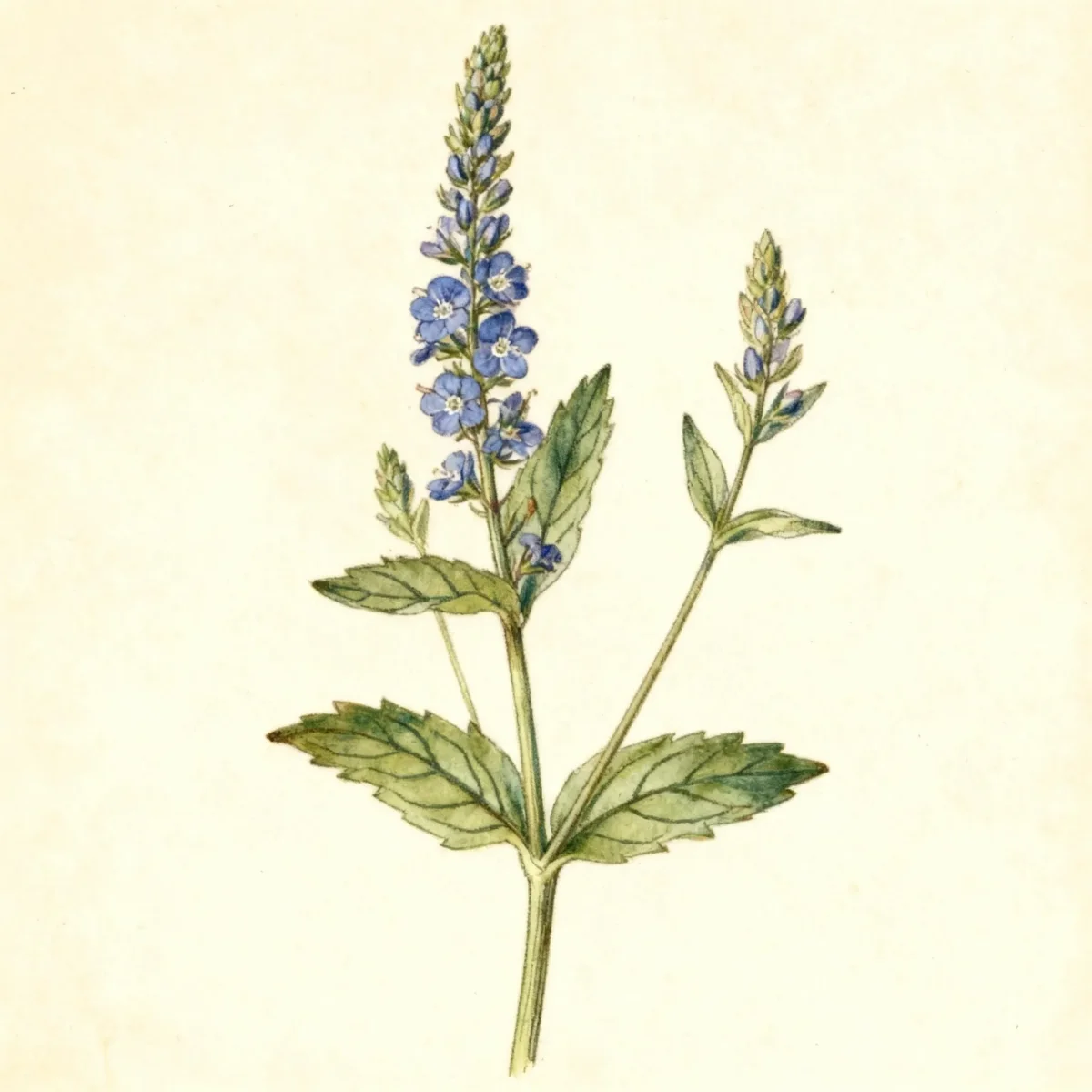
Cymbalaria (Cymbalaria aequitriloba)
Cymbalaria aequitriloba forms a dense, extremely low-growing mat perfect for creeping over stone, softening edges, and thriving in shade.
Scroll down to discover growing tips, care requirements, companion plants, and more
Complete Plant Information
Overview
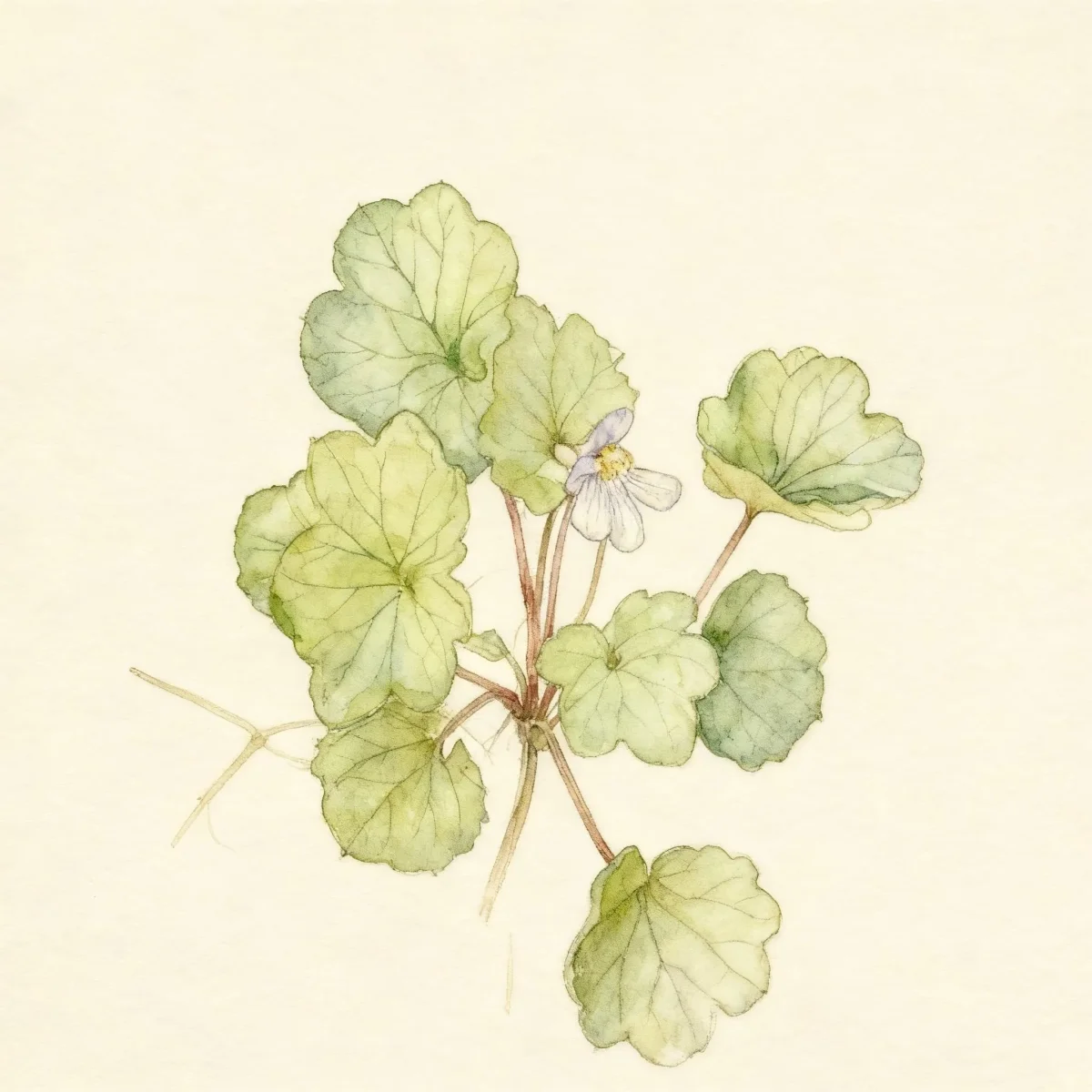
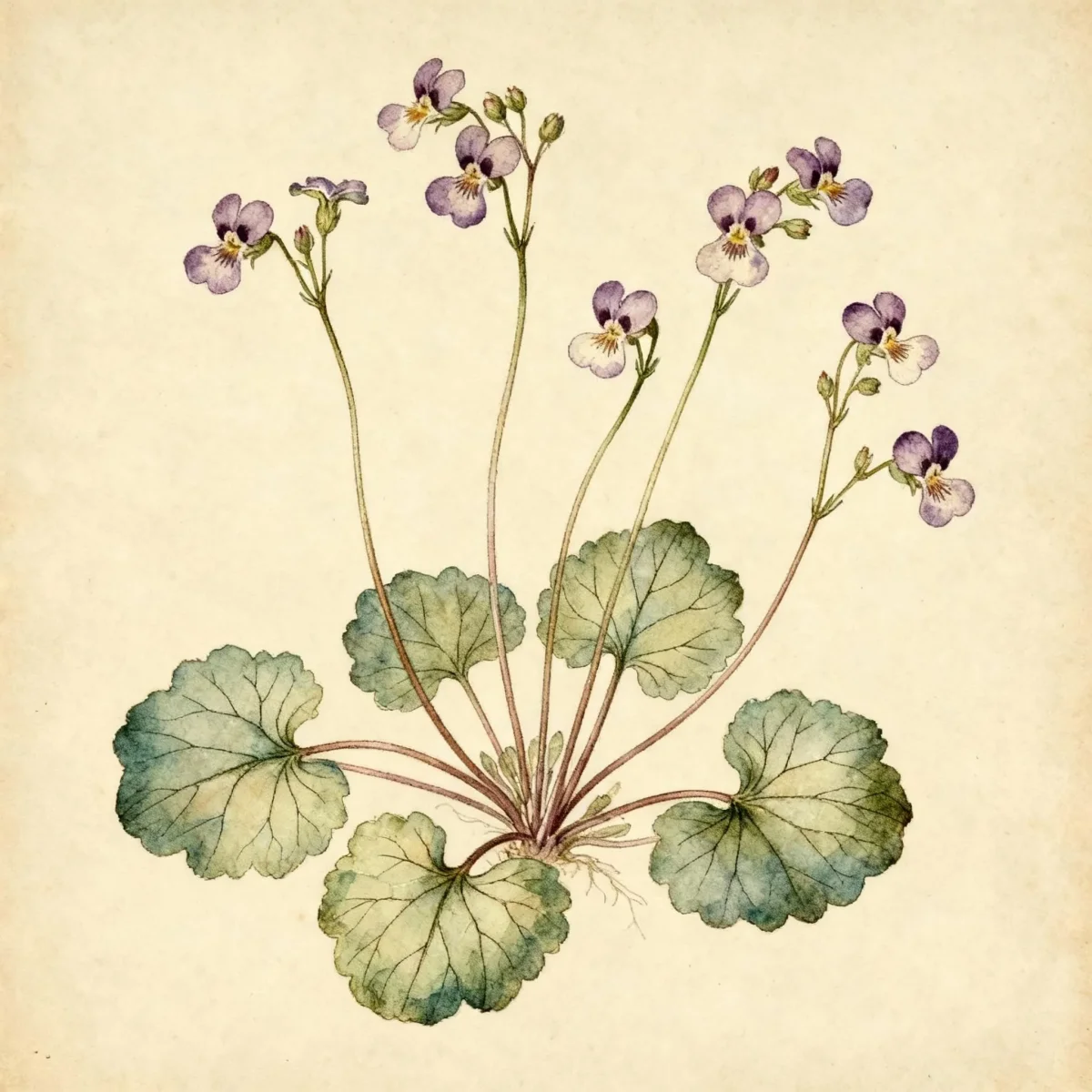
Cymbalaria aequitriloba, often known by its common name Cymbalaria or Kenilworth ivy, is a highly valued, exceptionally low-growing herbaceous perennial perfect for softening architectural features or creating a dense green carpet. This plant distinguishes itself by forming a mat of tiny, three-lobed leaves, rarely exceeding two inches in height, carried on trailing stems. During early summer, the plant offers charming, small lilac-blue flowers contrasted by distinct yellow throats.
As a fast grower, Cymbalaria aequitriloba serves excellently as a living mulch in challenging shady spots where few other ground covers establish easily. While its flowers are delightful up close, they are typically too small to be considered showy from a distance, meaning its primary value lies in its fine texture and ability to spread dependably. Gardeners must note that this Mediterranean native prefers cooler summers and may struggle in intense heat and humidity outside of its ideal niche.
This useful spreading perennial, Cymbalaria, fills in areas beautifully, whether allowed to spill over rocks or used to naturalize under taller plantings. Successful cultivation relies on providing consistent moisture and protection from high summer temperatures, especially in the northern limits of its hardiness range where winter protection may be necessary for the semi-evergreen foliage.
Fast Facts
- Plant Family: Plantaginaceae
- Plant Type: Herbaceous perennial
- Native Range: Southern Europe
- Hardiness Zones: USDA Zones 6-10
- Size at Maturity:
- Height: 0.25 ft
- Spread: 0.5-1.5 ft
- Bloom Time: June to July
- Bloom Description: Lilac blue with yellow throat
- Sun Exposure: Part shade to full shade
- Water Needs: Medium
- Maintenance Level: Medium
How to Grow
The cultivation requirements for Cymbalaria aequitriloba center around mitigating heat and ensuring even moisture. This species performs best when planted in average soil that is consistently medium in moisture and well-drained. Aim to situate Cymbalaria in partial shade to full shade, avoiding harsh afternoon sun entirely, which can scorch the foliage, particularly in warmer zones.
Watering should be consistent, as these plants generally dislike drying out, although they should never sit in soggy conditions. While the data suggests a medium maintenance level, aggressive fertilization is usually unnecessary; success hinges more on location suitability. In climates like St. Louis, which often experience hot, humid summers, the plant is often only semi-evergreen, declining in harsh winters, so site it in the most protected, coolest microclimate available.
Pruning is generally minimal. In areas with mild winters, the foliage remains evergreen, but in Zone 6, expect it to brown and decline before rebounding. If winter dieback occurs, clean up the foliage in early spring. Because it can freely self-seed in perfect conditions, monitor spread, although it remains easy to control. Space plants about 15 inches apart for quick coverage.
Landscape Uses
Cymbalaria aequitriloba excels as specialized ground cover for small parcels needing fine texture. It is highly recommended for filling in the fissures and crevices found in stone walls, pathways, or rock gardens where its trailing habit can cascade gracefully over hardscape elements. This ability to colonize gaps makes it indispensable for achieving a naturalized, aged look in landscape designs.
When used as a ground cover, it spreads into a dense mat, effectively suppressing weeds underneath once established. It is not suitable for areas subject to foot traffic as the delicate foliage is intolerant of crushing. Consider planting companion species that share its preference for cool, moist shade, such as hostas or ferns, allowing the fast-spreading Cymbalaria to fill in the foreground or spill over retaining walls.
Standout Features
Flower Qualities
- Insignificant
Noteworthy Characteristics
Cymbalaria aequitriloba, commonly called Kenilworth ivy, is an extremely low-growing ground cover which forms a dense mat of tiny, mostly 3-lobed, medium green leaves typically growing 1-2” tall on trailing stems. Tiny snapdragon-like lilac blue (sometimes with a pink tinge) flowers with yellow throats appear in summer. Flowers are quite attractive on close inspection, but perhaps too small to be considered showy. Synonymous with Linaria aequitriloba.
Tolerances
- Heavy Shade
Potential Problems
Cymbalaria aequitriloba generally avoids serious insect or disease problems, making it a relatively robust choice when grown under ideal conditions. The primary concern for many gardeners, particularly those in Zone 6, is actual winter hardiness, where the foliage can suffer significant decline or dieback during severe cold snaps. Young seedlings are susceptible to damping off, a fungal issue often caused by overwatering or poor air circulation on delicate sprouts.
Be vigilant for opportunistic pests such as snails and slugs, which are occasional visitors and can consume tender new growth, especially in damp environments. Mites may also sometimes appear. Preventing these issues involves maintaining good cultural practices—avoiding excess moisture around newly sown seeds and ensuring the mature Cymbalaria plants have adequate air circulation, even in shade.
Frequently Asked Questions
What hardiness zones is Cymbalaria suitable for?
Cymbalaria aequitriloba is generally suitable for USDA Zones 6 through 10, though growers in Zone 6 should note that winter hardiness can be variable, potentially requiring a protected location.
How large does Cymbalaria grow?
This plant remains extremely small, reaching a uniform height of about 0.25 feet (1 to 2 inches tall), while spreading between 0.5 and 1.5 feet wide.
What sun exposure does Cymbalaria need?
This ground cover prefers part shade to full shade environments. It thrives best away from intense direct sunlight.
When does Cymbalaria bloom?
Cymbalaria aequitriloba typically blooms during the summer months, specifically from June to July, presenting flowers that are lilac blue with a distinctive yellow throat.
Conclusion
The fine texture and creeping habit of Cymbalaria aequitriloba make it an outstanding, low-maintenance solution for coloring tough, shady areas of the garden. This beautiful addition to the Cymbalaria genus requires vigilant moisture management and protection from excessive heat to thrive outside of its native Mediterranean climate. Before planting, carefully assess your local hardiness zone and summer weather patterns to ensure this delicate ground cover establishes successfully.
Companion Planting
When selecting companions for Cymbalaria aequitriloba, focus on plants that share similar needs for medium moisture and shade, but offer contrasting textures or heights. Its low, mat-forming habit pairs excellently with taller, shade-loving perennials that need their roots kept consistently cool, such as Astilbe or large-leaved Hosta varieties. Consider planting near woodland phlox (Phlox divaricata) or bleeding hearts (Dicentra spectabilis) to benefit from complementary bloom times while maintaining similar soil requirements.
These companions should not aggressively overshadow the low-growing Cymbalaria, as too much competition for light can impair its ability to form a dense carpet. The trailing nature of this plant also works well spilling over the edges of shade containers planted with ferns or tuberous begonias, softening the hard plastic or clay edges.
Propagation Tips
While Cymbalaria aequitriloba may freely self-seed in optimal, moist conditions, controlled propagation offers better placement control. The easiest method involves taking cuttings from the semi-evergreen or evergreen stems. Softwood cuttings taken during the active growing season root readily, especially if kept moist and shaded.
For seed propagation, sow seeds thinly on the surface of a well-drained sterile mix in the late winter or early spring. Due to the risk of damping off, avoid overwatering seedlings; keep the surface barely moist until germination begins. If allowed to mature, its tendency to pop up randomly across the garden can be viewed as naturalized propagation, creating pleasant surprises in unexpected shady corners.