Scarlet monkey flower (Mimulus cardinalis)
Vibrant scarlet monkey flower (Mimulus cardinalis) is a moisture-loving perennial offering brilliant summer color in part shade.
Scroll down to discover growing tips, care requirements, companion plants, and more
Complete Plant Information
Overview
The striking Mimulus cardinalis, widely known as the scarlet monkey flower, is a sensational choice for gardeners seeking intense color near water features or in consistently moist garden pockets. Its upright stems produce brilliant scarlet, tubular flowers from mid-summer through fall, creating a dramatic focal point when many other perennials begin to fade. This herbaceous perennial is highly valued for its ability to thrive where soil remains wet, making it indispensable for bog or waterside plantings.
Native to the moist, riparian areas of the western United States and Mexico, this species reliably colonizes suitable areas via creeping rhizomes and self-seeding, offering fantastic naturalization potential. Beyond its vibrant aesthetic appeal, the unique shape of the scarlet monkey flower attracts hummingbirds, providing essential late-season nectar sources. Gardeners should prioritize consistent moisture to keep Mimulus cardinalis looking its best throughout the long, hot growing season.
Fast Facts
- Plant Family: Phrymaceae
- Plant Type: Herbaceous perennial
- Native Range: Mexico, western United States
- Hardiness Zones: USDA Zones 7-10
- Size at Maturity:
- Height: 1-3 ft
- Spread: 1-3 ft
- Bloom Time: June to October
- Bloom Description: Scarlet
- Sun Exposure: Part shade
- Water Needs: Medium to wet
- Maintenance Level: Medium
How to Grow
Planting Mimulus cardinalis is best done in spring after the last frost, ensuring the location provides organically rich, moist to very wet soils. While it performs beautifully in part shade, thriving in sun-dappled conditions, it can handle full sun provided the soil moisture never lapses. This perennial naturally prefers riparian zones, streamsides, or pond margins where its roots benefit from consistent saturation.
Once established, the primary care routine revolves around water management and minimal intervention. Mimulus cardinalis requires medium to wet irrigation; do not allow the soil to dry out, especially during hot periods. Fertilization is generally unnecessary if planting occurs in rich, organic soil. Maintenance is low, though plants may look somewhat bedraggled by late summer; simply allow the foliage to decline naturally or trim back spent stems in early fall.
Winter hardiness is reliable in USDA Zones 7 through 10. Gardeners in Zone 6 might find success if the plants are situated in a particularly protected microclimate, perhaps near heated structures or heavy snow drifts. Even where not completely winter hardy, the scarlet monkey flower often reappears annually due to its tendency to self-seed readily in moist locations.
Flower Qualities
- Showy
Fruit Qualities
Noteworthy Characteristics
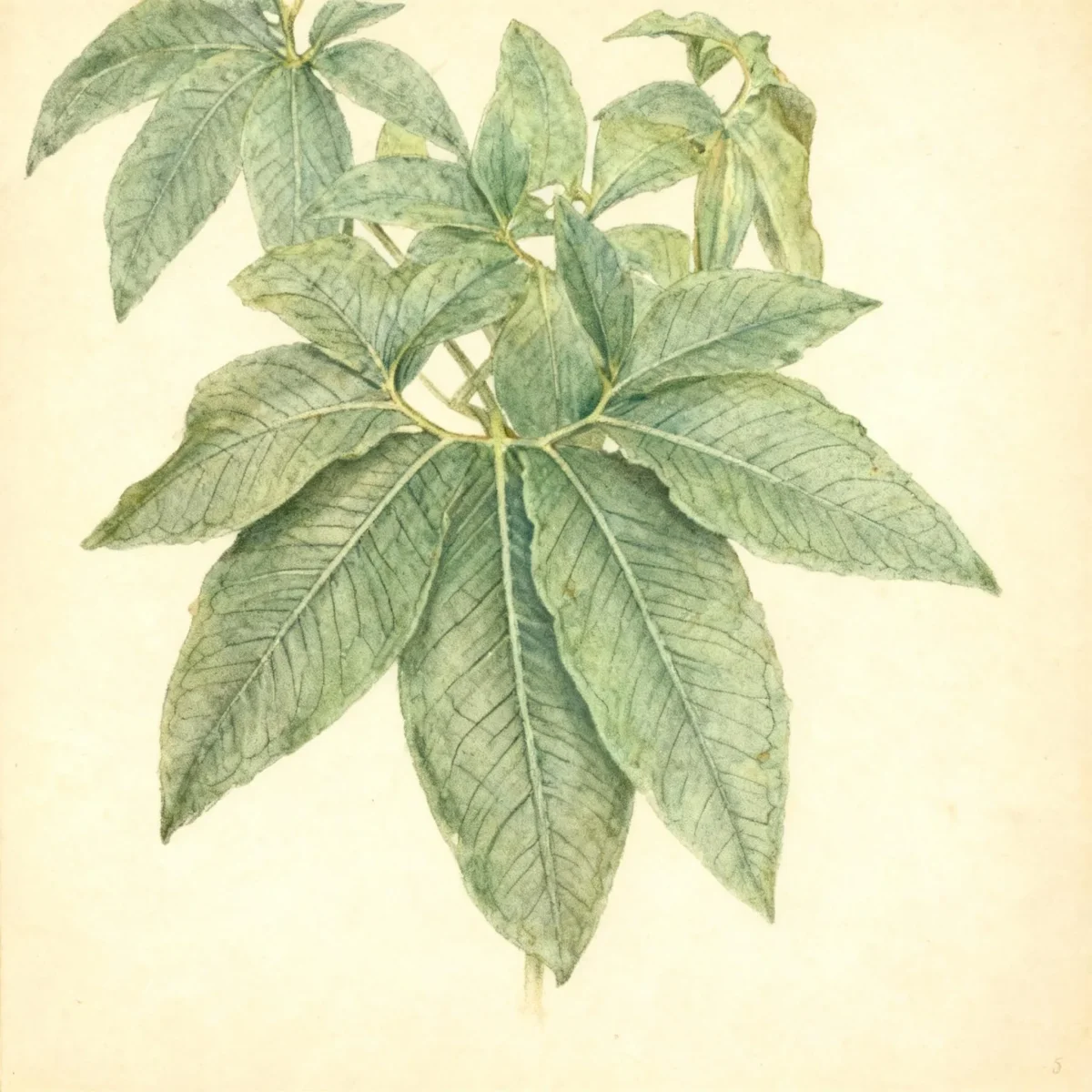
Mimulus cardinalis, commonly called scarlet monkey flower, is a creeping, herbaceous evergreen perennial of the figwort family that typically grows to 1-3’ tall and as wide on upright, branched, sticky-hairy, yellowish-green flowering stems clad with opposite, sessile, sharp-toothed, downy, obovate, pale green leaves (to 4 1/2” long). Solitary, tubular, scarlet (rarely yellow) flowers (1-2” long) resembling snap-dragons bloom from the leaf axils from June/July to October. Hummingbirds regularly feed on the flowers of this plant due to their unique structure, which facilitates pollination by pollen sticking to the birds’ heads.
Landscape Uses
The primary aesthetic value of the scarlet monkey flower lies in its affinity for wet landscapes. It is an excellent choice for naturalizing along the banks of slow-moving streams or pond margins, integrating seamlessly into water gardens or bog scenarios. Its bright, upright scarlet blooms offer high contrast against the deep greens of typical waterside foliage.
For designed spaces, use Mimulus cardinalis as a visually arresting edging plant where water collects or where irrigation is constant. It excels when grouped near waterside borders or used as a colorful accent encircling the base of a birdbath. Where the climate is marginal (Zone 6), container gardening allows for precise water control and the ability to move pots to protected locations before severe freezes threaten this lovely monkey flower.
Tolerances
- Rabbit
- Deer
- Erosion
- Wet Soil
Potential Problems
This species is remarkably resilient in its preferred saturated environment, reporting no serious insect or disease problems under ideal conditions. The main challenge gardeners face is not related to pests, but rather to cultural missteps, primarily allowing the soil to become too dry.
If the roots of the Mimulus cardinalis dry out, the above-ground foliage may quickly wilt and appear damaged or “bedraggled.” To prevent this, ensure soil moisture is maintained as the description requires—consistently moist to wet. Avoiding extremely rich, heavy clay soils that might stay soggy during brief cool periods, even if water levels are high, can help maintain year-round plant health.
Frequently Asked Questions
What hardiness zones is Scarlet monkey flower suitable for?
Mimulus cardinalis is reliably winter hardy across USDA Zones 7 through 10, although protection might be necessary for survival in Zone 6.
How large does scarlet monkey flower grow?
This plant typically reaches a height between 1 and 3 feet tall, with a similar spread of 1 to 3 feet, often forming dense colonies through rhizome spread.
What sun exposure does Mimulus cardinalis need?
The ideal light requirement for maintaining strong growth and vibrant scarlet blooms is part shade, leaning toward dappled sunlight. It tolerates more sun, but only if the soil moisture is continuously high.
When does Mimulus cardinalis bloom?
The flowering period for the scarlet monkey flower is generous, typically spanning from June all the way through October, displaying rich scarlet coloration.
Conclusion
The intensity of its summer color and uncanny ability to handle wet feet make the scarlet monkey flower, Mimulus cardinalis, an outstanding addition to specialized garden areas. Whether naturalizing along a stream or brightening a damp container, this plant delivers reliable, hummingbird-attracting performance. Check that your USDA hardiness zone falls within 7–10, and plan your planting for spring to ensure this perennial establishes well in its preferred moist conditions.
Wildlife Benefits
The bright, tubular flowers of Mimulus cardinalis are perfectly shaped to cater to specialized pollinators, most notably hummingbirds. This plant provides a crucial late-season nectar source, sustaining migratory birds as they move south or prepare for winter. Gardeners focused on wildlife habitat creation should intentionally place this bright visual beacon where these visitors are likely to frequent.
The structure of the flower results in a unique pollination mechanism where pollen adheres directly to the heads of feeding hummingbirds, ensuring efficient transfer between plants. By including the scarlet monkey flower in your landscape, you are actively supporting local avian populations, transforming a simple pond margin into a dynamic feeding station.
Companion Planting
Because Mimulus cardinalis demands consistent moisture, its best companions are other water-loving natives that thrive in similar sun/shade profiles. Consider pairing it with moisture-tolerant ferns, such as the Western Sword Fern (Polystichum munitum) where appropriate regionally, or moisture-loving sedges that provide fine texture contrast. Other moisture-loving perennials like cardinal flower (Lobelia cardinalis) or certain species of Iris that tolerate wet feet make excellent neighbors, as they share the need for saturated soil base.
Focus planting partners on groundcovers or shorter border plants, as the 1-to-3-foot height of the monkey flower can easily overshadow smaller varieties. The goal is to create a tapestry of green textures surrounding the brilliant scarlet accents provided by Mimulus cardinalis throughout the summer months.