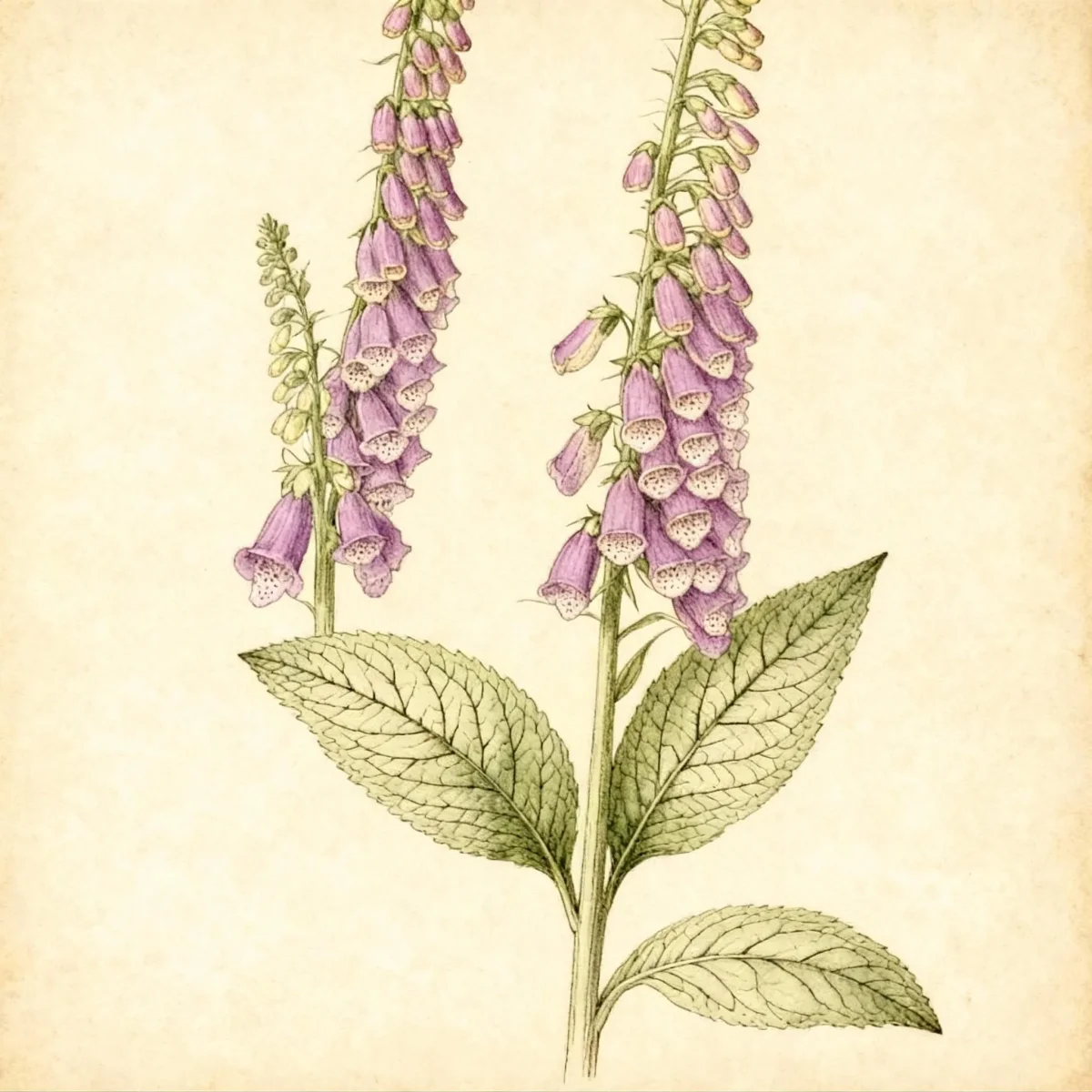
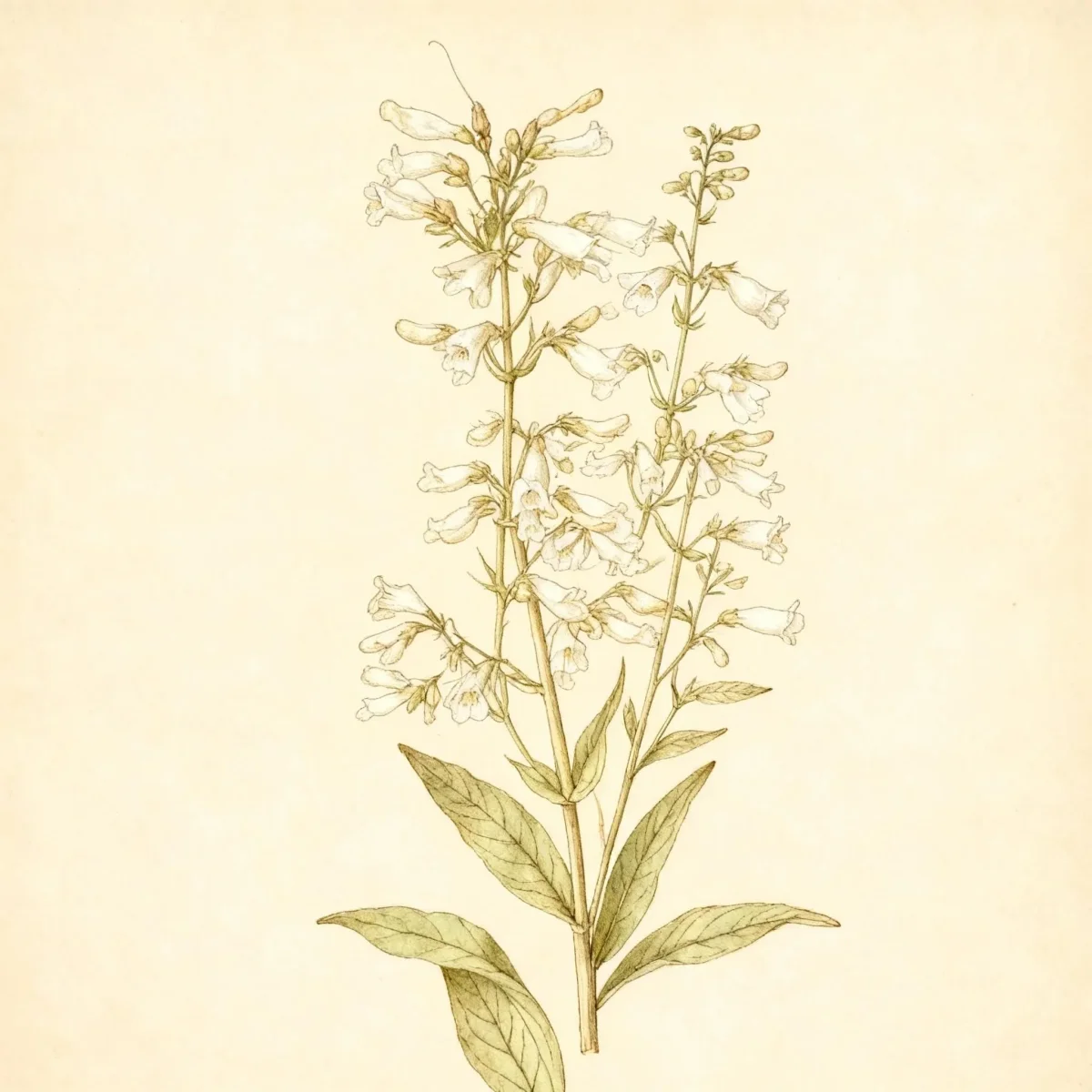
Pale beardtongue (Penstemon pallidus)
Discover Penstemon pallidus, the drought-tolerant Pale beardtongue, offering delicate white blooms from May to June in USDA zones 4-8.
Scroll down to discover growing tips, care requirements, companion plants, and more
Complete Plant Information
Overview
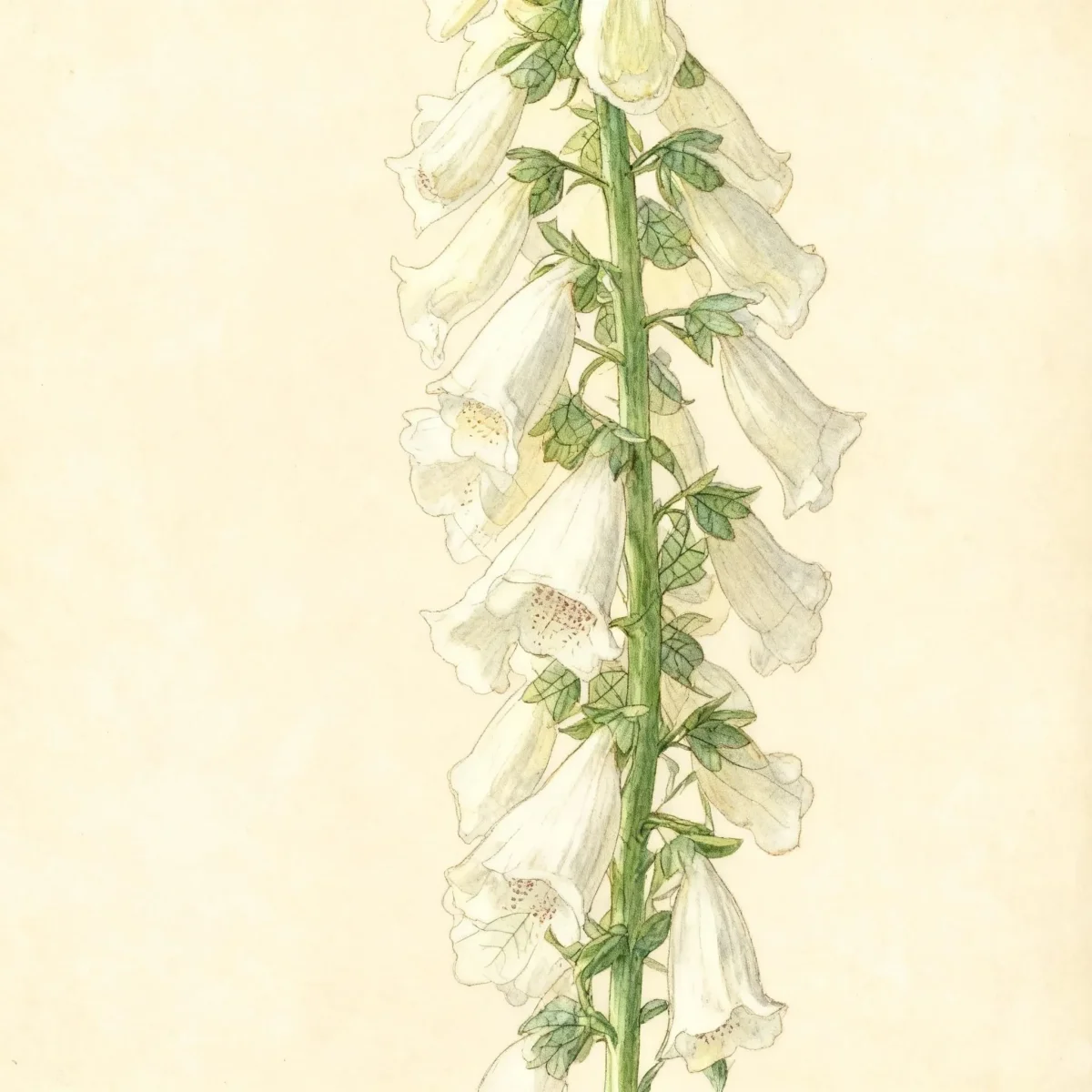
Penstemon pallidus, known commonly as Pale beardtongue, is a valuable herbaceous perennial celebrated for its resilience and delicate springtime display. This species creates an attractive presence in the garden, featuring upright stems topped by showy spikes of pale white, tubular flowers that bloom profusely in late spring to early summer. It is an excellent choice for gardeners seeking reliable, low-maintenance native plants.
Native to diverse habitats across the central and eastern United States, Pale beardtongue thrives in average, well-drained soils. It possesses notable resistance to drought once established, making it suitable for xeriscaping and naturalistic plantings where water conservation is a priority. Its sturdy habit transitions nicely between woodland edges and sunny meadow settings.
The physical characteristics of Penstemon pallidus include a basal rosette of foliage from which the flowering stems emerge, often displaying a noticeable downy pubescence across the plant structure. These pale, uniquely shaped flowers attract beneficial pollinators, ensuring ecological value alongside aesthetic appeal in any garden space featuring this species.
Fast Facts
- Plant Family: Plantaginaceae
- Plant Type: Herbaceous perennial
- Native Range: Central and eastern United States
- Hardiness Zones: USDA Zones 4-8
- Size at Maturity:
- Height: 1.5-2.5 ft
- Spread: 1-1.5 ft
- Bloom Time: May to June
- Bloom Description: White
- Sun Exposure: Full sun to part shade
- Water Needs: Dry to medium
- Maintenance Level: Low
How to Grow
Plant Penstemon pallidus in spring or fall once danger of hard frost has passed, ensuring locations receive full sun or light afternoon shade. Excellent drainage is non-negotiable; this plant strongly resists wet, poorly-drained soils, which can quickly lead to root rot. Incorporate grit or sand into heavy soils if necessary to mimic its preferred dry or rocky habitat.
Water deeply but infrequently, especially after establishment. As a drought-tolerant species, Pale beardtongue requires minimal supplemental watering through hot summer periods, particularly if sited in drier garden areas. Fertilization is typically unnecessary, as rich soils can encourage weak, floppy growth rather than compact, robust flowering stems.
Deadheading spent flowering racemes is beneficial as it may encourage a shorter secondary bloom period. After the main bloom subsides, you may cut the plants back close to the basal foliage to maintain a neat appearance throughout the rest of the season. In colder climates within its range (Zone 4), apply a loose layer of mulch around the crown before the ground freezes heavily to insulate against extreme winter cold.
Landscape Uses
Pale beardtongue is highly versatile, fitting seamlessly into various landscape designs that mimic its native preference for open, dry environments. It excels when used in sunny areas of borders, providing vertical accentuation among shorter groundcovers. Its manageable size also makes Penstemon pallidus an excellent specimen for rock gardens where sharp drainage is naturally provided.
For a naturalistic tapestry effect, mass planting or grouping of Pale beardtongue creates substantial drifts of white color in late spring. It pairs beautifully with other low-water, full-sun perennials such as certain Sedums, shorter native ornamental grasses, or Salvia varieties, creating textural contrast. It functions perfectly within xeriscapes where its drought tolerance is a massive asset.
Consider using this plant at the front edges of naturalistic cottage gardens or along dry slopes and banks where turf grass struggles; its root system helps stabilize soil. The vertical flower stalks offer excellent contrast against the mounding habits of neighboring plants, adding structure to the mid-border layer.
Standout Features
Flower Qualities
- Showy
Noteworthy Characteristics
Stems, leaves, flowers, flower stalks, and flower pedicels of Penstemon pallidus exhibit pubescence of variable density, giving the plant a downy texture. Basal leaves form a rosette from which the central flowering stem rises, culminating in a showy, upright panicle of tubular white flowers, often showing subtle pink tinges. Penstemons are frequently termed beardtongues due to the presence of a sterile, fifth stamen (staminode) bearing a tuft of small hairs within the flower throat.
Tolerances
- Deer
- Drought
- Dry Soil
- Shallow-Rocky Soil
Potential Problems
Generally, Pale beardtongue enjoys few serious pest or disease issues, which contributes to its low maintenance appeal. The most significant threat to Penstemon pallidus involves improper soil conditions, specifically overly moist or poorly-drained ground, which invites root rot. Fungal issues like leaf spots or rusts may occasionally appear, particularly in humid conditions or if air circulation is poor. Ensure sharp drainage and avoid overhead watering late in the day to minimize fungal risk.
Frequently Asked Questions
What hardiness zones is Pale beardtongue suitable for?
Penstemon pallidus is hardy and reliably perennial across USDA Zones 4 through 8.
How large does Pale beardtongue grow?
This perennial typically achieves a height between 1.5 and 2.5 feet tall with a spread ranging from 1 to 1.5 feet wide.
When does Pale beardtongue bloom?
You can expect the showy, white flowers of Pale beardtongue to appear during the prime late spring and early summer window, generally from May into June.
What sun exposure does Penstemon pallidus need?
For the best flowering and strongest structure, situate Penstemon pallidus where it receives full sun, though it tolerates conditions ranging from full sun to part shade.
Conclusion
Penstemon pallidus offers gardeners a reliable, hardy native perennial that demands minimal effort while providing significant aesthetic impact with its delicate white blooms. Its excellent drought and soil tolerance make the Pale beardtongue an indispensable choice for sustainable, resilient garden design. Check your local USDA zone compatibility now and plan to incorporate this handsome beardtongue into your next sunny, well-drained planting scheme.
Companion Planting
Selecting the right companions is key to showcasing the vertical lines of Penstemon pallidus while ensuring all plants share similar cultural needs. Since Pale beardtongue thrives in dry to medium soil and full sun, look toward other prairie or xeriscape natives. Consider pairing it with low-growing, silvery foliage plants like Blue Grama grass (Bouteloua gracilis), or drought-tolerant flowering companions such as Coneflowers (Echinacea) or various low-growing Sedums. These pairings complement the white flowers visually and share the required dry rooting conditions.
Avoid grouping this perennial with moisture-loving woodland plants, as the resulting watering schedule will inevitably stress one or the other. By planting Penstemon pallidus alongside plants that appreciate sharp drainage—such as certain varieties of Yarrow (Achillea) or Russian Sage (Perovskia)—you create a cohesive, low-input sunny border that looks fantastic through the summer months.
Wildlife Benefits
Beardtongues are recognized leaders when it comes to supporting native pollinator populations, and Penstemon pallidus is no exception. The tubular, two-lipped flowers are perfectly structured to attract long-tongued bees, including bumblebees and specialized native solitary bees. These flowers offer significant nectar rewards during the late spring transition period when many other sources may be scarce.
Furthermore, the plant’s native status means it integrates seamlessly into local ecosystems, supporting the entire life cycle of regional insects. While the primary draw is nectar for adult pollinators, providing native stock ensures ongoing ecological support throughout the growing season for beneficial insects visiting your garden area.