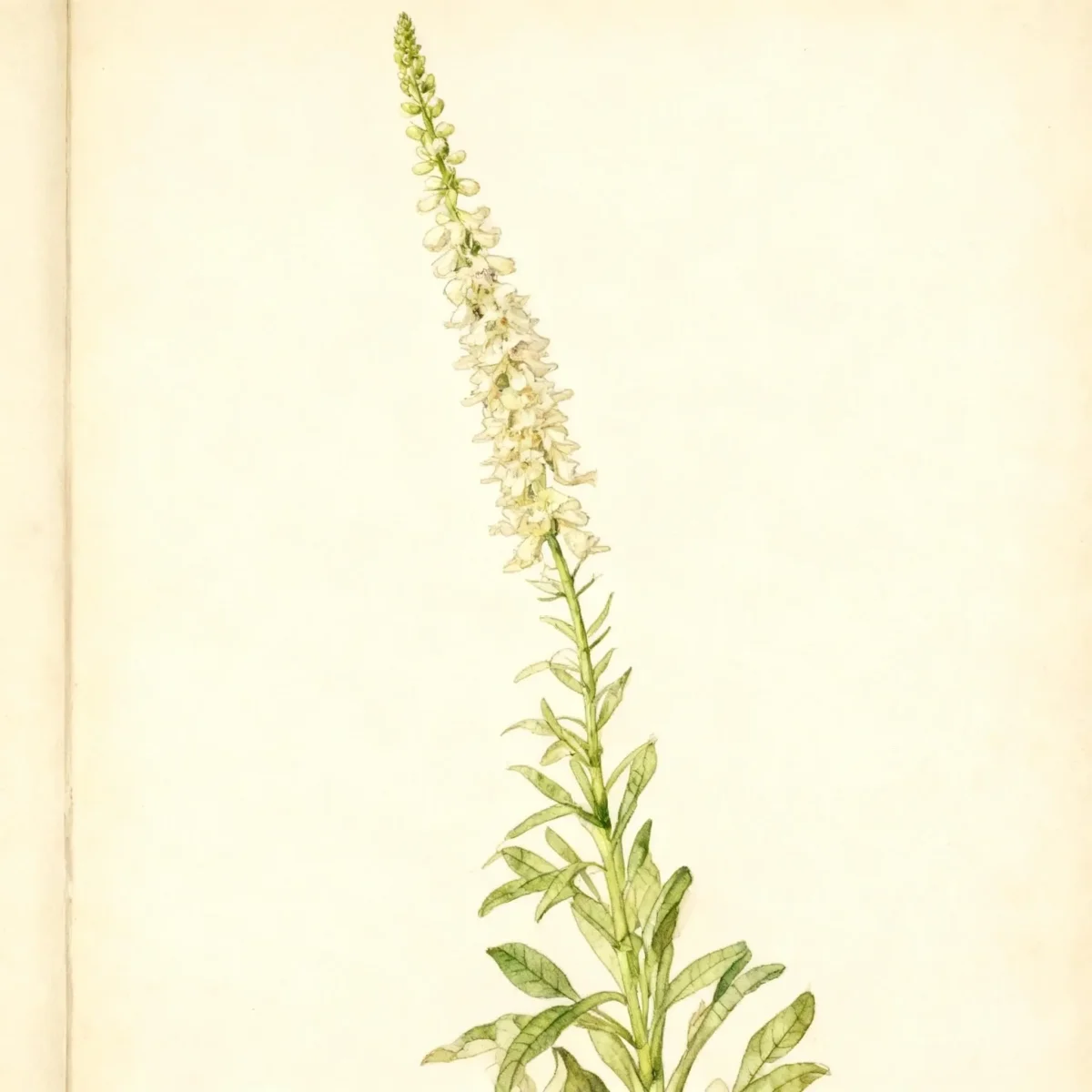
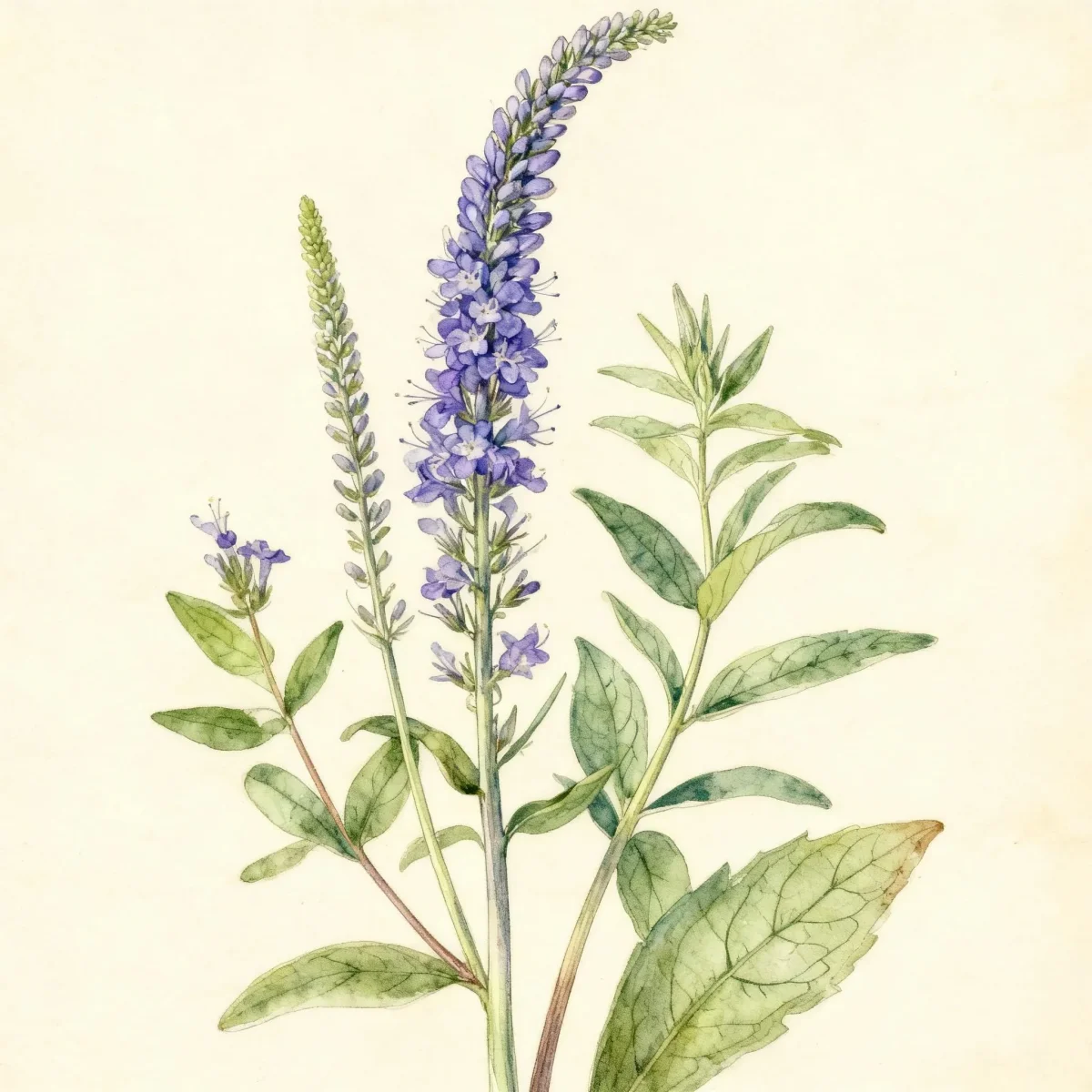
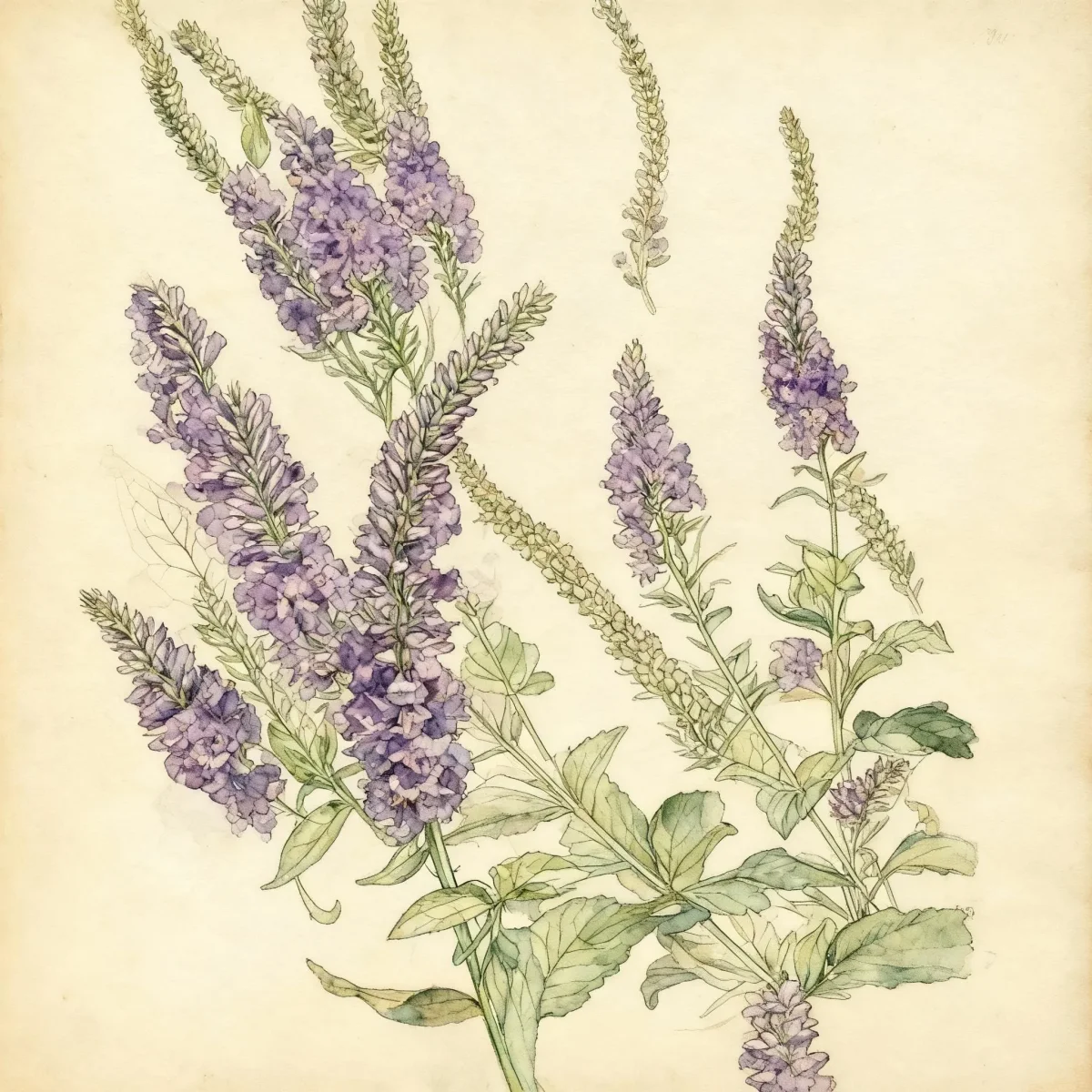
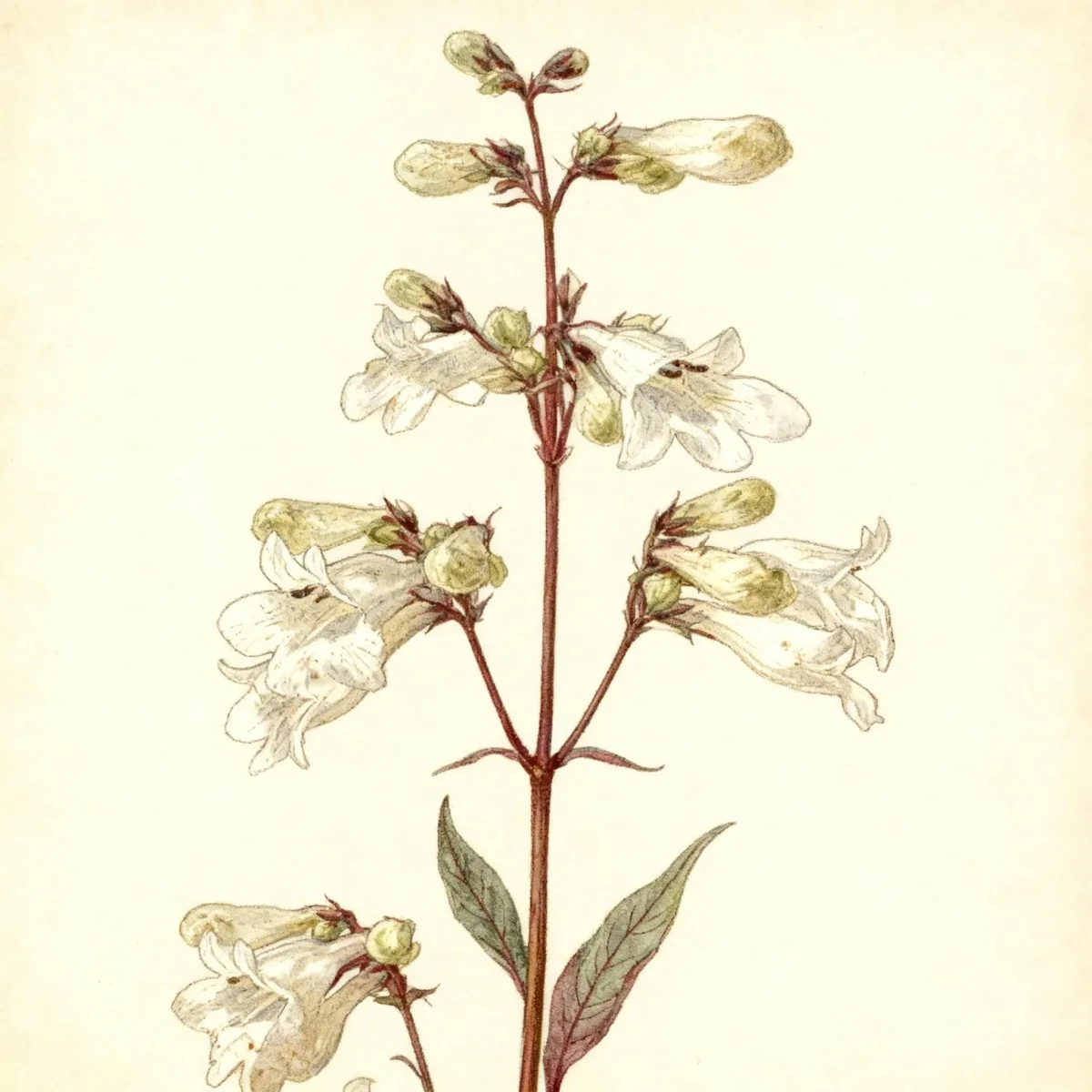
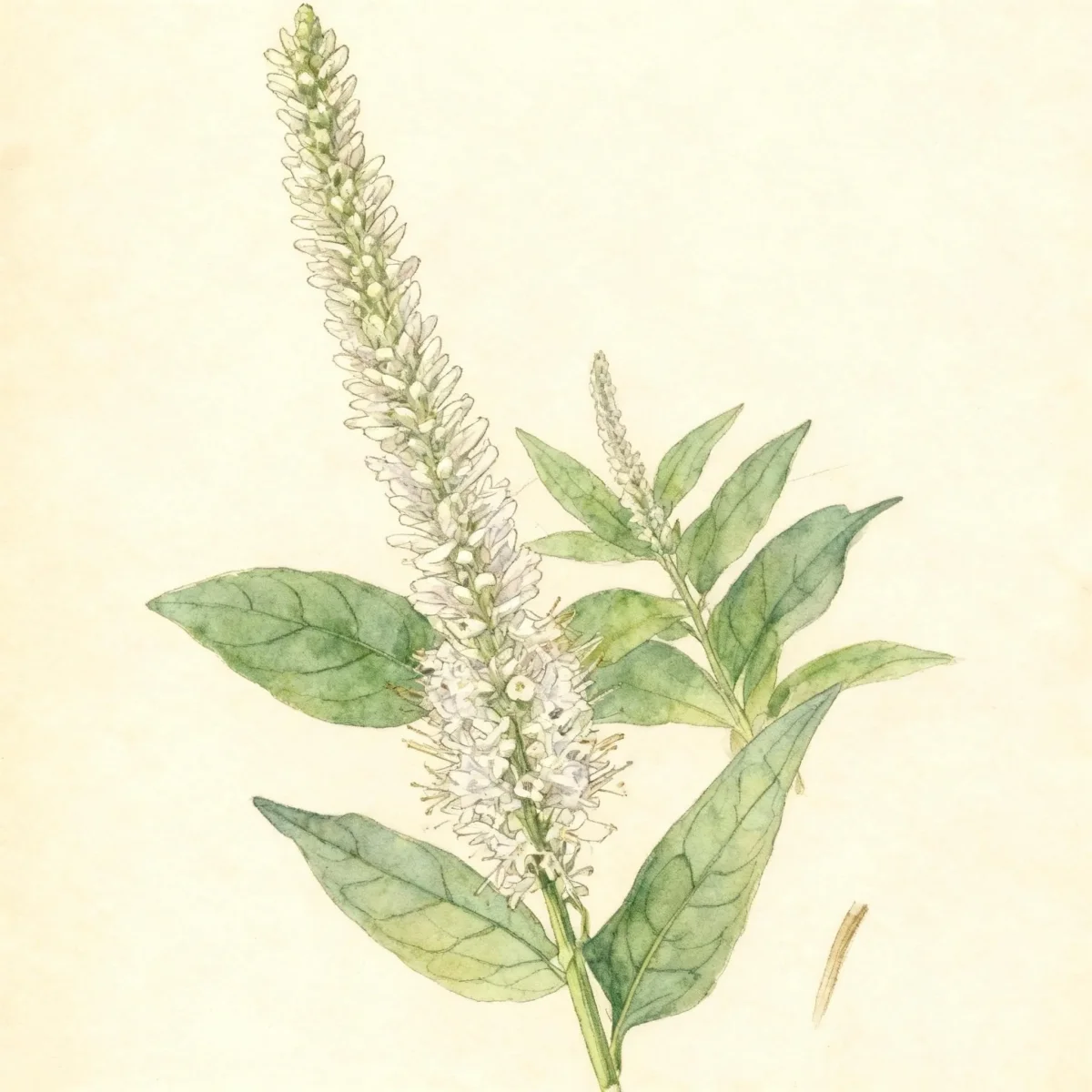
Gentian speedwell (Veronica gentianoides)
Gentian speedwell (Veronica gentianoides) is a low-maintenance, mat-forming perennial admired for its glossy foliage and early summer blue blooms.
Scroll down to discover growing tips, care requirements, companion plants, and more
Complete Plant Information
Overview
Veronica gentianoides, commonly known as gentian speedwell, offers gardeners a reliable, tough perennial that spreads gently to form dense, attractive mats. Its most striking feature is the dark green, glossy basal foliage, which remains attractive throughout the growing season and may even be evergreen in warmer climates. This plant is valued for its simplicity and ability to provide dependable color with minimal fuss.
The flower stems provide a soft texture, rising above the foliage to display racemes of clear blue flowers in late spring and early summer. Because of its mat-forming habit, Veronica gentianoides serves wonderfully as a living groundcover, suppressing weeds while slowly occupying space with its creeping roots. Gardeners seeking low-maintenance texture and cool blue accents will find gentian speedwell a highly rewarding addition.
Fast Facts
- Plant Family: Plantaginaceae
- Plant Type: Herbaceous perennial
- Native Range: Caucasus, Turkey, Iran, Iraq, Crimea
- Hardiness Zones: USDA Zones 4-7
- Size at Maturity:
- Height: 1-1.5 ft
- Spread: 1-1.5 ft
- Bloom Time: May to July
- Bloom Description: Blue
- Maintenance Level: Low
How to Grow
Plant Veronica gentianoides in the spring or fall after the danger of hard frost has passed. The plant thrives best in average, medium, well-drained soil. While it performs well in full sun, it will tolerate light shade, which might slightly reduce summer flowering. The key cultural requirement for this species is consistent moisture; it is intolerant of drought and performs best in humus-rich soils that do not dry out completely.
Routine care for gentian speedwell is minimal once established, reflecting its low maintenance level. Water regularly throughout the first growing season to encourage deep root development. Fertilization is generally unnecessary unless planted in extremely poor soil. Deadheading the spent flower spikes is recommended; this simple practice will encourage the plant to produce additional blooms extending its color display into mid-season.
Seasonal maintenance usually involves tidying in early spring. In colder regions where the foliage dies back, cut the old stems to the ground before new growth emerges. In the deep South where the basal foliage remains evergreen, lighter cleanup may suffice. Constant dryness is the primary enemy of this otherwise robust perennial.
Landscape Uses
Gentian speedwell shines in applications where a low, spreading habit is desired, such as the fronts of borders or in rock gardens. Its dense, low-growing mound of evergreen or semi-evergreen foliage provides excellent contrast against plants with finer textures or lighter-colored leaves. It serves as a sturdy foundational plant that frames taller perennials beautifully.
When placing Veronica gentianoides, consider using it to soften hard edges along pathways or between paving stones, where its roots can creep slightly without causing damage. For color companions, pair the blue flowers of the gentian speedwell with white or yellow bloomers for maximum impact during late spring. Since it prefers consistently moist conditions, site it near other moisture-loving perennials like Astilbe or certain varieties of Hosta.
Standout Features
Noteworthy Characteristics
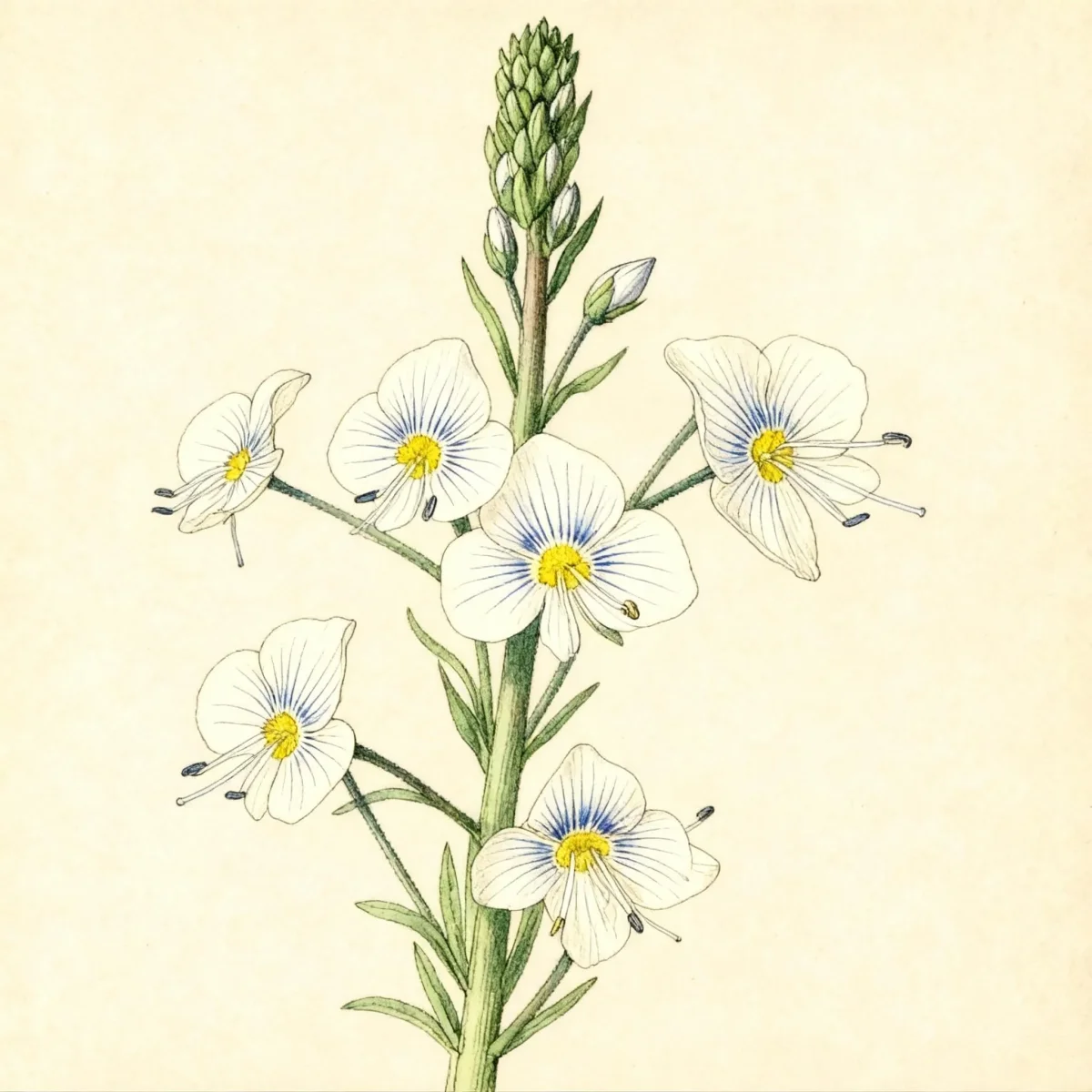
Veronica gentianoides, commonly called gentian speedwell, is a mat-forming perennial which typically forms basal foliage clumps (rosettes) of broad, oblong-lanceolate, glossy dark green, basal leaves (to 3” long). Foliage clumps slowly spread in the garden over time by creeping roots to form dense mats. Flowering stems rise from the rosettes to 20” tall and are topped with 8-10” long, loose, terminal racemes of blue flowers (1/2 to 3/4” wide) in late spring to early summer. Genus name honors Saint Veronica who reportedly gave a handkerchief to Jesus so he could wipe sweat from his face on the way to Calvary, with some genus plants having markings that resemble the markings on the sacred handkerchief. Specific epithet means similar to gentian (Gentiana).
Tolerances
- Tolerates light shade.
Potential Problems
This plant is generally regarded as hardy regarding pests and diseases, suffering from no serious insect or disease problems reported in cultivation. Gardeners should focus almost entirely on ensuring proper moisture levels to prevent stress. Avoid planting Veronica gentianoides in areas prone to summer drought or poorly draining, waterlogged clay soils, as these conditions will cause significant decline before any pest becomes an issue.
Frequently Asked Questions
What hardiness zones is Gentian speedwell suitable for?
Gentian speedwell is suitable for USDA Hardiness Zones 4 through 7.
How large does Veronica gentianoides grow?
This perennial typically reaches a height of 1 to 1.5 feet and spreads to a similar width of 1 to 1.5 feet.
When does Veronica gentianoides bloom?
Veronica gentianoides produces its distinctive blue flowers primarily from May to July.
What sun exposure does Gentian speedwell need?
While it prefers full sun, Veronica gentianoides is tolerant of light shade, making it adaptable to various locations.
Conclusion
The mat-forming habit and the clear blue spikes of Veronica gentianoides make it an indispensable, low-maintenance plant for adding texture and cool color to the mid-border. Its evergreen basal foliage provides superior year-round garden interest, solidifying the value of this Gentian speedwell variety. Before planting, ensure your chosen location offers consistently moist, well-drained soil to guarantee a lush display throughout its long blooming season.
Companion Planting
When selecting partners for Veronica gentianoides, prioritize plants that appreciate similar cultural conditions—medium fertility and consistent moisture. Companions that contrast well in foliage texture or timing offer the best visual design. Consider pairing it with Japanese Forest Grass (Hakonechloa macra) for a fine, arching texture juxtaposed against the smooth leaves of the speedwell.
For color contrast that lasts beyond the speedwell’s bloom time, consider groundcovers like Geranium sanguineum cultivars (‘Bloody Cranesbill’) or various Heuchera varieties that thrive in partial shade. These plants offer different bloom shapes and persist longer into the summer, ensuring the border remains rich in interest right behind the low mounds of established gentian speedwell.
Propagation Tips
Propagation of Veronica gentianoides is straightforward, benefiting from its spreading rhizomatous roots. The easiest method is division, which should be performed in early spring just as new growth begins or possibly in early fall. Dig up the clumps, gently separate the roots into smaller sections, ensuring each division has healthy roots and some foliage buds, and replant them immediately into prepared soil.
Because the plant forms dense mats, dividing established patches is crucial for maintaining vigor every few years. This division process also allows you to control the spread of the creeping roots, ensuring the Veronica gentianoides remains in its designated area. While seed starting is possible, division is faster and guarantees the true characteristics of the parent plant are maintained.