Wishbone flower (Torenia fournieri)
Discover Torenia fournieri, the Wishbone flower. Ideal for shade gardens, blooming June to frost with unique bicolor blooms.
Scroll down to discover growing tips, care requirements, companion plants, and more
Complete Plant Information
Overview
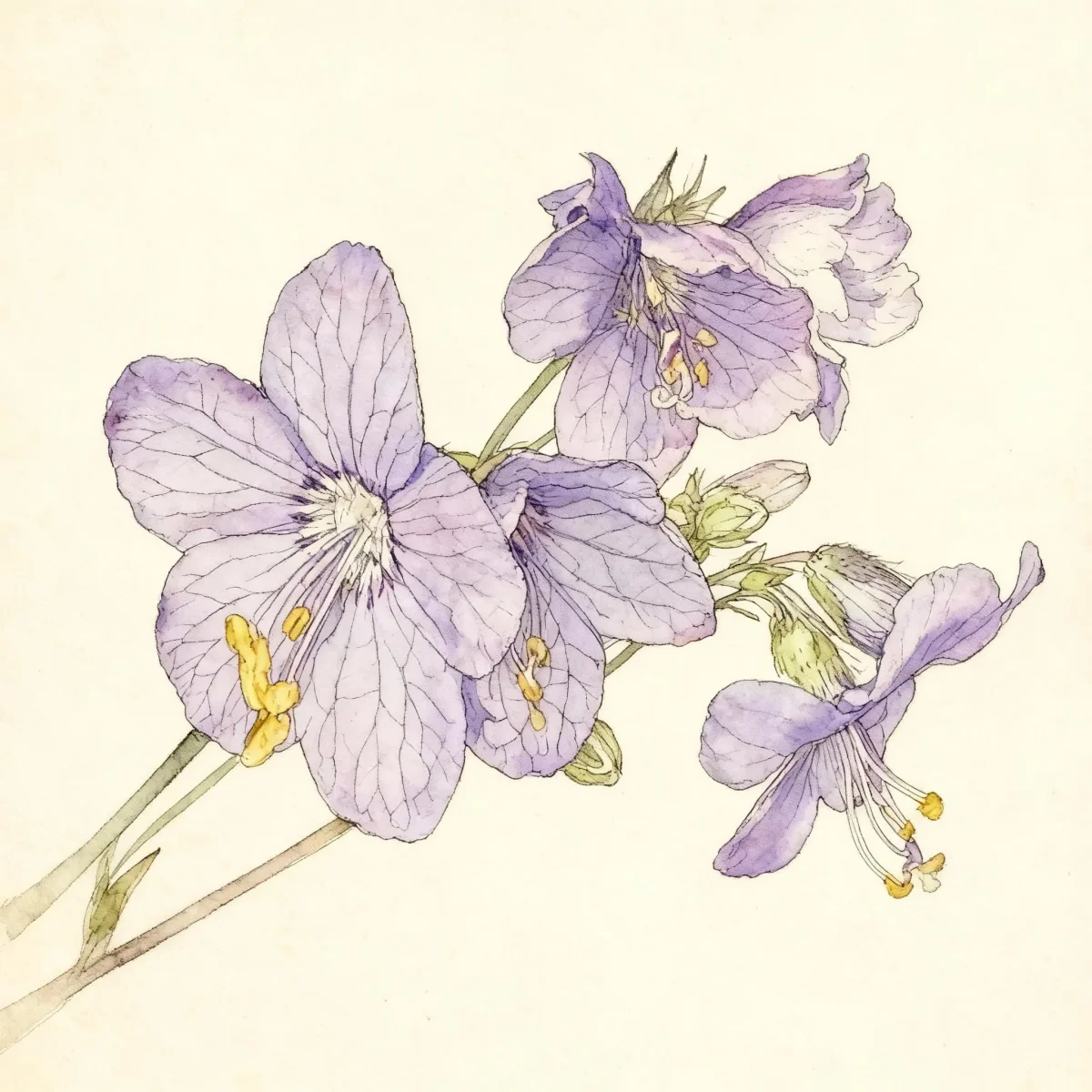
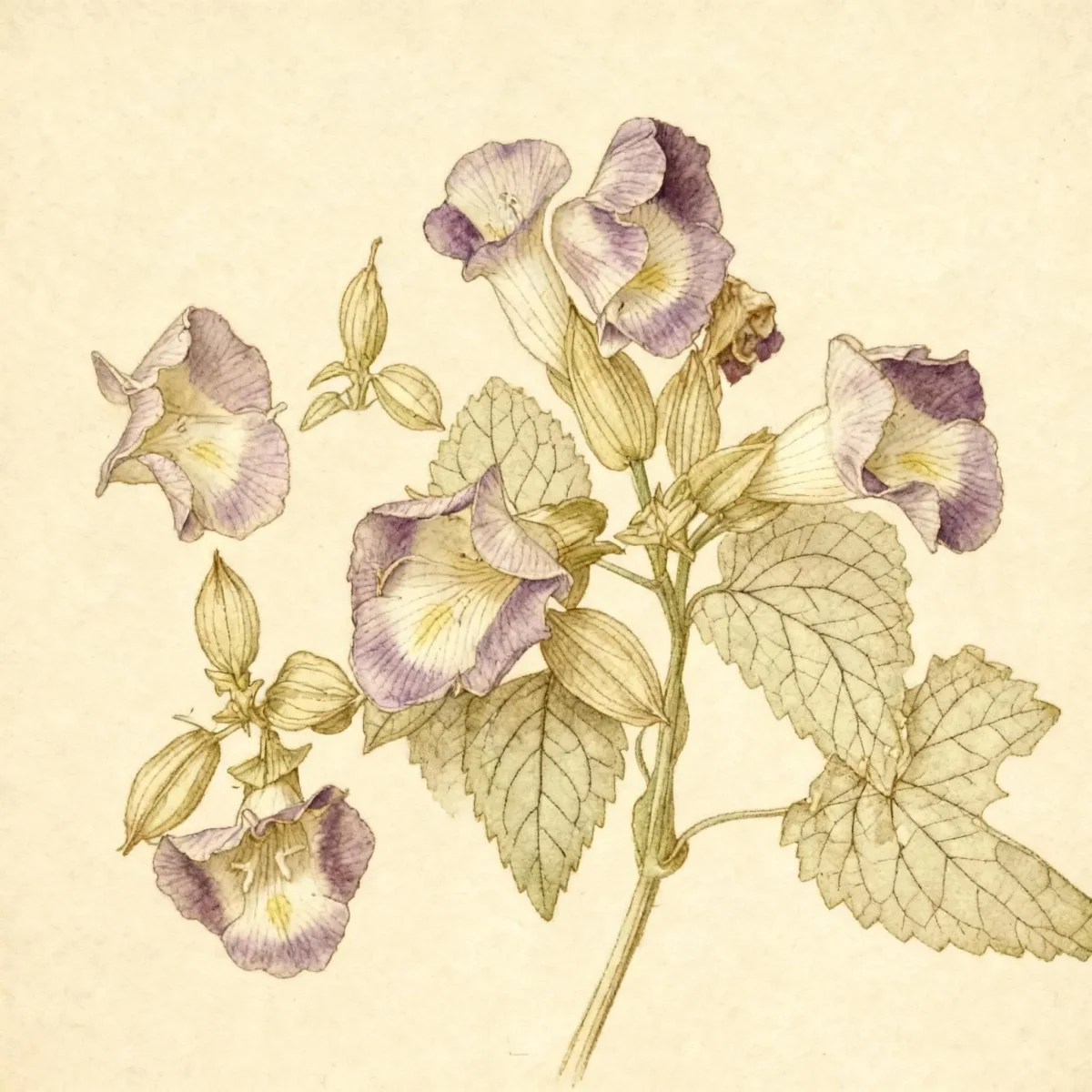
The Wishbone flower (Torenia fournieri) is a highly valued annual prized for its remarkable ability to produce continuous color in partially shaded gardens where many other bloomers fail. This bushy plant offers distinctive trumpet-shaped flowers, often in shades of pale violet and dark purple, making it a vibrant addition to shady landscapes.
This species of Torenia fournieri thrives best when protected from the harshest heat, flourishing throughout the summer season until the first frost arrives. Its compact nature makes it incredibly versatile, suitable for edging, bedding, or container arrangements, providing reliable texture and hue.
Gardeners appreciate the Wishbone flower both for its aesthetic value and its relative resilience under typical garden conditions, provided moisture is maintained. If sited correctly to escape intense afternoon sun, Torenia fournieri proves to be a medium-maintenance choice that rewards attention with reliable, long-lasting bloom performance.
Fast Facts
- Plant Family: Linderniaceae
- Plant Type: Annual
- Native Range: Asia
- Hardiness Zones: USDA Zones 2-11
- Size at Maturity:
- Height: 0.5-1 ft
- Spread: 0.5-0.75 ft
- Bloom Time: June to frost
- Bloom Description: Pale violet and dark purple bicolor
- Sun Exposure: Part shade to full shade
- Water Needs: Medium
- Maintenance Level: Medium
How to Grow
For the best development, Torenia fournieri should be planted after all danger of frost has passed, typically 1-2 weeks later. This plant demands consistently moist, organically rich, well-drained soils. Although it is an annual, providing excellent soil structure is key to supporting its root system throughout the extended blooming season.
Watering needs are medium; do not allow the soil to dry out completely, especially during hot summer spells. In regions experiencing intense heat and humidity, such as the St. Louis area cited in cultivation notes, it is crucial to provide protection from the strong afternoon sun. Applying a summer mulch helps significantly by retaining essential moisture and keeping the root zone cooler.
To encourage a more compact and bushy habit, young Wishbone flower plants can be gently pinched back early in the season. If you start seeds indoors, begin 6-8 weeks before your last predicted frost date, or alternatively, sow seeds directly into the garden just before that date. Container plants are sometimes brought indoors temporarily to extend the bloom period, though they are generally treated as seasonal décor.
Landscape Uses
The compact stature and tolerance for shade make Torenia fournieri an excellent choice for structuring shady areas of the landscape. It excels as a precise edging plant along pathways or framing the fronts of perennial borders, where its colorful blooms can be easily appreciated.
Consider using the Wishbone flower in containers, window boxes, or hanging baskets where its trailing potential can be utilized, softening hard edges. In woodland gardens or shady beds where dappled light prevails, this annual provides essential mid-season color contrast against green foliage or darker shade-loving companions.
Standout Features
Flower Qualities
- Showy
Noteworthy Characteristics
Torenia fournieri, commonly called wishbone flower, is a bushy annual that typically grows 6-12” tall and is noted for its ability to bloom well in shady conditions. Species plants feature two-lipped, tubular, trumpet-shaped, bicolor flowers with broadly 5-winged calyxes; the common name originates from the shape formed by the uniting stamens, resembling a chicken’s wishbone. Cultivars offer expanded color palettes, but the species maintains its characteristic pale violet flowers with dark blue-purple lower lips accented by a yellow throat blotch.
Tolerances
- Susceptible to root rot and powdery mildew
Potential Problems
While generally free from serious insect or disease issues, gardeners should remain vigilant against two primary problems: powdery mildew and root rot. Powdery mildew often manifests as a white, dusty coating on the leaves, usually indicating poor air circulation or excessively high humidity. Ensure adequate spacing between plants to promote airflow.
Root rot is almost always a sign of overwatering or poor drainage. Since Torenia fournieri requires consistently moist soil, it is vital that this moisture is balanced with excellent soil drainage to prevent waterlogging around the roots. Amending heavy clay soils with organic matter before planting will mitigate standing water issues.
Frequently Asked Questions
What hardiness zones is Wishbone flower suitable for?
The Wishbone flower (Torenia fournieri) is technically hardy in USDA Zones 2 through 11, though it is almost universally grown as an annual outside of tropical climates due to its intolerance for long periods of freezing temperatures.
How large does Torenia fournieri grow?
This plant typically reaches a mature height between 0.5 and 1 foot tall, with a spread generally between 0.5 and 0.75 feet wide, forming a small, dense mound suitable for bedding.
What sun exposure does Torenia fournieri need?
The ideal site for this plant is part shade to full shade. It performs best when sheltered from intense afternoon solar radiation, which can scorch the foliage and stress the plant.
Conclusion
The Wishbone flower offers unparalleled value for gardeners seeking reliable, vibrant color throughout the summer in shaded parts of the landscape. Its unique bloom structure and shade tolerance secure its place as a garden favorite. Before planting, confirm your local frost dates and ensure the growing site offers the rich, consistently moist conditions that Torenia fournieri requires for optimal performance.
Companion Planting
Selecting companions that share the moist, part shade requirements of the Torenia fournieri will ensure a cohesive and thriving shaded display. Hostas, especially smaller, colorful varieties, offer excellent textural contrast with their broad leaves against the fine foliage of the Wishbone flower. Similarly, ferns, such as Japanese Painted Ferns, or Heuchera (Coral Bells) with their dark or contrasting leaf colors, pair beautifully.
These companions create a layered look where the low-growing, profuse blooms of the Wishbone flower can pop against the backdrop of established foliage plants. Grouping these shade lovers together also simplifies garden management, as they generally have similar medium water needs.
Container Growing
Growing Torenia fournieri exclusively in containers is an effective strategy, particularly for gardeners wanting to control soil conditions perfectly or those who wish to move the plants to a sheltered location during extreme summer heat waves. Use a high-quality, peat-based potting mix amended with compost to maximize both moisture retention and drainage.
When planting in mixed containers, remember the shallow root structure of the Wishbone flower. Site annuals that require similar light—such as Impatiens or Begonias—nearby. Ensure hanging baskets or containers have adequate drainage holes, as containers can quickly become waterlogged, leading directly to potential root rot issues in this species.