Common mullein (Verbascum thapsus)
Verbascum thapsus, or Common mullein, is a distinctive hairy biennial herb known for its tall yellow flower spikes and tolerance for dry soils.
Scroll down to discover growing tips, care requirements, companion plants, and more
Complete Plant Information
Overview
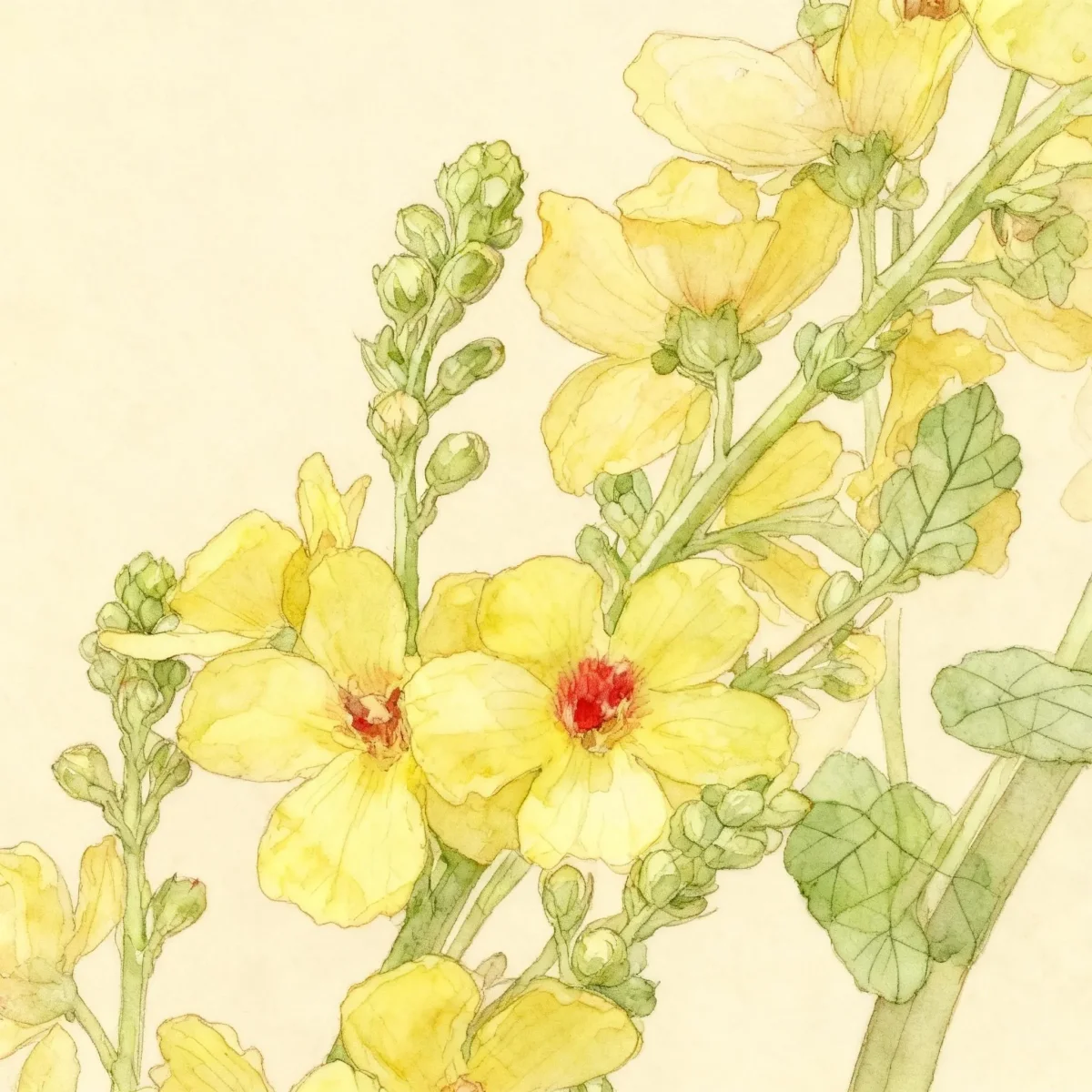
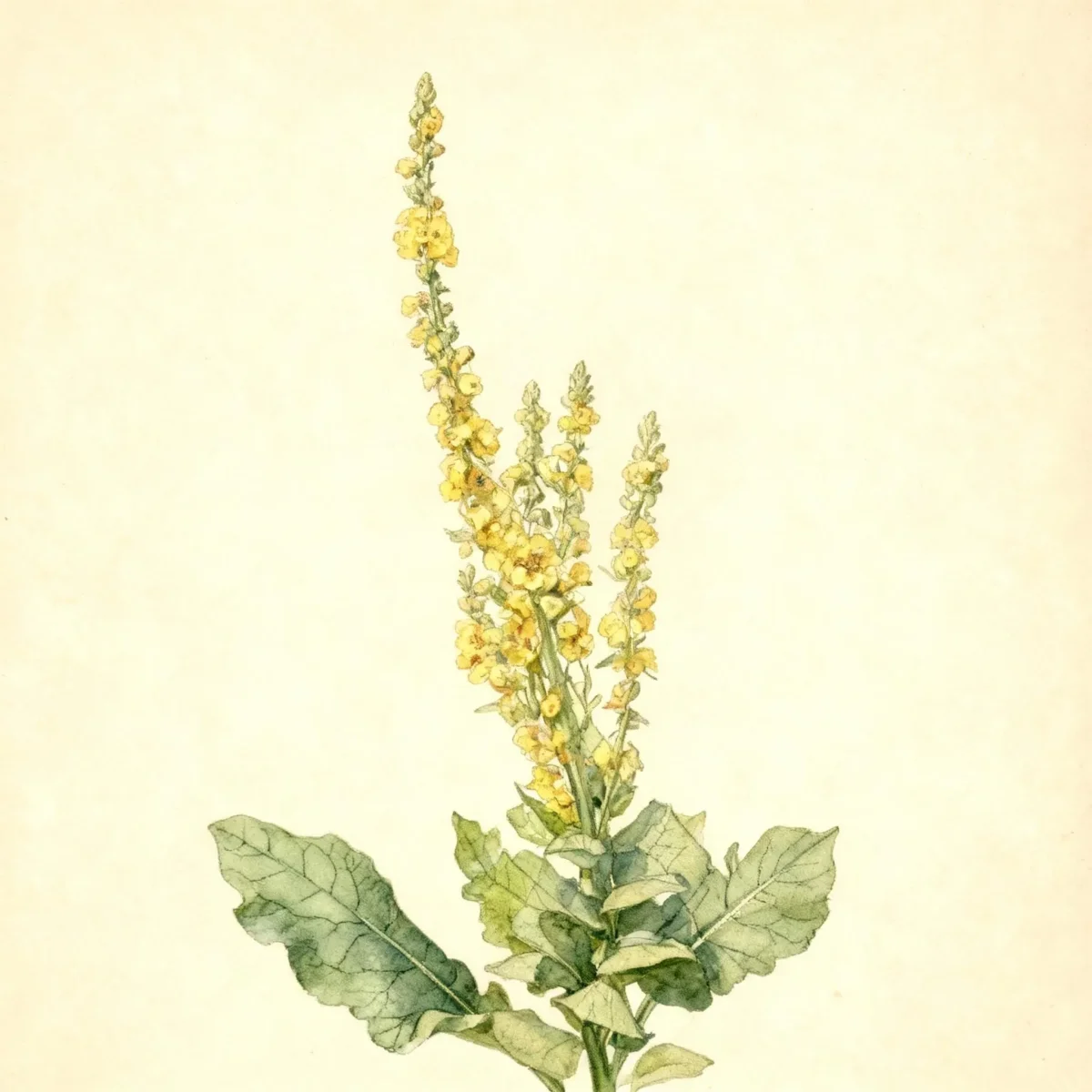
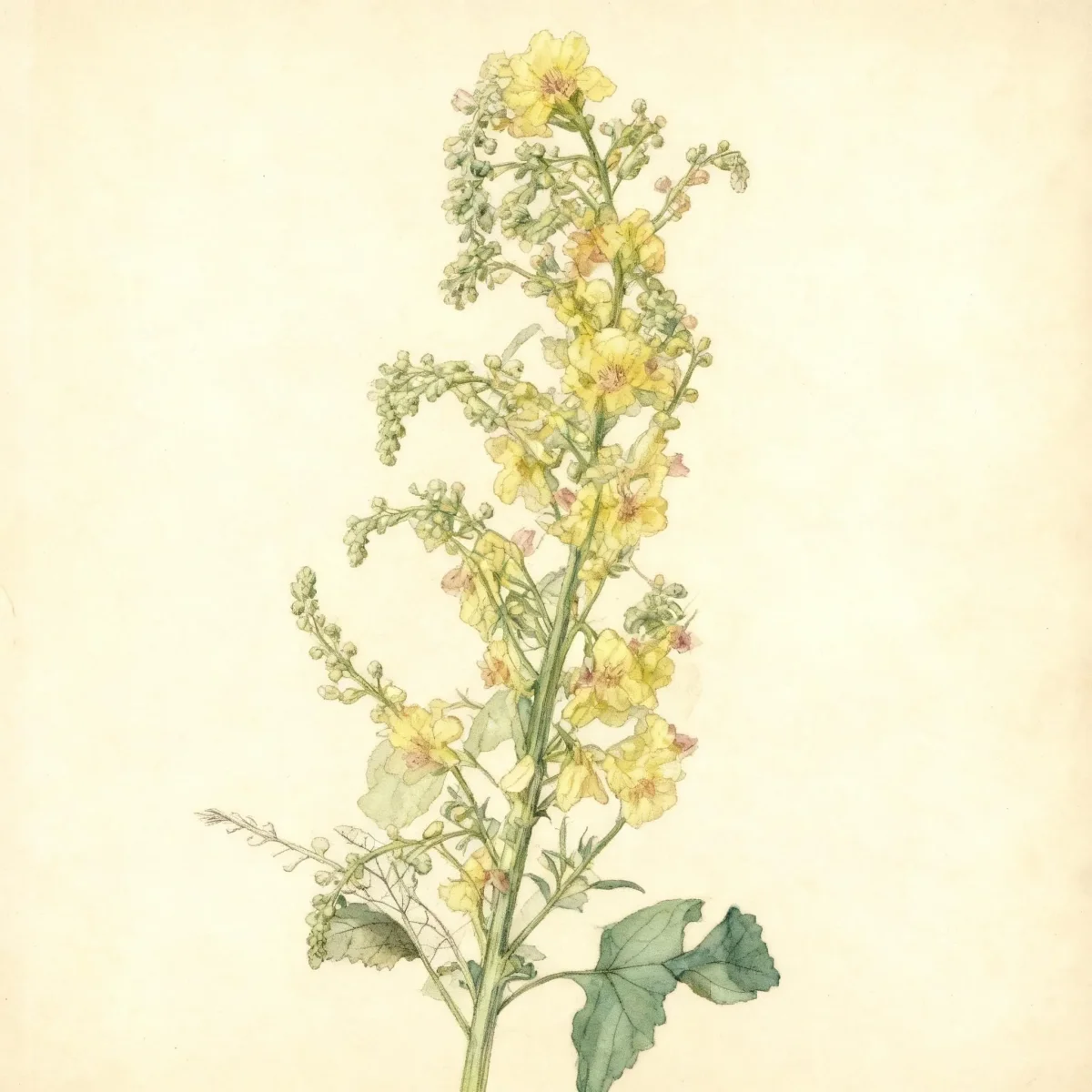
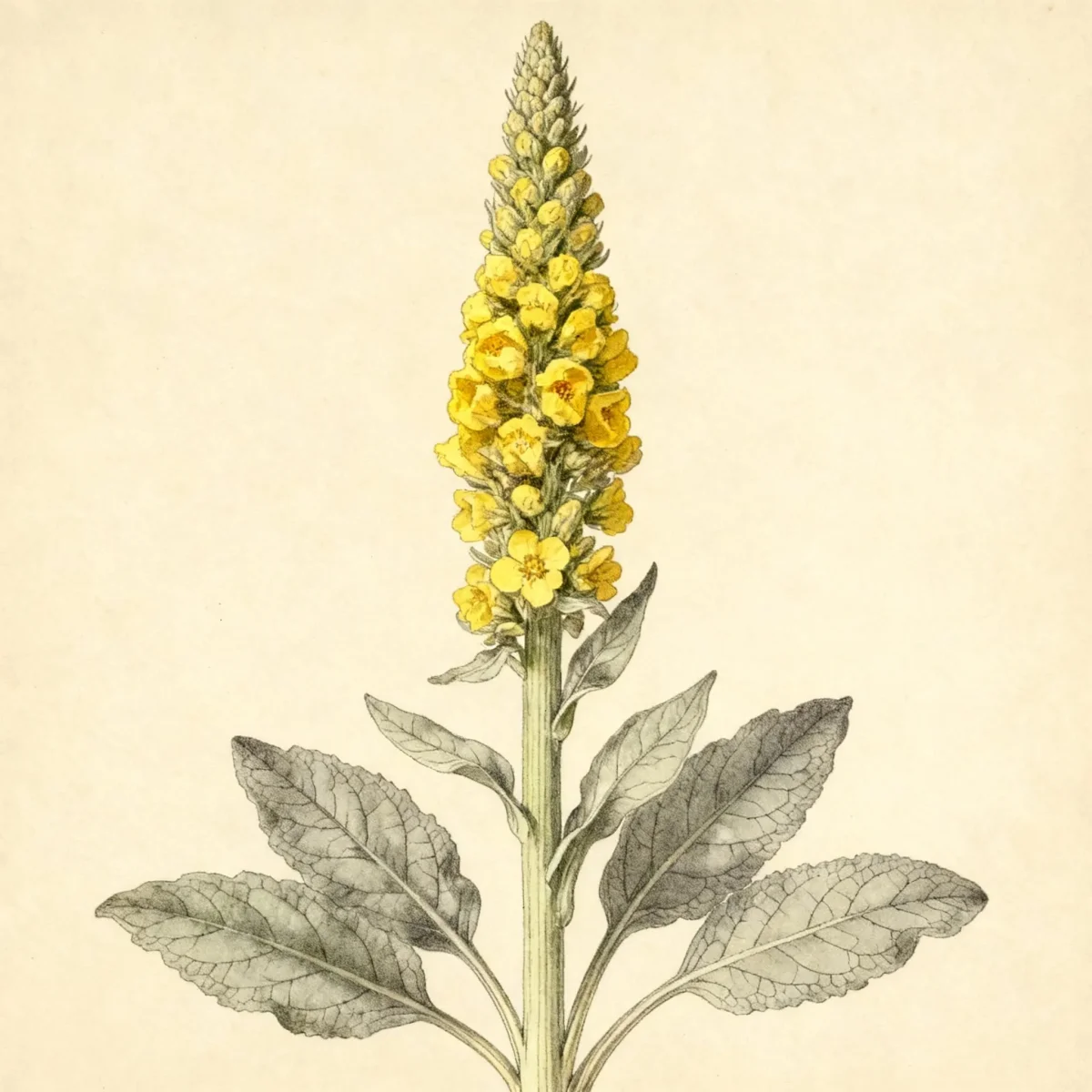
Verbascum thapsus, widely known as Common mullein, is immediately recognizable by its towering flower stalks and soft, silvery-gray basal leaves that possess a distinct flannel-like texture. This biennial herb completes its life cycle in two years, first establishing a lush rosette, then sending up a dramatic, unbranched stem topped with bright yellow flowers in its second season. While often found naturalized in disturbed areas, its architectural form and striking bloom make the Verbascum thapsus a unique vertical accent in the garden setting.
This plant thrives under challenging conditions, preferring dry, well-drained soil and full sun exposure. Its deep taproot system aids in survival where many other garden specimens might wilt. Gardeners seeking drought-tolerant, low-fuss vertical elements should consider Common mullein, but must be aware of its prolific self-seeding nature.
Historically, Verbascum thapsus has held significant medicinal value, contributing to its introduction and widespread naturalization across North America. Today, it serves as a visual curiosity, providing strong vertical contrast against lower-growing perennials, particularly where robust, dry-site plants are required.
Fast Facts
- Plant Family: Scrophulariaceae
- Plant Type: Herbaceous perennial
- Native Range: Europe, Asia
- Hardiness Zones: USDA Zones 3-9
- Size at Maturity:
- Height: 2-7 ft
- Spread: 1.5-2.5 ft
- Bloom Time: June to September
- Bloom Description: Yellow
- Sun Exposure: Full sun
- Water Needs: Dry to medium
- Maintenance Level: Medium
How to Grow
The best time to establish Common mullein is ideally in the fall or early spring, allowing the first year’s basal rosette to develop fully before the second-year flowering spike emerges. Verbascum thapsus must be planted in full sun. It excels in average, dry to medium, well-drained soils and actually prefers drier, stony conditions, demonstrating strong tolerance for nutrient-poor environments. Good drainage is paramount, as wet, poorly drained soils are usually fatal to this species.
Watering should be minimal once established, aligning with its preference for dry conditions. Fertilization is generally unnecessary; richer soils often lead to taller, weaker stems that may require staking. Maintenance is usually low, focused primarily on managing its spread if self-seeding becomes excessive, though in many contexts, allowing it to naturalize is the goal.
In warmer climates, the fuzzy basal leaves of Common mullein often remain evergreen, providing winter interest. In colder regions, the basal rosette may persist under snow cover. Since the plant dies after flowering and setting seed in its second year, deadheading spent flower spikes before they mature seed capsules can control populations, though this sacrifices the dramatic winter silhouette.
Landscape Uses
The rugged texture and towering habit of Common mullein make it an excellent candidate for naturalizing areas or cottage gardens where a slightly wild aesthetic is prized. Its ability to thrive in poor, dry soils makes it invaluable for stabilizing dry, rocky slopes or integrating into neglected areas of the landscape. Use Verbascum thapsus as a bold vertical accent; its height draws the eye upward, contrasting sharply with mounding or spreading neighbors.
Pair this plant with other drought-tolerant Mediterranean or prairie species that share its love for sharp drainage, such as Sedums, Lavender, or Greek Oregano. In herb gardens, it stands tall as a historical specimen, its leaves providing contrasting texture near finer-leaved herbs. The dramatic second-year flower spikes are highly effective when placed toward the rear of perennial borders, mimicking the effect of foxglove but with unique texture and color.
Standout Features
Flower Qualities
- Showy
Noteworthy Characteristics
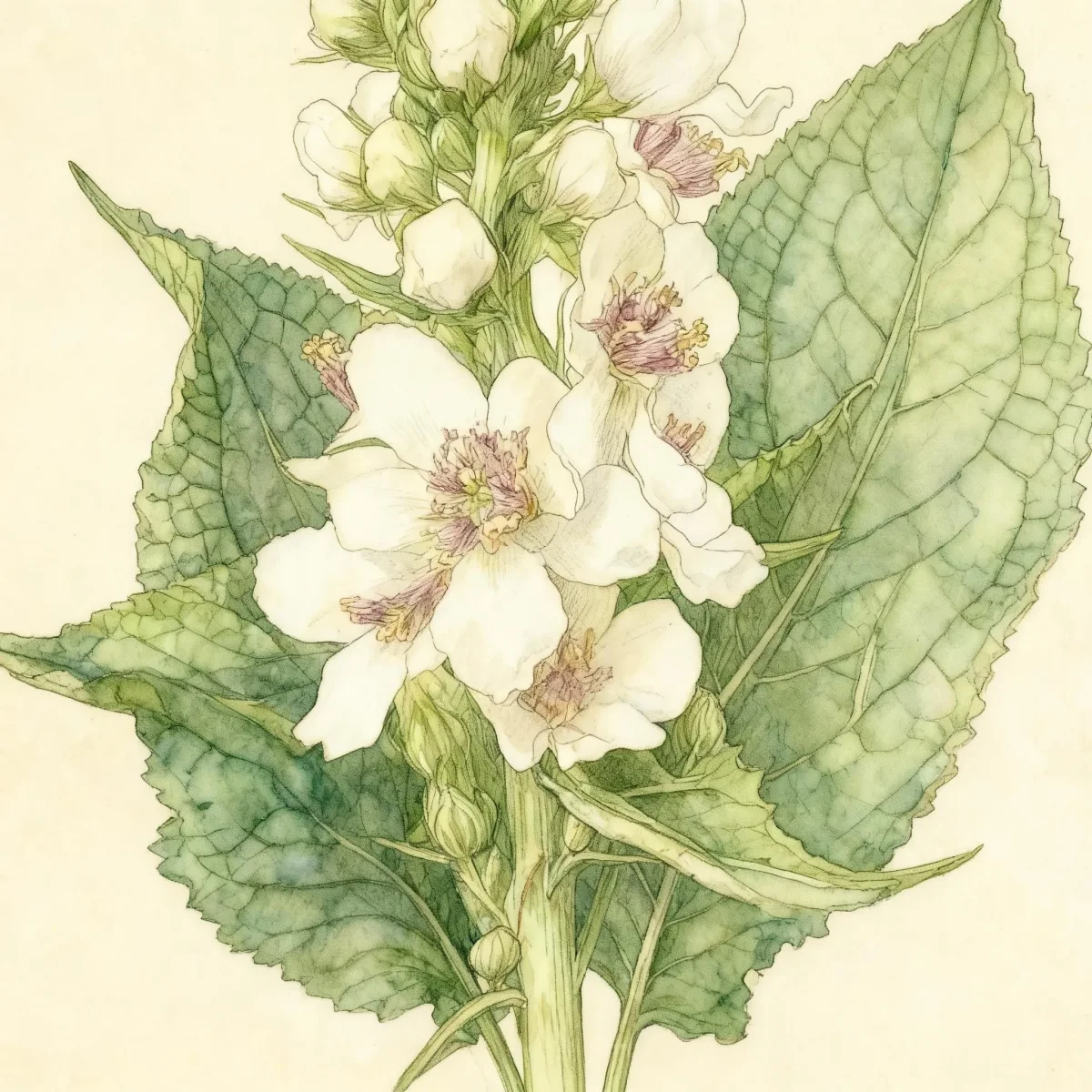
Verbascum thapsus, commonly called common mullein, is a wooly biennial herb that produces a basal rosette of thick, soft, flannel-textured, pale gray-green leaves in the first year, followed by an erect, unbranched flowering stem rising up to 7’ tall in the second year. The stem is topped by a long cylindrical inflorescence of densely-packed, sulphur-yellow flowers blooming from June through September. The common name of mullein comes from the Latin word mollis, meaning soft, referring directly to the tactile quality of its notable foliage.
Tolerances
- Drought
- Dry Soil
Potential Problems
Verbascum thapsus is generally quite robust, showing no serious insect or disease problems under appropriate growing conditions. The most common pest issues arise when the plant is stressed or grown in rich soil; in hot and dry spells, watch out for spider mites. Slugs and weevils may occasionally munch on the foliage, especially on younger plants.
A key cultural issue to manage is overly rich soil. Plants grown in fertile ground tend to become very tall and may collapse, potentially requiring staking for support. The greatest cultural risk is root rot; ensure sharp drainage, as wet, poorly drained soils are nearly always fatal to this species, regardless of sun exposure.
Frequently Asked Questions
What hardiness zones is Common mullein suitable for?
Common mullein (Verbascum thapsus) is robustly hardy, thriving in USDA Zones 3 through 9.
How large does Common mullein grow?
When mature, the towering flower stalks of this plant typically reach a height between 2 to 7 feet, spreading moderately between 1.5 to 2.5 feet wide.
What sun exposure does Verbascum thapsus need?
This plant requires full sun to develop properly and produce its characteristic tall flower spikes; it tolerates only slight or temporary periods of light shade.
When does Verbascum thapsus bloom?
The distinctive yellow flowers of Verbascum thapsus appear over a long season, generally blooming from June to September.
Conclusion
Common mullein is an exceptional choice for gardeners seeking architectural height and extreme drought tolerance within their landscape design. The velvety texture and stately yellow spires provided by Verbascum thapsus offer lasting appeal, particularly in naturalized settings or dry borders. Before planting, assess your site conditions to ensure adequate sun and exceptionally good drainage to successfully cultivate this historic and resilient species.
Companion Planting
When integrating Common mullein into an ornamental setting, select companions that appreciate similar dry, lean soil profiles. Grouping it with other sun-loving, architectural plants creates a dynamic, textural display. Consider pairing the towering spikes with ornamental grasses, whose movement contrasts nicely with the static density of the mullein rosette.
For cottage or medicinal gardens, consider low-growing herbs that don’t compete heavily for the deep taproot’s resources. Plants like Thyme, Lamb’s Ears (Stachys byzantina), or Artemisia species share the pale, silvery foliage characteristic and appreciate the same low-water regime. Avoid placing shallow-rooted, moisture-loving perennials near Verbascum thapsus to prevent competition and root rot near the mullein base.
Seed Collection and Propagation
As a biennial, Verbascum thapsus must be allowed to complete its two-year cycle to propagate naturally. If you wish to control the placement of new plants, collecting seeds is simple but requires vigilance. Wait until late fall or winter after the seed capsules have dried completely on the spent flower stalk. The capsules are small and round, maturing in the fall.
Carefully cut the dried flower spike and shake the seeds into a paper bag. Store the seeds in a cool, dry location. Since Common mullein produces thousands of seeds per plant, you only need to harvest a small amount to ensure plenty of volunteers the following spring. Due to the sheer volume of seed produced—up to 180,000 by the second year—collecting seeds from unwanted locations is an effective way to manage this species if naturalization is undesired.