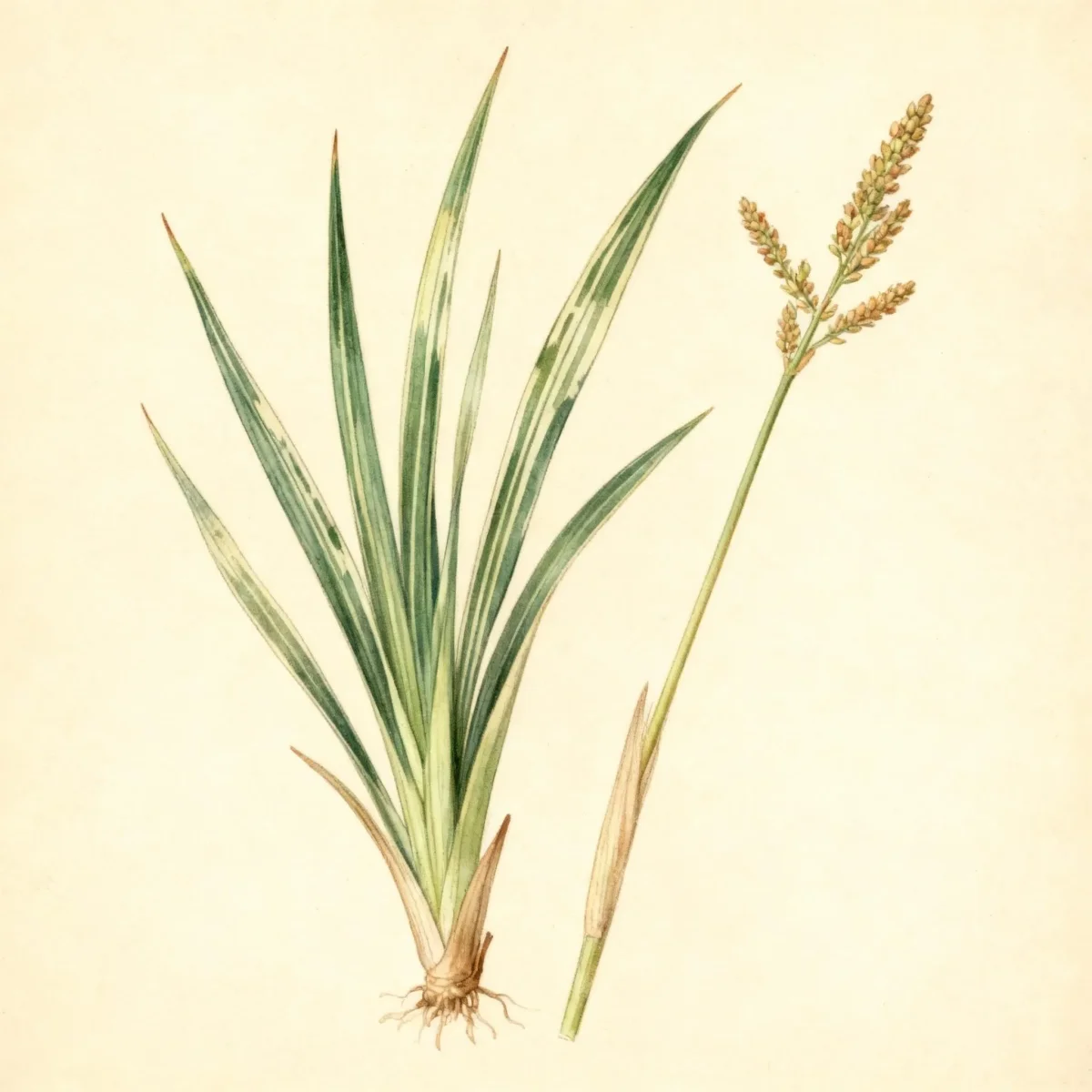
Mazus (Mazus reptans)
Mazus reptans creates a dense, attractive carpet of bright green foliage, perfect for use as a low-maintenance ground cover in moist areas.
Scroll down to discover growing tips, care requirements, companion plants, and more
Complete Plant Information
Overview
Mazus reptans, commonly known as Mazus, is a highly valuable, low-growing herbaceous perennial recognized for its exceptional performance as a ground cover. Reaching merely 2 inches tall, it blankets areas with a dense, bright green carpet of foliage that persists well into the fall, offering consistent seasonal interest. Its vigorous creeping stems root readily, quickly establishing a lush mat ideal for challenging spots in the landscape.
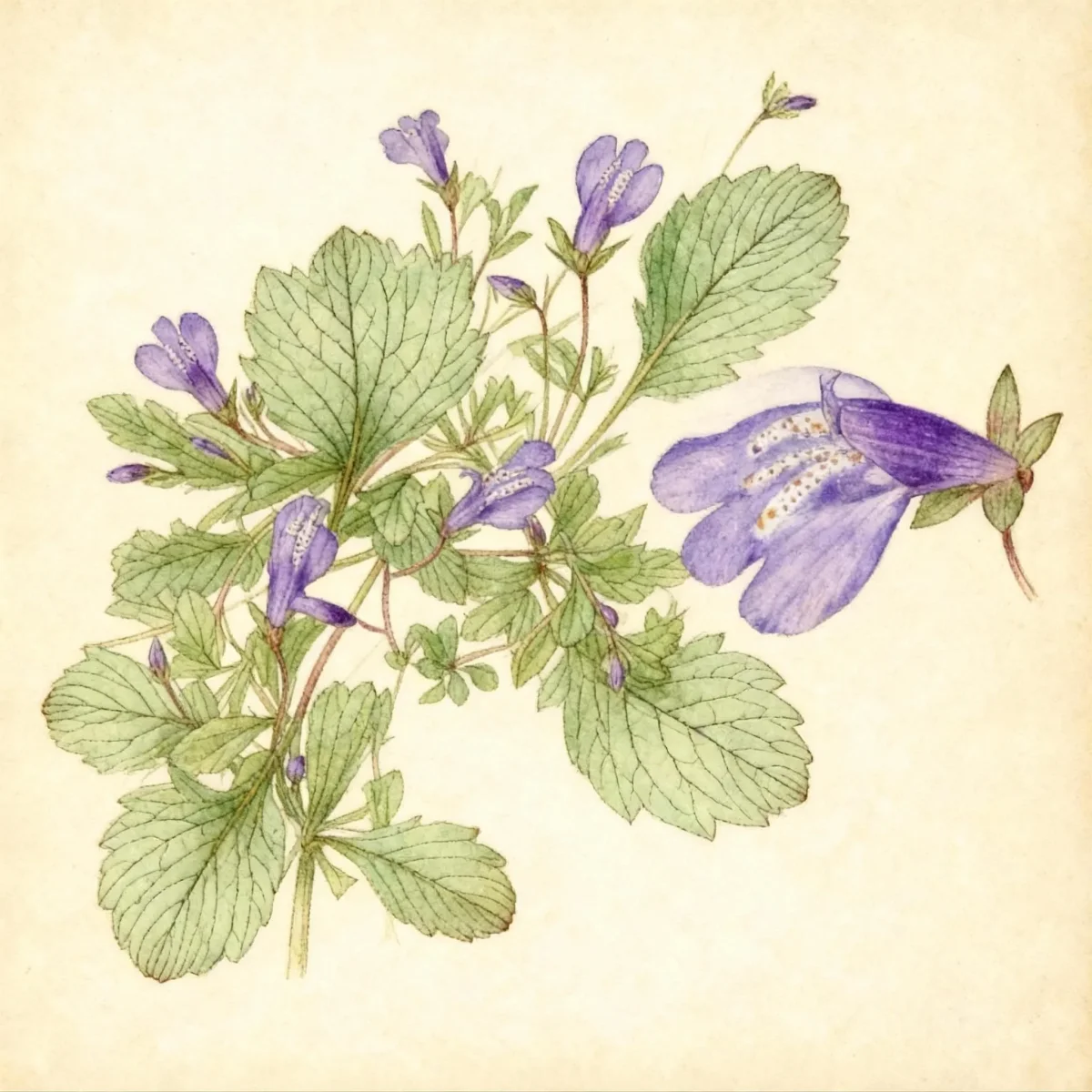
This resilient plant brings seasonal bursts of color with small, distinctive lavender to purplish-blue flowers featuring striking white and yellow markings. Its low maintenance needs and ability to tolerate light foot traffic make Mazus reptans practical for busy gardens or between stepping stones. Gardeners appreciate its versatility, especially in situations where moisture levels are consistently higher than average.
From its Himalayan origins, Mazus reptans offers reliable performance across USDA Zones 5 through 8. It thrives in average, well-drained soil, provided it remains consistently moist. For broad coverage, planting six of these small spreaders per square yard will effectively fill in the desired area quickly.
Fast Facts
- Plant Family: Mazaceae
- Plant Type: Herbaceous perennial
- Native Range: Himalayas
- Hardiness Zones: USDA Zones 5-8
- Size at Maturity:
- Height: 0.25 ft
- Spread: 0.5-1 ft
- Bloom Time: June to July
- Bloom Description: Lavender, purplish-blue with white and yellow markings
- Sun Exposure: Full sun to part shade
- Water Needs: Medium to wet
- Maintenance Level: Low
How to Grow
Planting Mazus is best accomplished in Spring or early Fall, ensuring it has ample time to establish its runner system before extreme weather hits. Choose locations receiving full sun to light afternoon shade, prioritizing spots where soil moisture remains medium to wet. Mazus thrives in rich soil, but it is adaptable; however, excellent drainage is still required to prevent root issues, even if the soil stays moist.
Maintenance for this robust ground cover is delightfully simple. Water regularly to maintain consistent moisture, especially during establishment or dry spells, as it prefers moist conditions. Fertilizing is rarely necessary if the soil is reasonably rich. In fact, the main cultural consideration is simply respecting its spreading habit and ensuring it does not encroach on less vigorous neighbors.
This resilient perennial generally requires little specialized care. It tolerates infrequent mowing, making it useful in informal lawn alternatives. In colder zones, the foliage remains green well into the late season. Pruning is not necessary, allowing the plant to naturally form its attractive, dense mat throughout the growing season. Six plants per square yard provide the necessary density for area coverage.
Landscape Uses
Mazus reptans excels wherever a dense, low-growing mat is desired. Its primary function is as an effective ground cover, readily filling small areas beneath trees or around foundation plantings where competition from turf might be difficult. It is an excellent choice for naturalizing slopes or open areas where its creeping stems can successfully anchor the soil.
A particularly charming application is using Mazus between stepping stones or pavers. Its ability to withstand light foot traffic allows it to soften hardscaping beautifully, creating an aesthetically pleasing, living pathway. Furthermore, because Mazus reptile requires medium to wet soil conditions, it is perfectly suited for rain gardens or the edges of water features, providing seasonal blooms and year-round green texture.
When selecting companions, pair this perennial with other moisture-loving, shade-tolerant plants that share its low stature or provide vertical contrast. Consider Hakonechloa (Japanese Forest Grass) for texture or low-growing Hostas for foliage variation beneath a dappled canopy.
Standout Features
Flower Qualities
- Showy
Noteworthy Characteristics
Mazus reptans is a low-growing ground cover which typically grows only to 2” tall. It spreads by creeping stems which root at the nodes as they go. Features narrow, bright green leaves (to 1” long) that form a dense, attractive carpet of foliage which remains green throughout the growing season and well into the fall. Tiny, purplish-blue, tubular, 2-lipped flowers with yellow and white markings appear in small clusters in late spring to early summer.
Tolerances
- Wet Soil
Potential Problems
Mazus reptans is highly valued by gardeners because it rarely succumbs to serious pest or disease issues in appropriate conditions. Its robust nature means that routine spraying or preventative treatments are generally unnecessary, contributing significantly to its low maintenance rating.
The most common “problem” is managing its vigorous spread. If left unchecked, the creeping stems will quickly colonize adjacent garden beds. Containment via edging or simply restricting planting areas during installation helps ensure this charming Mazus stays where you want it.
Frequently Asked Questions
What hardiness zones is Mazus reptans suitable for?
Mazus reptans thrives in USDA Hardiness Zones 5 through 8.
How large does Mazus grow?
This plant maintains a very consistent, low profile, generally reaching only 0.25 feet (about 3 inches) in height, while spreading between 0.5 and 1 foot wide.
What sun exposure does Mazus need?
Mazus requires full sun to part shade conditions to perform best, though it appreciates some relief from the most intense afternoon sun.
When does Mazus bloom?
Flowering typically occurs from June into July, producing masses of lavender, purplish-blue flowers marked with white and yellow.
Conclusion
Mazus reptans offers exceptional value as a tough, spreading perennial that combines year-round attractive foliage with appealing early-summer flowers. Its minimal care requirements and ability to thrive in moist settings make it indispensable for difficult garden spots. Check your zone compatibility and plan to plant this spring to enjoy the dense, creeping carpet that defines Mazus coverage.
Companion Planting
When selecting neighbors for Mazus reptans, focus on plants that create appealing textural or color contrast while sharing its need for consistent moisture. Consider pairing it with ferns like Athyrium niponicum (Japanese Painted Fern) which offer contrasting silvery foliage texture in shaded, damp areas.
Plants with upright habits will visually break up the low, flat plane created by the creeping stems of Mazus. Hostas, particularly smaller varieties with blue or chartreuse leaves, work well nearby, provided the soil does not dry out completely during summer. Remember that Mazus spreads readily, so place taller companions far enough away to avoid being overwhelmed.
Propagation Tips
The simplest method for propagating Mazus is through division or simple stem cutting. Since Mazus reptans spreads aggressively by rooting at the nodes along its creeping stems, harvesting new plants is incredibly easy. Wait until mid-season when the plant is actively growing.
For division, simply take a trowel and lift sections of the rooted mat. These new segments can usually be replanted immediately into prepared soil elsewhere in the garden, often establishing without any transplant shock. This speed ensures you can quickly fill large areas with new Mazus plants.