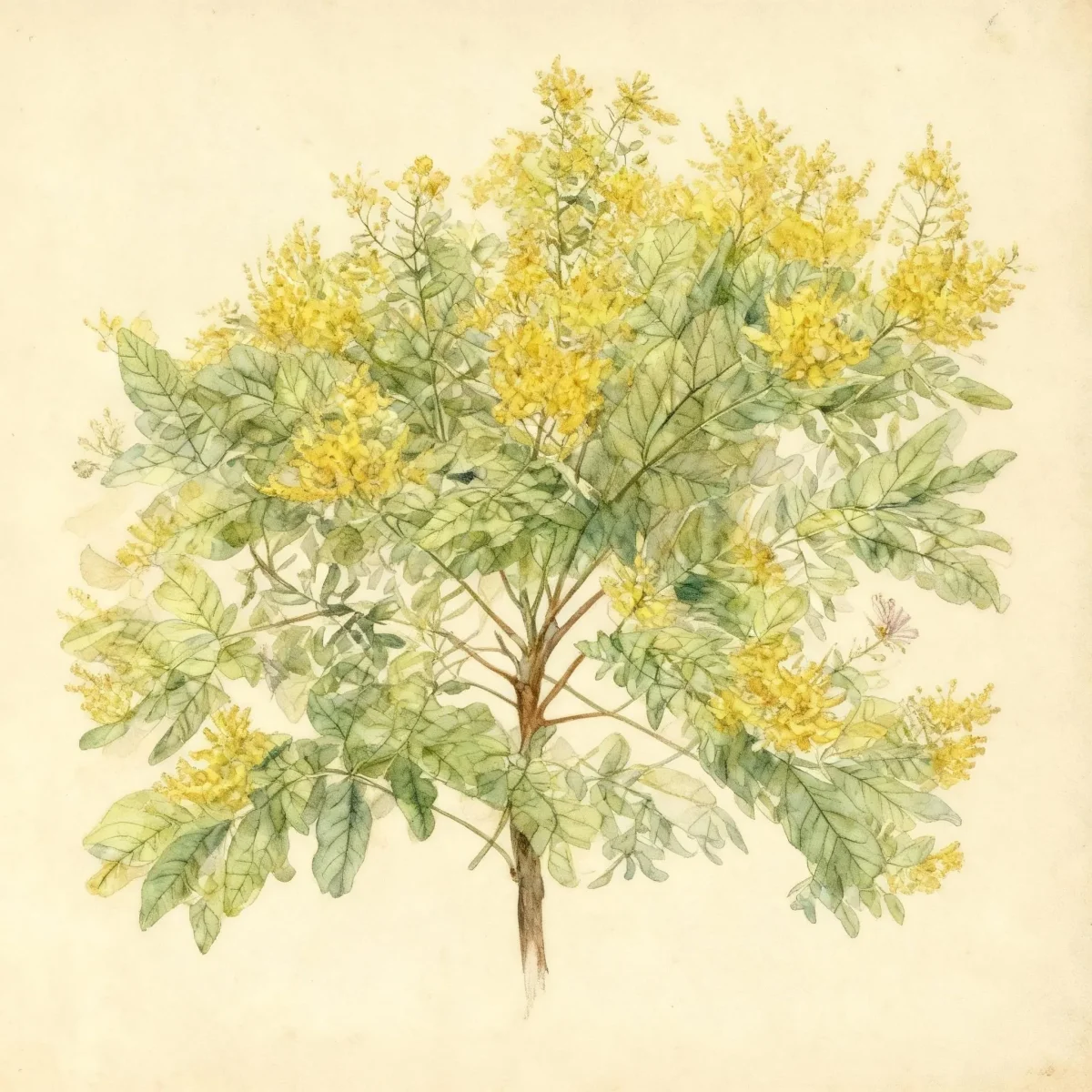
Princess tree (Paulownia tomentosa)
The fast-growing Princess tree (Paulownia tomentosa) offers showy, fragrant lavender blooms and large foliage, valuable as a shade tree.
Scroll down to discover growing tips, care requirements, companion plants, and more
Complete Plant Information
Overview
The Princess tree, scientifically known as Paulownia tomentosa, is a fast-growing, deciduous tree highly prized for its dramatic springtime display. Gardeners value this species for the profusion of fragrant, foxglove-like flowers that emerge before the large, heart-shaped foliage covers the branches. It offers rapid height gain, making it an excellent specimen tree for quickly establishing structure in a landscape.
Native to China, the Royal paulownia, or Empress tree, adapts well to various conditions once established. Although it is valued for its flowers, its growth habit allows for management as a foliage plant through hard pruning, yielding enormous leaves ideal for tropical garden aesthetics. Proper siting, slightly protected from harsh winds, will ensure the best spring bloom the Paulownia tomentosa can offer.
This tree provides significant ecological interest, blending aesthetic appeal with functional utility, especially in reclamation efforts or as a large shade provider. Understanding its native range in Central and Western China helps gardeners place it optimally within USDA Zones 5 through 8 for long-term success.
Fast Facts
- Plant Family: Paulowniaceae
- Plant Type: Tree
- Native Range: Central and western China
- Hardiness Zones: USDA Zones 5-8
- Size at Maturity:
- Height: 30-40 ft
- Spread: 30-40 ft
- Bloom Time: April
- Bloom Description: Pinkish-lavender
- Sun Exposure: Full sun
- Water Needs: Dry to medium
- Maintenance Level: Medium
How to Grow
For optimal success with your Paulownia tomentosa, plant during the dormant season—early spring or late fall—in a location receiving full sun exposure. This species thrives in average, medium, well-drained soils. While it is adaptable, it performs best in sandy, humusy loams, demonstrating tolerance for poor and dry soils, though heavy clay soils are often discouraged.
Ongoing care requires attention to water, particularly when young, maintaining moisture from dry to medium levels. Mature Princess trees are quite drought-tolerant but benefit from consistent watering during extended dry spells. Fertilization is generally unnecessary unless planted in severely depleted soils.
A key cultural consideration is managing the flower buds, which form in the summer for the following spring bloom. These buds are vulnerable to damage if temperatures dip below 0 degrees F, so siting in areas protected from strong winds is advisable. Gardeners aiming for large, dramatic foliage rather than flowers can administer hard dormant season prunings, potentially pollarding the tree annually.
Landscape Uses
The Princess tree is highly recommended as a magnificent specimen flowering tree for lawns and large gardens where its eventual size can be accommodated. Its upright to spreading habit creates a generous, rounded crown, delivering substantial shade during summer months. Furthermore, Paulownia tomentosa has proven beneficial in challenging environments, effectively used in poor soils within surface stripmine reclamation areas due to its adaptability.
This tree is best used as a focal point, positioned where its spectacular spring flowers and large green leaves can be appreciated without crowding adjacent structures or smaller specimens. Its rapid growth means it quickly assumes an important role in medium-to-large landscape designs needing immediate size. Consider pairing Paulownia tomentosa with understory plantings that appreciate light shade or those that contrast well with its large leaf texture, such as fine-textured evergreens.
Standout Features
Flower Qualities
- Showy
- Fragrant
Fruit Qualities
- Showy
Noteworthy Characteristics
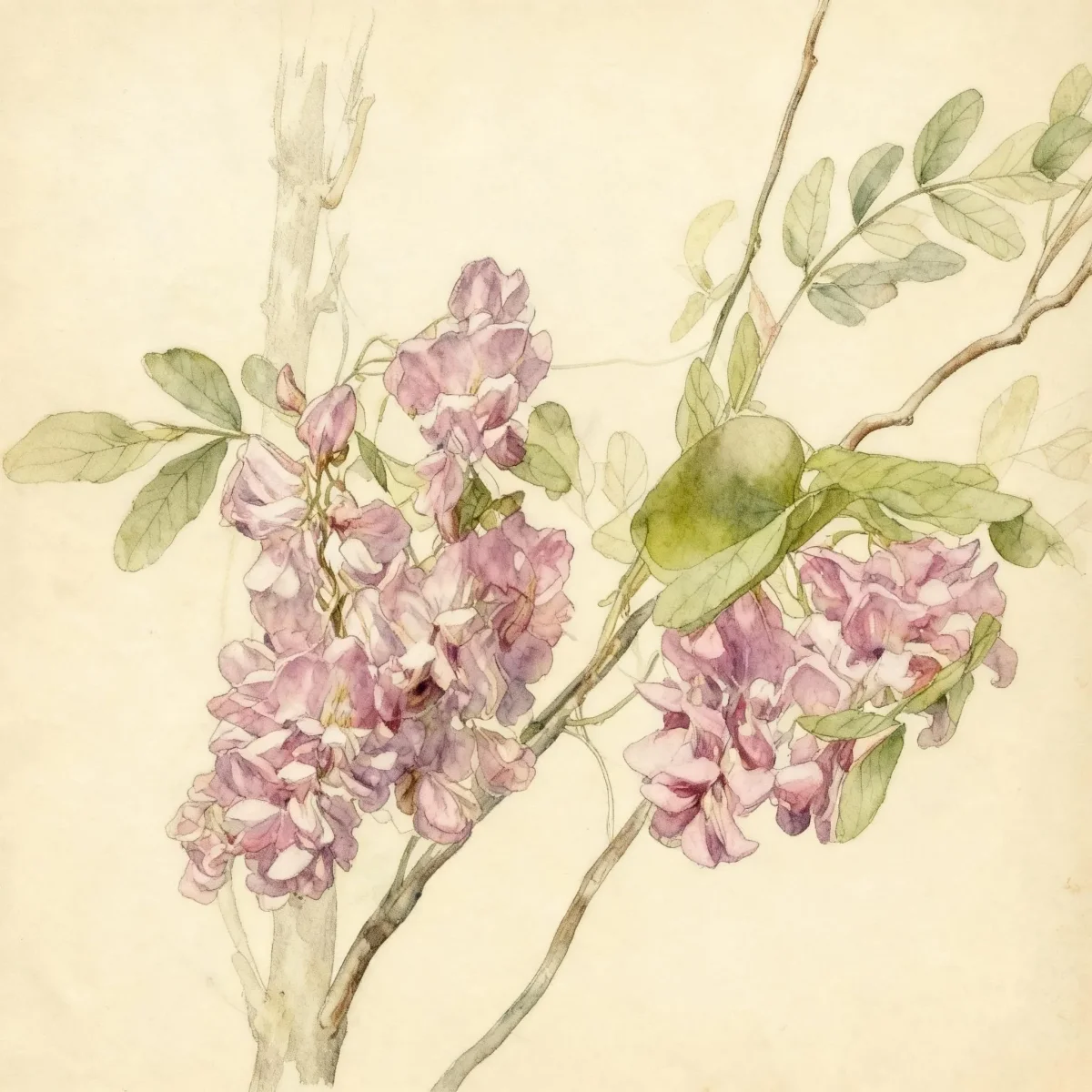
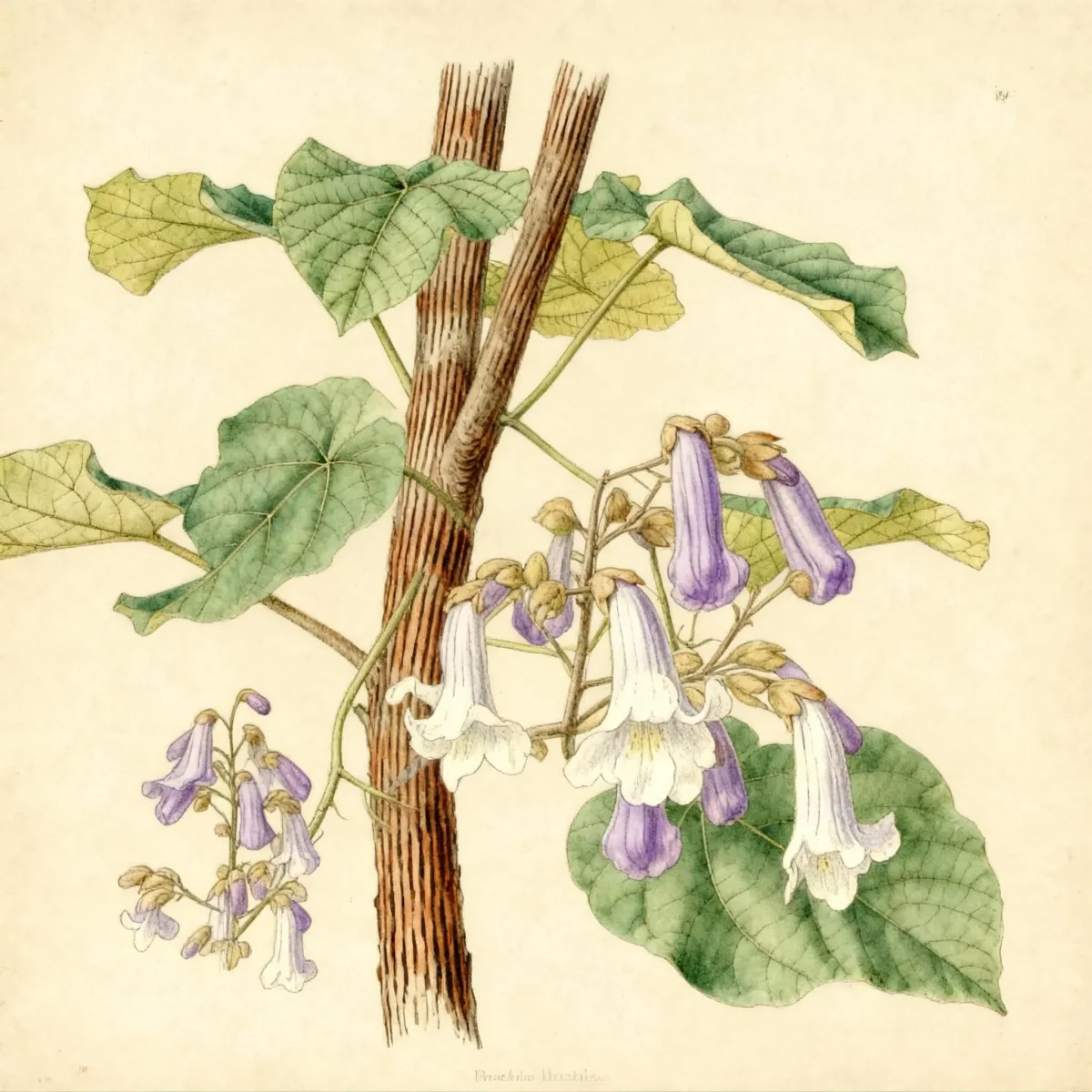
Paulownia tomentosa, commonly called royal paulownia, empress tree or princess tree, is native to China and is characterized by its fast growth rate and deciduous nature. It is primarily grown for its profuse spring bloom of fragrant, funnel-shaped, pinkish-lavender flowers that appear before the large, ovate green leaves emerge. Following the bloom, woody seed capsules ripen, releasing abundant winged seeds, though the tree produces no significant fall color.
Tolerances
- Drought
- Air Pollution
Potential Problems
This species boasts relatively few serious insect or disease problems, which contributes to its ease of maintenance. The primary concern involves the overwintering flower buds, which, while ornamentally attractive even when dormant, are susceptible to damage in harsh winters, especially when temperatures fall below 0 degrees F. If significant bud damage occurs, the spring floral display will be minimal or entirely absent.
For gardeners seeking consistent spring blooms, siting the Paulownia tomentosa in a somewhat protected location shields the developing buds from the most extreme winter cold. Otherwise, monitoring for any signs of horticultural distress is usually minimal, allowing this tree to perform reliably once established in suitable well-drained soil.
Frequently Asked Questions
What hardiness zones is Princess tree suitable for?
The Princess tree (Paulownia tomentosa) is typically suitable for USDA Zones 5 through 8.
How large does Paulownia tomentosa grow?
This tree commonly reaches a height between 30 and 40 feet, with a spread matching its height, usually spanning 30 to 40 feet at maturity.
When does Princess tree bloom?
Flowering occurs in April, featuring showy, fragrant pinkish-lavender blooms that appear before the foliage emerges.
What sun exposure does Paulownia tomentosa need?
For robust health and the best flowering potential, Paulownia tomentosa requires full sun exposure.
Conclusion
The Princess tree (Paulownia tomentosa) stands out as a spectacular, fast-growing addition, renowned for its fragrant April flowers and commanding presence as a shade provider. Whether utilized for its bloom or managed as a foliage specimen through pruning, this tree brings drama to the landscape. Before planting, confirm your local growing conditions align with USDA Zones 5-8 and ensure a site with good drainage to maximize the beauty of this Empress tree.
Companion Planting
When incorporating Paulownia tomentosa into your design, select companions that can handle its rapid growth and seasonal leaf drop. Plants that enjoy similar dry to medium moisture conditions are ideal. Consider anchoring the large structure of the Princess tree with groupings of shrubs that offer contrasting, finer textures, such as certain varieties of Japanese maples (if protected from the most intense afternoon sun) or low-maintenance ornamental grasses.
Since the Paulownia tomentosa develops vast leaves, avoid placing delicate, shade-intolerant perennials directly beneath it once the canopy develops. Instead, use the area near the drip line for robust groundcovers, keeping in mind that the deep shade cast in mid-summer can limit groundcover choices to the more shade-tolerant species.
Design Ideas for Specimen Planting
Using the Princess tree as a specimen planting is highly effective, especially in large yards or open park settings where its full, rounded crown can develop unimpeded. Due to its rapid maturity and large features, it serves perfectly as a transitional screen or an anchor point that quickly defines a space. In areas where the spring flower damage is a risk, embracing its foliage potential becomes the design strategy.
For a bolder, more contemporary look, utilize the pollarding technique mentioned in its care section. Annually pruning the branches back hard encourages exceptionally large, tropical-looking leaves, transforming the tree into a massive, temporary foliage feature. This method allows gardeners in slightly colder zones, or those with limited space, to enjoy the exotic appeal of this Chinese native without relying on the spring bloom.