Kenilworth ivy (Cymbalaria muralis)
Discover Kenilworth ivy (Cymbalaria muralis), a fast-growing, low-mounding perennial perfect for walls and rock gardens, blooming May-Sept.
Scroll down to discover growing tips, care requirements, companion plants, and more
Complete Plant Information
Overview
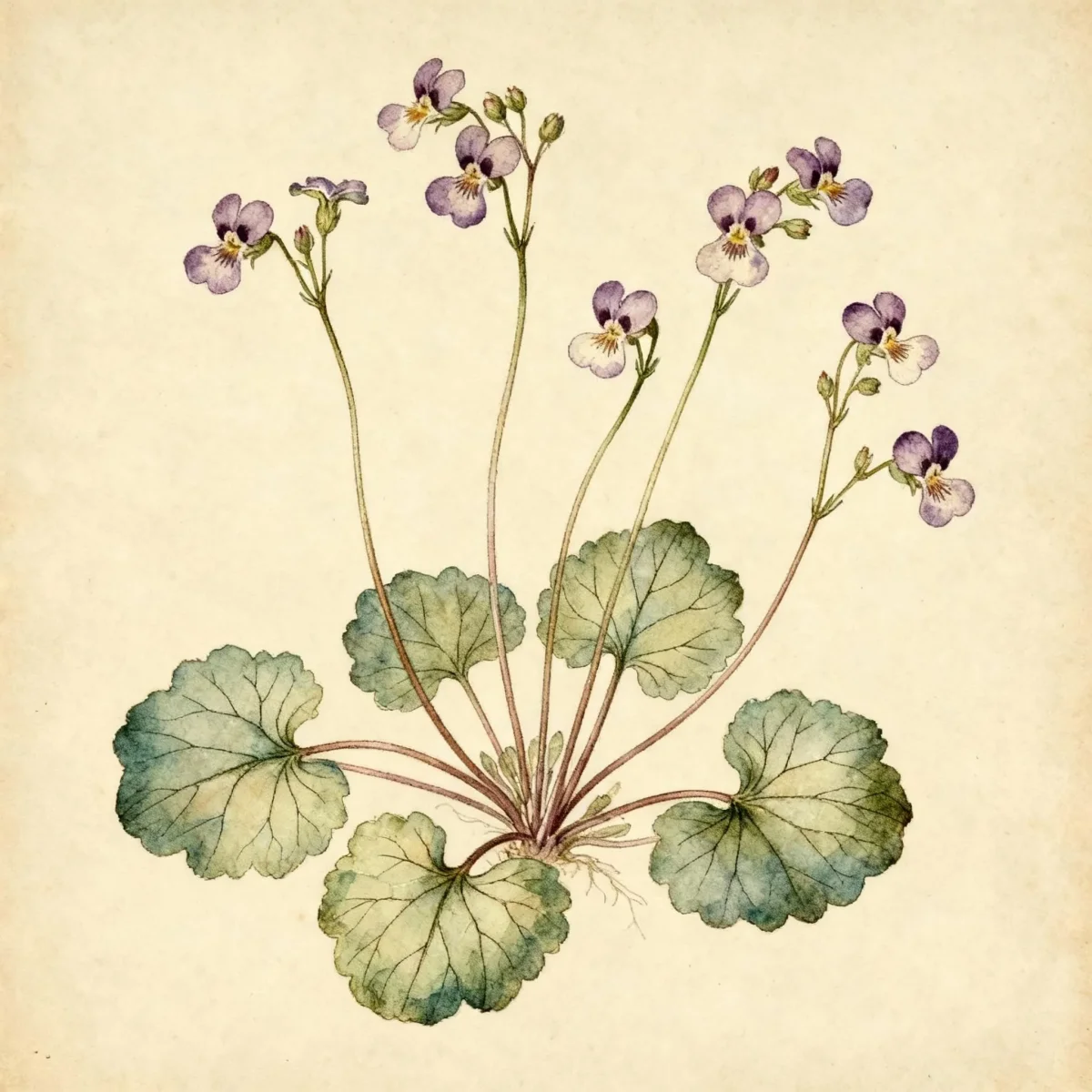
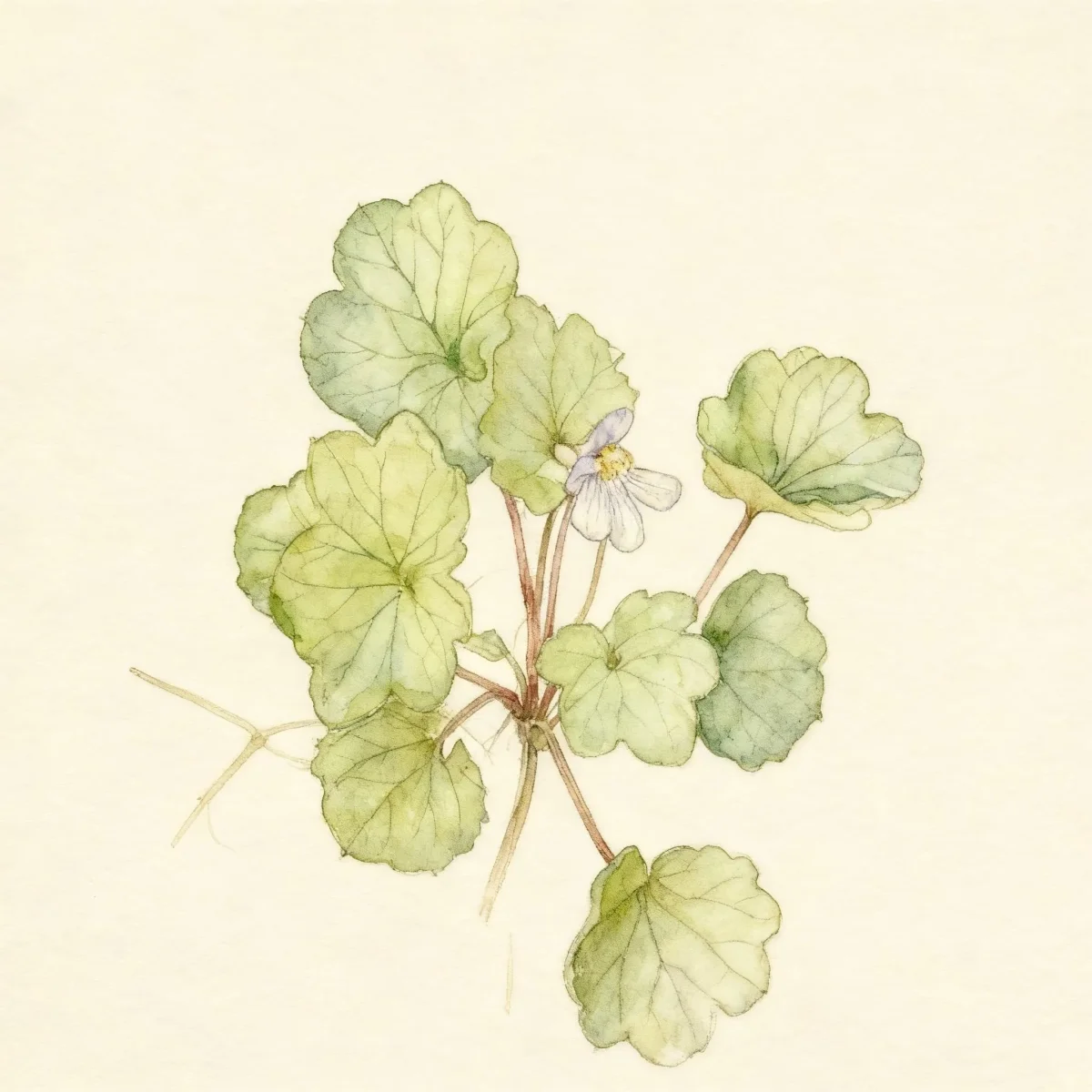
Kenilworth ivy (Cymbalaria muralis) is a charming, extremely low-growing herbaceous perennial, valued by gardeners for its dense mat-forming habit and ability to soften hardscape features. This plant, commonly known as Kenilworth ivy, produces small, bright green, rounded leaves nestled among trailing stems that root readily at the nodes. It brings delicate color to shaded spots where many ground covers struggle.
Native to Northern Italy, Cymbalaria muralis has naturalized widely, often seen thriving in the cracks of old walls—a testament to its resilience in challenging spots. Gardens appreciate its low stature, usually topping out under six inches, making it suitable for applications where a creeping presence is desired without competing with taller neighbors.
The primary aesthetic draw comes from its prolific bloom period extending from May through September, featuring cute, snapdragon-like flowers in blue violet hues with contrasting yellow throats. Despite its rapid growth rate, this plant is generally considered easy to control and is rarely invasive, offering a low-maintenance solution for covering slopes or filling in foundational spaces.
Fast Facts
- Plant Family: Plantaginaceae
- Plant Type: Herbaceous perennial
- Native Range: Northern Italy
- Hardiness Zones: USDA Zones 5-8
- Size at Maturity:
- Height: 0.25-0.5 ft
- Spread: 1-1.5 ft
- Bloom Time: May to September
- Bloom Description: Blue violet with yellow throat
- Sun Exposure: Part shade to full shade
- Water Needs: Medium
- Maintenance Level: Low
How to Grow
For best establishment, plant Cymbalaria muralis in spring or early fall into well-drained soils. It thrives best in average moisture conditions, preferring the dappled light provided by part shade to full shade environments. Kenilworth ivy excels in climates reminiscent of its Mediterranean origins—those with cool summers and moderate winters.
Water needs are medium; ensure the soil remains consistently moist, especially as the plants establish their root systems. Due to their rapid growth, they spread quickly and may self-seed when conditions are optimal, though they remain easy to manage. Generally, Kenilworth ivy tolerates light shade and doesn’t require supplemental fertilization.
Be aware that high heat and humidity can cause significant decline, and the foliage may semi-evergreen or brown in harsh winters, particularly in the cooler edge of its range. As this plant is intolerant of foot traffic, avoid placing it in pathways. If growth becomes too aggressive, simply trim back or divide spreading clumps to maintain desired boundaries.
Landscape Uses
The primary role of Kenilworth ivy (Cymbalaria muralis) is as a superb, fast-acting ground cover for small or difficult areas. Its trailing nature makes it ideal for softening the edges of beds, cascading over retaining walls, or weaving between flagstones. It is particularly effective in enriching the aesthetics of rock gardens, spilling artfully over mossy boulders.
For a stunning architectural effect, allow Cymbalaria muralis to fill the fissures and cracks of old stone walls where it mirrors its natural habitat. Because of its delicate appearance, consider pairing it with plants that offer strong textural contrast, such as sturdy sedums or clump-forming ferns that appreciate similar shaded, well-drained conditions.
Beyond ground applications, this versatile plant performs admirably in hanging baskets and containers. When trailing over the rim, the tiny flowers create a beautiful, flowing tapestry of blue-violet color throughout the summer season.
Standout Features
Flower Qualities
- Showy
Noteworthy Characteristics
Cymbalaria muralis, commonly called Kenilworth ivy, is an extremely low-growing ground cover which forms a dense mat of tiny, shallow-lobed, rounded to kidney-shaped, medium green leaves (to 1” across) which typically grow 1-2” tall on trailing stems that root at the nodes. Its snapdragon-like, blue violet flowers with yellow throats bloom reliably from May through September, adding unexpected charm to shaded areas. The specific epithet muralis refers to its celebrated ability to grow in the fissures and cracks of old walls.
Tolerances
- Intolerant of high heat and humidity
- Foliage intolerant of foot traffic
Potential Problems
Cymbalaria muralis generally exhibits few severe issues with pests or diseases, making it a relatively carefree option. However, gardeners should monitor for occasional visits from common garden nuisances such as snails, slugs, and mites, especially during damp periods. For those starting Cymbalaria muralis from seed, damping off can be a concern requiring careful moisture management near germination. Winter hardiness can vary; while typically hardy in Zones 5-8, harsh, sustained cold snaps, similar to those experienced in the St. Louis region, might cause the foliage to decline or become semi-evergreen.
Frequently Asked Questions
What hardiness zones is Kenilworth ivy suitable for?
Cymbalaria muralis is hardy across a wide range, thriving in USDA Zones 5 through 8.
How large does Kenilworth ivy grow?
This plant remains very low-growing, typically reaching a mature height between 0.25 to 0.5 feet tall, with a spread of 1 to 1.5 feet.
When does Kenilworth ivy bloom?
Kenilworth ivy produces its blue violet flowers with yellow throats consistently from May through September.
What sun exposure does Cymbalaria muralis need?
This adaptable plant prefers part shade to full shade conditions for optimal performance.
Conclusion
Cymbalaria muralis, or Kenilworth ivy, offers unparalleled charm as a diminutive, fast-spreading ground cover ideal for softening vertical surfaces or covering shaded slopes. Its low maintenance profile and extended summer bloom make it a worthwhile addition to the shade garden. Ensure you check that your local climate falls within USDA Zones 5-8 before incorporating this unique European native into your landscape design.
Propagation Tips
Since Cymbalaria muralis is such a prolific spreader, the easiest method of propagation is simple division during the spring or fall, separating rooted stem sections. Alternatively, the plant readily self-seeds when conditions are right, allowing gardeners to collect viable seeds after the flowers fade for next season’s planting. Due to its trailing nature, rooting stem cuttings directly into moist soil—even just by laying healthy stems on the ground—is a highly successful technique.
Companion Planting
The cultural requirements of Cymbalaria muralis lend it well to association with other shade-loving, moisture-tolerant plants. For textural contrast, consider pairing it with low-growing ferns or Hostas that offer broader leaves. It looks stunning cascading alongside creeping Thyme or low Sedums if planted near a sunny edge, though ensuring it receives consistent medium moisture is key, which may separate it texturally from true rock garden xeriscape companions.