Rehmannia (Rehmannia elata)
Discover Rehmannia elata, the Chinese foxglove, valued for its striking rose-pink blooms and low maintenance in Zones 7-10.
Scroll down to discover growing tips, care requirements, companion plants, and more
Complete Plant Information
Overview
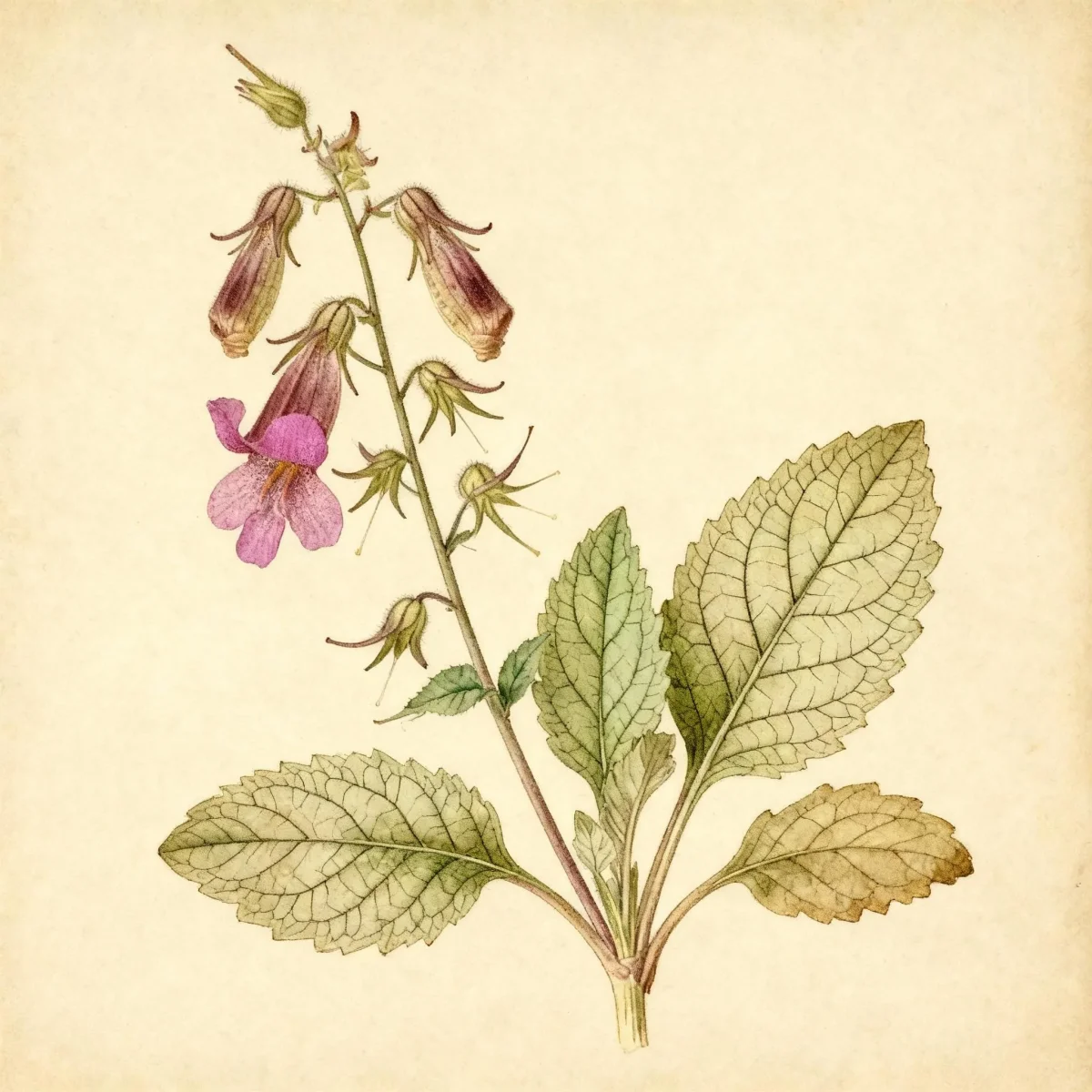
Rehmannia elata, often known by its common name Chinese foxglove, is a captivating herbaceous perennial prized for its attractive foliage and vibrant, long-lasting flowers. Native to China, this species brings an exotic flair to the border with its dangling, rose-pink, trumpet-shaped blooms featuring distinctive yellow throats. Gardeners appreciate Rehmannia for its relatively low maintenance requirements combined with its substantial visual impact throughout the summer months.
As an upright grower generally reaching between 2 and 4 feet high, Rehmannia spreads gently by rhizomes, creating appealing clumps in the landscape. While winter hardy across USDA Zones 7 to 10, its ability to produce flowers from seed in the first year offers flexibility for annual use further north. This plant thrives when given moderately moist, rich soil and a position balancing sunshine with afternoon relief from intense heat.
The unique architecture of its flowers, somewhat resembling Digitalis but botanically distinct, ensures that Rehmannia elata remains a focal point. Its broad, basal leaves form an attractive rosette, offering excellent ground cover benefits while the flowering stalks elevate the color display. Incorporating Rehmannia into your garden plan ensures continuous, low-effort color from late spring well into autumn.
Fast Facts
- Plant Family: Orobanchaceae
- Plant Type: Herbaceous perennial
- Native Range: China
- Hardiness Zones: USDA Zones 7-10
- Size at Maturity:
- Height: 2-4 ft
- Spread: 1.5-3 ft
- Bloom Time: May to September
- Bloom Description: Rose-pink with yellow spotted throats
- Sun Exposure: Full sun to part shade
- Water Needs: Medium
- Maintenance Level: Low
How to Grow
For optimal success with Rehmannia elata, plant in the spring after the danger of frost has passed, providing it with loose, organically rich, and well-drained soil. Though it tolerates sandy or chalky soils, richness helps support its vigorous growth. Position it to receive full sun, though in hot summer climates, morning sun followed by afternoon shade is highly beneficial to prevent wilting and scorch.
Watering needs for Rehmannia are medium. Plants established in full sun require consistent moisture, especially during their early years, but established Rehmannia exhibit good drought tolerance once rooted. Fertilization should focus on amending the soil with compost at planting time; heavy feeding is generally unnecessary due to the Low maintenance requirement. Deadheading spent flower stalks can occasionally encourage rebloom, though natural long bloom time is a strong characteristic.
Seasonal care centers on protecting root crowns where winters are colder. Plants grown in Zone 7 benefit significantly from a good winter mulch to insulate the rhizomes. North of Zone 7, gardeners should treat Rehmannia elata as an annual, or ensure it is planted in the most sheltered, protected microclimates to potentially overwinter. Growth will start quickly, and these plants happily bloom the same year seeds were sown.
Landscape Uses
Rehmannia elata is perfectly suited for borders where it can achieve its full 4-foot height without overshadowing smaller neighbors. Its long bloom period makes it an excellent choice for providing sustained color in dappled shade areas beneath deciduous trees or taller shrubs. The upright stalks offer vertical accent points amongst lower-growing perennials.
These striking individuals work beautifully when paired with plants that share similar cultural needs, such as hostas (for contrasting leaf texture in shadier spots), salvias, or other moisture-loving perennials that appreciate afternoon shade. Because the flowers are so visually interesting, avoid crowding Rehmannia, allowing space for the basal rosette foliage to develop fully and showcase the entire plant system.
Consider using Rehmannia in cottage garden designs where its slightly untamed, foxglove-like form blends well with mixed plantings. While it spreads via rhizomes, use thoughtful edging or plant it where gradual spreading is welcome, as it forms large decorative clumps over time.
Standout Features
Flower Qualities
- Showy
Noteworthy Characteristics
Rehmannia elata, commonly known as Chinese foxglove, is an herbaceous perennial that typically grows to 2-4’ (infrequently to 5’) tall and is native to China. Large-veined, ovate-oblong to elliptic, medium green leaves form an attractive basal rosette, from which tall flowering stalks bearing dangling, two-lipped, trumpet-shaped, rose-pink flowers emerge. Heaviest bloom occurs in June-July, and this display lasts longer in regions with mild winters; these flowers are botanically unrelated to common foxglove.
Tolerances
- Drought
Potential Problems
Rehmannia generally exhibits a clean record, being free from serious insect or disease issues under optimal conditions. The primary culprits to watch for are common garden slugs and snails, which may target the large, tender basal leaves, creating unsightly grazing damage. Simple management involves applying slug bait or pellets around the base of the plants early in the season or using copper tape barriers. Providing good air circulation through proper spacing also minimizes the risk of fungal issues, though they are infrequent.
Frequently Asked Questions
What hardiness zones is Rehmannia suitable for?
Rehmannia elata is reliably winter hardy in USDA Zones 7 through 10, thriving best where winters are not excessively severe.
How large does Rehmannia grow?
This herbaceous perennial typically matures to a height between 2 and 4 feet, with a spread ranging from 1.5 to 3 feet as it slowly forms clumps via rhizomes.
What sun exposure does Rehmannia elata need?
It prefers full sun but appreciates partial shade, especially in hotter climates, needing consistent moisture when placed in the sunniest spots.
When does Rehmannia bloom?
The bloom time for Rehmannia elata stretches from May to September, showcasing its signature rose-pink flowers with yellow spotted throats.
Conclusion
The Chinese foxglove, Rehmannia elata, offers exceptional value through its extended summer blooming period and relatively easy care, fitting perfectly into the low-maintenance garden category. Its unique, pendulous flowers provide structure and color where many perennials begin to fade. Ensure your site aligns with USDA Zones 7-10 and provides the medium, consistent moisture that helps this fantastic Rehmannia thrive.
Companion Planting
When selecting companions for Rehmannia elata, look toward plants that enjoy similar soil moisture levels but offer contrasting textures or bloom times after the Rehmannia bloom fades. Understory shrubs or taller ferns work well to provide the afternoon shade that can benefit plants in full sun locations, enhancing the dappled light effect. Consider pairing it with plants like Astilbe or Hosta varieties, as their coarser, broader leaves contrast nicely with the delicate structure of the Rehmannia foliage.
Propagation Tips
While Rehmannia elata spreads naturally underground via rhizomes, division is a straightforward method for increasing your stock in the early spring before new growth fully emerges. Gently lift the clump and separate the rhizomatous sections, ensuring each division has adequate roots and shoot material. Alternatively, as noted, this plant can easily be grown from seed, blooming in the first year, offering a simple route for mass planting or annual production in colder regions.