Tree of Heaven (Ailanthus altissima)
The aggressive Tree of Heaven (Ailanthus altissima) is fast-growing, drought tolerant, and thrives in poor soils, though it is highly invasive.
Scroll down to discover growing tips, care requirements, companion plants, and more
Complete Plant Information
Overview
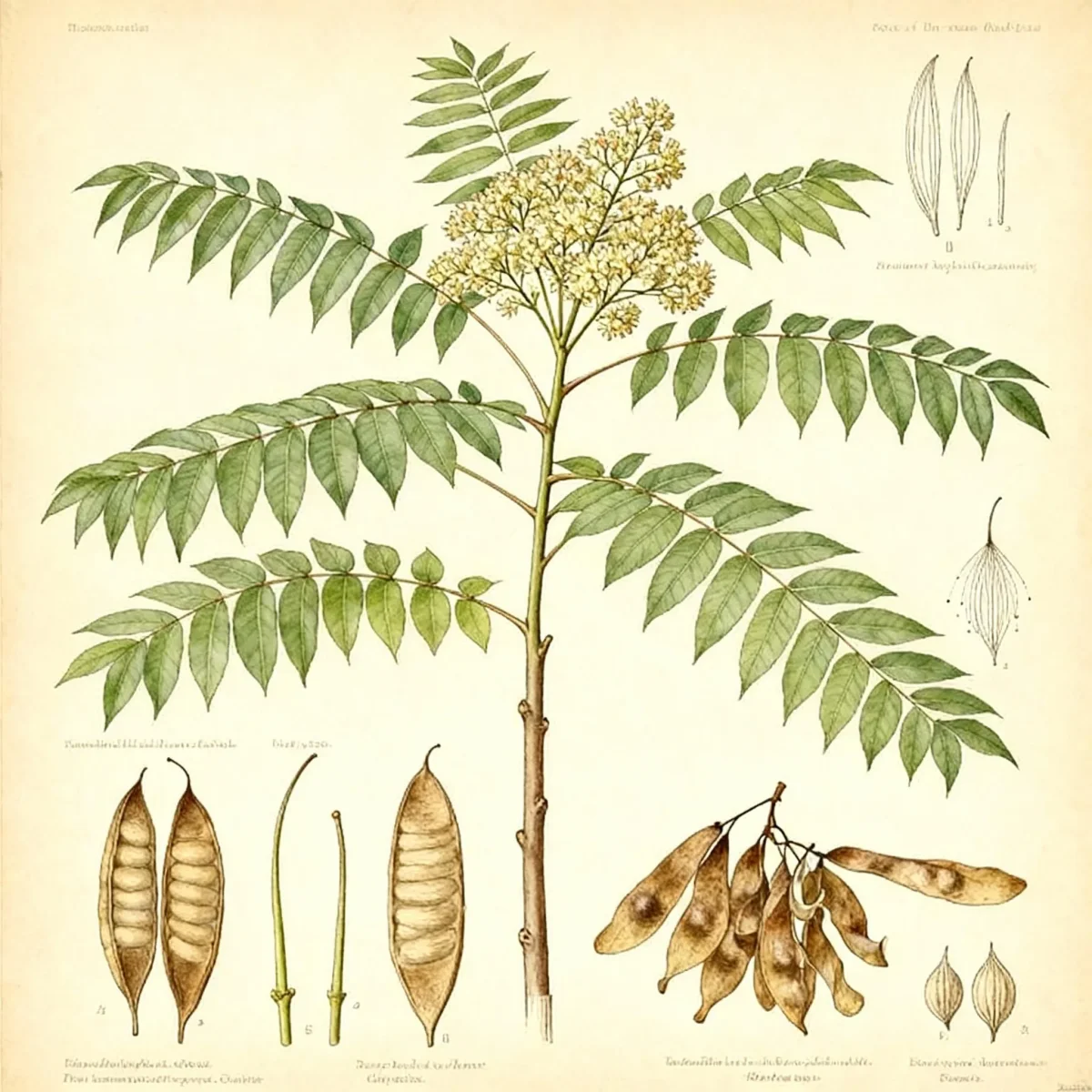
Ailanthus altissima, widely known as the Tree of Heaven, is famous for its extremely vigorous growth habit and tolerance of harsh urban environments. Native to Northern China, this species was introduced to North America in 1820 and has since naturalized aggressively across many regions. Its rapid establishment makes it distinct, though this characteristic often moves it from an ornamental consideration to an invasive management challenge for many gardeners.
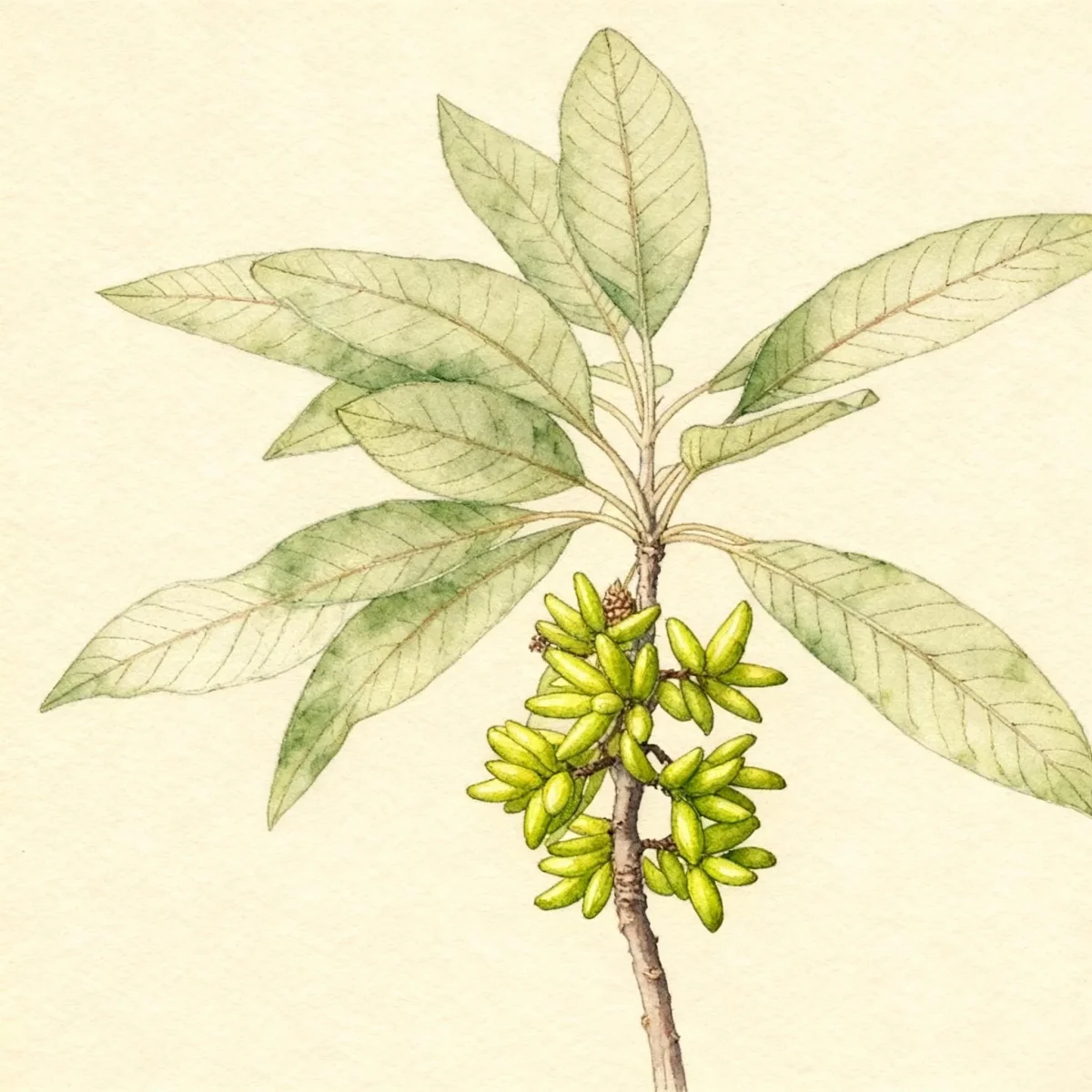
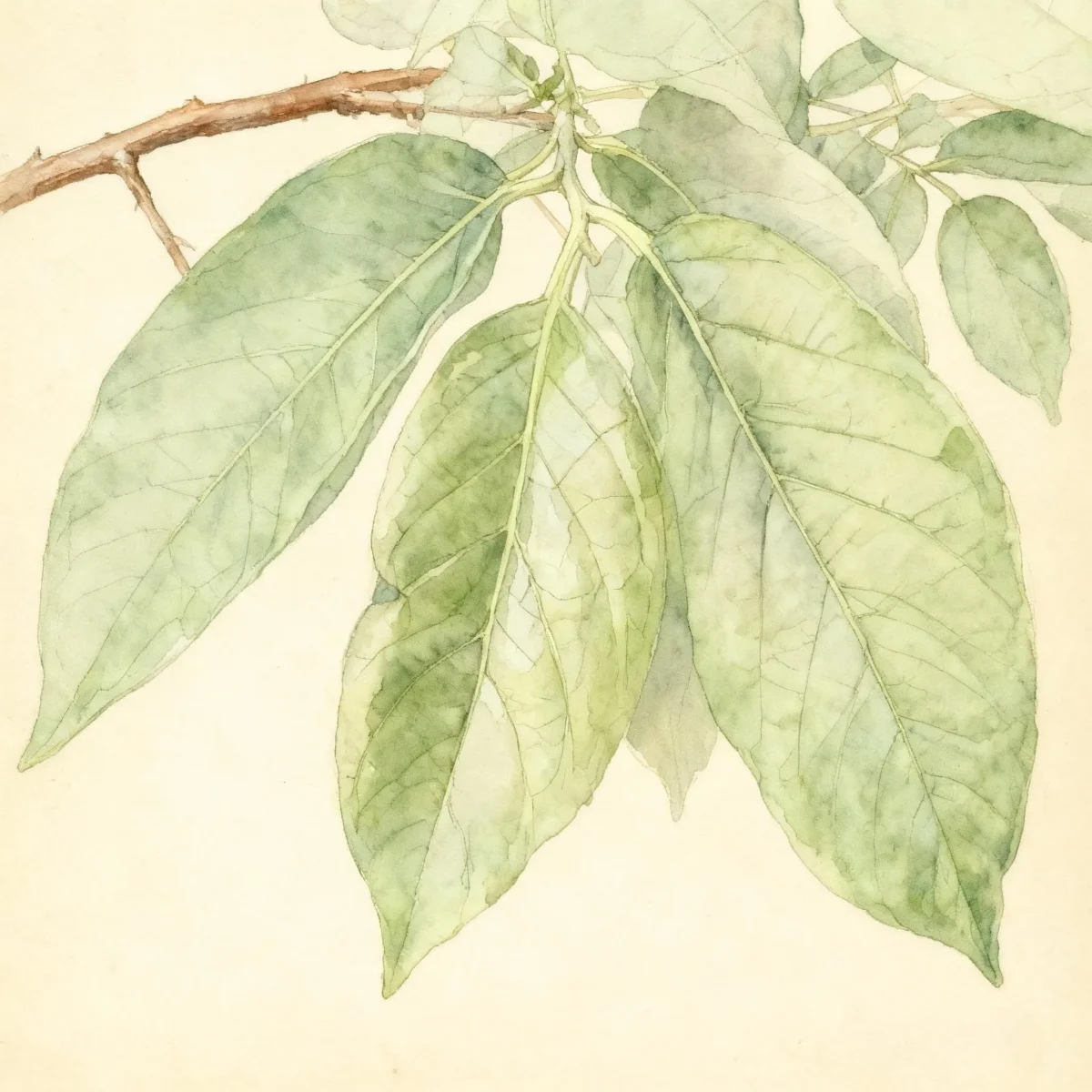
The Tree of Heaven is remarkably adaptable, capable of thriving where few other woody plants can survive, including growing through sidewalk cracks. While mature specimens can reach impressive heights, the wood quality is generally weak, leading to easy breakage in storms. The general presence of Ailanthus altissima is marked by its large, compound leaves and a distinct, unpleasant odor emitted by the flowers and other parts of the tree.
Despite its problematic nature in many landscapes, its defining characteristic remains its persistence and ability to colonize disturbed sites rapidly. For gardeners seeking extremely tough species for marginal areas, understanding the culture of Ailanthus altissima is crucial, especially regarding its aggressive spreading via root suckers.
Fast Facts
- Plant Family: Simaroubaceae
- Plant Type: Tree
- Native Range: Northern China
- Hardiness Zones: USDA Zones 4-8
- Size at Maturity:
- Height: 40-80 ft
- Spread: 30-60 ft
- Bloom Time: June
- Bloom Description: Greenish
- Sun Exposure: Full sun to part shade
- Water Needs: Dry to medium
- Maintenance Level: High
How to Grow
Planting should ideally occur in the spring, allowing the fast-growing Ailanthus altissima time to establish roots before summer stress, although given its vigor, it establishes quickly in average, dry to medium soils. It tolerates a wide variety of soils, including nutrient-poor urban sites, and prefers full sun but can manage partial shade. Due to its invasive nature, avoid planting near sensitive native ecosystems or close to structures due to potential root system interference.
Maintenance for the Tree of Heaven is surprisingly high primarily due to management needs rather than cultural requirements. Standard watering is only necessary when establishing; once mature, it handles dry conditions well. Fertilization is rarely needed given its propensity to scavenge nutrients rapidly. Pruning should be approached cautiously; remove damaged or weak branches, but bear in mind that fresh cuts can sometimes stimulate increased suckering from the base and root systems.
Seasonal care for Ailanthus altissima often centers on mitigation. In spring, inspect for new shoots arising from the root system, as aggressive root suckering is the primary mode of invasive spread. In the fall, female trees produce abundant seeds encased in twisted samaras, necessitating cleanup if seed dispersal into neighboring properties is a concern. This plant truly tests the gardener’s commitment to containment.
Landscape Uses
While the description strongly suggests that this is not a recommended landscape tree, if an intentional planting of Ailanthus altissima is absolutely necessary—perhaps in a very remote, difficult area—female trees are noted as generally preferable over male trees, largely to avoid the malodorous male blooms. The primary strength of this species, which influences its rare landscape suitability, is its remarkable ability to prosper rapidly in severely poor soils where few other larger trees will flourish.
When considering location, place the Tree of Heaven where its rapid growth rate and eventual large stature pose minimal risk to infrastructure or desirable plantings. It should never be used near septic systems, foundations, or water features due to its aggressive underground spread. If used in large open settings or industrial reclamation projects, ensure that surrounding native competitors are robust enough to handle the subsequent competition from its seedlings and suckers.
Standout Features
Flower Qualities
- Showy
- Fragrant
Noteworthy Characteristics
Ailanthus altissima, commonly called tree of heaven, is native to China and was introduced into New York City in 1820 as a street tree and food source for silkworm caterpillars. It has now naturalized throughout much of the United States, becoming a noxious weed in many areas. It is extremely fast-growing and will grow almost anywhere, often pushing up through pavement. While it can achieve a graceful form up to 80 feet, its wood is weak, and all parts of the tree carry an unpleasant odor, although the female flowers produce reddish-brown seeds in late summer.
Tolerances
- Drought
- Black Walnut
- Air Pollution
Potential Problems
The major issue associated with Ailanthus altissima is its invasive tendency; it is difficult to eradicate due to prolific, aggressive root suckering and abundant self-seeding. It is also characterized as weak wooded, meaning established branches can fail, especially in high winds. Furthermore, the Tree of Heaven is inherently short-lived compared to many other large shade trees, often collapsing quickly after reaching maturity, resulting in a perpetually messy situation. Immediate action against young suckers is the gardener’s best defense against uncontrolled spread.
Frequently Asked Questions
What hardiness zones is Tree of Heaven suitable for?
The Tree of Heaven is suitable for USDA Zones 4 through 8.
How large does Ailanthus altissima grow?
This tree commonly reaches heights between 40 to 80 feet, with a spread generally ranging from 30 to 60 feet.
What sun exposure does Tree of Heaven need?
Ailanthus altissima thrives in full sun but shows significant flexibility, tolerating conditions down to part shade.
When does Tree of Heaven bloom?
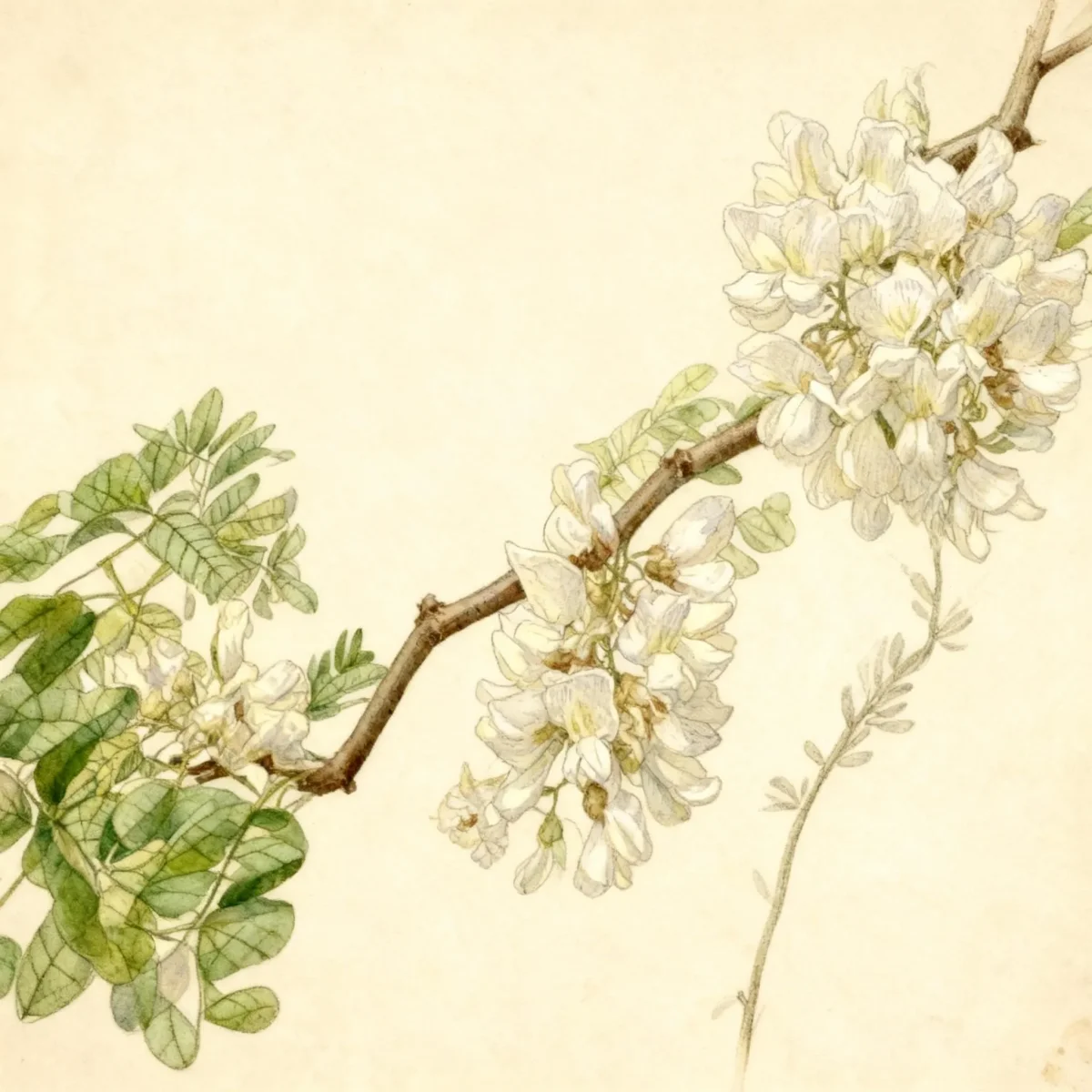
Flowering typically occurs in June, producing greenish flowers.
Conclusion
The resilience and rapid establishment capabilities of Ailanthus altissima are undeniable, making the Tree of Heaven a powerhouse in difficult environments, especially those afflicted by pollution or poor soils. However, these aggressive qualities mandate that most homeowners focus on management or eradication rather than ornamental use. Before attempting to cultivate this powerful tree—or discovering it taking hold uninvited—always confirm your local zoning regulations regarding invasive species.
Design Ideas
For the rare instance where planting the Tree of Heaven is deemed acceptable, its rapid growth can be utilized to create a quick, temporary screen or windbreak in large, isolated rural areas where containment is less critical. Its large, tropical-looking compound leaves offer a distinct textural element that contrasts sharply with smaller, denser native shrubs lining the perimeter of the planting area. Due to its short lifespan, plan for eventual replacement when establishing any temporary buffer using Ailanthus altissima.
Companion Planting
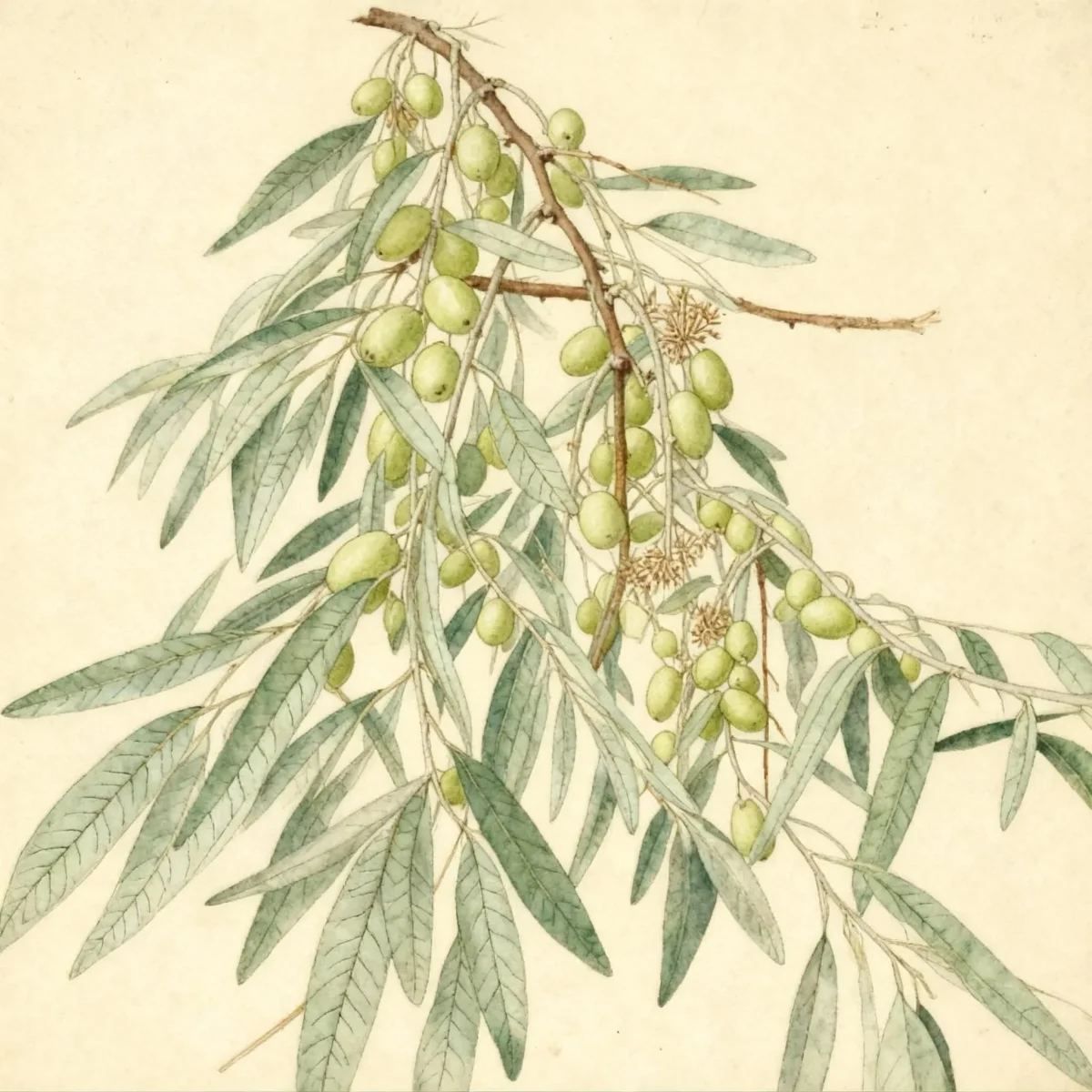
When managing the environment around a Tree of Heaven outbreak, select companion plants that can compete effectively in both dry soil and high-stress sunlight situations. Species noted for their own drought and pollution tolerance, such as Russian Olive or certain tough ornamental grasses, may hold their ground better against the encroaching suckers of Ailanthus altissima. Always prioritize native, slow-growing, deep-rooted species near the margins to establish natural barriers against its expansive root suckering habit.