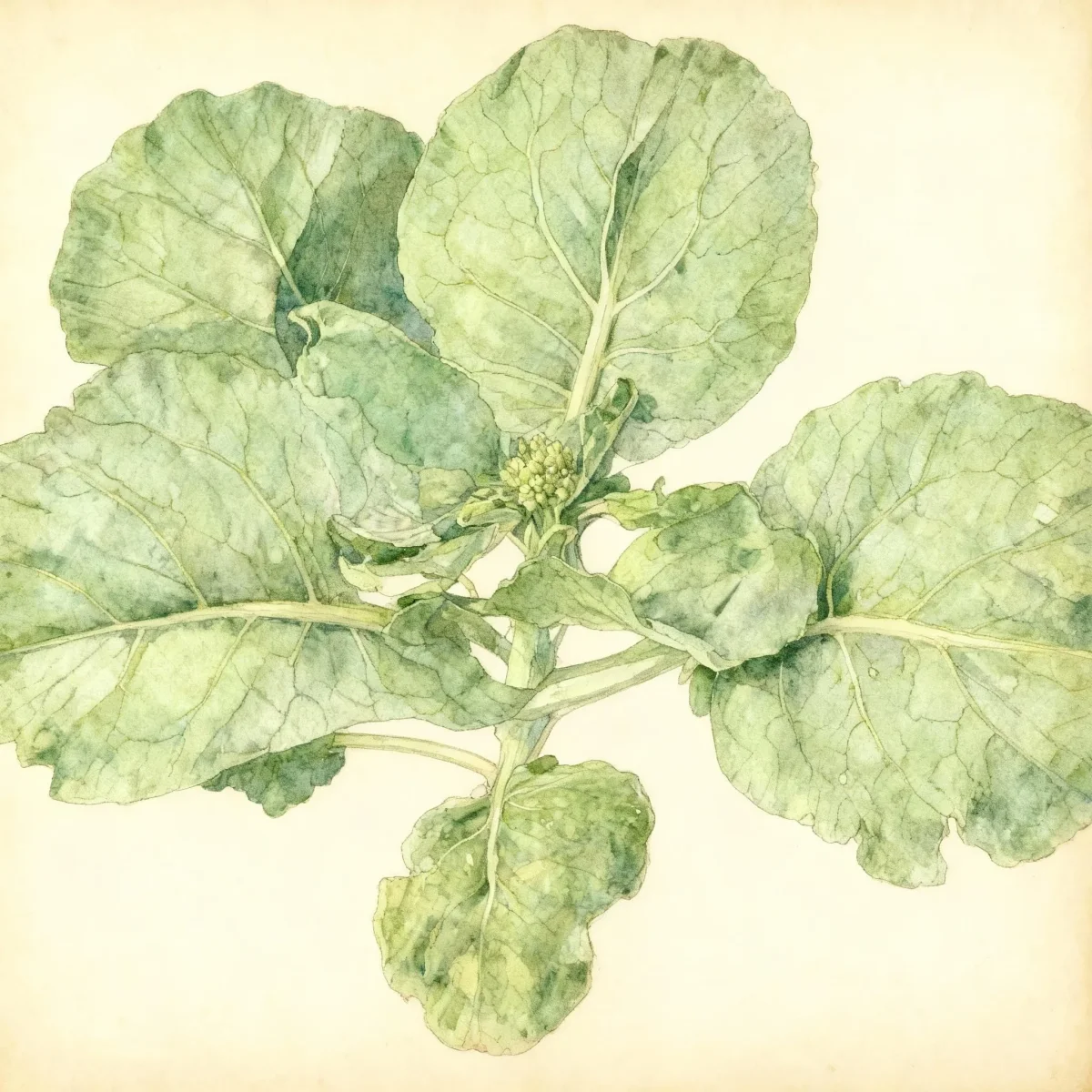
Potato (Solanum tuberosum)
Grow the vital Solanum tuberosum, the Potato, a cool-season staple needing full sun, medium water, and well-drained soil for tubers.
Scroll down to discover growing tips, care requirements, companion plants, and more
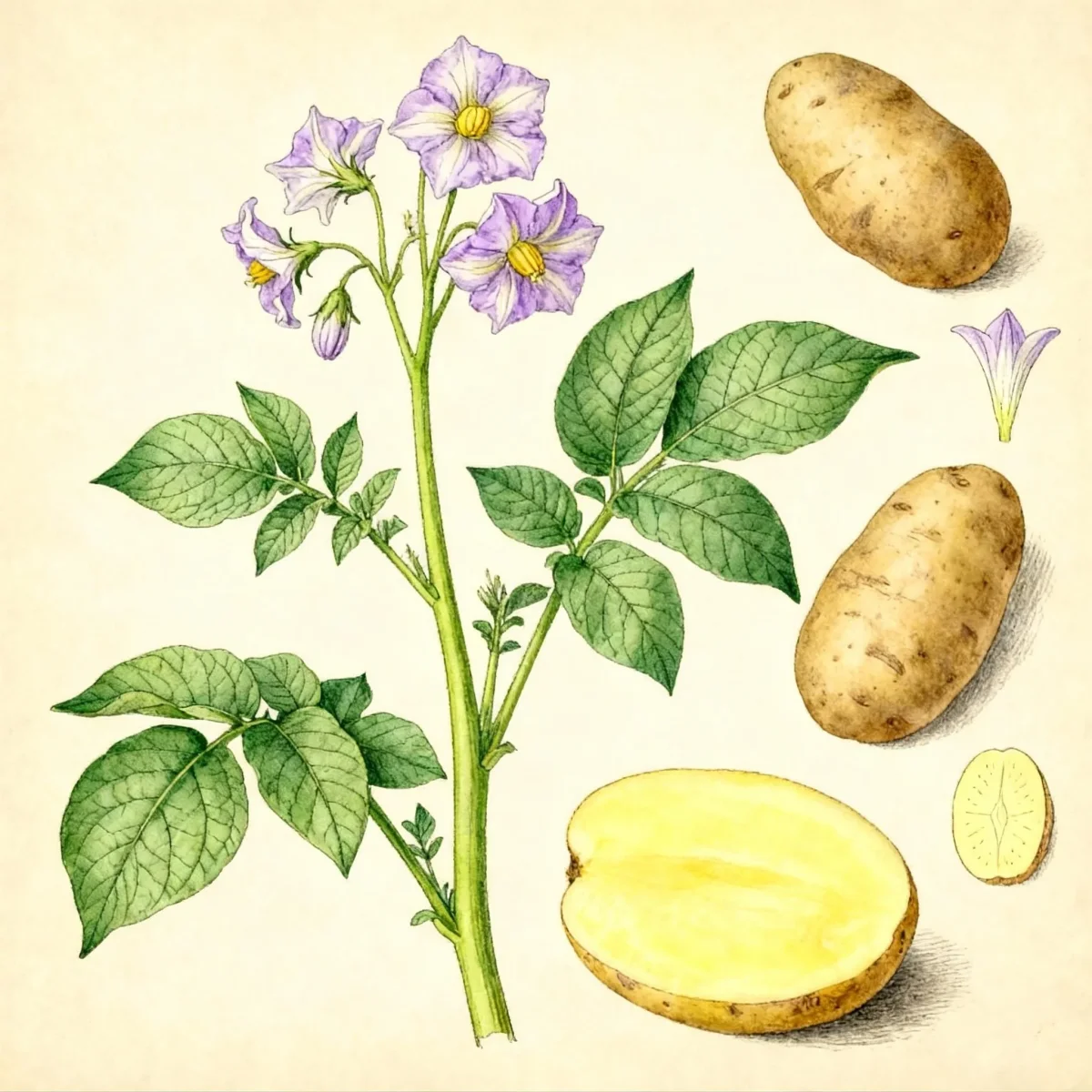
Complete Plant Information
Overview
The Solanum tuberosum, commonly known as the Potato, is an invaluable cool-season vegetable, ranking globally as a primary dietary staple alongside wheat and rice. Gardeners find immense satisfaction in cultivating this productive annual, with even minor efforts yielding substantial harvests; two pounds of seed potatoes can potentially yield fifty pounds of tubers. Successful cultivation of the Potato centers on providing ample space, full sun, and the correct soil preparation to ensure the underground tubers develop properly.
While originally from South America, the Solanum tuberosum thrives in temperate climates, tolerating cool soil and moderate frost, making it a versatile component of annual vegetable gardens. Its functional value far outweighs its simple, not showy flowers, providing starchy, versatile food crucial for many diets. Home gardeners should focus on proper hilling techniques to protect the developing tubers from sunlight and subsequent greening.
Fast Facts
- Plant Family: Solanaceae
- Plant Type: Annual
- Native Range: South America
- Hardiness Zones: USDA Zones 2-11
- Size at Maturity:
- Height: 1-1.5 ft
- Spread: 1-1.5 ft
- Bloom Time: Flowers not showy
- Sun Exposure: Full sun
- Water Needs: Medium
- Maintenance Level: Medium
How to Grow
Potatoes require fertile, well-drained, sandy soil, and establishing a slightly acidic pH is recommended to minimize the incidence of common scab disease. Plant “seed potatoes” in the spring, aiming for 2 to 3 weeks before the final average frost date, or as soon as the soil is workable. Plant tubers 2 to 3 inches deep, spacing them 12 inches apart in rows that are set 2 1/2 to 3 feet apart to ensure adequate room for growth and hilling.
Consistent care is vital, especially concerning moisture levels. Water regularly and thoroughly throughout the growing season. The most critical maintenance task is hilling: once the vines reach about 12 inches high, mound 6 to 8 inches of straw, soil, or compost around the base. Hilling protects the developing Solanum tuberosum tubers from sunlight, which causes them to turn green and produce the mildly toxic compound solanine.
Stop hilling once the plants begin to flower. At this stage, apply a thick layer of mulch to help conserve soil moisture and suppress weed development competing for nutrients. Harvest early varieties when the flowers first appear; for mature yields of your Potato crop, wait until the tops have completely died back. Always dig with care to prevent bruising or cutting the harvested tubers.
Landscape Uses
The primary role of Solanum tuberosum in the landscape is firmly rooted in its use as a productive vegetable crop. While they will not serve as ornamental hedges or borders in the traditional sense, potatoes are excellent additions to dedicated kitchen gardens, raised beds, or large containers where their foliage provides lush, deep green texture during the mid-summer growth phase. Their cultivation demands specific soil conditions and spacing not readily accommodated by mixed perennial borders.
For gardeners focused on maximizing food output, companion planting benefits the Potato patch significantly. Consider planting onions or hardy greens nearby, as they have different root structures and won’t aggressively compete for the same subsurface space. The structure of potato plants, while manageable, requires thoughtful integration into a vegetable plot layout to allow easy access for the essential hilling process.
Standout Features
Noteworthy Characteristics
Solanum tuberosum, known as potato or Irish potato, is a cool-season vegetable that ranks with wheat and rice as one of the most important staples in the human diet. The white potato is often referred to as the “Irish potato” because of Ireland’s 19th-century dependence on that vegetable as its primary food source. Genus name appears to come from the Latin word solamen meaning comfort, solace, or soothing in reference to the purported sedative and healing effects obtained from application of the leaves of some genus plants to cuts, wounds, inflammations or skin problems.
Tolerances
- Rabbit
Potential Problems
Colorado potato beetles, flea beetles, wireworms, and leafhoppers are common pests capable of significantly reducing your Potato yields. Furthermore, potatoes are susceptible to several damaging fungal, bacterial, and viral diseases which can quickly spread through the garden area. Proactive management is key to maintaining a healthy crop of Solanum tuberosum.
To minimize disease pressure, rigorously practice crop rotation, ensuring you do not plant members of the Solanaceae family (tomatoes, peppers, eggplant) in the same soil consecutively. Always remove and destroy severely affected plants immediately if diseases manifest, and maintain clean garden tools and debris-free growing areas. Selecting disease-free or resistant cultivars when purchasing seed potatoes is a powerful preventative strategy.
Frequently Asked Questions
What hardiness zones is Potato suitable for?
The Potato, Solanum tuberosum, is hardy outdoors in USDA Zones 2 through 11, offering a very wide range of suitability across North America.
How large does Potato grow?
The mature plant typically reaches a height and spread between 1 and 1.5 feet.
What sun exposure does Potato need?
This vegetable requires full sun for optimal tuber development and production.
When does Potato bloom?
The flowers of Solanum tuberosum are noted as being not showy.
Conclusion
Growing the Potato provides gardeners with one of the most rewarding and calorically important crops available for home production. By adhering to strict cultural guidelines—especially regarding soil drainage, sun exposure, and hilling—you can avoid common disappointments associated with this staple. Check your local frost dates and plan to plant your seed potatoes early to enjoy a successful harvest of this versatile food source.
Companion Planting
Selecting good neighbors is crucial in the vegetable garden, especially for a heavy feeder like the Potato. Companion planting helps maximize space efficiency and can naturally deter pests attracted to Solanum tuberosum. Beans, peas, and cabbage can often be situated nearby, provided they do not shade the potato patch required for full sun.
Conversely, avoid planting potatoes near members of their own family, such as tomatoes, peppers, or eggplant. This proximity increases the risk of soil-borne diseases, like blight, being shared between crops, leading to widespread losses in your Solanaceae production. Careful garden planning ensures each vegetable thrives.
Seasonal Care Calendar
Spring is dedicated to preparation and planting; amend the soil with extra fertility, ensure it is well-drained, and plant seed potatoes 2 to 3 weeks before the last expected frost date. Mid-season care revolves around hilling; as vines develop, build mounds of soil or mulch up around the stems.
Summer involves consistent watering, especially during tuber formation after flowering begins, and monitoring for common pests like the Colorado potato beetle. Once the tops begin to yellow or flower, switch focus to applying a thick mulch layer to promote moisture retention and weed suppression as the tubers bulk up beneath the soil.
Conclusion
Growing the Potato provides gardeners with one of the most rewarding and calorically important crops available for home production. By adhering to strict cultural guidelines—especially regarding soil drainage, sun exposure, and hilling—you can avoid common disappointments associated with this staple. Check your local frost dates and plan to plant your seed potatoes early to enjoy a successful harvest of this versatile food source.