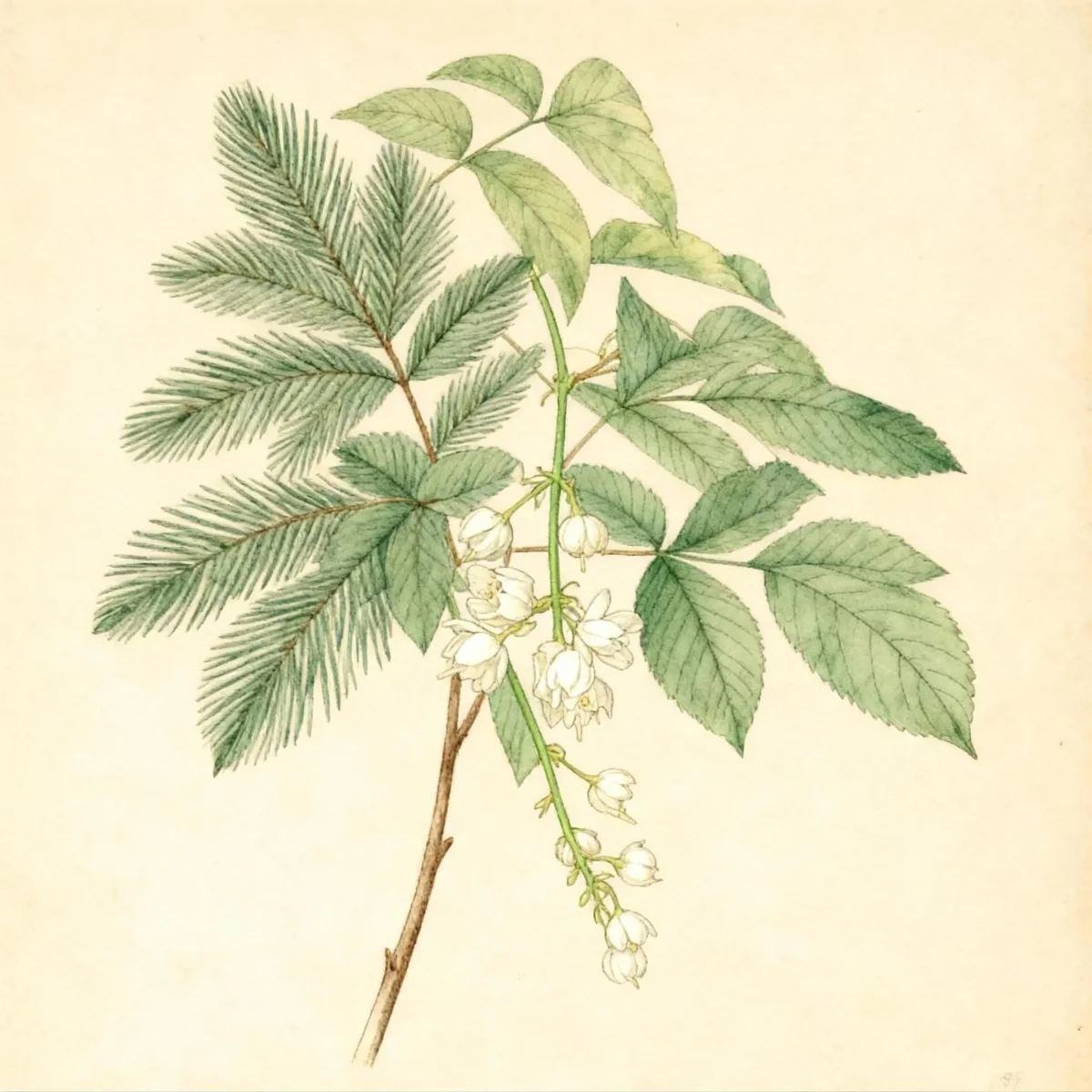
European bladdernut (Staphylea pinnata)
Discover Staphylea pinnata, the European bladdernut, a tough, fragrant deciduous shrub ideal for hedges and naturalized areas.
Scroll down to discover growing tips, care requirements, companion plants, and more
Complete Plant Information
Overview
The European bladdernut, or Staphylea pinnata, is a highly valued deciduous shrub known for its charming seasonal displays and robust constitution. Gardeners appreciate this species for its fragrant, showy flowers in late spring and the unique, papery inflated seed capsules that follow, providing excellent winter interest. Native to Central Europe, this suckering shrub establishes quickly, offering dense coverage suitable for screens or naturalizing borders.
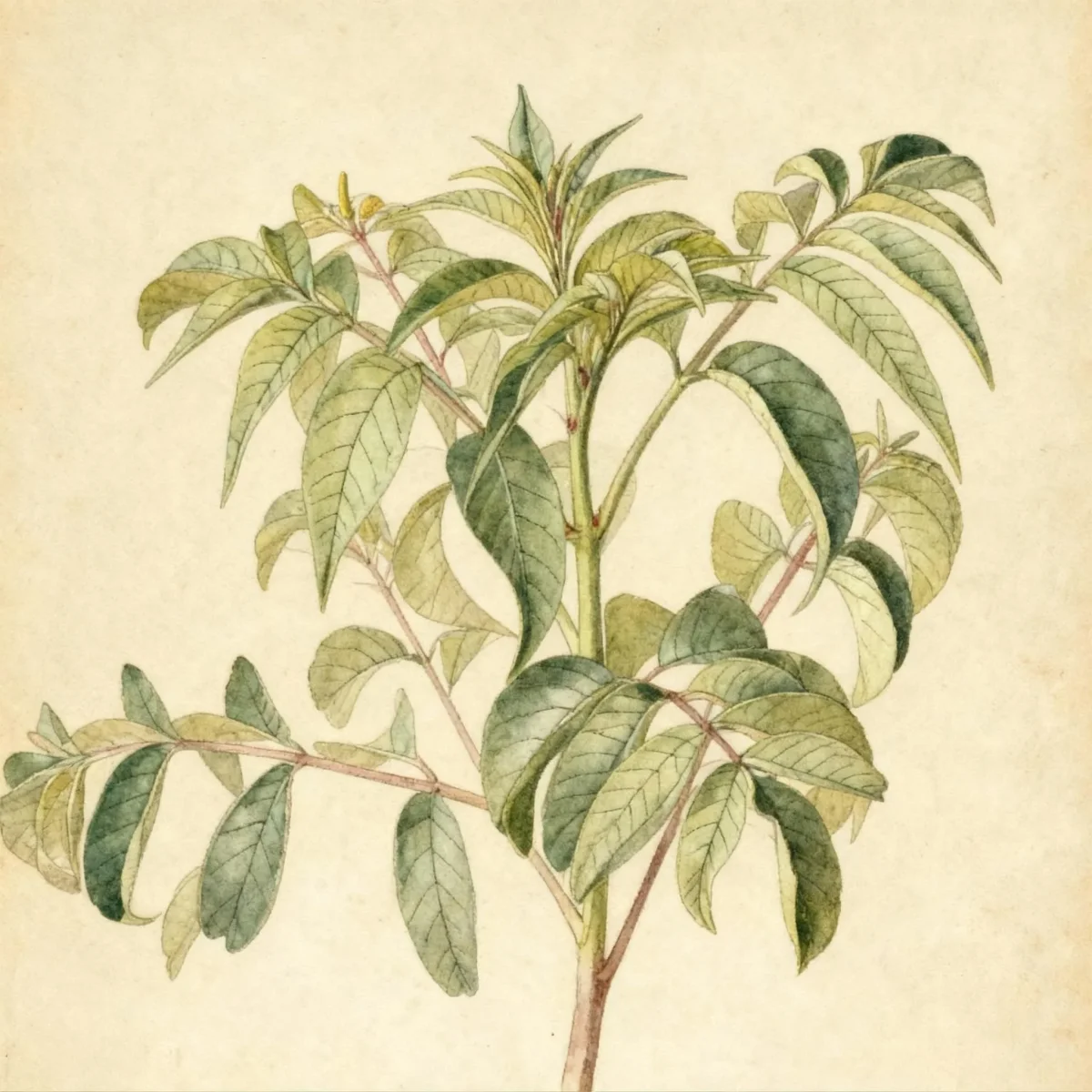
Staphylea pinnata develops attractive compound leaves featuring 5 to 7 pointed, medium-green leaflets. Once mature, it forms a substantial presence, reaching heights and spreads often between 10 to 15 feet wide. Its relatively low maintenance requirements make the European bladdernut an excellent choice for landscapes seeking structure and visual appeal without intensive care needs.
While adaptable to various conditions, this shrub truly shines when provided with consistently moist, rich soil, especially in partial shade conditions. Its versatility allows it to transition gracefully from formal hedge rows to more informal woodland margin plantings, solidifying its role as a dependable ornamental shrub.
Fast Facts
- Plant Family: Staphyleaceae
- Plant Type: Deciduous shrub
- Native Range: Central Europe
- Hardiness Zones: USDA Zones 6-8
- Size at Maturity:
- Height: 10-15 ft
- Spread: 10-15 ft
- Bloom Time: May to June
- Bloom Description: White
- Sun Exposure: Full sun to part shade
- Water Needs: Medium
- Maintenance Level: Low
How to Grow
Plant Staphylea pinnata during its dormant season, either early spring or late fall, provided the ground is not fully frozen. Choose a location that offers full sun to light afternoon shade, ensuring the soil is average, medium moisture, and well-drained. While this European bladdernut tolerates varied soils, it thrives best when provided with rich, evenly moist soil composition.
Watering should be consistent, particularly during the first few establishment years, to maintain medium moisture levels—avoid letting the soil become entirely dry. Fertilization is rarely necessary if the soil is rich; however, supplemental feeding can encourage robust growth. Pruning primarily involves removing suckers to control spread or shaping the shrub into a formal hedge shape in late winter before new growth begins.
A critical cultural note regarding Staphylea pinnata is its variable winter hardiness; while generally robust, gardeners should monitor its performance, as it may not be reliably hardy across all regions within zone 6. In cooler zones, providing a thick layer of mulch around the base can help insulate the root system going into winter.
Landscape Uses
The European bladdernut excels in applications where both screening and aesthetic interest are desired. Its dense habit makes it perfectly suited for establishing long, attractive hedges that require minimal upkeep after maturation. Furthermore, the Staphylea pinnata is excellent when naturalized into larger woodland margins or informal shrub borders where its suckering habit can be utilized to create flowing drifts of foliage.
For structured designs, place it in the shrub border where its white blooms can contrast with summer-blooming perennials. In shadier gardens, it fills the mid-story layer beautifully, often complementing woodland edge plants that also enjoy rich, moist conditions, such as hostas or ferns beneath its canopy.
When used in naturalized areas, allow clusters of European bladdernut to develop freely; the resulting thicket is invaluable for slightly screening utility areas or property lines while maintaining a low-maintenance profile due to its natural resistance to serious pests.
Standout Features
Flower Qualities
- Showy
- Fragrant
Fruit Qualities
- Showy
Noteworthy Characteristics
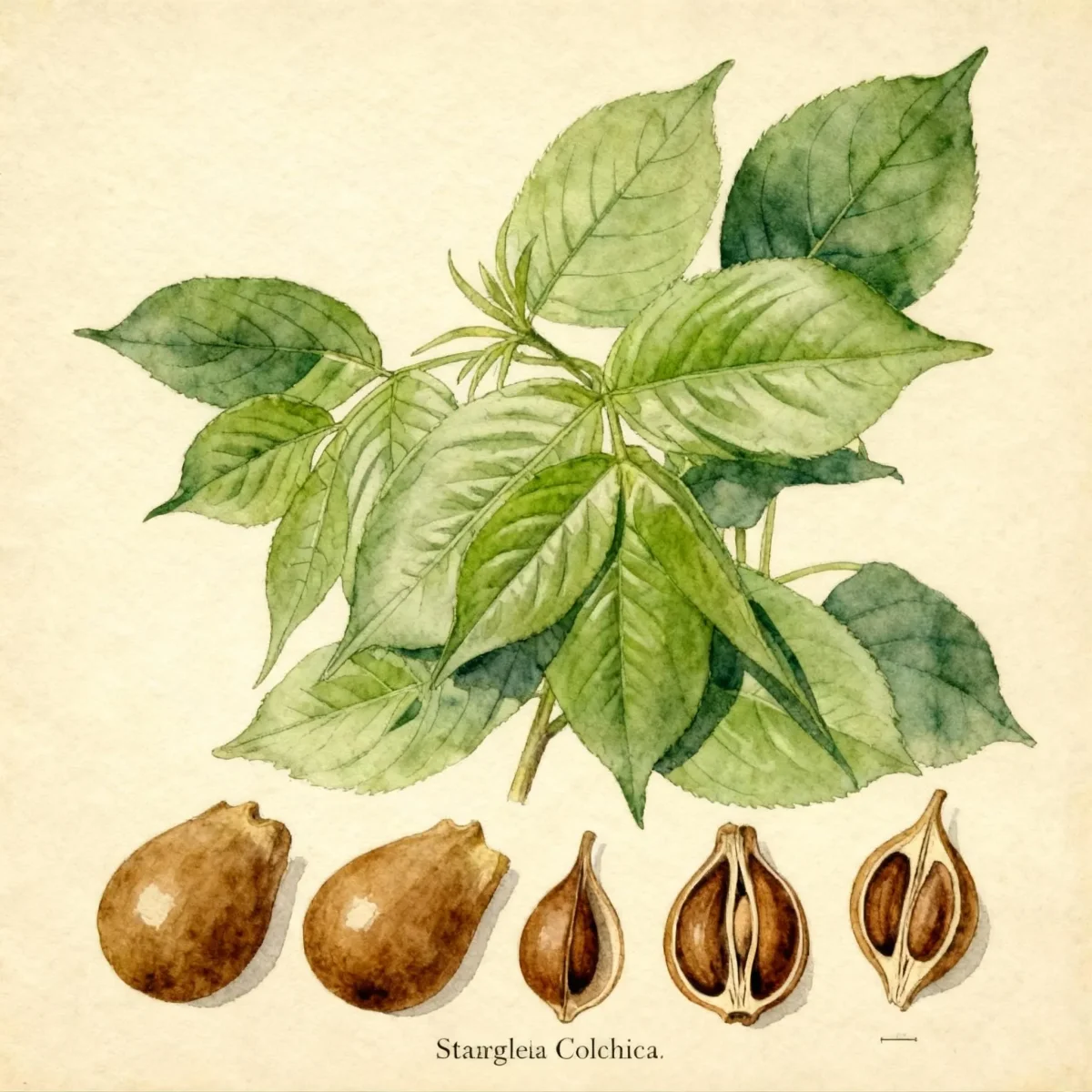
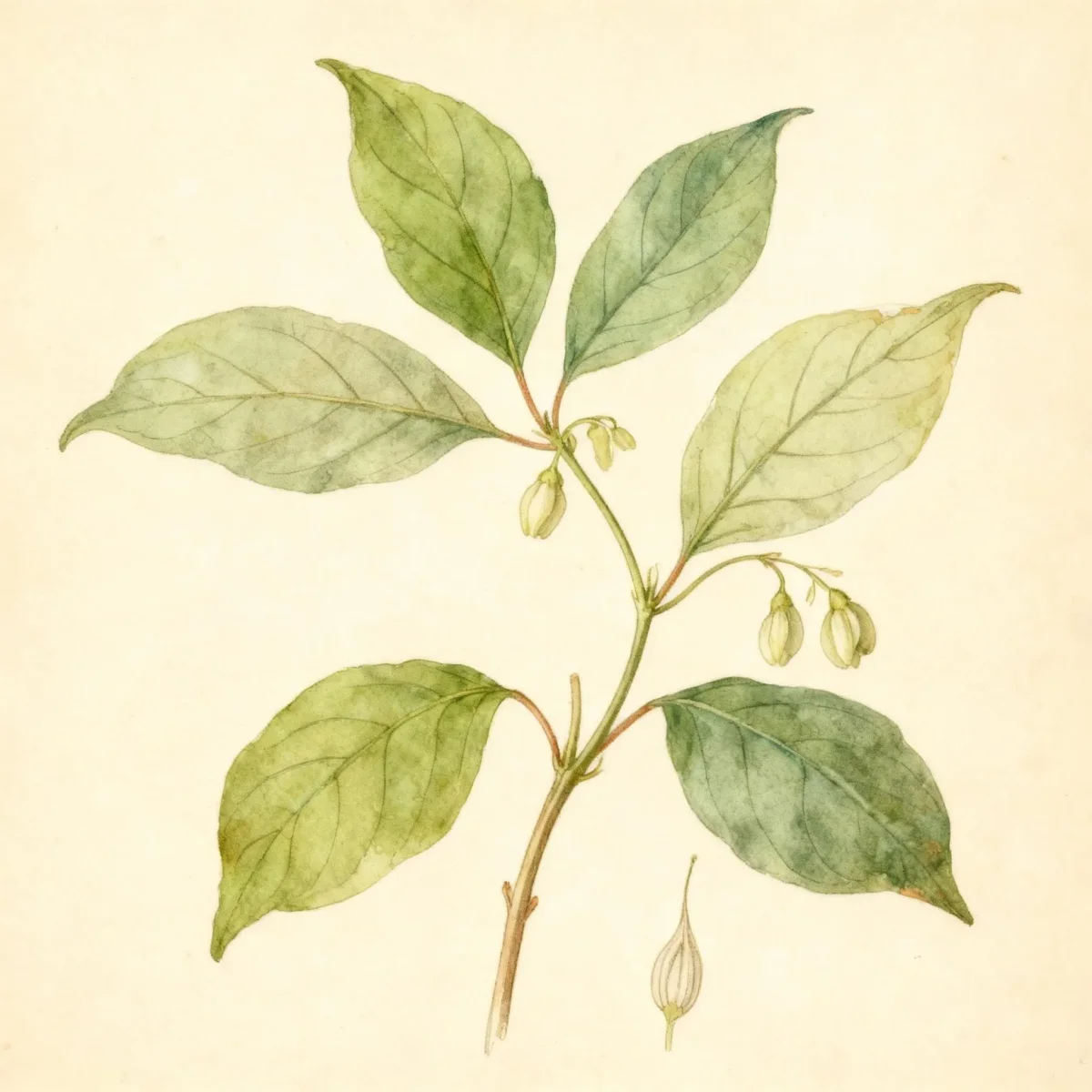
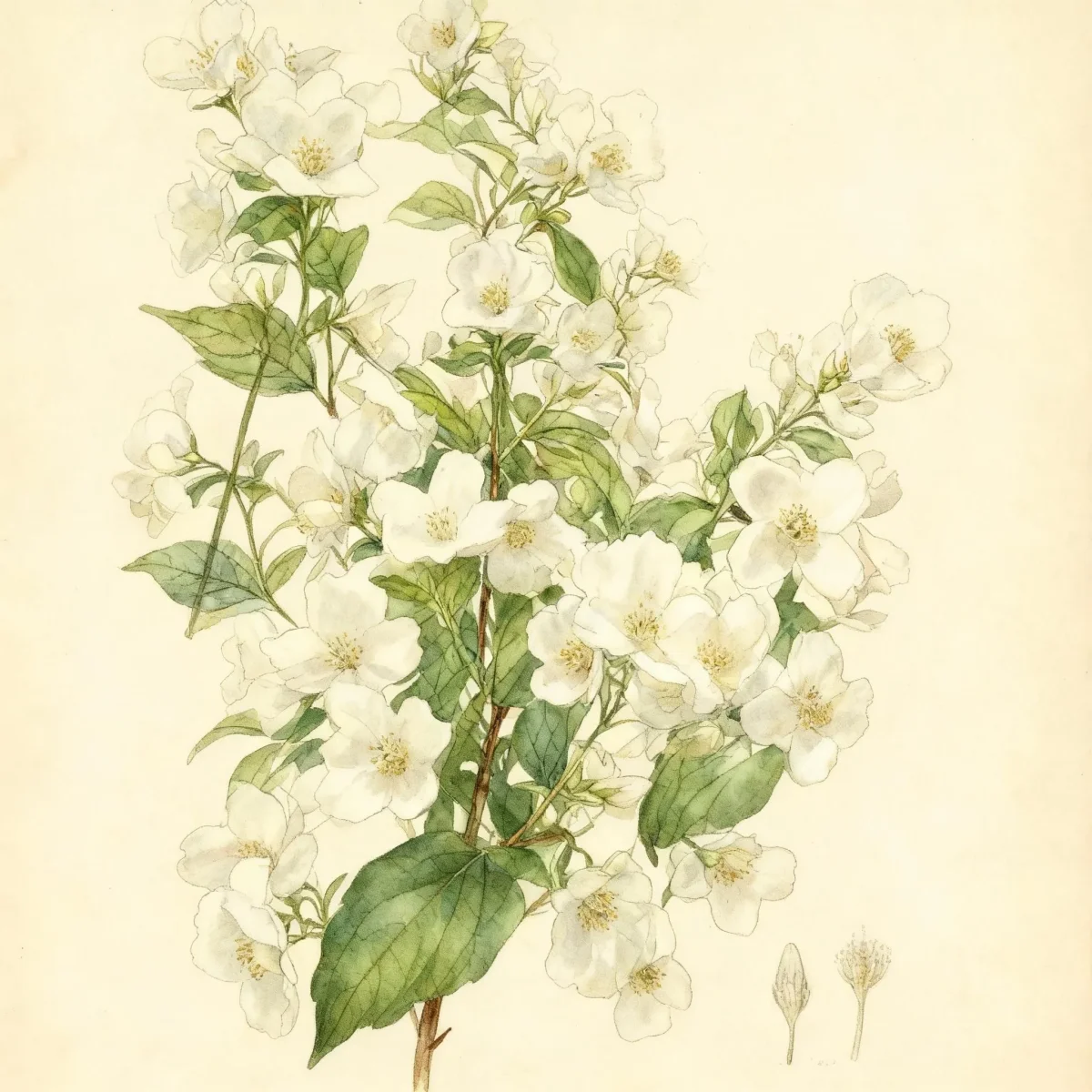
Staphylea pinnata, commonly called European bladdernut, is a deciduous suckering shrub that typically grows to 10-15’ tall. It is native to southern Europe, Turkey and the Caucasus. Compound pinnate leaves with 5-7 pointed, ovate-oblong leaflets (each to 4” long) are medium green. Small, fragrant, bell-shaped, white flowers (each to 1/2” long) bloom in drooping panicles in late spring before maturing into its signature inflated, papery seed capsules.
Tolerances
This section is not applicable based on provided data.
Potential Problems
The European bladdernut enjoys a generally clean bill of health, as it rarely suffers from serious insect infestations or major diseases. Gardeners should remain vigilant for superficial fungal issues such as occasional leaf spot or minor twig blight outbreaks, especially in overly humid or dense plantings. Maintaining good air circulation through appropriate spacing or selective pruning helps mitigate fungal risks.
If these minor issues arise, management is usually straightforward. General purpose fungicides can treat leaf spots when necessary, and promptly removing and destroying blighted twigs will prevent further spread within the shrub. Due to its low maintenance level, this resilience makes Staphylea pinnata a reliable landscape performer.
Frequently Asked Questions
What hardiness zones is European bladdernut suitable for?
The European bladdernut (Staphylea pinnata) is generally suitable for USDA Hardiness Zones 6 through 8.
How large does Staphylea pinnata grow?
This deciduous shrub typically reaches a mature height between 10 and 15 feet, with a comparable spread of 10 to 15 feet.
When does European bladdernut bloom?
Staphylea pinnata produces its fragrant white flowers between May and June, offering an early summer color highlight.
What sun exposure does European bladdernut need?
It performs well in locations ranging from full sun to areas receiving part shade, though it appreciates richer soil in shadier spots.
Conclusion
For gardeners seeking an adaptable, low-maintenance shrub that offers fragrant flowers and unique, persistent fruit structure, the European bladdernut (Staphylea pinnata) is an excellent choice. Its performance as a hedge or naturalized specimen provides aesthetic value across multiple seasons. Verify your location falls within USDA Zones 6-8 and plan for planting during cool seasons to ensure the best establishment for your new Staphylea pinnata.
Companion Planting
Given the preference of Staphylea pinnata for rich, medium-moisture soil, it pairs beautifully with other woodland-edge species. Consider planting shade-tolerant groundcovers like Hosta or Brunnera beneath the shrub canopy to suppress weeds and maintain soil moisture retention. For vertical contrast during the summer bloom season, placement near plants with strong vertical forms, such as taller Japanese Forest Grass (Hakonechloa macra), works well near woodland margins.
When siting the European bladdernut near flower borders, select perennials that appreciate similar, consistent moisture rather than drought-tolerant species. Astilbe and various large ferns thrive under similar light and soil profiles, creating a cohesive, lush understory planting that complements the texture of the bladdernut’s compound leaves.
Wildlife Benefits
While highly ornamental, the fragrant blossoms of Staphylea pinnata provide an important early nectar source. The relatively small, bell-shaped white flowers attract early emerging pollinators, supporting local insect populations during the late spring transition into summer.
Furthermore, the unique inflated seed capsules, which persist into the winter months, can offer accessible food sources for small birds seeking seeds after the foliage has dropped. Establishing a European bladdernut contributes to biodiversity by supporting both insect and avian life within the landscape.