Euscaphis (Euscaphis japonica)
Discover Euscaphis japonica, the Korean sweetheart tree. A low-maintenance small tree featuring unique heart-shaped fruit and mahogany fall color.
Scroll down to discover growing tips, care requirements, companion plants, and more
Complete Plant Information
Overview
Euscaphis japonica, commonly known as the Korean sweetheart tree, is a distinctive small deciduous tree prized for its unique ornamental features, especially its autumn fruit display. Its official genus name, Euscaphis, hints at the vessel-like character of its interesting seed pods, adding botanical appeal to this often overlooked specimen. This species is the sole member of the genus Euscaphis, making it a significant conversation piece in any landscape design.
Native to mountain valleys in China, Korea, and Japan, Euscaphis japonica adapts well to various conditions, thriving where it receives periods of sun followed by dappled shade. Beyond its seasonal interest, gardeners appreciate the low maintenance demands of this species, which generally presents few serious pest or disease issues. It provides year-round visual structure, moving from simple green foliage in summer to striking fruit coloration and mahogany-purple fall tones.
For gardeners seeking diversity outside of common choices, Euscaphis japonica offers a refined alternative. Its manageable size, typically reaching 12 to 20 feet tall, makes it suitable for smaller yards or as an accent piece. Successful cultivation centers on providing consistent medium moisture and well-drained soil while avoiding overly hot, dry summer exposures.
Fast Facts
- Plant Family: Staphyleaceae
- Plant Type: Tree
- Native Range: Southeastern Asia
- Hardiness Zones: USDA Zones 6-8
- Size at Maturity:
- Height: 12-20 ft
- Spread: 8-10 ft
- Bloom Time: May to June
- Bloom Description: Yellow-white
- Sun Exposure: Full sun to part shade
- Water Needs: Medium
- Maintenance Level: Low
How to Grow
The ideal time to establish your Euscaphis japonica is during the dormant season, either early spring before bud break or fall after leaf drop, allowing the roots time to establish before summer heat. Plant in well-drained, sandy, or medium loam soils, ensuring the location receives full sun to light part shade exposure. Correct soil drainage is crucial for optimal performance and long-term health of the Euscaphis.
Watering requirements are medium; ensure consistent and even soil moisture, especially during the first few seasons after planting. While Euscaphis tolerates brief periods of drought, performance is significantly better with regular watering. Avoid prolonged exposure to intensely hot and dry summer conditions, as this can stress the tree.
Maintenance for Euscaphis is generally low. Minimal fertilization is required unless the soil is exceptionally poor. Pruning, if necessary, should focus on removing crossing or damaged branches during dormancy. Prepare for winter by ensuring adequate moisture before the ground freezes, as this small tree is winter hardy down to USDA Zone 6.
Landscape Uses
Euscaphis japonica excels when used as an interesting landscape specimen where its unique structure and seasonal fruits can be appreciated up close. It is perfectly suited for locations bordering sunny woodland garden margins or in areas receiving dappled shade throughout the day. Consider placing this tree where its reddish-purple bark, striated with white, can be visible during the winter months.
Due to its relatively moderate mature size (12-20 ft tall and 8-10 ft wide), it functions well as a focal point in smaller gardens or courtyards where a large shade tree is impractical. It pairs nicely with understory plantings that enjoy similar light conditions, such as shade-tolerant ferns or hostas near its dripline.
For design impact, plant Euscaphis where the late-season fruit display is visible from a patio or window. The bright cherry-red capsules turning in September and October serve as a short but brilliant transition into the mahogany-purple that the fall foliage provides.
Standout Features
Flower Qualities
- Insignificant
Fruit Qualities
- Showy
Noteworthy Characteristics
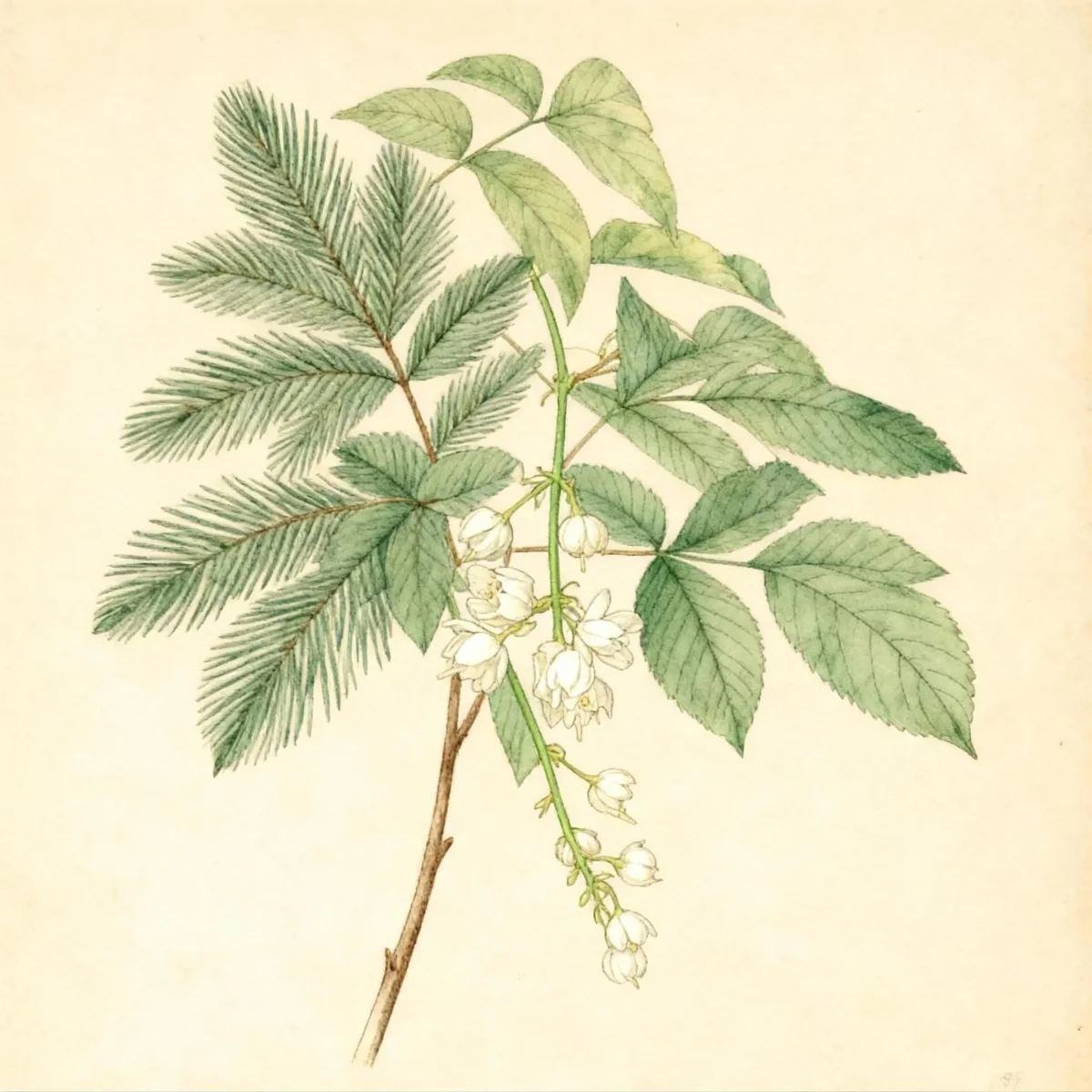
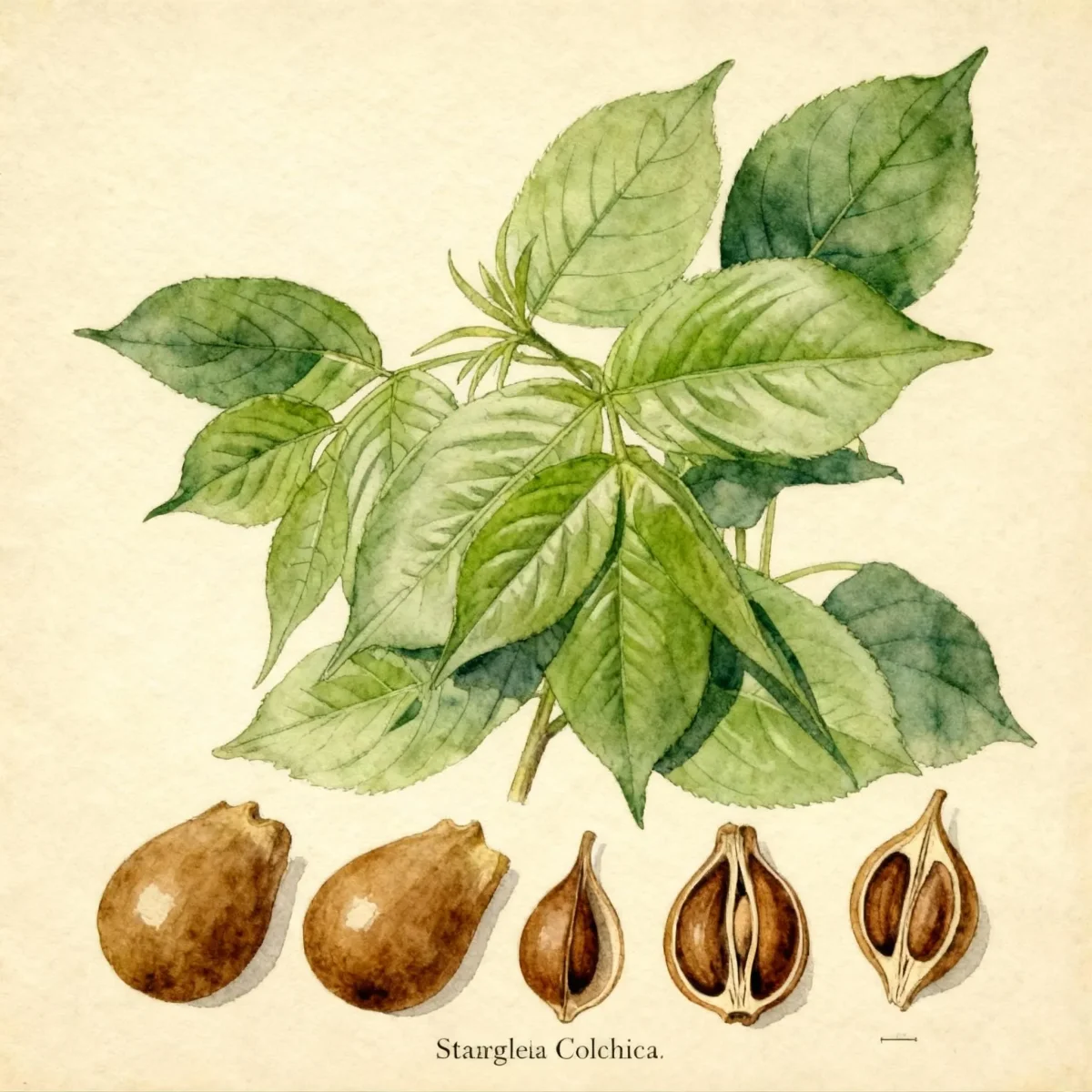
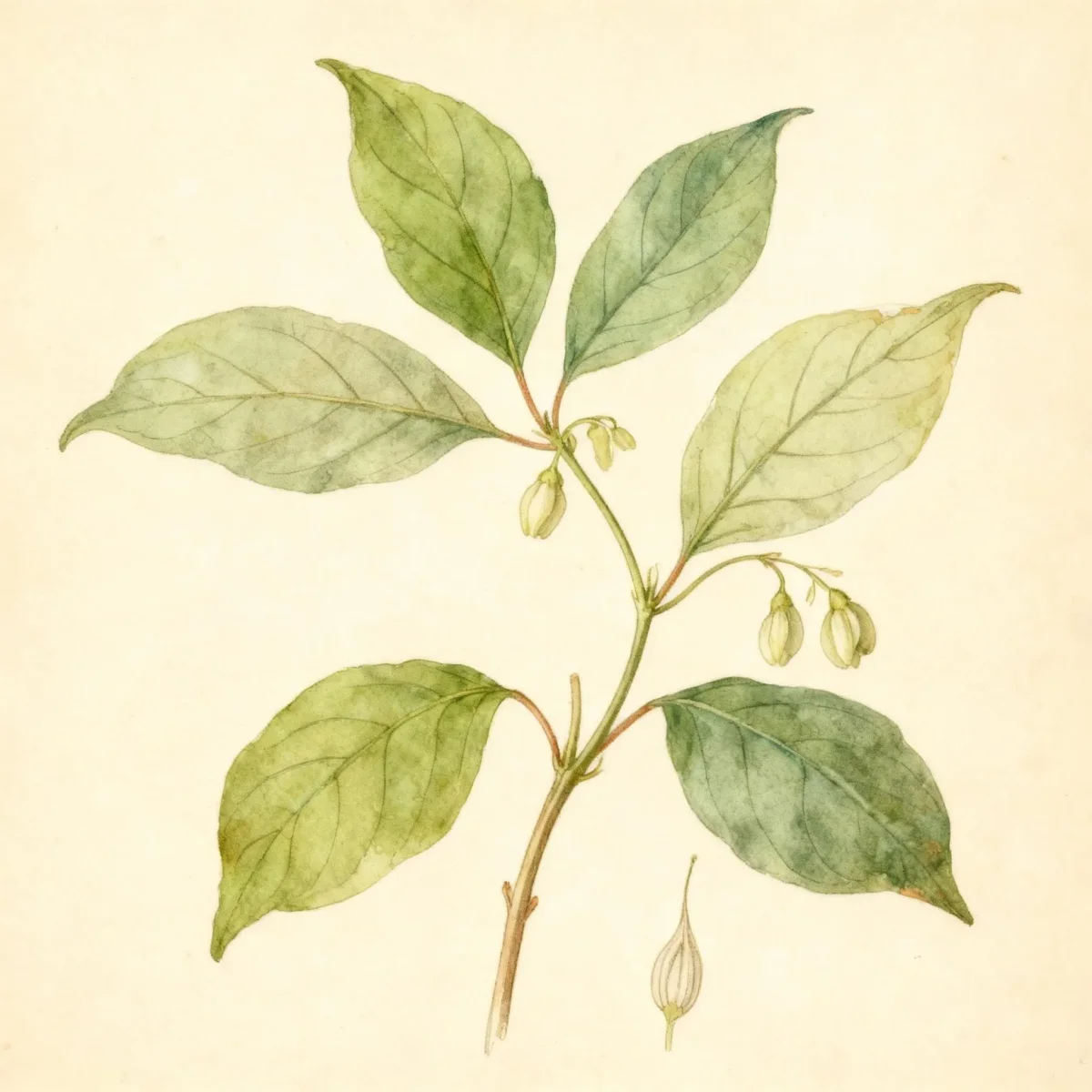
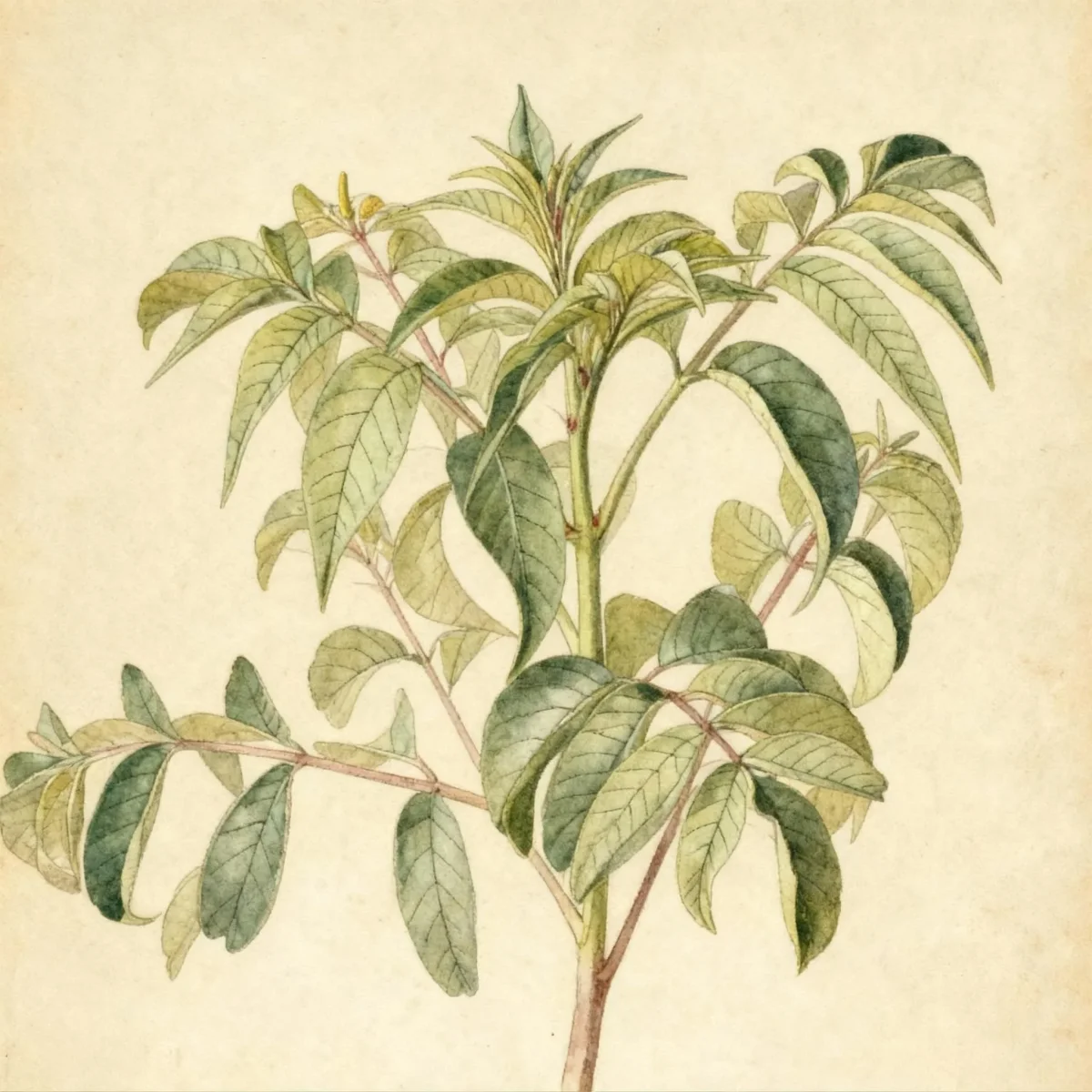
Euscaphis japonica, commonly called Korean sweetheart tree, is a small deciduous tree or large shrub native to East Asian mountain valleys and thickets. Key features distinguishing this species include its opposite, compound pinnate leaves, bark marked with white striations, and its unique fruit: abundant, heart-shaped capsules that ripen to a bright cherry red, revealing shiny dark blue-black seeds inside. The mahogany-purple fall color provides a final aesthetic flourish to this interesting specimen from the Staphyleaceae family.
Tolerances
- Drought
Potential Problems
This species benefits gardeners by exhibiting no serious recognized insect or disease problems, contributing significantly to its low maintenance rating. Routine scouting is still recommended, though significant intervention is rarely needed. Monitoring for general stress signs, such as yellowing leaves, should primarily lead back to assessing water consistency rather than pest pressure when growing Euscaphis japonica successfully.
Frequently Asked Questions
What hardiness zones is Euscaphis suitable for?
Euscaphis japonica is winter hardy and performs best when grown in USDA Zones 6 to 8.
How large does Euscaphis grow?
This small tree typically matures to a height range of 12 to 20 feet, with a spread generally between 8 and 10 feet wide.
What sun exposure does Euscaphis japonica need?
For healthy growth and development, Euscaphis requires conditions ranging from full sun to part shade.
When does Euscaphis bloom?
The tree produces its non-showy, yellowish-white flowers in terminal panicles between May and June.
Conclusion
Euscaphis japonica is an exceptional choice for gardeners seeking a small tree with low cultural input, rewarding them with unique foliage, interesting bark, and outstanding fruit. The structural appeal and minimal pest issues associated with Euscaphis make it a reliable accent plant. Before purchasing, ensure your site falls within USDA Zones 6-8 and verify that you can provide the necessary medium moisture levels for this unique Korean sweetheart tree.
Companion Planting
Selecting appropriate companions is key to maximizing the visual appeal of Euscaphis japonica while maintaining its preferred environment. Because it thrives in full sun to part shade and prefers medium, well-drained soil, pair it with woodland edge shrubs and perennials that share these medium moisture needs. Consider planting shade-tolerant groundcovers like Epimedium species or various Hellebores beneath the canopy for textural contrast during the growing season.
For areas receiving more sun, consider mid-sized flowering shrubs that bloom at different times to extend visual interest beyond the Euscaphis springtime flowers. Plants that prefer slightly acidic to neutral soil conditions will generally do well alongside this plant, helping to maintain the rich, well-drained loam that supports optimal growth for the Euscaphis.
Seasonal Care Calendar
Springtime focus should be on ensuring the soil begins receiving consistent moisture as the weather warms, supporting the tree after winter dormancy. Late spring and early summer is the critical blooming period, after which the plant focuses energy on leaf expansion and fruit set. Summer care revolves entirely around monitoring water, ensuring the soil does not become dry, especially during heatwaves, compensating for its one aversion to hot, dry summers.
As autumn approaches, anticipate the dramatic shift in color; the leaves will turn mahogany-purple while the striking cherry-red seed capsules mature. This fruit display is a highlight of the season for the Euscaphis. In late fall, after leaf drop, perform any necessary structural pruning. Before the ground freezes hard for winter, give the tree a deep watering to reduce desiccation stress during the cold months.