Bladdernut (Staphylea colchica)
Discover Staphylea colchica, the Caucasian Bladdernut, a deciduous shrub prized for fragrant spring flowers and unique, showy, bladder-like seed pods.
Scroll down to discover growing tips, care requirements, companion plants, and more
Complete Plant Information
Overview
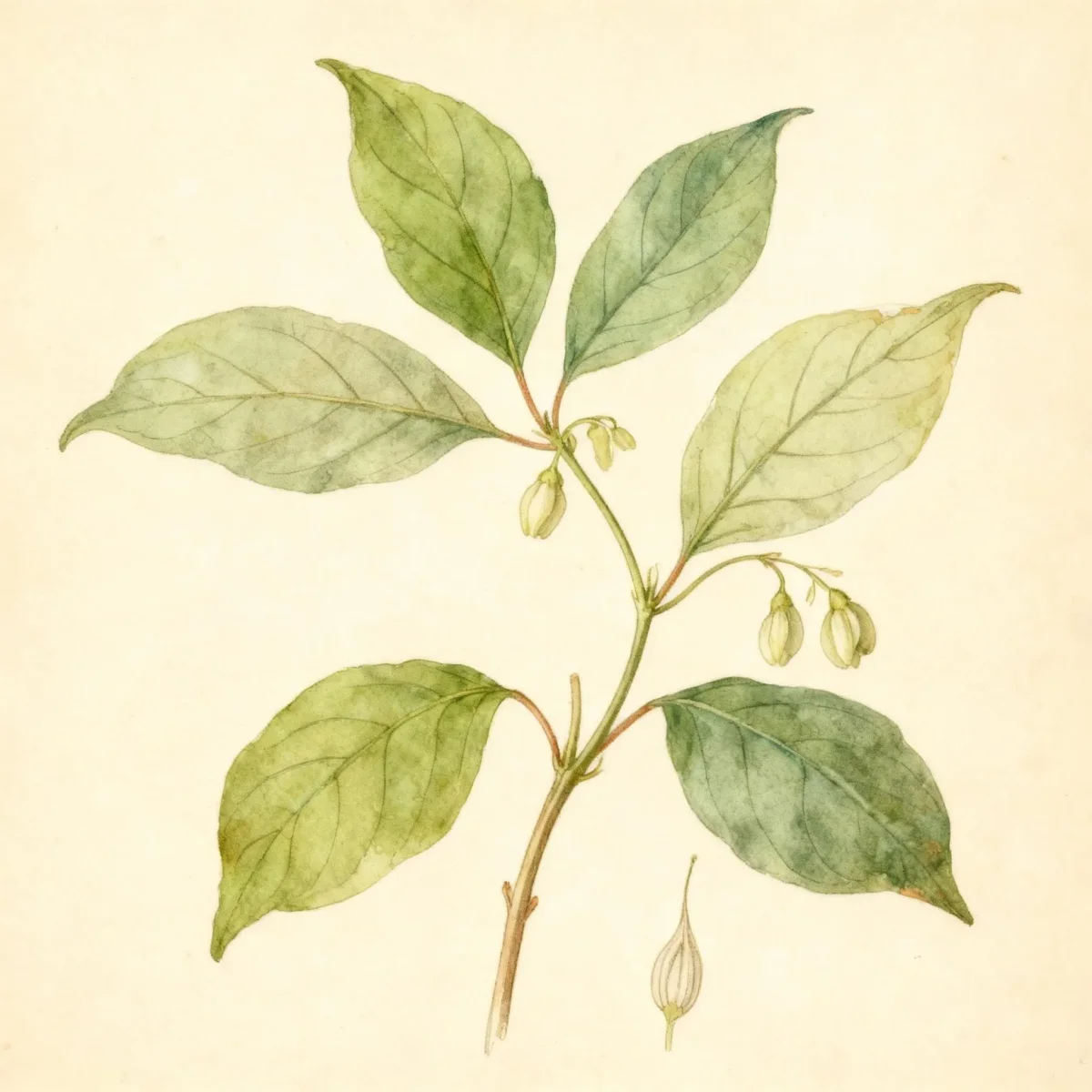
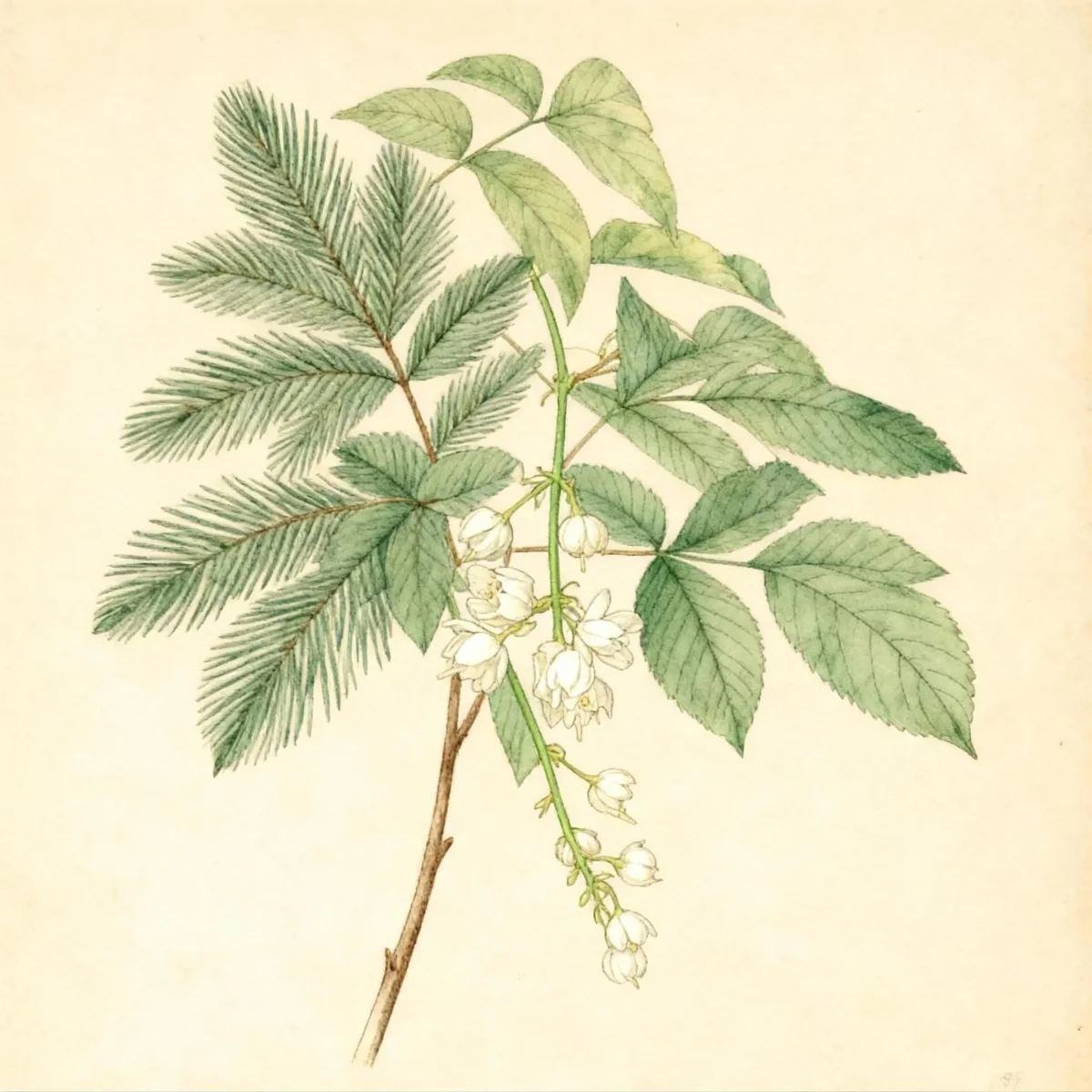
Staphylea colchica, commonly known as Caucasian Bladdernut, is a highly ornamental deciduous shrub valued for its unique persistent fruits and sweetly fragrant spring blooms. This species offers considerable visual interest from spring flowering through fall, making it a standout specimen in the garden. Many gardeners consider this, the Bladdernut, to be among the most attractive varieties in the genus for both its flowers and its distinctive seed structures.
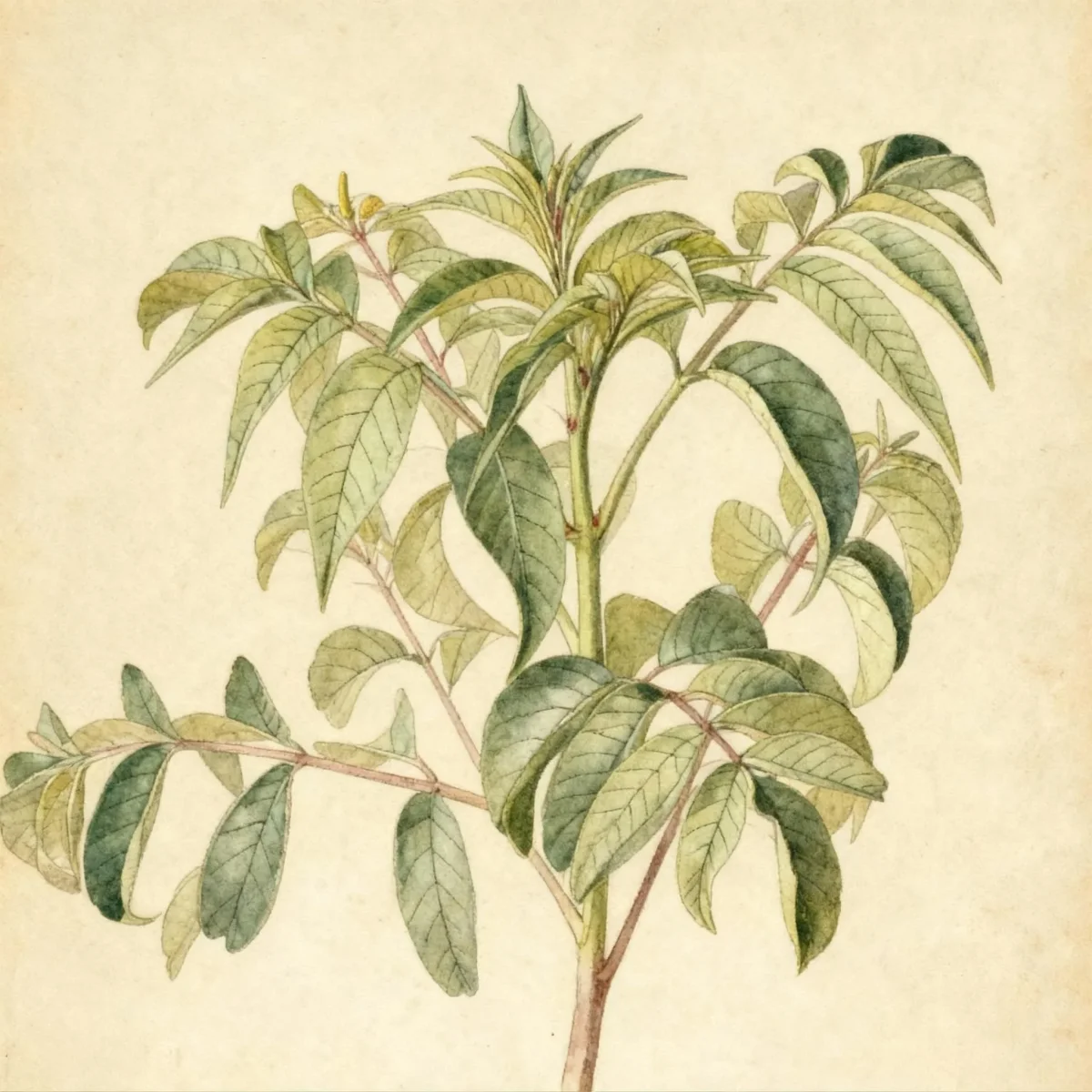
Native to the forests of the Caucasus mountains, Staphylea colchica forms a spreading, thicket-forming presence, typically reaching 10 to 15 feet tall and wide in maturity. Its aesthetic appeal is further enhanced by its pinnate compound leaves, which offer a lush green backdrop to the nodding clusters of greenish-white flowers.
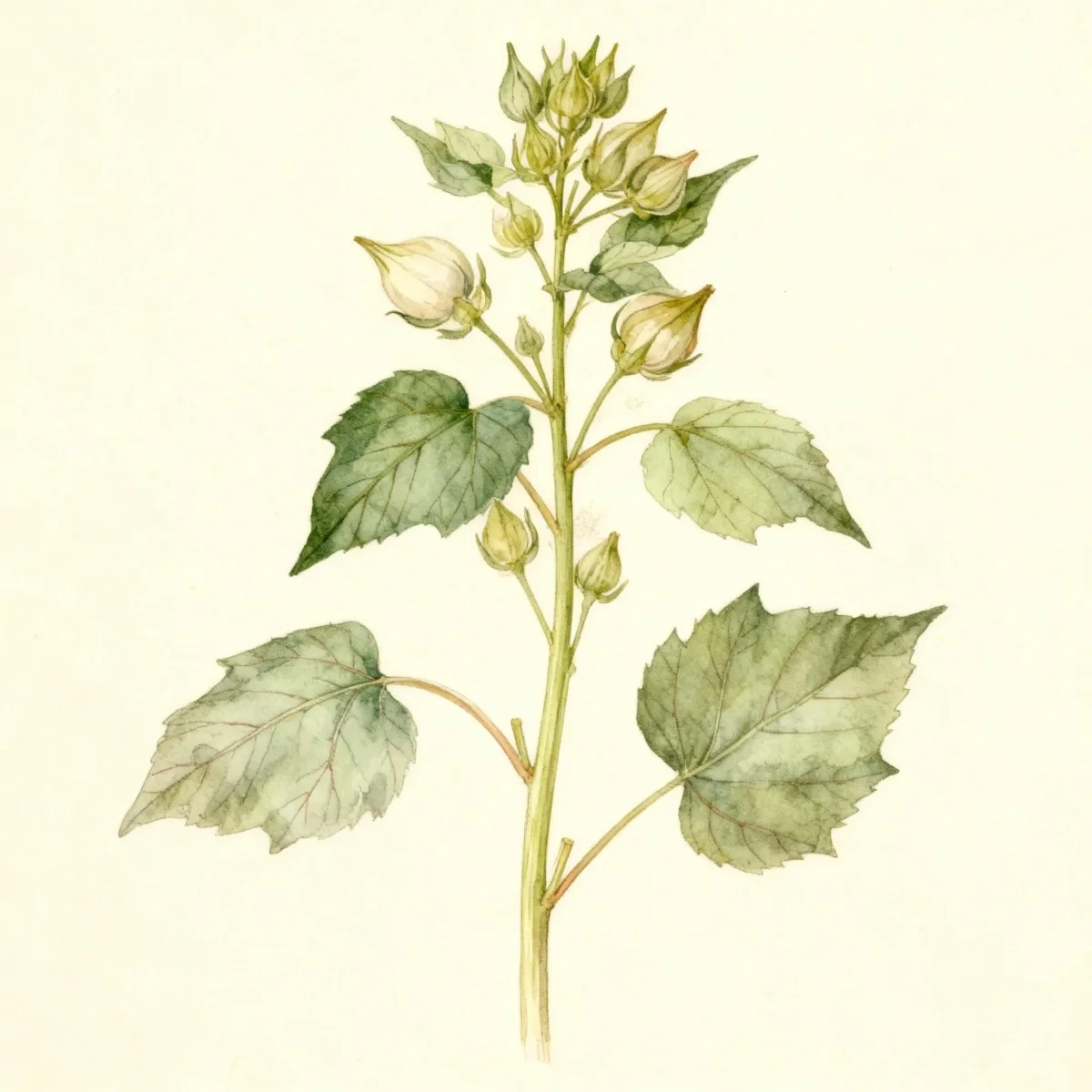
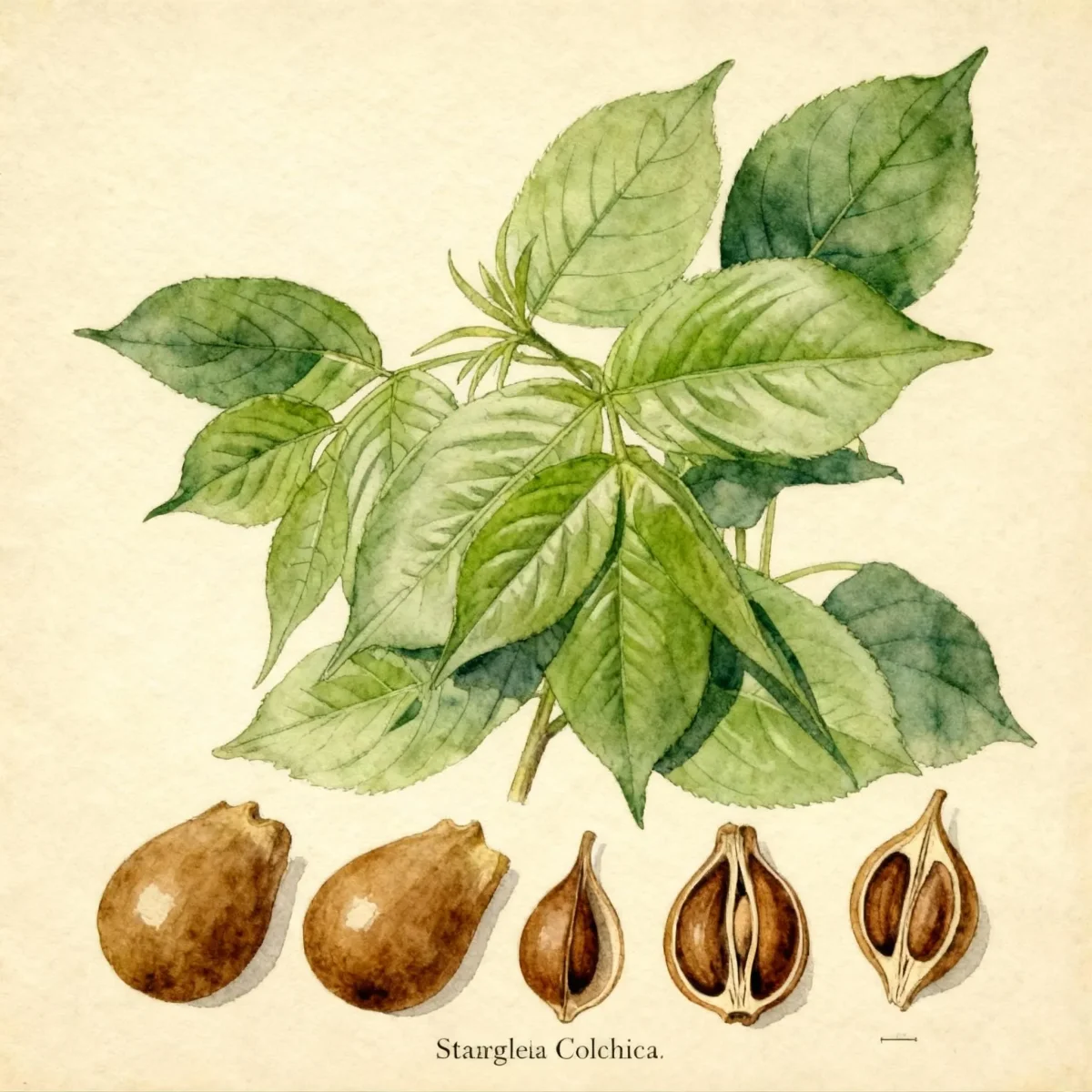
Beyond its handsome foliage and blooms, the defining feature is its inflated, bladder-like fruit pods. These curious structures remain attractive long after flowering, providing texture and novelty throughout the summer and into autumn, justifying the common name Bladdernut.
Fast Facts
- Plant Family: Staphyleaceae
- Plant Type: Deciduous shrub
- Native Range: Caucasus
- Hardiness Zones: USDA Zones 6-7
- Size at Maturity:
- Height: 10-15 ft
- Spread: 10-15 ft
- Bloom Time: May to June
- Bloom Description: Greenish-white
- Sun Exposure: Full sun to part shade
- Water Needs: Medium
- Maintenance Level: Medium
How to Grow
For optimal results, plant Staphylea colchica during the spring or fall when conditions are moderate. This shrub thrives in rich, well-drained soils, requiring consistent moisture; do not allow the soil to dry out, especially during establishment. While it tolerates full sun, the best performance and leaf presentation often occur when sited in part shade locations, offering protection from harsh afternoon heat.
Watering needs are medium, implying regular deep watering is necessary, particularly during dry spells, to maintain evenly moist soil conditions. Maintenance is generally considered medium; mature plants require minimal care, though periodic pruning may be necessary to manage its suckering, thicket-forming habits and maintain desired shape.
Hardiness is reliable down to USDA Zone 6, but gardeners in colder peripheries of this range should site the shrub in a partially protected area where severe winter dieback might be minimized. Propagation of the Bladdernut is most successfully achieved through seeds, cuttings, or by managing its suckers.
Landscape Uses
The versatile nature of Staphylea colchica makes it an excellent choice for several landscape applications. Many gardeners seek out this species specifically for its ornamental fruits, utilizing it along woodland margins or in mixed shrub borders where the structure and texture of the fruit can be appreciated up close. It excels when naturalized in informal settings where its tendency to sucker is welcomed, forming a dense screen or informal hedge.
When placed in a woodland garden setting, the Bladdernut complements shade-tolerant perennials and other fine-textured shrubs. Its structure works well as a backdrop planting, allowing its showy flowers in spring and persistent fruit capsules in autumn to become focal points. Although it can handle sun, positioning it where it receives some afternoon shade enhances its overall appearance.
Standout Features
Flower Qualities
- Showy
- Fragrant
Fruit Qualities
- Showy
Noteworthy Characteristics
Staphlea colchica, commonly known as Caucasian bladdernut, is a tall, suckering, thicket-forming, deciduous shrub that typically grows to 10-15’ tall and as wide. It is native to forests at elevations up to 4000’ in the southern Caucasus mountains. Pinnate compound leaves have 3-5 ovate-oblong, hairless, green leaflets (each to 3 1/2” long) with fine serrate margins and glabrous glossy undersides. Flowers are followed by inflated, baggy, two- lobed to three-lobed fruits (seed pods up to 3” wide) which are commonly characterized as being “bladder-like” in appearance, hence the common name of bladdernut.
Tolerances
There were no specific tolerances listed for this entry.
Potential Problems
Generally, Staphylea colchica is remarkably disease- and insect-resistant, posing few serious management challenges. Gardeners should monitor for occasional superficial issues such as leaf spot or minor twig blight. Maintaining good air circulation and ensuring sharp drainage can help mitigate fungal concerns like leaf spot, while prompt removal of infected twigs can control blight spread.
Frequently Asked Questions
What hardiness zones is Bladdernut suitable for?
The Caucasian Bladdernut (Staphylea colchica) is reliable in USDA Hardiness Zones 6 through 7.
How large does Staphylea colchica grow?
This deciduous shrub typically matures to a height and spread between 10 and 15 feet.
What sun exposure does Bladdernut need?
It performs best in locations that receive full sun or partial shade; for optimal growth, part shade is often recommended.
When does Staphylea colchica bloom?
The showy, fragrant, greenish-white flowers of the Bladdernut appear relatively late in the season, usually from May to June.
Conclusion
The robust structure, sweetly fragrant spring flowers, and uniquely persistent, showy fruits make Staphylea colchica a valuable and low-maintenance addition to many landscapes. Whether used for informal screening or as an attractive specimen, the unique appeal of the Bladdernut is undeniable. Before planting, confirm your location falls within USDA Zones 6-7 to ensure the best potential for this wonderful Caucasian native.
Companion Planting
When planning beds around your Staphylea colchica, consider companions that appreciate similar, rich, evenly moist, well-drained soil conditions, especially if providing part shade. Shade-tolerant ferns, such as Japanese Painted Ferns (Athyrium niponicum), offer contrasting foliage textures near the base of the shrub. Hostas are excellent partners, providing large groundcover that thrives in the dappled sunlight filtering through the Bladdernut canopy during the hottest part of the day.
For structural interest when the shrub is dormant, evergreen conifers with fine texture work well on woodland margins. Consider planting lower-growing shrubs like Japanese Andromeda (Pieris japonica) nearby, provided their soil acidity preferences align, to offer continuous winter interest while the bladder-like pods of Staphylea colchica are no longer visible.
Propagation Tips
Propagating Staphylea colchica can be achieved through several methods, offering gardeners flexibility in increasing their stock. The plant naturally spreads via suckers, which can often be carefully separated from the parent plant along with some root material in the spring or fall for successful transplanting. This method provides a genetically identical, quick way to establish new shrubs.
Seeds offer another route, though they often require stratification to break dormancy effectively before sowing; collecting the hard, rounded seeds once the inflated pods have dried in late summer or autumn is the first step. Air layering or taking semi-hardwood cuttings during the growing season are also viable techniques used by nurseries to reproduce this handsome species, though they typically require more hands-on attention than managing suckers.