Bladdernut (Staphylea bumalda)
Discover Staphylea bumalda, the Bladdernut, a hardy deciduous shrub offering delicate white spring blooms and unique seed pods.
Scroll down to discover growing tips, care requirements, companion plants, and more
Complete Plant Information
Overview
The Bladdernut, scientifically known as Staphylea bumalda, is a versatile East Asian native valued for its subtle spring flowering and interesting, albeit often flat, summer fruit capsules. This deciduous shrub offers reliable texture and form, making it a good anchor for mixed foundation plantings or naturalized areas. Gardeners appreciate the easy-going nature of this plant, especially when provided with consistent moisture.
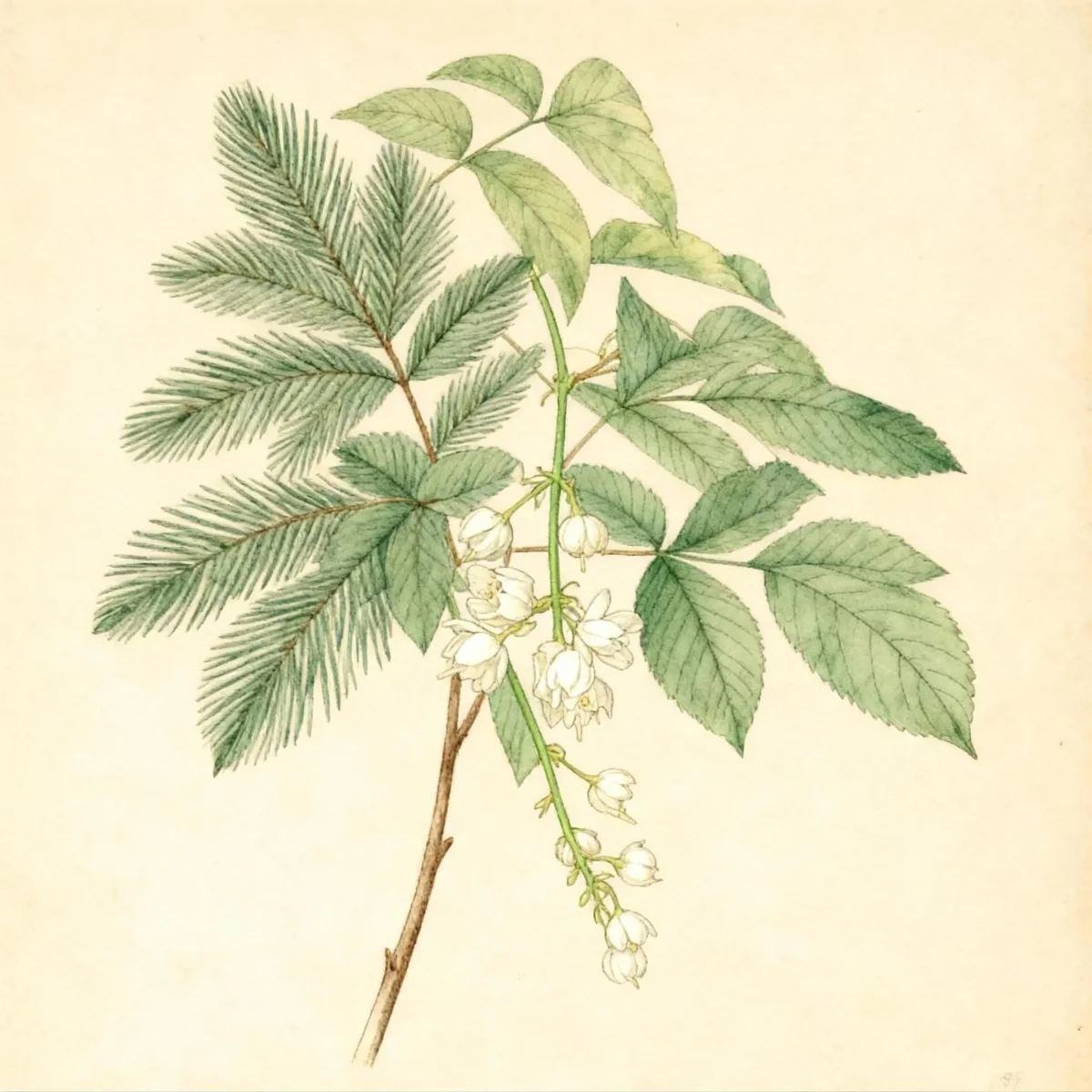
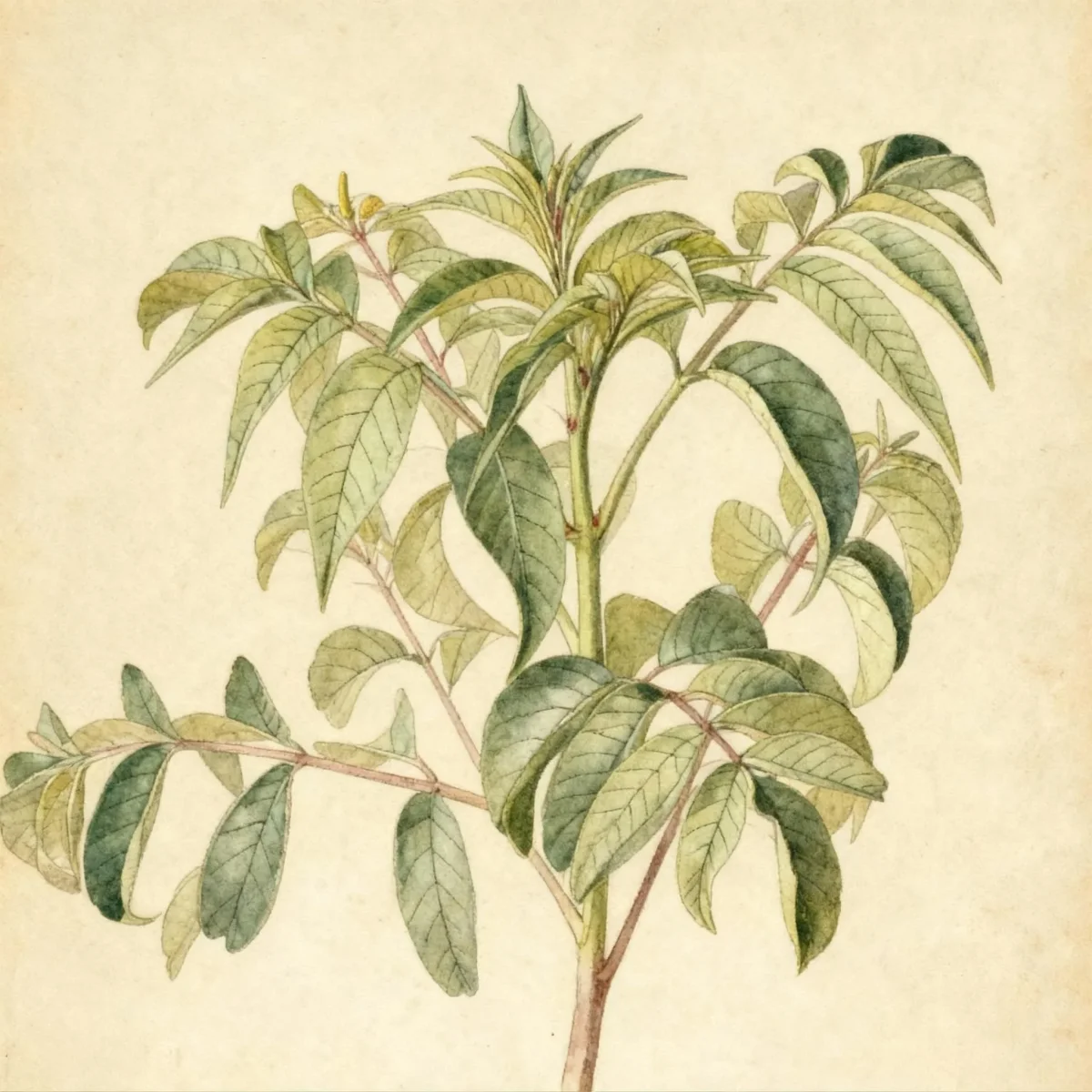
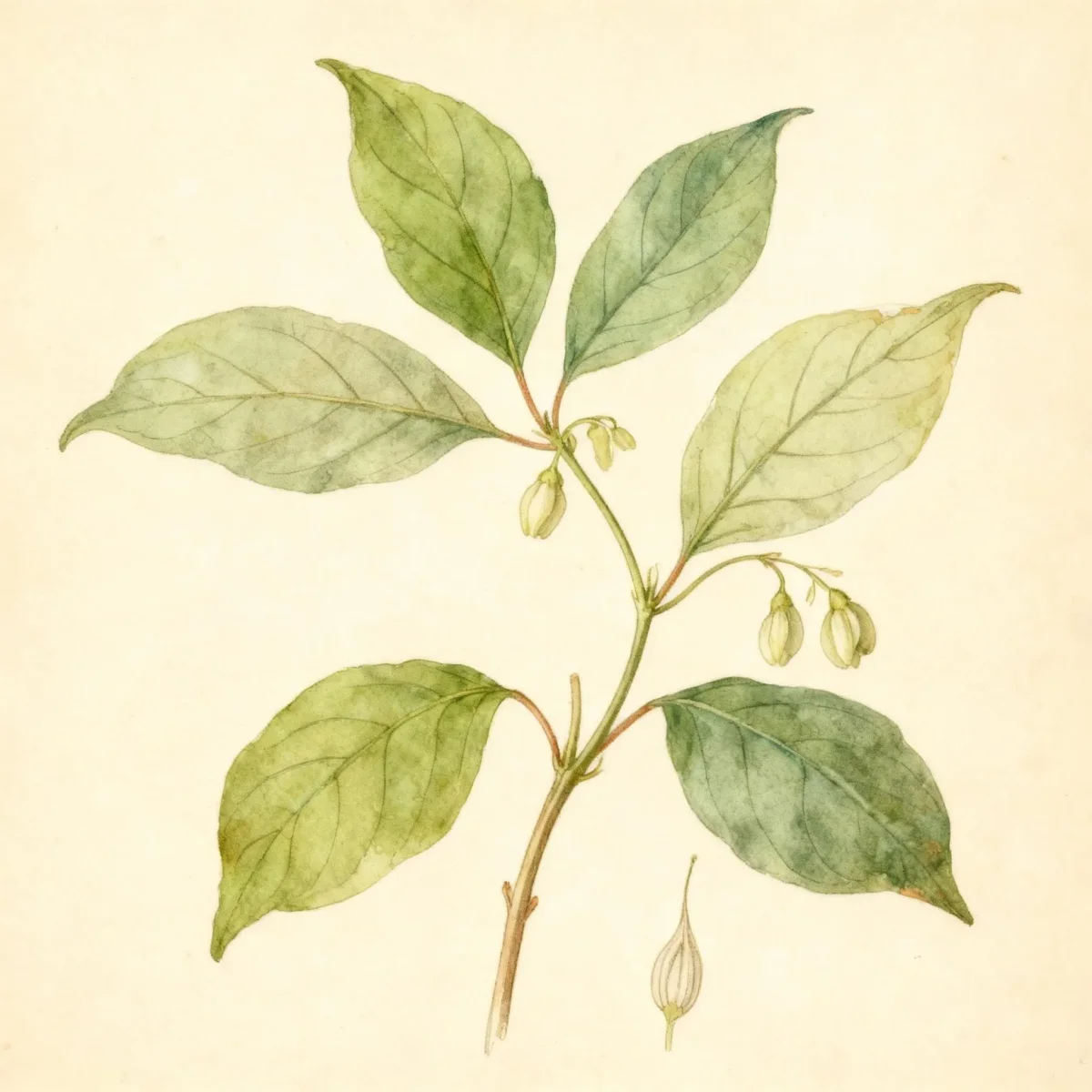
Staphylea bumalda typically matures into a compact, rounded shrub reaching 4 to 6 feet high and wide. Its foliage consists of attractive trifoliate leaves, providing consistent summer screening before leaf drop. While the flowers are modest, they contribute a slight fragrance to the garden in late spring before developing into the peculiar seed heads that lend the plant its common name.
This relatively uncommon shrub offers a medium maintenance solution for areas needing reliable structure without demanding intensive care. Whether used formally as a hedge or allowed to naturalize, the presence of Staphylea bumalda brings an unexpected element of botanical intrigue to woodland edges and shaded borders.
Fast Facts
- Plant Family: Staphyleaceae
- Plant Type: Deciduous shrub
- Native Range: Japan, China, Korea
- Hardiness Zones: USDA Zones 5-6
- Size at Maturity:
- Height: 4-6 ft
- Spread: 4-6 ft
- Bloom Time: May to June
- Bloom Description: Dull white
- Sun Exposure: Full sun to part shade
- Water Needs: Medium
- Maintenance Level: Medium
How to Grow
Planting the Bladdernut is best done in the spring or fall, allowing the roots time to establish before the stress of mid-summer heat. Select a location offering rich, well-drained soil, avoiding areas where water tends to pool. Staphylea bumalda thrives in a balance between full sun and partial shade; intense afternoon sun in hotter climates should be mitigated by planting in light afternoon shade.
Keep the soil consistently moist, especially during the first few growing seasons as the shrub establishes its root system. This species requires medium water input and should never be allowed to experience extended dry spells. Fertilization is rarely required in rich garden soils, but a light application of balanced, slow-release fertilizer in early spring can support vigorous growth.
Pruning needs are generally minimal. This suckering shrub can be managed by selectively cutting back older or crossing branches during the dormant season to maintain desired shape. If you are cultivating Staphylea bumalda for a naturalized look, simply allow it to spread via suckers, intervening only to remove unwanted spreading growth.
Landscape Uses
The compact nature of Staphylea bumalda makes it highly adaptable across various landscape settings. It performs exceptionally well when massed as an informal hedge or utilized along woodland margins where dappled light prevails. As a naturalized planting, this Bladdernut works beautifully near shaded streams or on slopes, providing reliable year-round structure.
For shrub borders, the Bladdernut offers a mid-ground element that transitions well between lower perennials and taller shade trees. Its trifoliate foliage provides a different texture next to broad-leafed evergreens or large ferns common in shade gardens. Due to its preference for moisture, consider grouping it with plants like Astilbes or various Hosta varieties that share similar cultural requirements.
Utilizing Staphylea bumalda in naturalized areas helps soften hard lines in the landscape. Its ability to spread gently via suckers allows it to fill in gaps naturally, creating an established, low-maintenance screen or backdrop for spring ephemerals.
Standout Features
Flower Qualities
- Showy
- Fragrant
Fruit Qualities
- Showy
Noteworthy Characteristics
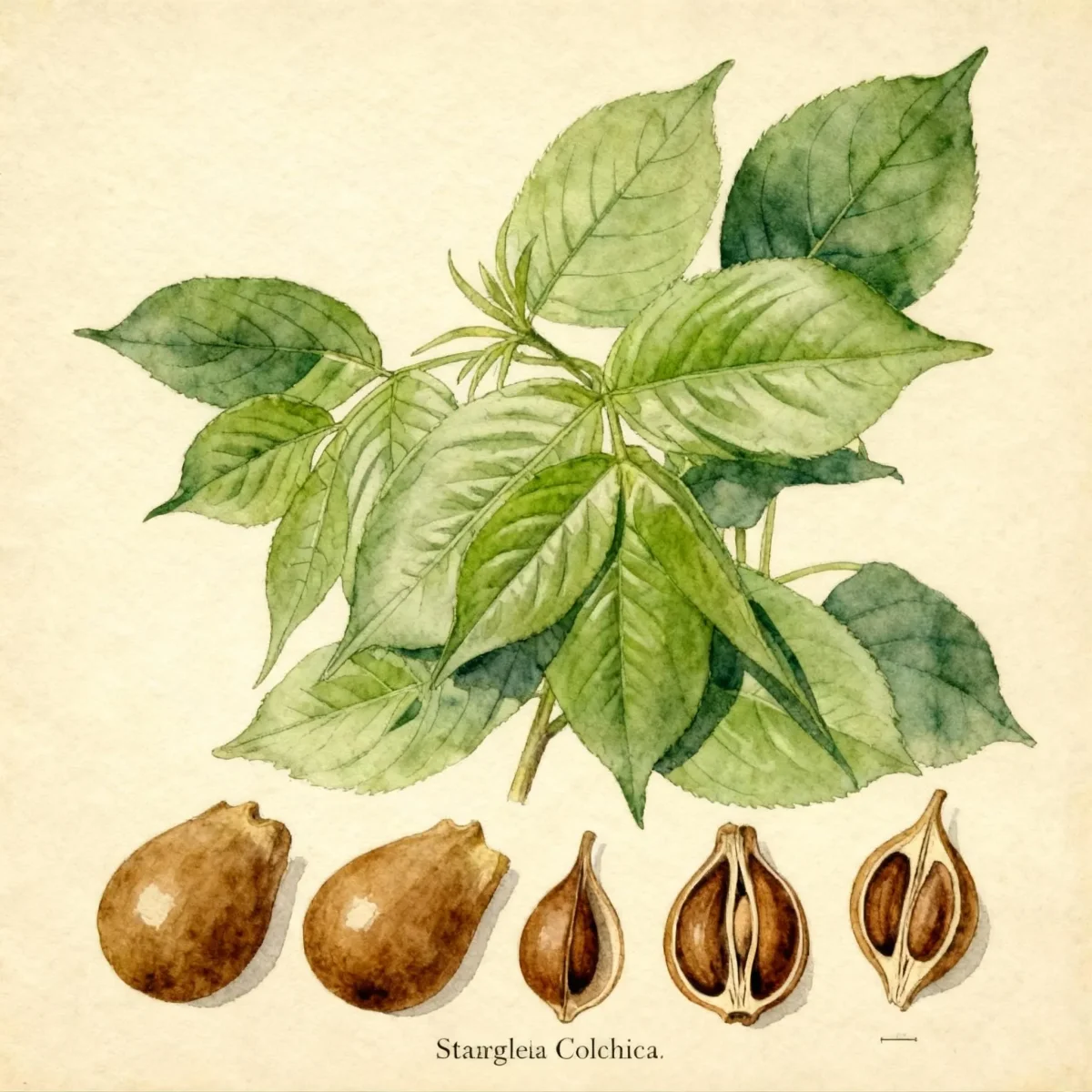
Staphlea bumalda, commonly known as Bumald bladdernut, is a deciduous suckering shrub that typically grows to 4-6’ tall and as wide, native to open forests in Japan. It features trifoliate leaves, with three elliptic leaflets displaying serrated edges, leading up to slightly-fragrant, dull white, bell-shaped flowers clustered in erect panicles during late spring. The genus name Staphylea refers to the clustered arrangement of the flowers, while the common name Bladdernut originates from the inflated, bladder-like appearance of the seed capsules that follow the bloom.
Tolerances
- No specific tolerances listed based on provided data.
Potential Problems
The good news for gardeners is that Staphylea bumalda generally exhibits strong resistance to serious insect infestations or major diseases. However, under unfavorable, overly wet, or stressed conditions, minor cosmetic issues can arise.
Monitor foliage for signs of leaf spot, which appears as circular discolored patches, often exacerbated by high humidity or overhead watering that keeps leaves wet overnight. Twig blight, another potential concern, can cause dieback in branches, usually signaling underlying stress in the soil or root system.
Management focuses on cultural care. Ensure the soil is fast-draining and avoid overhead watering late in the day to minimize fungal development. Promptly prune out any blighted twigs, cutting back into healthy, green wood to encourage clean new growth on the Bladdernut.
Frequently Asked Questions
What hardiness zones is Bladdernut suitable for?
The Staphylea bumalda is best suited for USDA Hardiness Zones 5 through 6, offering reliable cold tolerance in those regions.
How large does Staphylea bumalda grow?
This deciduous shrub typically reaches a moderate size, growing between 4 to 6 feet in height and spreading to a matching width of 4 to 6 feet at maturity.
When does Bladdernut bloom?
You can expect the subtly fragrant, dull white flowers of the Bladdernut to appear in the garden from late May through June each year.
What sun exposure does Staphylea bumalda need?
For best performance, plant Staphylea bumalda where it receives full sun to partial shade; it appreciates protection from the harshest afternoon summer sun.
Conclusion
The Bladdernut, or Staphylea bumalda, is an excellent choice for gardeners seeking a moderate-sized, low-fuss shrub with appealing aesthetic qualities throughout the season. Its reliable texture, mildly fragrant spring blooms, and unique seed capsules make it a valuable addition to shaded or woodland settings. Review your local USDA zone compatibility and plan to plant this resilient shrub during cooler seasons for guaranteed success.
Companion Planting
Because Staphylea bumalda requires rich, evenly moist, well-drained soil, it pairs naturally with other woodland edge plants that share these requirements. Consider planting near moisture-loving ferns like Japanese Painted Ferns (Athyrium niponicum) for contrasting leaf texture, or beneath taller, established deciduous trees that offer the necessary dappled light. Spring bulbs often look wonderful emerging around the base of the shrub before the Bladdernut fully leafs out, adding early-season color to the developing scenes.
Propagation Tips
Propagation of this interesting shrub can be achieved through several proven horticultural methods. Due to its suckering nature, layering or digging up and dividing the offsets in early spring before growth begins is one of the easiest ways to increase your stock of Staphylea bumalda. For those seeking to start from seed, collect the two-lobed capsules when mature in the fall; scarification or cold stratification may be necessary to break dormancy before sowing in the spring for best germination results. Hardwood cuttings taken during the dormant season can also successfully root to produce new specimens.